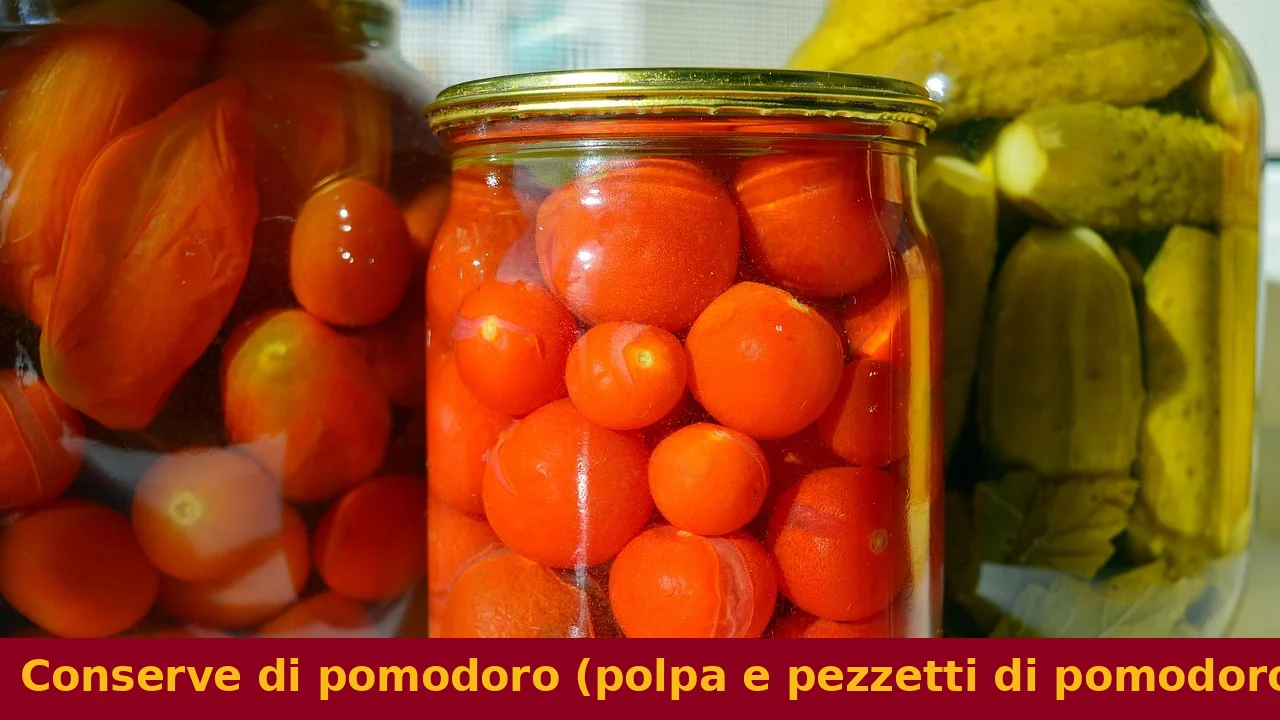
Nelle cucine abruzzesi, il profumo dolce e leggermente acidulo del pomodoro maturo evoca immediatamente l’estate e la generosità della terra. Le conserve di pomodoro (polpa e pezzetti di pomodoro) rappresentano molto più di un semplice ingrediente: sono l’anima di innumerevoli piatti, un legame con le tradizioni familiari e il sapore autentico dell’Abruzzo. Questa preparazione, che…
Nelle cucine abruzzesi, il profumo dolce e leggermente acidulo del pomodoro maturo evoca immediatamente l’estate e la generosità della terra. Le conserve di pomodoro (polpa e pezzetti di pomodoro) rappresentano molto più di un semplice ingrediente: sono l’anima di innumerevoli piatti, un legame con le tradizioni familiari e il sapore autentico dell’Abruzzo. Questa preparazione, che racchiude il sole e la ricchezza del suolo regionale, è un pilastro della dispensa, pronta a trasformare ogni ricetta in un’esperienza gustativa profonda. Ogni vasetto è un piccolo tesoro, frutto di un sapere che si tramanda, preservando la freschezza del raccolto estivo per tutto l’anno.
The Abruzzese conserve di pomodoro (polpa e pezzetti di pomodoro) is a preparation made from fresh, ripe, and healthy tomatoes, processed to preserve their flavor and nutritional properties. It comes in two main variants: tomato pulp and diced tomatoes. The pulp is obtained by finely grinding the fleshy part of the tomato, stripped of skin and seeds, resulting in a homogeneous but not entirely liquid consistency, with small visible fragments. Diced tomatoes, on the other hand, maintain a more defined structure, with tomato cubes immersed in their juice, offering a more rustic texture and a more distinct bite. Both types are the result of a transformation process that aims to capture the freshness of freshly harvested tomatoes, making them available for culinary use throughout the year. They are a fundamental element of the Mediterranean diet and an indispensable ingredient for traditional Italian cuisine, particularly that of Abruzzo, where the quality of the raw ingredient is considered a primary value.
The introduction of the tomato to Europe, following the discovery of the Americas, marked a true culinary revolution. Initially viewed with suspicion, the “golden apple” slowly conquered tables, especially in Southern Italy, thanks to the climate favorable to its cultivation. The practice of preserving tomatoes for winter arose from the necessity to have this precious vegetable available even out of season. Already in the 18th century, the first attempts at preservation were documented, but it was during the 19th century, with the advent of appertization techniques (heat sterilization), that the production of tomato preserves saw a significant surge, transforming from a domestic practice into a small industry.
In Abruzzo, the preparation of tomato preserves has always been a family ritual, a moment of sharing and collective work that marked the end of summer. Families gathered to select, wash, blanch, and bottle tomatoes, often grown in their own gardens. This knowledge, passed down from generation to generation, allowed for the refinement of techniques and the selection of tomato varieties best suited for processing, ensuring a high-quality final product. Abruzzo, with its fertile valleys and temperate climate, provided the ideal context for cultivating juicy and flavorful tomatoes, making the conserve di pomodoro (polpa e pezzetti di pomodoro) a distinctive element of its gastronomic tradition. To delve deeper into the general history of tomato preserves, specialized sources like Wikipedia can be consulted.
Abruzzo, with its exceptional landscape variety, ranging from the Apennine peaks to the Adriatic coasts, offers an ideal environment for quality agriculture. The inland areas, particularly the fertile valleys and plains, are traditionally suited for vegetable cultivation, including tomatoes. The climate, characterized by warm, sunny summers and cool nights, favors a slow and complete ripening of the fruits, which thus develop an intense aromatic profile and good acidity—essential elements for an excellent preserve. The soils, often of alluvial or volcanic origin, are rich in minerals that contribute to the unique flavor of Abruzzese tomatoes.
The production of conserve di pomodoro (polpa e pezzetti di pomodoro) is widespread in various areas of the region, with particular concentration in the flat and hilly zones where agriculture is more intensive. Boroughs like Luco dei Marsi, in the Fucino plain, and Civitella Messer Raimondo, in the foothills of the Maiella, are examples of locations where agricultural tradition is strong and tomato cultivation is practiced with dedication. The proximity between cultivation fields and processing centers, whether small family businesses or more structured realities, ensures that tomatoes are processed as quickly as possible after harvesting, preserving their freshness and organoleptic properties to the maximum. This strong connection to the territory makes traditional products from ABRUZZO particularly appreciated for their authenticity.
The production of Abruzzese tomato preserves follows a process that combines artisanal tradition with modern hygienic-sanitary standards, ensuring a safe and high-quality product. The first and most crucial step is the selection of tomatoes. Only healthy fruits, perfectly ripe, often local varieties known for their firm pulp and balanced flavor, are chosen. After harvesting, the tomatoes are thoroughly washed to remove soil residues and impurities.
Subsequently, the tomatoes are briefly blanched in boiling water, a step that facilitates skin removal. After being peeled, the fruits are deprived of seeds and less desirable parts. At this point, depending on the type of preserve, the tomatoes are finely chopped for the pulp or diced into cubes for the pezzetti. The mass thus obtained is then subjected to a brief cooking, often with the addition of a small amount of salt, to concentrate its flavor and stabilize its consistency. Finally, the hot preserve is bottled in sterilized glass jars and hermetically sealed. The jars are then pasteurized, usually by immersion in boiling water for a determined period, a process that ensures the sterilization of the product and its long-term preservation, without the addition of artificial preservatives. This method preserves the genuineness of the tomato, maintaining its aromatic and nutritional profile intact.
The conserve di pomodoro (polpa e pezzetti di pomodoro) from Abruzzo stands out for a set of organoleptic characteristics that reveal its excellent quality and origin.
In color, it presents a vibrant and intense red, typical of sun-ripened tomatoes, without orange or brown hues that could indicate inferior raw material or inadequate processing. The vibrancy of the color indicates freshness and richness in lycopene, a powerful antioxidant.
The aroma is the unmistakable scent of fresh, sweet tomato, with clean vegetal notes and a slight earthy hint. There should be no metallic or excessively acidic odors, which would suggest over-processing or poor fruit quality.
The texture is another distinctive element. The pulp is dense yet flowing, with a fine granularity given by the tomato fragments, free of lumps or fibrous parts. The pezzetti, on the other hand, offer a more robust texture, with well-defined cubes that maintain their integrity even after cooking, immersed in a dense and fragrant juice. Both variants must be free of residual skins or seeds.
To the taste, a natural sweetness balanced by a pleasant acidity, typical of Abruzzese tomatoes, is perceived. The flavor is full and enveloping, with a lingering aftertaste reminiscent of freshly picked fruit. There should be no bitter notes or excessive saltiness, which would indicate an unbalanced salt addition. The complexity of the flavor makes these preserves a versatile ingredient capable of enhancing any dish.
The versatility of Abruzzese tomato preserves makes them an indispensable ingredient in any kitchen, from simple daily meals to more elaborate preparations. Tomato pulp, with its homogeneous yet full-bodied consistency, is ideal for preparing quick and velvety sauces. It is the perfect base for a simple tomato sauce, pasta topping, or as an ingredient to enrich soups and legume stews. It also lends itself magnificently to the preparation of more complex sauces, such as ragù, where it blends well with meat and aromatics, or as the base for stews and braised dishes, imparting depth of flavor.
Diced tomatoes, thanks to their more rustic structure, are excellent when a greater perception of tomato is desired in the dish. They are perfect for topping pizza, giving a fresh flavor and pleasant texture. They are used to prepare savory bruschetta, perhaps with the addition of fresh basil and a drizzle of extra virgin olive oil. They are also excellent in fish dishes or to enrich vegetable-based preparations, such as peperonate or caponate, where the tomato cubes maintain a certain integrity and gradually release their juice. In Abruzzo, these preserves are often central to dishes like the “pecora alla callara” or the “brodetto di pesce,” where the tomato binds and enhances other ingredients with its freshness and true flavor.
The conserve di pomodoro (polpa e pezzetti di pomodoro) from Abruzzo stands out for a series of factors that make it a valuable product and a true expression of its territory. Its uniqueness lies first and foremost in the quality of the raw ingredient: Abruzzese tomatoes, cultivated in a particularly favorable climatic and geological environment, develop an aromatic and gustatory profile rarely found elsewhere. The intense sun of Abruzzese summers and the mineral richness of the soils contribute to fruits with a perfect balance between sweetness and acidity.
Another distinctive element is the connection to a processing tradition that, while evolving, has maintained strong respect for artisanal methods. Many producers, even small and medium-sized ones, continue to follow processes that recall home preparation, with meticulous care in the selection and processing of tomatoes. This approach ensures that the preserve maintains the “true” flavor of fresh tomato, without alterations due to aggressive industrial processes or excessive use of additives. It is a product that encapsulates not only the flavor of the fruit, but also the knowledge of generations of farmers and homemakers who have expertly utilized the resources of their land. Its genuineness and deep cultural roots make it a symbol of Abruzzese cuisine.
The conserve di pomodoro (polpa e pezzetti di pomodoro) from Abruzzo falls under the category of Traditional Agri-food Products (PAT) in Italy. The PAT recognition is a certificate of merit awarded by the Ministry of Agricultural, Food and Forestry Policies to products that boast “processing, preservation, and aging methods consolidated over time, homogeneous throughout the affected territory, according to traditional rules, for a period of no less than twenty-five years.”
This certification is of fundamental importance because it attests not only to the territorial origin of the product, but also to its adherence to established and handed-down production practices. For the consumer, the PAT mark represents a guarantee of authenticity and continuity with local history and traditions. It means that the product is made following recipes and techniques that have stood the test of time, preserving the flavor and characteristics that make it an integral part of Abruzzese gastronomic heritage. The PAT is not a Protected Designation of Origin (DOP) or a Protected Geographical Indication (IGP), which require more stringent regulations and specific controls on the supply chain, but it is a recognition that values the gastronomic tradition and diversity of local products, contributing to their protection and promotion.
To fully savor the authenticity of Abruzzese conserve di pomodoro (polpa e pezzetti di pomodoro), the best experience is to immerse oneself in the production territory. The region offers numerous opportunities to discover and acquire this precious product. It can be found directly at small family-run farms and local producers who sell their products at local and farmers’ markets. These places are ideal for meeting producers, understanding the processing methods, and appreciating the passion they put into their work.
In boroughs like Luco dei Marsi or Civitella Messer Raimondo, as well as in other agricultural localities in Abruzzo, it is easy to find specialized shops and delis offering the best tomato preserves from the area. During summer and early autumn, the harvest period, many local festivals and food and wine events celebrate the tomato and its derivatives, offering an excellent opportunity to taste and purchase fresh seasonal preserves. Visiting these areas allows not only for buying a quality product but also for experiencing a complete cultural and gastronomic journey, exploring the landscape beauty and culinary traditions of Abruzzo. Many of these products are also available in specialized stores for Italian traditional food products, even outside the region, but the true spirit is only truly captured at the source.
📷 Photo: AKuptsova · Pixabay License · All credits →
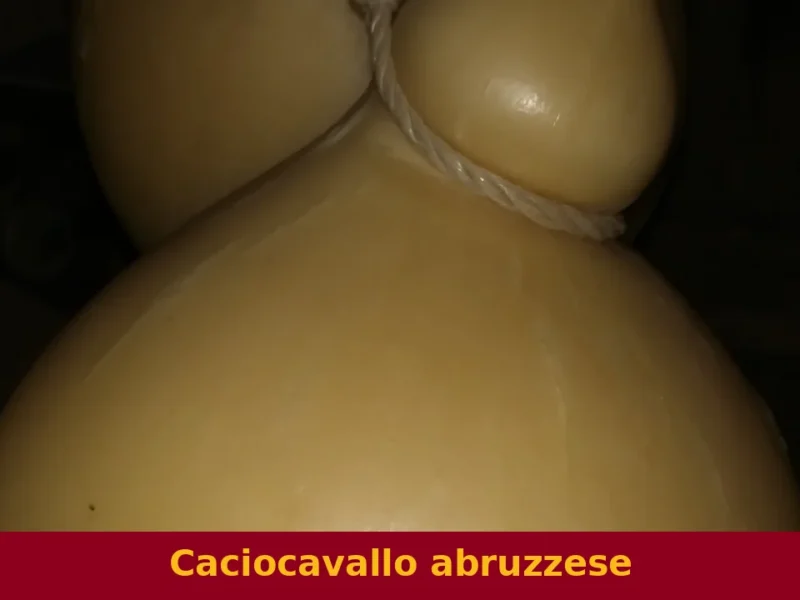
Among the peaks and valleys of Abruzzo, where the echo of traditions resounds strongly, a cheese is born...
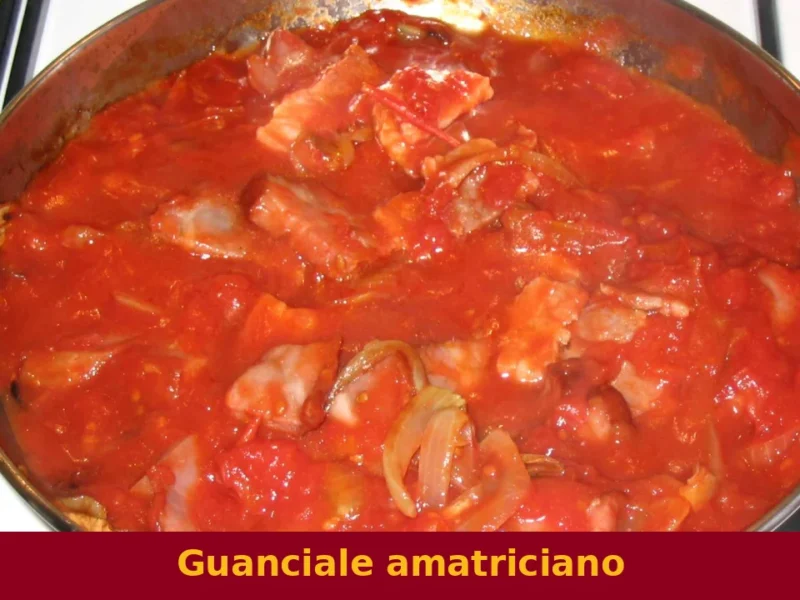
When the unmistakable aroma of a golden soffritto begins to spread, it is often guanciale amatriciano that takes...
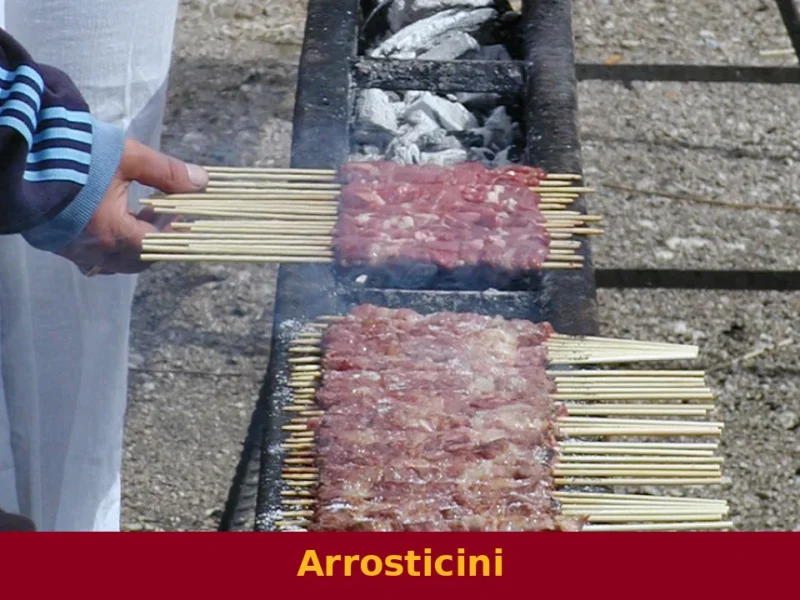
Arrosticini are a gastronomic preparation that unequivocally identifies the Abruzzo region, representing one of its most renowned agri-food...
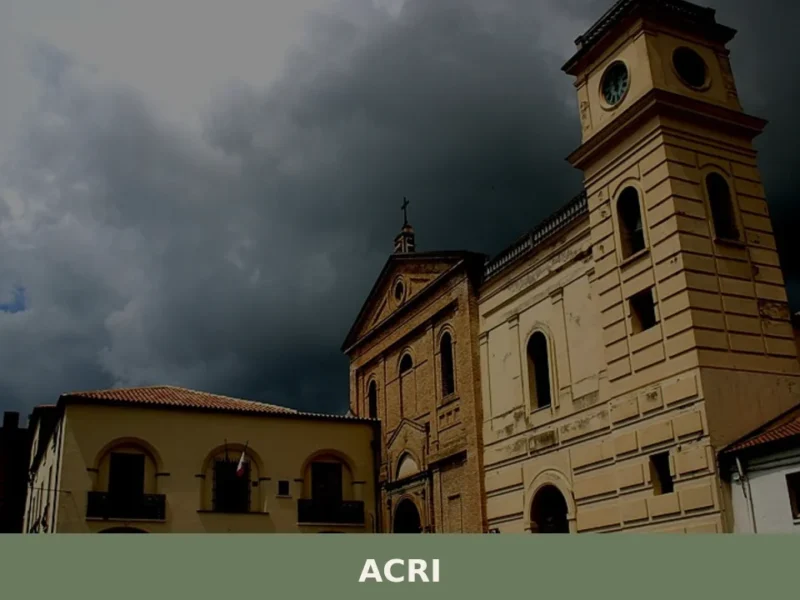
Acri is a town in the province of Cosenza with over 21,000 inhabitants, located in the Calabrian interior of the Sila Greca area, on a territory that passed through Norman, Swabian and Aragonese rule, leaving concrete traces in the local architecture and culture. For anyone approaching this corner of the province of Cosenza, the question […]

At an elevation of 230 metres, on the left bank of the Dora Baltea, Albiano d’Ivrea has 1,628 inhabitants spread between the main settlement and the hamlets scattered across the Canavese countryside. The municipal territory extends over a hilly strip that slopes down towards the plain, shaped by the moraine deposits of the Ivrea Morainic […]

At 170 meters above sea level, with a population of 2,128 inhabitants (most recent ISTAT data), Binetto is located on the Bari plain, a geographical context that has shaped its history and economy. This village, whose origin may date back to Roman settlements linked to vine cultivation, offers a careful discovery experience, away from the […]
📝 Incorrect information or updates?
Help us keep the Conserve di pomodoro (polpa e pezzetti di pomodoro) page accurate and up to date.


