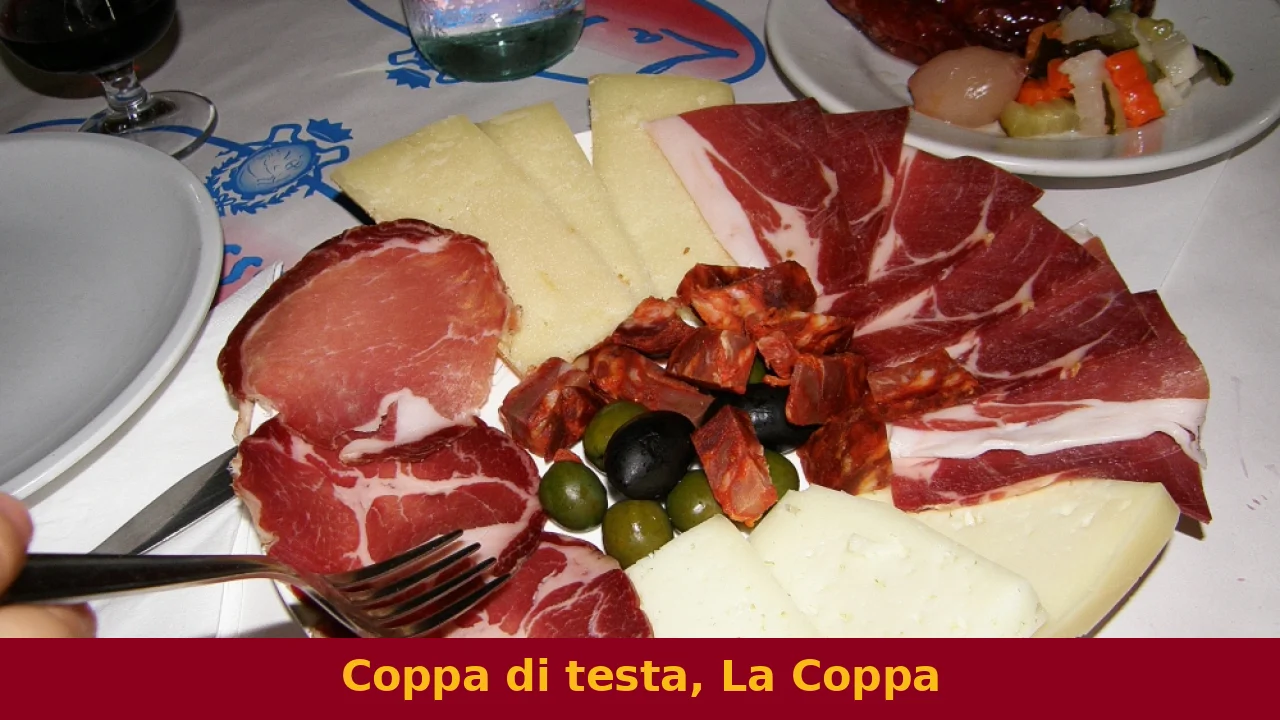
Within Abruzzo’s verdant expanse, amidst mountain pastures and ancient traditions, a cured meat awaits discovery, telling tales of straightforward flavors and artisanal craftsmanship: the coppa di testa, la coppa. This product, deeply embedded in the local gastronomic culture, is not merely food, but an exploration of the culinary heritage of a proud region. Its presence…
Also known as: La Coppa
Within Abruzzo’s verdant expanse, amidst mountain pastures and ancient traditions, a cured meat awaits discovery, telling tales of straightforward flavors and artisanal craftsmanship: the coppa di testa, la coppa. This product, deeply embedded in the local gastronomic culture, is not merely food, but an exploration of the culinary heritage of a proud region. Its presence on Abruzzese tables celebrates an enduring connection with the land and the ingenuity of its farmers, inviting one to discover a genuine taste passed down through generations. Prepared with skill, Abruzzese coppa di testa is a symbol of conviviality and respect for the region’s resources.
Coppa di testa, la coppa is a traditional Abruzzese cured meat, made with cooked pork, specifically from the head of the pig. It is also prevalent in other central Italian regions such as Umbria, Marche, Tuscany, and Emilia-Romagna, each with its own variations. It is crucial to distinguish it from coppa emiliana, which is a cured, aged salami derived from a different section of the pig. In Marche, it is called “coppa marchigiana”; in Tuscany, “soppressata” or “soprassata”; and in Piedmont and Liguria, “testa in cassetta” is found. For Abruzzo, coppa di testa, la coppa is recognized as a Prodotto Agroalimentare Tradizionale (PAT), confirming its historical and cultural connection with the region. For further insight into its origins and variations, consult the Wikipedia page on Coppa di testa.
The history of coppa di testa is rooted in Abruzzese farming culture, where the necessity of utilizing every part of the pig was a fundamental practice of household economy. For centuries, the pig represented a primary resource for rural families, and its slaughter was an annual ritual involving the entire community. The preparation of coppa di testa perfectly aligned with this “waste nothing” philosophy, transforming less esteemed parts into a flavorful and nutritious food. This cured meat is not just a recipe, but a cultural legacy that reflects the ingenuity and adaptability of past generations. Its consistent presence on Abruzzese tables for centuries confirms its role as a cornerstone of local gastronomy.
In Abruzzo, the production of coppa di testa extends across the entire territory, from mountain areas to coastal hills. The region’s diverse landscape, with pastures and forests, supports pig farming, essential for meat quality. In the provinces of L’Aquila, Chieti, Pescara, and Teramo, small artisanal businesses keep this tradition alive. Productions are particularly notable in areas like Marsica, where villages such as Gioia dei Marsi preserve culinary customs, or in the Teramo hinterland, near Ancarano. Dedicated producers are also found in the Peligna Valley, not far from Anversa degli Abruzzi. Abruzzo, with its traditional products from ABRUZZO, exemplifies how gastronomy is inextricably linked to its environment.
The production of coppa di testa is a process demanding care and mastery. It begins with the pig’s head, carefully de-haired and deprived of the brain. The meats, skins, tendons, and cartilages are then boiled for several hours in a steel or copper cauldron until they are tender and easily separable from the bone. During cooking, the eyes are removed for aesthetic reasons. In artisanal preparations, mainly parts of the head are used, while industrial processes may add tongues or rind trimmings. The cooked meats are minced, seasoned with salt, pepper, and spices, then either stuffed into casings or compacted into molds. Final cooling allows the natural gelatin to solidify, binding the ingredients and giving coppa di testa its characteristic consistency.
Abruzzese coppa di testa, la coppa offers a distinctive sensory profile:
Coppa di testa, la coppa is a versatile cured meat, ideal as an appetizer or snack. Sliced not too thinly, it is best enjoyed with good Abruzzese homemade bread. It pairs well with vegetables preserved in oil or giardiniera, whose acidity balances the richness of the cured meat. It can enhance rustic salads or be served with legumes in winter preparations.
For wine pairings, a young and lively Montepulciano d’Abruzzo, or a Cerasuolo d’Abruzzo, are ideal companions. A local craft beer, light and not overly hopped, can also create an interesting combination. Diced, coppa di testa can flavor frittatas, savory pies, or fillings for fresh pasta, imparting a distinctive touch. Served warm, the gelatin softens, further enhancing the aromas. It is an excellent component for a platter of Italian traditional food products.
Coppa di testa, la coppa stands out for its distinctiveness, stemming from the exclusive use of the pig’s head parts. This choice, a result of ancient recovery practices, gives the cured meat an unmistakable mix of textures and flavors, thanks to the presence of meats, cartilages, and natural gelatin from long cooking. The production method, with prolonged boiling and compaction, is artisanal and radically differs from the aging techniques of other cured meats. It is essential to distinguish it from “coppa emiliana”; coppa di testa is a cooked, gelatinous cured meat, rich in the parts used. Its specificity is closely linked to the Abruzzese territory and its traditional products from ABRUZZO, representing the expression of local knowledge and a taste that has resisted standardization. Tasting it means connecting with a segment of history and tradition.
Abruzzese coppa di testa, la coppa is recognized as a Prodotto Agroalimentare Tradizionale (PAT). This certification, from the Ministry of Agricultural Policies, confirms that the product is made with processing, preservation, and aging methods established for at least twenty-five years. The PAT mark guarantees the genuineness and strong connection with the Abruzzese territory, indicating that the recipe and production process are grounded in the region’s gastronomic history. It contributes to safeguarding the diversity of Italy’s agri-food heritage, promoting products that are an expression of culture and territorial specificities. For the consumer, the PAT is a reliable indicator for choosing foods that narrate a story, resulting from artisanal practices and preserving ancient knowledge, despite not being a DOP or IGP.
To savor the true coppa di testa, la coppa, it is advisable to visit Abruzzo, where this cured meat is an integral part of the gastronomic experience. It can be found at local butchers and delis, often family-run, which prepare it according to traditional recipes. Neighborhood and farmers’ markets offer the opportunity to discover it and interact with producers. Festivals and celebrations dedicated to Italian traditional food products are perfect occasions to sample it.
Consider visiting villages like Carsoli or Ateleta, where gastronomic culture is palpable. Agriturismi and typical Abruzzese restaurants include it on their menus. Purchasing coppa di testa locally means taking home a part of history and Abruzzo. It is an invitation to explore the region’s mountains and valleys, discovering an enogastronomic heritage that delights and surprises, making every visit a lasting memory.
📷 Photo: Ra Boe · CC BY-SA 3.0 · All credits →
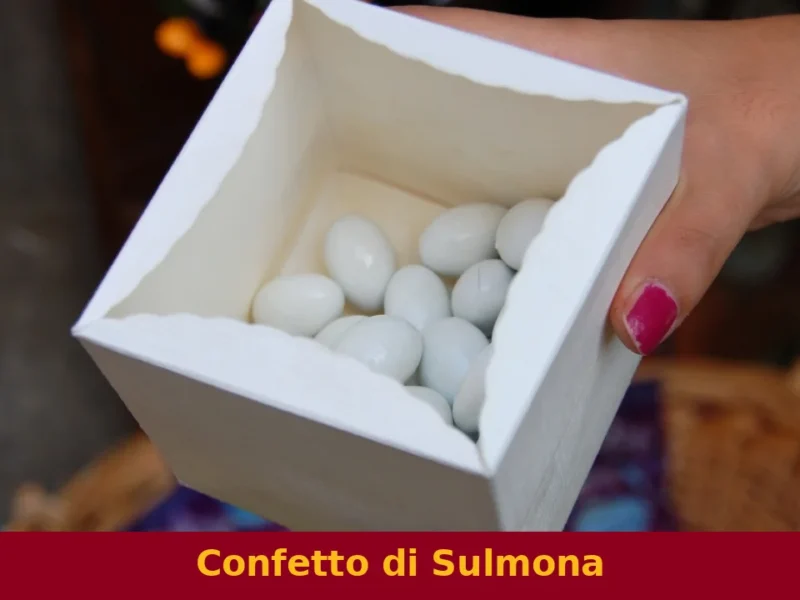
Among the sweets that define the gastronomic identity of Abruzzo, the Confetto di Sulmona stands out for its...
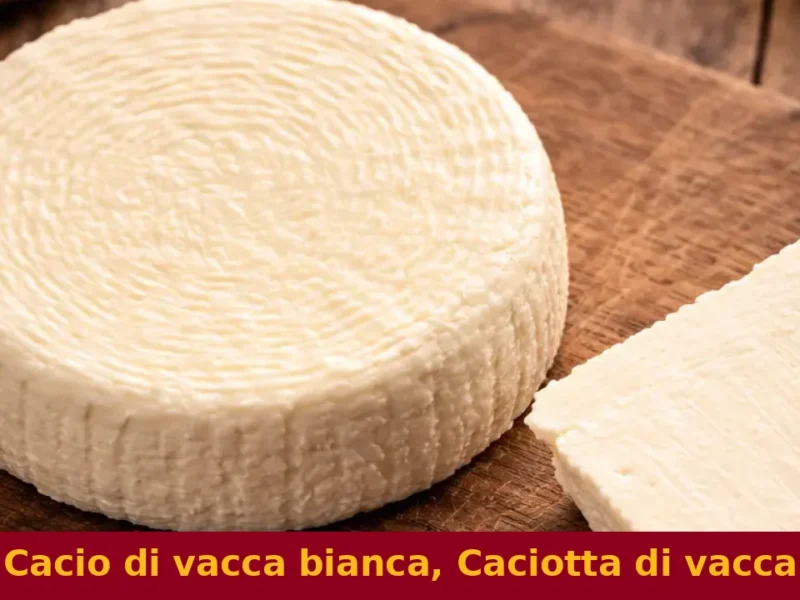
The cacio di vacca bianca, caciotta di vacca is a cheese that finds its origins in the pastoral...
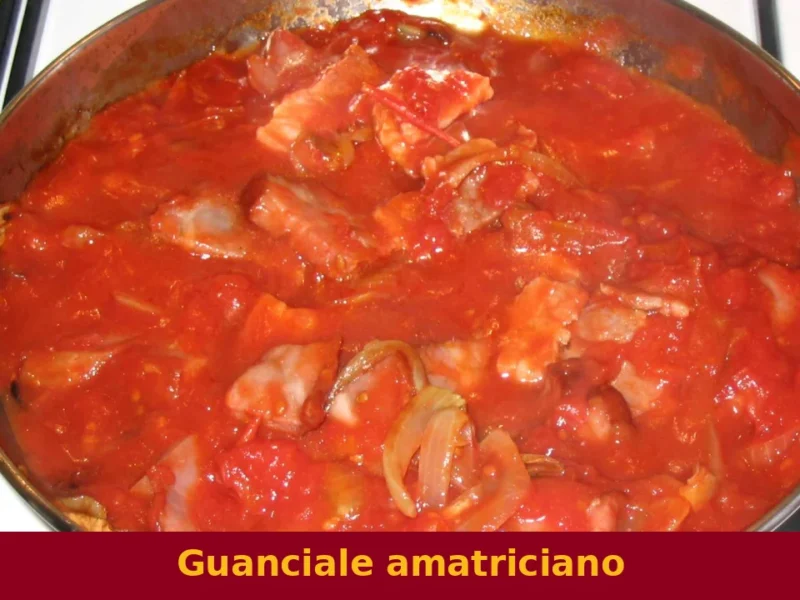
When the unmistakable aroma of a golden soffritto begins to spread, it is often guanciale amatriciano that takes...

In 1687, the physician and naturalist Giovanni Battista De Candido published the first treatise on the healing properties of the sulphurous waters flowing from the Fonte Pudia spring in the territory of Arta. That document marked the beginning of a thermal spa tradition that would define the economic identity of this Carnic centre for the […]
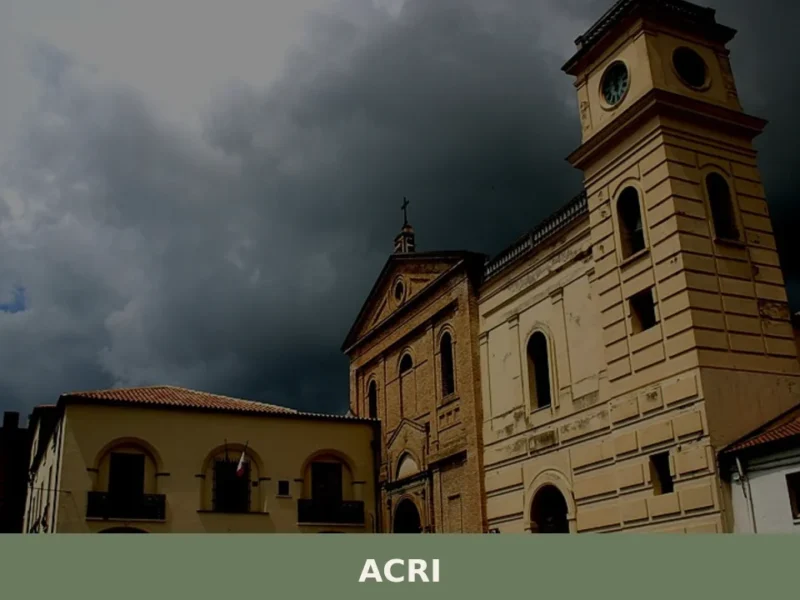
Acri is a town in the province of Cosenza with over 21,000 inhabitants, located in the Calabrian interior of the Sila Greca area, on a territory that passed through Norman, Swabian and Aragonese rule, leaving concrete traces in the local architecture and culture. For anyone approaching this corner of the province of Cosenza, the question […]
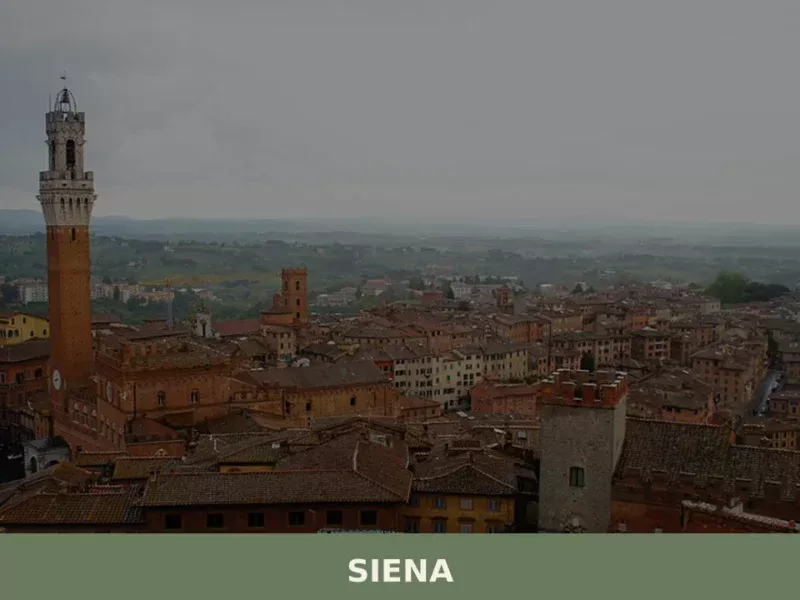
What to see in Siena: UNESCO centre at 322 m, population 52,883. Explore Piazza del Campo, the Cathedral, the Palio, and local foods like panforte and pici. Plan your visit.
📝 Incorrect information or updates?
Help us keep the Coppa di testa, La Coppa page accurate and up to date.


