


Castilenti
 Hills
Hills
At 272 metres above sea level, along the valley of the Fino torrent, Castilenti has a current population of 1,346 and occupies a stretch of hilly terrain in the province of Teramo where olive cultivation marks the landscape with orderly rows of trees and still-active oil mills. Anyone wondering what to see in Castilenti will […]
Discover Castilenti
At 272 metres above sea level, along the valley of the Fino torrent, Castilenti has a current population of 1,346 and occupies a stretch of hilly terrain in the province of Teramo where olive cultivation marks the landscape with orderly rows of trees and still-active oil mills. Anyone wondering what to see in Castilenti will find a settlement that preserves the layout of its original historic core, with the parish church dedicated to Saint Victoria of Rome, patron saint of the town, and an urban fabric reflecting the transformations that took place between the medieval period and the 18th century.
History and origins of Castilenti
The place name “Castilenti” most likely derives from the Latin Castrum Lentis or Castrum Lenti, a reference to a fortified settlement linked to a landowner or to a feature of the territory. The first written record of the name appears in medieval documents relating to the dioceses of the Teramo area. Like many settlements along the Abruzzo hill belt, Castilenti developed around a defensive structure during the early Middle Ages, at a time when raids along the river valleys made it necessary to build garrison points on higher ground.
Over the centuries the village passed under the control of various feudal families of the Kingdom of Naples. Its position — far from the major road routes yet connected to the Adriatic coast markets through the Fino valley — turned it into a stable agricultural centre. The 18th-century catasto onciario records a community devoted to growing wheat, grapes and olives, activities that still define the local economy today. After Italian unification, Castilenti was placed within the province of Teramo and experienced, like much of the Abruzzo hinterland, a gradual depopulation during the 20th century, a trend softened in recent decades by greater attention to promoting the area’s agricultural products.
To learn more about the municipality’s history, you can consult the dedicated Wikipedia page.
What to see in Castilenti: five places not to overlook
1. Church of Santa Vittoria
Dedicated to the patron saint of the village — Saint Victoria of Rome, whose cult is widespread across several areas of central Italy — the parish church is the religious focal point of Castilenti. The building, remodelled several times over the centuries, retains a plain façade and a single-nave interior with side altars housing devotional statuary typical of the Abruzzo tradition.
2. The historic centre and the medieval core
The old settlement extends along a network of narrow streets that follow the contour lines of the hill. The houses in local brick and stone, with carved doorways and small loggias, document the building phases spanning from the late Middle Ages to the 19th century. Walking these streets means reading the architectural stratification of an agricultural village on the Teramo hills.
3. The oil mills and the olive-growing landscape
Castilenti lies within an area with a strong olive-growing vocation. The oil mills in the area — some of which can be visited during the milling season, between October and December — produce extra-virgin olive oil from local cultivars including Dritta and Leccino. The surrounding landscape, marked by olive groves arranged on natural terraces, is an integral part of the municipality’s productive identity.
4. Baronial palace
In the old core of the town stands a building of noble design, dating back to the feudal era, which underwent alterations in the following centuries. The structure, with its stone portal and framed windows, represents the presence of the aristocratic power that governed Castilenti under the feudal system of the Kingdom of Naples.
5. The Fino torrent valley
The municipal territory extends towards the Fino valley, a watercourse that rises on the eastern slope of the Gran Sasso and flows into the Adriatic. Along its banks you can follow unpaved paths through riparian vegetation, cultivated fields and small plots of land. It is an area suited to hikes on foot or by bicycle, away from the more frequented routes.
Food and local products
The table in Castilenti reflects the farming tradition of the Teramo hills. Extra-virgin olive oil is the cornerstone product: the olives are hand-picked between October and November and pressed the same day in the local mills. At the table you will find virtù — the ritual soup of the first of May, prepared with dried legumes, fresh pasta and spring vegetables — and maccheroni alla chitarra, cut with the distinctive steel-stringed frame and dressed with lamb ragù or small meat balls.
Other local products include red wines from Montepulciano d’Abruzzo grapes, pecorino cheeses and cured meats prepared according to methods handed down through farming families. Local dining revolves around trattorias and agriturismos that work predominantly with ingredients sourced from the surrounding area. For up-to-date information on food and wine events, it is useful to consult the official website of the Municipality.
When to visit Castilenti: the best time of year
The patron saint feast of Santa Vittoria, celebrated by the community with a procession and a fair, is the occasion of greatest collective participation. Spring — from April to June — offers favourable weather conditions for exploring the area on foot: temperatures range between 15 and 25 degrees, the hills are green, and the blossoming of fruit trees marks the landscape. Autumn, from October to November, coincides with the olive harvest and the milling season, when the oil mills open their doors and the scent of freshly pressed oil can be noticed even from a distance.
Summer can be hot and dry, with peaks above 30 degrees during the middle of the day. Winter is mild compared to the mountainous inland areas of Abruzzo, but the short days and low temperatures — which can drop below zero on January nights — make the period less suitable for those wishing to spend time on rural walks.
How to get to Castilenti
By car, Castilenti is reached from the A14 Bologna–Taranto motorway by exiting at the Atri-Pineto toll station, from which you continue inland along the SP553 for approximately 20 kilometres. From Teramo the distance is around 30 kilometres heading south-east, covered in just under forty minutes. From Pescara it takes approximately 50 kilometres following the A14 northbound and then the inland provincial roads.
The nearest railway station is Atri-Pineto, on the Adriatic Bologna–Lecce line, from which you need to continue by private transport or local bus. Pescara’s Abruzzo Airport is approximately 55 kilometres away. Information on local public transport services is available from the Abruzzo Region.
What to see in Castilenti and in nearby Abruzzo villages
The Abruzzo hinterland has dozens of smaller centres that share with Castilenti an agricultural matrix and a history linked to the feudal system of southern Italy. Those travelling along the hill belt between the provinces of Teramo and Chieti can reach Celenza sul Trigno, situated in the Trigno valley on the border with Molise, where the landscape shifts register and clay badlands define the profile of the hills. It is a useful centre for understanding the demographic and agricultural dynamics of southern Abruzzo.
Moving towards the mountainous interior, in the province of L’Aquila, you come across Fagnano Alto, a scattered municipality made up of several hamlets distributed along the middle Aterno valley. The comparison between the two territories — the coastal hills of Castilenti and the Apennine slopes of Fagnano Alto — conveys the geographic and cultural variety of a region that in less than a hundred kilometres passes from sea level to altitudes above a thousand metres.
Frequently asked questions about Castilenti
What is the best time to visit Castilenti?
The best times to visit Castilenti are spring (April to June) and autumn (October to November). Spring offers pleasant temperatures (15-25°C), ideal for exploring the green hills and enjoying the blossoming landscape. Autumn is perfect for experiencing the olive harvest and milling season, with local oil mills opening their doors and the aroma of freshly pressed oil filling the air. The patron saint's feast of Santa Vittoria, celebrated with a procession and fair, is another highlight, though its exact date isn't specified, it represents a significant community event. Summer can be hot, while winter is mild but less suitable for outdoor walks.
What to see in Castilenti? Main monuments and landmarks
In Castilenti, start your visit with the Church of Santa Vittoria, the village's religious heart, noted for its plain façade and single-nave interior with traditional devotional statuary. Explore the historic centre and medieval core by wandering through its narrow streets, admiring houses built from local brick and stone, featuring carved doorways and small loggias. Don't miss the Baronial Palace, a building of noble design reflecting the village's feudal past. For a taste of local life, visit one of the active oil mills during the milling season (October to December), and enjoy the surrounding olive-growing landscape. Finally, the Fino torrent valley offers unpaved paths ideal for peaceful walks or bike rides amidst nature.
What are the main natural or scenic attractions of Castilenti?
Castilenti's natural charm is found in its olive-growing landscape, characterized by orderly rows of olive trees arranged on natural terraces across the hills. This scenic setting is perfect for leisurely drives or walks. The Fino torrent valley, which borders the municipal territory, offers another beautiful natural attraction. Here, you can follow unpaved paths along the riverbanks, immersed in riparian vegetation and cultivated fields, making it an ideal spot for hiking or cycling away from more frequented routes. These areas provide a tranquil escape and opportunities to appreciate the local flora and agricultural beauty.
Where to take the best photos in Castilenti?
For captivating photos in Castilenti, focus on the charming historic centre, capturing its narrow, winding streets, ancient stone and brick houses, and intricate carved doorways that tell stories of past centuries. The panoramic views of the olive-growing landscape are particularly photogenic, with orderly rows of olive trees creating beautiful patterns across the hilly terrain, especially during sunrise or sunset. Additionally, the serene Fino torrent valley offers picturesque scenes of natural vegetation, cultivated fields, and the meandering stream, providing excellent opportunities for nature photography.
Are there museums, churches or historic buildings to visit in Castilenti?
Yes, Castilenti offers several significant sites for visitors. The Church of Santa Vittoria is the primary religious monument, featuring a simple yet historically rich architecture. Within the historic centre, you can explore a fascinating collection of traditional houses built with local brick and stone, many retaining original carved doorways and small loggias, showcasing centuries of architectural evolution. The Baronial Palace stands as a testament to the village's feudal past, with its imposing stone portal and framed windows. While not traditional museums, some local oil mills can be visited during the olive milling season (October to December), offering a direct insight into a vital local industry.
What can you do in Castilenti? Activities and experiences
In Castilenti, you can immerse yourself in the authentic Abruzzese hill life. Explore the historic centre on foot, discovering its medieval charm. During autumn (October-December), visit an active oil mill to witness the olive pressing process and sample fresh extra-virgin olive oil. The Fino torrent valley invites for relaxing hikes or bicycle rides amidst nature. Indulge in the rich local food and wine tradition at trattorias and agriturismos, savoring dishes like maccheroni alla chitarra and Montepulciano d'Abruzzo wines. If your visit coincides, partake in the vibrant patron saint feast of Santa Vittoria, featuring a procession and fair.
Who is Castilenti suitable for? Families, couples, hikers, solo travelers?
Castilenti is ideally suited for travelers seeking a tranquil and authentic Abruzzese experience. It appeals to couples and solo travelers looking for peaceful retreats, historical exploration, and immersion in local culture. Hikers and nature lovers will appreciate the Fino torrent valley and the olive-growing landscape for walks and bike rides. Food and wine enthusiasts will find delight in the local olive oil, traditional dishes, and regional wines offered by local trattorias and agriturismos. It's also a good destination for those interested in the history of small Italian villages and the rhythms of agricultural life, away from mass tourism.
What to eat in Castilenti? Local products and specialties
Castilenti's culinary scene is deeply rooted in its farming traditions. The star product is extra-virgin olive oil, crafted from local cultivars like Dritta and Leccino, often hand-picked and pressed the same day. You must try virtù, the traditional May 1st soup made with legumes, fresh pasta, and spring vegetables, and maccheroni alla chitarra, typically served with a rich lamb ragù or small meatballs. Complement your meal with local Montepulciano d'Abruzzo red wines, pecorino cheeses, and artisanal cured meats. These specialties are best savored in local trattorias and agriturismos, which pride themselves on using ingredients sourced directly from the surrounding area.
Nearby Villages near Castilenti
In Abruzzo More villages to discover
Civitella Casanova
Hills
At 400 meters above sea level, in the hilly heart of the province of Pescara, lies Civitella Casanova. This village, whose historical presence is attested since Roman times, offers a territorial context where geology and human activity have shaped a distinctive landscape. For those wondering about what to see in civitella casanova, the journey through […]
Montebello di Bertona
 Mountain
What to see in Montebello di Bertona, Italy: Discover a village of 994 inhabitants in Gran Sasso National Park. Explore historic sites and natural trails. Read our guide.
Goriano Sicoli
Mountain
At 720 metres above sea level, in the Valle Subequana along the course of the Aterno river, Goriano Sicoli has just 511 inhabitants today — less than a fifth of the population recorded in the 1901 census. The village, in the province of L’Aquila, owes the second part of its name to the Roman colony […]
Villalago
 Lake
Mountain
Lake
Mountain
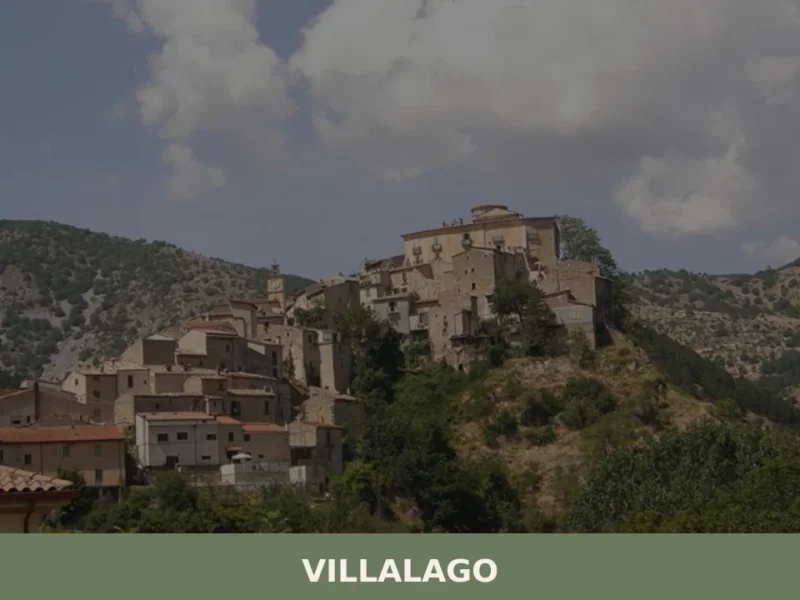
What to see in Villalago, Italy: Discover this Abruzzo village of 579 inhabitants. Explore the Rocca and Hermitage of San Domenico. Read our guide for your trip to Abruzzo.
Pescosansonesco
Mountain
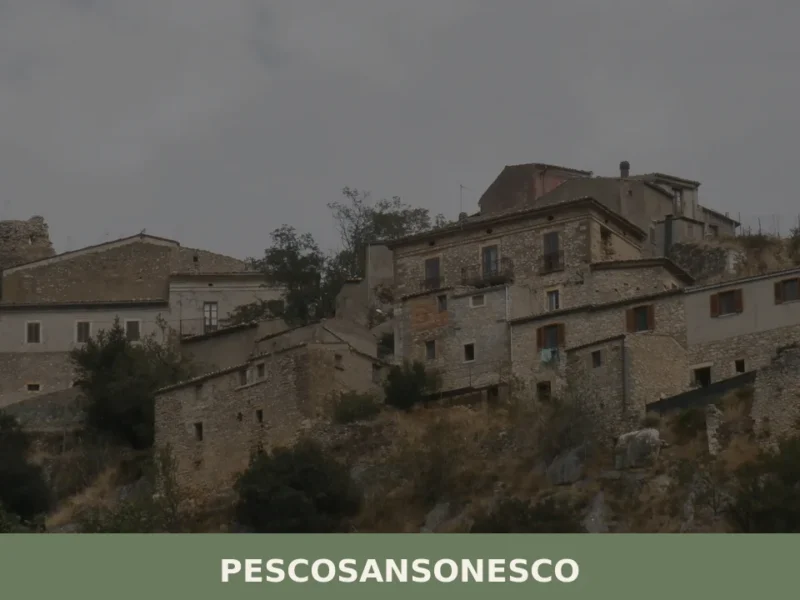
What to see in Pescosansonesco, Italy? Discover this village at 610 m altitude, exploring its ancient ruins and a renowned sanctuary. Read our guide.
Introdacqua
Mountain
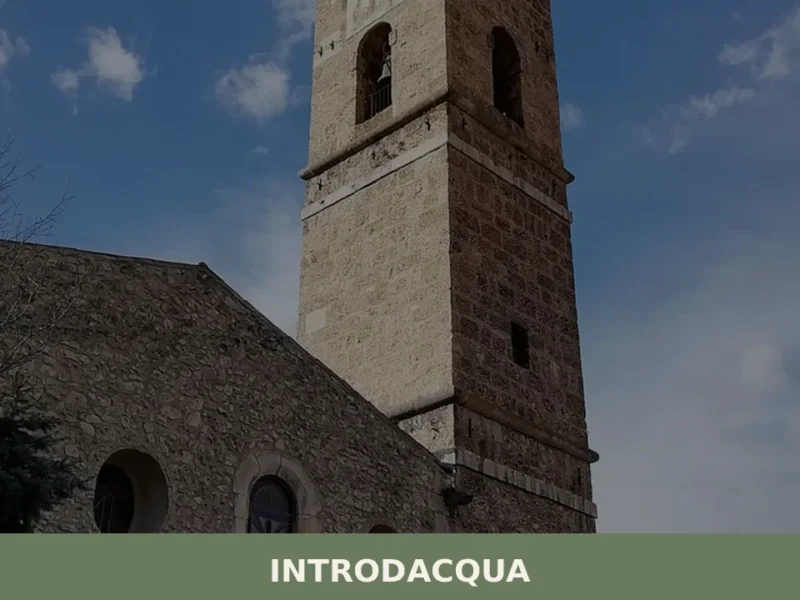
At 642 metres above sea level, at the exact point where three watercourses — the Gizio, the Nera and the San Callisto — converge in the Peligna valley, stands Introdacqua, whose Latin name Intro Acquas records this confluence of waters. The village has a current population of 2,117 and retains an urban layout reflecting at […]
Schiavi di Abruzzo
Mountain
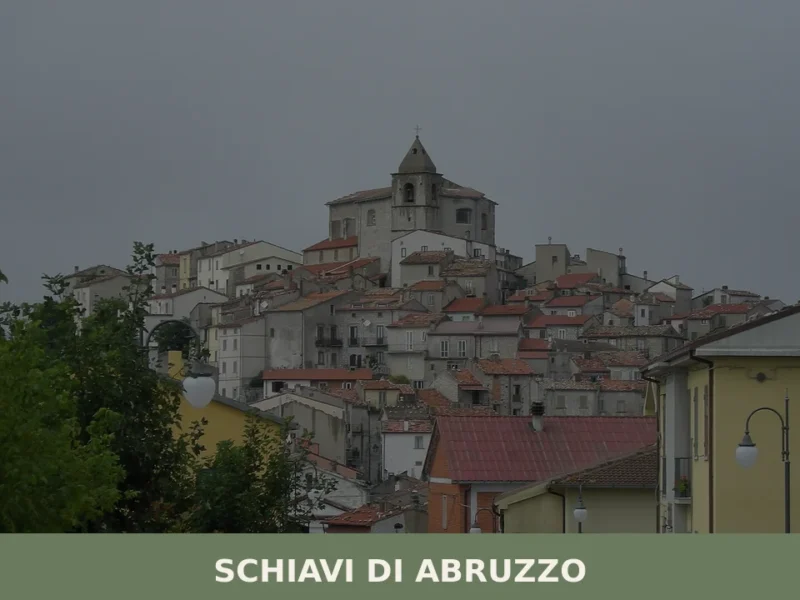
What to see in Schiavi di Abruzzo, Italy: Italic temples from 3 BC, a hilltop at 1,170 m, and a local dialect. Discover the complete travel guide for Abruzzo.
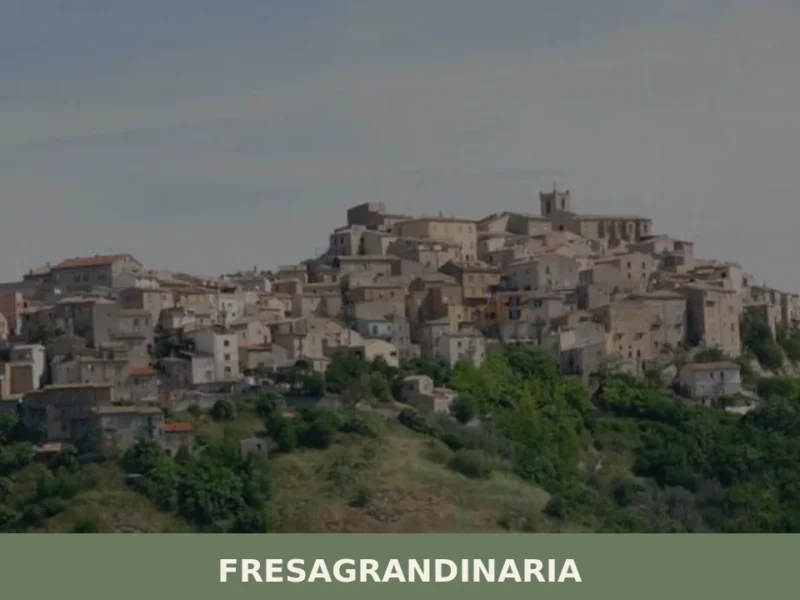
Fresagrandinaria
Hills
Nine hundred and twenty-three inhabitants, a hilltop ridge at 391 metres above sea level, and a double name that joins two distinct medieval communities: Fresa and Grandinaria, merged into a single settlement at least since the fifteenth century. Anyone arriving from the Treste valley floor immediately notices the compact outline of houses built in local […]
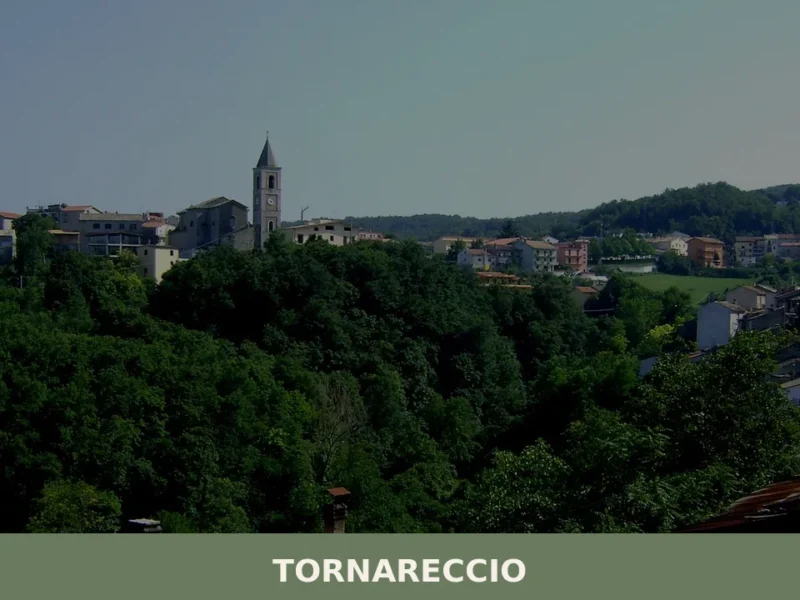
Tornareccio
Hills
What to see in Tornareccio, Italy? Discover this Abruzzo village known for its apiaries and Palaeolithic history, home to 1,895 inhabitants. Explore its archaeological sites and honey production.
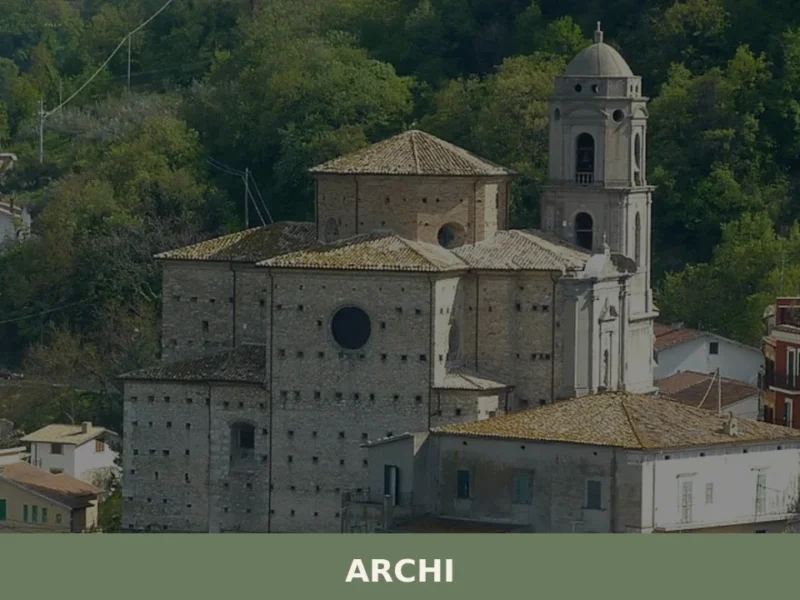
Archi
Hills
Archi sits at 492 metres above sea level in the province of Chieti, a settlement of just under 2,000 inhabitants occupying a ridge above the Sangro river valley in southern Abruzzo. The village’s position — commanding views across a landscape that drops sharply toward the river below — has defined its strategic importance since the […]





🏡 Know Castilenti better than we do?
If you’re a local or have been there, your knowledge matters: add what’s missing or fix a detail on this page.