


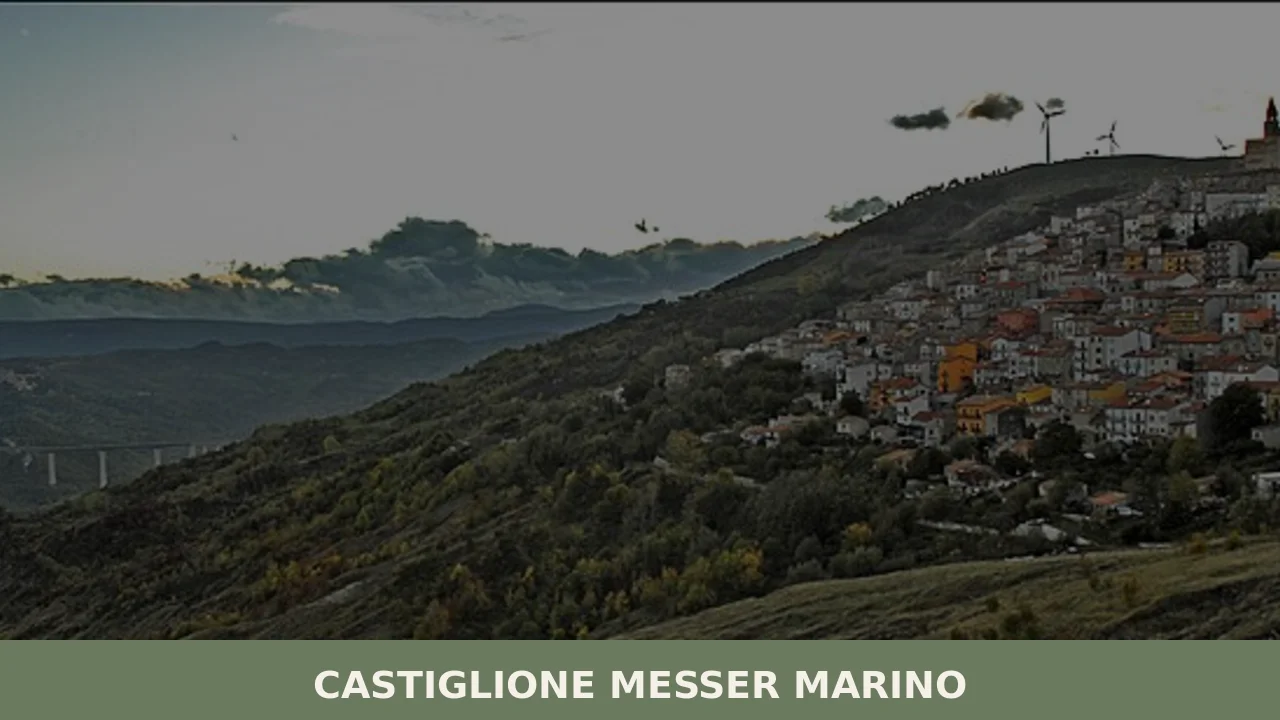
Castiglione Messer Marino
 Mountain
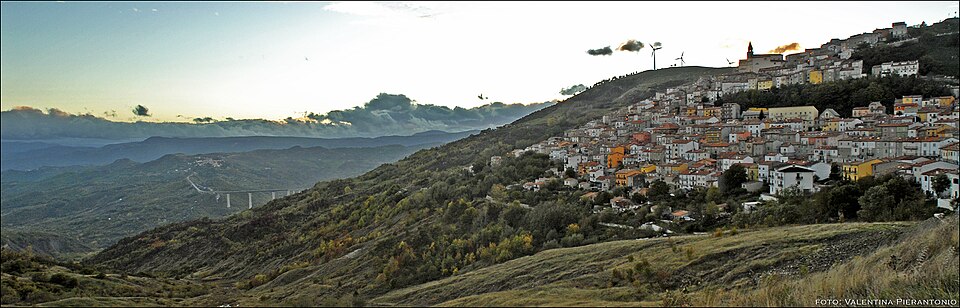
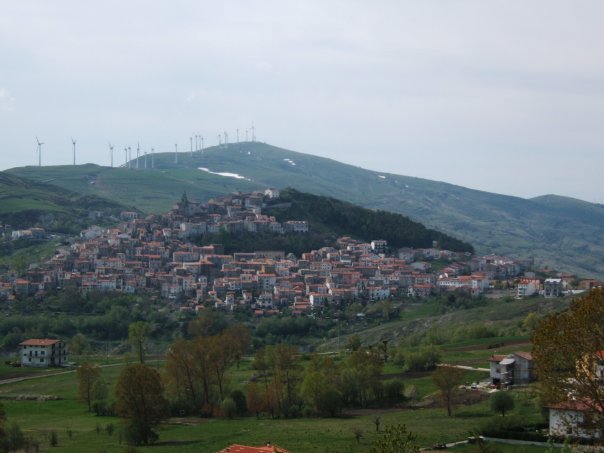
At 1,081 metres above sea level, on the ridge separating the Trigno valley from the Sinello valley, Castiglione Messer Marino has a current population of 1,518 and retains an urban layout that clearly reveals its fortified origins. The village’s very name documents a direct link to the D’Aquino family, feudal lords who controlled its fate […]
Discover Castiglione Messer Marino
At 1,081 metres above sea level, on the ridge separating the Trigno valley from the Sinello valley, Castiglione Messer Marino has a current population of 1,518 and retains an urban layout that clearly reveals its fortified origins. The village’s very name documents a direct link to the D’Aquino family, feudal lords who controlled its fate for centuries. Asking what to see in Castiglione Messer Marino means crossing a territory where altitude — we are above one thousand metres in the province of Chieti — has shaped architecture, economy and culture in concrete ways that remain legible today.
History and origins of Castiglione Messer Marino
The place name “Castiglione” derives from the Latin castellum, a direct reference to a defensive structure. The addition “Messer Marino” is historically linked to Marino I d’Aquino, a member of the powerful Norman-origin dynasty that held the fief between the 13th and 14th centuries. The village appears in medieval documents related to the territorial organisation of the Kingdom of Naples, where it was recorded as a fortified centre positioned to control the routes between the Abruzzo hinterland and Molise.
During the 15th and 16th centuries, the fief passed through several noble families, following the common fate of many southern Italian centres subject to the baronial system. The elevated and relatively isolated position afforded the village a degree of economic autonomy, based on transhumant pastoralism — Castiglione’s flocks travelled the drove roads towards the Tavoliere delle Puglie plains — and on craftsmanship linked to wool processing. The current urban fabric, arranged along narrow parallel streets overlooking the valley, preserves the original defensive logic: the perimeter houses served as a continuous encircling wall.
In 1807, with the Murat-era administrative reform, Castiglione Messer Marino became an autonomous municipality within the province of Chieti. The 19th and 20th centuries brought significant emigration, especially towards the Americas and northern Italy, which halved the resident population. The town suffered damage during the Second World War, as it lay close to the Gustav Line. Today the municipality belongs to the Comunità Montana of the Alto Vastese.
What to see in Castiglione Messer Marino: churches, architecture and high-altitude landscapes
Chiesa Madre di San Giovanni Battista
The main place of worship in the village, this church retains a structure dating to the medieval period with subsequent modifications between the 17th and 18th centuries. The interior features a single-nave plan with side altars in local stone. The entrance portal and the bell tower, built of squared stone blocks, document the earliest construction phases of the building.
Chiesa di Santa Maria del Giudice
Located in the upper part of the old town, this smaller church displays architectural elements attributable to the late Middle Ages. The façade shows a constructive simplicity consistent with the mountain religious buildings of southern Abruzzo. Inside there are wooden statues and sacred furnishings of local craftsmanship, dated between the 17th and 18th centuries.
The old town and the fortified layout
The historic settlement maintains its concentric arrangement around the highest point of the ridge, where the original castle once stood. The houses, built in local limestone with dated portals and carved lintels, form a compact architectural fabric. Some stretches of the perimeter structures still allow the ancient defensive function of the house-walls to be recognised.
Bosco di Sant’Onofrio and mountain trails
A few kilometres from the centre, the Bosco di Sant’Onofrio is one of the last remaining stretches of high-altitude beech forest in the Alto Vastese. The trails that cross it reach elevations above 1,200 metres and offer views of the Apennine ridge from the Maiella to the Matese massif. The undergrowth is a foraging area for porcini mushrooms and black truffle.
Feast of the Archangel Raphael
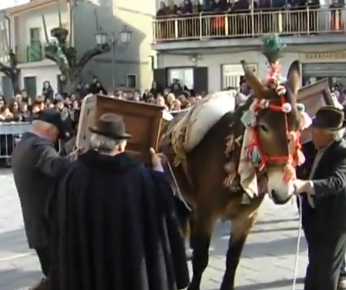
The patron of the village is the Archangel Raphael, celebrated with a festival that involves the entire community and includes a procession through the streets of the old town. The event is one of the occasions when the social fabric of the village — including emigrated residents who return for the occasion — becomes visible in its entirety.
Alto Vastese cuisine: mountain dishes and local produce
The cuisine of Castiglione Messer Marino is determined by its altitude and harsh climate. Pasta alla chitarra with lamb ragù is the most widespread dish, prepared using a stringed instrument that cuts the pasta sheet into square-sectioned strands. Sagne a pezze — broad, irregular lasagne strips dressed with tomato sauce and ricotta — are equally common. Sheep meat dominates the table: lamb cooked under the coppo (a metal lid covered with embers) is a cooking method still practised in the surrounding countryside. Among cured meats, the ventricina of the Vastese area — a salami made from pork cut by knife-point and seasoned with sweet and hot pepper — is the most recognisable product of the territory.
The local pecorino cheese is aged in natural cellars, where the constant temperature afforded by the altitude allows slow drying. In the autumn months, the harvesting of porcini mushrooms and black truffle sustains a small seasonal trade. Bread is still produced in wood-fired ovens by some families, using durum wheat flour grown in the lower-lying areas of the Trigno valley. Dining options in the village are limited to a few trattorie serving dishes tied to the agricultural and pastoral calendar.
When to visit Castiglione Messer Marino: the best time of year
The altitude of 1,081 metres makes winters long and harsh, with frequent snowfall between December and March and temperatures that regularly drop below zero. For those who want to explore the old town and the surrounding trails, the months from May to October are the most practical. June and September offer long days and moderate temperatures — between 15 and 25 degrees — without the summer crowds. Summer brings a few more degrees, but the altitude ensures cool nights even in August, when many emigrants return and the village temporarily doubles its population.
The feast of the patron saint, the Archangel Raphael, is the moment of greatest collective intensity. In autumn, mushroom foraging and the changing colours of the beech forests make the surrounding woods particularly interesting for hikers and photographers. Those who arrive in winter will find a quiet village often covered in snow, with road conditions that require chains or winter tyres.
How to reach Castiglione Messer Marino
- By car: from the A14 motorway (Adriatic), take the Vasto Sud exit and continue on the SS 650 Trignina towards Agnone for about 50 km, then turn off onto the SP 155. From Pescara the distance is approximately 130 km, from Naples approximately 190 km. The access roads are mountain roads, with significant curves and gradients in the final stretch.
- By train: the nearest railway station is Vasto-San Salvo, on the Adriatic line. From there you will need to continue by car or by scheduled bus service (connections are limited and seasonal; check timetables with TUA Abruzzo).
- By air: the nearest airport is Pescara (Abruzzo Airport), approximately 130 km away. Rome Fiumicino airport is approximately 280 km away.
Other villages to explore in mountainous Abruzzo
Inland Abruzzo is a territory where small mountain centres preserve urban structures and daily practices that the coastal cities lost decades ago. Those visiting Castiglione Messer Marino who wish to continue towards the central Apennines can reach Carapelle Calvisio, in the province of L’Aquila, a settlement of just a few dozen residents in the Gran Sasso area where the white stone architecture documents an agro-pastoral economy that maintained its forms intact until the 2009 earthquake.
Moving towards the Valle Subequana, Goriano Sicoli offers another example of a mountain centre with a strong local identity, visible in the church of Santa Gemma and the compact structure of the old village. Both towns share with Castiglione Messer Marino the condition of high-altitude centres with reduced populations, where architecture and landscape can still be read without tourist filters. They are places that demand time, secondary roads and a willingness to slow down your pace of travel.
📷 Photo Gallery — Castiglione Messer Marino
Nearby Villages near Castiglione Messer Marino
In Abruzzo More villages to discover
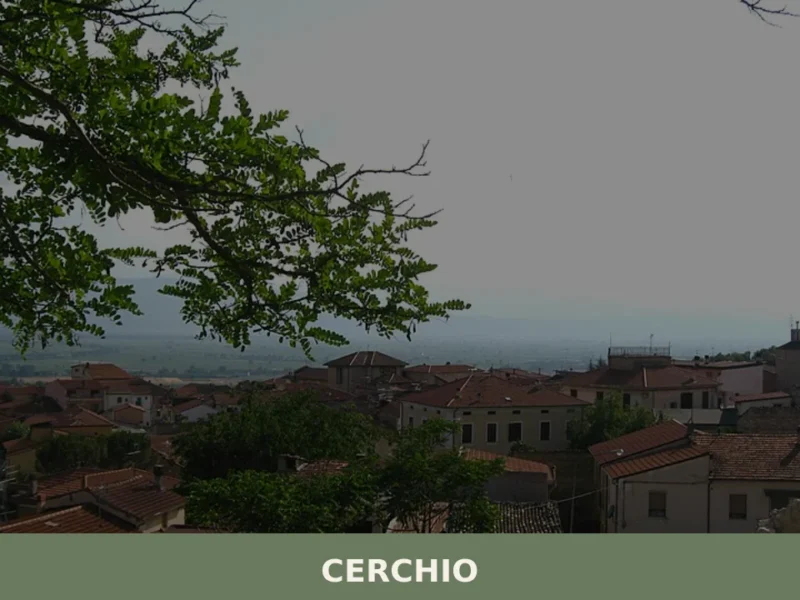
Cerchio
Mountain
At 834 metres above sea level, on the Fucino plain — the largest lake in central Italy until 1875, when the drainage project commissioned by Prince Alessandro Torlonia transformed the lake bed into agricultural land —, Cerchio has a current population of 1,556 and an economy still tied to those fields reclaimed from the water. […]
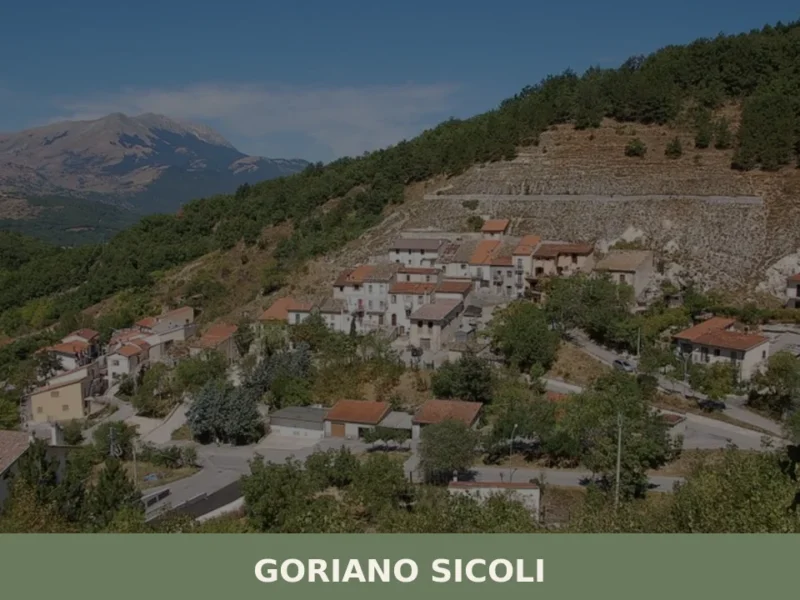
Goriano Sicoli
Mountain
At 720 metres above sea level, in the Valle Subequana along the course of the Aterno river, Goriano Sicoli has just 511 inhabitants today — less than a fifth of the population recorded in the 1901 census. The village, in the province of L’Aquila, owes the second part of its name to the Roman colony […]
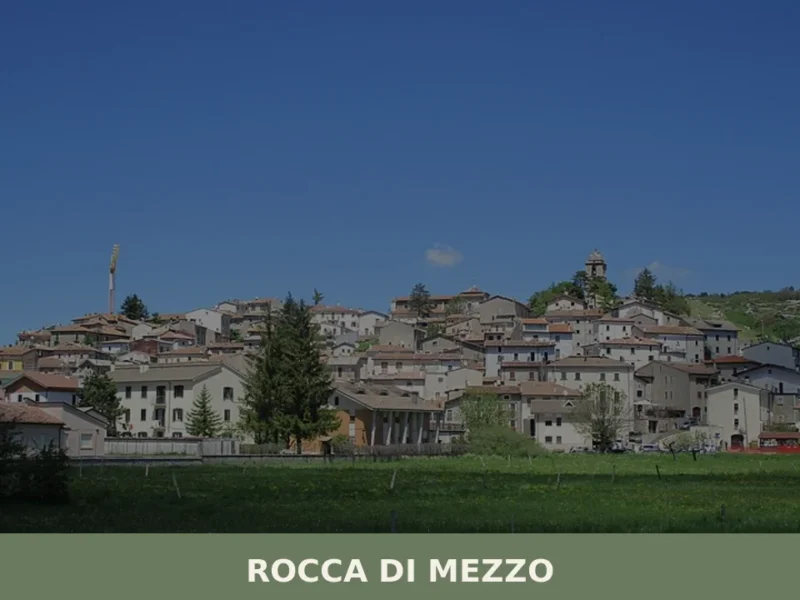
Rocca di Mezzo
Mountain
what to see in rocca di mezzo, Italy. Explore the administrative seat of the Sirente-Velino Regional Park in this L'Aquila comune with 1,499 inhabitants. Discover its role.
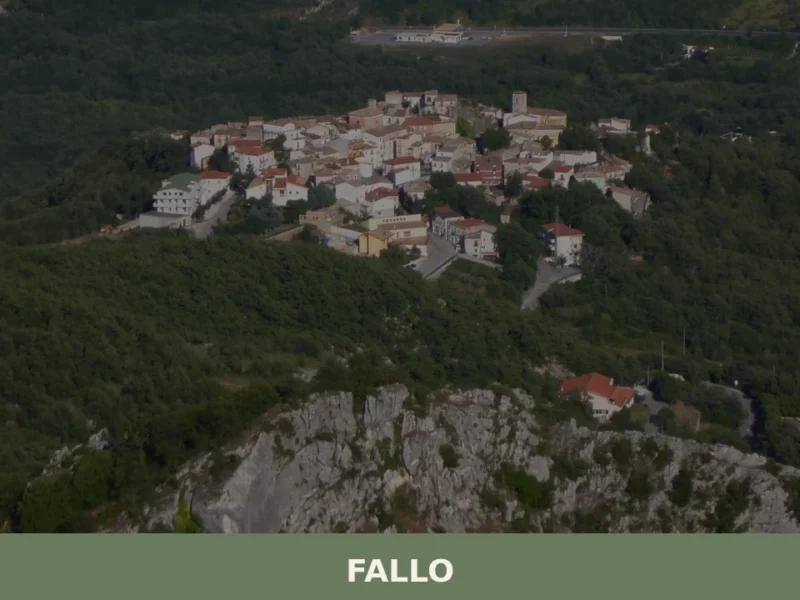
Fallo
 Hills
Hills
With its 134 registered inhabitants, Fallo, in the province of Chieti, is confirmed as one of Abruzzo’s least populous settlements, a fact that immediately defines its intimate scale and unique relationship with the surrounding territory. This small urban cluster, situated on a rocky spur overlooking the Sangro valley, offers a genuine glimpse into Abruzzese mountain […]
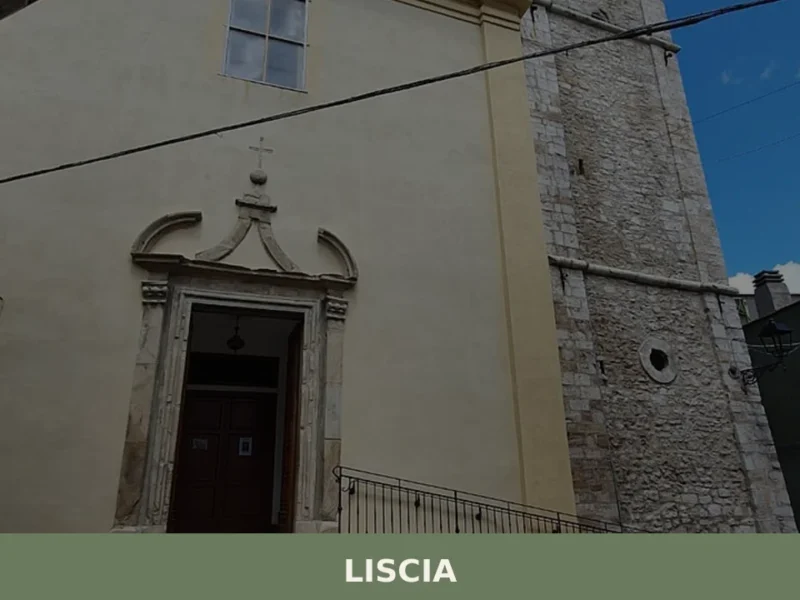
Liscia
Mountain
What to see in Liscia: 642 residents, alt. 740 m. Discover Saint Michael's Church and arrosticini! Explore history and cuisine.
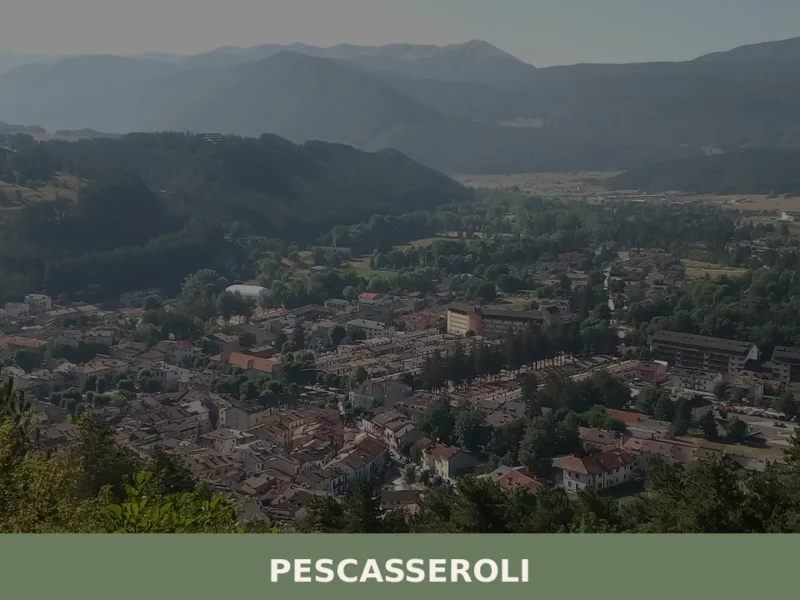
Pescasseroli
Mountain
What to see in Pescasseroli: from the Abruzzo National Park to Croce's birthplace, UNESCO beech forests, mountain cuisine and practical information for visiting the village.
Ari
Hills
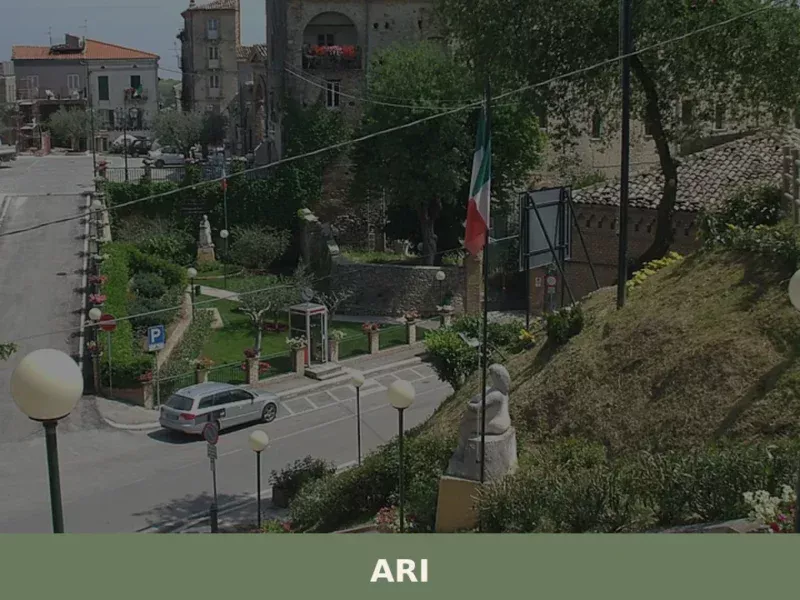
Ari has 1,071 inhabitants spread across a hilly area at 289 metres above sea level, in the strip of land that separates the Teatine coast from the first undulations of the Maiella massif. The municipality, in the province of Chieti, occupies a position that commands a view over the valley corridor of the Dendalo stream, […]
Rivisondoli
Mountain
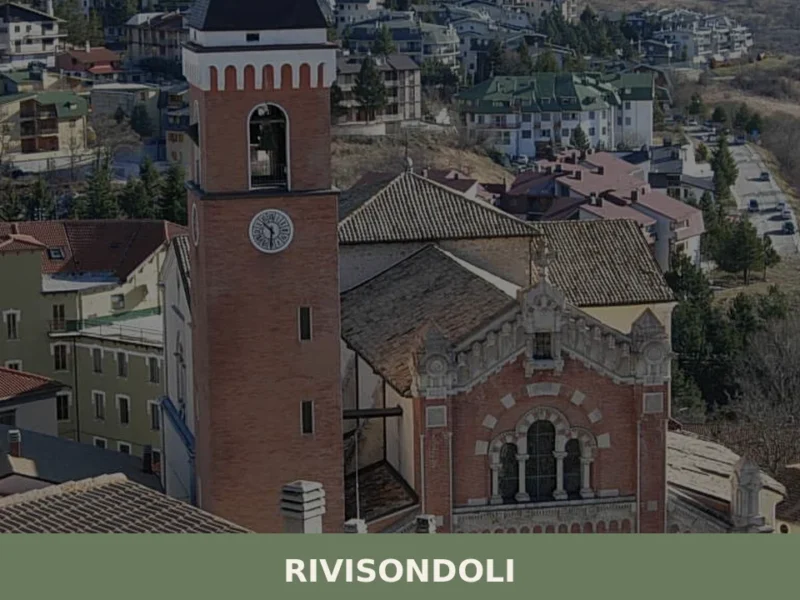
What to see in Rivisondoli, Italy: ski slopes, medieval history since 724 AD, and mountain cuisine. Explore this 684-resident Abruzzo village. Discover it now.
Sant’Eufemia a Maiella
Mountain
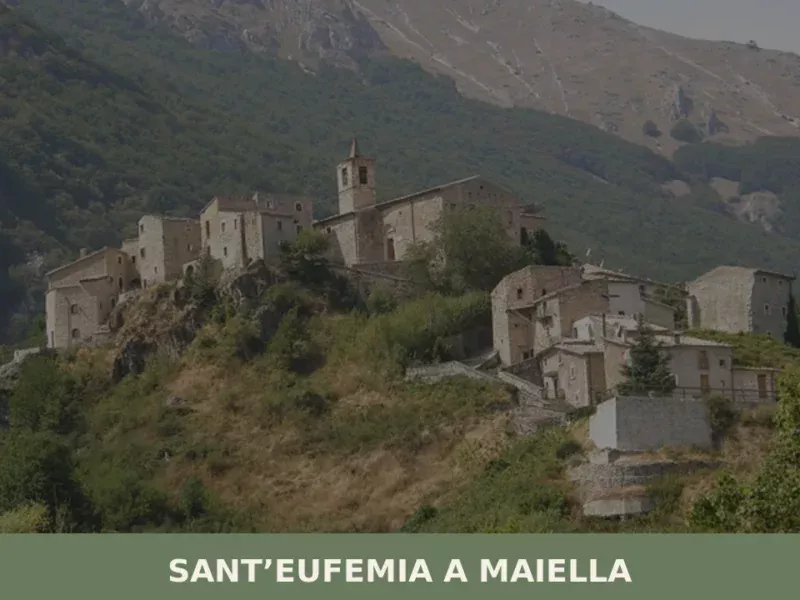
Scopri le 5 attrazioni imperdibili di Sant'Eufemia a Maiella, un pittoresco borgo dell'Abruzzo tra natura, storia e tradizioni montane.
Pescocostanzo
Mountain
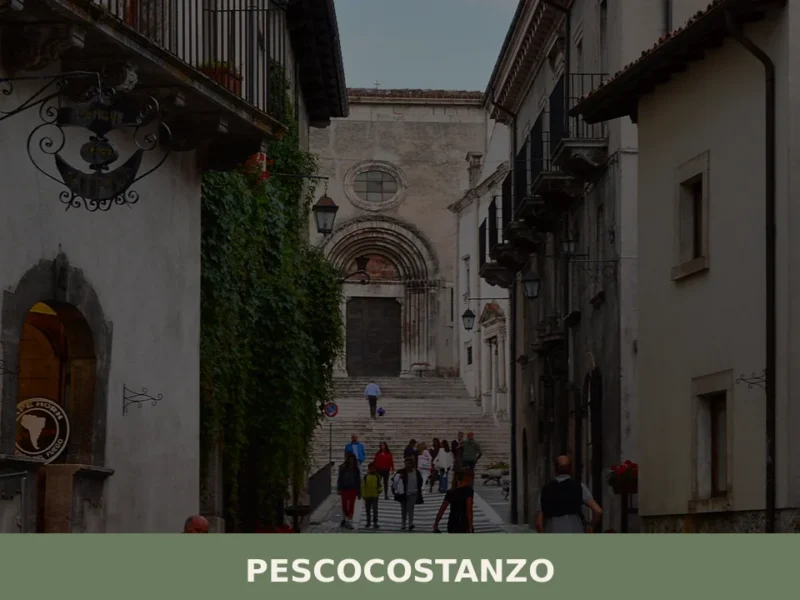
what to see in pescocostanzo offers a blend of mountain beauty and historical charm in Italy. Discover its 1,138 inhabitants, the Maiella National Park, and the Basilica di Santa Maria del Colle. Explore Abruzzo's heart.

🏡 Know Castiglione Messer Marino better than we do?
If you’re a local or have been there, your knowledge matters: add what’s missing or fix a detail on this page.