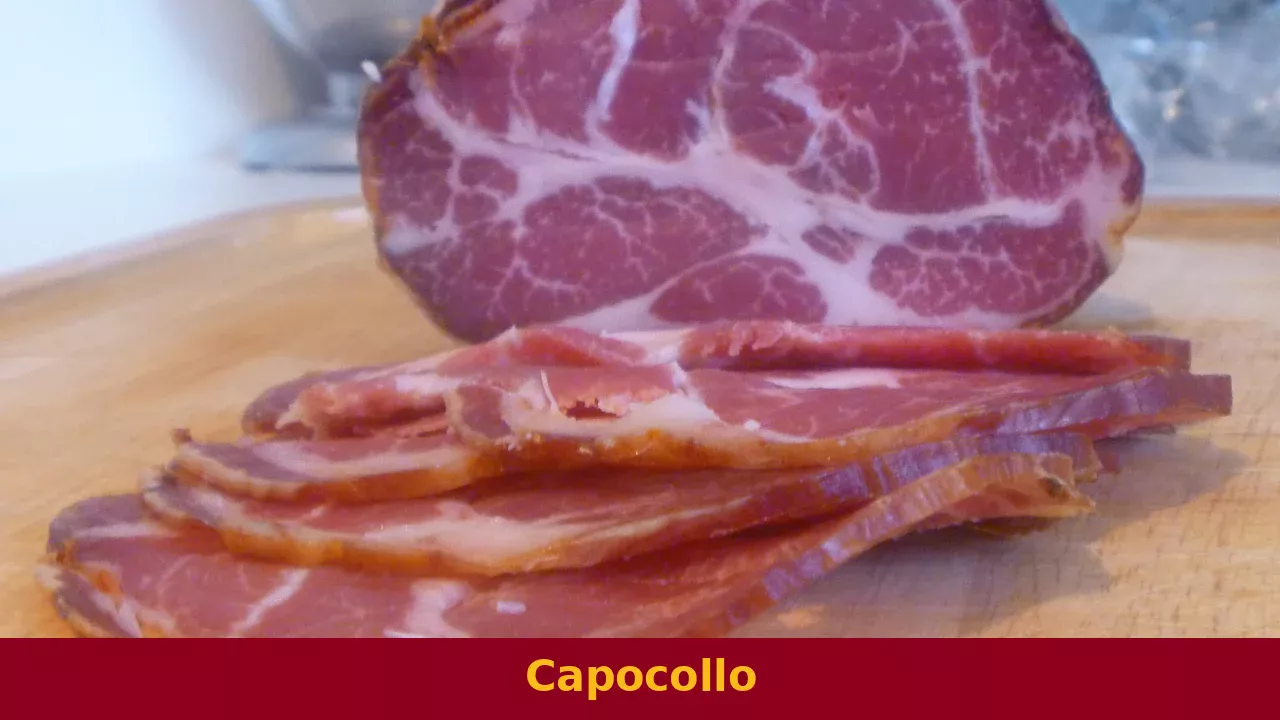
The capocollo, with its unmistakable ruby red color streaked with white and its soft yet firm texture, is an immediate call to the most genuine flavors of Southern Italy. Each thin slice reveals a complex aromatic bouquet, the result of skillful processing rooted in Lucanian tradition. This cured meat, obtained from the upper portion of…
The capocollo, with its unmistakable ruby red color streaked with white and its soft yet firm texture, is an immediate call to the most genuine flavors of Southern Italy. Each thin slice reveals a complex aromatic bouquet, the result of skillful processing rooted in Lucanian tradition. This cured meat, obtained from the upper portion of the pig’s neck, is a true emblem of Basilicata’s gastronomy, where time and the pure mountain air contribute to shaping a unique and memorable taste.
Capocollo is a cured meat, recognized as a Traditional Agri-food Product (PAT) of Basilicata. It is derived from a specific section of the pig, which includes the upper portion of the neck and part of the shoulder, a well-marbled and flavorful cut of meat. The name itself, “capocollo”, comes precisely from its anatomical position, indicating the part between the head (“capo”) and the neck. This specific anatomical origin ensures a natural infiltration of fat into the product which, during curing, melts, giving the cured meat a characteristic softness and flavor. Although coppa, or capocollo, is widespread in various Italian regions and even in Corsica with different interpretations, the Lucanian version stands out for its specific characteristics linked to the territory and local processing methods. To delve deeper into the general definition of this cured meat, you can consult the entry Coppa (salume) on Wikipedia.
The history of capocollo is rooted in a past where pork processing represented a fundamental resource for the subsistence of rural communities. In the internal areas of Basilicata, pig farming and the art of pork butchery have been established practices for centuries, handed down from generation to generation. The need to preserve meat for long periods, especially during colder months, led to the development of salting and curing techniques that, over time, were refined to create excellent products like capocollo. Despite the lack of specific documents attesting to the exact origin of Lucanian capocollo, its presence is evidenced by ancient peasant customs and the continuity of family recipes. Its inclusion in the list of Traditional Agri-food Products (PAT) certifies its historical significance and its establishment in local customs, recognizing its cultural and gastronomic value.
Basilicata, with its mountainous and hilly landscapes, offers an ideal context for the production of cured meats. High altitudes and the presence of fresh, dry air currents, characteristic of the region’s internal areas, are decisive environmental factors for the proper maturation of capocollo. Production areas extend primarily in the provinces of Potenza and Matera, where the healthy air and specific microclimates favor slow and controlled curing. Villages such as Calvera, with its hillside position, or the areas near Anzi and Albano di Lucania, contribute with their unique climatic conditions to defining the character of this cured meat. The quality of the environment, combined with the availability of local raw materials, is a key element that makes traditional products from BASILICATA so appreciated.
The production of Lucanian capocollo follows a meticulous process that begins with the careful selection of raw material. Meat from pigs raised according to traditional methods is used, ensuring superior quality. The cut, as mentioned, is the upper portion of the neck.
After trimming, the meat undergoes salting, a crucial step that determines its preservation and flavor. Salt, often combined with local spices, slowly penetrates the meat. Among the most common spices are black peppercorns or ground pepper and, in many Lucanian variations, ground peperone crusco, which imparts a distinctive color and aroma.
Subsequently, the capocollo is massaged to encourage aroma absorption and then left to rest for a variable period. At this point, the cured meat is encased in natural casings and tied by hand, often with an elongated cylindrical shape.
The most delicate phase is curing, which takes place in natural environments, with controlled temperatures and humidity. This process can last from 90 to 120 days, during which the capocollo loses moisture, concentrates flavors, and develops its final texture. Slow maturation is essential to achieve the desired aromatic profile.
Basilicata’s capocollo appears to the eye with a color ranging from intense red to ruby red, interrupted by white streaks of marbled fat, which attest to its softness. When sliced, the piece is firm yet elastic, not crumbly, and stands out for its sheen.
To the nose, it offers a complex and inviting aroma, with well-defined spicy notes, hints of cured meat, and, in versions that include it, a subtle aroma of peperone crusco.
On the palate, the taste is full and rounded, a balance between the savoriness of the meat, the sweetness of the fat, and the aromatic nuances of the spices. The texture is soft and velvety, with a melt-in-your-mouth quality that leaves a persistent and pleasant aftertaste. Every taste reveals the care and mastery of its processing, making capocollo a complete sensory experience.
Capocollo is a versatile cured meat suitable for various culinary applications, although the most traditional and appreciated way to enjoy it is on its own.
Served as an appetizer or on a platter of typical Lucanian cured meats and cheeses, sliced thinly, it best expresses its aromatic complexity. It pairs wonderfully with homemade bread, perhaps lightly toasted, and a drizzle of local extra virgin olive oil.
Regarding pairings, it goes well with semi-cured or fresh cheeses, such as scamorza or caciocavallo podolico. A glass of Aglianico del Vulture, a robust red wine typical of Basilicata, enhances its spicy notes and persistence.
Capocollo can also enrich first courses, as a condiment for fresh pasta or fillings, or be used to flavor savory tarts and focaccias. Its presence adds a deep and enveloping flavor note to every preparation, making it richer and more genuine.
The uniqueness of Lucanian capocollo lies in the combination of several factors. Firstly, the quality of the raw material: pigs raised in a rural setting that guarantees excellently crafted meat. Secondly, the microclimate of Basilicata, particularly that of its internal and mountainous areas, is an irreplaceable element for curing. The fresh and pure air of the Lucanian valleys and hills, with its specific humidity and temperature conditions, contributes to developing that particular aromatic profile and texture that distinguish capocollo. Finally, the persistence of artisanal processing methods, which include dry salting, the use of typical spices like peperone crusco, and slow, natural curing, preserves a direct link with the gastronomic traditions of the territory. These characteristics make it a product that cannot be reproduced elsewhere with the same genuineness.
Capocollo from Basilicata is included in the list of Traditional Agri-food Products (PAT) in Italy. This certification, issued by the Ministry of Agriculture, Food Sovereignty and Forests, certifies that the product has been obtained using processing, preservation, and curing methods established over time, consistent throughout the interested territory, according to traditional rules. The PAT recognition is not only a seal of quality but also a guarantee of historical significance and genuineness, protecting Lucanian capocollo and enhancing its indissoluble link with the region’s gastronomic culture. The certification helps protect the product from imitations and promotes its specificity on national and international markets.
To savor the true capocollo from Basilicata, the best experience is to travel directly to the region. It can be purchased at local butcher shops, artisanal delicatessens, and directly from the many agriturismos that often produce their own cured meats. Many local markets and gastronomic fairs, especially during autumn and winter, offer the opportunity to taste and buy traditional products directly from producers.
Villages such as Calvera, Anzi and Albano di Lucania, and their surrounding areas, are ideal places to find artisans who preserve the genuine recipe for capocollo. Visiting these places not only allows you to taste the product in its original context but also offers the opportunity to discover the beauty and culture of Basilicata, enriching your trip with a genuine food and wine experience. To discover other Italian traditional food products, it is advisable to explore the various regions that offer unique gastronomic excellences.
📷 Photo: Ryan Snyder · CC BY 2.0 · All credits →
The pungent and inviting aroma of lemon and bay leaf, combined with the spicy notes of chili pepper,...
Amidst the ruggedness and gentle aspects of Basilicata, where the landscape takes shape between highlands and inland valleys,...
The pungent and inviting aroma of freshly processed olives spreads through the air of the Pollino National Park,...
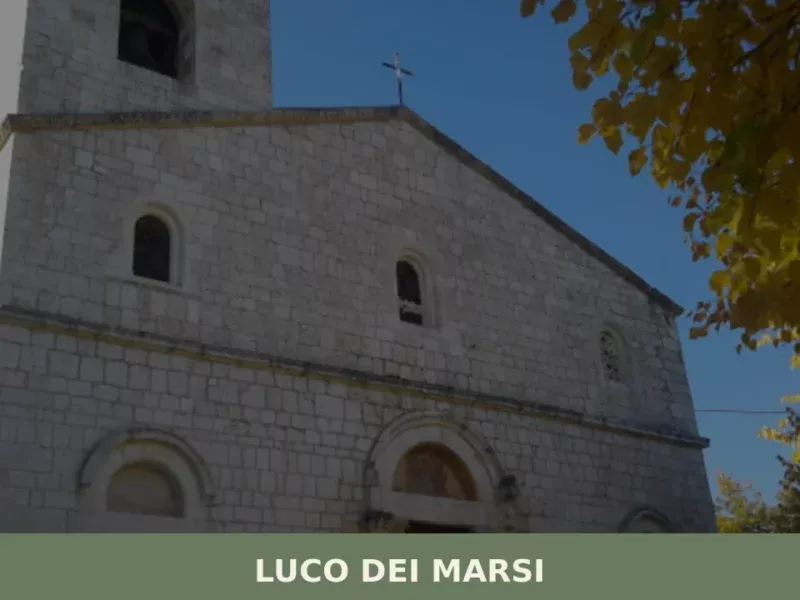
At 680 metres above sea level, on the eastern edge of what until 1875 was the surface of Lake Fucino — the largest lake in peninsular Italy, drained by Prince Alessandro Torlonia — stands Luco dei Marsi, a municipality of 5,857 inhabitants in the province of L’Aquila. The plain that today stretches as far as […]
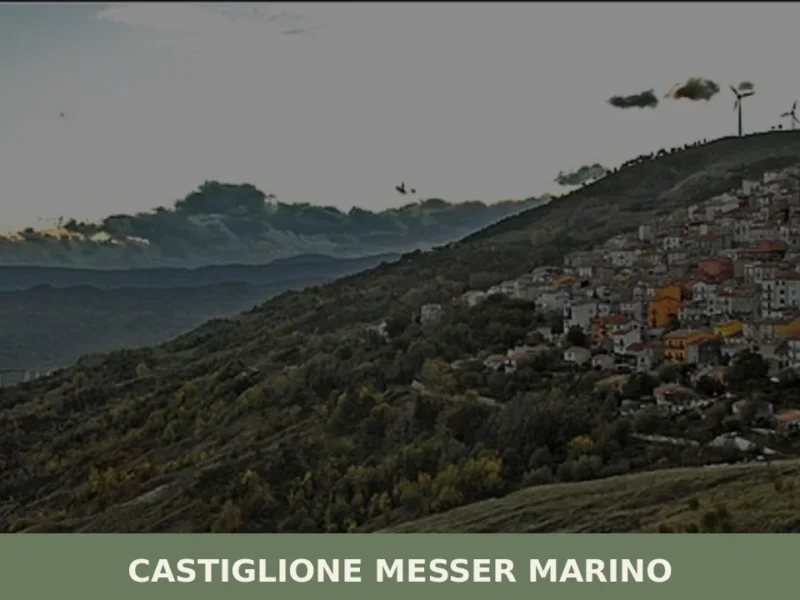
At 1,081 metres above sea level, on the ridge separating the Trigno valley from the Sinello valley, Castiglione Messer Marino has a current population of 1,518 and retains an urban layout that clearly reveals its fortified origins. The village’s very name documents a direct link to the D’Aquino family, feudal lords who controlled its fate […]
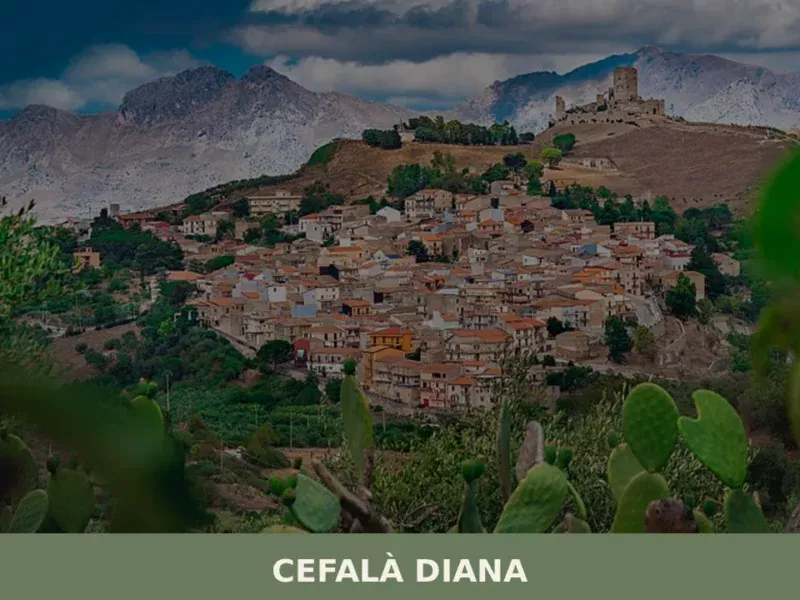
Discover what to see in Cefalà Diana, Sicily: Arab-Norman baths, castle ruins, local food, best season to visit, and how to get there from Palermo.
📝 Incorrect information or updates?
Help us keep the Capocollo page accurate and up to date.


