 Mountain
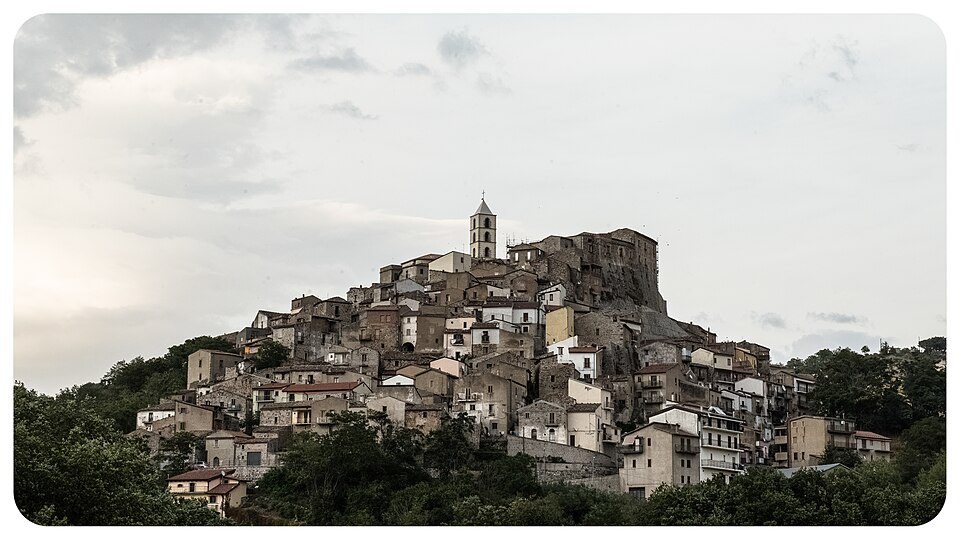
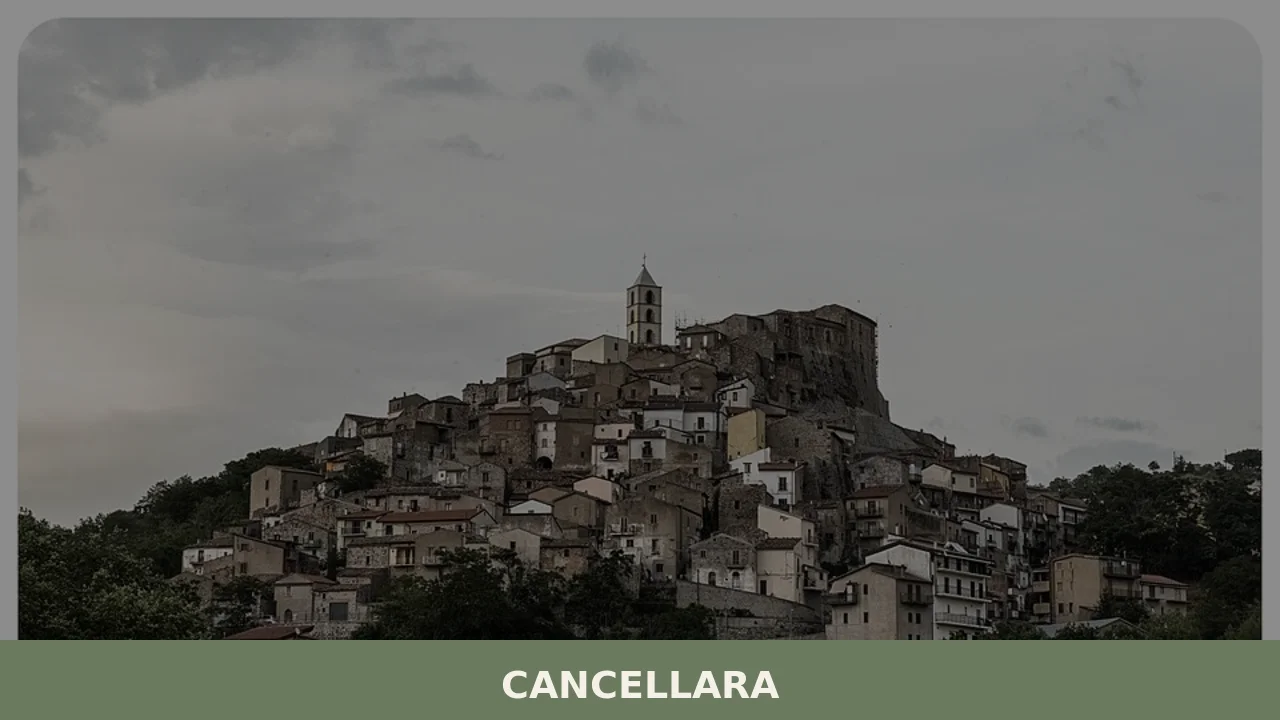
 Stone buildings cluster on a hillside at 680 metres elevation, their southern faces catching afternoon light across the Potenza plateau. Narrow lanes branch downward; a church bell marks the hour. This is the rhythm of a small Lucanian village where fewer than twelve hundred people maintain the rhythms of rural southern Italy.
Cancellara (Cangeddàre in the local dialect) is a comune in the province of Potenza, in the region of Basilicata. The village sits within a landscape of neighbouring towns—Pietragalla, Oppido Lucano, Vaglio Basilicata and others scattered across the same province—each maintaining its own identity while sharing the upland agricultural character of this interior region. Visitors come for the quiet of the hills and the presence of devotional life centred on the village’s patron saint.
In villages of this size and altitude, the rhythm of the year turns on feast days and the agricultural calendar rather than on tourism or commerce. San Biagio’s feast brings the community together in ways that shape the social fabric across seasons.
A Village of Modest Scale and Rural Continuity
The identity of Cancellara is bound to its modest population—approximately 1,118 residents—and its position within the interior uplands of Basilicata. The village is neither remote nor easily forgotten; it exists as part of a constellation of small comuni in Potenza province, each with distinct boundaries and local character. The dialect name, Cangeddàre, preserves linguistic memory specific to this place, marking the difference between villages that are administratively separate yet geographically close.
At this altitude and scale, Cancellara operates according to patterns familiar across southern Italian hill villages: agricultural land surrounds the built core; families maintain ties to the countryside; religious observance and family networks form the primary social structures. The church of San Biagio, the village’s patron saint, anchors the spiritual life of the community. Unlike larger centres, Cancellara does not offer comprehensive tourist infrastructure, nor does it depend on tourism. The village is a place of residence and work, where outsiders arrive as guests into an established social rhythm rather than as consumers of a packaged experience.
The Church of San Biagio and Devotional Life
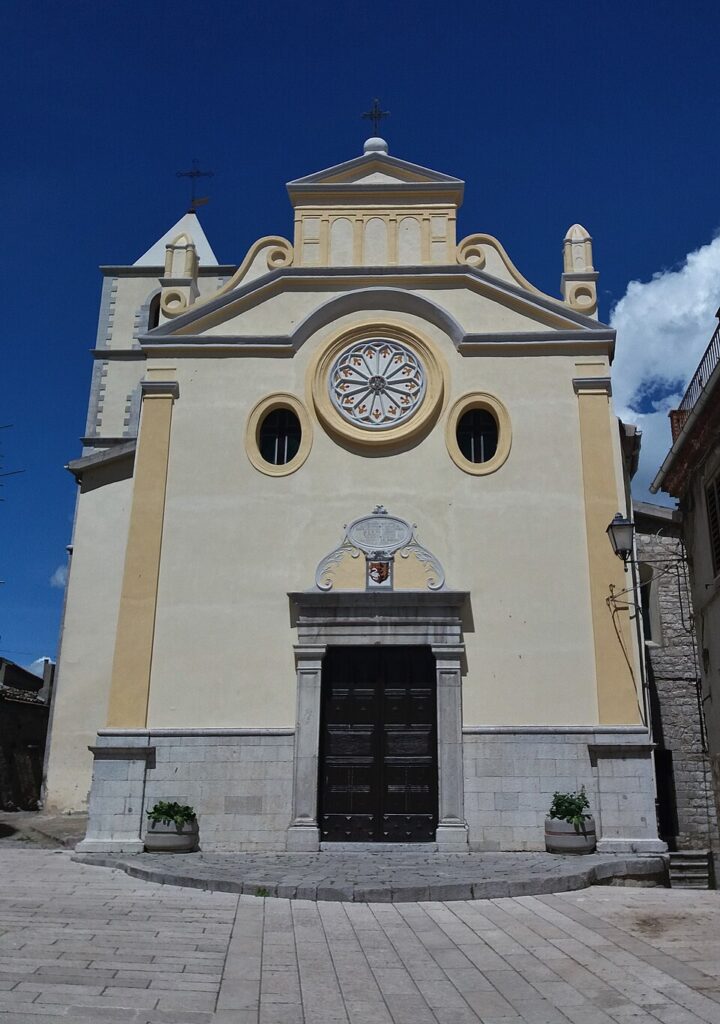
Church of San Biagio
San Biagio is the patron saint of Cancellara, and the church dedicated to him forms the symbolic and physical centre of the village. The feast of San Biagio (2 February) is celebrated by the community, drawing residents and marking the calendar of local observance. The church itself reflects the modest architectural resources of a small rural comune: it serves the practical and spiritual needs of the population without monumental scale. For visitors interested in religious devotion and the role of saints in village identity, the church provides a window into how faith structures social life in places where population is small and continuity across generations is valued.
Neighbours and Territory
Cancellara’s position within Potenza province connects it to a network of similar villages. Acerenza, Brindisi Montagna, Pietragalla and Oppido Lucano are neighbouring comuni within the same province. Potenza, the provincial capital, lies within reasonable driving distance for those seeking larger services or regional context. The upland landscape that surrounds Cancellara—agricultural, forested, with distant views across the Lucanian interior—is shared with these neighbouring villages, creating a coherent territorial and cultural zone.
Agricultural Context and Local Life
The land around Cancellara supports agriculture typical of the southern Lucanian interior: cereals, hardy vegetables and orchards adapted to upland conditions. The village population draws income and sustenance from this productive capacity, and market days and agricultural rhythms remain significant to daily life. Visitors who arrive with interest in rural economies and traditional land use will find Cancellara representative of patterns that persist across Basilicata’s interior, where villages serve as residential and administrative cores for surrounding agricultural territory.
Food culture reflects what the land and tradition provide. Pasta, bread, preserved vegetables, cheese and small livestock products form the basis of the local diet. The village does not function as a culinary destination; instead, food embodies practical use of available resources and family preparation methods carried across generations. To experience this dimension, visitors should plan to eat in family-run establishments or speak with residents about traditional preparations, rather than expect a developed restaurant culture.
Planning Your Visit to Cancellara
Cancellara is best reached by car. The village lies in the Potenza uplands, accessible via provincial roads that connect to the broader highway network of Basilicata. If you are arriving from Potenza city, expect roughly 30 kilometres of travel on roads that pass through other village territories. There is no railway station in Cancellara; the nearest regional transport hubs are in Potenza or other larger centres. Accommodation options within the village itself are limited; visitors often base themselves in nearby towns with more developed services and make day journeys into the Lucanian hill towns.
The best season to visit is late spring through early autumn, when weather is stable and the upland landscape is accessible without difficulty. Winter brings rain and occasional snow at this elevation; roads remain passable but the village takes on a closed, inward character. The feast of San Biagio in February draws the community but offers limited hospitality for outside visitors. Plan visits during the warmer months, and bring a clear sense of what draws you—quietness, rural observation, religious heritage, neighbouring town exploration—rather than expecting commercial attractions or developed facilities.
| Departure Point | Distance | Approximate Travel Time |
|---|---|---|
| Potenza (city centre) | ~30 km | 35–45 minutes |
| Acerenza | ~12 km | 18–25 minutes |
| Oppido Lucano | ~8 km | 12–18 minutes |
Visitors should allow time to walk through the village core, observe the church and landscape, and, if possible, speak with residents about local life and tradition. The experience of Cancellara is not built on curated attractions but on presence in a functioning rural community at a particular altitude and moment in time. This is its integrity and, for many visitors, its appeal.