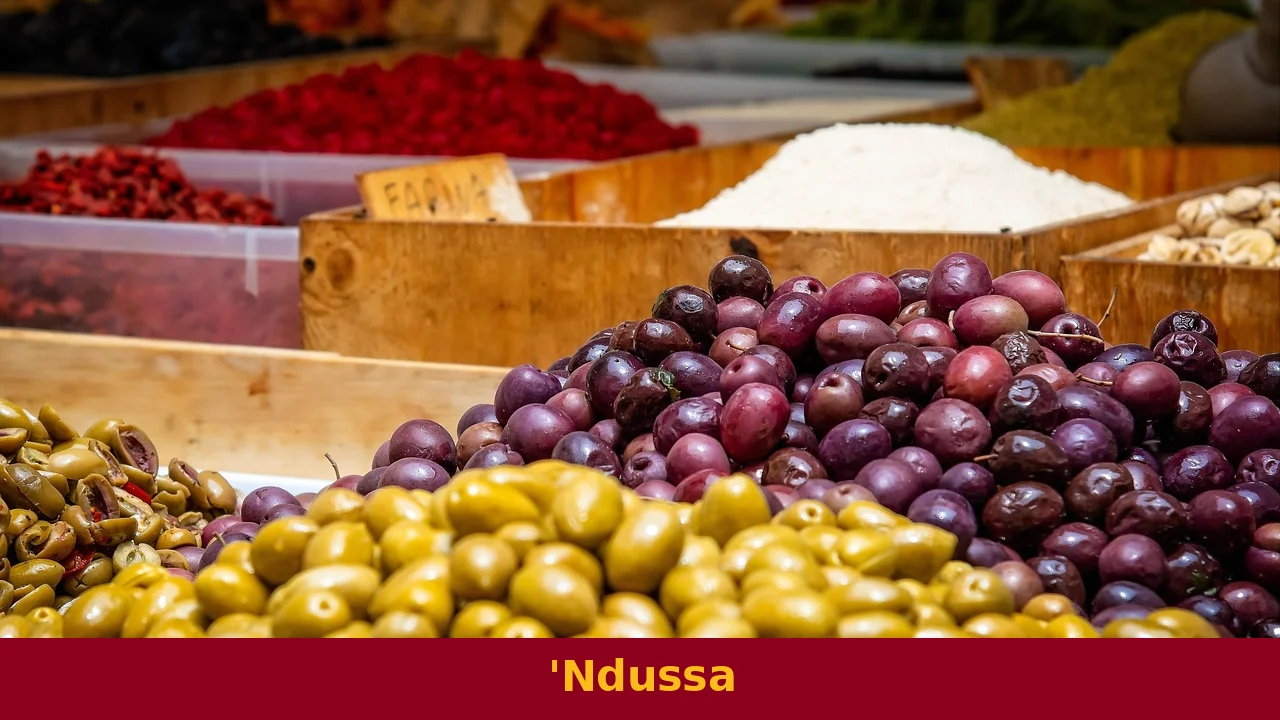
The pungent and inviting aroma of freshly processed olives spreads through the air of the Pollino National Park, announcing the birth of ‘ndussa. This ancient product, a traditional olive preserve, speaks of knowledge passed down from generation to generation deep within Basilicata. Its preparation, which includes a special curing process based on ash and lime,…
The pungent and inviting aroma of freshly processed olives spreads through the air of the Pollino National Park, announcing the birth of ‘ndussa. This ancient product, a traditional olive preserve, speaks of knowledge passed down from generation to generation deep within Basilicata. Its preparation, which includes a special curing process based on ash and lime, is a ritual that transforms the olive fruit into a versatile ingredient, capable of enriching the table with its unique texture and bold flavor. ‘Ndussa is not merely a foodstuff, but a symbol of the resilience and ingenuity of a region that has always valued nature’s bounty.
‘Ndussa is a Traditional Agri-food Product (PAT) recognized in both Basilicata and Calabria, classified in the category of natural or processed vegetable products, specifically as an olive preserve. It stands out for its particular preparation technique, involving a unique curing process. This method imparts a distinctive texture and aromatic profile to the olives, making ‘ndussa a characteristic element of local gastronomy. It is the result of careful processing that preserves the fruit’s qualities, making it available and flavorful throughout the year.
The origins of ‘ndussa are deeply rooted in the agricultural and culinary practices of the rural communities of Pollino. The need to preserve olives, a fundamental food for the Mediterranean economy and diet, led to the development of ingenious techniques. Curing with ash and lime is not only a preservation method but an expression of popular wisdom that learned to leverage natural resources to transform and enhance the products of the land. Although there are no precise historical documents attesting to its exact date of birth, it is clear that the preparation of ‘ndussa is a cultural legacy that has solidified over time, becoming a staple in the diet and traditions of the region, particularly within the territory of the Pollino National Park.
The core of ‘ndussa production thrives within the compelling landscape of the Pollino National Park, with a significant concentration in the Municipality of Terranova del Pollino, in the province of Potenza. This area, marked by mountainous and hilly terrain, offers an ideal microclimate and soil for cultivating the olives intended for this specific preserve. The park’s biodiversity and the quality of local waters play a crucial role in shaping the characteristics of the olives used. Visiting the surrounding villages, such as Carbone or Calvera, allows one to appreciate not only the product but also the environmental and cultural context from which it originates. ‘Ndussa is, in all respects, a genuine expression of traditional products from BASILICATA, intrinsically linked to its territory.
The production of ‘ndussa is an artisanal process demanding precision and expertise. The stages begin with a meticulous selection of olives, where only the finest fruits are chosen. Subsequently, the olives are immersed in vats for the curing phase. This step is the true secret of ‘ndussa: the cure is prepared by mixing water, sifted ash, and powdered quicklime. This alkaline mixture’s role is to eliminate the olives’ natural bitterness and modify their texture. After curing, the olives undergo a thorough washing to remove any solution residue. This is followed by the preparation and seasoning stages, where the olives are flavored according to recipes that may vary slightly among producers but always maintain the integrity of the original taste. The production period spans throughout the year, ensuring the availability of ‘ndussa in every season.
‘Ndussa is distinguished by its well-defined sensory characteristics. Generally, the olives present an oval shape, maintaining the fruit’s natural appearance. Texture is one of the most variable and compelling aspects of this preserve: it can be crisp, offering a pleasant resistance to the bite; fleshy, with a more robust and meaty texture; or firm, indicating greater compactness. This variability depends on the specific type of olive used and the nuances of the curing process. On the palate, ‘ndussa offers an intense and savory taste, with notes that evoke the earth and the typical aroma of ripe olives, mitigated by the curing action that balances its bitterness.
The versatility of ‘ndussa makes it a valuable ingredient in Lucanian cuisine and beyond. Its bold flavor and texture make it perfect for use in various preparations. Traditionally, it serves as an excellent appetizer, served simply on its own or accompanied by homemade bread and other local cured meats and cheeses. It can be used to enhance and garnish cold dishes, such as mixed salads, cold pasta dishes, or charcuterie boards, adding a touch of flavor and color. As a side dish, ‘ndussa pairs splendidly with meat-based main courses, particularly roasts and grilled dishes, where its savoriness and slight acidity can balance the richer flavors of the meat. It is also an excellent ingredient for flavoring focaccias, rustic pizzas, or for enriching sauces and dips.
‘Ndussa possesses an intrinsic uniqueness that sets it apart from other olive preserves. Its special character stems primarily from the curing method employed, which uses a mixture of water, sifted ash, and powdered quicklime. This ancient process, specific to the Pollino territory, not only eliminates the bitterness of the olives but also shapes their texture in ways that make them particularly valued. Its identity is profoundly linked to the microclimate and indigenous olives of Basilicata, especially those from the Pollino National Park. Being a Traditional Agri-food Product gives it added value, attesting to an unbreakable bond with the gastronomic culture and agricultural practices of a clearly defined geographical area. It is a tangible example of how tradition can give rise to genuine and inimitable flavors.
‘Ndussa holds the prestigious recognition of Traditional Agri-food Product (PAT). This certification, issued by the Ministry of Agriculture, Food Sovereignty, and Forests, identifies products whose processing, preservation, and aging methods are consolidated over time, uniform across the entire territory concerned, following traditional rules and for a period of no less than 25 years. The fact that ‘ndussa is recognized as a PAT for both Basilicata and Calabria underscores its widespread presence and cultural importance in a broader geographical area, while maintaining its production epicenter in the Lucanian Pollino. This status guarantees the product’s authenticity and the continuity of ancient knowledge.
To savor genuine ‘ndussa, the ideal place is its territory of origin: the Pollino National Park. The Azienda Agricola, Agrituristica e Fattoria didattica Tufaro Enzo, situated in Terranova di Pollino (PZ), is one of the listed producers where it is possible not only to purchase the product but also to discover firsthand the processing method and the surrounding environment.
In addition to direct producers, ‘ndussa can be found in local markets and small food shops in the surrounding villages, such as Carbone or Calvera, which often promote Italian traditional food products. Food and wine festivals and events held periodically in the Pollino Park and Basilicata offer an excellent opportunity to taste it and explore its various interpretations. Visiting these locations provides a complete sensory experience, combining the taste of ‘ndussa with the beauty of the landscapes and the cultural richness of Basilicata.
📷 Photo: Tama66 · Pixabay License · All credits →
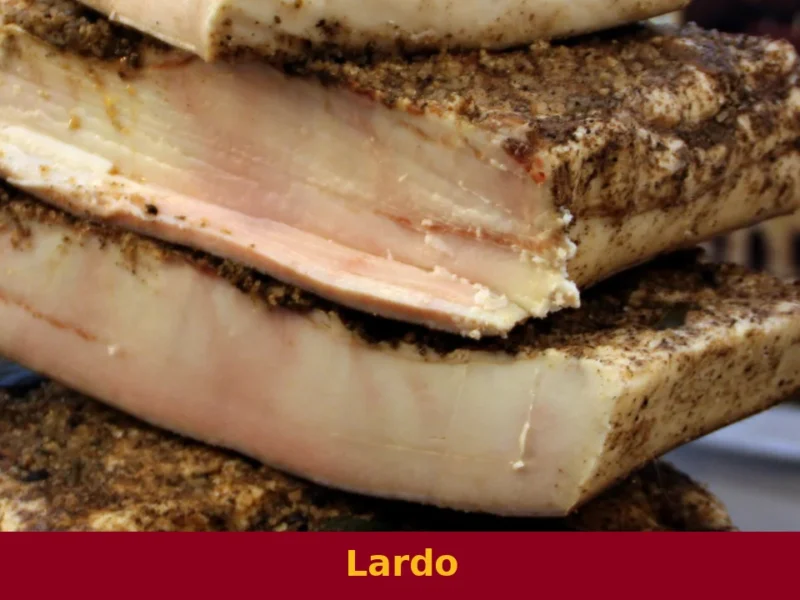
Amidst the ruggedness and gentle aspects of Basilicata, where the landscape takes shape between highlands and inland valleys,...
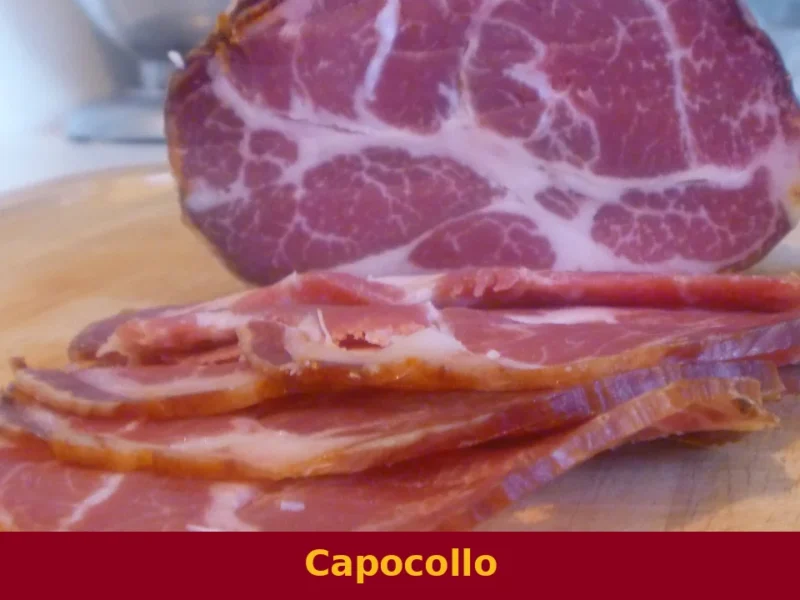
The capocollo, with its unmistakable ruby red color streaked with white and its soft yet firm texture, is...
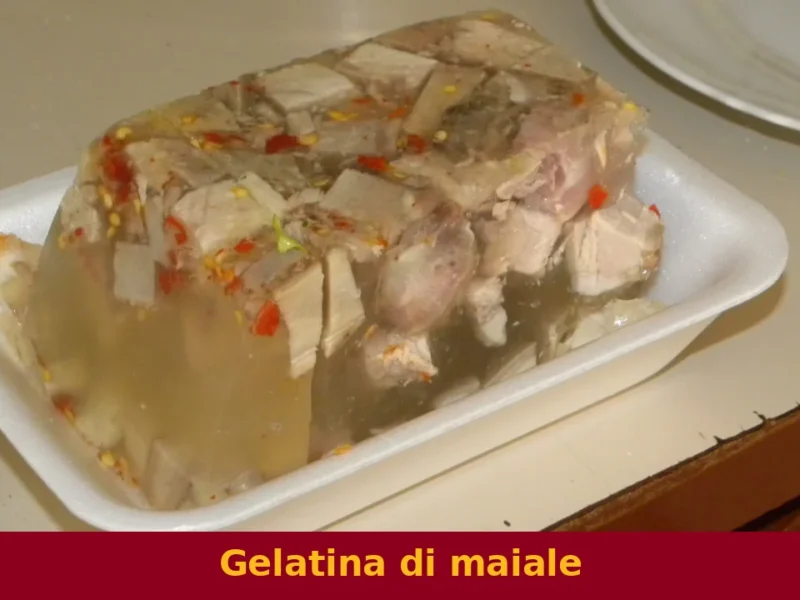
The pungent and inviting aroma of lemon and bay leaf, combined with the spicy notes of chili pepper,...
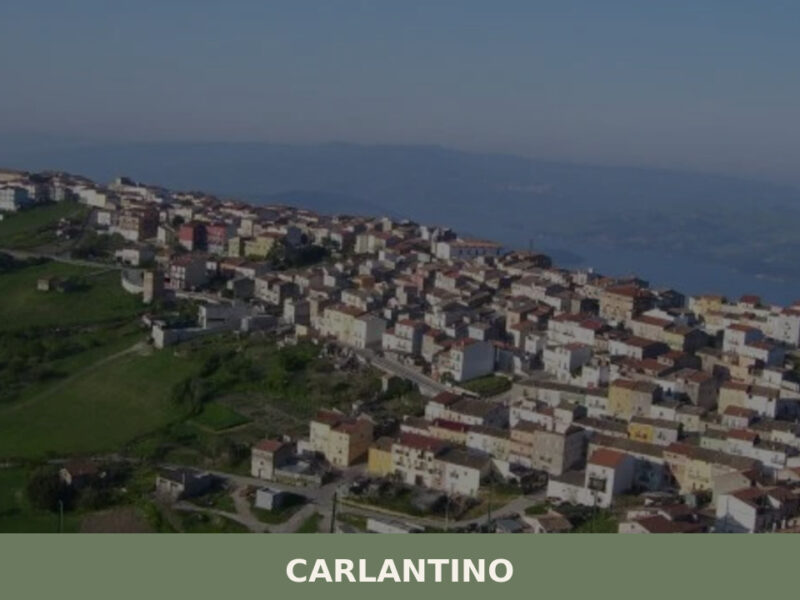
Discover Carlantino, a tiny hilltop village overlooking Lake Occhito in Puglia's Daunia hills. Explore its history, nature trails, and renowned black truffles.
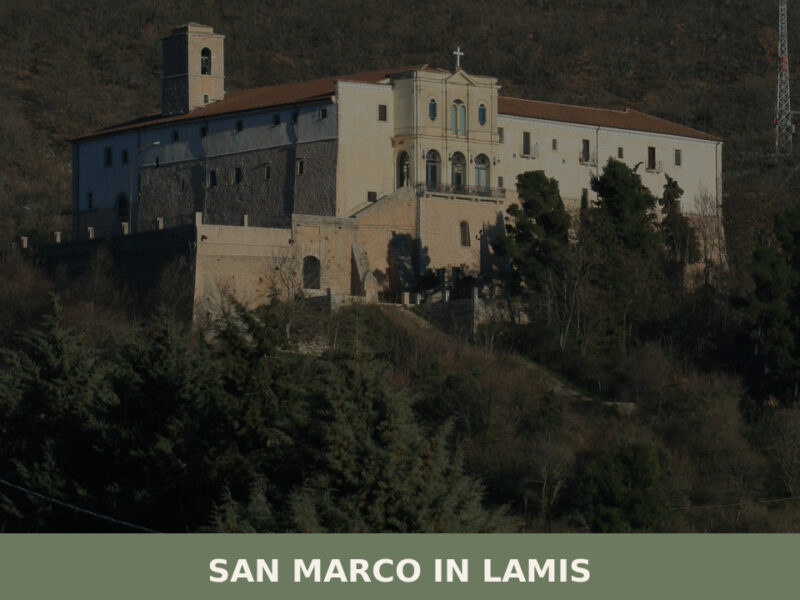
A highland town on the western Gargano, San Marco in Lamis holds ancient monasteries, a dramatic Good Friday fire procession, and the quiet intensity of inland Puglia.
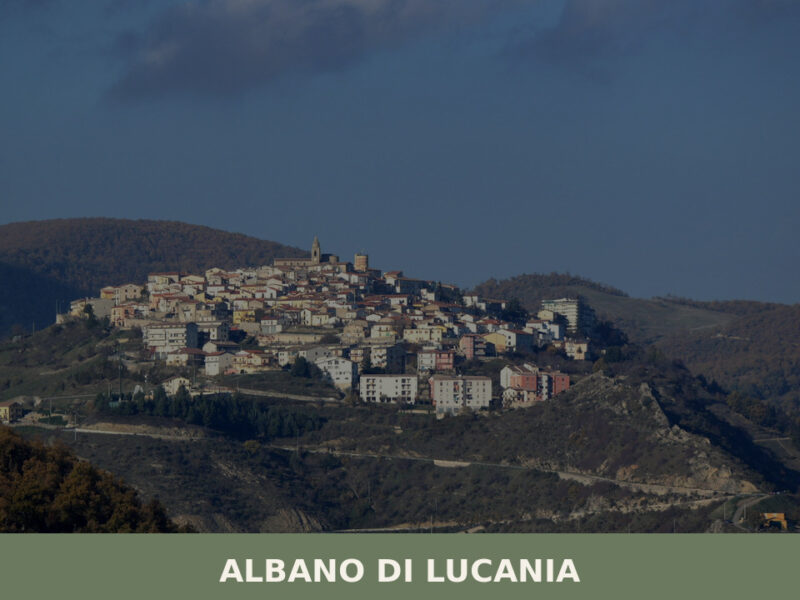
A complete guide to Albano di Lucania in Basilicata — its medieval lanes, stone churches, Lucanian cuisine, and the quiet landscapes of the upper Basento valley.
📝 Incorrect information or updates?
Help us keep the ‘Ndussa page accurate and up to date.


