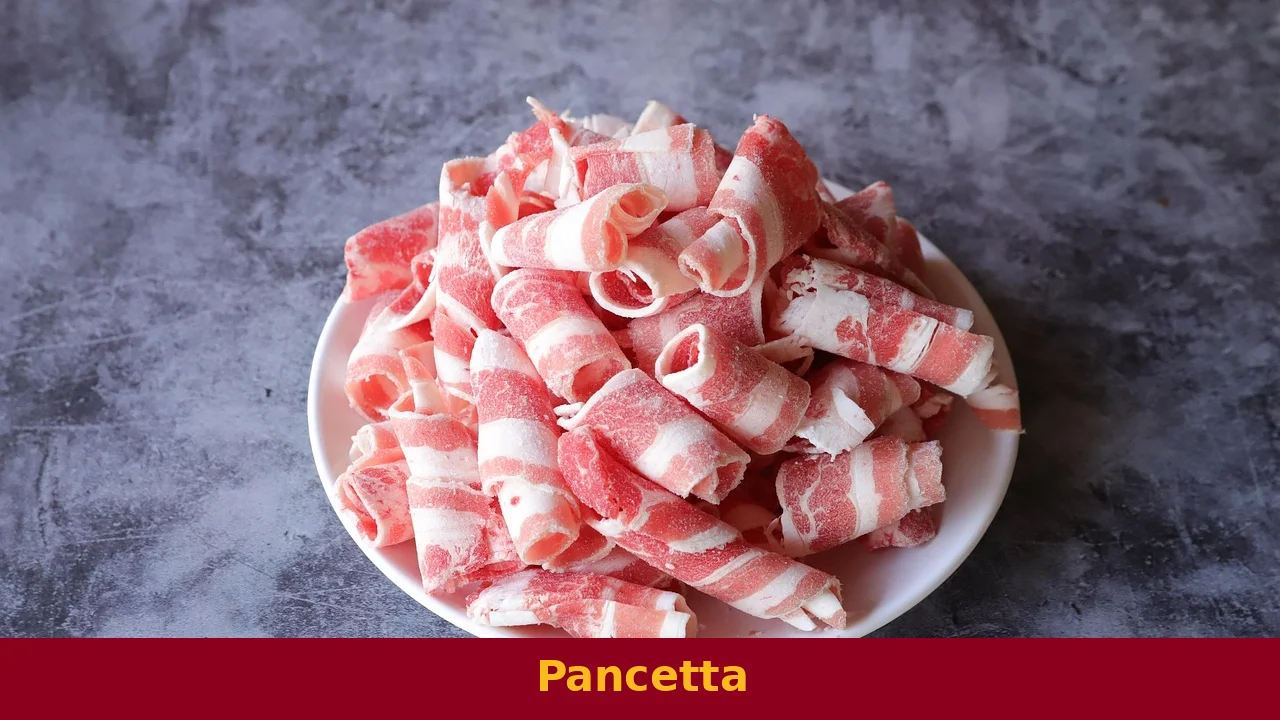
The intense, slightly spiced aroma released from its thin slice, with its balance of rosy meat and layers of pristine white fat, is the first invitation to taste Basilicata’s pancetta. This cured meat, obtained from the pork belly, is one of the most authentic expressions of Lucanian pork butchery. Pancetta tells a story of robust…
The intense, slightly spiced aroma released from its thin slice, with its balance of rosy meat and layers of pristine white fat, is the first invitation to taste Basilicata’s pancetta. This cured meat, obtained from the pork belly, is one of the most authentic expressions of Lucanian pork butchery. Pancetta tells a story of robust flavors, the result of careful artisanal processing rooted in rural farming practices, where every part of the animal was skillfully utilized. Its presence is constant on tables, from breakfast to dinner, as a versatile ingredient or the star of a simple but satisfying snack.
Pancetta, also known as pork belly, is a traditional cured meat obtained from the abdominal part of the pig. In Italy, its preparation varies considerably from region to region, giving rise to products with distinct taste and sensory profiles and culinary uses. Pancetta generally comes in two main forms: flat (tesa or stesa) and rolled (arrotolata). The flat version maintains its original flat shape, while the rolled one is coiled upon itself, often with added spices inside. Both can be with or without rind. Its balanced composition of lean and fatty parts makes it a fundamental ingredient in many Italian gastronomic preparations. For general information on this cured meat, you can consult the dedicated entry on Wikipedia.
The history of pork processing in Italy is ancient and closely tied to the need to preserve food, especially during the colder months. Basilicata, with its predominantly agricultural and pastoral economy, has developed a deep knowledge of salting and curing techniques over the centuries. The production of cured meats like pancetta was a pillar of the rural diet, ensuring a valuable protein source and a way to use every part of the pig, often raised within the family. While no specific documents attest to the birth of Lucanian pancetta on a precise date, its presence has been documented in local food practices for generations, passed down orally and through the practical experience of pork butchers. This cured meat represents an example of how food transformation was an art based on knowledge of climate, raw materials, and preservation techniques.
Basilicata is a region characterized by a varied landscape, ranging from the mountains of the Lucanian Apennines to the inland hills, and down to the Ionian and Tyrrhenian coasts. This diverse environment helps create ideal microclimates for pig farming and for the curing of meats. The inland areas, in particular, with their altitudes and cool, ventilated temperatures, offer optimal conditions for the production of pancetta. Villages such as Abriola, Anzi, and Cancellara, located in the Lucanian interior, are examples of places where the culture of pork butchery is deeply rooted. Here, the pure air and the experience of local artisans combine to create products that reflect the character of the territory. The availability of pigs raised with traditional methods, often semi-wild, contributes to the superior quality of the meats used for the production of this and other traditional products from BASILICATA.
The production of Lucanian pancetta follows a rigorous process that begins with the selection of pork bellies, preferably from animals of adequate size and good conformation. The main phases are as follows:
The entire process is carefully monitored by artisans, whose experience guarantees the quality and safety of the final product, a true calling card of Italian traditional food products.
Basilicata’s pancetta stands out for a set of characteristics that make it immediately recognizable. Visually, it presents a balanced alternation of lean meat layers, bright red or intense pink in color, and pristine white fat, with a firm yet elastic consistency. If the rind is present, it is well-attached and clean. To the nose, it offers an inviting, sweet, and slightly spiced aroma, with hints of cured pork and the notes of spices used in its preparation, such as black pepper. On the palate, Lucanian pancetta delivers a full and savory flavor, yet never excessively salty, with an intrinsic sweetness from the fatty component that melts delicately. The consistency is soft and melt-in-your-mouth, especially the fatty part, while the lean part retains a certain firmness. The balance between the sweetness of the fat and the savoriness of the meat, enriched by the aromatic nuances of the spices, makes for a complex and satisfying tasting experience.
Pancetta is an extremely versatile ingredient in Lucanian and Italian cuisine in general. Its ability to release flavor and aroma makes it ideal for enriching a wide range of dishes. Traditionally, it is the main ingredient for soffritti (sautéed aromatic bases) and sauce bases, such as the classic Lucanian ragù, where its fat slowly melts, releasing a deep flavor that envelops other ingredients. It is essential in the preparation of legumes, such as beans or lentils, to which it imparts a rustic and robust flavor. Sliced thin, pancetta is perfect for enjoying plain, perhaps accompanied by homemade bread and a good glass of local red wine, like Aglianico del Vulture. It can be used to wrap meats or vegetables, adding moisture and flavor during oven baking or grilling. Pairings with eggs are also common, in omelets or as an accompaniment for a hearty brunch. Its savoriness also makes it an excellent contrast in more delicate dishes, such as risottos or fresh pasta, where a crispy piece of pancetta can make all the difference.
Basilicata’s pancetta stands out for its uniqueness, which stems from a combination of specific factors. Firstly, the selection of raw materials: the meat of pigs raised in the Lucanian territory, often with methods that respect animal welfare, gives the product a superior quality base. The microclimate of Basilicata’s inland areas, with its temperature excursions and natural ventilation, is an irreplaceable element for optimal curing, allowing the pancetta to fully develop its aromas and consistency. Furthermore, the artisanal skill of local pork butchers, passed down from generation to generation, is fundamental. Their expert hands know how to balance salt and spices, monitoring resting and curing times with an attention that industrial production cannot replicate. It is not just a cured meat, but the result of a deep connection with the territory and its culinary traditions, a tangible expression of ancient knowledge that continues to live.
Basilicata’s pancetta is recognized as an Italian Traditional Agri-Food Product (PAT). This recognition, conferred by the Ministry of Agricultural, Food and Forestry Policies, certifies that pancetta is produced with processing, preservation, and curing methods consolidated over time and practiced uniformly and traditionally throughout the Lucanian territory. The PAT certification is not a Protected Designation of Origin (DOP) or Protected Geographical Indication (IGP), but an important safeguard that promotes products linked to the history and gastronomic culture of a specific region, guaranteeing consumers the authenticity of a preparation that respects local uses and customs.
To savor the true Pancetta of Basilicata, the best way is to visit the region directly. It can be purchased from artisan butchers and cured meat producers distributed throughout the territory, particularly in inland municipalities. Local markets and specialized shops in the historic centers of villages like Abriola, Anzi, or Cancellara are ideal places to find genuine products and meet the producers. During food and wine festivals and events that periodically take place in Basilicata, pancetta is often among the protagonists, offering the opportunity to taste it in various preparations and discover other traditional products from BASILICATA. Purchasing directly from local producers not only guarantees the freshness and authenticity of the cured meat but also offers an opportunity to learn about the stories and people who work daily to preserve these excellences. A trip to Basilicata thus becomes an experience that engages all senses, combining the discovery of the landscape with the delight of the palate.
📷 Photo: lpegasu · Pixabay License · All credits →
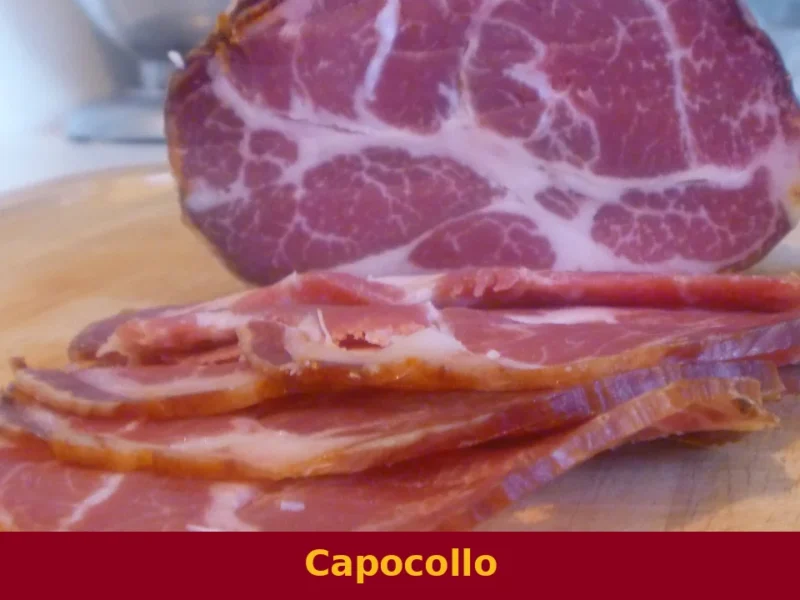
The capocollo, with its unmistakable ruby red color streaked with white and its soft yet firm texture, is...
The pungent and inviting aroma of freshly processed olives spreads through the air of the Pollino National Park,...
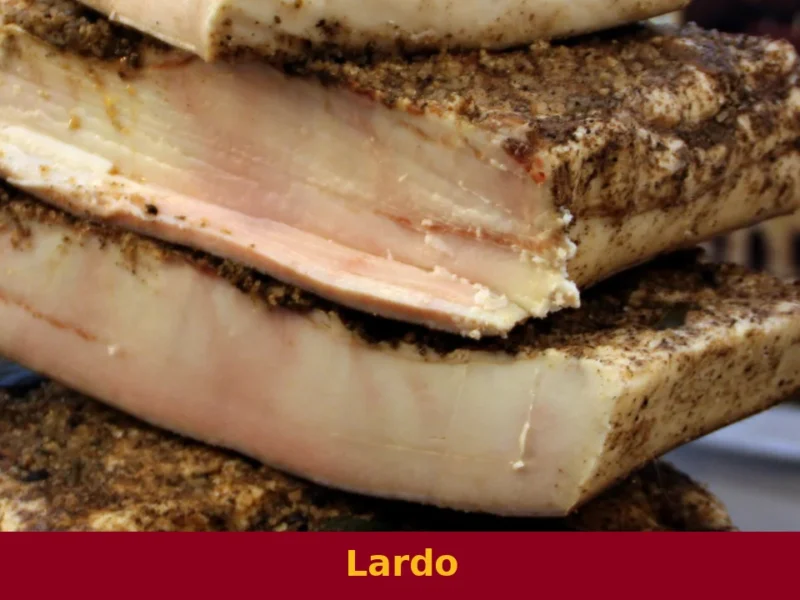
Amidst the ruggedness and gentle aspects of Basilicata, where the landscape takes shape between highlands and inland valleys,...
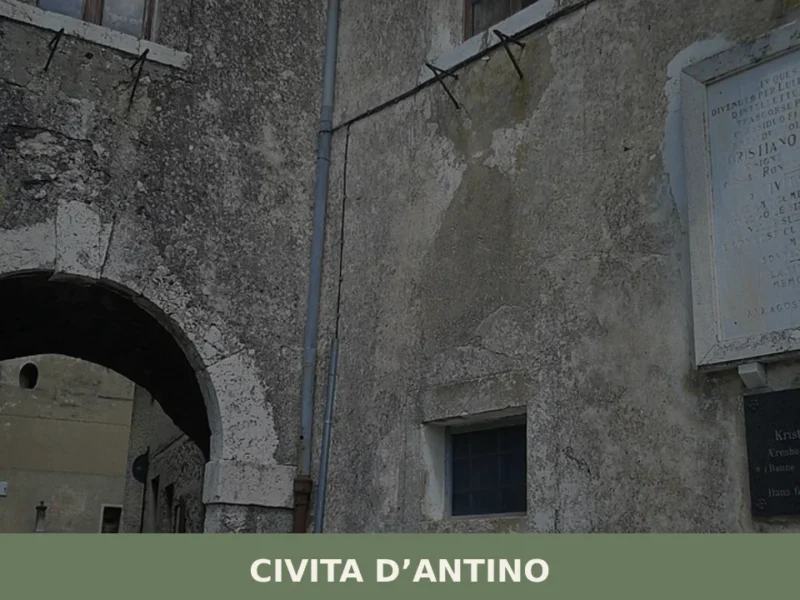
In 1878, the Danish painter Kristian Zahrtmann reached Civita d’Antino for the first time and decided to return every summer until 1911, turning this small town in the Valle Roveto into an artistic colony frequented by dozens of Scandinavian painters. Even today, anyone wondering what to see in Civita d’Antino will find traces of that […]
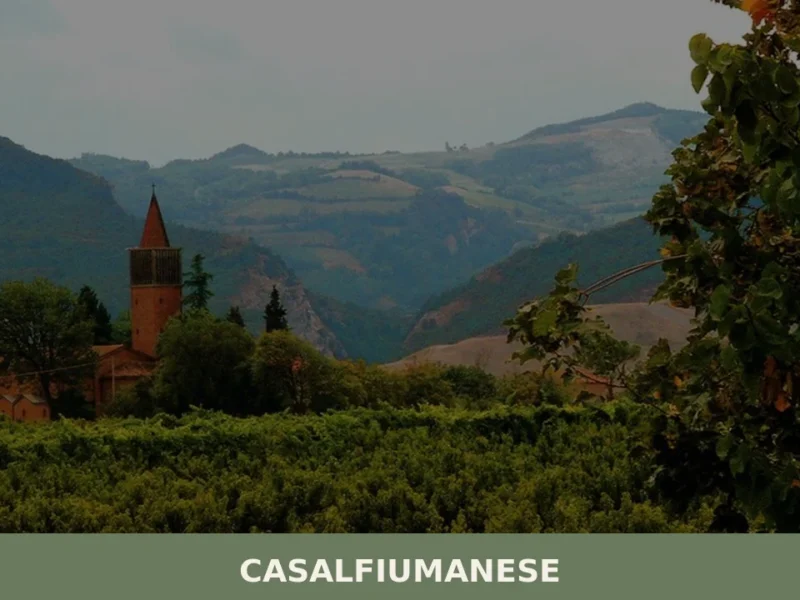
About twenty kilometres from Imola, along the valley of the Sillaro stream, the municipal territory of Casalfiumanese stretches between the lower plain and the first hills of the Bolognese Apennines, covering an elevation range from 50 to nearly 500 metres above sea level. The main town, sitting at 125 metres above sea level, has approximately […]
One hundred and eighty-eight residents in the 2001 census, now down to 158: Colledimacine contracts with the regularity of a slow heartbeat, yet it holds on along the eastern ridge of the Majella massif, at 770 metres above sea level, in the province of Chieti. Anyone wondering what to see in Colledimacine should be prepared […]
📝 Incorrect information or updates?
Help us keep the Pancetta page accurate and up to date.