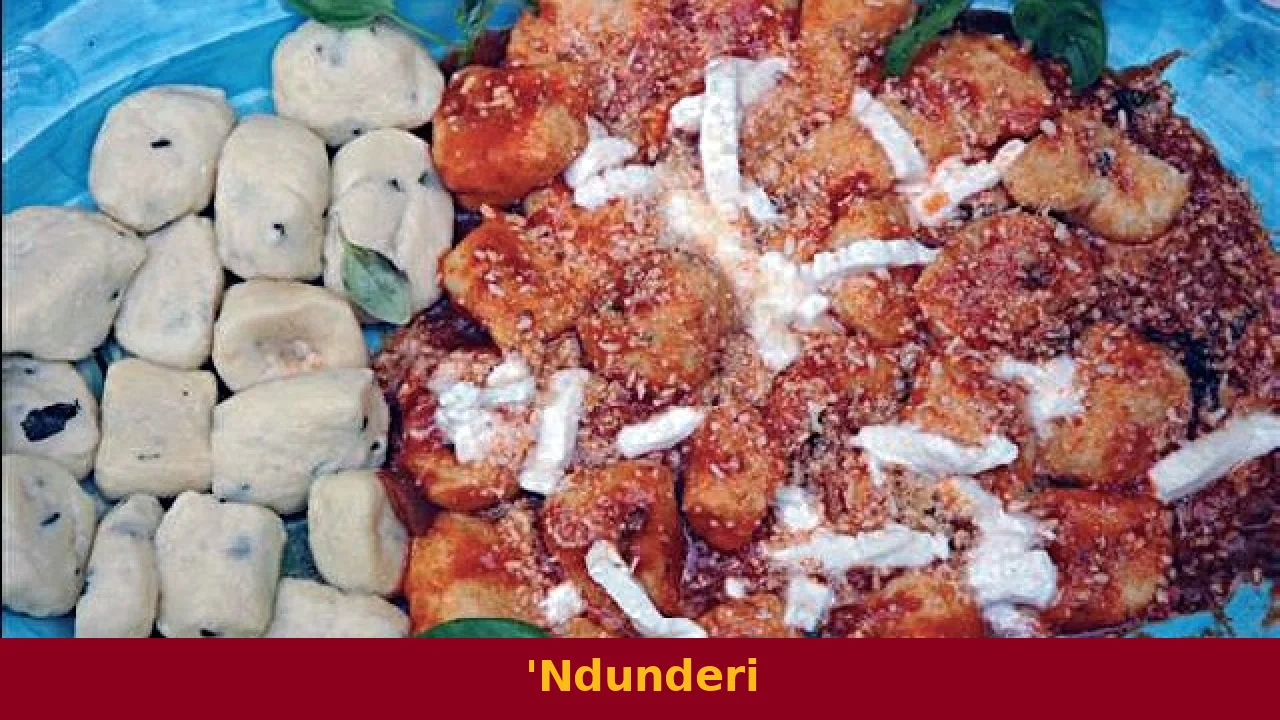
The unmistakable aroma of a slow-cooked ragù, simmering for hours, immediately conjures the image of a pasta dish that captures every nuance. In Campania, and particularly in the evocative town of Minori on the Amalfi Coast, this scene is intrinsically linked to ‘ndunderi, a fresh handmade pasta whose history intertwines with that of the area…
The unmistakable aroma of a slow-cooked ragù, simmering for hours, immediately conjures the image of a pasta dish that captures every nuance. In Campania, and particularly in the evocative town of Minori on the Amalfi Coast, this scene is intrinsically linked to ‘ndunderi, a fresh handmade pasta whose history intertwines with that of the area and its most cherished traditions. These delicate pasta pieces embody ancient knowledge, a gesture repeated from generation to generation, bringing to the table the true flavor of a region rich in gastronomic culture.
‘ndunderi is a fresh handmade pasta, specific to the town of Minori, in the province of Salerno. It stands out for its concave shape and characteristic ridged surface, achieved through artisanal preparation that enhances its ability to bind with sauces. The dough, according to the traditional recipe, is made from flour, curdled milk or ricotta, egg yolks, grated cow’s milk cheese, salt, pepper, and nutmeg. This combination of ingredients gives ‘ndunderi a particular texture and a delicate yet persistent flavor, making it immediately recognizable among the myriad varieties of Italian pasta. Its category is Fresh pasta and bakery, biscuit, pastry, and confectionery products, testifying to its versatility and its established presence in Campania’s food culture.
The history of ‘ndunderi is rooted in a distant past, lost between legends and historical documents. It is said that the recipe for this pasta is very old, perhaps a variant of the Roman “Latin balls,” a primordial food based on “caseated flour,” meaning spelt and curdled milk. This connection with Roman antiquity underscores the profound continuity of culinary traditions in the Mediterranean.
It was the pasta makers of Minori who modified and perfected this recipe, transforming a simple food into a local specialty. Their work was not limited to Minori: in the 18th century, these same pasta makers crossed the Lattari Mountains to move to Gragnano, where they spurred the modern pasta industry. This historical link highlights Minori’s importance as a birthplace of pasta-making knowledge that influenced the entire region and beyond.
‘ndunderi are traditionally linked to the festivities in honor of Saint Trofimena, the patron saint of Minori. This association with a religious celebration not only strengthens the product’s connection to its territory but also emphasizes its cultural and communal value. Preparing and sharing ‘ndunderi during these occasions is a ritual that unites families and preserves a piece of local identity.
‘ndunderi is an emblematic product of Minori, a charming town set on the famous Amalfi Coast, in the province of Salerno. This area, characterized by a distinctive coastal landscape between sea and mountains, offers an ideal context for cultivating fresh ingredients and preserving artisanal knowledge. The proximity of the Lattari Mountains has historically provided agricultural and pastoral resources, essential elements for local cuisine. The rich soil and mild Mediterranean climate contribute to the quality of the raw materials used for preparing this pasta, from flour to dairy products.
Minori, with its culinary traditions, represents a reference point for those wishing to explore Campania’s gastronomic excellences. While ‘ndunderi are a specific expression of Minori, Campania offers a wide range of culinary experiences, with villages like Ailano or Conca della Campania that equally safeguard their gastronomic traditions, each with its own peculiarities and distinctive products.
The production of ‘ndunderi is an art requiring manual skill and precision, handed down from generation to generation. The dough is prepared with care, mixing flour, curdled milk or ricotta, fresh egg yolks, grated cow’s milk cheese, a pinch of salt, pepper, and nutmeg. The choice to use curdled milk or ricotta is a fundamental detail that gives the pasta a distinctive texture and flavor.
Once a homogeneous and workable dough is obtained, the pasta is rolled into a long cord, which should not be too thin. From this cord, small pieces are then cut. The next stage is what gives ‘ndunderi their characteristic shape: each piece is lightly pressed with one or two fingers, depending on the desired size, to make it concave. This concavity is essential for optimally collecting the sauce. Finally, the pieces are slid along the concave side of a grater, the tines of a fork, or a special ridged board, known as a “pettine,” to create the typical striated surface. This entirely handmade process is what makes ‘ndunderi a product of artisanal excellence, a true example of traditional know-how.
‘ndunderi are distinguished by a set of sensory characteristics that make them unique in the landscape of Italian fresh pasta. To the touch, before cooking, they are soft yet firm, with a slightly rough surface from the processing on the pettine or grater. After cooking, the texture is elastic and velvety on the palate, with a pleasant chewiness that pairs perfectly with rich sauces.
The flavor is delicate yet complex, enriched by the sweet and slightly tangy notes of curdled milk or ricotta, balanced by the savoriness of the grated cow’s milk cheese. Nutmeg and pepper add a subtle but distinctive aromatic touch, elevating the pasta’s own taste profile. The overall aroma is that of a wholesome product, with milky and spicy hints that foreshadow the richness of the sauce. The concave shape and ridged surface are designed to capture and hold every drop of sauce, ensuring a balanced and satisfying culinary experience.
The preferred sauce for ‘ndunderi is meat ragù. This choice is not accidental: the pasta’s robust texture and concave shape are ideal for embracing a thick and flavorful sauce, allowing each bite to be imbued with the rich and enveloping taste of the ragù. The contrast between the delicacy of ‘ndunderi and the intensity of the ragù creates a gustatory balance that satisfies even the most discerning palates.
The preparation of ragù, often based on different cuts of pork and/or beef, cooked slowly for hours with tomato and aromatics, is a ritual in itself in Campanian cuisine. This slow cooking process extracts all the flavors, creating a deep and complex sauce that binds perfectly to the pasta. The use of grated cow’s milk cheese in the ‘ndunderi dough creates a flavorful base that harmonizes with the ragù, enhancing its umami notes. Although ragù is the tradition, the versatility of ‘ndunderi could also lend itself to simpler sauces, such as a fresh sauce of Piennolo tomatoes and basil, which would highlight the purity of its flavor, even if Minori’s tradition sees ragù as the undisputed protagonist.
‘ndunderi stands out as a unique product due to a series of factors that highlight its cultural and gastronomic value. Firstly, its remote origins, connecting it to the Roman “Latin balls” and “caseated flour,” make it a true historical artifact of Mediterranean cuisine. This link to such a distant past gives ‘ndunderi a depth that goes beyond simple food.
Secondly, its territorial specificity is a key element: it is a pasta born and perfected in Minori, on the Amalfi Coast, and closely linked to the festivities in honor of Saint Trofimena. This connection with a local celebration underscores the product’s importance as an expression of a community and its traditions.
The recipe, which includes the use of curdled milk or ricotta and cow’s milk cheese in the dough, differentiates it from most fresh pastas, giving it an unmistakable flavor and texture. The entirely handmade process, from forming the cord to cutting the pieces and subsequently ridging them with a finger or the “pettine,” is an example of artisanal mastery that has been passed down over centuries. This care in preparation ensures a high-quality product, far removed from industrial production. Finally, the role of Minori’s pasta makers in the history of pasta, particularly their move to Gragnano in the 18th century to establish the modern industry, highlights how this small center was a crossroads of innovation and tradition.
‘ndunderi is recognized as a Prodotto Agroalimentare Tradizionale (PAT) of Campania. This certification, established by the Ministry of Agricultural, Food and Forestry Policies, attests that ‘ndunderi is a product whose processing, preservation, and aging methods are consolidated over time, consistent throughout the interested territory, according to traditional rules. The PAT recognition is not a community quality mark like DOP or IGP, but a national attestation that enhances and protects products which, while not falling within the parameters of European regulations, are an expression of local culture and traditions.
Being a PAT means that ‘ndunderi is an integral element of Campania’s gastronomic heritage, a product that tells a story and a territorial specificity. This recognition helps preserve the original recipe and processing techniques, ensuring that future generations can continue to enjoy this pasta in its most traditional form. To discover other traditional products from CAMPANIA and the vast offering of Italian traditional food products, the PAT recognition for ‘ndunderi is an example of how local traditions are valued and protected. Further details on the product can be consulted on the official website of the Campania Region’s Department of Agriculture, which certifies its originality and tradition: agricoltura.regione.campania.it.
To taste ‘ndunderi in its most traditional expression, the ideal place is undoubtedly Minori, its place of origin. Here, restaurants and trattorias often include this dish on their menus, especially during festive periods. The celebrations in honor of Saint Trofimena, in particular, represent a special opportunity to savor ‘ndunderi prepared according to the most faithful recipe, often served with the traditional meat ragù.
Fresh ‘ndunderi can be found at local artisanal pasta factories or neighborhood markets in Minori and the surrounding towns of the Amalfi Coast. Direct purchase from local producers guarantees not only the freshness of the product but also the opportunity to support the small businesses that keep this tradition alive.
A visit to Minori and the Amalfi Coast offers a complete experience that combines scenic beauty with gastronomic discovery. Beyond Minori, the entire Campania region is a mosaic of flavors and traditions. Exploring the province of Caserta, villages like Ciorlano offer further insights into Campanian culinary traditions and the abundance of its typical products. Buying and tasting ‘ndunderi directly in their production context is the best way to fully appreciate their history and connection to the territory, bringing home a piece of Campanian food and wine culture.
📷 Photo: Regione Campania · Regione Campania · All credits →
Il ‘Nfrennula, a savory tarallo with an unmistakable shape, carries the echo of the rural traditions of inland...
Among the remarkable flavors Campania holds, aceto di fico bianco emerges as a true expression of the region,...
From the generous land of Irpinia, where the Ufita river traces its course through hills and fields, a...
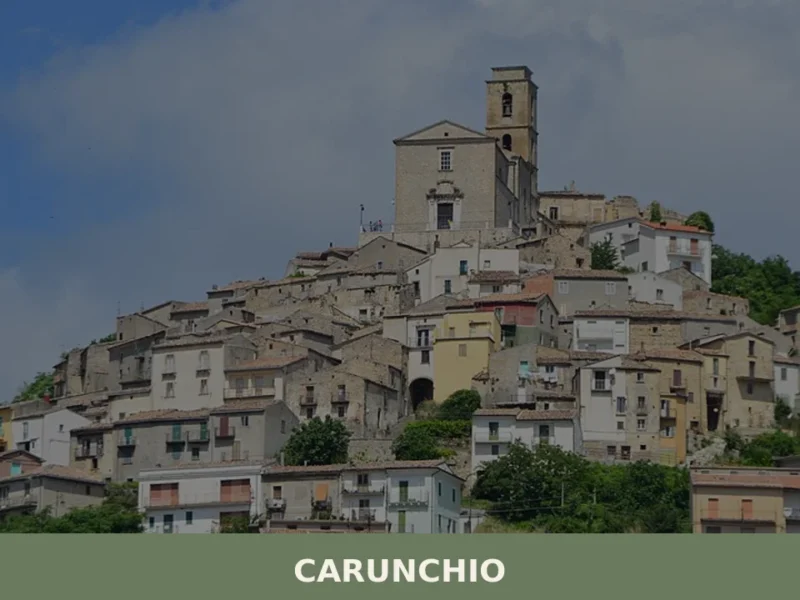
Carunchio is home to 565 inhabitants, spread along a ridge at 714 metres above sea level in the southern part of the province of Chieti, close to the border with Molise. The municipal territory extends between the Treste river and the Elce stream, two watercourses that have shaped the morphology of these clay hills over […]
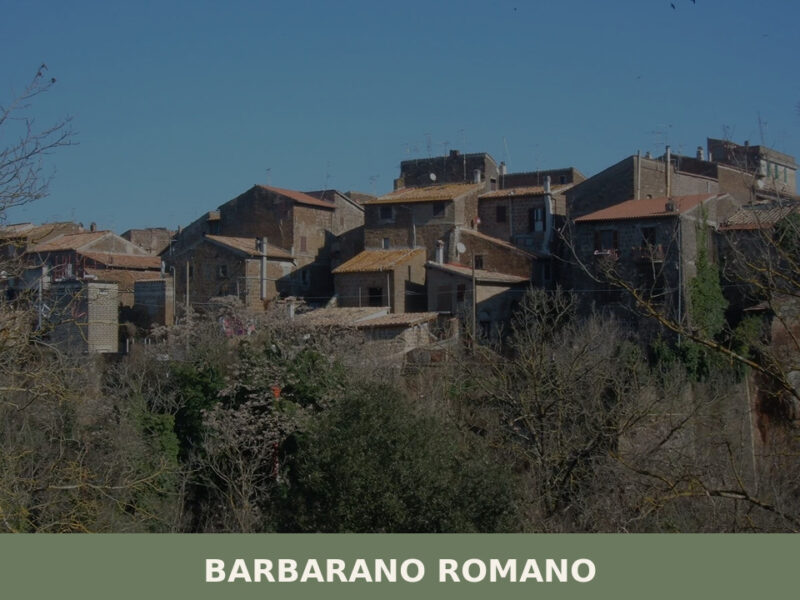
Morning light catches the volcanic tufa in shades of ochre and rust, and the only sound rising from the gorge below is the intermittent call of a jay echoing off ancient rock. Barbarano Romano sits on a plateau in the province of Viterbo, a settlement of barely a thousand souls whose streets still follow the […]
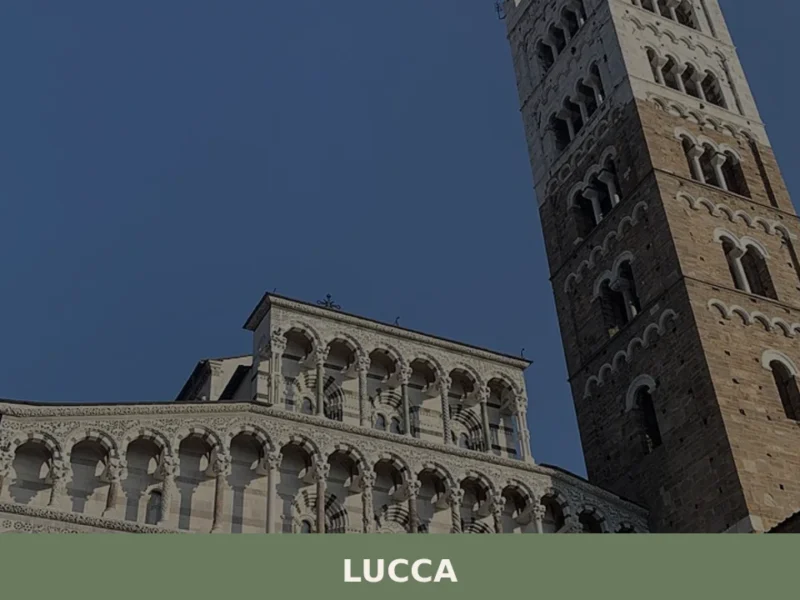
Discover Lucca, Tuscany's enchanting walled village in Italy. Explore medieval streets, stunning architecture, and rich culture in this timeless Italian treasure.
📝 Incorrect information or updates?
Help us keep the ‘Ndunderi page accurate and up to date.