


Castel Campagnano
 Plains
Standing at fifty-eight metres above sea level along the left bank of the Volturno, Castel Campagnano has a current population of 1,458, spread between the historic centre and the hamlets scattered across the alluvial plain. The municipality, in the province of Caserta, retains an urban layout that still follows the plan of the fortified medieval […]
Discover Castel Campagnano
Standing at fifty-eight metres above sea level along the left bank of the Volturno, Castel Campagnano has a current population of 1,458, spread between the historic centre and the hamlets scattered across the alluvial plain. The municipality, in the province of Caserta, retains an urban layout that still follows the plan of the fortified medieval core, with the built fabric clustered tightly around the main church and the remains of the ancient castle. Asking what to see in Castel Campagnano means entering a territory where an agricultural economy — vines, olives, cereals — has shaped landscape and architecture for centuries, and where the feast of the Madonna della Neve, on 5 August, still marks the community’s calendar.
History and origins of Castel Campagnano
The place name appears in medieval documents as Castrum Campagnanum, a direct reference to its location on flat land — the “campagna” of the middle Volturno — and to the presence of a fortification. The settlement developed during the Norman period, when the Volturno valley was organised into a system of castles and fiefs controlling the communication routes between Capua and the Sannio region. The castle, traces of which survive within the urban fabric of the historic centre, served as a garrison on the riverbank, a strategic crossing point between the Terra di Lavoro and the inland areas.
During the Angevin and Aragonese periods, Castel Campagnano passed through several feudal families. Its history followed the fortunes of the County of Caserta and the surrounding territories, with an economy based on cereal growing and viticulture, both favoured by the fertile alluvial soils. In the eighteenth century the fief was part of the holdings that gravitated around the province of Terra di Lavoro. With the abolition of feudalism in 1806 under Joseph Bonaparte, the municipality took on its current administrative form. The population, historically modest, underwent a steady decline during the second half of the twentieth century due to emigration towards Naples and Caserta, a phenomenon common to many settlements in the middle Volturno valley.
The relationship with the river has profoundly marked the identity of the place: the Volturno’s floods, river fishing activities, and the water mills documented in Bourbon-era land registries are all elements that determined the economic and social life of the village right up to the modern age. According to Wikipedia, the municipality is part of the Comunità Montana del Monte Maggiore.
What to see in Castel Campagnano: churches, ruins and the river landscape
Church of the Madonna della Neve
The main religious building of the village, dedicated to the patron saint celebrated on 5 August. The church has a late-Baroque layout with later modifications. Inside stands the statue of the Madonna della Neve, carried in procession during the patron saint’s feast through the streets of the historic centre in a ritual that involves the entire community.
Remains of the medieval castle
Of the original Castrum, which gives the village its name, wall sections survive, incorporated into the houses of the old core. The position of the fortification can be identified in the highest part of the historic centre, where the arrangement of the buildings still follows the perimeter of the former Norman defensive structure.
Historic centre and medieval urban layout
The narrow streets of the original nucleus maintain a concentric plan centred on the castle site. The houses, built in grey Campanian tuff with stone door frames and wrought-iron balconies, document the building phases from the seventeenth to the nineteenth century. Several minor noble residences display coats of arms carved on their lintels.
Banks of the Volturno
The stretch of river that runs alongside the municipal territory offers a riparian environment with willow and poplar vegetation. Here the Volturno flows slowly across the alluvial plain, forming meanders and wetland areas frequented by grey herons and other waterbirds. It is an area well suited to walks along the embankments.
Agricultural land and vineyards
The countryside surrounding the village is cultivated with vines, olive trees and orchards. The vineyards fall within the production area of several designated Campanian wines, and the agricultural landscape — orderly rows of vines alternating with open fields — represents one of the most distinctive visual features of the municipality, especially when travelling the farm tracks towards the outlying hamlets.
Food and local products of Castel Campagnano
The cuisine of Castel Campagnano is that of the middle Volturno valley, built on a peasant base of cereals, pulses and vegetables. First courses revolve around handmade pasta shapes: lagane e fagioli (lagane with local cannellini beans), cavatelli dressed with a mixed-meat ragù, and pappardelle with wild boar ragù, prepared in autumn when game is available from the nearby hill country. Among the main courses, pork dominates winter tables: fresh and cured sausages, soppressata and capicollo produced by hand in family-run butcher shops. Conciato Romano, a Slow Food Presidium cheese made in the nearby area of Castel di Sasso and aged in terracotta amphorae, is the most notable dairy product of the district. Mozzarella di Bufala Campana DOP is also found here, since the buffalo farms of the Caserta plain extend into this part of the province.
The territory lies within the production area of Casavecchia di Pontelatone, an indigenous red grape variety rediscovered in the second half of the twentieth century and now vinified under the Terre del Volturno IGT and Casavecchia di Pontelatone DOC designations. Extra virgin olive oil is produced mainly from the Caiazzana and Cornia cultivars, typical of this part of the province of Caserta and falling under the Olio Extravergine di Oliva Terre Aurunche DOP designation. During the feast of the Madonna della Neve on 5 August, food stalls offer zeppole fritte, taralli al naspro (glazed with sugar) and pastiera in the Caserta version with cooked wheat and ricotta. Local trattorias also serve scarola imbottita (stuffed escarole with Gaeta olives, capers, raisins and pine nuts) and baccalà in umido (stewed salt cod), a Christmas tradition found throughout the province.
When to visit Castel Campagnano: the best time of year
The climate of the lower Caserta hills is Mediterranean with hot summers: temperatures in July and August frequently exceed 35 °C on the Volturno plain, making a visit less comfortable during the middle of the day. The feast of the Madonna della Neve, on 5 August, is the moment of greatest activity in the village, with the evening procession, fireworks and food stalls lining the streets of the centre. It is the only date on which Castel Campagnano sees a noticeable influx of visitors from the surrounding hamlets and neighbouring municipalities.
The best months for exploring the area are April, May, October and November. In spring the vineyards and vegetable gardens are in full swing, the Volturno carries a substantial volume of water and the average temperature hovers around 18–22 °C. In autumn the Casavecchia grape harvest and the olive picking offer the chance to observe agricultural work in the fields. Winter is mild compared to the inland areas of the Sannio, with rare frosts and rainfall concentrated between November and February.
How to reach Castel Campagnano
Castel Campagnano can be reached by car from the A1 Milano–Napoli motorway, taking the Caserta Nord exit and continuing along the SS 158 towards Caiazzo for approximately 25 km. From Naples the distance is about 55 km, covered in roughly one hour of driving. From Caserta the journey is 30 km, around 35 minutes along the provincial road that follows the Volturno valley upstream.
The nearest railway station is Caiazzo, served by regional connections on the Naples–Piedimonte Matese line (formerly the Alifana). From Caiazzo you need to continue by private transport or taxi for approximately 8 km. Naples Capodichino Airport is 65 km away. For those coming from Rome, the Caianello exit on the A1 is a valid alternative: from there it is about 30 km heading south along the provincial road through Alvignano and Caiazzo.
What to see in Castel Campagnano and in the villages of inland Campania
The Volturno valley and the mountainous areas of the province of Caserta include several centres that share with Castel Campagnano a rural identity and a history tied to medieval fiefdoms. To the north-west, towards the border with Lazio and Molise, San Pietro Infine preserves the ruins of the old settlement destroyed during the Second World War fighting along the Gustav Line in December 1943: a site that directly documents the impact of the conflict on the inhabited centres of southern Italy, now a memorial park that can be visited on foot.
In the opposite direction, towards the Matese massif, San Gregorio Matese lies at over 700 metres of altitude on the shores of Lake Matese, the highest karst lake in Italy. The contrast with the plain of Castel Campagnano is stark: from the vineyards and wheat fields of the valley, in less than an hour you reach the beech forests and highland meadows of the Matese. Both villages, together with Castel Campagnano, belong to an area of Campania that sees very little mass tourism, where exploration requires time, a vehicle of your own and a willingness to travel quiet provincial roads from one centre to the next.
Frequently asked questions about Castel Campagnano
What is the best time to visit Castel Campagnano?
The ideal months are April, May, October and November, when temperatures hover between 18–22 °C and the agricultural landscape is at its most active — vineyards in spring growth or Casavecchia grape harvest in autumn. July and August bring heat exceeding 35 °C on the Volturno plain, though 5 August is unmissable: the feast of the patron Madonna della Neve fills the historic centre with an evening procession, fireworks and food stalls serving zeppole fritte and taralli al naspro. Winter is mild and rarely sees frost.
What are the historical origins of Castel Campagnano?
The settlement appears in medieval documents as Castrum Campagnanum, founded during the Norman period as part of a network of fortifications controlling river crossings between Capua and the Sannio. The castle guarded a strategic Volturno ford on the border of Terra di Lavoro. The village subsequently passed through Angevin and Aragonese feudal families, remaining tied to the County of Caserta. Feudalism was abolished in 1806 under Joseph Bonaparte, giving the municipality its current administrative form. The Volturno's water mills, documented in Bourbon land registries, shaped its economy through the modern era.
What to see in Castel Campagnano? Main monuments and landmarks
The Church of the Madonna della Neve is the principal monument, housing the venerated statue carried in procession on 5 August. The medieval castle survives as wall sections incorporated into houses at the highest point of the historic centre, still tracing the Norman defensive perimeter. The historic centre itself preserves a concentric street plan, grey Campanian tuff buildings with stone door frames, wrought-iron balconies and minor noble residences bearing carved coats of arms on their lintels. The Volturno riverbanks offer riparian walks through willow and poplar vegetation frequented by grey herons.
What are the main natural or scenic attractions of Castel Campagnano?
The left bank of the Volturno alongside the municipal territory forms a gentle riparian landscape of meanders, wetland areas, willows and poplars — habitat for grey herons and waterbirds, accessible via embankment walks. The surrounding alluvial plain is cultivated with Casavecchia vines, olive trees and orchards, creating an orderly agricultural landscape typical of the middle Volturno valley. Castel Campagnano also belongs to the Comunità Montana del Monte Maggiore, placing it within a wider upland territory that rises towards the Matese massif to the north-east.
Where to take the best photos in Castel Campagnano?
The most photogenic spots are concentrated in the historic centre, where the narrow concentric streets of the old Norman core, grey tuff facades and carved lintels offer strong architectural detail. The highest point of the village — where the castle ruins are embedded in the residential fabric — gives views over the Volturno plain. Along the riverbanks, the slow meanders of the Volturno framed by willows and poplars provide landscape shots, particularly at dawn when mist often settles over the alluvial plain. In autumn, the rows of Casavecchia vineyards add colour to the countryside.
Are there museums, churches or historic buildings to visit in Castel Campagnano?
The Church of the Madonna della Neve is the main religious building, with a late-Baroque layout and later modifications, housing the village's patron statue. The medieval castle ruins — Norman in origin — are legible within the fabric of the historic centre, with surviving wall sections visible at the upper end of the old core. Several minor noble residences with carved heraldic lintels document building phases from the seventeenth to the nineteenth century. No dedicated museum has been documented for the village; the historic centre itself functions as an open-air record of its architectural history.
What can you do in Castel Campagnano? Activities and experiences
Visitors can walk the embankments of the Volturno through the riparian landscape, explore the medieval street plan of the historic centre, and follow farm tracks through the vineyards and olive groves. In autumn, the Casavecchia grape harvest and olive picking offer direct contact with the agricultural calendar. The 5 August feast of the Madonna della Neve is the main community event, with procession, fireworks and traditional food stalls. Day trips reach San Pietro Infine's Second World War memorial park to the north-west, or Lake Matese and San Gregorio Matese in the Matese massif to the north-east.
Who is Castel Campagnano suitable for? Families, couples, hikers, solo travelers?
Castel Campagnano suits slow travellers and rural tourism enthusiasts drawn to authentic, uncrowded villages. Couples and food-and-wine travellers will appreciate the agricultural landscape, Casavecchia DOC wine route and the local cuisine of the Volturno valley. Families with children will find the riverside environment and the lively 5 August patron feast accessible and engaging. Hikers use it as a base for exploring the Comunità Montana del Monte Maggiore territory and the nearby Matese massif. The village is not suited to those seeking beach holidays, nightlife or extensive museum circuits.
What to eat in Castel Campagnano? Local products and specialties
The local table centres on peasant pasta dishes: lagane e fagioli with cannellini beans, cavatelli with mixed-meat ragù and pappardelle with wild boar ragù. Pork charcuterie — soppressata, capicollo and fresh sausages — dominates winter. Notable area products include Conciato Romano (Slow Food Presidium, aged in terracotta amphorae, produced near Castel di Sasso), Mozzarella di Bufala Campana DOP and Casavecchia di Pontelatone DOC red wine from the indigenous Casavecchia grape. Extra virgin olive oil is produced from Caiazzana and Cornia cultivars under the Terre Aurunche DOP. During the 5 August feast, stalls serve zeppole fritte and taralli al naspro.
📷 Photo Gallery — Castel Campagnano
Getting there
Via Municipio, 81010 Castel Campagnano (CE)
Nearby Villages near Castel Campagnano
In Campania More villages to discover
San Potito Sannitico
 Hills
Hills
Discover San Potito Sannitico, a hidden gem in Campania, Italy. Explore its rich history, stunning landscapes, local traditions, and authentic Italian charm.
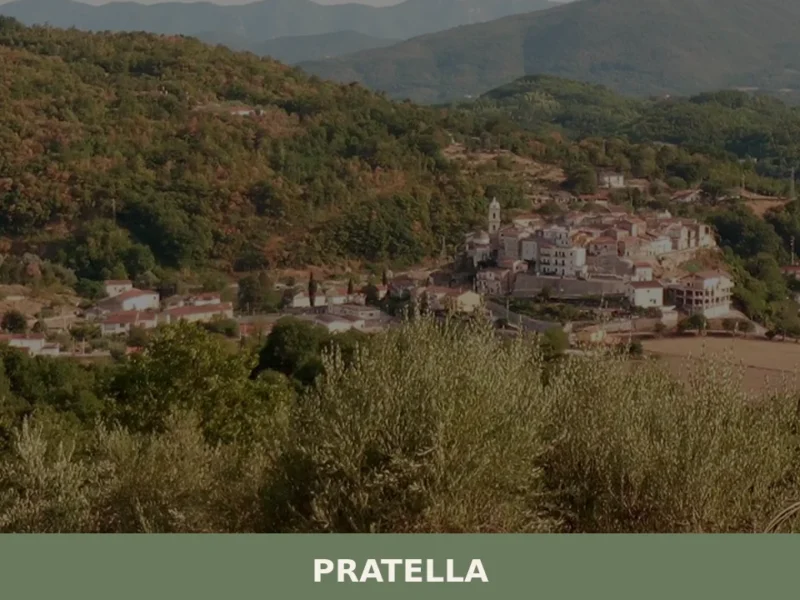
Pratella
Plains
What to see in Pratella, Italy: This village of 1,408 inhabitants, at 152m altitude, offers its historic core and the San Nicola feast. Explore Campania.
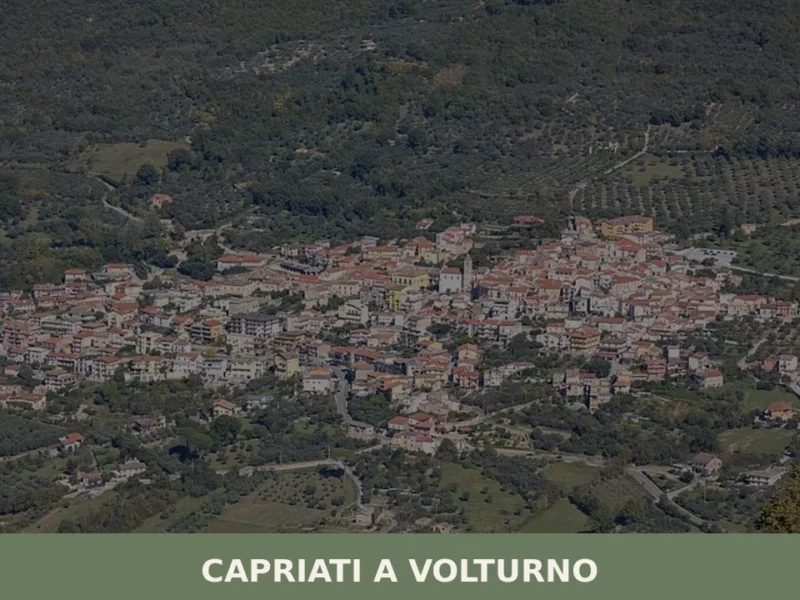
Capriati a Volturno
Hills
At 290 metres above sea level, along the right bank of the Volturno, Capriati has a current population of 1,440 residents spread between the historic centre and the hamlets scattered across the valley. The river, which here sweeps through a wide bend before continuing towards the Campanian plain, has shaped the town’s economy and layout […]
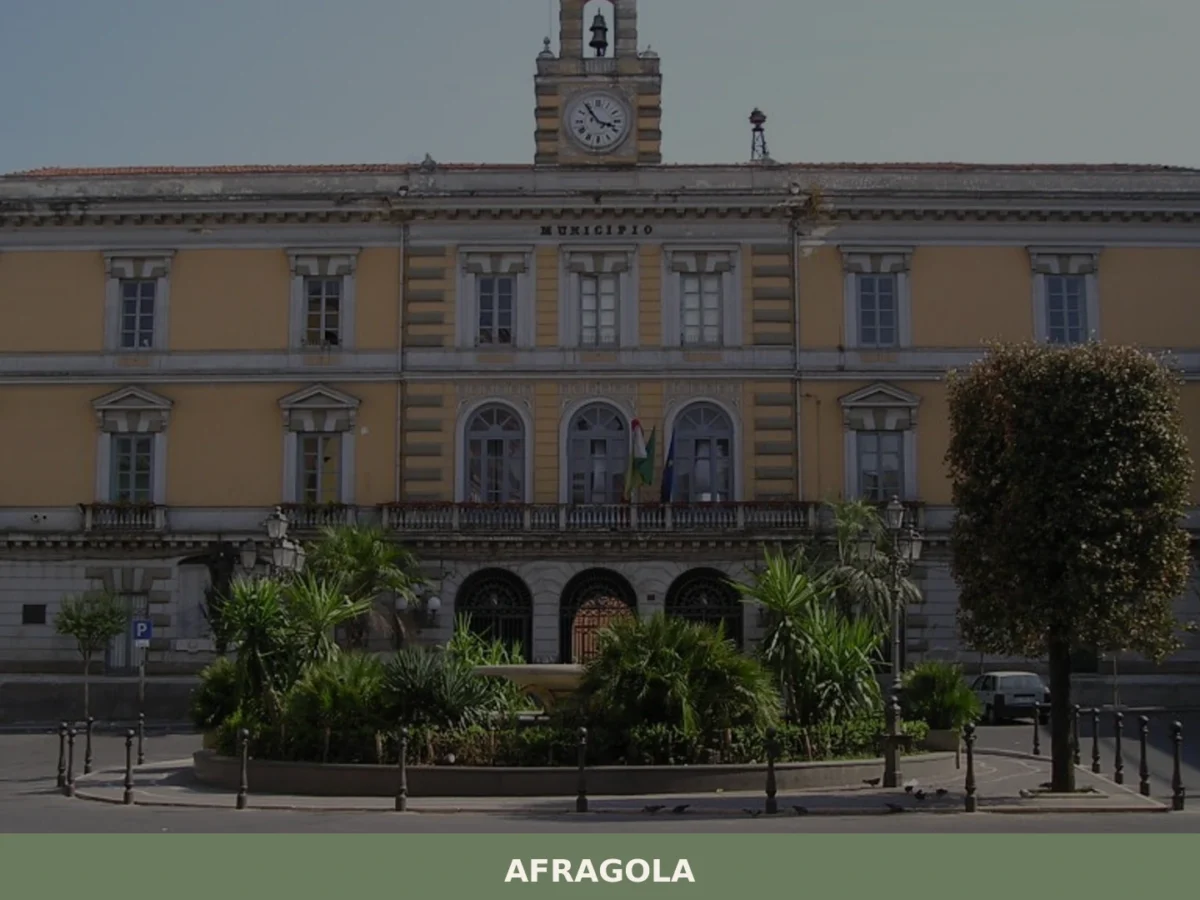
Afragola
Plains
Discover what to see in Afragola, Campania: Zaha Hadid's station, Baroque churches, local food, and practical travel tips for this Naples hinterland town.
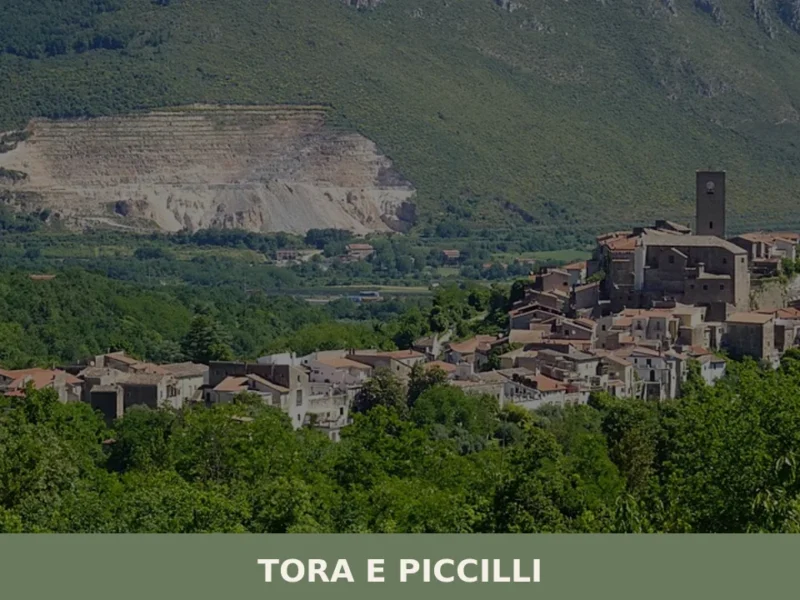
Tora e Piccilli
Hills
What to see in Tora e Piccilli, Italy: discover this Caserta comune at 343 m altitude. Explore its hilly landscape and small-town character. Read our complete guide.
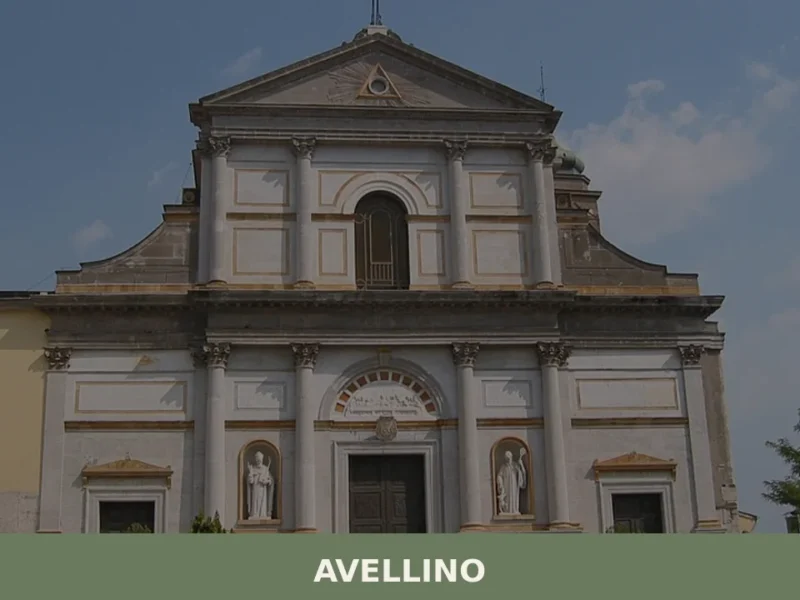
Avellino
Hills
Uncover the charm of the village of Avellino in Campania, Italy. Explore its rich history, local traditions, and stunning landscapes. Plan your visit to this Italian gem!
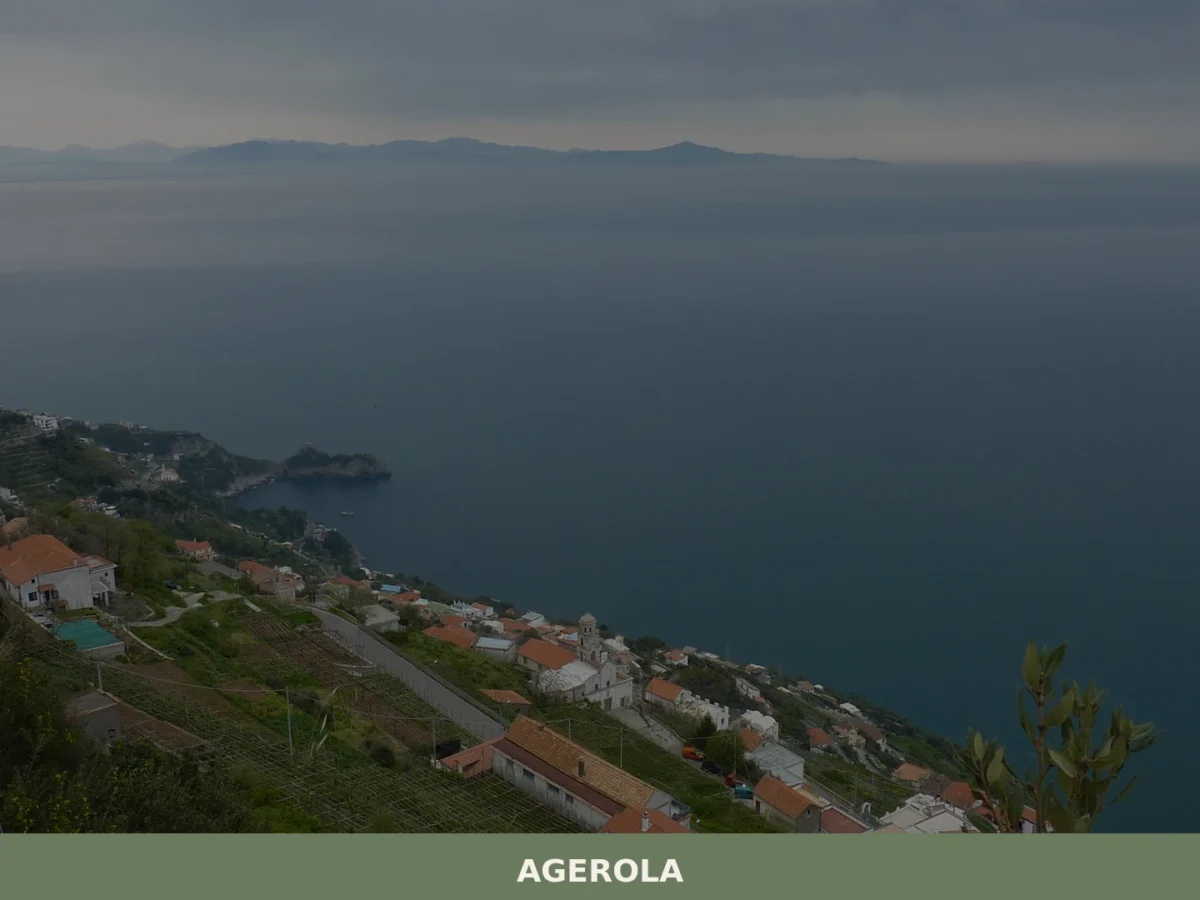
Agerola
 Mountain
Discover what to see in Agerola, a mountain comune above the Amalfi Coast: hamlets, hiking trails, DOP cheeses and practical travel tips.
Valle Agricola
Mountain
Valle Agricola, a municipality of 960 inhabitants in the province of Caserta, rises to 691 meters above sea level, representing a mountain settlement within the Matese Massif. Its geographical position, between peaks and valleys, has for centuries determined the social and economic dynamics of the place, oriented towards livestock farming and subsistence agriculture. For those […]
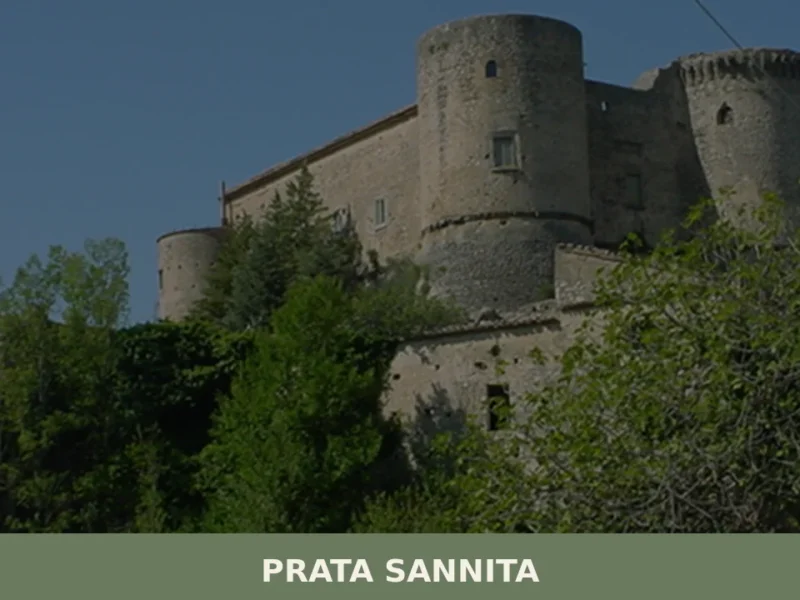
Prata Sannita
Hills
what to see in prata sannita, Italy: Explore this Campania comune at 333 meters altitude. Discover panoramic vistas and traditional village life.
Pontelatone
Plains
what to see in pontelatone, Italy? Explore this Caserta village at 120 meters altitude. Discover the ancient city of Trebula and local traditions. Read more.





🏡 Know Castel Campagnano better than we do?
If you’re a local or have been there, your knowledge matters: add what’s missing or fix a detail on this page.