


San Potito Sannitico
 Hills
Hills
Discover San Potito Sannitico, a hidden gem in Campania, Italy. Explore its rich history, stunning landscapes, local traditions, and authentic Italian charm.
Discover San Potito Sannitico
In 1927, the municipality of San Potito acquired the suffix “Sannitico”, an addition that recognizes its connection to the historical territory of the Samnites and distinguishes it from homonyms. This small town of 1,952 inhabitants, situated 230 meters above sea level in the province of Caserta, developed on the slopes of the Matese Massif, a geographical area that determined its environmental characteristics and, in part, its history.
Its location offers a perspective on the surrounding landscape, dominated by hills and valleys. Understanding what to see in san potito sannitico means exploring a place where civil and religious architecture integrates with a specific natural environment, reflecting the layering of eras and cultures that have passed through this part of Campania.
History and Origins of San Potito Sannitico
The origins of San Potito Sannitico are rooted in remote eras, with traces of settlements dating back to the Samnite age, as its very place name suggests. The territory, in fact, was an integral part of ancient Samnium, the region inhabited by the Samnites, an Italic people known for their resistance against Rome. With Romanization, the area experienced a progressive integration into the imperial administrative organization, although direct evidence from that period is mostly fragmented today or has re-emerged through excavation campaigns.
The medieval period marked a moment of consolidation for the settlement. San Potito became a fief
Frequently asked questions about San Potito Sannitico
What is the best time to visit San Potito Sannitico?
Spring (April–June) and early autumn (September–October) offer mild temperatures and pleasant conditions for exploring this hill village at 230 metres on the slopes of the Matese Massif. A culturally significant date is 10 February, the feast day of the patron saint San Potito, when the village celebrates with religious ceremonies and local traditions. Summer is warm but not extreme, making it suitable for countryside walks. Winter can be cool and quiet, appealing to those seeking authentic, crowd-free experiences in rural Campania.
What are the historical origins of San Potito Sannitico?
San Potito Sannitico's roots reach back to the Samnite era, when this part of the Caserta province was inhabited by the Samnites, an Italic people who fiercely resisted Roman expansion. The village was subsequently absorbed into Roman administrative structures and later consolidated as a medieval settlement. The suffix 'Sannitico', officially added in 1927, formally acknowledges this ancient Samnite heritage and distinguishes the village from other places sharing the same name across Italy.
What to see in San Potito Sannitico? Main monuments and landmarks
San Potito Sannitico preserves civil and religious architecture integrated into its hillside setting on the Matese Massif. The village's historic centre reflects the layering of medieval and post-medieval eras typical of Samnite-origin settlements in the Caserta province. The surrounding landscape of hills and valleys is itself a defining feature. As the article on this page provides detailed descriptions of specific monuments and sites, exploring the historic core on foot is the most direct way to appreciate the architectural and cultural heritage of this small Campania village.
What are the main natural or scenic attractions of San Potito Sannitico?
San Potito Sannitico sits on the slopes of the Matese Massif, one of the most significant mountain and nature areas in southern Italy. The Matese Regional Park, which extends across the provinces of Caserta and Campobasso, offers hiking trails, wooded landscapes, and considerable biodiversity within easy reach of the village. The surrounding hills and valleys visible from the village provide a characteristic Apennine panorama. The area is particularly appreciated by nature lovers and those interested in exploring the quieter inland territories of Campania.
Who is San Potito Sannitico suitable for? Families, couples, hikers, solo travelers?
San Potito Sannitico is best suited to travellers who appreciate authentic, slow-paced rural Italy away from mass tourism. Hikers and nature enthusiasts will value its proximity to the Matese Massif and its trails. History and culture lovers interested in Samnite heritage and medieval southern Italy will find the village rewarding. Couples seeking a quiet, scenic Campanian hill retreat and solo travellers exploring lesser-known inland destinations are also well catered for. It is less suitable for those seeking beaches, nightlife, or large tourist infrastructures.
What to eat in San Potito Sannitico? Local products and specialties
San Potito Sannitico falls within the broader Caserta province and Campania food tradition, renowned for high-quality agricultural products. The Matese area is associated with sheep farming, local cheeses, cured meats, and wild mushrooms gathered from the surrounding forests. Campania's wider DOP and IGP offerings — including Mozzarella di Bufala Campana DOP — are present across the region. Visitors are advised to seek out local agriturismi and small producers in the village and its surroundings for the most direct experience of traditional inland Campanian cuisine.
📷 Photo Gallery — San Potito Sannitico
Nearby Villages near San Potito Sannitico
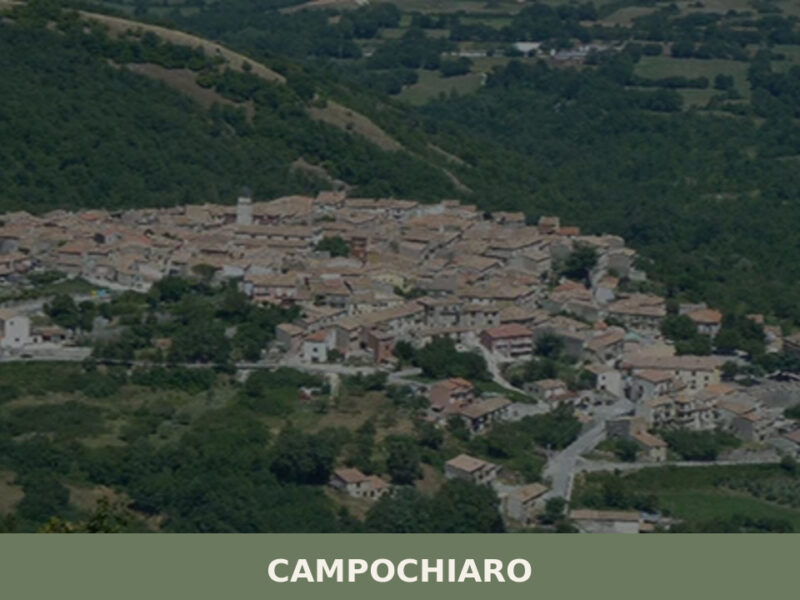
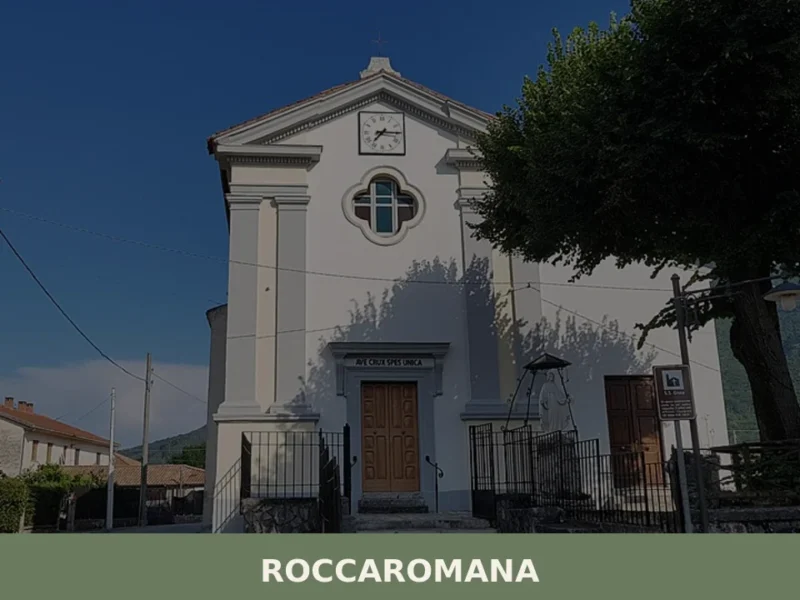
In Campania More villages to discover
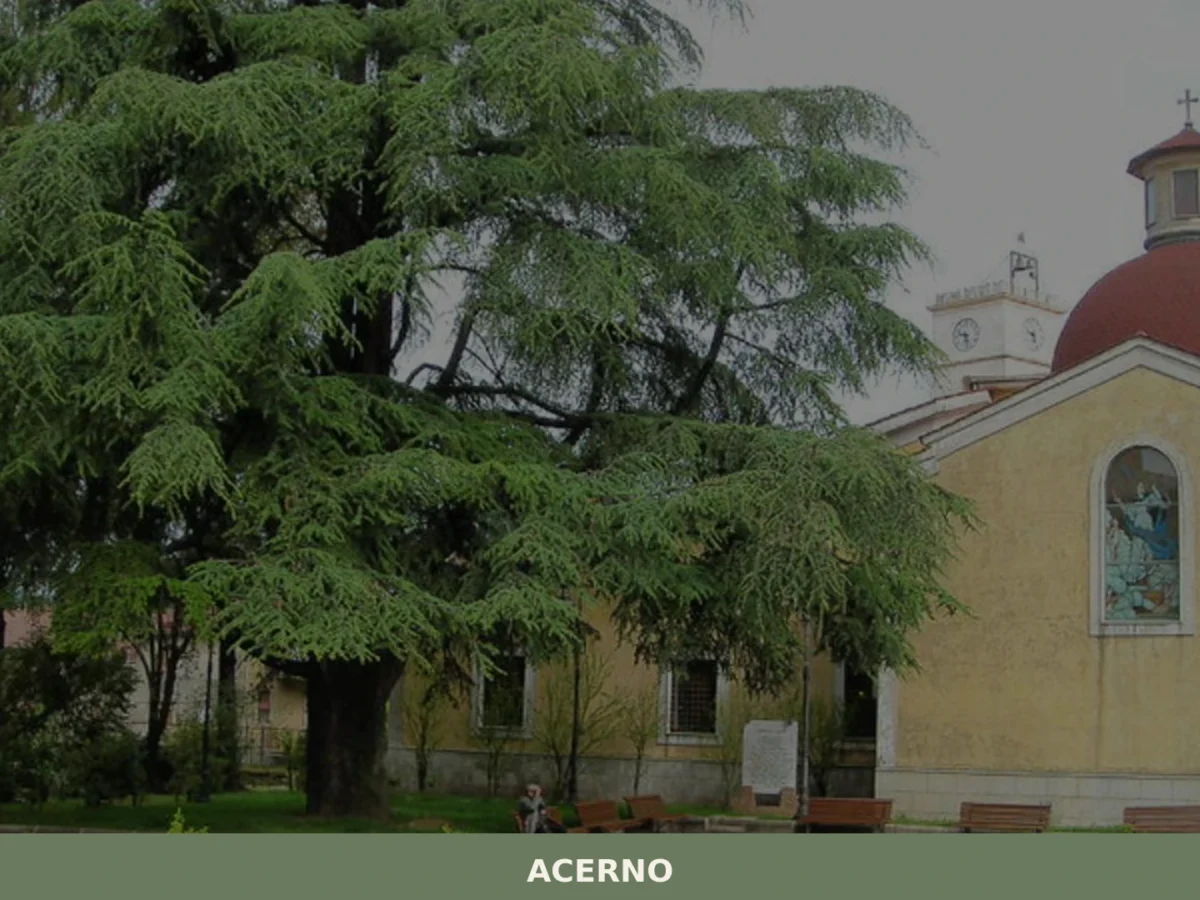
Acerno
 Mountain
Discover what to see in Acerno, a 2,419-person village in Salerno's Picentini Mountains: medieval cathedral, chestnut forests, and a nine-century diocesan history.
Liberi
Hills
Liberi, a small village in Campania in the province of Caserta: discover its history, monuments and how to plan your visit. Plan your itinerary today.
Valle Agricola
Mountain
Valle Agricola, a municipality of 960 inhabitants in the province of Caserta, rises to 691 meters above sea level, representing a mountain settlement within the Matese Massif. Its geographical position, between peaks and valleys, has for centuries determined the social and economic dynamics of the place, oriented towards livestock farming and subsistence agriculture. For those […]
Raviscanina
Hills
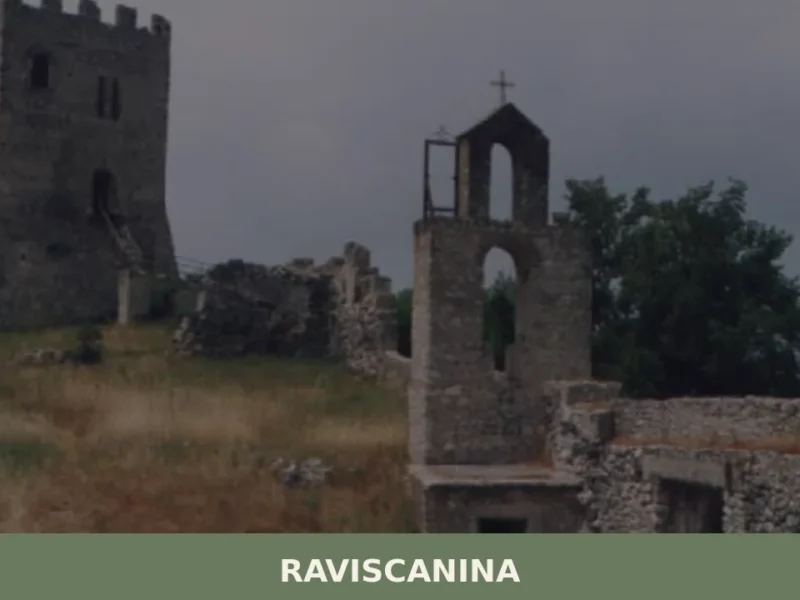
what to see in raviscanina, Italy: Explore this village at 358 m a.s.l. Discover ancient castle ruins and local traditions. Read more.
Castello del Matese
Hills
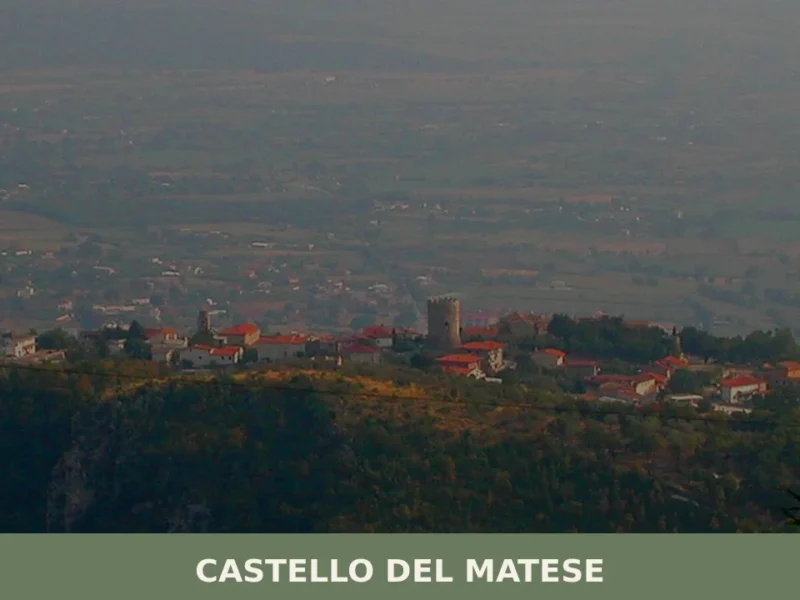
Visit Castello del Matese to explore its medieval historic center and local traditions. Plan your Campania trip, discover things to do in the village.
Giano Vetusto
Hills
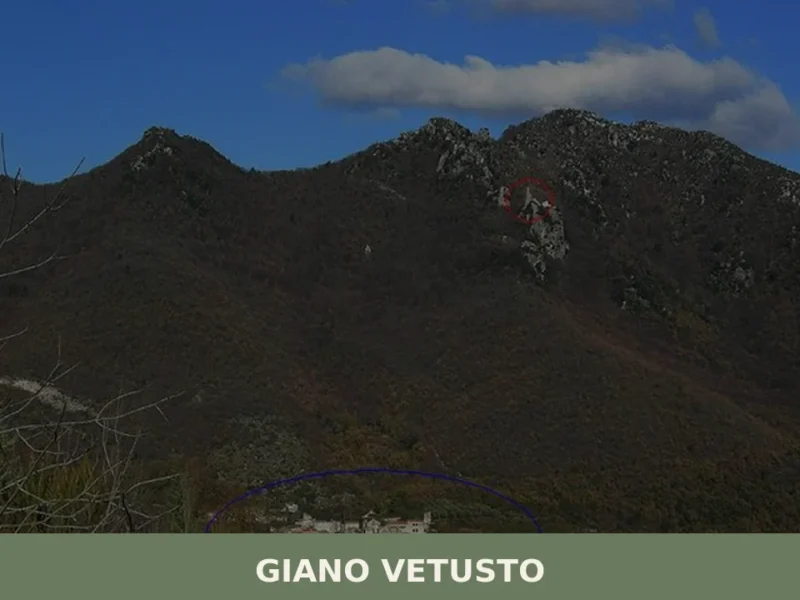
What to see in Giano Vetusto: Church of Sant'Antonio, historic centre, agricultural landscape, local cuisine and how to reach this hillside village near Caserta.

Altavilla Irpina
Mountain
Discover Altavilla Irpina, a hilltop village in Avellino province with medieval churches, ancient stone architecture, and authentic Irpinian food traditions.
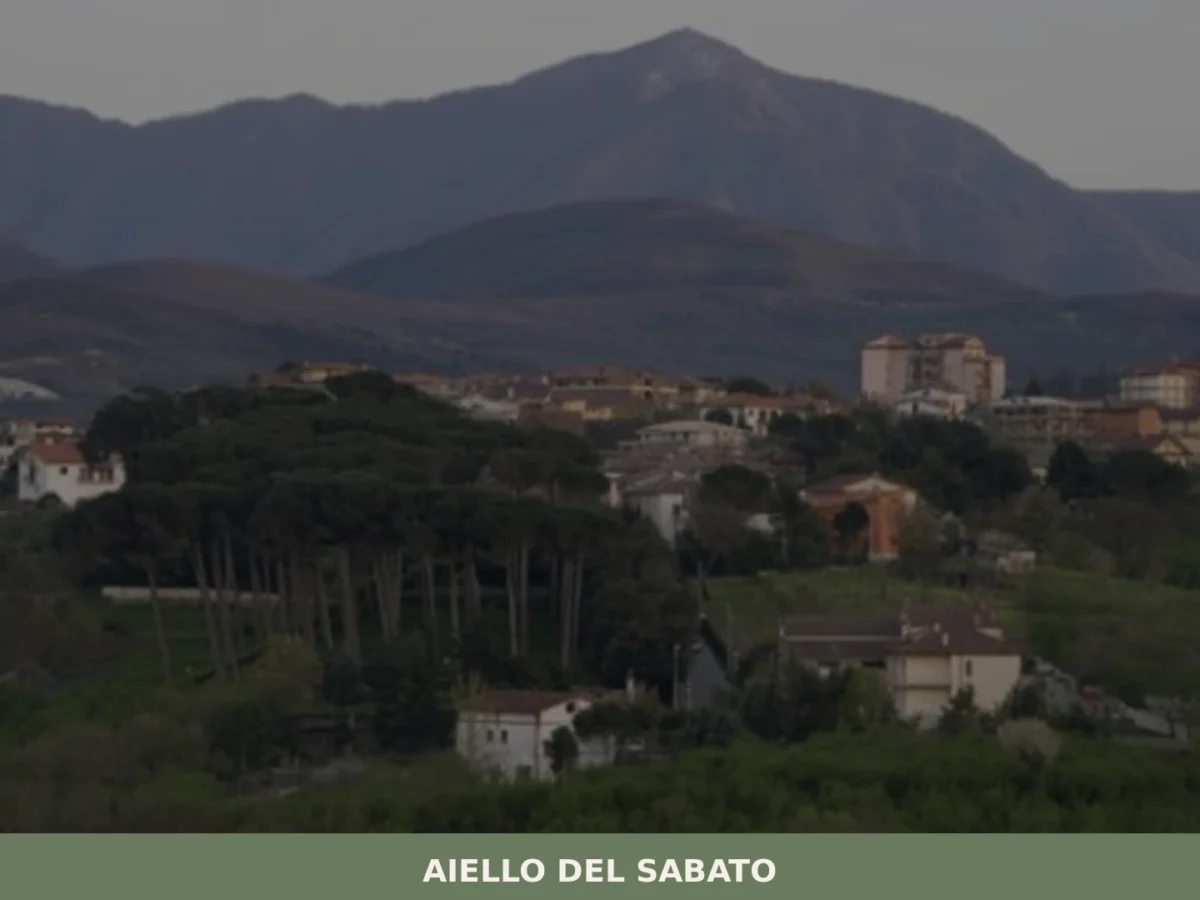
Aiello del Sabato
Hills
What to see in Aiello del Sabato, Italy? Discover this village at 425 m (1,394 ft) altitude. Explore its historic core and learn about its Roman past. Read our guide.
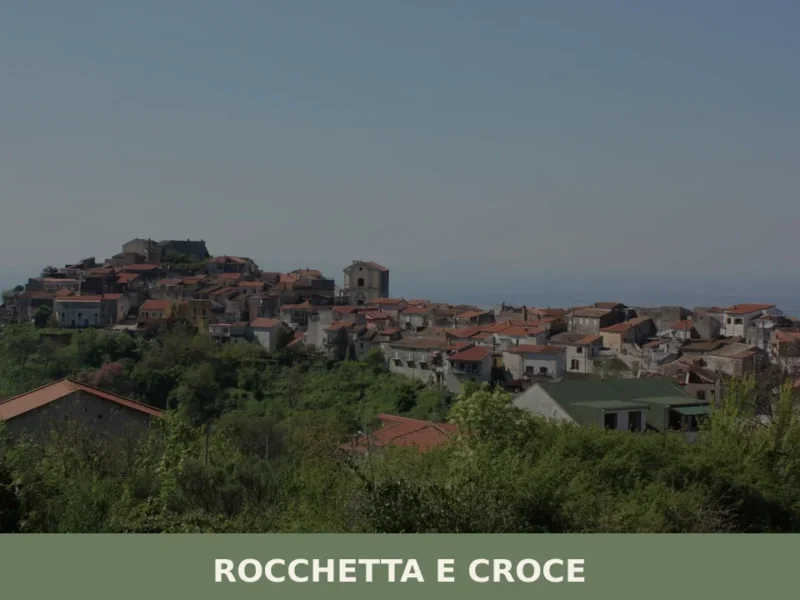
Rocchetta e Croce
Hills
Discover Rocchetta e Croce, a charming village near Caserta. Our guide reveals what to see, must-see attractions, and the history of this Campanian gem.
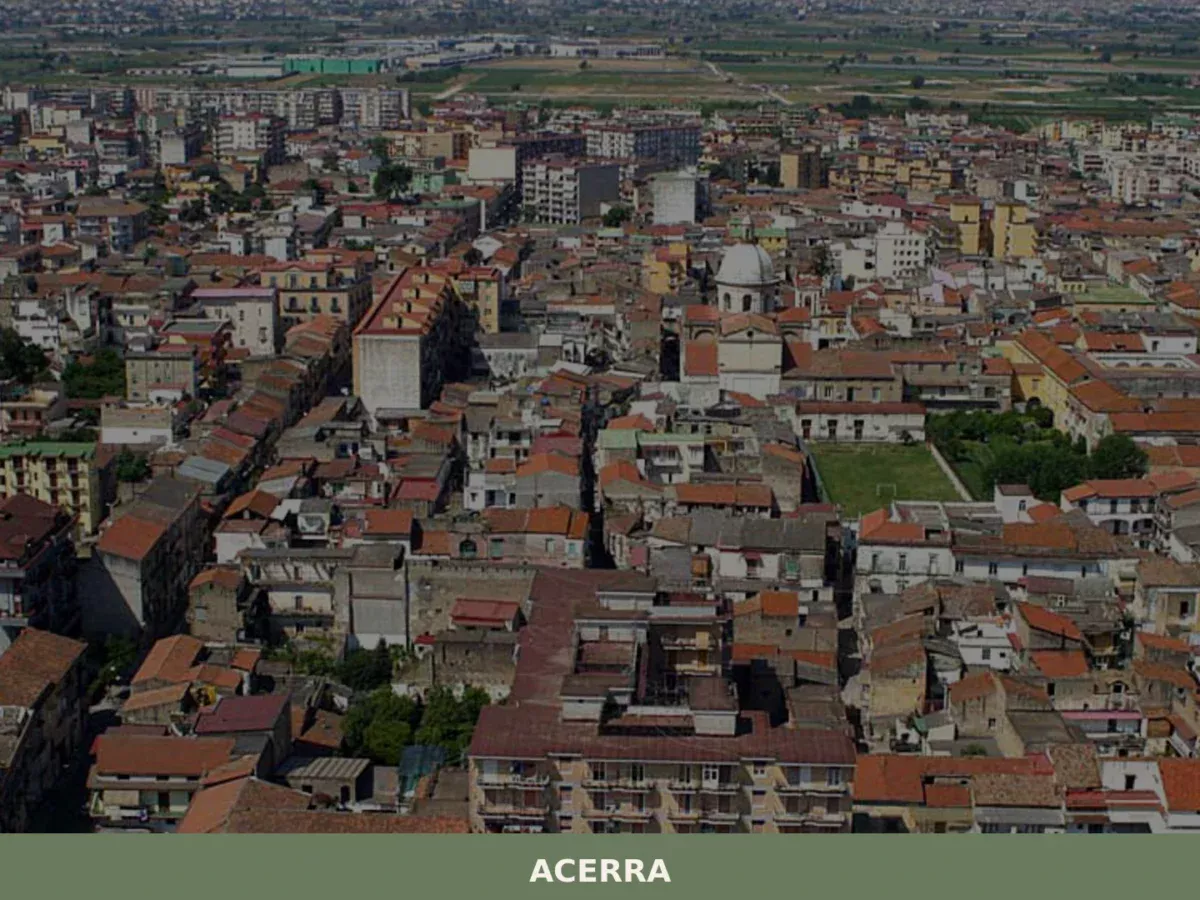
Acerra
 Plains
Discover what to see in Acerra, Campania: Roman history, medieval castle, cathedral, local food and practical travel tips for this Naples metropolitan town.




🏡 Know San Potito Sannitico better than we do?
If you’re a local or have been there, your knowledge matters: add what’s missing or fix a detail on this page.