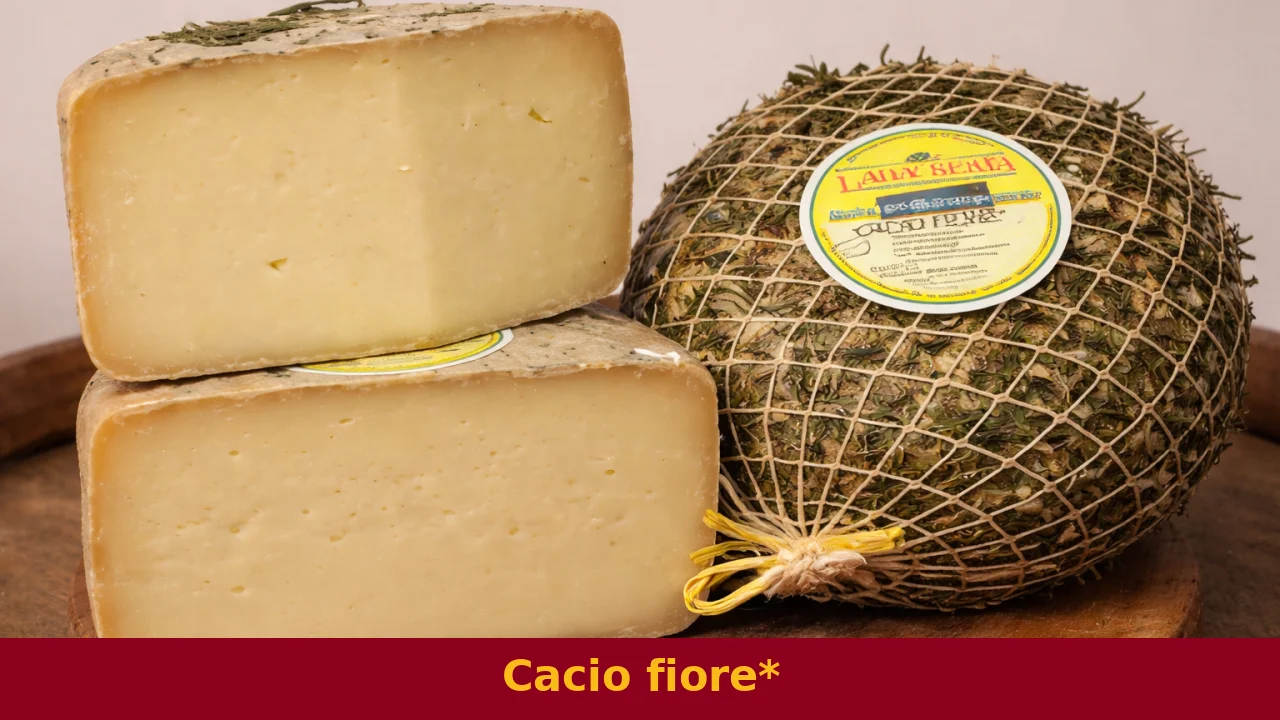
The cacio fiore* stands out for a technical peculiarity rooted in an ancient cheesemaking tradition: the use of vegetable rennet. Within LAZIO, this traditional agri-food product (PAT) is distinguished by the use of rennet extracted from wild plants, a method that bestows upon sheep’s milk a delicate transformation and a distinctive sensory profile. The cacio…
The cacio fiore* stands out for a technical peculiarity rooted in an ancient cheesemaking tradition: the use of vegetable rennet. Within LAZIO, this traditional agri-food product (PAT) is distinguished by the use of rennet extracted from wild plants, a method that bestows upon sheep’s milk a delicate transformation and a distinctive sensory profile. The cacio fiore* is an expression of local pastoral wisdom, a connection to rural practices preserved over time, offering a genuine taste of the Lazio region.
The cacio fiore* is a type of traditional cheese whose peculiarity lies in the use of vegetable rennet for milk coagulation, unlike the more common animal rennet. This practice, as old as sheep farming itself, gives the cheese specific sensory characteristics and an often more delicate and complex taste profile. Within the LAZIO region, the cacio fiore* is recognized as a Traditional Agri-food Product (PAT), a certification that safeguards its recipe and production method tied to the territory. Its PAT classification confirms its importance in the local gastronomic heritage, though specific details are not widely documented. Typically, these cheeses are soft-textured, intended for fresh consumption or with brief aging, expressing the qualities of sheep’s milk and the influence of vegetable rennet, often derived from wild thistle.
The use of vegetable rennet in cheesemaking dates back to ancient times, predating industrial methods. This technique was widespread in various areas of the Mediterranean, where the availability of plants like wild thistle (Cynara cardunculus) offered a natural alternative to animal rennet. In LAZIO, a region with a long pastoral history, the tradition of cacio fiore* fits into this historical context. Shepherds, especially in mountainous and hilly areas, have always used natural resources to transform sheep’s milk. The production of cheeses with vegetable rennet was often linked to family or local consumption, allowing for the valorization of excess milk and the creation of products with a unique flavor, influenced by pasture herbs. This method, handed down through practice, has allowed cacio fiore* to be preserved as a genuine expression of Lazio’s agro-pastoral culture, today recognized as a PAT.
LAZIO, with its diverse landscapes ranging from the coasts to the Apennine peaks, offers an ideal environment for sheep farming, a cornerstone of cacio fiore* production. The inland areas, particularly the hilly and mountainous ones, are characterized by pastures rich in wild vegetation, including the plants from which vegetable rennet is extracted. The PAT classification indicates that cacio fiore* is closely linked to a specific geographical area within the region, where climatic conditions, local flora, and traditional farming practices contribute to defining its identity. Although the exact provinces for Lazio’s cacio fiore* are not specified, one can envision its spread in the mountainous and pre-Apennine areas, such as those surrounding towns like Accumoli in the province of Rieti, or the more inland areas of Tuscia Viterbese, not far from Villa San Giovanni in Tuscia or Barbarano Romano. These rural settings maintain a connection with agriculture and pastoralism, essential for the creation of products like cacio fiore*.
The production of cacio fiore*, despite its apparent simplicity, is a process that requires expertise and care, based on a traditional method that differs from industrial techniques. The starting point is the sheep’s milk, preferably raw and whole, collected daily. The crucial phase is coagulation, which occurs with the addition of vegetable rennet, extracted from inflorescences or stems of plants like wild thistle, macerated in water. Once added to the milk, the vegetable rennet acts slowly, forming a soft and delicate curd. The curd is then broken into fragments, depending on the desired consistency, and placed in traditional molds or baskets that shape it and allow the whey to drain. Salting can occur dry or in brine. The aging, usually brief, allows the cheese to develop its structure and distinctive aromas. As a PAT, the production of Lazio’s cacio fiore* follows a set of regulations that, while not detailed in available sources, ensures adherence to these traditional practices and the quality of the final product.
Lazio’s cacio fiore*, as a vegetable rennet cheese and typically briefly aged, presents a sensory profile that reflects its origin and production process. Visually, one expects a cylindrical shape and a thin or almost absent rind, often with the imprints of the baskets used for molding, as is common for many fresh or soft-textured cheeses. The paste is generally soft and creamy, milk-white or slightly straw-yellow in color, without eyes or with very small and irregular ones. On the nose, cacio fiore* releases a delicate aroma, with notes of fresh milk, grass, and a slight vegetable hint, derived from the rennet. On the palate, the flavor is subtle and refined, sweet and slightly acidic, with a lactic persistence. The melting texture pairs with a balanced taste, enjoyable on its own or in combinations. The absence of additives and the naturalness of the ingredients contribute to enhancing the purity of the flavors, making it a genuine tasting experience.
The delicacy and freshness of Lazio’s cacio fiore* make it a versatile ingredient in the kitchen, capable of enriching various preparations without overpowering their flavors. It is excellent consumed naturally, as a table cheese, perhaps with homemade bread and a drizzle of local extra virgin olive oil. Its soft texture makes it ideal on crostini or to accompany fresh seasonal vegetables, such as fava beans or artichokes, in a blend of spring flavors. It can also be used in more elaborate preparations:
A young and aromatic white wine from the traditional products from LAZIO, such as a Frascati or an Est! Est!! Est!!! di Montefiascone, would pair perfectly, enhancing its lactic and vegetable notes.
Lazio’s cacio fiore* stands out for its uniqueness in several aspects. First, the use of vegetable rennet connects it to ancient practices and a strong connection to pastoral tradition. This choice is not just a technical detail, but a production philosophy that respects natural cycles and territorial resources. Vegetable rennet gives the cheese an enzymatic profile different from animal rennet, influencing texture and aromas in a peculiar way, often with sweeter and less aggressive notes. Furthermore, its recognition as a Traditional Agri-food Product (PAT) underscores its cultural and gastronomic importance for the LAZIO region. This status ensures that cacio fiore* is produced according to consolidated methods, safeguarding knowledge that would otherwise risk being lost. It is not just a food, but a symbol of agriculture and farming that focus on quality, sustainability, and authenticity. Its limited and often artisanal production makes it an exclusive sensory experience, an invitation to discover the most genuine flavors of Italian traditional food products and the Lazio region.
Lazio’s cacio fiore* is listed among Italian Traditional Agri-food Products (PAT). This certification, established by the Ministry of Agricultural, Food and Forestry Policies, recognizes products that, by tradition, are obtained with processing, preservation, and aging methods consolidated over time, homogeneous throughout the affected territory, according to traditional rules and for a period of no less than 25 years. For cacio fiore*, the LAZIO PAT represents a seal of guarantee that certifies its connection to the region and the agricultural and pastoral practices that generated it. Although it is not a European designation like PDO or PGI, PAT recognition is fundamental for the protection and enhancement of regional gastronomic excellences, promoting biodiversity and the preservation of ancient recipes. It is an invitation to rediscover the genuine flavors and the richness of LAZIO’s food traditions. ONAF – Organizzazione Nazionale Assaggiatori di Formaggio is one of the authoritative sources that documents the existence and characteristics of traditional Italian cheeses, contributing to their knowledge and valorization, including PATs.
To savor the true cacio fiore* of LAZIO, the best way is to go directly to the production areas, where it is possible to find it fresh and genuine. Local farmers’ markets, small shops selling typical products, and agriturismi in the inland areas of Lazio are the preferred places for purchase. An excellent opportunity to discover cacio fiore* and other flavors of the territory are the festivals and food and wine events held periodically in towns like Accumoli, known for its pastoral traditions, or in the vicinity of Villa San Giovanni in Tuscia and Barbarano Romano, where agriculture and farming are still central activities. Visiting these locations offers the opportunity to purchase the cheese directly from producers, immerse oneself in the local culture, meet the shepherds, and understand the connection between the product and its environment. A trip to LAZIO would not be complete without a taste of this cheese, which encapsulates the flavors of a tradition that continues to thrive.
📷 Photo: VillagesItaly · VillagesItaly License · All credits →
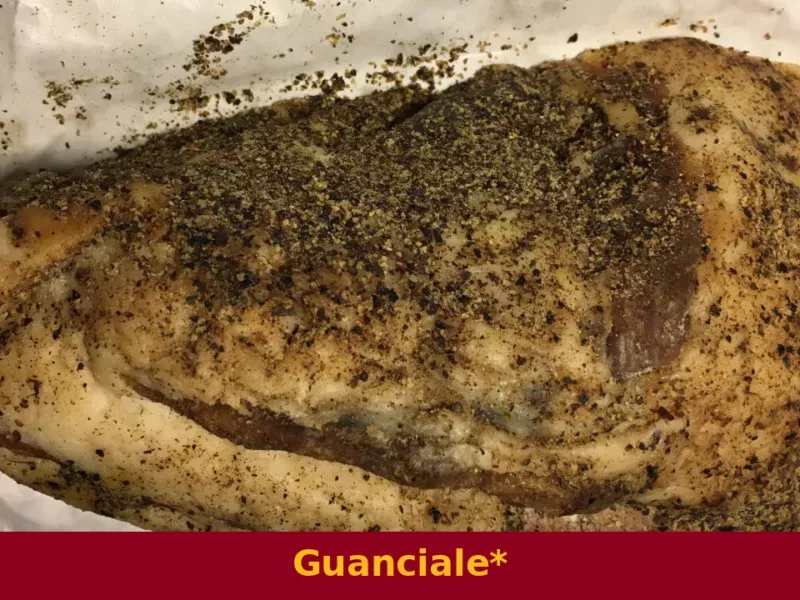
An intense, almost pungent aroma is released as soon as the knife sinks into its rind. Guanciale, an...
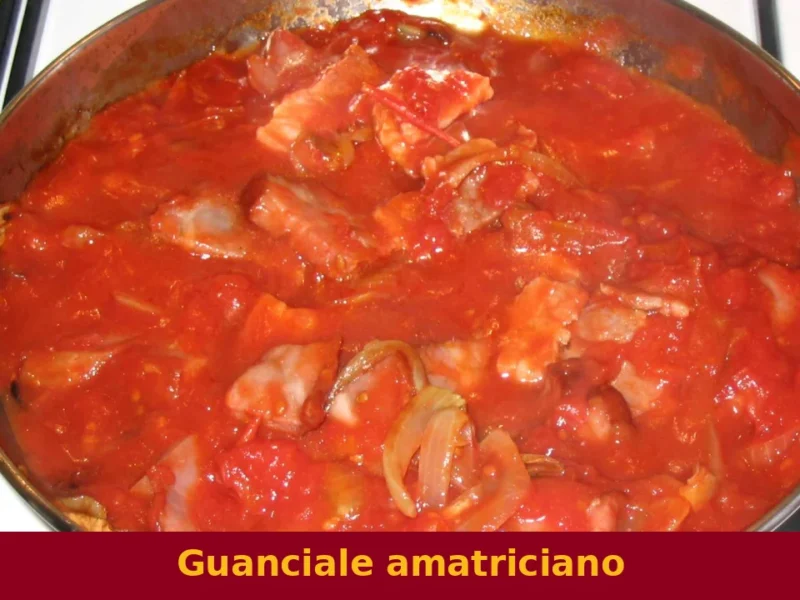
When the unmistakable aroma of a golden soffritto begins to spread, it is often guanciale amatriciano that takes...
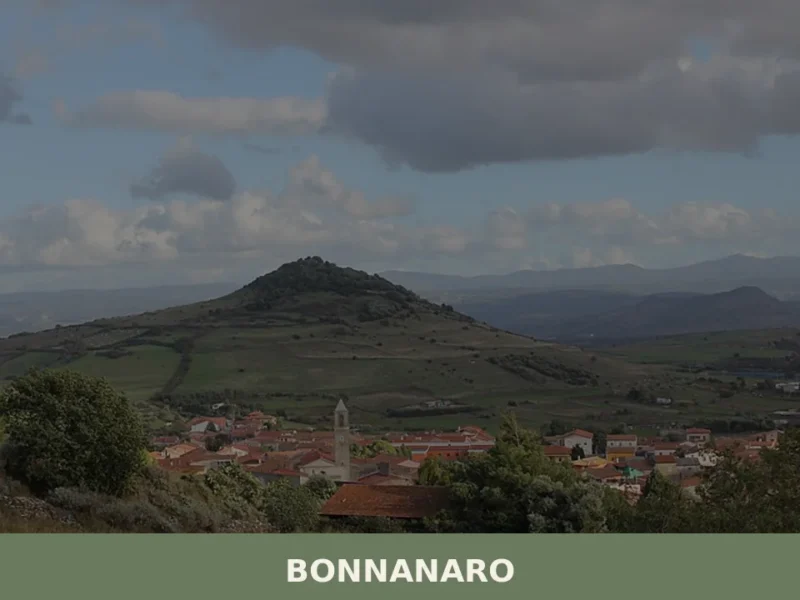
In 1388, when representatives of the Sardinian villages signed the peace treaty with the Crown of Aragon, among the signatories was the village of Bonnanaro, an agricultural centre already known for the fertility of its volcanic soils on the slopes of Monte Pelao. Today this village of 921 inhabitants, situated at 405 metres above sea […]
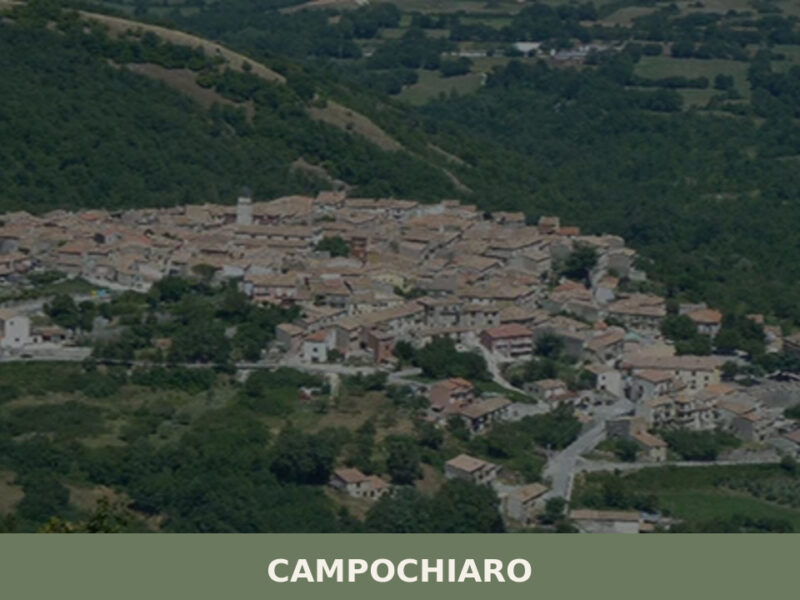
On the eastern slope of the Matese massif, where highland pastures descend toward the Biferno plain, Campochiaro greets visitors with its 594 inhabitants and a compact urban layout, arranged at 750 metres above sea level around the parish church dedicated to Saint Mark. Here, in 1980, archaeologists unearthed an Italic sanctuary from the Samnite period […]
In the heart of Viterbo’s Tuscia region, 302 meters above sea level, lies Tessennano, a settlement with 284 residents. Its hillside location, distant from major thoroughfares, has defined its profile through the centuries. For those wondering what to see in Tessennano, the village presents a historical layering perceptible in its architecture. The settlement develops around […]
📝 Incorrect information or updates?
Help us keep the Cacio fiore* page accurate and up to date.


