


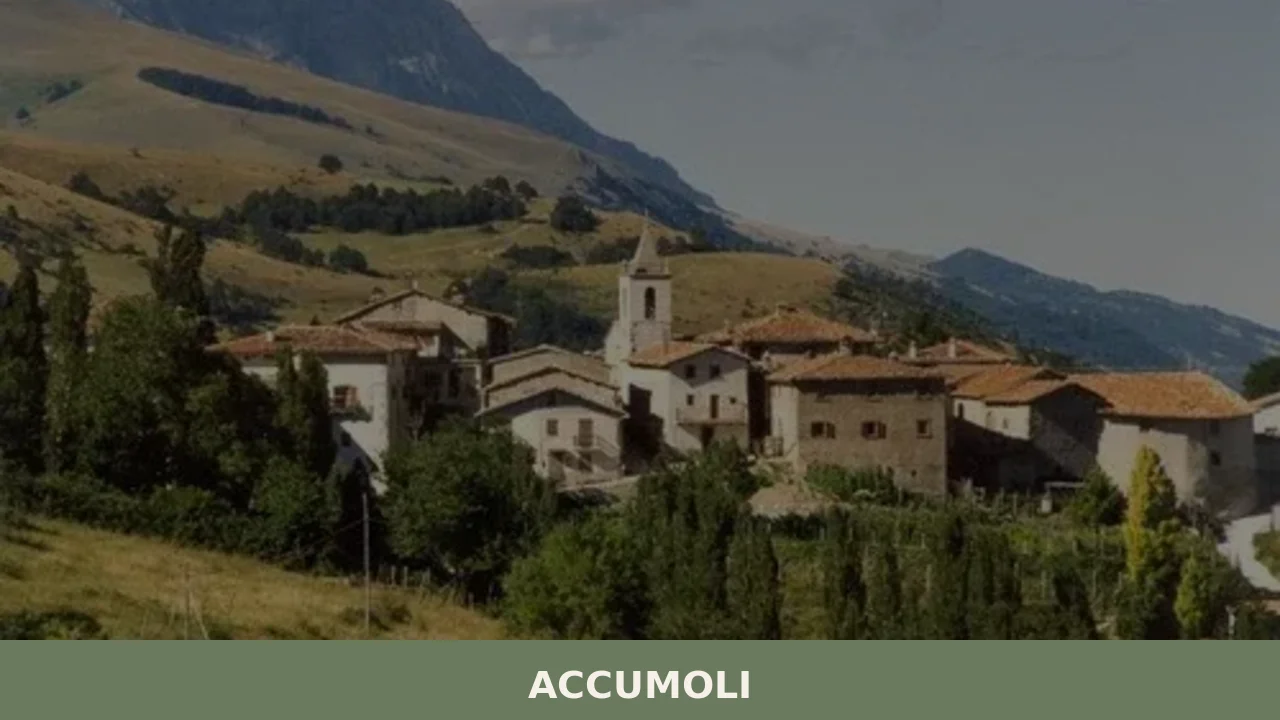
Accumoli
 Mountain
What to see in Accumoli, Italy? Discover this village at 855 m (2,805 ft) altitude. Explore the 12th-century Civic Tower and Palazzo Marini. Read our guide.
Discover Accumoli
Standing at 855 m (2,805 ft) above sea level, Accumoli is a village within the Umbria-Marche Apennines, characterized by the rugged terrain and seasonal shifts typical of its mountain environment. The climate here features cold, snowy winters and summers that rarely experience extreme heat, defining the rhythms of life for its 522 inhabitants. This municipality, part of the Province of Rieti in Lazio, Italy, offers a glimpse into a region shaped by both natural forces and historical developments.
For those wondering what to see in Accumoli, the village presents several historical structures that narrate its past.
Visitors to Accumoli will find a collection of significant buildings, including the 12th-century Civic Tower and the distinctive Palazzo Marini, which collectively illustrate centuries of architectural and civic life. The village, situated approximately 110 km (68 mi) northeast of Rome, serves as a point of interest for those exploring the Gran Sasso e Monti della Laga National Park.
History of Accumoli
The origins of Accumoli trace back to the 12th century, a period when the territory in the Valle del Tronto was under the governance of the Normans. This historical foundation set the stage for its later inclusion within the Kingdom of Naples, marking a significant era in the village’s early development. The administrative and political shifts of these centuries influenced its growth and the construction of its earliest civic structures, some of which remain visible today.
Geographically, Accumoli has occupied a unique position, located in the Umbria-Marche Apennines and existing as an enclave within the province of Ascoli Piceno.
Until 1927, the village was part of the province of Aquila in Abruzzo, reflecting broader regional reconfigurations within Italy. This change positioned Accumoli more firmly within the administrative landscape of Lazio, a region that includes other historically rich villages such as Casperia.
The recent history of Accumoli includes a significant event on August 24, 2016, when the Central Italy earthquake caused extensive damage. Numerous buildings across the municipality were either destroyed or severely impacted by the seismic activity. This event underscores the resilience of the community and the ongoing efforts to preserve and rebuild the historical fabric of the village.
What to see in Accumoli, Lazio: top attractions
Civic Tower
The imposing stone structure of the Civic Tower dominates the village skyline, a testament to Accumoli’s medieval origins.
Dating back to the 12th century, this tower served as a crucial defensive and observational point throughout its early history. Visitors can observe the robust construction and imagine its role in the Valle del Tronto during periods of Norman rule and later under the Kingdom of Naples.
Palazzo del Podestà
The Palazzo del Podestà stands as a central civic building, currently serving as Accumoli’s town hall. This historical palace reflects the administrative significance of the village over centuries, having housed local governance. Its architecture offers insight into the evolving styles of public buildings in the Apennine region, providing a functional and historical landmark for what to see in Accumoli.
Palazzo del Guasto
Constructed in the 15th century, the Palazzo del Guasto exhibits architectural elements from the late medieval or early Renaissance period.
The building’s design provides a window into the private residences of prominent families during that era. Exploring its exterior allows visitors to appreciate the craftsmanship and scale of a noble dwelling from over five centuries ago.
Palazzo Marini
Palazzo Marini showcases a distinctive Mannerist style, immediately recognizable by its elaborate portal. This entrance is framed by ashlar diamond work and features columns adorned with Ionic capitals in a twisted elephant leg motif, a unique architectural detail. The palace represents a significant example of 16th-century design, offering a specific visual experience for those exploring what to see in Accumoli.
Palazzo Cappello
The 17th-century Palazzo Cappello is situated near the remnants of Accumoli’s medieval fortress, indicating its historical connection to the village’s defensive past.
Its construction period reflects a time of changing architectural preferences following the Renaissance. Visitors can observe the transition in building styles and its strategic placement adjacent to older fortifications, offering a multi-layered view of Accumoli’s development.
Local food and typical products of Accumoli
The local gastronomic tradition of Accumoli, situated within the Umbria-Marche Apennines, naturally reflects the bounty of its mountain environment. Historically, communities in this area relied on seasonal produce, wild game, and preserved foods to sustain them through cold winters. This focus on hearty, robust flavours, often utilising ingredients like legumes, cured meats, and cheeses from local pasturing, forms the foundation of the regional diet, though specific dishes for Accumoli are not detailed in available records.
While explicit culinary traditions for Accumoli are not documented in the provided sources, the broader Apennine region is known for a cuisine that prioritises local, seasonal ingredients.
This typically includes a variety of legumes such as lentils and chickpeas, which thrive in the mountain climate, alongside cured pork products like salami and prosciutto. Cheeses crafted from the milk of sheep and goats, pastured in the surrounding hills, also represent a significant component of the area’s food culture, reflecting centuries of animal husbandry.
Regarding certified products, such as those with DOP (Denominazione di Origine Protetta) or IGP (Indicazione Geografica Protetta) designations, the available sources do not specify any particular items originating directly from Accumoli. While other areas within Lazio and the wider Apennines may boast such recognitions for their produce, no specific certified products are attributed to Accumoli in the provided information.
Similarly, details regarding specific food fairs, local markets, or designated places to purchase typical products in Accumoli are not mentioned in the provided sources.
Visitors interested in regional specialties may find broader opportunities in larger towns within the Province of Rieti or the Gran Sasso e Monti della Laga National Park area.
Festivals, events and traditions of Accumoli
Accumoli honors Maria (madre di Gesù) as its patron saint, a tradition common in many Italian villages where religious observance plays a central role in community life. Patron saint festivals typically involve religious processions, community gatherings, and often local festivities that bring residents together. While the specific date and detailed program of events for Accumoli’s patron saint festival are not provided in the available information, such celebrations are usually a significant annual occasion for local residents.
Beyond the reverence for its patron saint, the provided sources do not detail any other specific festivals, cultural events, or unique traditions held annually in Accumoli. Visitors interested in local customs or public celebrations should consult updated local tourism information, as smaller villages often have seasonal events that may not be widely documented in general guides.
When to visit Accumoli, Italy and how to get there
The climate in Accumoli, defined by its internal Apennine location at 855 m (2,805 ft) above sea level, features cold, snowy winters and summers that are almost never excessively hot.
The best time to visit Accumoli for outdoor activities and exploration is typically from late spring through early autumn, when temperatures are mild and the mountain landscape is most accessible. This period offers pleasant conditions for walking and discovering the village’s historical attractions.
Accumoli is accessible primarily by car, with its location approximately 110 km (68 mi) northeast of Rome and 45 km (28 mi) northeast of Rieti. For international visitors, the nearest major airport is Rome Fiumicino (FCO), situated about 180 km (112 mi) away, with a driving time of approximately 2 hours and 30 minutes. While Accumoli is suitable for a day trip from Rome for those with a car, exploring the Gran Sasso e Monti della Laga National Park, where the village is located, often benefits from a longer stay.
Visitors exploring the Rieti province might also consider a stop in Poggio Bustone.
For those planning a trip, it is advisable to carry some Euros cash, as smaller shops and services in a village of 522 inhabitants may have limited card payment options. Additionally, while Italian is the primary language, some English may be spoken in tourist-oriented establishments, but it can be limited in very small local businesses.
For those extending their exploration of Lazio, the villages of Coreno Ausonio and Collepardo offer further opportunities to experience the region’s diverse landscapes and historical depth.
Frequently asked questions about Accumoli
What is the best time to visit Accumoli?
The ideal periods to visit Accumoli are late spring (May–June) and early autumn (September–October), when temperatures are mild, the Apennine landscape is at its most scenic, and walking the village streets is comfortable. Summer (July–August) is also pleasant, as the 855-metre altitude keeps temperatures cooler than the Roman plains. Winter brings snow and a striking mountain solitude, though some local services may be reduced. The village's patron is the Virgin Mary; check with the local municipality for the current date of the patronal feast.
What are the historical origins of Accumoli?
Accumoli's origins trace back to the medieval period, when hilltop positions provided vital defensive advantages in central Italy. The name is believed to derive from the Latin 'ad cumulos', meaning a place of mounds, possibly referencing its geological formation or early earthworks. Throughout the Middle Ages the village functioned as a fortified outpost, often caught between rival noble families and the Papal States, and lay along routes used by merchants and pilgrims crossing the Apennines.
What to see in Accumoli? Main monuments and landmarks
Accumoli's key sites include the parish church of Santa Maria Assunta, whose stone interior houses altarpieces and frescoes of regional medieval-Renaissance style; the Palazzo del Capitano, the former civic seat dominating the central piazza; the Torre Civica, a medieval bell tower offering panoramic views of the Apennines; surviving sections of the original medieval defensive walls on the village perimeter; and Piazza San Francesco, the social heart of village life. Given the small scale of the village, all sites are reachable on foot within minutes.
What are the main natural or scenic attractions of Accumoli?
Accumoli sits at 855 metres in the central Apennines, within the broader mountain system that includes the Monti della Laga and the Parco Nazionale del Gran Sasso e Monti della Laga, which borders the area. The surrounding landscape offers open ridges, beech forests, and pastoral valleys. The elevated position provides wide views over the Rieti uplands. The area is crossed by walking and hiking routes typical of the central Apennine network, making the natural surroundings a primary draw for outdoor enthusiasts.
Where to take the best photos in Accumoli?
The top of the Torre Civica provides the most commanding panoramic viewpoint, with sweeping vistas across the Apennine ridges surrounding the village. The central piazza, framed by the Palazzo del Capitano and traditional stone facades, offers classic village compositions, especially in the low golden light of late afternoon. The medieval wall remnants on the village perimeter, set against the open mountain landscape, also make for evocative, characterful images.
Are there museums, churches or historic buildings to visit in Accumoli?
The main historic buildings open to visitors are the church of Santa Maria Assunta, containing local frescoes and altarpieces, and the Palazzo del Capitano, the former seat of civic governance. The Torre Civica is another notable structure. Given Accumoli's size and population of around 522 residents, these sites are modest in scale but genuine in historical significance. Specific opening hours are best confirmed directly with the local municipality or pro loco, as availability may vary seasonally.
What can you do in Accumoli? Activities and experiences
Accumoli is best suited to slow, immersive mountain experiences: walking the cobbled lanes, exploring medieval architecture, and absorbing the quiet rhythms of Apennine village life. The surrounding landscape supports hiking along Apennine trails, with the Parco Nazionale del Gran Sasso e Monti della Laga accessible nearby. Food and wine experiences centre on local trattorias serving traditional Rieti-area mountain cuisine. In winter, the snowy landscape offers a particularly peaceful retreat for those seeking solitude away from tourist circuits.
Who is Accumoli suitable for? Families, couples, hikers, solo travelers?
Accumoli is best suited to travellers seeking authenticity and tranquillity over tourist infrastructure: hikers drawn to the central Apennines, couples looking for a quiet and atmospheric mountain retreat, and solo travellers interested in medieval history and slow travel. It appeals strongly to those who appreciate genuine, unspoiled Italian village life. Families with older children who enjoy walking and nature will find it rewarding. It is less suited to visitors expecting museums, nightlife, or extensive amenities, given its population of just 522.
What to eat in Accumoli? Local products and specialties
The cuisine of Accumoli reflects the mountain traditions of the Rieti Apennines. Expect hearty pasta dishes with slow-cooked sauces featuring wild boar (cinghiale) or local pork, and warming soups of lentils and chickpeas. Pecorino cheese, made from local sheep's milk and ranging from fresh to aged, is a staple. Cured meats — prosciutto, salami, and guanciale — are produced using traditional methods. These products can be found in local trattorias and small food shops, where portions are generous and flavours are straightforward and authentic.
Nearby Villages near Accumoli

In Lazio More villages to discover
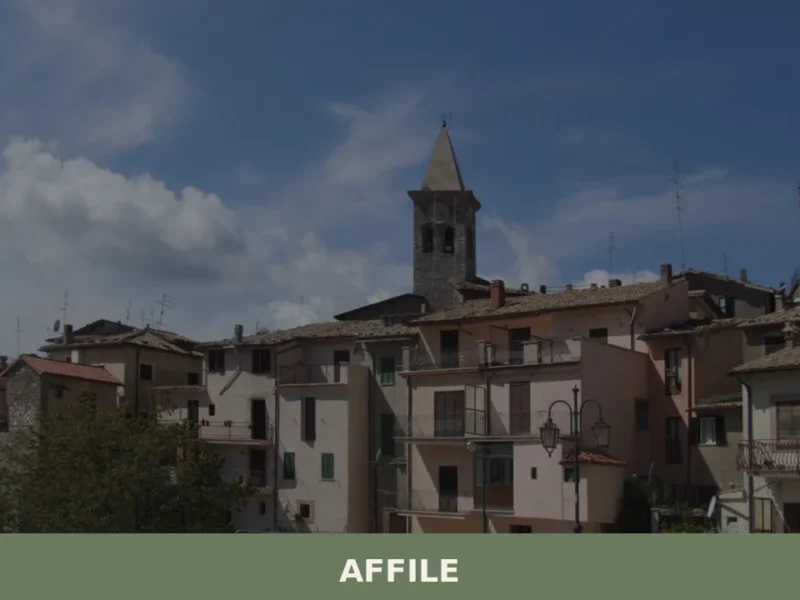
Affile
Mountain
What to see in Affile, Lazio, Italy: discover 5 key attractions at 684 m altitude, from Roman cisterns to medieval churches. Explore history, food and how to get there.
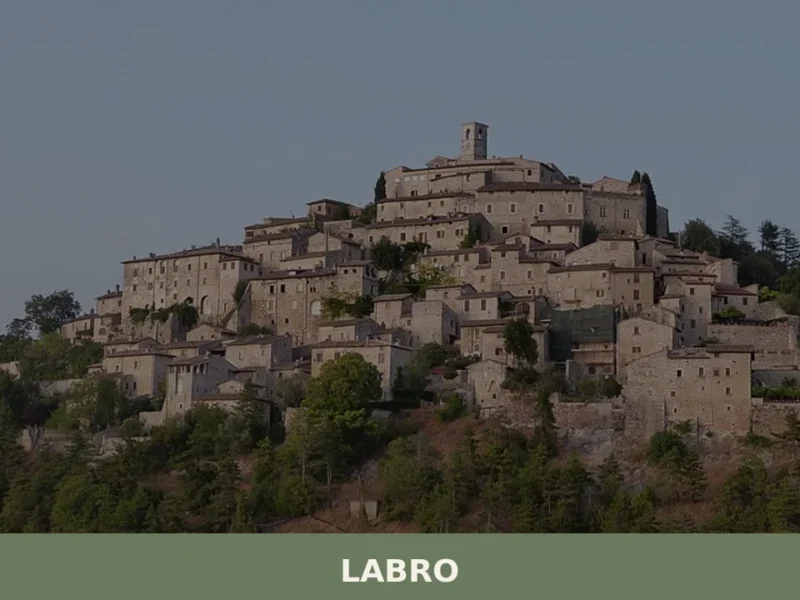
Labro
 Lake
Mountain
Lake
Mountain
What to see in Labro: medieval castle, Lake Piediluco views and PAT-certified guanciale in a 360-person village at 628 m. Plan your visit to this Rieti province gem.
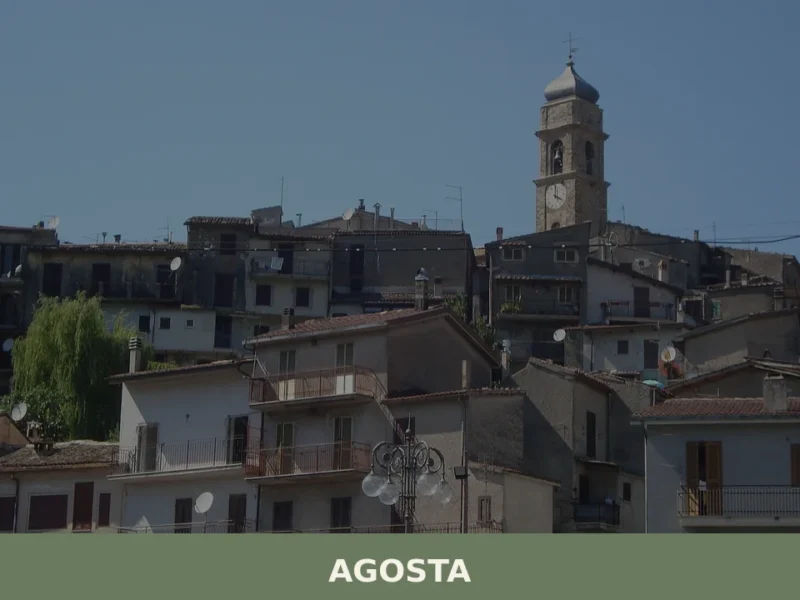
Agosta
 Hills
Hills
A block of tuff rock rises above the Aniene valley in the Monti Simbruini area, and on its crown sits a tight cluster of stone buildings at 382 m (1,253 ft) above sea level. The Arch of the Cardinal still stands near the point where a bridge once crossed the Aniene river, its masonry dated […]
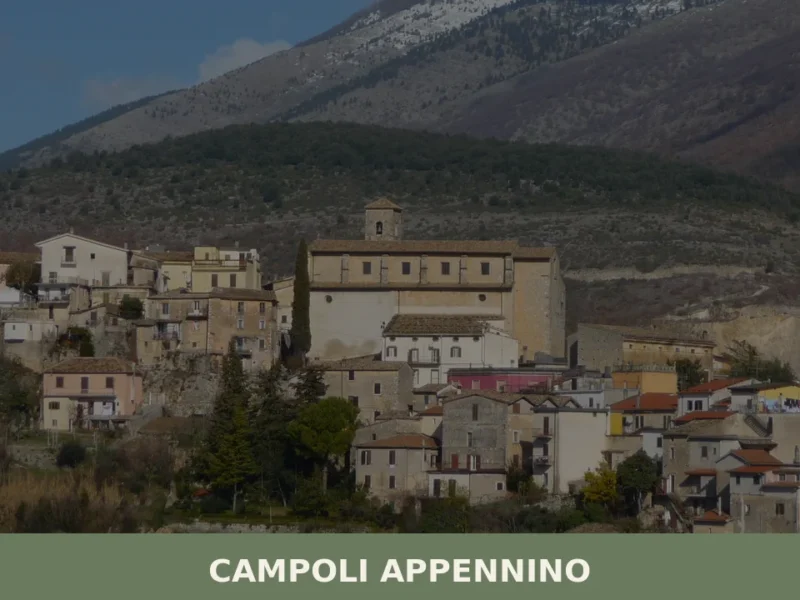
Campoli Appennino
Mountain
What to see in Campoli Appennino, Italy: a medieval tower 25 m tall, Roman aqueduct, and patron feast on 12 May. Discover this Frosinone village at 650 m altitude.

Sutri
Hills
A village of 6,707 inhabitants built on a dramatic tufo ridge above the ancient Cassia road. Medieval churches, Roman monuments and Etruscan archaeology define its character.
Canepina
Hills
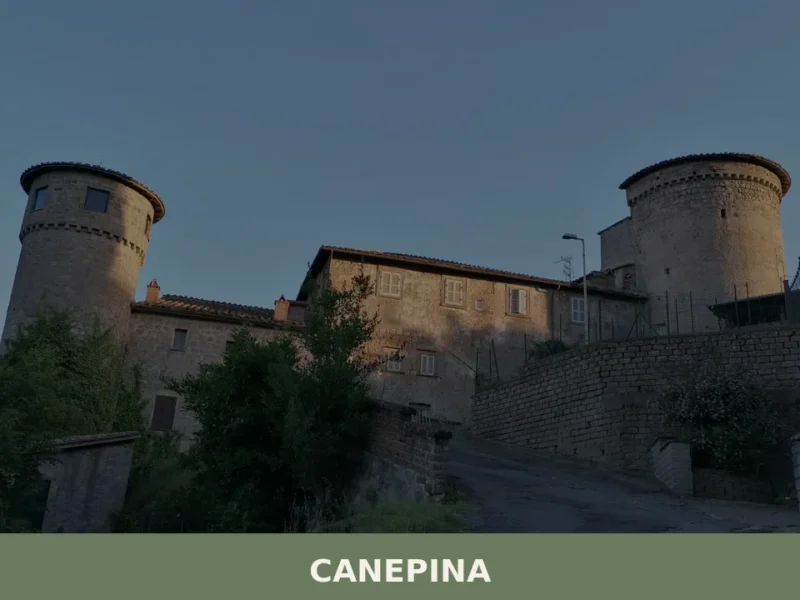
What to see in Canepina, Lazio, Italy: explore this 3,127-inhabitant hill village 60 km from Rome. Discover its hemp heritage, patron saint feast and local cuisine.
Latina
 Sea
Sea
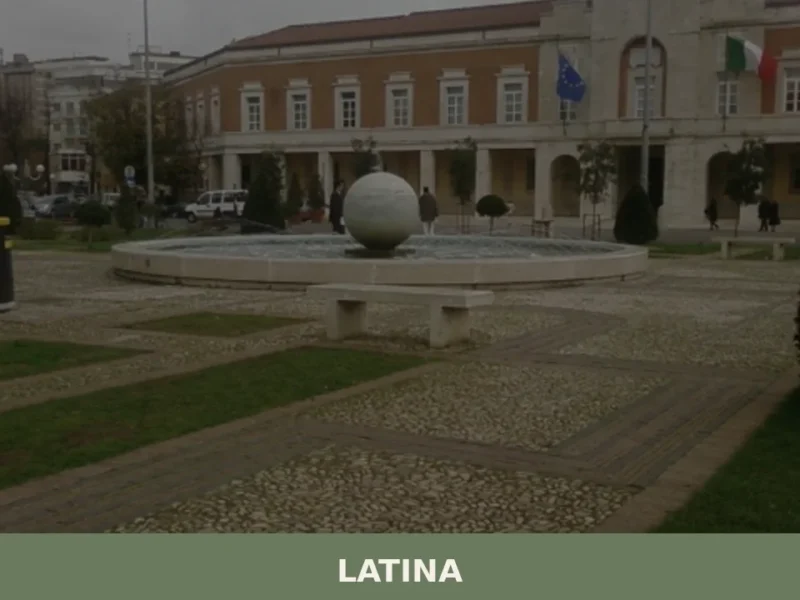
What to see in Latina: discover the 5 top attractions in this Lazio village, from monuments to the historic centre. Plan your visit with this guide.
Castelnuovo di Farfa
Hills
What to see in Castelnuovo di Farfa: 1,032 inhabitants at 358 m in the Sabina. Explore the medieval castle, San Nicola church and PDO cacio fiore. Plan your visit now.

Acquafondata
Mountain
What to see in Acquafondata: discover 5 attractions in this Lazio village, from historic churches to views over the Aurunci Mountains. Plan your visit.
Villa San Giovanni in Tuscia
Hills
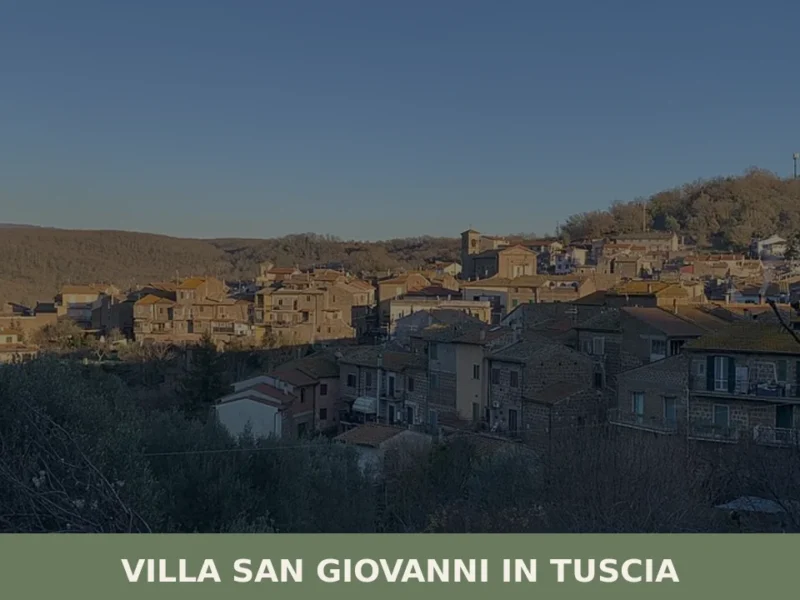
Villa San Giovanni in Tuscia has 1,196 inhabitants spread across a hilly territory at 329 metres above sea level, in the province of Viterbo. The settlement preserves a compact layout dating back to the feudal reorganisation of the late Middle Ages, when the village was under the control of baronial families that ruled upper Lazio. […]




🏡 Know Accumoli better than we do?
If you’re a local or have been there, your knowledge matters: add what’s missing or fix a detail on this page.