Five metres above the Adriatic, Mola di Bari spreads across flat ground where the salt air carries the rhythm of a working port. Stone quays, fishing boats, and the hum of small commerce frame a village that has faced the sea for centuries, neither grand nor forgotten, but thoroughly anchored in its own maritime economy.
Mola di Bari, a comune of 24,245 inhabitants in Bari province, Apulia, is rooted in this coastal geography and a Catholic identity centred on the Madonna Addolorata. The village draws visitors who seek to understand how a working harbour town balances tradition with modern life, and those exploring the network of smaller comuni that ring the provincial capital.
The sea shapes not only livelihood but devotion: the cult of the Madonna Addolorata, the village’s patron saint, runs through the calendar and the streets.
Identity and Territory
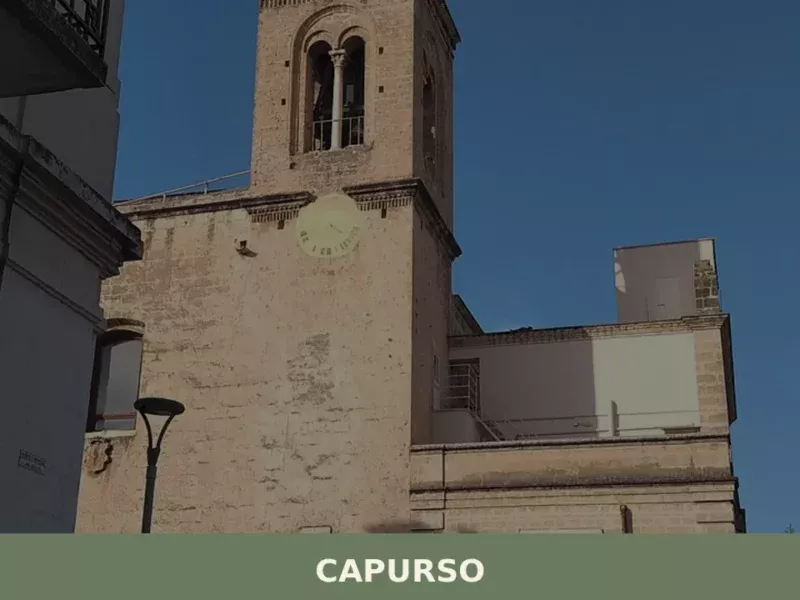
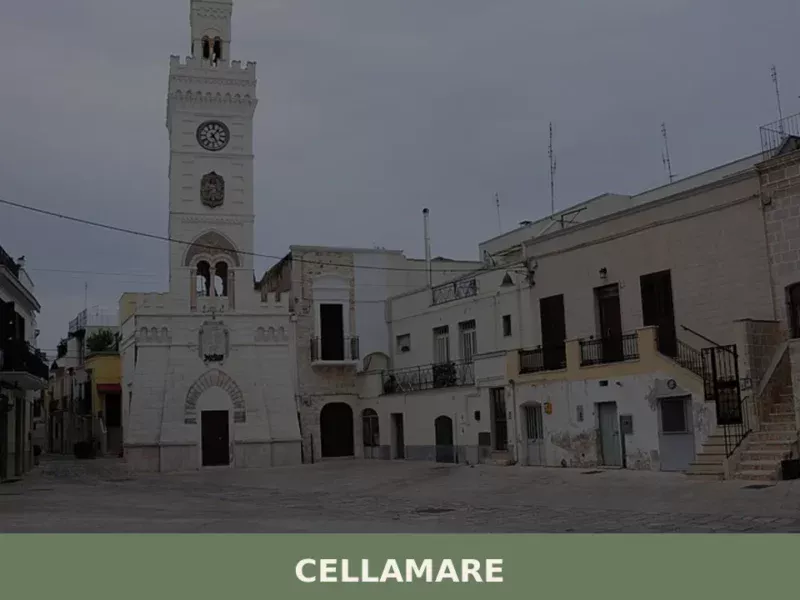
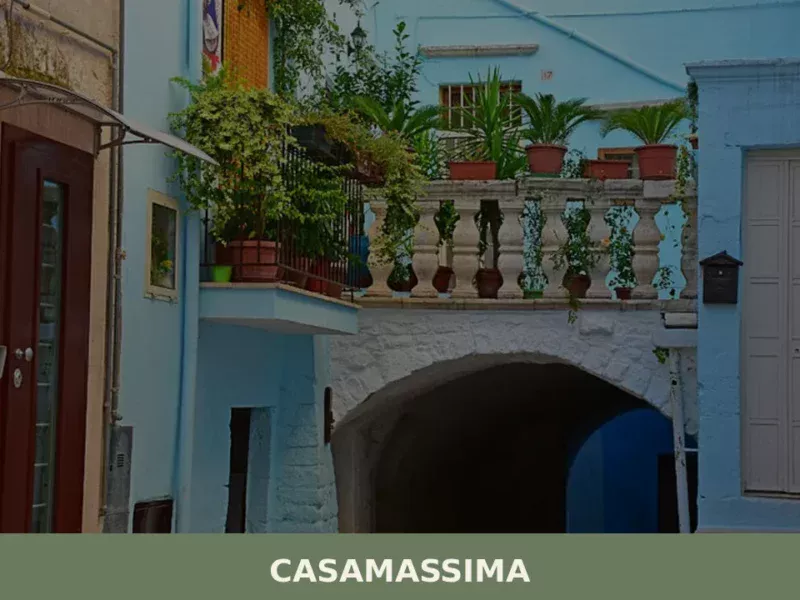
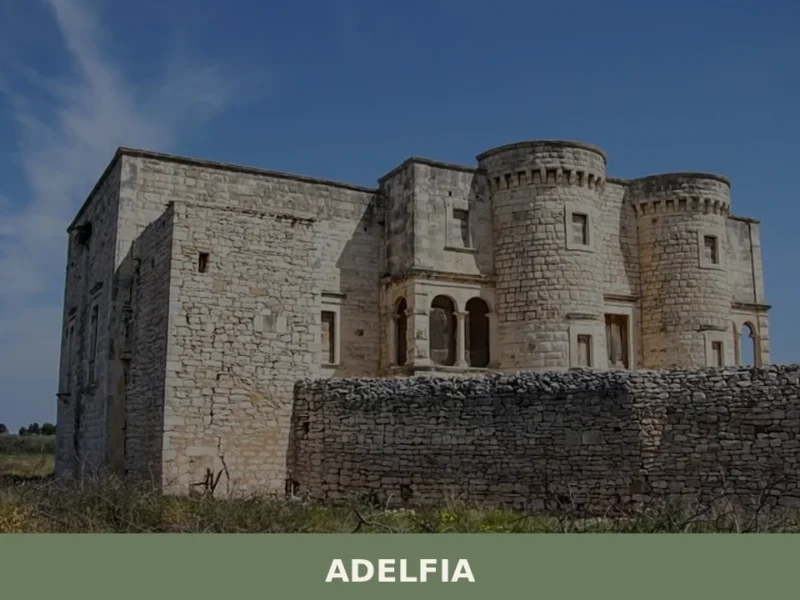
Mola di Bari occupies the narrow coastal belt of the Bari depression, where limestone gives way to scrub and maritime pines. Its administrative borders touch eight neighbouring comuni: Rutigliano, Noicattaro, Conversano, Triggiano, Capurso, Cellamare, Polignano a Mare, and Valenzano. This position—neither inland hill town nor island—has made it a node in regional trade and movement for centuries.
The village’s identity is fundamentally maritime. Unlike the fortified hilltop settlements of the Puglian interior, Mola di Bari developed as a working port, a place where economic survival depended on fishing, salt production, and coastal traffic. The comune remains a space where the practical rhythms of the sea—loading boats, mending nets, reading weather—shape daily life more than monumental architecture or grand civic gestures.
Religious life is equally defining. The Madonna Addolorata is not simply a name on a calendar but the spiritual anchor around which feast days, processions, and collective memory turn. This devotion is visible in the layout and rhythm of the village, in the way faith and seafaring work together rather than in opposition.
The Port and Waterfront
The Working Harbour
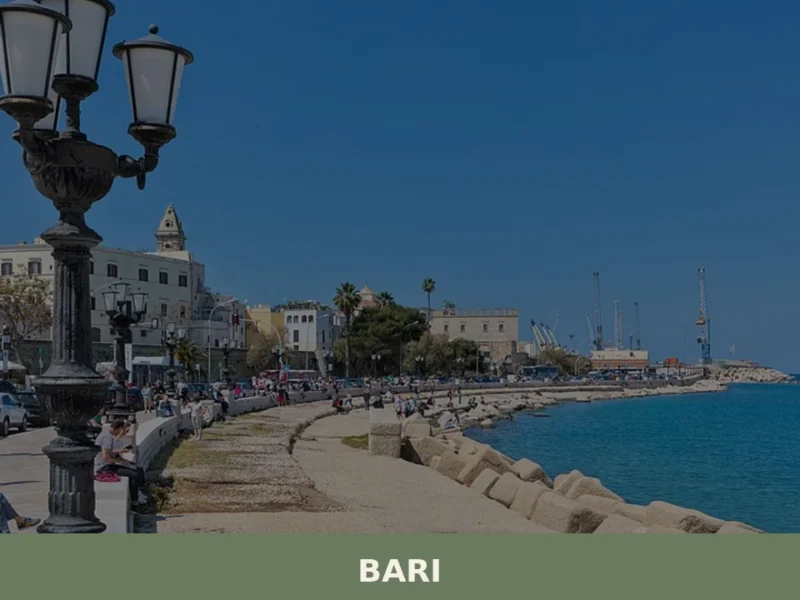
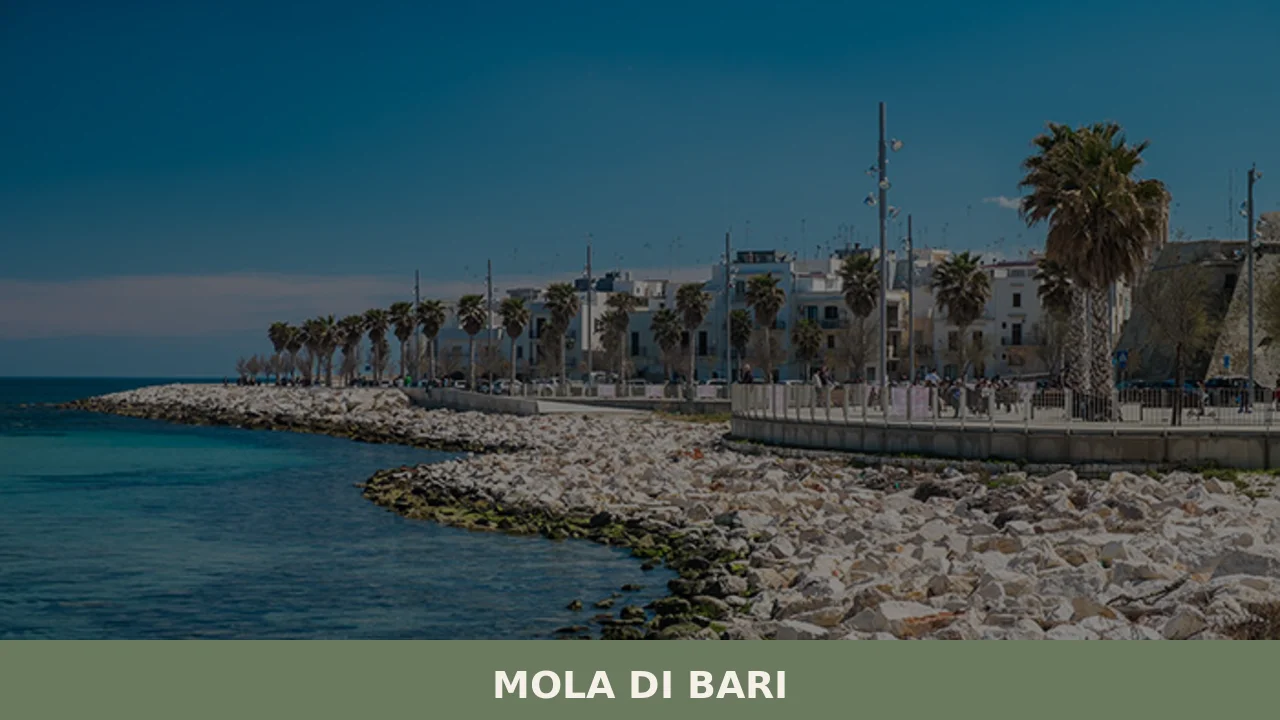
Mola di Bari’s harbour remains active, with fishing boats and small merchant vessels using the quays. The waterfront is not a leisure promenade but a functional space where nets are cleaned, catch is sorted, and the economics of the sea unfold in daylight. Visitors arrive to witness this working reality rather than a romanticised image of coastal life. The quays and breakwaters, weathered by salt and time, form the visible boundary between village and open water.
Religious and Civic Life
The Madonna Addolorata Church
The parish church dedicated to the Madonna Addolorata stands as the primary religious monument of the comune. The church is the focal point of Mola di Bari’s Catholic calendar and hosts the major feast of the patron saint, drawing residents and visitors into collective ritual. The building reflects the village’s maritime economy and its deep religious roots, anchoring the spiritual life of the community in stone and devotion.
Gateway to the Bari Province
Mola di Bari’s position makes it a strategic entry point to the network of smaller comuni in southern Bari province. From here, visitors can reach Conversano, with its medieval stronghold and interior landscape, or Polignano a Mare, the clifftop village to the south. Inland, Capurso and Cellamare offer contrasting agricultural and urban rhythms. Mola di Bari itself serves as a quieter alternative to larger coastal centres, a place where economic life still runs close to the water rather than tourism.
Local Flavours and Agricultural Context
The flat Bari countryside surrounding Mola di Bari supports market gardens, olive groves, and small grain cultivation. The proximity to the sea and the agricultural hinterland means that fresh produce—vegetables, citrus, olives—forms the daily diet. The harbour also brings fish and seafood to local tables, creating a cuisine rooted in both land and water. This foundation of local agriculture and seafood defines the flavour of the village without requiring elaborate preparation or ceremony.
Planning a Visit
Mola di Bari is best reached by car from Bari city centre, following the provincial roads that run south and east along the coastal belt. The village has modest accommodation and dining options; visitors tend to base themselves either in Bari itself or in larger nearby centres. The flat terrain and sea-level altitude make it accessible year-round, with mild winters and hot summers. Spring and autumn offer the most comfortable conditions for exploring the waterfront and visiting neighbouring comuni.
The village rewards a slow approach. Allow at least half a day to walk the quays, observe the harbour work, attend a service at the Madonna Addolorata church if timing allows, and experience the quiet that defines a working port town out of season. Early morning is the best time to see fishing boats departing or returning, when the commercial life of the village is most visible.
| Departure | Distance | Time by Car |
|---|---|---|
| Bari city centre | Approximately 25 km south | 30–40 minutes |
| Bari Karol Wojtyła Airport | Approximately 30 km | 40–50 minutes |
| Polignano a Mare | Approximately 12 km south | 15–20 minutes |
| Conversano | Approximately 15 km inland | 20–25 minutes |
Public transport connects Mola di Bari to Bari city via regional bus services; journey times range from 45 minutes to over an hour depending on stops. If you are exploring multiple comuni in the province, a car provides greater flexibility. Street parking is generally available, though the waterfront can be congested during market days and summer weekends.