


Alberobello
 Hills
Hills
Alberobello, Puglia: Discover UNESCO trulli, Monti & Aia Piccola districts. Explore unique history & traditions. Plan your visit!
Discover Alberobello
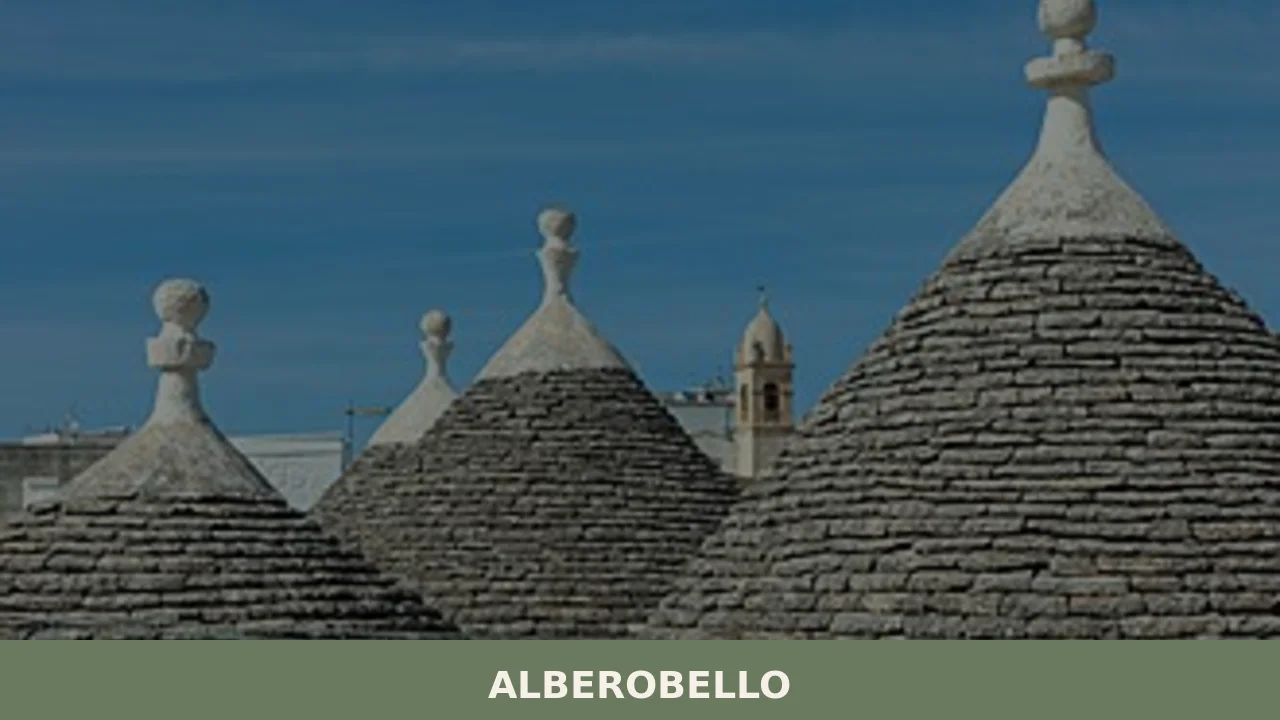
Alberobello contains more than 1,500 trulli — dry-stone buildings with conical limestone roofs — the largest concentration of these structures anywhere in the world. Recognised as a UNESCO World Heritage Site since 1996, this small town of 10,177 inhabitants sits at 428 metres above sea level in the province of Bari. Understanding what to see in Alberobello begins with these limestone cones, visible from kilometres away, rising in tight clusters across two opposing hillsides in the Murge plateau of central Puglia.
History of Alberobello
The name Alberobello derives from the Latin silva arboris belli, meaning “forest of the tree of war,” a reference to the dense oak woodland — possibly holm oak — that once covered this section of the Murge.The area remained largely uninhabited until the mid-fifteenth century, when the Counts of Conversano, the Acquaviva d’Aragona family, began directing settlers to clear and farm the land. Under feudal law, any new settlement with more than forty households required royal permission and the payment of taxes to the crown. The Acquaviva counts circumvented this obligation by instructing their tenants to build only with dry-stone construction, without mortar, so the buildings could be dismantled quickly before any royal inspection.
This expedient produced the trullo form: thick limestone walls supporting a self-bracing corbelled cone, assembled entirely without binding material. Each stone was cut from the abundant local calcareous rock. The system persisted for generations, and by the late seventeenth century, hundreds of trulli covered the hillsides. The situation changed in 1797, when a group of Alberobello’s citizens petitioned King Ferdinand IV of Bourbon directly, requesting liberation from feudal control. The king granted their request, and Alberobello became a free royal town.With that decree, permanent construction with mortar became legal, yet the trullo form endured — it was practical, thermally efficient, and built from materials available underfoot.
Through the nineteenth and early twentieth centuries, Alberobello grew as a modest agricultural centre, its economy based on olive oil, almonds, and wine grapes. The trulli remained functional dwellings, not relics. It was only in the latter half of the twentieth century, particularly following the UNESCO designation, that international attention transformed the town’s economic identity toward cultural tourism.
What to see in Alberobello: 5 key attractions
1. Rione Monti
The largest trulli district occupies a south-facing slope and contains over 1,000 trulli arranged along narrow, sloping streets. Many rooftops bear painted symbols — crosses, hearts, astrological signs — applied in white ash, a practice with debated origins, possibly apotropaic. The district is the most densely built trullo zone in Alberobello and the core of the UNESCO-listed area.
2. Rione Aia Piccola
Across the main road from Rione Monti, this smaller quarter holds approximately 400 trulli, most of which remain private residences rather than shops or restaurants. The streets here are quieter and narrower, and the trulli tend to be grouped in clusters sharing common walls. It provides a clearer sense of how Alberobello functioned as a working settlement.
3. Trullo Sovrano
Built in the eighteenth century, the Trullo Sovrano is the only two-storey trullo in Alberobello, raised with the use of mortar — an anomaly in a town defined by dry-stone building. It now operates as a small museum, its rooms furnished to represent domestic life in a trullo household, including a raised sleeping platform and a ground-floor hearting area with original stone fixtures.
4. Chiesa di Sant’Antonio di Padova
Completed in 1926, this church on the summit of Rione Monti was designed in the trullo style, with a central cone rising to 21 metres. It is one of the few ecclesiastical buildings anywhere constructed in this form. The interior follows a Greek-cross plan, and the dome’s interior surface is left as exposed stone, reinforcing the structural logic of the trullo technique at a larger scale.
5. Casa Pezzolla – Museo del Territorio
A connected complex of fifteen trulli restored and converted into Alberobello’s territorial museum. The exhibitions cover the geology of the Murge limestone, traditional construction techniques, and the agricultural tools used in the surrounding countryside. The interconnected rooms demonstrate how trulli were often expanded laterally, adding cones as families grew, rather than building upward.
Local food and typical products
The cuisine around Alberobello follows the broader patterns of Puglia’s inland cooking: vegetables, legumes, hard wheat pasta, and olive oil form the foundation.Orecchiette — small ear-shaped pasta made from semolina flour and water — are served with cime di rapa (turnip tops) or a slow-cooked tomato and meat ragù. Fave e cicorie, a purée of dried broad beans paired with sautéed wild chicory, is a staple that dates to periods when meat was scarce. The area also produces burrata and stracciatella cheeses, and local bakeries sell taralli — small ring-shaped crackers flavoured with fennel seed or black pepper.
The Murge plateau supports extensive olive groves, and the province of Bari produces several DOP-designated olive oils, including Terra di Bari. The local red wines draw primarily from the Primitivo and Negroamaro grape varieties, cultivated across the Itria Valley. Restaurants within the trulli districts tend to serve fixed regional menus; for broader options, the streets around Piazza del Popolo — the town’s main square — offer trattorias where the focus stays on seasonal ingredients sourced from the surrounding agricultural land.
Best time to visit Alberobello
Alberobello’s inland elevation at 428 metres produces warm but not extreme summers, with July and August temperatures typically reaching 30–33°C, and cooler winters with occasional frost and rare snowfall.Spring — particularly April through early June — brings moderate temperatures and lower visitor numbers compared to the peak summer months, when the narrow streets of Rione Monti become heavily congested. Autumn offers similar advantages, with the added benefit of olive harvest activity in the surrounding countryside from October onward.
The town’s main festival, the Festa dei Santi Medici Cosma e Damiano, takes place in late September and draws large crowds for religious processions, live music, and food stalls. During December, many trulli are illuminated for the Christmas period, and a small market operates in the town centre. Visitors should note that parking within the historic centre is restricted; designated lots sit on the town’s perimeter, with the main trulli districts reachable on foot in five to ten minutes.
How to get to Alberobello
The nearest major airport is Bari Karol Wojtyła Airport (BRI), approximately 70 kilometres north, reachable by car in about one hour via the SS100 and then the SP237 through the Murge.Brindisi Salento Airport (BDS) lies roughly 80 kilometres to the southeast. From Bari, the Ferrovie del Sud Est regional rail line connects Bari Centrale to Alberobello station, with a journey time of approximately 90 minutes and a change at Putignano on some services. The station sits a short walk from the historic centre.
By car from the A14 motorway (Bologna–Taranto), exit at Gioia del Colle and follow the SP per Alberobello southward for approximately 25 kilometres. From Taranto, the drive covers about 45 kilometres via the SS172. The town is also connected by regional bus services operated by FSE, linking it to Locorotondo, Martina Franca, and other Itria Valley towns.
More villages to discover in Puglia
Puglia’s interior holds a range of settlements that developed under very different conditions from Alberobello’s feudal trullo economy.To the north, in the Subappennino Dauno mountains near the border with Campania, Deliceto sits at a higher elevation and retains a Norman-era castle that dominated the route between the Adriatic and Tyrrhenian coasts. Its stone architecture reflects a defensive logic entirely distinct from the agricultural pragmatism of the Murge.
Further north still, on the edge of the Gargano promontory, Poggio Imperiale occupies the flat Tavoliere plain and was founded as a planned agricultural colony in the eighteenth century — a rational grid layout that contrasts with Alberobello’s organic, terrain-following street pattern. Together, these three settlements illustrate how geography, feudal politics, and available building materials produced radically different built environments within a single region.
Frequently asked questions about Alberobello
What is the best time to visit Alberobello?
The ideal time to visit Alberobello is during spring, from April to early June, or in autumn, particularly from October onwards. These periods offer moderate temperatures and fewer crowds, making it easier to explore the trulli districts. Summer (July-August) is warm, reaching 30-33°C, but can be very busy. Don't miss the Festa dei Santi Medici Cosma e Damiano on September 27th, a significant local event with religious processions and festivities. December also offers a festive atmosphere with illuminated trulli and a small Christmas market.
What are the historical origins of Alberobello?
Alberobello's unique history dates back to the mid-15th century when the Counts of Conversano settled the area. To avoid feudal taxes requiring royal permission for new settlements, they instructed tenants to build homes using dry-stone construction, allowing for quick dismantling. This ingenious workaround gave rise to the iconic trullo architecture. In 1797, citizens successfully petitioned King Ferdinand IV, granting Alberobello its status as a free royal town, yet the trullo form persisted due to its practicality and thermal efficiency.
What to see in Alberobello? Main monuments and landmarks
Alberobello's primary attractions revolve around its iconic trulli. Explore Rione Monti, the largest district with over 1,000 trulli, many housing shops and restaurants, and note the mysterious painted symbols on their conical roofs. For a quieter experience, visit Rione Aia Piccola, where trulli remain private residences. Don't miss the unique Trullo Sovrano, the only two-storey trullo, which now functions as a museum depicting traditional domestic life. Ascend to the Chiesa di Sant'Antonio di Padova, a remarkable church built in the trullo style. Finally, the Casa Pezzolla – Museo del Territorio offers insight into local geology and traditional building techniques across fifteen interconnected trulli.
Where to take the best photos in Alberobello?
For iconic photographs, Rione Monti offers classic views of the densely clustered trulli with their distinctive conical roofs and painted symbols. Walk through its narrow, sloping streets to capture intimate details. The summit of Rione Monti, near the Chiesa di Sant'Antonio di Padova, provides panoramic vistas over the entire trulli district. For a different perspective, explore the quieter Rione Aia Piccola, where the trulli are mostly private residences, offering a more authentic, less commercial backdrop for your shots.
Are there museums, churches or historic buildings to visit in Alberobello?
Absolutely. Alberobello features several unique cultural sites. The Trullo Sovrano, the town's only two-storey trullo, serves as a museum showcasing traditional domestic life within these ancient dwellings. The Casa Pezzolla – Museo del Territorio, a complex of fifteen restored trulli, offers deeper insights into the region's geology, traditional construction methods, and agricultural heritage. For ecclesiastical architecture, visit the Chiesa di Sant'Antonio di Padova, a remarkable church built entirely in the trullo style, crowned by a 21-meter cone. These sites collectively offer a comprehensive look into Alberobello's history and unique architectural identity.
What can you do in Alberobello? Activities and experiences
Beyond exploring the iconic trulli districts of Rione Monti and Rione Aia Piccola, visitors can immerse themselves in local culture. Experience traditional life by visiting the Trullo Sovrano museum or delve into regional history at the Casa Pezzolla – Museo del Territorio. Savor the authentic Puglian cuisine at local trattorias, enjoying specialties like orecchiette pasta and fresh burrata cheese, often paired with local Primitivo or Negroamaro wines. If visiting in late September, participate in the vibrant Festa dei Santi Medici Cosma e Damiano. During autumn, you can also observe olive harvest activities in the surrounding Murge countryside.
Who is Alberobello suitable for? Families, couples, hikers, solo travelers?
Alberobello is perfectly suited for cultural tourists, history enthusiasts, and families seeking a unique and enchanting experience. Its walkable trulli districts, museums like Trullo Sovrano, and the distinct Chiesa di Sant'Antonio offer engaging exploration for all ages. Couples will find its picturesque streets and charming restaurants ideal for a romantic getaway. Solo travelers can easily navigate the town and immerse themselves in its rich heritage and culinary delights. While not primarily a hiking destination, those interested in agricultural landscapes will appreciate the surrounding olive groves, especially during the autumn harvest.
What to eat in Alberobello? Local products and specialties
Alberobello's cuisine reflects the rich agricultural traditions of inland Puglia. You must try orecchiette, the region's signature ear-shaped pasta, often served with cime di rapa (turnip tops) or a hearty meat ragù. Another local staple is fave e cicorie, a comforting purée of broad beans paired with sautéed wild chicory. Indulge in fresh burrata and stracciatella cheeses, or snack on taralli, crispy ring-shaped crackers flavored with fennel or black pepper. The area is also renowned for its high-quality olive oil, particularly Terra di Bari DOP, and excellent red wines made from Primitivo and Negroamaro grapes.
Nearby Villages near Alberobello
In Apulia More villages to discover
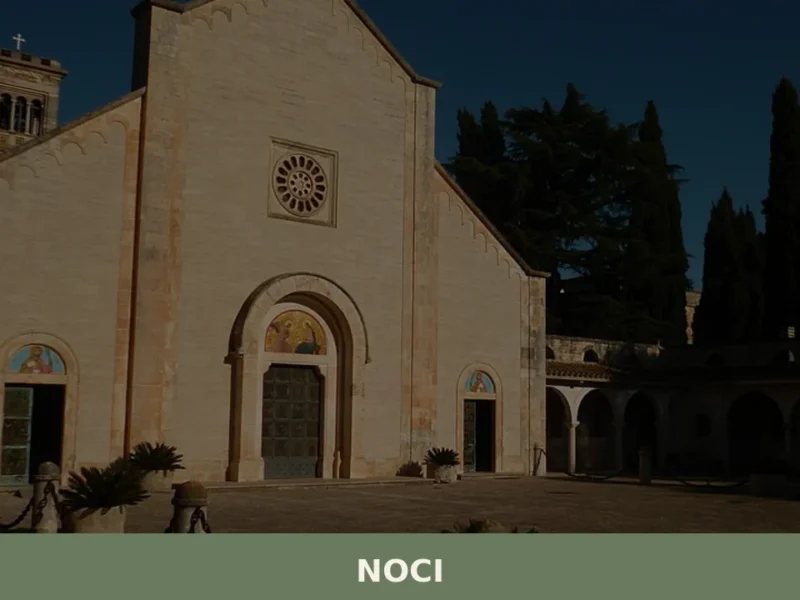
Noci
Hills
What to see in Noci, a village at 420 m on the Murge plateau. 5 attractions, medieval gnostre, Acquasale PAT, sagre and patron feasts. Plan your visit now.
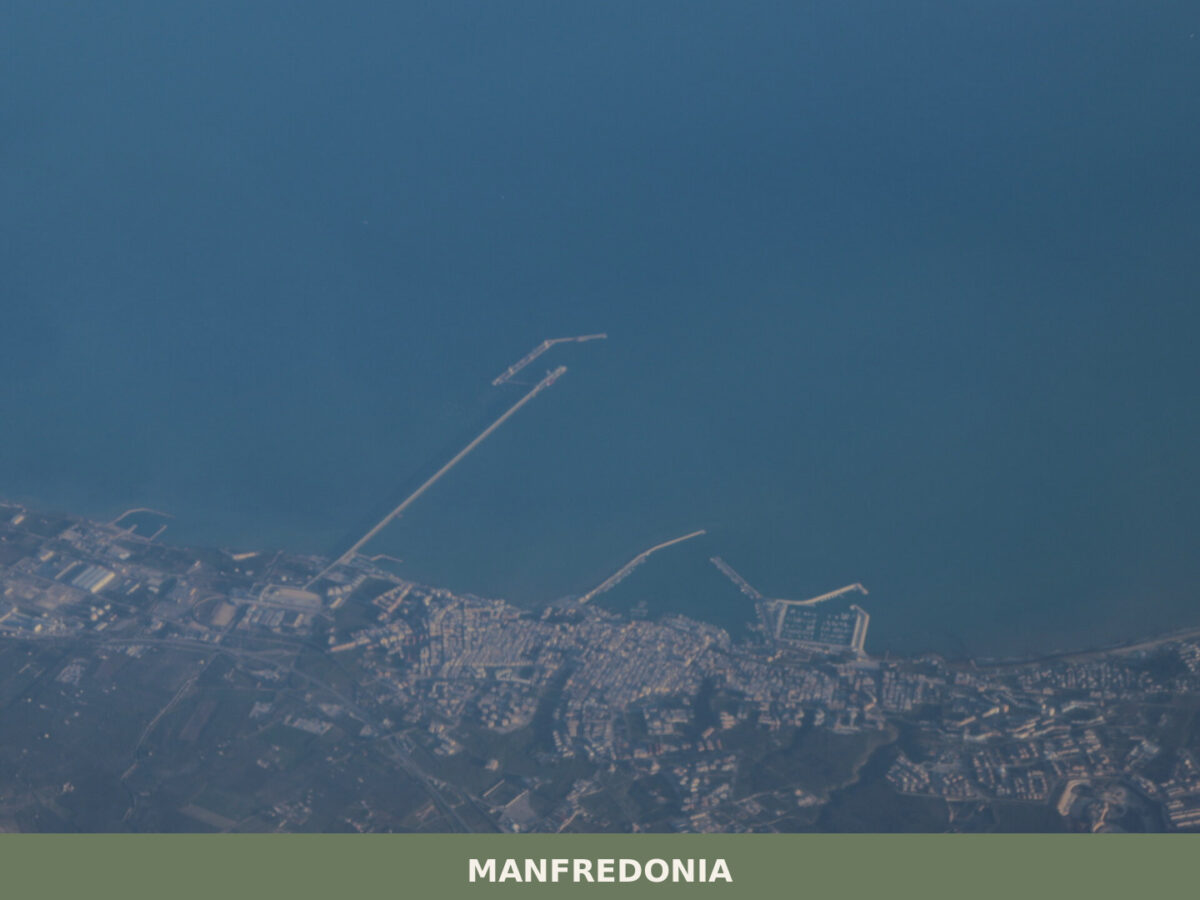
Manfredonia
 Sea
Sea
A port city founded by King Manfred on the Gargano coast, Manfredonia holds a medieval castle, pre-Roman carved stele, and one of Puglia's oldest carnivals.
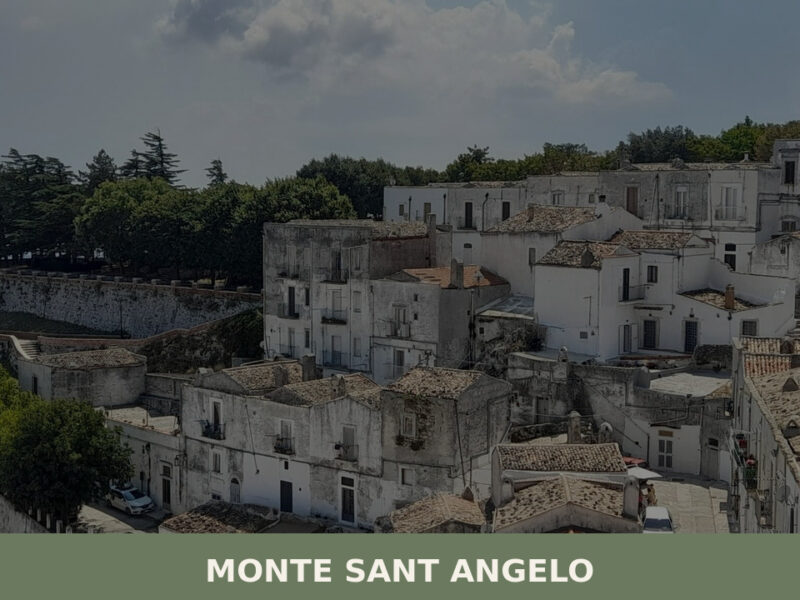
Monte Sant’Angelo
 Mountain
Discover what to see in Monte Sant'Angelo, Puglia: UNESCO sanctuary, Norman castle, Foresta Umbra and local food. Practical travel guide with tips.
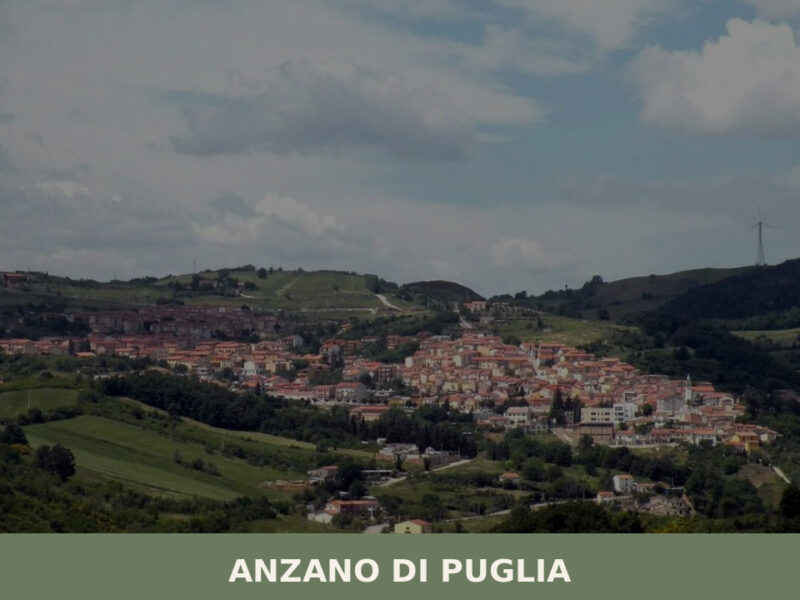
Anzano di Puglia
Mountain
A tiny hilltop village at 760 m in the Daunia Mountains, Anzano di Puglia enchants with stone lanes, sweeping panoramas, and authentic mountain cuisine.
Patù
Sea
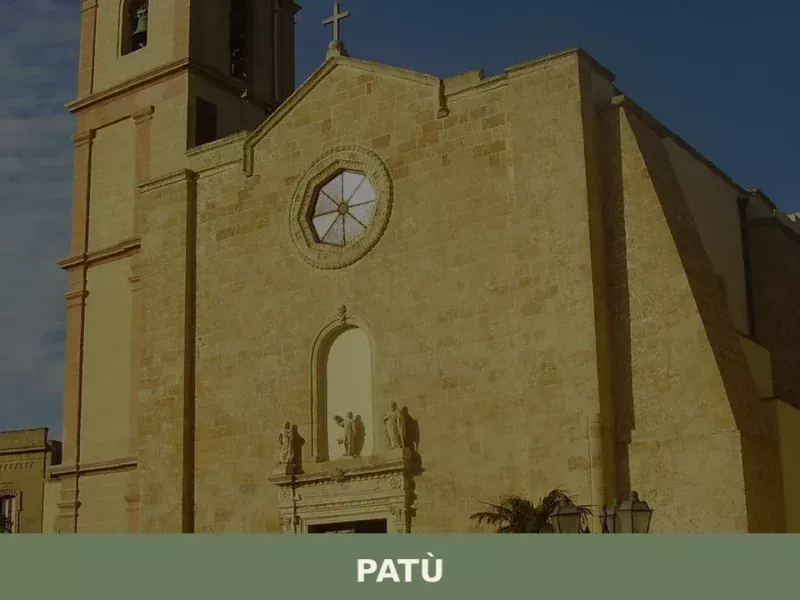
What to see in Patu00f9, Puglia, Italy: explore the Centopietre mausoleum, Byzantine crypts and a 1564 Renaissance church in a village of 1,699 inhabitants. Discover it now.
Castelluccio Valmaggiore
Mountain
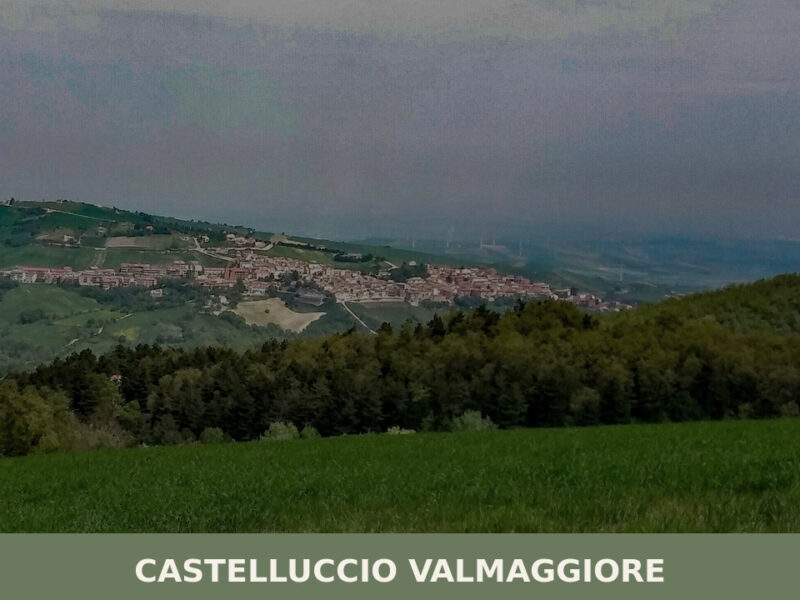
A hilltop village of 1,207 residents at 630 metres in the Daunian Sub-Apennines. Medieval lanes, long views over the Tavoliere plain, and mountain cuisine far from coastal Puglia.
Carlantino
 Plains
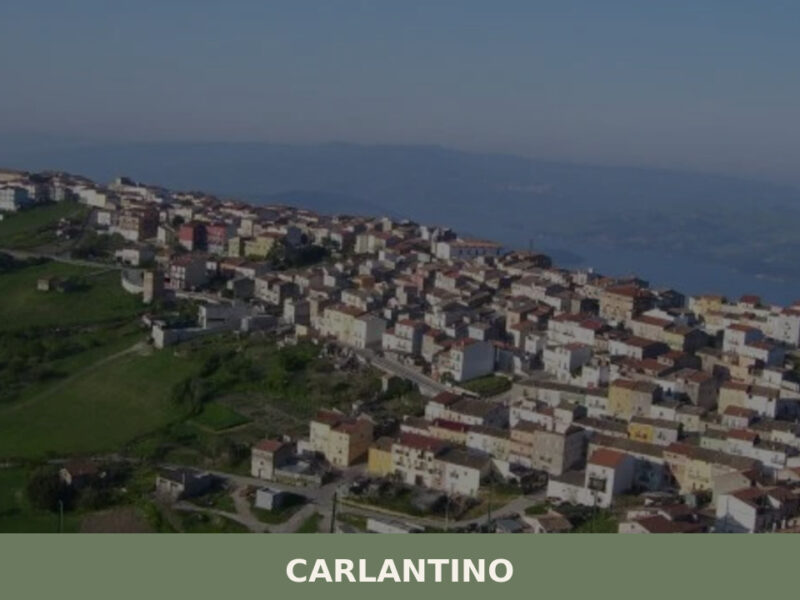
Discover Carlantino, a tiny hilltop village overlooking Lake Occhito in Puglia's Daunia hills. Explore its history, nature trails, and renowned black truffles.
Ceglie Messapica
Sea
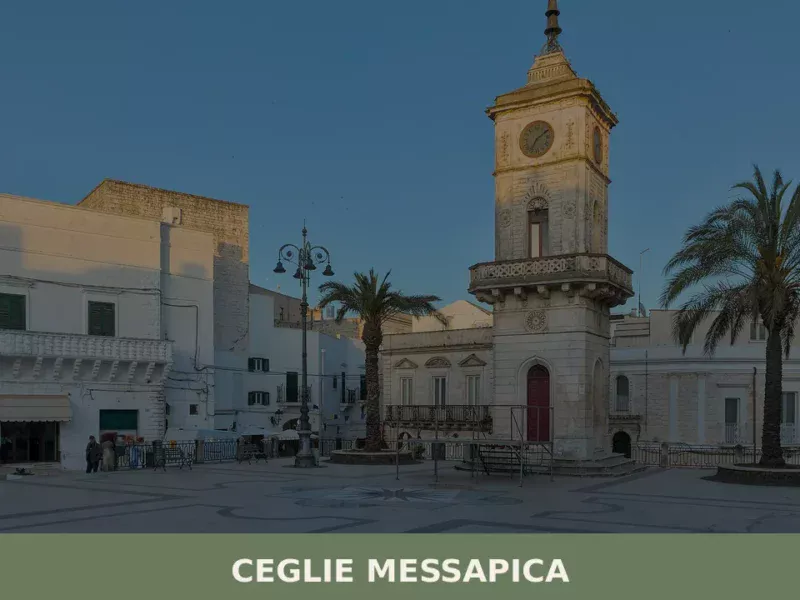
Discover what to see in Ceglie Messapica: the Ducal Castle, medieval chianche streets, ancient olive groves, karst caves and Puglia's finest local food.
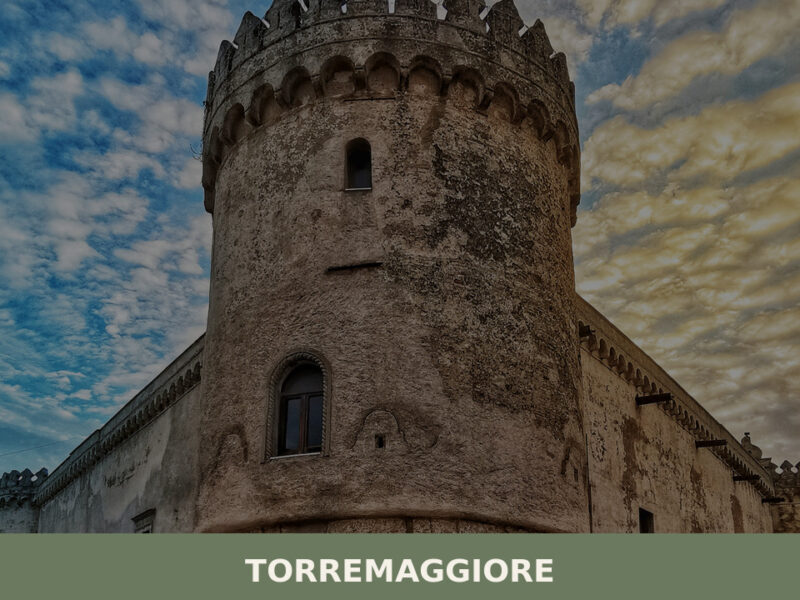
Torremaggiore
Plains
A complete guide to Torremaggiore in northern Puglia — its medieval castle, the ruins of Fiorentino, local food traditions, and practical travel information.
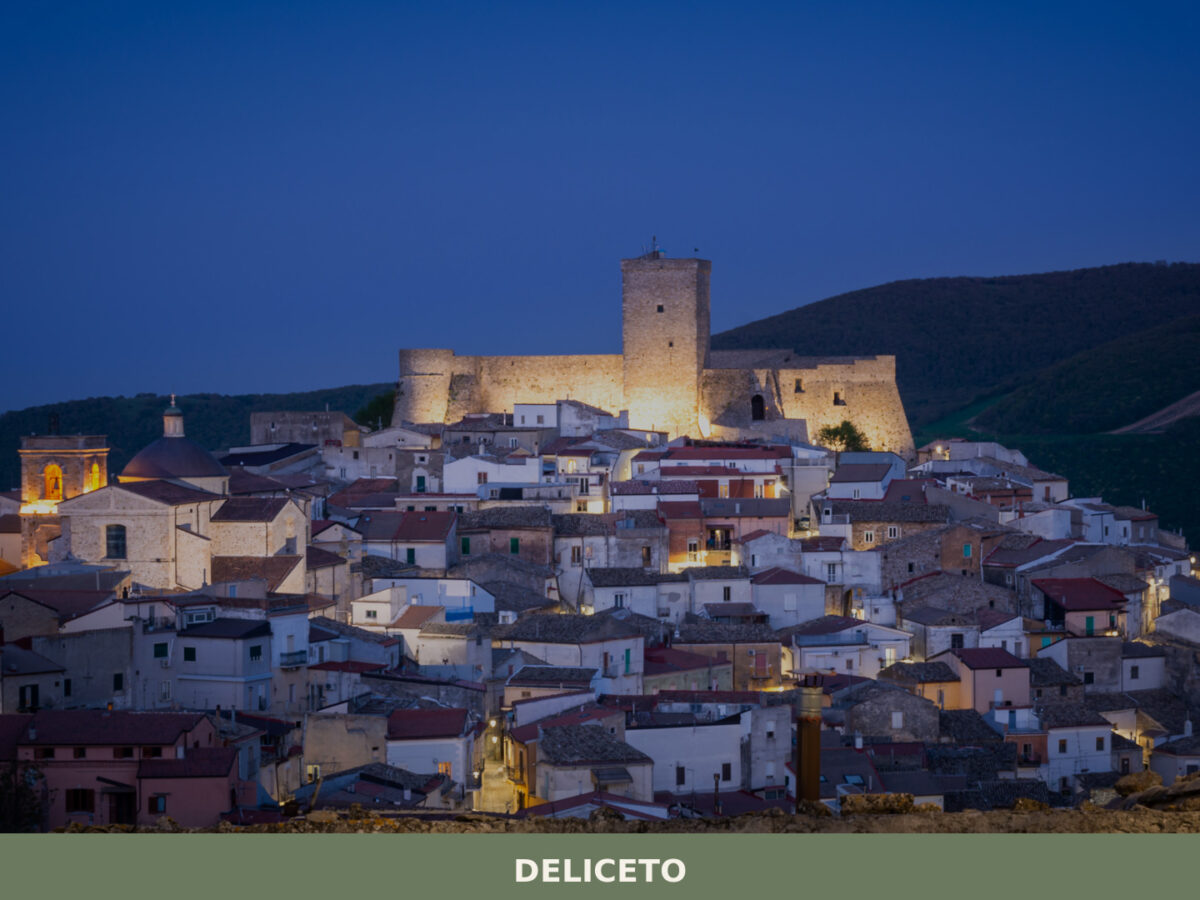
Deliceto
Hills
Deliceto rises at 575 metres on a ridge of the Subappennino Dauno, commanding the Tavoliere plain. A Norman castle, layered churches, and a stone-built historic centre define this compact Puglia hill village.
🧀 Italian traditional products


🏡 Know Alberobello better than we do?
If you’re a local or have been there, your knowledge matters: add what’s missing or fix a detail on this page.