


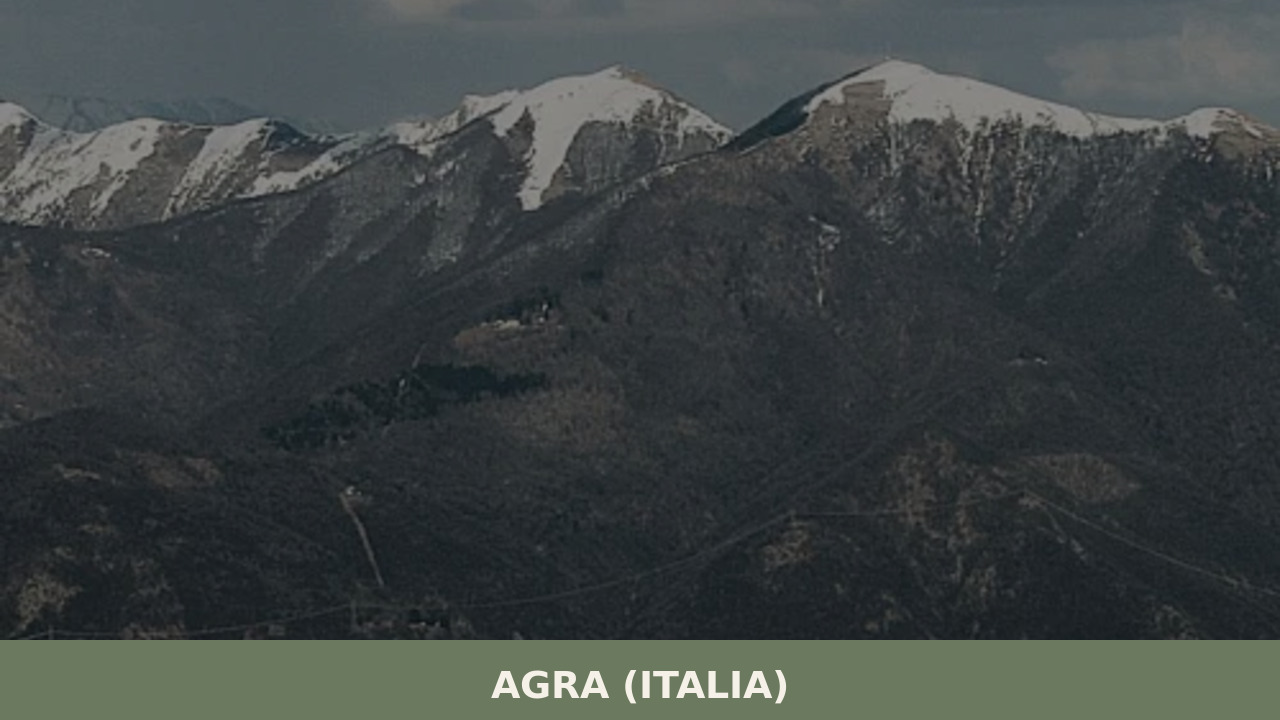
Agra
 Montagna
A 650 metri di quota in Valtravaglia, Agra è un borgo di pietra e silenzio con 391 abitanti. Dal Monte Lema ai castagneti secolari, una guida completa.
Scopri Agra
Una campanella lontana — forse una capra al pascolo, forse il vento che gioca con qualcosa di metallico appeso a un balcone — rompe il silenzio delle otto del mattino. La strada che sale da Luino si stringe fino a diventare un nastro d’asfalto stretto tra castagni e betulle, e poi si apre su un pugno di case in pietra grigia a 650 metri di quota. Chiedersi cosa vedere a Agra (Italia) significa accettare una scala diversa: qui i monumenti sono le montagne, i documenti sono i muri a secco, e il tempo si misura in stagioni, non in ore.
Storia e origini di Agra (Italia)
Il nome Agra compare per la prima volta in documenti medievali legati alle comunità rurali dell’alto Verbano. L’etimologia più accreditata lo ricollega al latino ager, campo coltivato — una parola che suona quasi ironica per un villaggio aggrappato a pendii dove l’agricoltura è sempre stata una lotta contro la pendenza e il clima. In epoca medievale il territorio apparteneva alla pieve di Valtravaglia, una delle circoscrizioni ecclesiastiche più antiche della sponda orientale del Lago Maggiore, documentata già nel X secolo. La comunità gravitava attorno alle vie di transito tra la pianura padana e i cantoni svizzeri, un passaggio che portava mercanti, soldati e, occasionalmente, idee nuove.
Con l’annessione alla Repubblica Cisalpina e poi al Regno d’Italia, Agra seguì le sorti amministrative della provincia di Como, passando sotto quella di Varese solo nel 1927. Per secoli i suoi abitanti — oggi appena 391 — hanno vissuto di pastorizia, taglio del bosco e coltivazione di castagne. L’emigrazione stagionale verso la Svizzera, a poche ore di cammino oltre il crinale del Monte Lema, rappresentava una forma di sopravvivenza economica tramandata di generazione in generazione. Tracce di questa storia si leggono ancora nelle architetture: case con muri spessi oltre mezzo metro, ballatoi in legno esposti a sud per catturare ogni ora di sole disponibile, e cantine profonde scavate nel terreno morenico.
Il patrono del borgo è Sant’Eusebio di Vercelli, figura del IV secolo, primo vescovo dell’Italia nordoccidentale a subire l’esilio per la difesa dell’ortodossia nicena. La scelta di questo patrono — insolita per un villaggio montano così piccolo — suggerisce legami storici con le correnti religiose vercellesi che si diffusero lungo le valli prealpine in epoca altomedievale. La festa patronale cade il 2 agosto, nel cuore dell’estate, quando il borgo raddoppia brevemente la propria popolazione con il ritorno di chi è emigrato.
Cosa vedere a Agra (Italia): 5 attrazioni imperdibili
1. Chiesa parrocchiale di Sant’Eusebio
L’edificio religioso principale del borgo conserva la struttura tipica delle chiese prealpine varesine: navata unica, facciata in pietra locale a vista, campanile quadrato visibile da tutta la valle. All’interno, l’altare e alcuni arredi liturgici documentano la devozione di una comunità che ha mantenuto vivo il culto del patrono per secoli. La posizione sopraelevata rispetto al nucleo abitativo la rende un punto di orientamento naturale per chi arriva a piedi dai sentieri circostanti.
2. Monte Lema (1.624 m)
La cima a cavallo tra Italia e Svizzera è raggiungibile da Agra attraverso sentieri segnalati che attraversano faggete e praterie d’alta quota. Dalla vetta, nelle giornate limpide, lo sguardo spazia dal Monte Rosa alla pianura milanese. Il versante italiano, meno frequentato di quello svizzero — servito da una funivia da Miglieglia — offre un’escursione di circa tre ore con un dislivello di quasi mille metri.
3. Nucleo storico in pietra
I vicoli di Agra conservano un tessuto edilizio preindustriale pressoché intatto: portali in granito, architravi datati, lavatoi collettivi in pietra. I muri portanti, costruiti con blocchi di gneiss locale legati da malta di calce, mostrano una tecnica costruttiva comune a tutta la Valtravaglia montana. Camminare tra queste case significa leggere un manuale di architettura spontanea alpina, dove ogni dettaglio risponde a una funzione precisa — niente è decorativo, tutto è necessario.
4. Sentiero dei castagni verso Dumenza
Un percorso pedonale collega Agra ai comuni limitrofi attraverso quello che resta di un vasto castagneto da frutto, un tempo risorsa alimentare primaria per l’intera valle. Lungo il sentiero si incontrano grandi esemplari secolari con tronchi dal diametro superiore al metro, e resti di grà — le strutture in pietra utilizzate per essiccare le castagne. Il tracciato è percorribile in ogni stagione, ma in ottobre il sottobosco si accende di colori che giustificano da soli la camminata.
5. Panorama sulla catena alpina dal belvedere
Il punto panoramico sopra il centro abitato — raggiungibile con pochi minuti di cammino — apre una visuale che abbraccia il Lago Maggiore, le cime del Verbano e, nelle giornate di favonio, il profilo netto del Monte Rosa. Non c’è ringhiera né cartello turistico, solo un muretto a secco e il vuoto. È il tipo di veduta che le guide ottocentesche del Grand Tour descrivevano con pagine intere e che oggi si traduce in un silenzio difficile da trovare altrove.
Cucina tipica e prodotti locali
La tavola di Agra è quella della montagna prealpina lombarda, costruita su ingredienti che il territorio produce con parsimonia: castagne, formaggi d’alpeggio, selvaggina, funghi porcini e finferli raccolti nei boschi di faggio tra settembre e novembre. La polenta — di mais ottofile macinato a pietra quando disponibile, altrimenti di granturco comune — accompagna quasi tutto, dai formaggi stagionati agli spezzatini di capra. Le castagne entrano in zuppe dense, vengono essiccate per l’inverno o trasformate in farina per dolci rustici come il castagnaccio, arricchito con noci e rosmarino.
La vicinanza al lago porta sulle tavole anche pesci d’acqua dolce — il lavarello e l’agone soprattutto — affumicati o conservati sott’olio secondo tradizioni condivise con i paesi rivieraschi. Tra i formaggi, la zona produce caprini freschi e tome a latte misto che maturano in cantine naturali a temperatura costante. Non esistono ristoranti stellati ad Agra, ma le trattorie e gli agriturismi della Valtravaglia propongono menu legati alla stagionalità con una coerenza che altrove richiederebbe un manifesto programmatico. Per i prodotti locali, il sito ufficiale del Comune di Agra segnala periodicamente mercati e iniziative dei produttori della zona.
Quando visitare Agra (Italia): il periodo migliore
L’estate è la stagione più accessibile: da giugno a settembre i sentieri verso il Monte Lema sono completamente praticabili, le giornate lunghe permettono escursioni senza fretta, e il 2 agosto la festa di Sant’Eusebio porta nel borgo una vitalità che durante il resto dell’anno si concentra nei fine settimana. Le temperature a 650 metri restano miti — tra i 18 e i 25 gradi in luglio — offrendo un’alternativa concreta alla calura della pianura padana distante appena cinquanta chilometri in linea d’aria.
L’autunno, tuttavia, ha un fascino diverso e forse più autentico. Ottobre e novembre trasformano i castagneti in gallerie dorate, l’aria si fa nitida e i panorami guadagnano profondità. È anche la stagione dei funghi, delle castagne e della raccolta delle noci. L’inverno porta neve intermittente e nebbie che salgono dal lago, avvolgendo il borgo in un isolamento che non è desolazione ma concentrazione. La primavera esplode tardi, verso metà aprile, con fioriture di primule e genziane lungo i sentieri. Per informazioni aggiornate su eventi e accessibilità, è utile consultare la pagina Wikipedia dedicata ad Agra.
Come arrivare a Agra (Italia)
Da Milano, la direttrice più rapida è l’autostrada A8 in direzione Varese, proseguendo poi sulla SS394 verso Luino. Da Luino, una strada provinciale sale in Valtravaglia fino ad Agra: circa 12 chilometri con curve strette e un dislivello costante. Il tempo complessivo da Milano è di circa un’ora e mezza in condizioni normali di traffico. Da Varese la distanza è di circa 35 chilometri.
La stazione ferroviaria più vicina è quella di Luino, servita dalla linea regionale Milano-Gallarate-Luino gestita da Trenord, con frequenza oraria nei giorni feriali. Da Luino è necessario un mezzo proprio o un servizio di autobus locale per coprire gli ultimi chilometri in salita. L’aeroporto più comodo è Milano Malpensa, distante circa 50 chilometri. Chi arriva dalla Svizzera può utilizzare il valico di Ponte Tresa o scendere dal versante svizzero del Monte Lema, seguendo i sentieri transfrontalieri segnalati.
Altri borghi da scoprire in Lombardia
La Lombardia nasconde decine di nuclei montani dove il rapporto tra pietra, bosco e silenzio si è conservato con la stessa intensità che si respira ad Agra. Lungo la stessa fascia prealpina, spostandosi verso est, vale la pena raggiungere Montevecchia, un borgo collinare della Brianza lecchese che condivide con Agra la vocazione agricola e una posizione panoramica da cui la pianura appare come un fondale di teatro. Là sono i terrazzamenti a vite e ulivo, qui i castagneti — ma la grammatica del paesaggio è la stessa.
Risalendo verso le valli orobiche, Cornello dei Tasso offre un’altra declinazione del borgo prealpino lombardo: un nucleo medievale di rara compattezza, legato alla storia della famiglia Tasso e alle origini del servizio postale europeo. Entrambi i borghi — come Agra — dimostrano che nelle pieghe meno visibili della Lombardia esistono luoghi dove il tempo si è depositato con una densità che nessuna città può replicare. Per approfondire gli itinerari escursionistici della zona, il portale di Regione Lombardia offre mappe e percorsi aggiornati.
Galleria fotografica di Agra
Hai foto di Agra?
Condividi le tue immagini del borgo: le migliori verranno pubblicate nella galleria fotografica ufficiale, con il tuo credito.
Invia le tue fotoDomande frequenti su Agra
Quando è il periodo migliore per visitare Agra?
L'estate, da giugno a settembre, è la stagione più accessibile: temperature tra 18 e 25°C, sentieri verso il Monte Lema percorribili e giornate lunghe. Il 2 agosto la festa patronale di Sant'Eusebio di Vercelli anima il borgo con una frequentazione insolita per un paese di 391 abitanti. L'autunno è consigliato per chi ama i colori del castagneto e la raccolta di funghi porcini e finferli (ottobre-novembre). La primavera arriva tardi, verso metà aprile. L'inverno è adatto solo a chi cerca isolamento e paesaggi nevosi.
Cosa vedere a Agra? Monumenti e luoghi principali
Il principale punto di riferimento è la chiesa parrocchiale di Sant'Eusebio, con navata unica, facciata in pietra locale e campanile quadrato visibile da tutta la valle. Il nucleo storico conserva portali in granito, architravi datati e lavatoi collettivi in pietra. Da non perdere il belvedere sopra il centro abitato, raggiungibile a piedi in pochi minuti, con vista sul Lago Maggiore e sulle Alpi. Lungo il sentiero verso Dumenza si trovano castagni secolari e antiche grà, strutture in pietra per l'essiccazione delle castagne.
Quali sono le principali attrazioni naturali e paesaggistiche di Agra?
La cima più importante è il Monte Lema (1.624 m), raggiungibile da Agra con un'escursione di circa tre ore e quasi mille metri di dislivello attraverso faggete e praterie d'alta quota. Dalla vetta, nelle giornate limpide, si vedono il Monte Rosa e la pianura milanese. Il sentiero dei castagni verso Dumenza attraversa un castagneto da frutto con esemplari secolari. Il versante italiano del Monte Lema è meno frequentato di quello svizzero, servito da funivia da Miglieglia.
Dove scattare le foto più belle ad Agra?
Il belvedere sopra il centro abitato è il punto panoramico più accessibile: un muretto a secco si affaccia su Lago Maggiore, cime del Verbano e, con il favonio, il Monte Rosa. Il nucleo storico in pietra grigia offre scorci fotografici tra vicoli, portali in granito e ballatoi in legno. In ottobre il sentiero dei castagni verso Dumenza regala colori autunnali intensi. La cima del Monte Lema, raggiungibile a piedi, offre il panorama più ampio, con visuale a 360° tra Italia e Svizzera.
Ci sono chiese o edifici storici da visitare ad Agra?
La chiesa parrocchiale di Sant'Eusebio è l'edificio religioso principale del borgo. Conserva la struttura tipica delle chiese prealpine varesine — navata unica, pietra locale a vista, campanile quadrato — e all'interno arredi liturgici legati alla devozione secolare per il patrono. La posizione sopraelevata rispetto al nucleo abitativo la rende visibile dai sentieri circostanti. Il nucleo storico presenta architetture rurali preindustriali in gneiss locale con tecniche costruttive alpine ben conservate. Orari di apertura: verificare presso il Comune di Agra o in loco.
Cosa si può fare ad Agra? Attività ed esperienze
L'attività principale è l'escursionismo: il sentiero verso il Monte Lema (1.624 m) richiede circa tre ore con quasi mille metri di dislivello; il sentiero dei castagni verso Dumenza è adatto a tutti in ogni stagione. In autunno è possibile la raccolta di funghi porcini e finferli nei boschi di faggio. Il 2 agosto la festa patronale di Sant'Eusebio rappresenta l'evento annuale più partecipato. La zona è adatta anche a chi cerca semplicemente silenzio, paesaggi alpini e architettura rurale in pietra lontana dai circuiti turistici di massa.
Per chi è adatto Agra? Famiglie, coppie, escursionisti o viaggiatori solitari?
Agra è ideale per escursionisti che cercano itinerari impegnativi come il Monte Lema (1.624 m) o passeggiate più tranquille tra castagneti. È adatta a coppie in cerca di quiete e paesaggi alpini autentici lontani dal turismo di massa. I viaggiatori solitari trovano nell'isolamento del borgo e nei sentieri solitari del versante italiano del Monte Lema una dimensione difficile da replicare altrove. Le famiglie con bambini piccoli potrebbero trovare limitata l'offerta di servizi. Chi cerca vita notturna, spiagge o musei è meglio orientarsi altrove.
Cosa mangiare ad Agra? Prodotti tipici e specialità locali
La cucina locale è quella della montagna prealpina lombarda. La polenta accompagna formaggi d'alpeggio, caprini freschi e tome a latte misto stagionati in cantine naturali. Le castagne sono protagoniste in zuppe invernali, essiccate o trasformate in farina per il castagnaccio con noci e rosmarino. In autunno abbondano funghi porcini e finferli. Dal Lago Maggiore arrivano lavarello e agone, affumicati o conservati sott'olio. Trattorie e agriturismi della Valtravaglia propongono menu stagionali; non esistono ristoranti stellati nel borgo.
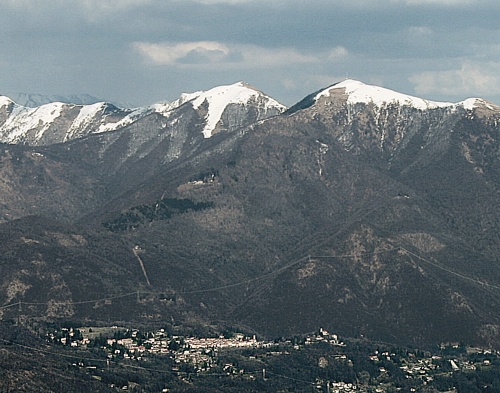
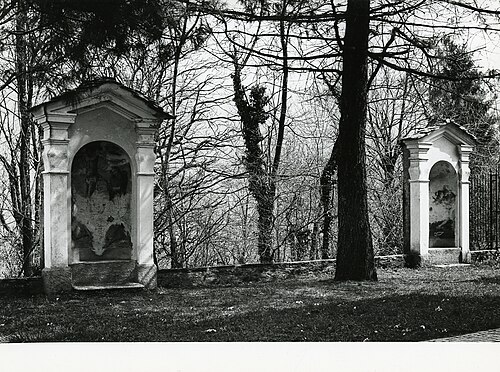
📷 Galleria fotografica — Agra
Nelle vicinanze Borghi vicini a Agra
In Lombardia Altri borghi da scoprire
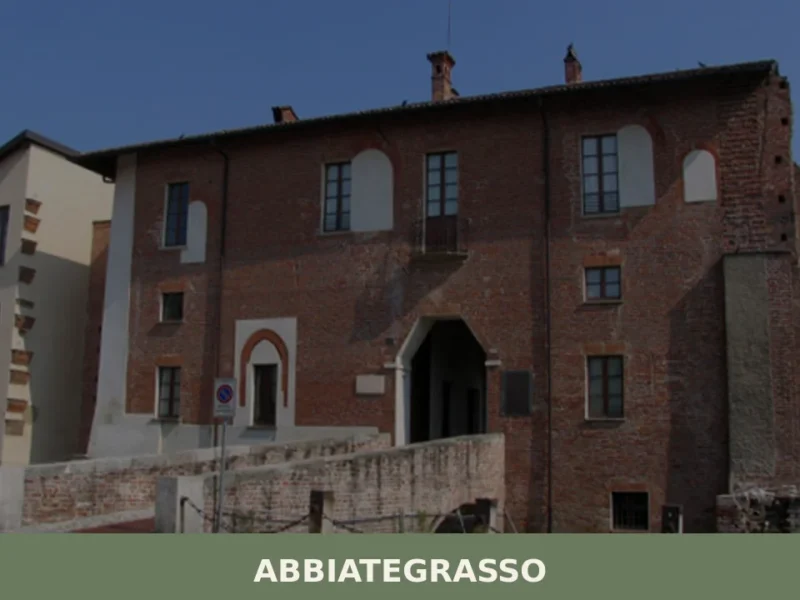
Abbiategrasso
 Pianura
Cosa vedere a Abbiategrasso: castello visconteo, Basilica di Santa Maria Nuova, Naviglio Grande e cucina della bassa milanese. Guida pratica completa.
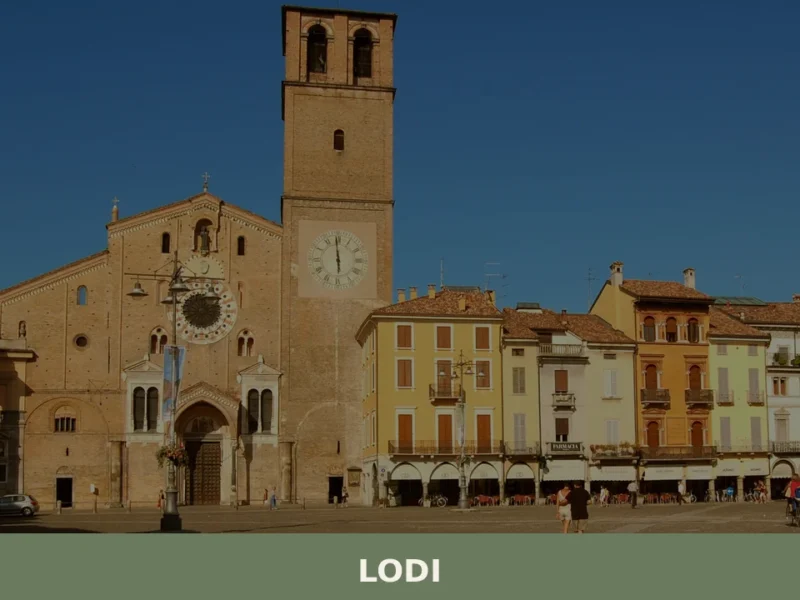
Lodi
Pianura
Il fiume Adda scorre lento, disegnando un confine naturale che ha plasmato il paesaggio e la storia di una città. Lodi, con la sua altitudine di 87 m s.l.m., si estende sulla pianura, dove l’acqua e la terra fertile hanno favorito insediamenti fin dall’antichità. In questo articolo Storia e origini di Lodi Cosa vedere a […]
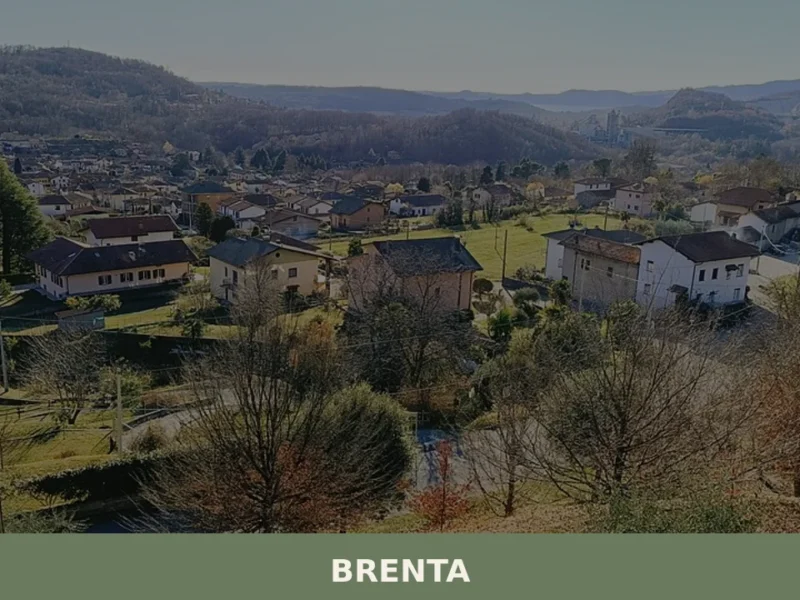
Brenta
 Collina
Brenta conta 1.715 abitanti e si estende a 276 metri sul livello del mare, nella fascia collinare che separa il lago di Varese dalla pianura padana occidentale. Il comune, parte della provincia di Varese, è composto da un nucleo centrale e da frazioni agricole distribuite lungo un territorio in lieve pendenza verso sud. Chi cerca […]
Brunello
Collina
Il profilo di Brunello emerge con discrezione tra le alture ondulate della provincia di Varese, un’immagine che si svela progressivamente a chi sale lungo le strade secondarie, lasciandosi alle spalle il traffico più intenso.Non è un borgo che si impone con maestosità eclatante, quanto piuttosto un luogo che si rivela per frammenti: un campanile che […]
Agnadello
Pianura
Cosa vedere ad Agnadello: 5 attrazioni da visitare nel comune cremascocon 3.974 abitanti. Storia, cucina locale, come arrivare e consigli pratici.
Cremona
Pianura
Cremona, città della Lombardia con 70.637 abitanti, è nota a livello internazionale per la sua tradizione liutaria, riconosciuta dall’UNESCO come patrimonio immateriale dell’umanità. Fondata dai Romani nel 218 a.C., ha mantenuto nel corso dei secoli un ruolo di rilievo nel panorama culturale e artistico, sviluppando una peculiare identità legata alla produzione di strumenti ad arco. […]
Brissago-Valtravaglia
Collina
Il profumo della terra umida, solcata dai solchi di un tempo agricolo che ancora respira, si mescola all’aria fresca che scende dalle alture prealpine.È un odore di bosco e di fieno, di legna bruciata nei camini d’inverno e di erbe selvatiche che crescono sui muretti a secco. Non è un borgo da cartolina patinata Brissago-Valtravaglia, […]
Brusimpiano
Collina
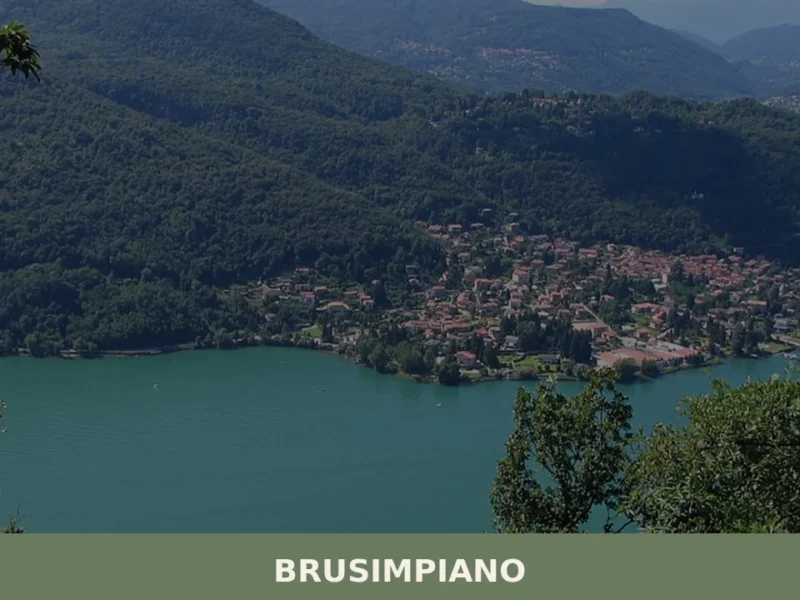
Nel contesto della Valceresio, in Lombardia, dove il confine svizzero modella il paesaggio e le alture prealpine si specchiano nelle acque del Lago di Lugano, sorge Brusimpiano. Un piccolo insediamento, attestato già nel XII secolo come parte del Contado del Seprio, che ha conservato la sua fisionomia di borgo lacustre e collinare. La sua posizione […]
Limone sul Garda
 Lago
Pianura
Lago
Pianura
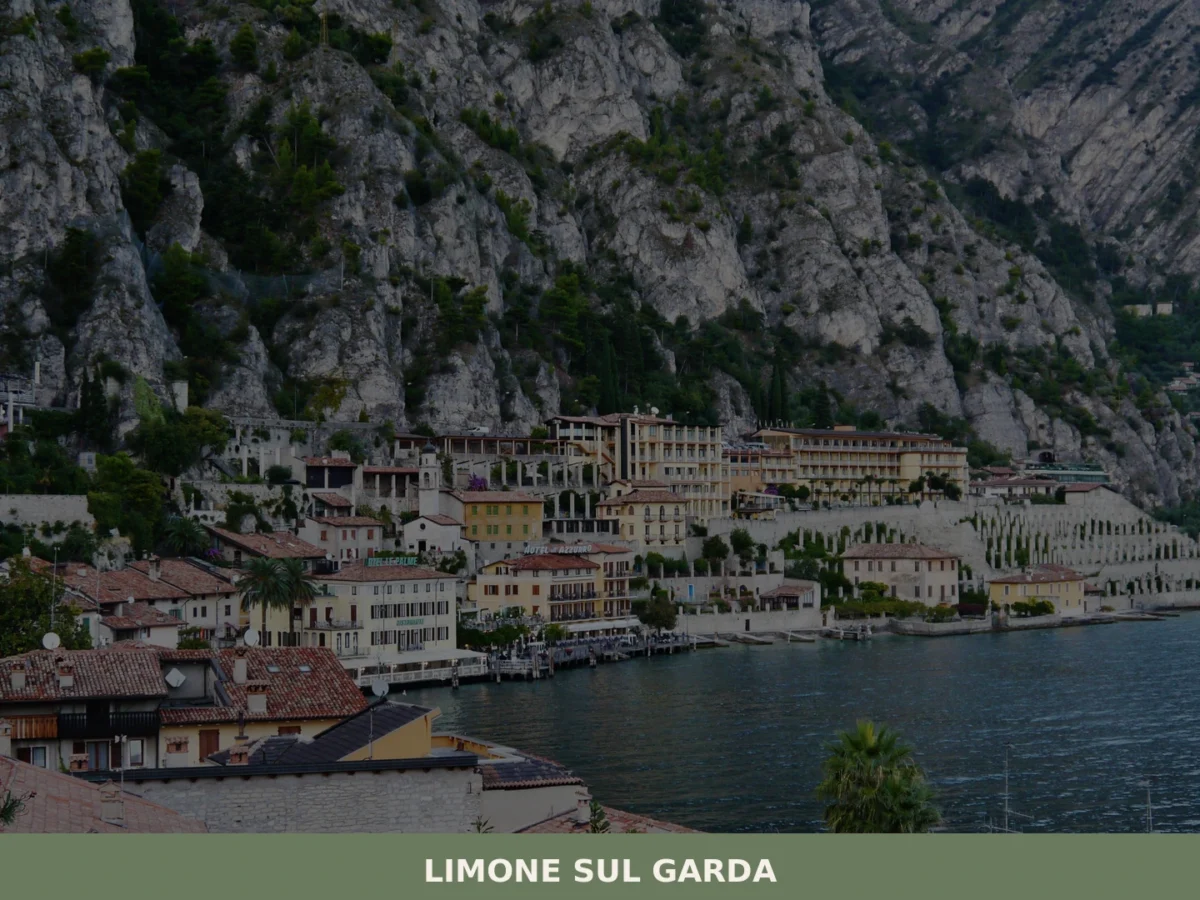
Le acque del Lago di Garda riflettono le facciate color pastello delle case, che si arrampicano sul pendio roccioso del Monte Ongol. Ogni vicolo stretto, lastricato con pietre levigate dal tempo, conduce a scorci inaspettati sul bacino lacustre, dove le barche ormeggiate oscillano lievemente nella piccola insenatura del porto. In questo articolo Storia e origini […]
Brescia
Pianura
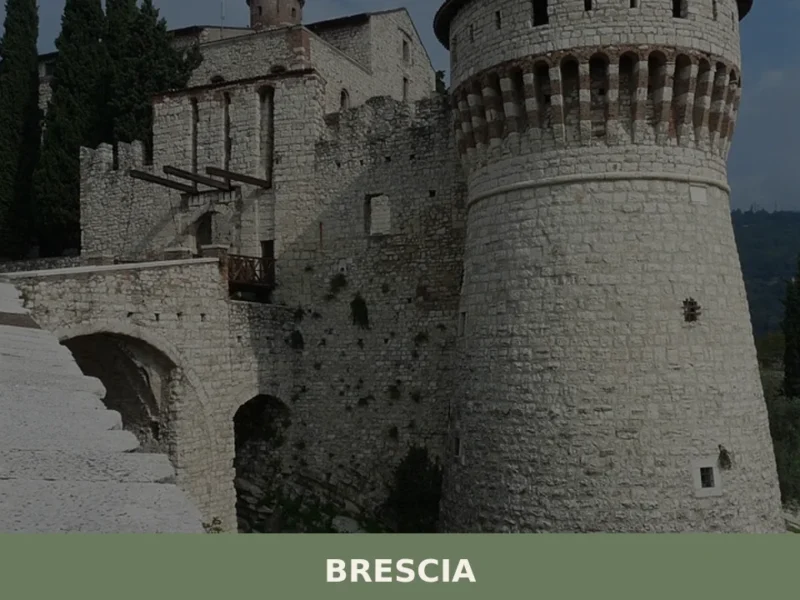
Nel 1826, durante lo scavo delle fondamenta di una casa in via Musei, riaffiorò dal terreno la Vittoria Alata, bronzo romano del I secolo d.C. alto quasi due metri, simbolo di una città che ha stratificato su se stessa venticinque secoli di storia. Chi oggi si chiede cosa vedere a Brescia troverà una risposta in […]



🏡 Conosci Agra meglio di noi?
Se sei del posto o ci sei stato, la tua conoscenza vale: aggiungi quello che manca o correggi un dato della scheda.