


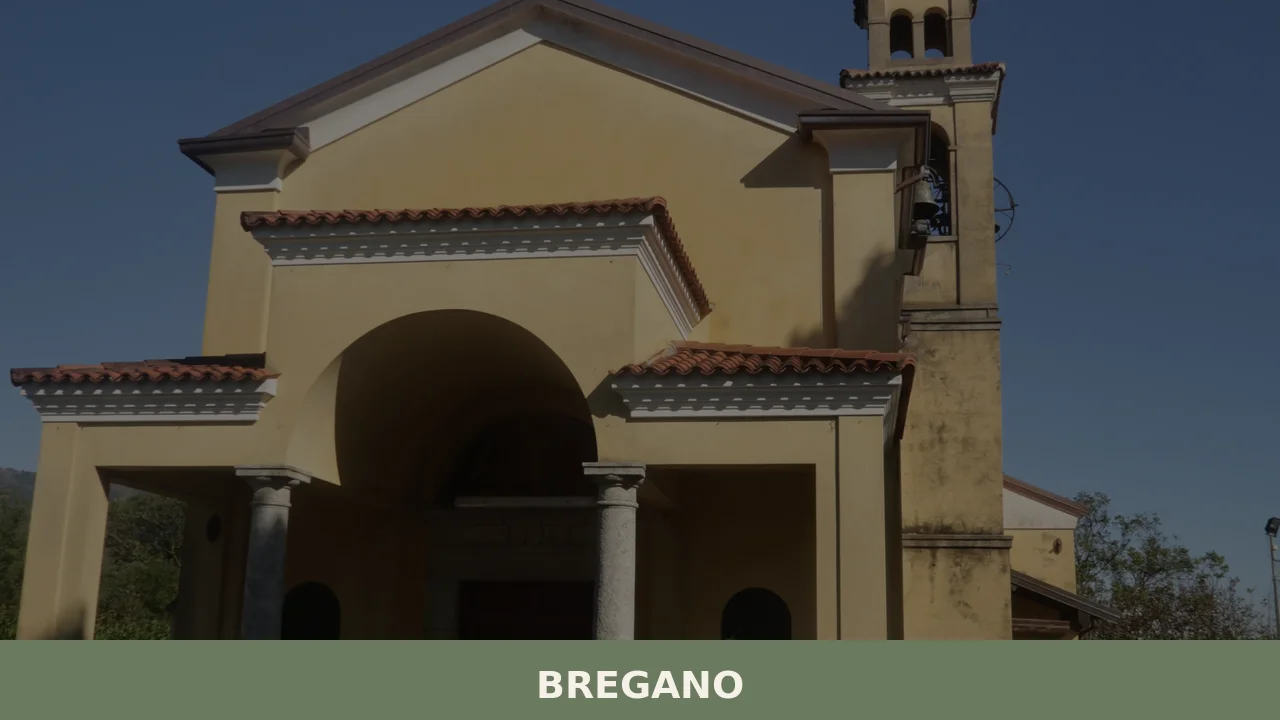
Bregano
 Hills
Hills
With its 824 inhabitants spread across an elevation of 303 metres on the hills between Lake Varese and Campo dei Fiori, Bregano is a municipality in the province of Varese whose documented existence dates back at least to the 13th century, when the settlement appears in the ecclesiastical registers of the Pieve di Brebbia. Asking […]
Discover Bregano
With its 824 inhabitants spread across an elevation of 303 metres on the hills between Lake Varese and Campo dei Fiori, Bregano is a municipality in the province of Varese whose documented existence dates back at least to the 13th century, when the settlement appears in the ecclesiastical registers of the Pieve di Brebbia.
Asking what to see in Bregano means preparing to explore a territory where the hilly terrain has shaped every human decision: the orientation of the houses, the layout of the roads, the position of the church.
History and origins of Bregano
The place name Bregano is generally traced to a Celtic or pre-Latin root related to the concept of a height or elevated ground — consistent with the position of the settlement on the hilly belt separating the plain from the Varese pre-Alpine system.
The area belonged to the Pieve di Brebbia, one of the most extensive religious districts in the upper Varese territory, already documented in the early medieval period and encompassing numerous small rural centres gravitating towards Lake Varese.
Over the centuries, Bregano followed the administrative fortunes of the Varese area: from Visconti rule to Sforza dominion, then under Spanish and later Habsburg control, until its annexation to the Kingdom of Sardinia in 1859.
The Theresian reforms of the 18th century and the Napoleonic reforms of the early 19th century repeatedly redrew the municipal boundaries of the area, merging and separating the small hillside communities.
Bregano retained its administrative autonomy, a sign of a local identity recognised even by the central authorities.
The village’s economy was long tied to hillside agriculture — cereals, grapevines, mulberry trees for silkworm farming — and to the presence of coppice woodlands exploited for firewood and charcoal. In the 20th century, proximity to the industrial centres of the Varese area gradually transformed Bregano into a residential municipality, without however entirely erasing the rural structure of the original settlement.
What to see in Bregano: churches, trails and the hill landscape
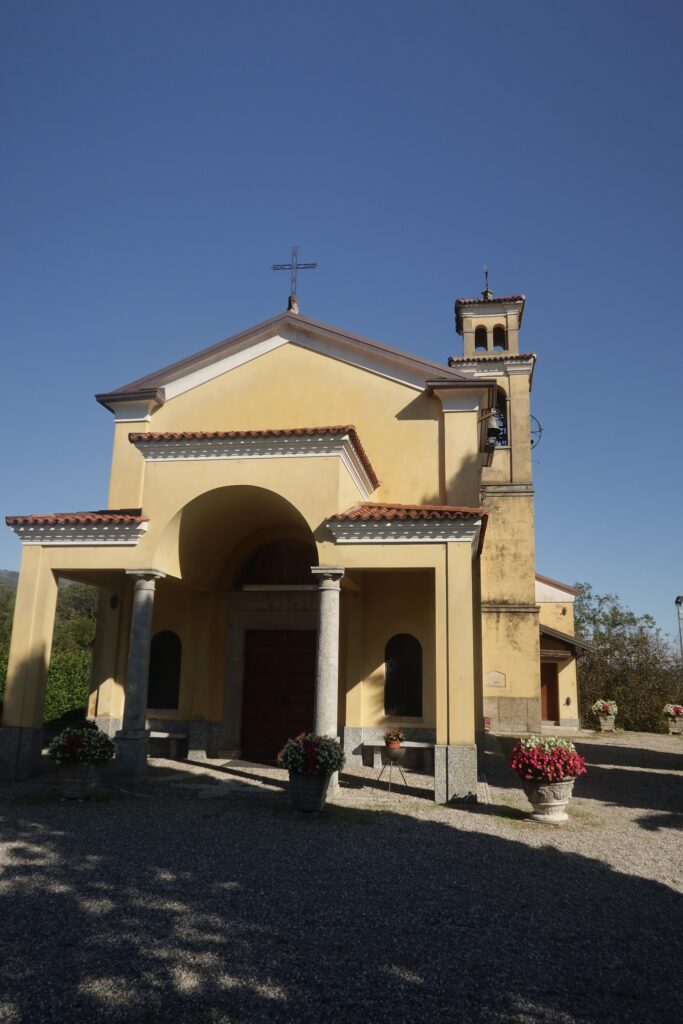
Parish Church of the Assumption of Mary
Dedicated to the patron of the village, whose feast day falls on 15 August, the parish church represents the religious and urban focal point of Bregano.
The building, in its current form, reflects layered interventions over the centuries, with elements pointing to different construction phases.
The façade faces the oldest part of the village, where the houses are arranged according to the natural slope of the terrain.
The historic centre
The original core of Bregano retains the compact layout of small pre-Alpine hillside settlements: dwellings in local stone with lime-washed plaster, interconnecting inner courtyards, and covered passages between one building and the next. Elevations vary by several metres from one end of the core to the other, and the streets follow the contour lines rather than straight paths.
Hill trails towards Campo dei Fiori
From the municipal territory, footpaths lead uphill towards the massif of the Campo dei Fiori Regional Park, a protected area reaching 1,227 metres at Monte Tre Croci.
The trails pass through distinct vegetation bands: oak and chestnut woods in the lower sections, then beech forests and conifers at higher altitudes.
View over Lake Varese
Bregano’s position at 303 metres above sea level, on the western slope of the hilly belt, provides a direct view over the basin of Lake Varese and, on days with good visibility, over the Monte Rosa chain.
The most open vantage point is reached along the road climbing towards the upper hamlets, where the vegetation thins out and the horizon opens up.
Scattered rural architecture
Beyond the central core, the municipal territory features farmsteads and scattered rural clusters that document the historical agricultural organisation of the Varese hillside.
Dry-stone walls still mark out some plots of land, and the terraces — now partly overtaken by woodland — indicate areas once cultivated with grapevines and mulberry trees.
Local cuisine and regional produce
The table in Bregano reflects the gastronomic tradition of the Varese hills, halfway between lakeside and pre-Alpine cooking.
The dishes most deeply rooted in the territory include polenta — made with otto file maize in the most traditional versions — accompanied by semi-cooked cow’s milk cheeses, and preparations based on mushrooms gathered in the woods of Campo dei Fiori, particularly porcini and chanterelles in the autumn months. Chestnut and acacia honey is a widespread product in the area, given the abundance of woods and meadows.
The province of Varese falls within the production area of Gorgonzola DOP and Taleggio DOP, cheeses available at local markets and farms in the area. For lake fish — agone shad, whitefish, perch — the reference points are the lakeside towns of Lake Varese, reachable in just a few minutes by car.
The best-known local wine is the Ronchi Varesini IGT, a niche production that has seen a partial revival over the last two decades after the decline of viticulture in the 20th century.
When to visit Bregano: the best time of year
The 15th of August, the feast of the Assumption of Mary, is the central date in Bregano’s calendar: the patronal celebration represents the moment of greatest community gathering.
Spring — from April to June — offers the best conditions for walking the hill trails, with mild temperatures and vegetation at peak bloom. Autumn, between September and November, is the season for mushroom picking and foliage in the chestnut and oak woods surrounding the village.
Winter brings frequent fog to the lower-lying areas, while the village, at 303 metres, often enjoys clear days above the layer of Po Valley haze. Average winter temperatures range between 0 and 5 degrees, with possible snowfall between December and February.
Summer can be hot and humid, but the altitude and tree cover ensure a less muggy climate compared to the plain below.
How to reach Bregano
Bregano can be reached by car from the A8 Milan–Varese motorway, exiting at Buguggiate-Azzate, from which around 8 kilometres remain heading north-west along provincial roads.
The distance from Milan is approximately 55 kilometres, covered in just under an hour; from Varese the journey is only 10 kilometres.
The nearest railway station is Gavirate, on the Varese–Laveno line operated by Ferrovie Nord Milano (Trenord), from which Bregano is about 4 kilometres away. The closest airport is Milan Malpensa, approximately 30 kilometres to the south-east. For those coming from Switzerland, the Ponte Tresa border crossing is around thirty kilometres to the north.
Up-to-date information on roads and municipal services is available on the Lombardy Region portal.
What to see in Bregano and in the nearby villages of Lombardy
Bregano’s position, on the hilly belt between Lake Varese and the Campo dei Fiori massif, places it within a network of small centres sharing the same territorial matrix.
A few kilometres to the east lies Barasso, a municipality of similar size on the eastern slopes of Campo dei Fiori, with which Bregano shares the pre-Alpine environmental context and the tradition of settlement scattered across rural clusters. A visit to both villages can be combined in a single day, making use of the trail network that crosses the hillside.
The entire Varese area offers a succession of smaller municipalities that retain a rural urban layout, alternating with 19th-century villas built by the Milanese bourgeoisie as holiday residences. Lake Varese, with the Isolino Virginia — a UNESCO pile-dwelling site — and the wetlands of the Palude Brabbia, provides an additional element of naturalistic interest reachable from Bregano in under ten minutes by car.
Frequently asked questions about Bregano
What is the best time to visit Bregano?
Spring (April to June) offers ideal conditions for walking the hill trails, with mild temperatures and vegetation in full bloom. Autumn (September to November) is the season for mushroom picking and foliage in the chestnut and oak woods. The most significant local event is 15 August, the feast of Maria SS. Assunta, the village's patron saint, which draws the greatest community gathering of the year. Winter can be rewarding too: at 303 metres, Bregano often sits above the Po Valley fog, offering clear days and occasional snow between December and February.
What are the historical origins of Bregano?
Bregano's documented history dates to at least the 13th century, when it appears in ecclesiastical registers of the Pieve di Brebbia, one of the largest religious districts in the upper Varese territory. Its name derives from a Celtic or pre-Latin root linked to the concept of elevated ground. Over the centuries the village passed through Visconti, Sforza, Spanish and Habsburg rule before joining the Kingdom of Sardinia in 1859. Despite repeated administrative reorganisations, Bregano maintained its municipal autonomy, reflecting a recognised local identity.
What to see in Bregano? Main monuments and landmarks
The Parish Church of the Assumption of Mary (Chiesa dell'Assunzione di Maria) is the village's main landmark, dedicated to the patron saint and facing the oldest part of the settlement. The historic centre preserves the compact layout typical of pre-Alpine hillside villages: local stone buildings, interconnecting courtyards and covered passages following the natural contour lines. Beyond the centre, scattered farmsteads and dry-stone walls document the area's agricultural past. All sites are accessible on foot and free to visit from the outside; church access depends on opening hours.
What are the main natural or scenic attractions of Bregano?
Bregano sits within reach of the Campo dei Fiori Regional Park, whose summit reaches 1,227 metres at Monte Tre Croci. Footpaths from the municipal territory pass through oak and chestnut woods, then beech forests at higher elevations. Lake Varese, visible from the village's western slopes, is reachable in under ten minutes by car and includes the UNESCO pile-dwelling site of Isolino Virginia and the wetlands of Palude Brabbia nature reserve. The surrounding hills also offer a network of trails shared with neighbouring Barasso, combinable in a single day excursion.
Where to take the best photos in Bregano?
The most open viewpoint is along the road climbing toward the upper hamlets, where the vegetation thins and the horizon opens over the basin of Lake Varese. On clear days the Monte Rosa chain is visible to the north. The historic centre itself offers photogenic scenes: stone façades, steeply terraced streets and the parish church framed by the hillside. Autumn is particularly rewarding for landscape photography, when the chestnut and oak woods surrounding the village turn golden and the lake below is often still.
Are there museums, churches or historic buildings to visit in Bregano?
The principal historic building is the Parish Church of the Assumption of Mary, the religious focal point of the village, with construction phases spanning several centuries. The compact historic centre features traditional pre-Alpine architecture — lime-washed stone houses, inner courtyards and covered passages — that can be explored on a self-guided walk. No dedicated museum is documented for Bregano itself, but the broader Varese area offers significant cultural institutions reachable within 15–20 minutes by car.
What can you do in Bregano? Activities and experiences
Bregano is primarily suited to hiking and nature walks: trails from the village lead into the Campo dei Fiori Regional Park, with routes through chestnut woods ideal in spring and autumn. Mushroom foraging in the surrounding woods is a traditional seasonal activity, particularly for porcini and chanterelles between September and November. The village's position makes it a practical base for day trips to Lake Varese — for birdwatching at Palude Brabbia or a visit to Isolino Virginia — and for exploring the network of small hillside municipalities in the Varese area.
Who is Bregano suitable for? Families, couples, hikers, solo travelers?
Bregano suits hikers and nature lovers who appreciate quiet pre-Alpine landscapes without crowds. Couples looking for a peaceful retreat will find the scenic views over Lake Varese and the village's compact historic centre genuinely rewarding. It is a good choice for travellers interested in slow tourism, combining gentle hill walks with local food and wine traditions. Families comfortable with moderate trails will enjoy the woodland paths toward Campo dei Fiori. It is less suited to those seeking urban amenities, nightlife or large museums, which are better found in nearby Varese.
What to eat in Bregano? Local products and specialties
The local table reflects the Varese hill tradition: polenta made with otto file maize, semi-cooked cow's milk cheeses, and autumn dishes featuring porcini and chanterelle mushrooms gathered in the Campo dei Fiori woods. The province of Varese falls within the production zones of Gorgonzola DOP and Taleggio DOP, available at local markets and farms. Chestnut and acacia honey is typical of the wooded hillside. For lake fish — agone, whitefish and perch — the lakeside towns of Lake Varese are just a few minutes away. A niche local wine is Ronchi Varesini IGT, partially revived in recent decades.
📷 Photo Gallery — Bregano
Nearby Villages near Bregano
In Lombardy More villages to discover
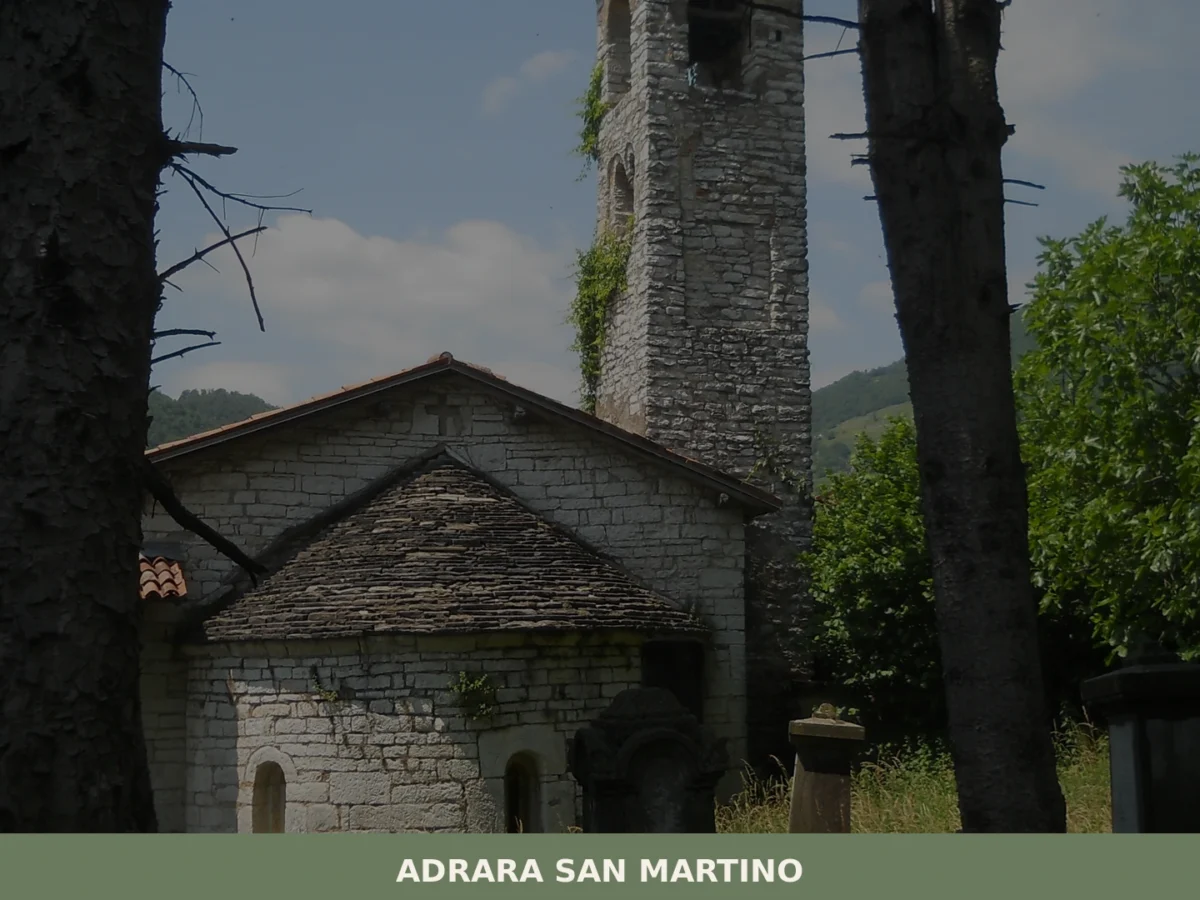
Adrara San Martino
Hills
What to see in Adrara San Martino? Discover the 5 must-see attractions of this Lombard village. The complete guide for your visit. Plan your trip!
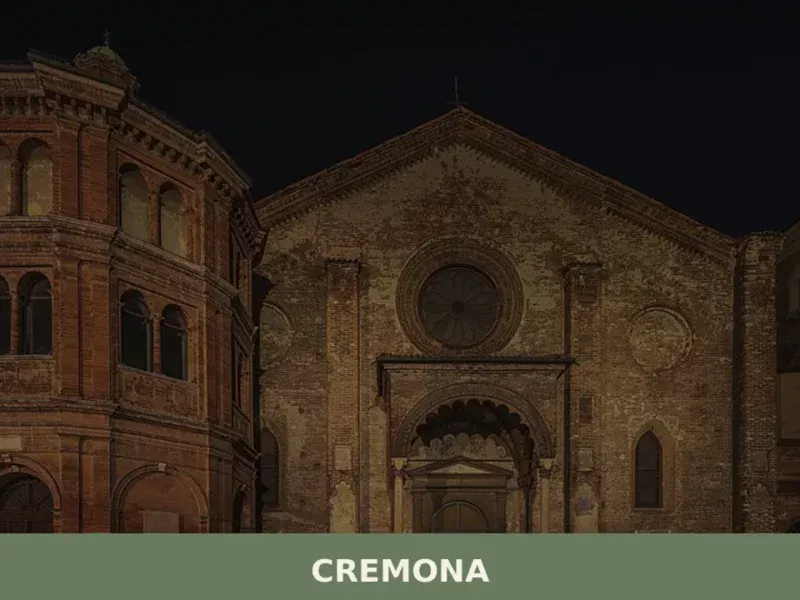
Cremona
 Plains
What to see in Cremona? With a population of 70,637, this city of lutherie offers the iconic Torrazzo and Violin Museum. Explore our guide.
Como
Hills
 Lake
Lake
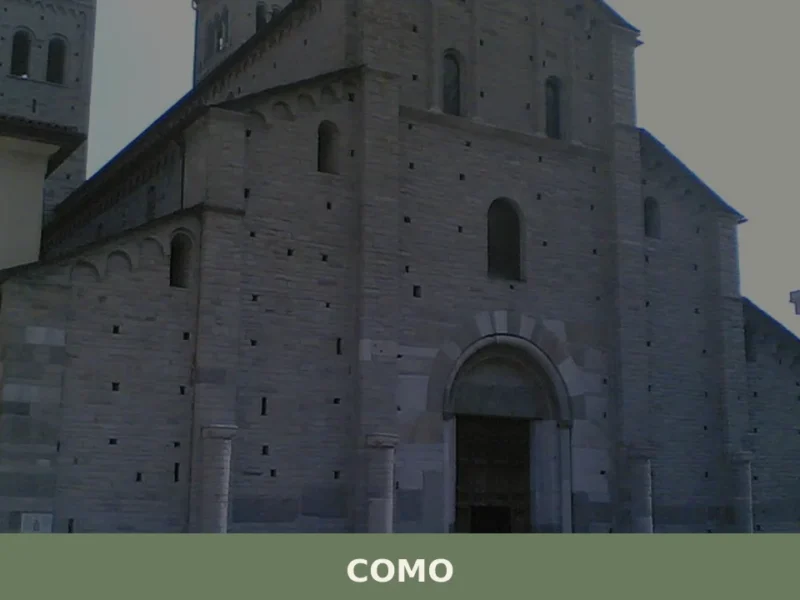
what to see in como? Explore this city of 83,184 inhabitants. Discover its historic Duomo, Lake Como's beauty, and local cuisine. Read our guide.
Acquafredda
Plains
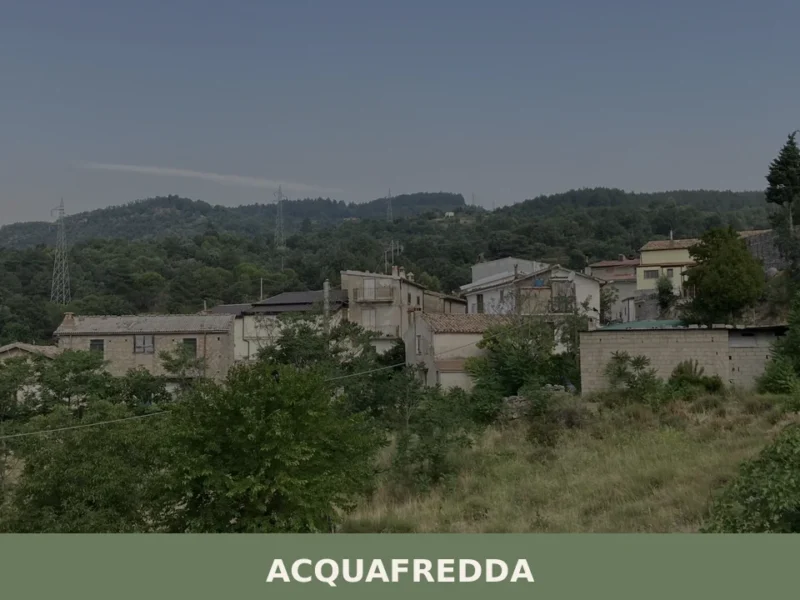
What to see in Acquafredda, a municipality in the lower Brescian area at 55 m above sea level: the Church of San Biagio, historic farmsteads, fontanili and the traditional cuisine of the Po Plain.
Desenzano del Garda
Lake
Plains
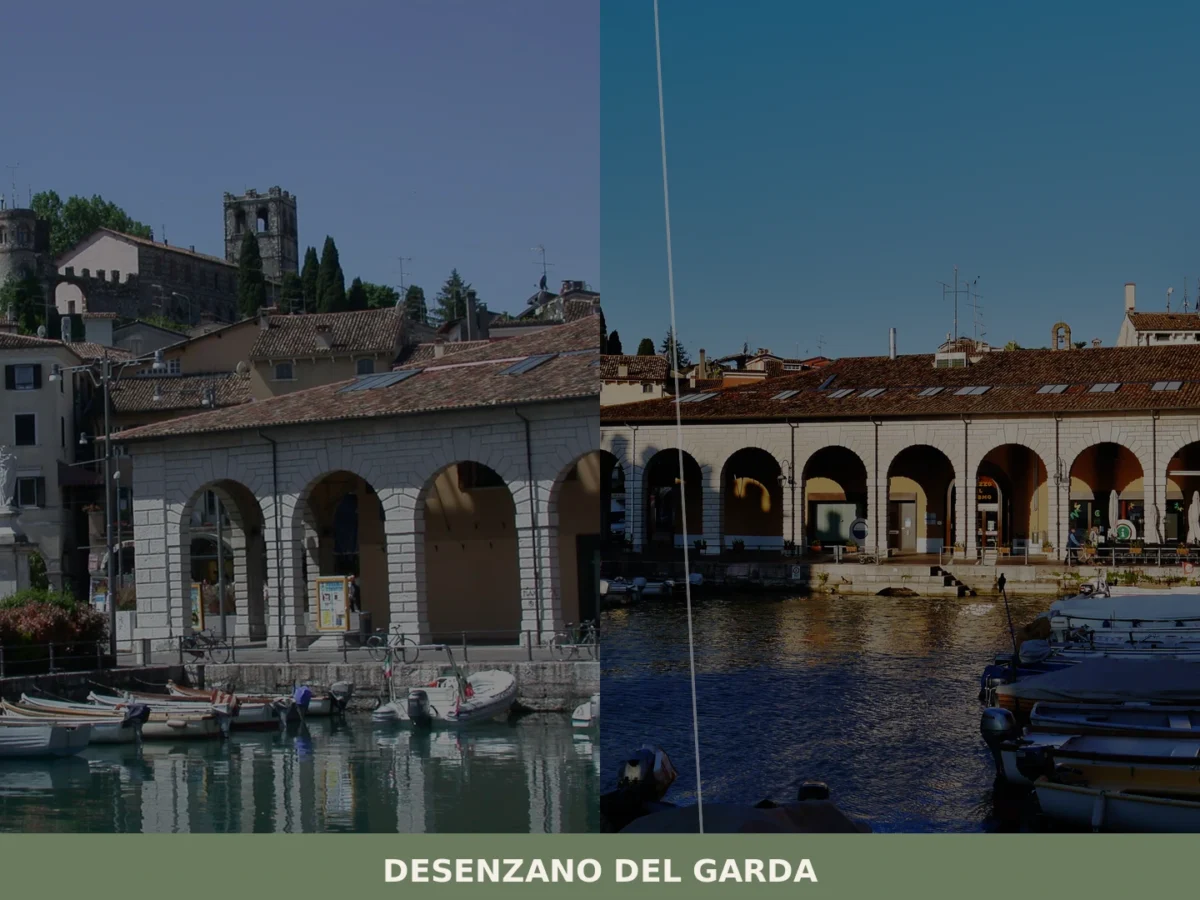
what to see in desenzano del garda in Italy. Explore Desenzano del Garda, Lombardia, Italy, at 67 m a.s.l., from its Roman Villa to the Old Port. Discover its history and attractions.
Brezzo di Bedero
Hills
Lake
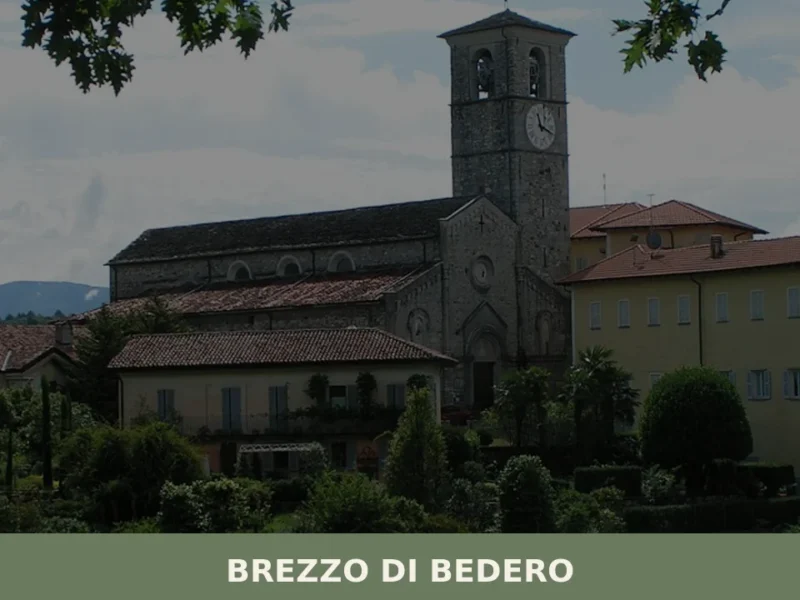
What to see in Brezzo di Bedero: Explore Collegiata di San Vittore and the lakeside Hermitage. This village, home to 1,200 residents, offers rich history. Discover more!

Losine
 Mountain
622 residents, three medieval churches and a dialect nickname that survives centuries. Losine rewards visitors who look beyond Lake Garda for Lombard mountain identity.
Adrara San Rocco
Hills
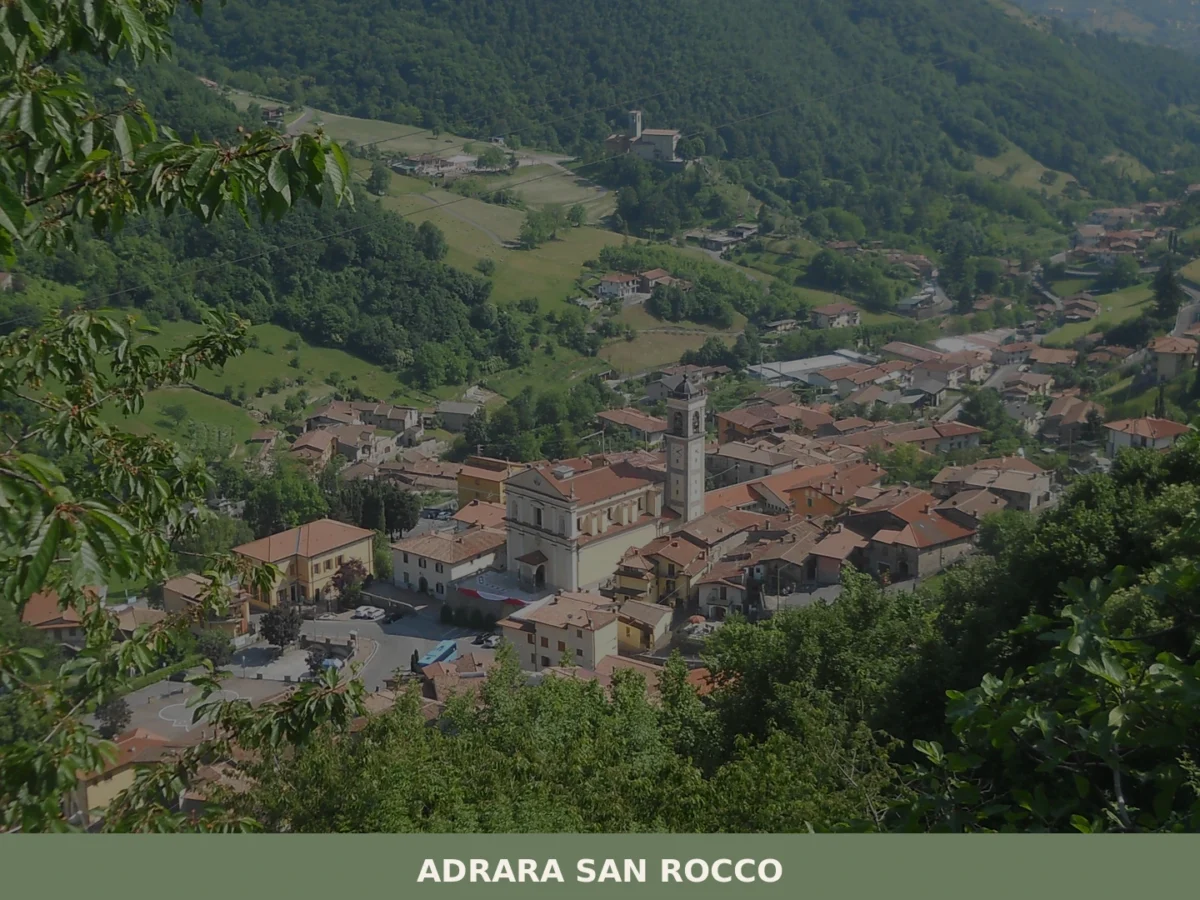
The long external staircase of the church of San Rocco rises above the Guerna river valley, its stone steps worn by five centuries of use since the building was consecrated in 1539. The valley cuts eastward from Bergamo, 25 kilometres (16 mi) away, deep into the territory of Monte Bronzone Sebino. A castle once stood […]
Bardello
Hills
Lake
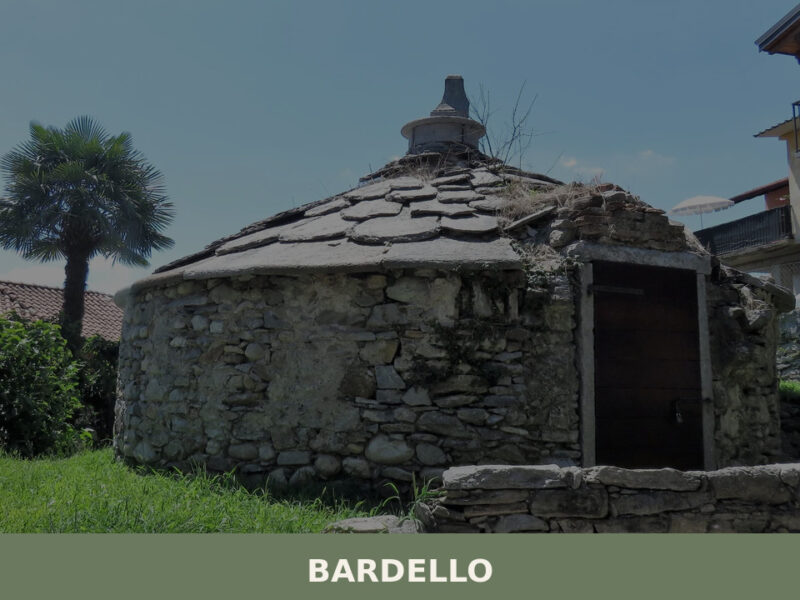
Morning mist lifts off the Bardello river in thin, slow ribbons, revealing a low-slung village of roughly 1,553 inhabitants pressed against the southern shore of Lake Varese. A church bell counts seven. A heron stands motionless in the reeds along the waterway that gives this settlement its name. If you are wondering what to see […]
Cassano Valcuvia
Hills
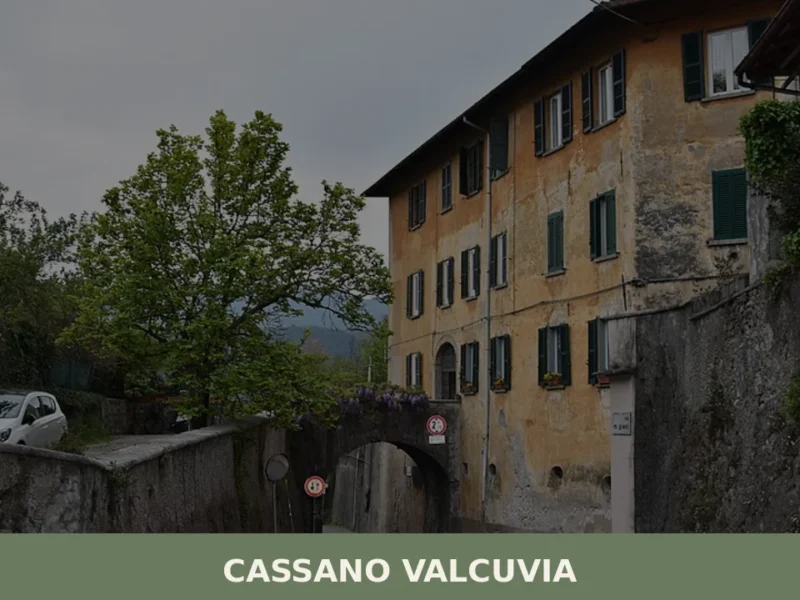
What to see in Cassano Valcuvia: discover this village of 660 inhabitants amidst history and nature. Explore its historic center and hillside trails.




🏡 Know Bregano better than we do?
If you’re a local or have been there, your knowledge matters: add what’s missing or fix a detail on this page.