


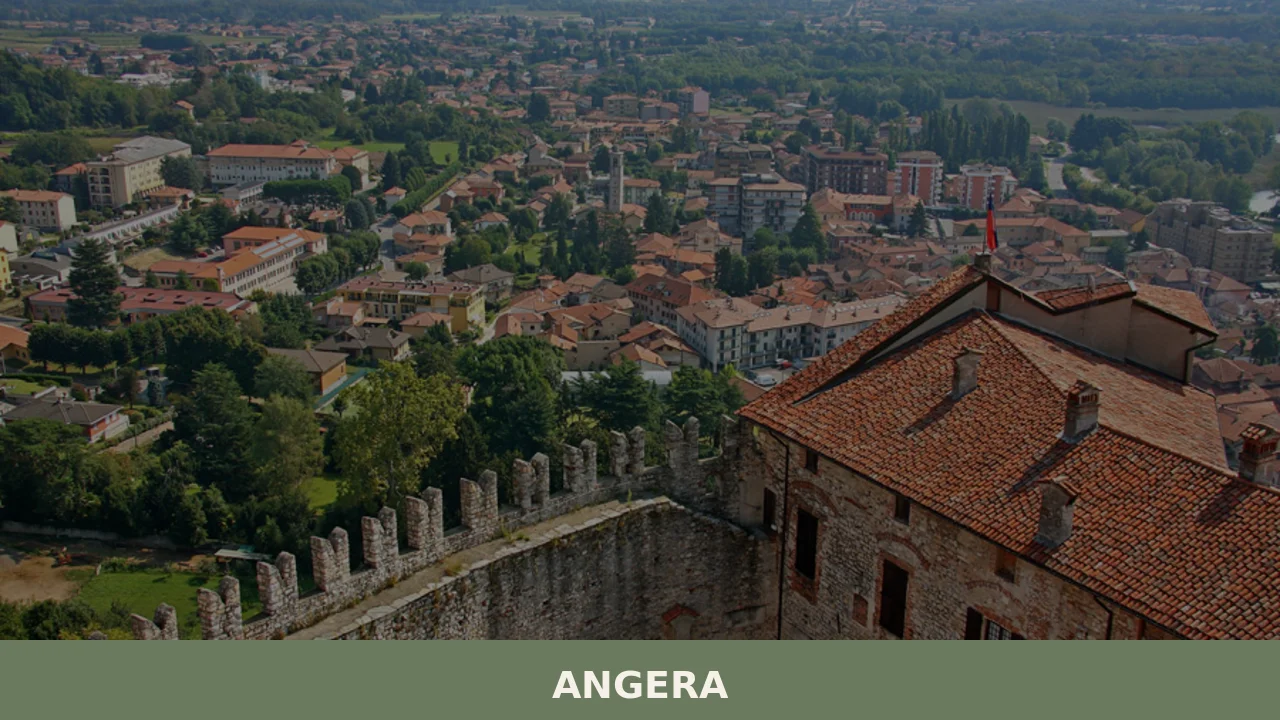

Angera is a lakeside town of 5,329 residents in the province of Varese, Lombardia, shaped by Roman, medieval and Borromeo history and overlooked by the landmark Rocca Borromeo.
Discover Angera
Angera is a lakeside comune of roughly 5,329 residents spread across just over 17.58 square kilometres on the south-eastern shore of Lake Maggiore, in the province of Varese, Lombardia, sitting at an elevation of around 205 metres above sea level. Its long arc of human occupation — reaching from Upper Palaeolithic cave deposits through Celtic and Roman settlement to centuries of medieval lordship under the Visconti and later the Borromeo family — has left the town with an unusually layered heritage for a place of its modest size, from the prehistoric finds now held in its civic archaeological museum to the Rocca Borromeo that still commands the hillside above the water.
Angera village in Lombardy stands at a natural crossroads where lake navigation historically met the overland tracks climbing toward the Alpine passes, a position that once made it a port of real commercial weight connecting the Po, the Ticino and Lake Maggiore into a single trade corridor. That geographical logic still shapes the experience of visiting today: the Rocca Borromeo, the churches of Santa Maria Assunta and Santi Quirico e Giulitta, the Museo della Bambola e del Giocattolo housed within the castle itself, and a waterfront animated each 15 August by the feast of the patron Maria SS. Assunta all reward those who arrive by both land and water.
Angera village in Lombardy: history and ancient roots
Angera is a lakeside settlement on the south-eastern shore of Lake Maggiore whose documented human presence stretches from the Upper Palaeolithic through Roman commercial greatness to medieval Visconti and Borromeo rule, culminating in its formal recognition as a city by presidential decree on 20 April 1954. Evidence gathered from the Grotta di Angera and sites such as the locality known as Baranzini points to occupation across successive prehistoric periods, while ceramic finds of late Celtic origin suggest continuous settlement from at least the second century BC, followed by a growing concentration of Roman-era material that marks the area’s gradual integration into Roman civic life.
Under Roman influence Angera developed into a significant commercial hub, functioning as a port that linked lake and river waterways with overland routes leading toward Alpine passes. When, around the mid-first century BC, the populations north of the Po received full Roman citizenship, Angera shared in that transition. The oldest written name recorded for the settlement, attested in sources from the tenth century, is Statio — a term that itself reflects the town’s long role as a trading post and stopping point.
By the Middle Ages Angera headed a Pieve that extended across both shores of the lake, and at least from the eleventh century a fortified structure occupied the hill where the Rocca now stands. That stronghold passed through the hands of the archbishops of Milan and later the Visconti family, who transformed it into a commanding fortress. In 1449 the Borromeo family purchased the Rocca, and they remain its owners today. In 1497, at the wish of Ludovico il Moro, Angera was granted the title of city — a dignity formally reconfirmed by republican decree more than four centuries later.
The Rocca, the Museums, and the Sacred Buildings of Angera
Angera’s main draw is the Rocca Borromeo, a medieval fortress that dominates the town and the southern shore of Lake Maggiore; alongside it stand several churches, two civic museums, and a sanctuary that together give the town its layered character.
Rocca Borromeo
The Rocca Borromeo is the landmark structure of Angera. A fortified stronghold occupied this hilltop position from at least the eleventh century; Over the following centuries it passed through the hands of the archbishops of Milan and later the Visconti family, who turned it into a substantial fortress commanding the town and the lake below. The Borromeo family acquired it in the mid-fifteenth century and remains its owner today. The complex is open to visitors and currently houses the Museo della Bambola e del Giocattolo.
Museo della Bambola e del Giocattolo
Housed within the rooms of the Rocca Borromeo, this museum brings together dolls and toys from many different periods, displayed together with their original accessories. The setting — an ancient castle overlooking the lake and the Alps — forms an integral part of the visit.
Civico Museo Archeologico
Located in the centre of Angera, the civic archaeological museum occupies a historic building arranged on its first floor. The collection presents the most significant historical and archaeological evidence from the local territory, spanning from prehistoric times through the Roman period, and includes publications available to visitors.
Churches
The parish church of Santa Maria Assunta, whose patronal feast falls on 15 August, was built over an earlier fourteenth-century structure. Also present in the town are the church of Santi Quirico e Giulitta, whose first recorded mention dates to the thirteenth century, the Santuario della Madonna della Riva, the church of Santa Maria Maddalena, and the church of Santi Cosma e Damiano.
Angera and Its Territory: Certified Flavours from the Varese Lakeside
Angera and the wider Varese province are associated with a handful of certified products, most notably Miele Varesino DOP, a protected-designation honey produced in the Varese area, and Formaggella del Luinese DOP, a soft goat’s cheese from the nearby Luino territory — both worth seeking out at local markets and delicatessens around the Lago Maggiore shore.
The provincial table also draws on Grana Padano DOP, one of Italy’s most widespread aged cheeses. From the fields around Cantello comes Asparago di Cantello IGP, a prized asparagus with protected status that signals the agricultural variety of this corner of the region.
For wine, the closest IGT designation to Angera is Ronchi Varesini, produced on the hillside vineyards of the Varese area. Further afield, Lombardia’s celebrated appellations — including Franciacorta DOCG and Valtellina Superiore DOCG — are well represented on restaurant lists throughout the province. These are regional and provincial products rather than exclusive specialities of Angera itself, but they give the table genuine character.
Getting to Angera and Planning Your Visit on Lago Maggiore
Angera sits on the south-eastern shore of Lago Maggiore in the province of Varese, Lombardia, at around 205 metres above sea level, and is most comfortably reached by car or regional train — the village is served by a railway station on the Novara–Laveno line, making it accessible from Milan in roughly an hour; the best seasons to visit are late spring and early autumn, when the lake scenery is at its finest and the lakeside promenade is pleasantly uncrowded.
The village occupies a gentle hillside classified as collina interna, with the Rocca Borromeo rising above the rooftops and the lake stretching northward toward the Alps. Summer brings the largest flow of visitors — Angera holds an ISTAT classification as a multi-vocation tourist comune — so those who prefer quieter streets will find May, June and September particularly rewarding. The feast of Maria SS. Assunta on 15 August animates the village with its patron-saint celebrations, a lively moment if you happen to be travelling at that time of year.
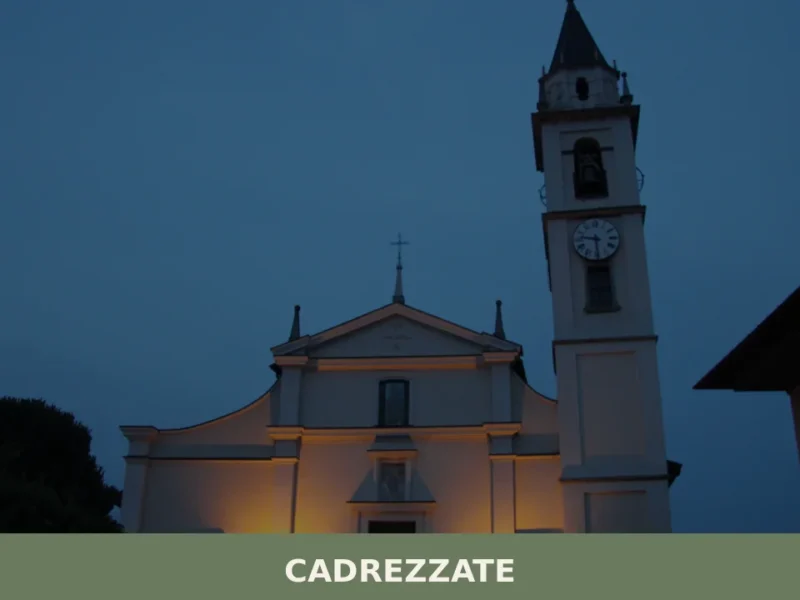
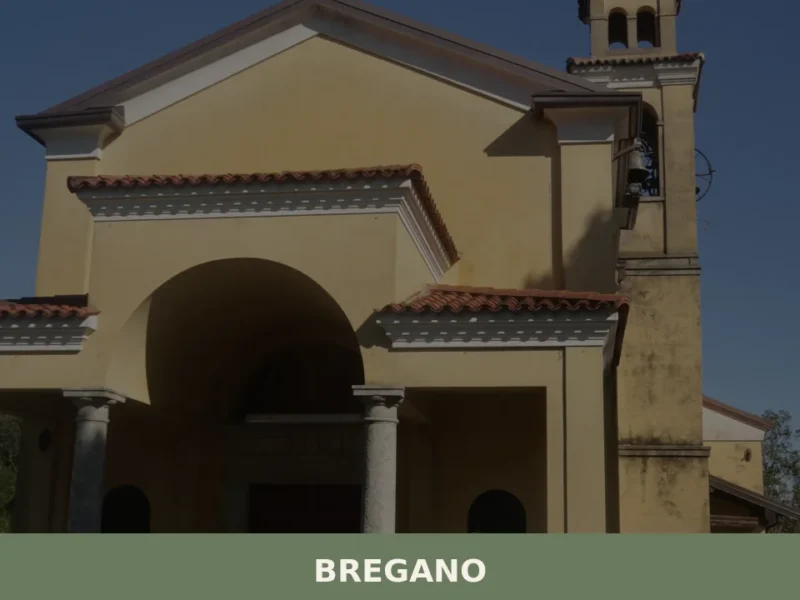
Drivers approaching from Milan take the A8 motorway toward Varese and then follow provincial roads down to the lakeside; the journey takes around 50–60 minutes depending on traffic. From Varese city the distance is approximately 25 kilometres by road, around 30 minutes. Angera also makes a natural base for exploring the cluster of smaller communities nearby: Besozzo lies a short drive inland to the north-east, while Cadrezzate and Bregano are within easy reach for an afternoon excursion into the quieter Varese hills.
| Departure | Distance | Time |
|---|---|---|
| Milano | — | approx. 50–60 min |
| Varese | approx. 25 km | approx. 25–30 min |
| Aeroporto di Malpensa | — | approx. 25–35 min |
The village itself is best understood slowly and on foot once you arrive.
Frequently asked questions about Angera
How do I get to Angera from Milan or Varese?
By car, take the A8 motorway (Milan–Varese) and exit at Sesto Calende, then follow the SS629 along the eastern shore of Lake Maggiore for about 8 km north to Angera. From Varese, the drive is roughly 25 km via the SP69. The nearest railway station is Sesto Calende–Angera, served by Trenord regional lines; from there a short bus or taxi ride reaches the village centre.
What is the best time of year to visit Angera?
Late spring (May–June) and early autumn (September–October) offer mild temperatures, fewer crowds than peak summer, and clear views across Lake Maggiore. The most atmospheric moment is mid-September, when the village celebrates its patron feast of Maria SS. Assunta on 15 September with local processions and waterfront festivities. Summer (July–August) is the busiest season, ideal if lake swimming and boat excursions are a priority.
Are there cycling or walking routes around Angera?
Yes. The Ciclovia del Lago Maggiore passes through Angera, linking it to Sesto Calende to the south and Ranco to the north along a largely flat lakeside track suitable for all abilities. Hiking trails also climb the hill behind the Rocca Borromeo through wooded terrain; the CAI maintains marked paths in this area. The Parco Naturale del Campo dei Fiori, accessible from Varese, is reachable within roughly 30 km for more demanding mountain routes.
How long should I plan to spend in Angera, and where can I park?
A comfortable half-day allows visits to the Rocca Borromeo (including the Museo della Bambola e del Giocattolo), the waterfront, and the main churches. A full day suits those adding a lake boat trip or cycling excursion. Free and pay parking areas are available near the lakefront and along Via Paletta; summer weekends see high demand, so an early arrival before 10:00 is advisable to secure a spot close to the historic centre.
Is there a curious historical legend connected to Angera's Rocca Borromeo?
The Rocca preserves one of the most significant 13th-century secular fresco cycles in northern Italy, painted to celebrate the Visconti victory over Archbishop Ottone Visconti at the Battle of Desio in 1277. A local tradition holds that the astronomical and astrological imagery woven into the frescoes of the Sala di Giustizia reflects the Visconti's deliberate self-promotion as rulers favoured by celestial forces — an unusually bold political message for a provincial fortress of that era.
📷 Photo Gallery — Angera
Nearby Villages near Angera
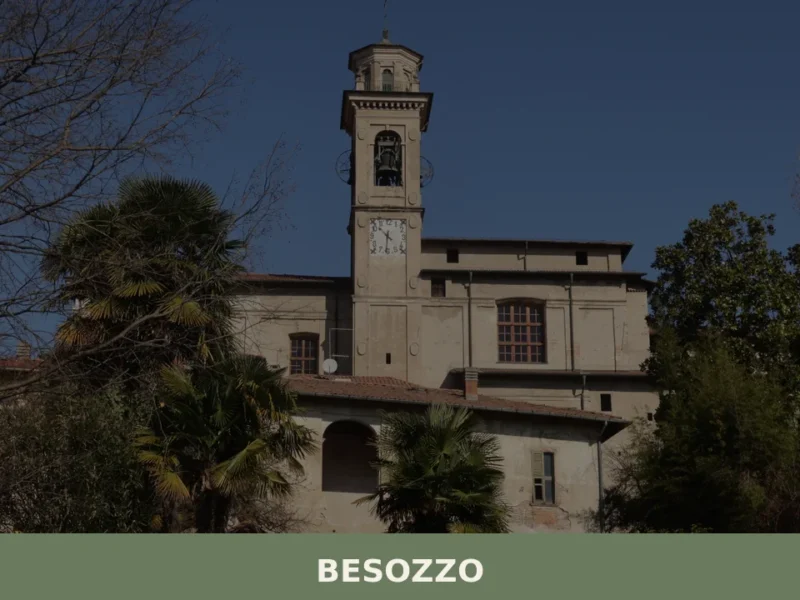
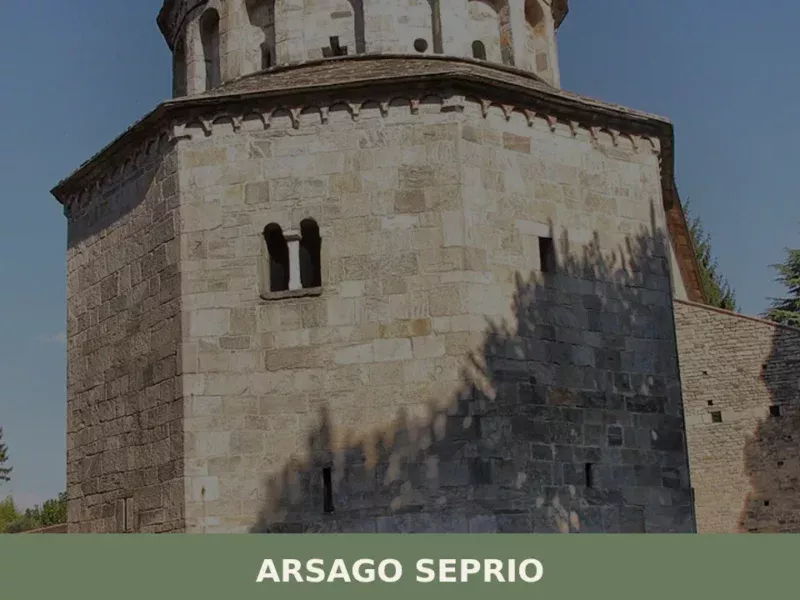
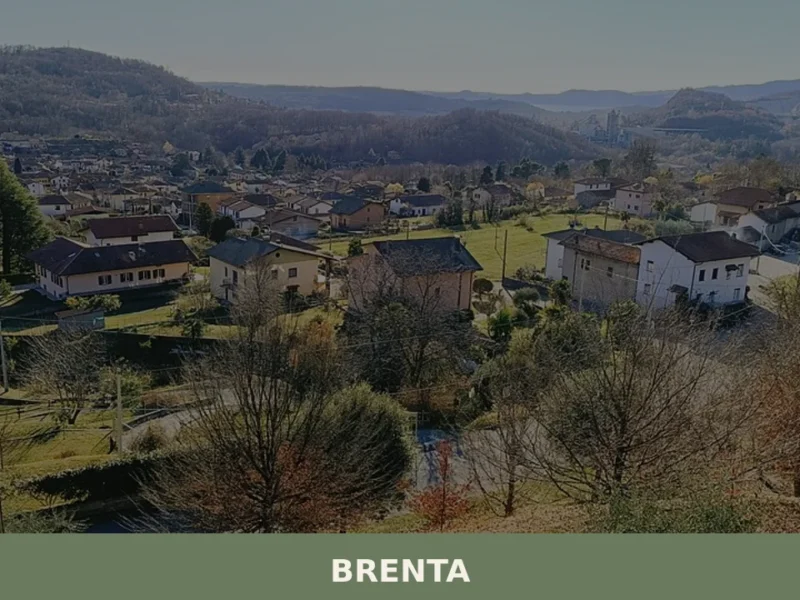
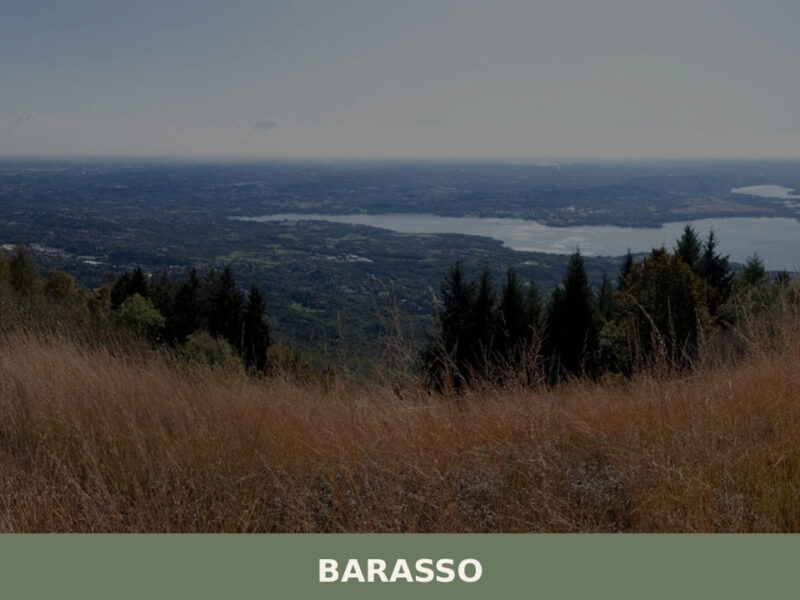
In Lombardy More villages to discover
Cassano Valcuvia
 Hills
Hills
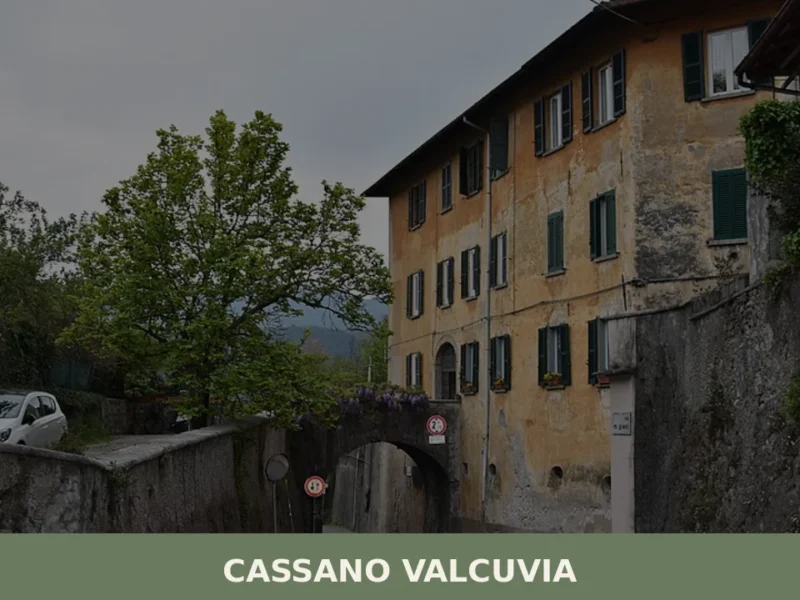
Cassano Valcuvia is a compact mountain municipality in the province of Varese, Lombardia, set at 300 metres in the Valcuvia valley with a population of 639.

Caravaggio
 Plains
Visit Caravaggio for its 1432 sanctuary and medieval roots. Home to the birthplace of painter Michelangelo Merisi and echoes of Visconti rule.
Acquanegra Cremonese
Plains
Discover what to see in Acquanegra Cremonese, a rural comune of 1,159 in the Province of Cremona, Lombardia u2014 from cascine architecture to Po Valley food culture.
Lecco
 Lake
Lake
 Mountain
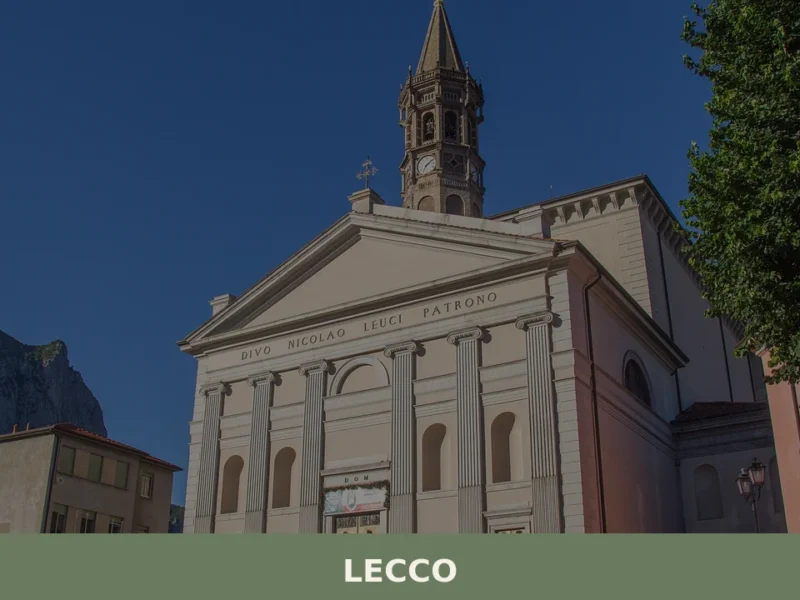
what to see in lecco, Italy: Explore the 5 essential attractions of this Lombard city, from the historic Azzone Visconti Bridge to the towering Mount Resegone. Discover its 47,240 inhabitants.
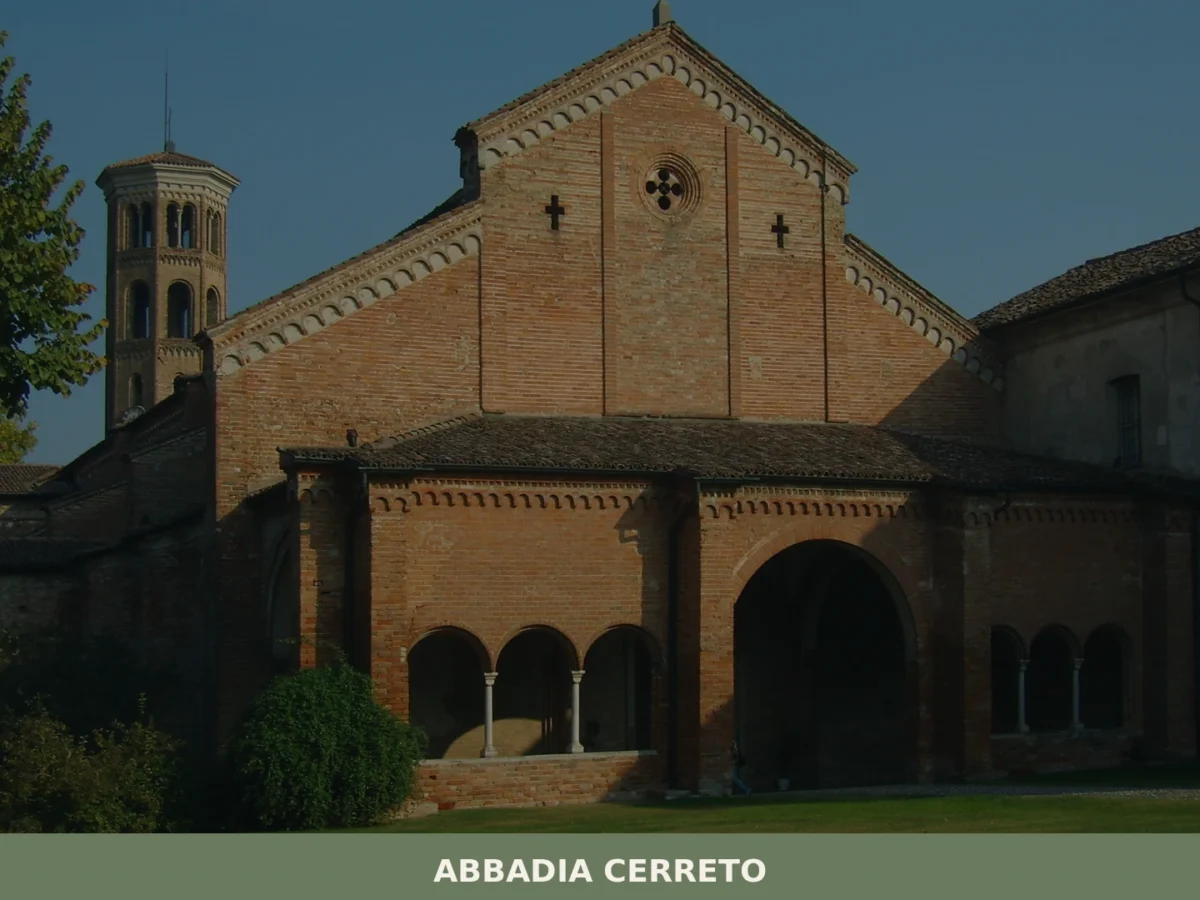
Abbadia Cerreto
Plains
Discover what to see in Abbadia Cerreto, a 280-person Lombard village in the province of Lodi with Cistercian roots and Po Valley landscapes.
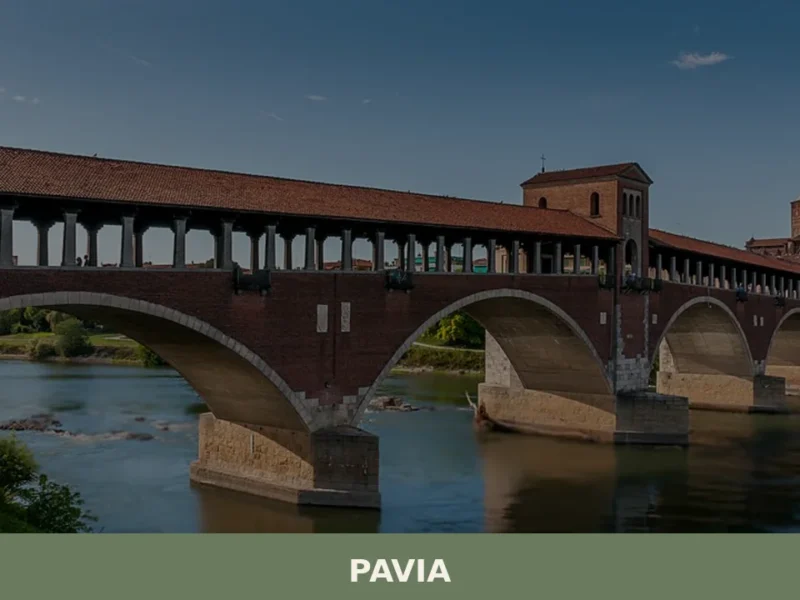
Pavia
Plains
what to see in pavia, home to 70,636 residents. Discover its iconic Duomo, the historic Certosa, and the ancient University. Explore Pavia's rich heritage now.

Vanzaghello
Plains
5,375 residents, one medieval parish church and a steam locomotive in the central square: Vanzaghello rewards visitors drawn to authentic Lombard daily life.
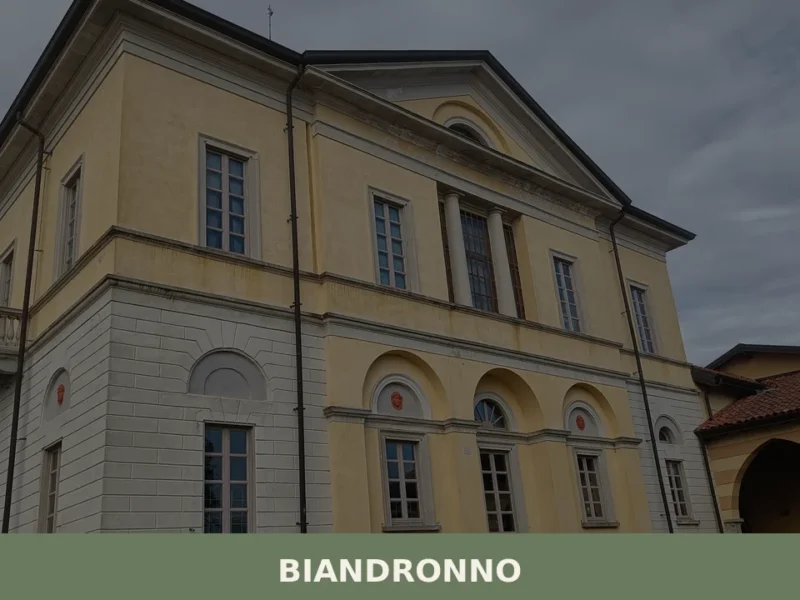
Biandronno
Hills
Lake
At 262 m a.s.l., Biandronno extends across the gentle hills that characterize the province of Varese, offering a panorama that opens onto the surrounding reliefs and the plain. The village, with its population of 3,162 inhabitants, maintains a discreet atmosphere, typical of smaller Lombard centers where life flows at rhythms tied to the territory. In […]

Dello
Plains
Population 5,675. A medieval comune built around sacred geometry and seasonal harvests, anchored by the Mella river and the October mushroom fair.
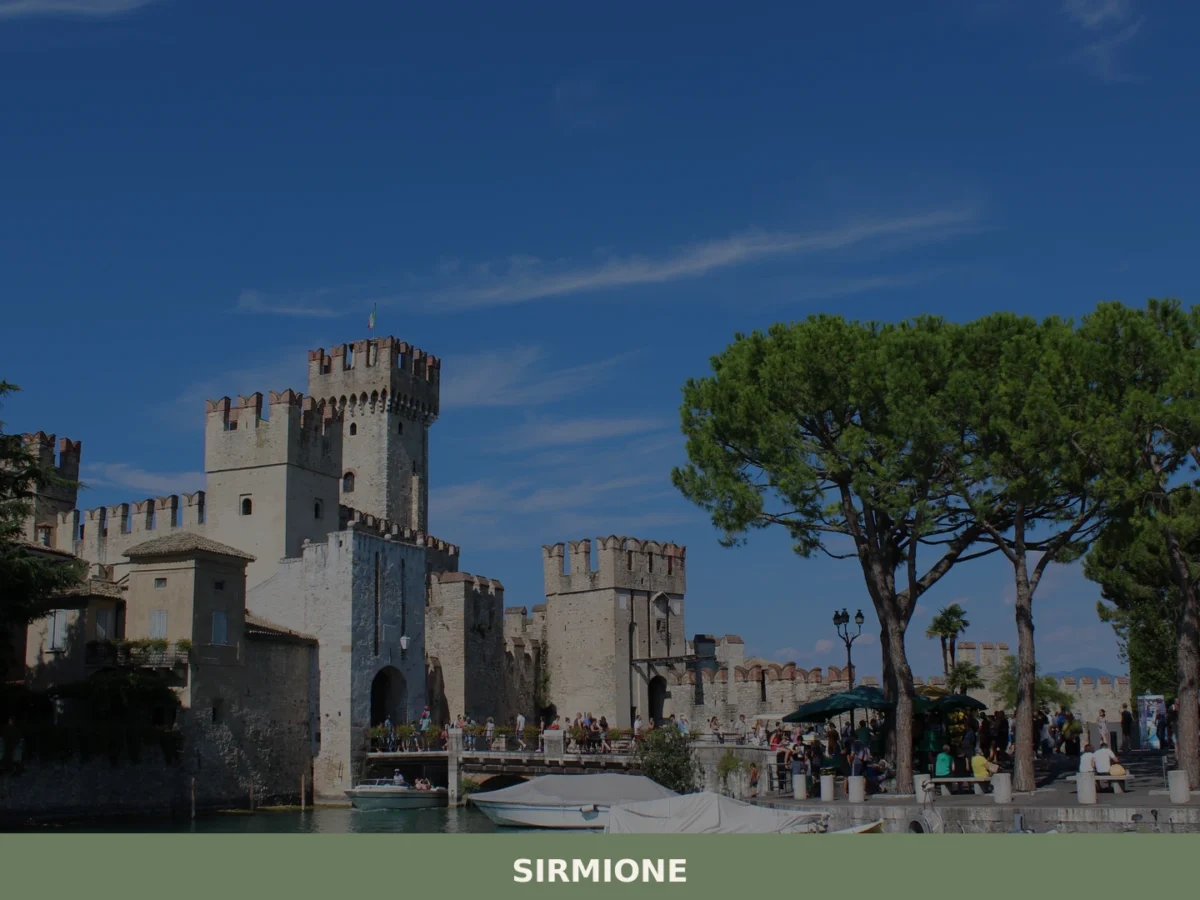
Sirmione
Lake
Plains
What to see in Sirmione, Italy: Explore the Scaligero Castle and Grottoes of Catullus in this Lombard village of 8,248 residents. Read our guide to planning your visit.





🏡 Know Angera better than we do?
If you’re a local or have been there, your knowledge matters: add what’s missing or fix a detail on this page.