


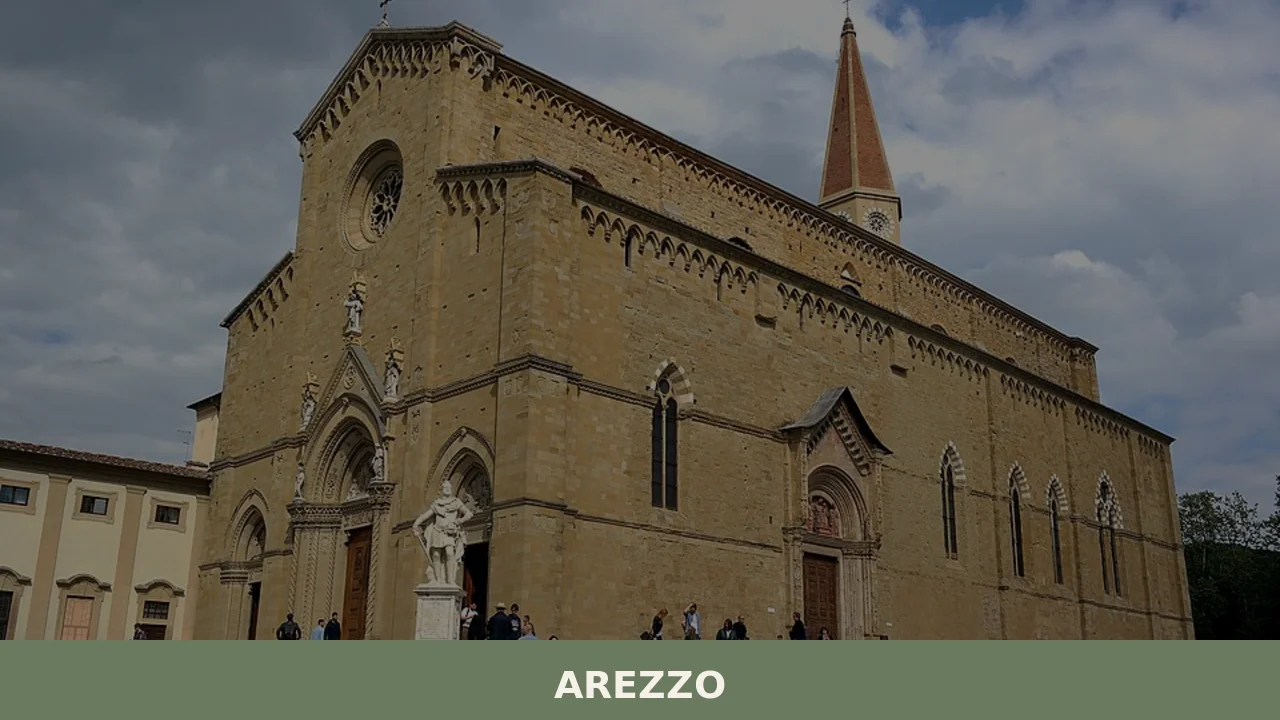
Arezzo
Discover Arezzo, a charming village in Tuscany, Italy. Explore its rich history, stunning architecture, and vibrant culture nestled in the heart of Toscana.
Discover Arezzo
Arezzo presents itself to visitors with a dual identity that is hard to overlook: a city of art with nearly 98,000 inhabitants and a provincial capital, yet organised around a compact historic centre that can be explored entirely on foot, where every square and every palace reflects centuries of Tuscan history.
For anyone wondering what to see in Arezzo without losing their bearings, the essential starting point is Piazza Grande — the sloping urban centrepiece that hosts the Giostra del Saracino on the first Sunday of every September, one of the most rigorously documented equestrian re-enactments in Italy.
The city stands at 296 metres above sea level, at the confluence of the Valdichiana and Valtiberina valleys, a geographical position that made it a commercial and military crossroads from antiquity onwards.
History and Origins of Arezzo
The origins of Arezzo date back to at least the ninth century BC, when the site was already occupied by Villanovan communities. The city became one of the twelve lucumones of Etruria, known in Latin sources as Arretium.
Its standing within the Etruscan league was considerable: the production of black-glazed ceramics, metalworking, and control of the trade routes crossing the Apennines made it a leading economic centre in pre-Roman Italy.
Excavations carried out across the urban area have yielded materials datable to between the eighth and seventh centuries BC, confirming the depth of its settlement history.
Following the Roman conquest in the third century BC, Arretium became a municipium and later a Latin colony, integrating rapidly into the imperial administrative network.
It was during this period that the city reached its peak in manufacturing: the so-called Arretine terra sigillata — a thin-walled ceramic with relief decorations and a coral-red glaze — was produced in large urban workshops and exported throughout the Mediterranean. Potters’ stamps from Arezzo have been found at archaeological sites from Egypt to Britain.
Among the notable figures born in Arezzo in antiquity was the poet Gaius Cilnius Maecenas, patron of the arts and adviser to Augustus, whose life confirms the close ties between the city and Latin culture in the Augustan age.
In the Middle Ages, Arezzo established itself as a free commune between the eleventh and twelfth centuries, entering into recurring conflict with Florence over control of southern Tuscany.
Defeat at the Battle of Campaldino in 1289 — where the Aretines were routed by the Florentine army, in which Dante Alighieri also served — marked a turning point: the city gradually lost political autonomy until it fell definitively under Florentine rule in 1384. Despite this political subordination, Arezzo continued to produce figures of European significance.
The music theorist Guido d’Arezzo, born around 991 and active until approximately 1050, invented the system of musical notation using the seven notes still in use today, while the painter and art historian Giorgio Vasari (1511–1574), a native of Arezzo, left a lasting mark both on the city’s architecture and on art historiography through his Lives of the Most Excellent Painters, Sculptors, and Architects.
What to See in Arezzo: Main Attractions
Basilica of San Francesco and Piero della Francesca’s Fresco Cycle
The Basilica of San Francesco, built from 1318 onwards in the heart of the historic centre, houses in its main chapel the fresco cycle of the Legend of the True Cross, painted by Piero della Francesca between 1452 and 1466.
This is one of the most widely studied fifteenth-century pictorial cycles in the world, celebrated for its command of perspective, quality of light, and narrative complexity. Visits require advance booking and take place in small, regulated groups to preserve the microclimatic conditions of the frescoes.
For anyone thinking about what to see in Arezzo in a single stop, this site is non-negotiable.
Piazza Grande
Piazza Grande is the geometric and symbolic centre of the city.
The square has a distinctive natural slope and is framed on one side by the Palazzo della Fraternita dei Laici, a building that blends Gothic and Renaissance styles across its construction between 1375 and 1460, and on the opposite side by the Vasari Loggia, commissioned from Giorgio Vasari in 1573. The Romanesque apse of the Pieve di Santa Maria closes the square with a façade of stacked loggias dating from the twelfth and thirteenth centuries.
On the first Sunday of September and the last Sunday of June, the square hosts the Giostra del Saracino, with costumed processions and contests between the city’s four districts.
Cathedral of Saints Peter and Donatus
The Cathedral of Arezzo, dedicated to Saints Peter and Donatus, was begun in 1278 and completed in Gothic form over the following centuries.
The interior contains works of considerable importance: polychrome stained-glass windows created by Guillaume de Marcillat between 1516 and 1524, the funeral monument to Bishop Guido Tarlati sculpted by Agostino di Giovanni and Agnolo di Ventura in 1330, and a fresco by Piero della Francesca depicting the Magdalene.
The cathedral stands at the top of the hill and offers a wide view over the entire Arezzo valley.
Giorgio Vasari’s House Museum
The Casa Vasari, purchased by the painter and architect in 1540 and decorated by him between 1542 and 1548, is one of the few examples of a Renaissance artist’s house to have survived almost intact. The frescoes in the main rooms — including the Camera della Fama (Chamber of Fame) and the Camera dell’Apollo (Chamber of Apollo) — provide an exceptional visual record of Tuscan Mannerist culture.
The museum is managed by the Soprintendenza and allows visitors to explore rooms in which Vasari received the leading artists of his time, from Michelangelo onwards.
National Museum of Medieval and Modern Art
Housed in the Palazzo Bruni-Ciocchi, a fifteenth-century palace attributed to Bernardo Rossellino, the National Museum of Medieval and Modern Art in Arezzo brings together works ranging from local medieval art to twentieth-century production.
The collections include paintings by Margaritone d’Arezzo, Spinello Aretino and Bartolomeo della Gatta, alongside a significant holding of majolica, medieval goldsmiths’ work, and sculpture. The museum offers a coherent survey of Aretine and Tuscan artistic production outside the more widely known circuits, and is one of the well-documented stops for understanding what to see in Arezzo beyond the principal monuments.
Traditional Food and Products of Arezzo
Aretine cooking belongs to the tradition of simple Tuscan gastronomy — one built around grains, pulses, and the meats of hillside farms.
The city’s geographical position, at the intersection of the Valdichiana, Valtiberina, and Casentino, has produced a culinary tradition that reflects the variety of the surrounding territories: from the produce of the irrigated lowlands to that of the Apennine woodlands.
Umbrian and Marchigian influences, present in the Valtiberina, combine with Florentine and Sienese ones to create a culinary repertoire more varied than the city’s provincial scale might suggest.
Among the documented dishes of the local tradition, fagiano alla creta stands out — a rural preparation in which pheasant is cooked wrapped in clay over live embers, an ancient technique widespread across the hillside areas of the province.
The Aretine ribollita, a local variant of the well-known Tuscan soup made with cavolo nero, cannellini beans, and stale bread, is distinguished by the addition of wild herbs gathered from the fields.
Wild boar stew, marinated in local red wine with juniper berries and rosemary, is the most widely served dish in the historic centre’s restaurants during the autumn months.
In the Valtiberina, the torta al testo — a flatbread cooked on a refractory stone — is traditionally produced, a preparation shared with the neighbouring Umbrian areas.
As far as certified products are concerned, the official database does not record any DOP, IGP or PAT designations specifically linked to the municipality of Arezzo itself.
However, the province falls within the production areas of several recognised Tuscan designations, including extra-virgin olive oils and wines from the Aretine hills, whose specifications can be verified with the relevant regional protection Consortia.
Those wishing to explore local products further can visit the covered market at Piazza Sant’Agostino, open on weekdays, where producers from across the province display aged pecorino cheeses, chestnut honey, and dried legumes of traditional varieties.
In the city’s gastronomic calendar, September is the month with the greatest concentration of food-related events: alongside the Giostra del Saracino, stalls selling local products open throughout the historic centre.
The Fiera Antiquaria, held on the first Sunday of every month in Piazza Grande, draws visitors from across Italy and creates an opportunity to explore the centre’s food shops, many of which offer tastings of cured meats, cheeses, and wines from the Aretine hills.
Festivals, Events and Traditions of Arezzo
The patron saint of Arezzo is Donatus of Arezzo, a fourth-century bishop and martyr whose feast day is celebrated on 7 August.
The occasion traditionally includes a solemn Mass in the Cathedral dedicated to him, followed by civic celebrations in the historic centre. The figure of Donatus is closely bound up with the city’s religious history: according to hagiographic sources, he served as Bishop of Arezzo during the Diocletianic persecutions and was martyred around 304 AD, leaving a devotional legacy that has continued unbroken ever since.
The event best known at national level is the Giostra del Saracino, a historical re-enactment held twice a year: on the last Sunday of June in a night-time setting, and on the first Sunday of September in daylight, both in Piazza Grande.
The city’s four districts — Porta Crucifera, Porta del Foro, Porta Sant’Andrea, and Porta Santo Spirito — compete in a medieval equestrian contest featuring armour, gonfalons, and processions involving more than 350 participants.
The event has documented roots in the sixteenth century.
Equally significant is Arezzo Wave, an international music festival dedicated to independent music, held every summer, which has brought artists from dozens of countries to the city and reinforced its cultural profile beyond its historical heritage.
When to Visit Arezzo and How to Get There
The best time to visit Arezzo runs from April to June and from September to October. In spring the weather is mild, the historic centre is busy but not overcrowded, and the long days allow visitors to take in several sites in a single day. September is the richest month for events: the Giostra del Saracino on the first Sunday and the Fiera Antiquaria together give the city an exceptional level of activity.
Those who prefer quieter conditions should avoid August, when the heat is intense and many local businesses slow down, though the main attractions remain open around the patron saint’s feast day on 7 August.
Arezzo is accessible by car via the Autostrada del Sole A1, exiting at the Arezzo junction a few minutes from the historic centre.
The city is connected to the national rail network through Arezzo station, served by Trenitalia with regional trains and Intercity services on the Rome–Florence line: journey times are approximately 1 hour 30 minutes from Florence and around 2 hours from Rome.
The nearest airport is Florence Peretola Airport, approximately 80 km away, followed by Rome Fiumicino Airport, around 220 km distant.
For up-to-date information on timetables and municipal services, visit the official website of the Municipality of Arezzo.
Visitors arriving from the Lunigiana who wish to build a broader Tuscan itinerary may consider including Fosdinovo, a village in northern Tuscany with a well-preserved medieval castle, or Bagnone, in the Magra Valley, also featured in the region’s slow tourism routes.
Where to Stay in Arezzo
Arezzo offers a varied range of accommodation, from options in the historic centre to farmhouses in the surrounding hills.
The Municipality’s website maintains an up-to-date list of authorised establishments, including hotels across various categories, bed and breakfasts in the medieval centre, and holiday rentals in the hillside hamlets.
Those who prefer a rural setting will find in the Valtiberina and Casentino valleys a selection of agriturismi with their own production, many located less than thirty minutes from the city centre.
Booking ahead is advisable on September weekends, when the Giostra del Saracino brings a significant influx of visitors.
Those visiting Arezzo who wish to extend their trip into northern Tuscany may consider Licciana Nardi or Podenzana, two centres in the Lunigiana that share with the Aretine hinterland a focus on slow tourism and the promotion of lesser-known historical heritage.
In Tuscany More villages to discover
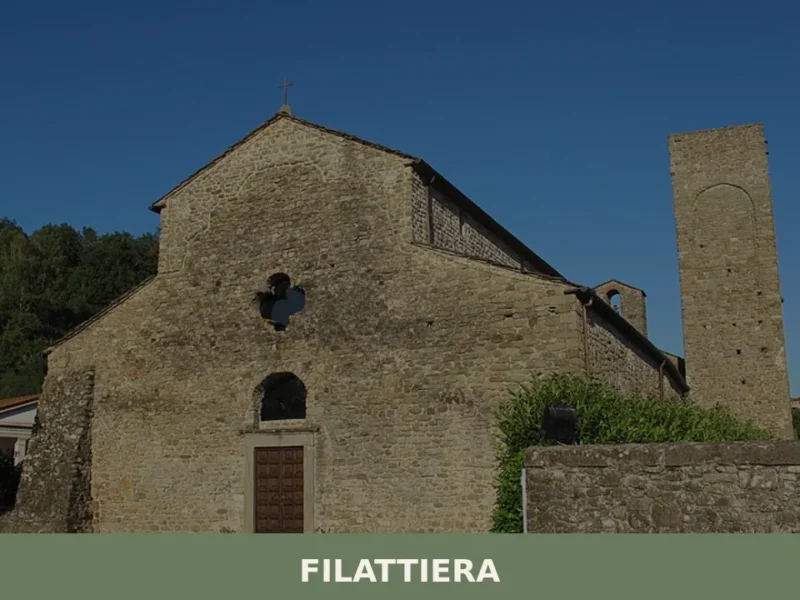
Filattiera
Filattiera first appears in written records in 884, when the name Filacteriae identified a garrison along the Via Francigena in Lunigiana. Sitting at 213 metres above sea level in the province of Massa and Carrara, this village of 2,393 inhabitants preserves prehistoric stelae, Romanesque parish churches, and a defensive layout that reflects centuries of control […]
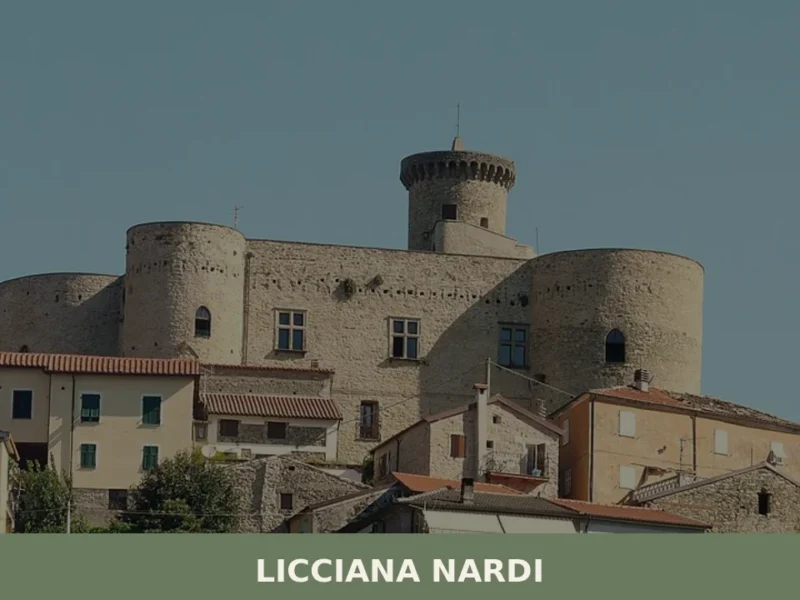
Licciana Nardi
The territory of Licciana Nardi includes six castles spread between the valley floor and the Apennine slopes, a concentration of defensive structures that documents the strategic role of this stretch of Lunigiana in controlling the routes between the Po Plain and the Tyrrhenian coast. With its 4,894 inhabitants distributed across 55 square kilometres at an […]
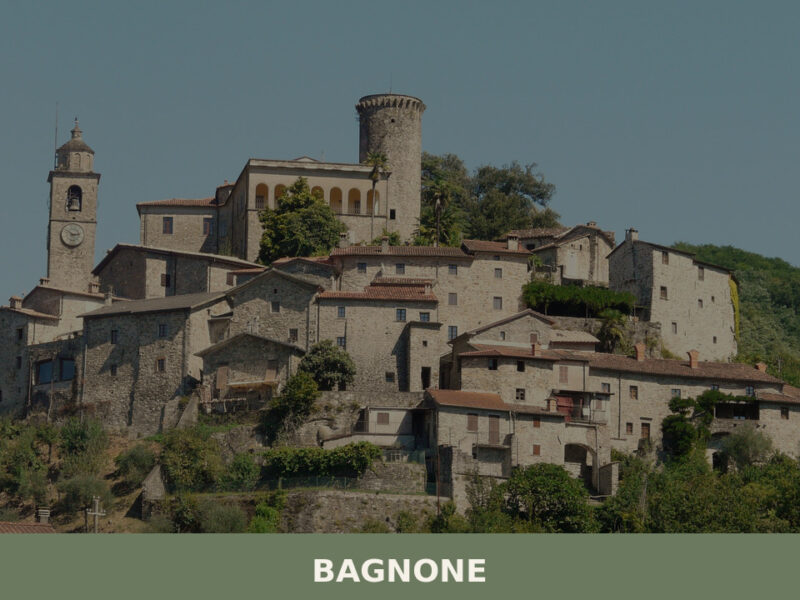
Bagnone
Morning mist lifts off the Bagnone creek and thins against stone walls that have stood since the eleventh century. The sound of water — always water — fills the narrow lanes, running beneath bridges and alongside houses built directly into the rock. With fewer than two thousand residents, this small settlement in the Massa e […]

📝 Incorrect information or updates?
Help us keep the Arezzo page accurate and up to date.