


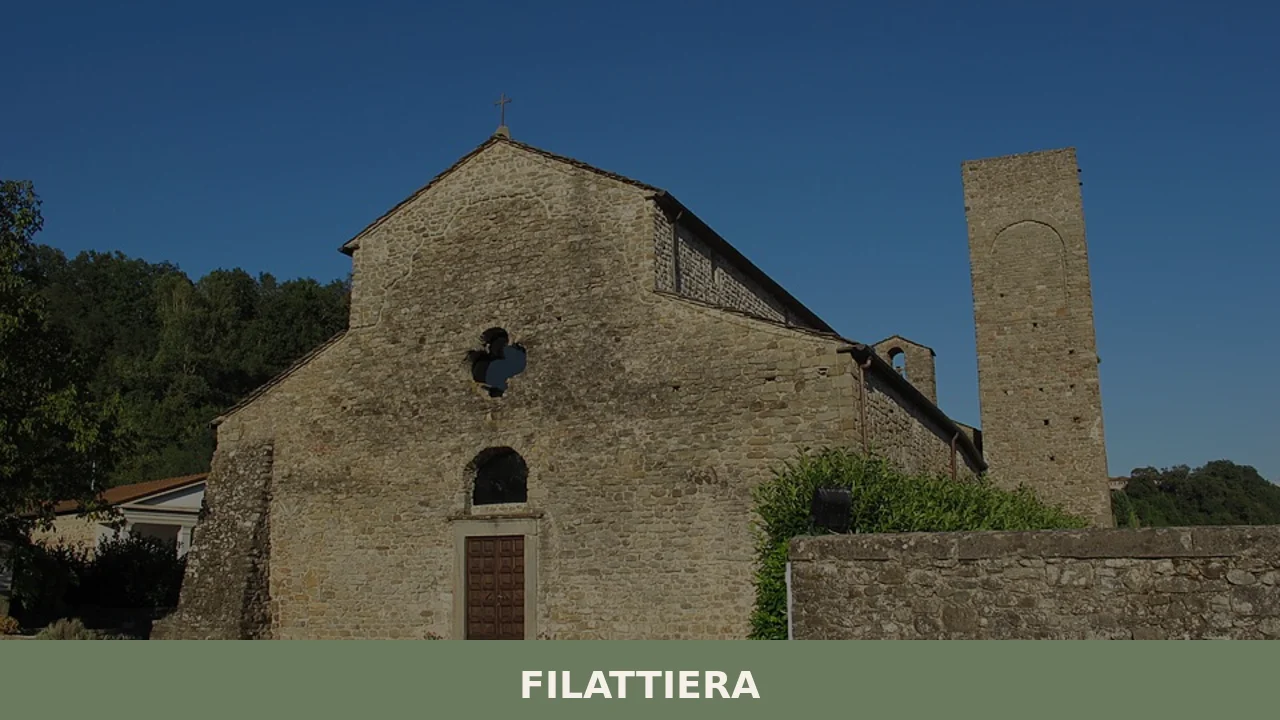
Filattiera
 Hills
Hills
Filattiera first appears in written records in 884, when the name Filacteriae identified a garrison along the Via Francigena in Lunigiana. Sitting at 213 metres above sea level in the province of Massa and Carrara, this village of 2,393 inhabitants preserves prehistoric stelae, Romanesque parish churches, and a defensive layout that reflects centuries of control […]
Discover Filattiera
Filattiera first appears in written records in 884, when the name Filacteriae identified a garrison along the Via Francigena in Lunigiana. Sitting at 213 metres above sea level in the province of Massa and Carrara, this village of 2,393 inhabitants preserves prehistoric stelae, Romanesque parish churches, and a defensive layout that reflects centuries of control over the Apennine passes. Anyone wondering what to see in Filattiera will find a privileged vantage point over the Magra valley, where the layers of history can be read in the masonry, the building materials, and the arrangement of structures along the ridge.
History and origins of Filattiera
The etymology of the name is debated among scholars. The most widely accepted theory traces it to the Byzantine term phylakterion, meaning a guard post or military garrison. Between the 6th and 7th centuries, Lunigiana was a border zone between Lombard territories and those under the control of the Eastern Roman Empire: Filattiera would have served as a defensive outpost along the corridor linking the Po Plain to coastal Tuscany. Its position on the Via Francigena — recorded in the description of the journey made in 990 by Archbishop Sigeric of Canterbury — confirmed the settlement’s strategic role for centuries.
In the Middle Ages, Filattiera was a domain of the Malaspina, the powerful feudal family that controlled much of Lunigiana. The village passed to the Spino Secco branch of the Malaspina and retained its function as a road garrison into the modern era. The parish church of Sorano, a few kilometres downhill, documents the Christianisation of the area as early as the early Middle Ages, with architectural elements dating to the 9th–12th centuries. The discovery of several anthropomorphic stelae from the Copper and Iron Ages in the surrounding area has demonstrated that human activity in the zone dates back well before the Roman period.
The patron saint of Filattiera is Saint Stephen, celebrated on 26 December. The choice of the protomartyr as patron saint is linked to the spread of his cult along medieval pilgrimage routes, a further signal of the centrality of the Via Francigena in the village’s history.
What to see in Filattiera: 5 main attractions
1. Pieve di Sorano
A Romanesque building situated along the Via Francigena route, a short distance from the village centre. The sandstone apse and carved capitals featuring plant motifs and zoomorphic figures date to the period between the 9th and 12th centuries. Inside, early medieval sculptural fragments are preserved. The parish church is a reference point for pilgrims walking the Via Francigena southward towards Rome.
2. Malaspina Castle
The fortification dominates the village from above and dates in its current form to the 13th–14th centuries, when the Spino Secco branch of the Malaspina controlled this stretch of Lunigiana. The main tower and the remains of the curtain wall reveal the defensive logic of the settlement, designed to oversee the Magra valley floor and the passages leading to the Cisa Pass.
3. Church of San Giorgio
Located within the fortified core, this church retains a sandstone portal and traces of building phases spanning from the medieval period to the modern era. Its position inside the circuit of walls indicates that the building originally functioned as the castle chapel before becoming a place of worship for the civilian community.
4. Lunigiana Stele Statues Museum (territorial section)
Filattiera is one of the discovery sites of the Lunigiana stelae, prehistoric sandstone artefacts depicting stylised human figures, datable between the 3rd and the 1st millennium BC. Some stelae found in the Filattiera territory are displayed at the Museo delle Statue Stele Lunigianesi in Pontremoli, but the discovery context — in the countryside around the village — makes visiting the original locations a useful complement to understanding these artefacts.
5. The Via Francigena route
The section of the Via Francigena crossing the territory of Filattiera connects the Cisa Pass to Pontremoli and then continues towards Aulla. The walking route passes through cultivated fields, chestnut woods, and rural hamlets where medieval hospices and parish churches can still be identified. Trail signage is maintained by the Municipal Administration in coordination with Via Francigena associations.
Traditional cuisine and local products
The food of Filattiera is that of inland Lunigiana, rooted in chestnuts, wheat flour, and produce from the garden and the forest. The most distinctive dish of the area is testaroli, discs of batter cooked on red-hot cast iron or terracotta plates called testi, then cut into diamond shapes and dressed with Genoese pesto, extra virgin olive oil, or mushroom sauce. This is one of the oldest preparations in Italian cooking based on water and flour, already documented in the Lunigiana farming tradition. Alongside testaroli, panigacci — thin flatbreads cooked between stacked testi — and torta d’erbi, made with seasonal wild greens (chard, nettles, borage) enclosed between two very thin sheets of pastry rolled out with olive oil. Farina di castagne della Lunigiana DOP (Lunigiana chestnut flour PDO) is the most significant denomination product of the area: obtained from chestnuts dried in traditional gradili (slow-fire drying houses), it is used to prepare chestnut flour fritters, castagnaccio, and pattona, a sweet chestnut polenta.
Miele della Lunigiana DOP (Lunigiana honey PDO) — in acacia and chestnut varieties — is the other protected designation product from the territory. Among cheeses, the area produces raw-milk pecorinos from small pastoral farms. Porcini mushrooms gathered in the turkey oak and chestnut forests between Filattiera and the Apennine ridge sustain a significant seasonal trade. The Sagra del Panigaccio, organised in the hamlets of the municipality, is the most popular food event: panigacci are cooked in front of visitors on stacks of wood-heated testi. The reference wine is Colli di Luni DOC, produced in the coastal strip of Lunigiana and on the neighbouring Ligurian hills, especially in the Vermentino version.
When to visit Filattiera: the best time of year
The most favourable season runs from May to October. In spring and early summer, mild temperatures — between 15 and 25 degrees — and lush vegetation make the Via Francigena route easily walkable. Autumn, from September to November, coincides with the chestnut and mushroom harvest: this is when food festivals are concentrated and the woods around the village open to foragers. The patron saint feast of Saint Stephen, on 26 December, falls in the depths of winter, when the Magra valley is often blanketed by low fog banks that leave the village’s profile emerging above the grey layer.
In summer Filattiera sees the heaviest flow of pilgrims along the Via Francigena, especially in June and July. Those planning to walk the stretch between the Cisa Pass and Pontremoli should check trail conditions on the Municipality’s website, as autumn rains can make some unpaved sections muddy.
How to reach Filattiera
By car, Filattiera is reached from the A15 Parma–La Spezia motorway, Pontremoli exit, continuing for about 8 kilometres southward along the regional road 62 della Cisa. From Milan the distance is approximately 200 kilometres (2 hours and 30 minutes), from Florence approximately 170 kilometres (2 hours and 15 minutes), from Parma approximately 100 kilometres (1 hour and 20 minutes), and from La Spezia approximately 55 kilometres (50 minutes).
The nearest railway station is Filattiera, on the Pontremolese line (Parma–La Spezia), served by regional trains. The closest airport is Pisa-Galileo Galilei, approximately 120 kilometres away. Parma airport is an alternative for those coming from the north, at roughly 110 kilometres.
What to see in Filattiera and in nearby Lunigiana villages
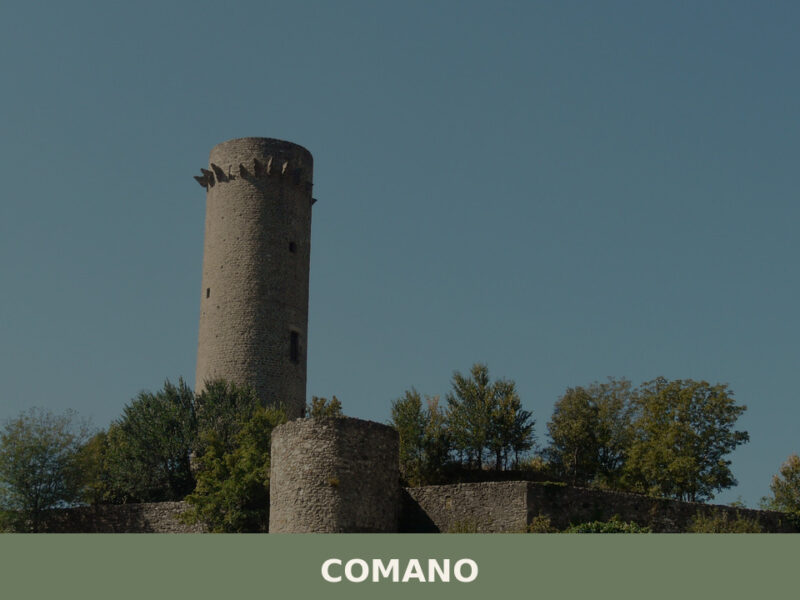
Lunigiana is a territory where distances between one village and the next are measured in bends and elevation changes rather than in kilometres. Southeast of Filattiera, heading up the lateral valleys of the Magra, you reach Comano, a scattered mountain municipality at about 550 metres of altitude. Here the rural stone architecture and the hamlet clusters dispersed among the woods document a settlement pattern different from Filattiera’s, less tied to the Via Francigena and more oriented towards pastoral and forestry economies.
To the west, towards the Apuan Alps, Casola in Lunigiana occupies a hinge position between the river-valley Lunigiana and the Apuan highlands. The village is known for the production of marocca di Casola, a bread made from chestnut flour, potatoes, and a small amount of wheat flour, recognised as a Slow Food Presidium. Combining a visit to Filattiera with Comano and Casola means crossing three different micro-environments — the valley floor, the inner mountains, and the Apuan slope — within a radius of about thirty kilometres.
Frequently asked questions about Filattiera
What is the best time to visit Filattiera?
The ideal window runs from May to October. Spring and early summer offer mild temperatures between 15 and 25 degrees, perfect for walking the Via Francigena stretch between the Cisa Pass and Pontremoli. Autumn (September–November) is the season for chestnut and porcini mushroom harvests, with local food festivals concentrated in this period. The feast of the patron saint Stephen falls on 26 December, a winter visit when morning fog often fills the Magra valley, leaving the village ridge dramatically visible above the grey layer.
What are the historical origins of Filattiera?
Filattiera first appears in documents in 884 under the name Filacteriae. The name most likely derives from the Byzantine term phylakterion, meaning a military garrison, reflecting the village's role as a defensive outpost in a border zone between Lombard and Eastern Roman territories during the 6th–7th centuries. The settlement's position on the Via Francigena, recorded during Archbishop Sigeric of Canterbury's journey in 990, confirmed its strategic importance. In the Middle Ages it became a domain of the Malaspina family, specifically the Spino Secco branch.
What to see in Filattiera? Main monuments and landmarks
The five key sites are: the Romanesque Pieve di Sorano, a Via Francigena reference point with 9th–12th century carved sandstone details; the Malaspina Castle, whose 13th–14th century tower overlooks the Magra valley; the Church of San Giorgio, set within the fortified core with a medieval sandstone portal; the discovery context of the Lunigiana stelae, prehistoric anthropomorphic sandstone figures now displayed at the Museo delle Statue Stele Lunigianesi in Pontremoli; and the waymarked Via Francigena trail through chestnut woods and medieval hamlets.
What are the main natural or scenic attractions of Filattiera?
The territory of Filattiera offers chestnut and turkey oak forests between the village and the Apennine ridge, significant for seasonal mushroom and chestnut gathering. The Via Francigena walking route crosses cultivated fields, wooded slopes, and rural hamlets. The elevated position at 213 metres provides open views over the Magra valley floor. The surrounding landscape spans three distinct micro-environments within roughly thirty kilometres: the valley floor around Filattiera, the inner mountain terrain of Comano, and the Apuan slope near Casola in Lunigiana.
Where to take the best photos in Filattiera?
The best vantage point is the Malaspina Castle, which rises above the village and offers wide views over the Magra valley and the Apennine passes. The sandstone apse of the Pieve di Sorano provides excellent architectural photography in soft morning light. In autumn, the chestnut and oak woods surrounding the village offer colourful landscape shots. On clear winter mornings, the sight of the village profile emerging above the fog banks that fill the valley floor is one of Lunigiana's most distinctive visual experiences.
Are there museums, churches or historic buildings to visit in Filattiera?
The principal historic buildings are the Pieve di Sorano (9th–12th centuries, open to visitors along the Via Francigena route), the Malaspina Castle with its 13th–14th century tower and curtain wall remains, and the Church of San Giorgio inside the fortified village core. For the Lunigiana stelae found in Filattiera's territory, the dedicated museum is the Museo delle Statue Stele Lunigianesi in nearby Pontremoli. Specific opening hours for Filattiera's monuments should be verified directly with the Municipal Administration.
What can you do in Filattiera? Activities and experiences
Walking the Via Francigena is the primary activity: the signposted section links the Cisa Pass to Pontremoli and passes through Filattiera's territory. In autumn, organised mushroom and chestnut gathering in the surrounding forests is a local tradition. The Sagra del Panigaccio, held in the municipality's hamlets, allows visitors to watch panigacci being cooked on stacked heated testi. Combining Filattiera with nearby Comano and Casola in Lunigiana creates a circular cultural route covering three distinct landscapes within a thirty-kilometre radius.
Who is Filattiera suitable for?
Filattiera suits walkers and pilgrims following the Via Francigena, who can use the village as a stage between the Cisa Pass and Pontremoli. History and archaeology enthusiasts will appreciate the Malaspina Castle, the Romanesque Pieve di Sorano, and the stele discovery sites. Food tourists interested in traditional Lunigiana products — testaroli, panigacci, chestnut flour PDO, honey PDO — will find genuine local experiences. The relatively compact terrain and accessible trails also make it suitable for couples and slow-travel visitors seeking quiet, uncrowded Apennine scenery.
What to eat in Filattiera? Local products and specialties
The local table is rooted in Lunigiana's inland tradition. Testaroli — batter discs cooked on cast iron testi, cut into diamonds and dressed with pesto or mushroom sauce — are the most distinctive first course. Panigacci are thin flatbreads cooked between stacked heated testi. Torta d'erbi encloses wild greens such as chard, nettles, and borage in oil-rolled pastry. Protected designation products include Farina di Castagne della Lunigiana DOP and Miele della Lunigiana DOP in acacia and chestnut varieties. Porcini mushrooms from local forests and raw-milk pecorino from small farms complete the picture.
Nearby Villages near Filattiera
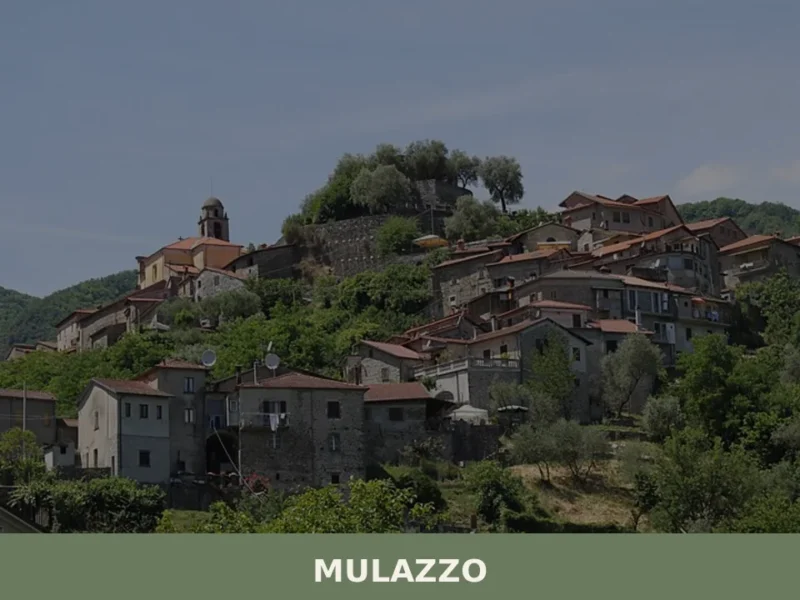
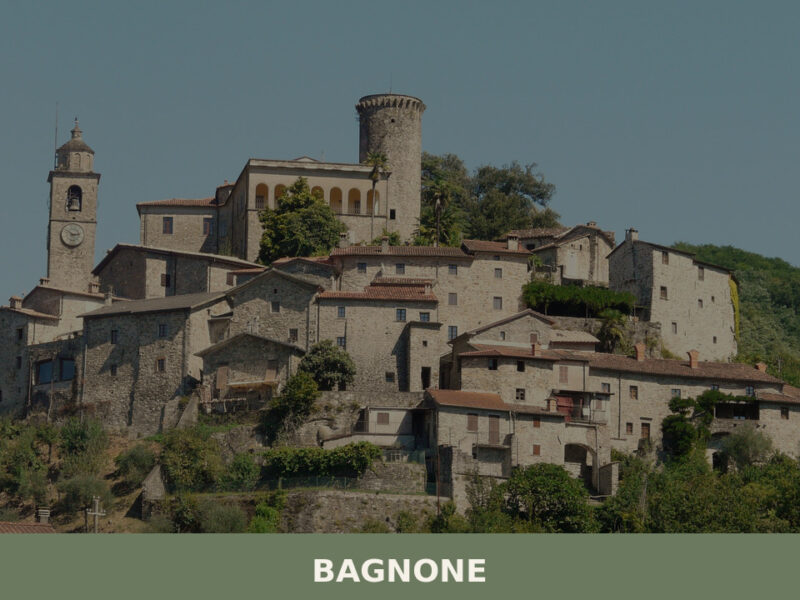
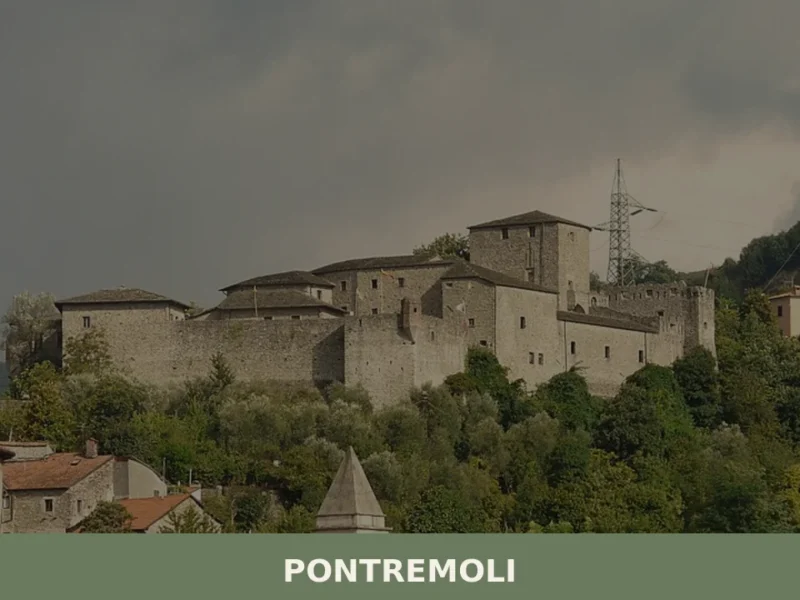
In Tuscany More villages to discover
Siena
Hills
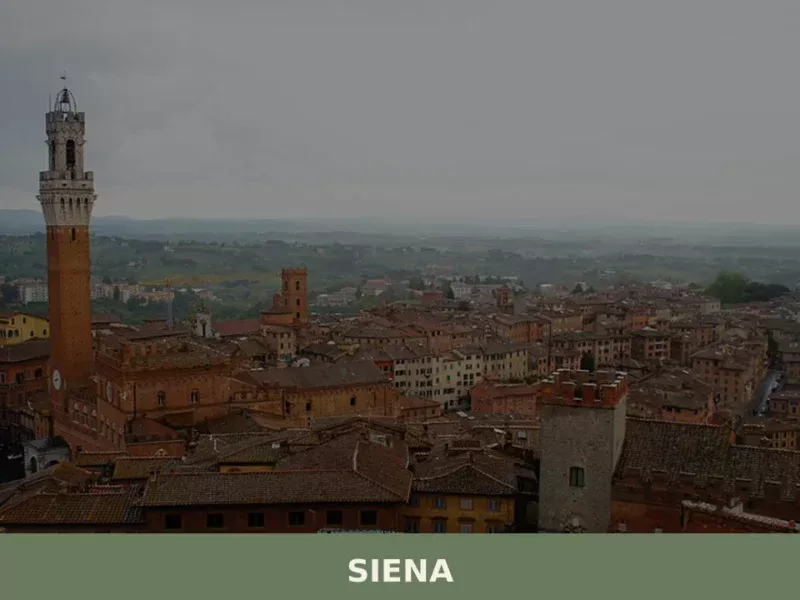
What to see in Siena: UNESCO centre at 322 m, population 52,883. Explore Piazza del Campo, the Cathedral, the Palio, and local foods like panforte and pici. Plan your visit.
Pitigliano
 Sea
Sea
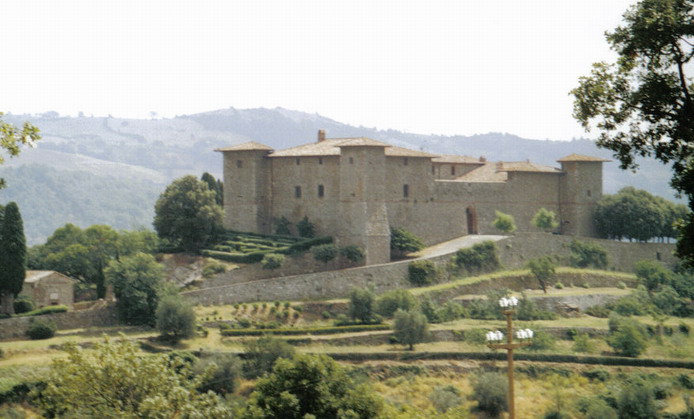
What to see in Pitigliano, Italy: a tufa-rock town 80 km from Grosseto with a 1598 synagogue, Etruscan cuts, and Orsini Fortress. Discover the complete guide.
Abbadia San Salvatore
 Mountain
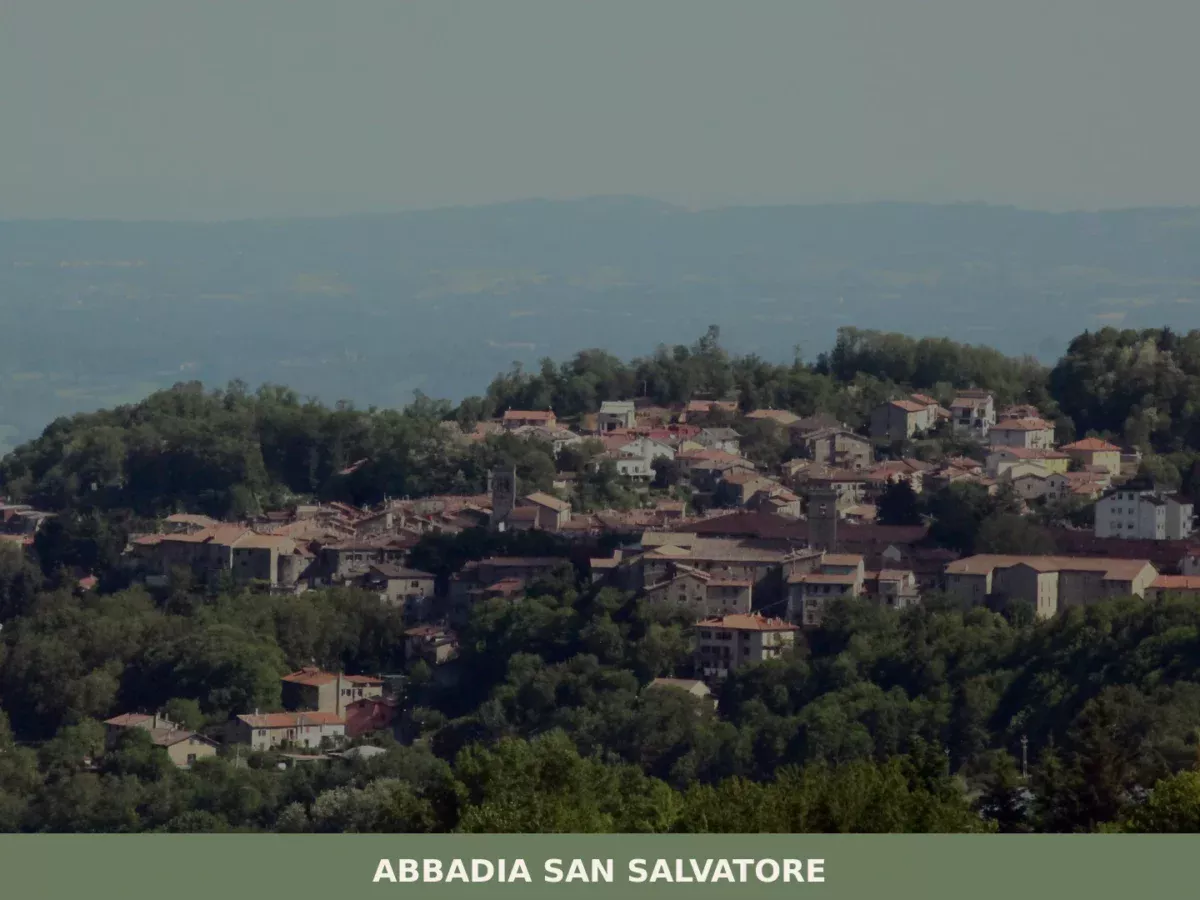
Discover what to see in Abbadia San Salvatore: the Lombard abbey, medieval borgo, mercury mining museum and Monte Amiata. Practical travel guide for Siena province.
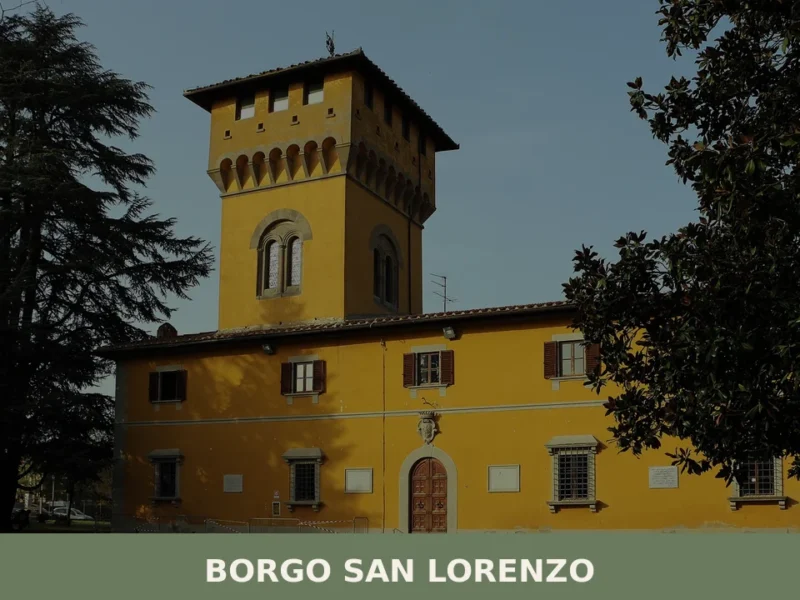
Borgo San Lorenzo
 Plains
What to see in Borgo San Lorenzo, Italy: top attractions, local food, and how to get there. 20 km from Florence, 193 m altitude. Discover the Mugello valley.
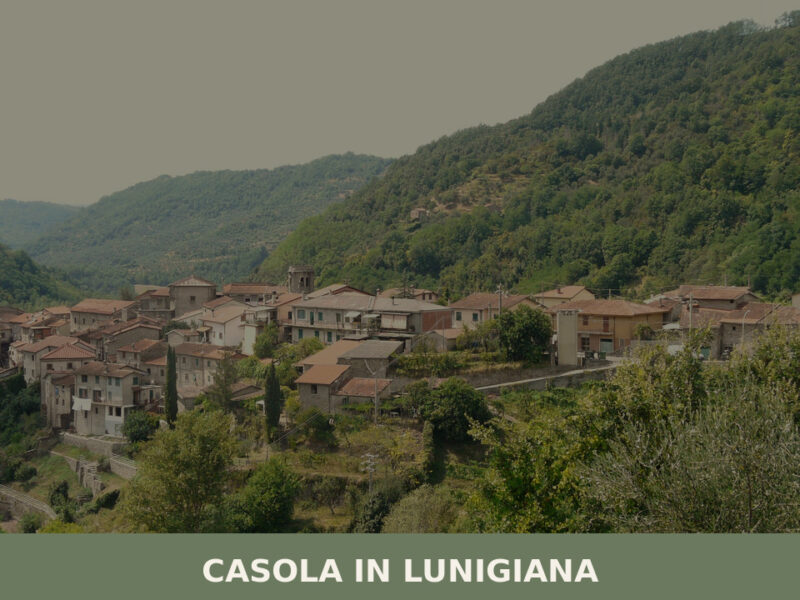
Casola in Lunigiana
Hills
Morning fog lifts slowly from the Aulella valley, revealing stone walls the colour of dried clay and a bell tower that has marked the hours here for centuries. The air carries woodsmoke and the faint mineral scent of chestnut groves climbing the surrounding slopes. With roughly one thousand inhabitants, Casola in Lunigiana remains one of […]
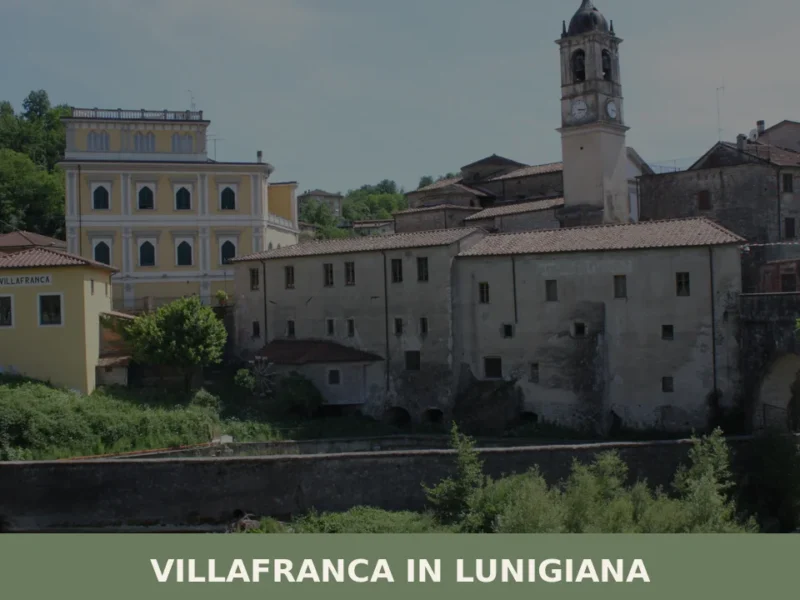
Villafranca in Lunigiana
Plains
What to see in Villafranca in Lunigiana: explore the Via Francigena, medieval churches and local cuisine in Toscana, Italy. Population 4,803. Discover it now.
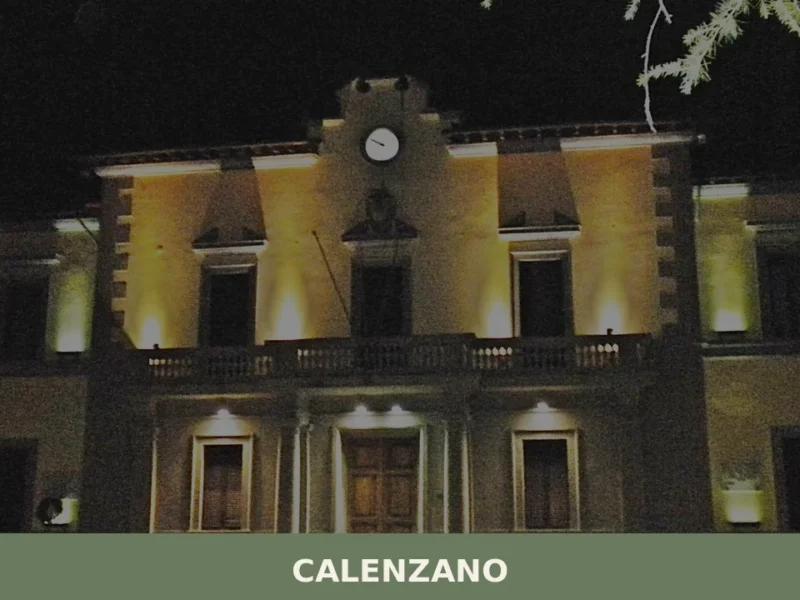
Calenzano
Plains
What to see in Calenzano, Italy: 5 top attractions, medieval churches, Renaissance art, and practical tips. 11 km from Florence. Discover Calenzano, Toscana.
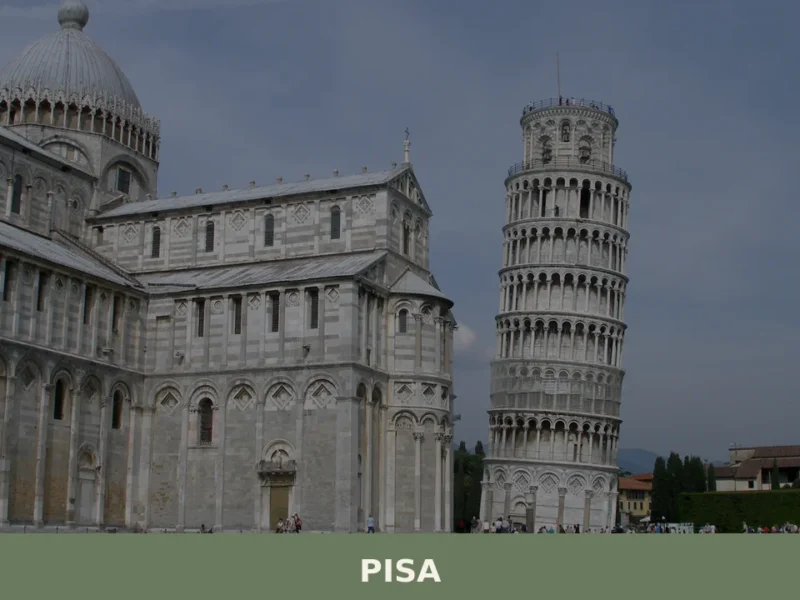
Pisa
Sea
What to see in Pisa: Leaning Tower, UNESCO Piazza dei Miracoli, Regata di San Ranieri on 17 June — city of 86,263. Plan your visit with our complete guide.
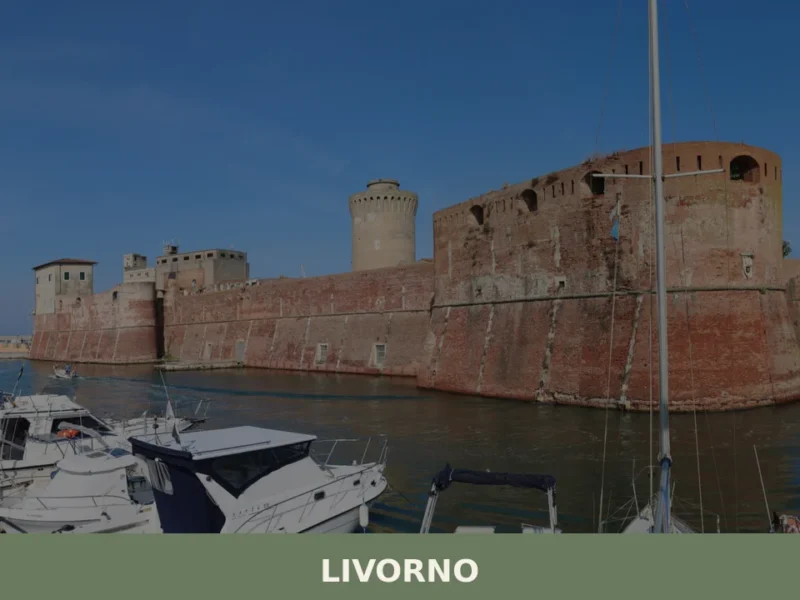
Livorno
Sea
What to see in Livorno, a port city of 157,000 on the Tyrrhenian coast: Fortezza Vecchia, Quartiere Venezia, cacciucco, Terrazza Mascagni. Plan your visit now.
Bagni di Lucca
Plains
A comune of 5,560 residents in Lucca province, Bagni di Lucca centres on warm springs and the Serchio river corridor. Its identity rests on water and geology.




🏡 Know Filattiera better than we do?
If you’re a local or have been there, your knowledge matters: add what’s missing or fix a detail on this page.