


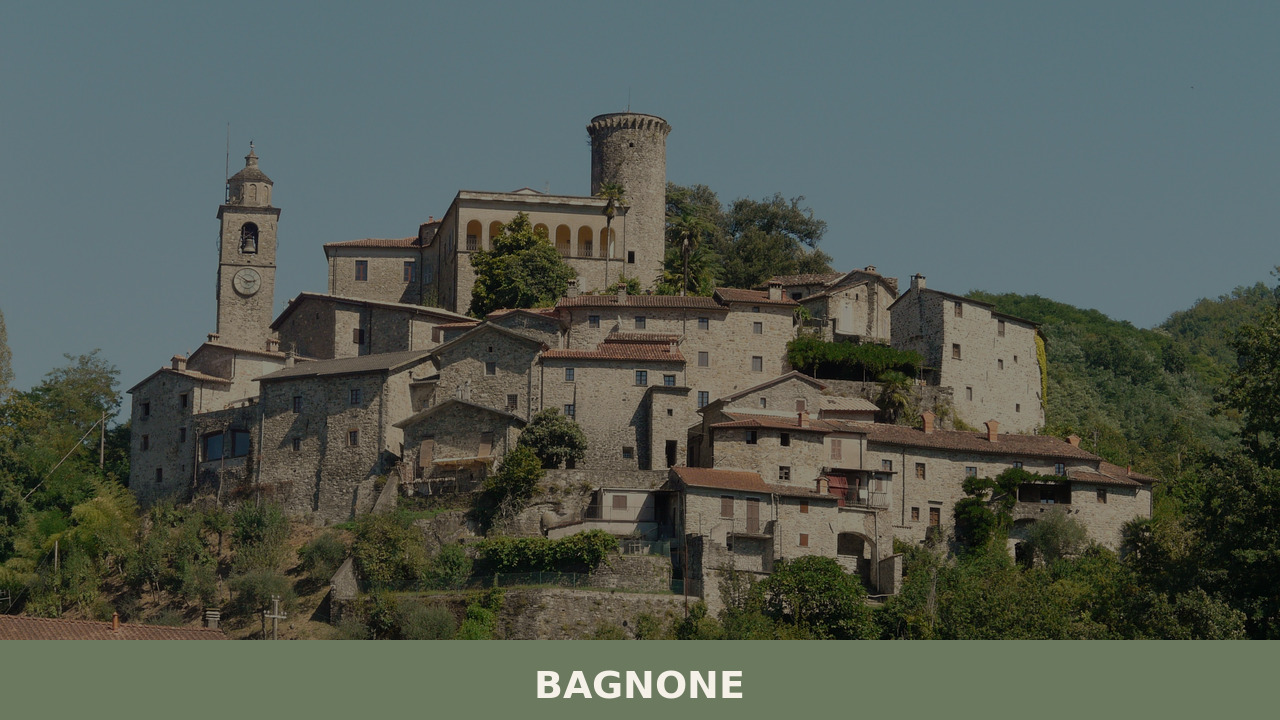
Bagnone
 Hills
Hills
Morning mist lifts off the Bagnone creek and thins against stone walls that have stood since the eleventh century. The sound of water — always water — fills the narrow lanes, running beneath bridges and alongside houses built directly into the rock. With fewer than two thousand residents, this small settlement in the Massa e […]
Discover Bagnone
Morning mist lifts off the Bagnone creek and thins against stone walls that have stood since the eleventh century. The sound of water — always water — fills the narrow lanes, running beneath bridges and alongside houses built directly into the rock. With fewer than two thousand residents, this small settlement in the Massa e Carrara province of northern Tuscany keeps a rhythm closer to the medieval than the modern. Understanding what to see in Bagnone begins here, at the intersection of river and ridge, where the village folds itself around a castle tower visible from every angle.
History of Bagnone
The name likely derives from the Latin balneum, meaning bath, a reference to the thermal waters once found in the area surrounding the creek. Documentary evidence of the settlement dates to the early eleventh century, when the Malaspina family — a powerful feudal dynasty that controlled much of the Lunigiana — established dominion over the territory. The castle that still rises above the village rooftops was their stronghold, a watchtower and administrative seat from which they governed trade routes linking the Po Valley to the Ligurian coast.
Bagnone’s position along these routes gave it a significance disproportionate to its size. By the fifteenth century, it had come under Florentine influence as the Medici expanded their reach into the Lunigiana. The village became a marketplace and stopover, its streets structured around a central piazza where merchants and mule drivers converged. The parish church was rebuilt during this period, and the settlement acquired the layered architectural character — Romanesque foundations, Renaissance additions, Baroque embellishments — that defines it today.
During the Second World War, the surrounding mountains became a refuge for partisan fighters resisting the German occupation. The Lunigiana’s rugged terrain provided natural cover, and villages like Bagnone served as supply points for the resistance. This chapter remains a part of local memory, commemorated in plaques and oral histories that villagers still share. For a broader understanding of the region’s feudal past, the Lunigiana entry on Wikipedia offers useful context.
What to see in Bagnone: 5 must-visit attractions
1. Castello di Bagnone
The castle sits at the village’s highest point, its cylindrical tower dating to the Malaspina era. The structure was modified repeatedly between the twelfth and sixteenth centuries, leaving visible layers of construction in its stonework. From the base of the tower, the view extends across terracotta rooftops to the chestnut-covered slopes of the Apennines. The building is privately owned, but the exterior and its surroundings are freely accessible.
2. Chiesa di San Niccolò
The parish church faces the main piazza with a plain sandstone façade that conceals a more elaborate interior. Inside, a marble altarpiece attributed to local craftsmen and several painted panels from the sixteenth century line the nave. The wooden ceiling, darkened by centuries of candle smoke, retains its original beams. Sunday mass still draws a significant portion of the village’s population.
3. The Old Bridge and River Walk
A medieval humpback bridge spans the Bagnone creek at the village’s lower edge, its single arch reflected in the water below. From here, a footpath follows the creek upstream, passing stone washhouses that women used within living memory. The sound of the current against polished rock is constant. In summer, shallow pools collect beneath the bridge where children wade.
4. Piazza Roma
The central square functions as Bagnone’s living room. A weekly market still operates here, and the surrounding buildings — a former palazzo, the church, a handful of bars — create an enclosed space that amplifies conversation and footsteps. The proportions are intimate rather than grand: this is a piazza built for a community of hundreds, not thousands, and that human scale is precisely its quality.
5. The Historic Centre’s Narrow Lanes
Above the piazza, the oldest part of the village climbs steeply toward the castle through a network of stone alleys, covered passageways, and external staircases. Houses are built so closely together that neighbours on upper floors could, and reportedly did, pass objects across the gap. Doors are low, windows asymmetrical, and the stonework reveals centuries of repair — each generation adding its own mortar to the one before.
Local food and typical products
The Lunigiana’s kitchen is mountain food, shaped by chestnut forests and limited arable land. In Bagnone, testaroli — thick, crêpe-like discs of batter cooked on a hot stone and then boiled — remain the defining dish, dressed simply with pesto or olive oil. Panigacci, small rounds of unleavened bread cooked between terracotta plates over embers, appear at nearly every communal meal. Chestnut flour, once the staple carbohydrate of the poor, is still used in castagnaccio (a dense, flat cake) and necci (thin wraps filled with fresh ricotta). Local honeys, often gathered from hives set among acacia and wildflower meadows, carry the flavour of the surrounding hillsides.
Several small restaurants and trattorie near the piazza serve these dishes in portions calibrated for regular customers rather than passing tourists. Wild mushroom foraging is serious business in autumn, and porcini appear on menus from September onward. The province of Massa e Carrara also produces notable wines and extra-virgin olive oil from the Candia dei Colli Apuani DOC zone nearby, though Bagnone itself sits above the optimal altitude for vine cultivation.
Best time to visit Bagnone
Late spring — May and early June — brings warm days without the heat that settles into the valley in July and August. The chestnut trees are in full leaf, the creek runs high from snowmelt, and the village’s rhythms are unhurried. Autumn, particularly October, is equally compelling: the forests above Bagnone turn copper and gold, the mushroom and chestnut harvests draw foragers into the hills, and local sagre (food festivals) offer a chance to eat communally at long tables set up in the piazza or along the streets.
August sees an influx of returning emigrants and their descendants, particularly from families who left for America, Britain, and Australia in the twentieth century. The village population temporarily swells, and evening passeggiata along the main street takes on a festive character. Winters are cold and quiet, with occasional snow above 500 metres. For those who prefer solitude and wood-smoke air, January and February offer Bagnone at its most private.
How to get to Bagnone
By car, Bagnone is reached via the A15 motorway (Parma–La Spezia), exiting at Pontremoli and following the SP62 south for approximately 10 kilometres. From Florence, the drive takes around two hours (170 km); from Pisa, roughly 90 minutes (120 km). The nearest international airport is Pisa Galileo Galilei (PSA), with connections across Europe. Genoa’s Cristoforo Colombo airport is a similar distance to the northwest.
The nearest railway station is Villafranca-Bagnone, served by regional trains on the Parma–La Spezia line. Trains run several times daily, though schedules thin on Sundays and holidays. From the station, the village centre is approximately 3 kilometres — reachable by local bus or taxi, though services are infrequent. Having a car provides considerably more flexibility for exploring the wider Lunigiana.
More villages to discover in Toscana
The Lunigiana is dense with small settlements, each shaped by the same forces — river, mountain, feudal power — but each with its own particular character. North of Bagnone, the town of Pontremoli sits at the confluence of the Magra and Verde rivers, its elegant baroque centre and famous stele statues museum offering a counterpoint to Bagnone’s more compact, medieval identity. It is the Lunigiana’s cultural capital, and a visit there deepens any understanding of the region.
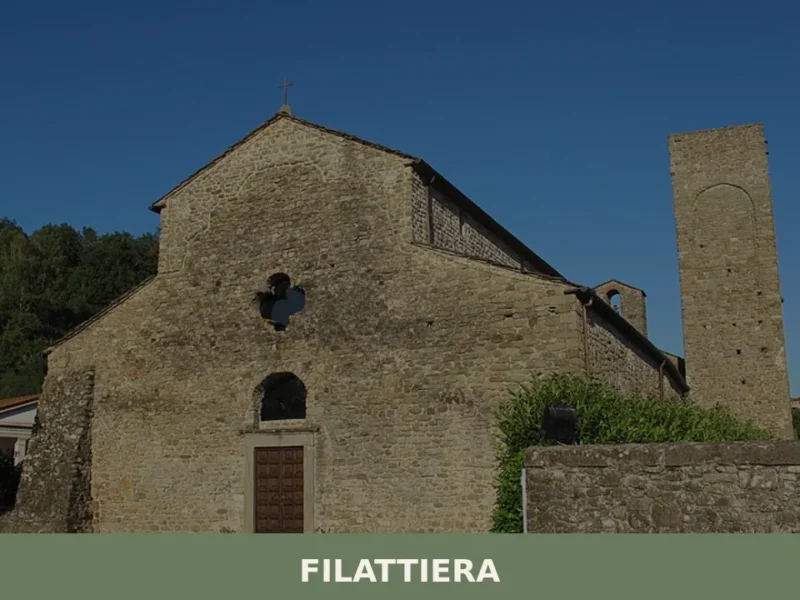
To the south, the smaller village of Filattiera preserves one of the finest Romanesque churches in the valley, the Pieve di Sorano, standing alone in fields outside the village walls. Together, these settlements trace a path along the Magra river valley that functions as an open-air archive of a thousand years of Tuscan mountain life. The Visit Tuscany regional tourism board provides further itineraries for exploring the area.
Frequently asked questions about Bagnone
What is the best time to visit Bagnone?
Late spring (May–early June) offers warm days, full chestnut canopy, and a high-running creek without summer heat. October is equally rewarding: autumn foliage, porcini mushroom season, and local sagre with communal dining in Piazza Roma. August brings a festive atmosphere as emigrant families return, swelling the village population temporarily. December 6th marks the feast of patron saint San Nicola, a quieter local celebration worth timing a visit around. January and February suit those seeking solitude — cold, woodsmoke-scented, and uncrowded.
What are the historical origins of Bagnone?
Bagnone's name likely derives from the Latin balneum (bath), referencing thermal waters near the creek. Documentary evidence dates to the early eleventh century, when the Malaspina family — the dominant feudal dynasty of the Lunigiana — built the castle and controlled trade routes between the Po Valley and the Ligurian coast. By the fifteenth century, Florentine and Medici influence reshaped the village into a market stopover, layering Renaissance and Baroque elements onto Romanesque foundations. During World War II, the surrounding mountains sheltered partisan fighters resisting German occupation.
What to see in Bagnone? Main monuments and landmarks
The Castello di Bagnone, a Malaspina-era cylindrical tower at the village's highest point, is freely accessible from outside and offers panoramic views over Apennine chestnut slopes. The Chiesa di San Niccolò on Piazza Roma features a sixteenth-century marble altarpiece and original darkened timber ceiling. A medieval single-arch bridge spans the Bagnone creek at the village's lower edge. Above the piazza, a steep network of covered stone alleys leads toward the castle through one of the best-preserved medieval centres in the Lunigiana.
What are the main natural or scenic attractions of Bagnone?
The Bagnone creek is the village's defining natural feature — a footpath follows it upstream from the medieval bridge, passing stone washhouses and shallow summer pools. The surrounding Apennine slopes are covered in chestnut and mixed forest, intensely coloured in October. The hills above 500 metres receive occasional winter snow. The wider Lunigiana valley, accessible by car, offers river confluences, forested ridgelines, and the Magra river corridor — an open landscape that rewards both hikers and scenic drives.
Where to take the best photos in Bagnone?
The medieval humpback bridge over the Bagnone creek offers a classic composition: the single stone arch reflected in still water, with the village rising behind it. From the base of the castle tower, rooftops cascade over terracotta tiles toward chestnut-covered slopes. Piazza Roma, compact and enclosed, photographs well in morning light before market stalls are packed away. The covered stone alleys of the upper historic centre — low doors, asymmetrical windows, centuries of layered mortar — reward close-up architectural photography at any hour.
Are there museums, churches or historic buildings to visit in Bagnone?
The Chiesa di San Niccolò, facing Piazza Roma, is the principal religious building — its plain sandstone exterior conceals sixteenth-century painted panels, a marble altarpiece, and original timber ceiling beams. Sunday mass remains well attended by villagers. The Castello di Bagnone is privately owned; the exterior and tower surroundings are freely accessible. The historic centre itself functions as an open-air architectural archive, with Romanesque foundations, Renaissance modifications, and Baroque additions visible in continuous succession along the stone lanes.
What can you do in Bagnone? Activities and experiences
Walking the creek-side footpath from the medieval bridge upstream is the village's most accessible outdoor activity. Autumn mushroom foraging in the surrounding chestnut forests is a serious local pursuit, with porcini appearing on restaurant menus from September onward. The weekly market in Piazza Roma offers local produce and a genuine glimpse of village commerce. Food-focused visitors can seek out testaroli and panigacci at trattorie near the piazza. Day trips along the Magra valley connect Bagnone to Pontremoli's stele museum and the Romanesque Pieve di Sorano at Filattiera.
Who is Bagnone suitable for? Families, couples, hikers, solo travelers?
Bagnone suits travellers who value authenticity over infrastructure. Couples and slow-travel enthusiasts will appreciate the medieval lanes, creek-side walks, and intimate piazza. Food lovers come for testaroli, panigacci, chestnut dishes, and autumn mushroom season. Hikers use the village as a base for Apennine trails and the Magra valley. Families with older children can manage the steep historic centre comfortably. It is less suited to those seeking beaches, nightlife, or extensive museum circuits — the appeal is quiet, textured, and unhurried.
What to eat in Bagnone? Local products and specialties
Testaroli — thick, crêpe-like discs cooked on hot stone then boiled and dressed with pesto or olive oil — are the defining dish of the Lunigiana and appear regularly in Bagnone's trattorie. Panigacci, small unleavened rounds cooked between terracotta plates over embers, accompany most communal meals. Chestnut flour underpins castagnaccio (a dense flat cake) and necci (thin wraps filled with ricotta). Local hillside honeys, porcini mushrooms in autumn, and extra-virgin olive oil from the nearby Candia dei Colli Apuani DOC zone round out the local table.
Nearby Villages near Bagnone
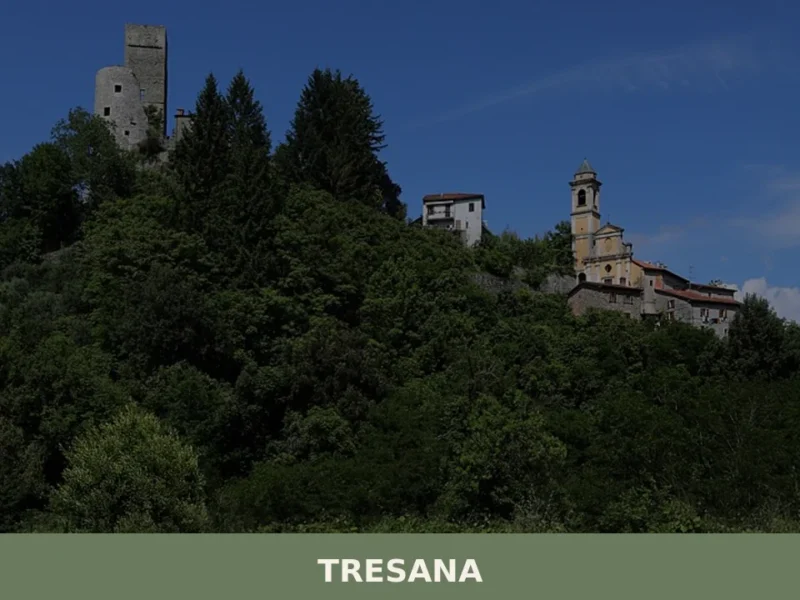
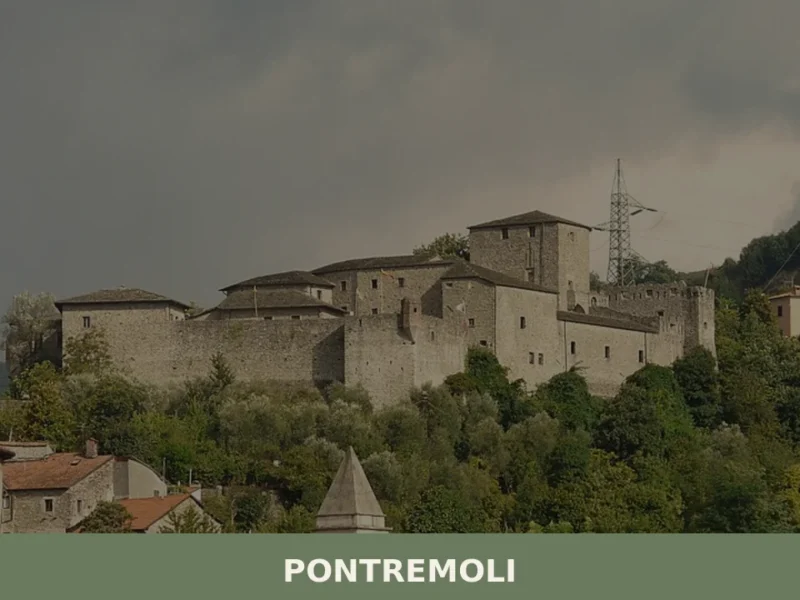
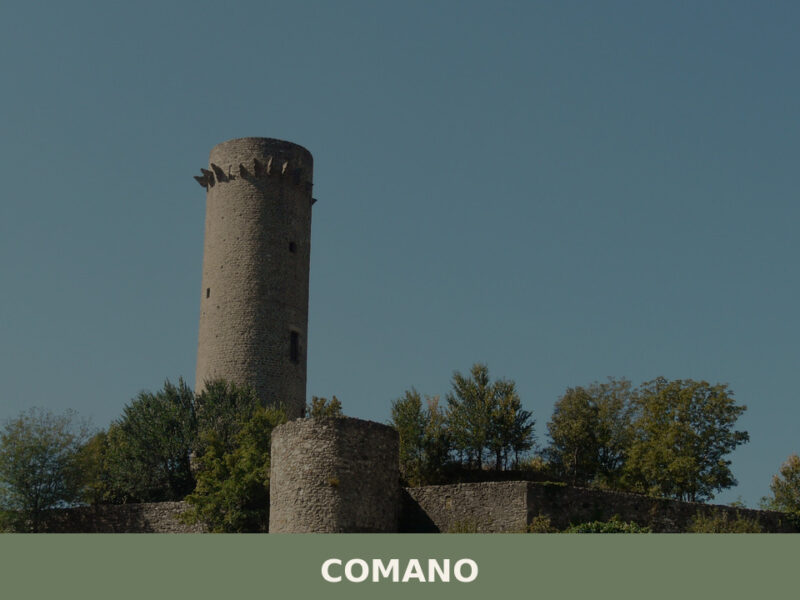
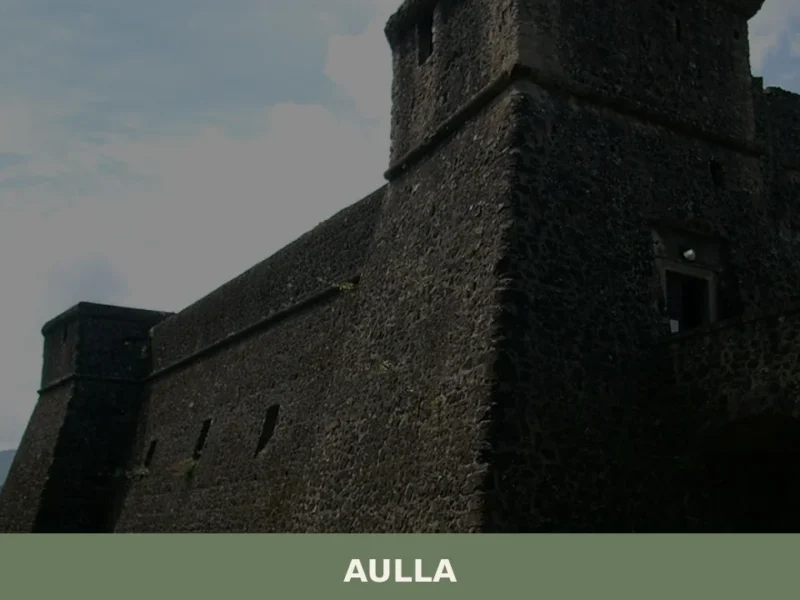
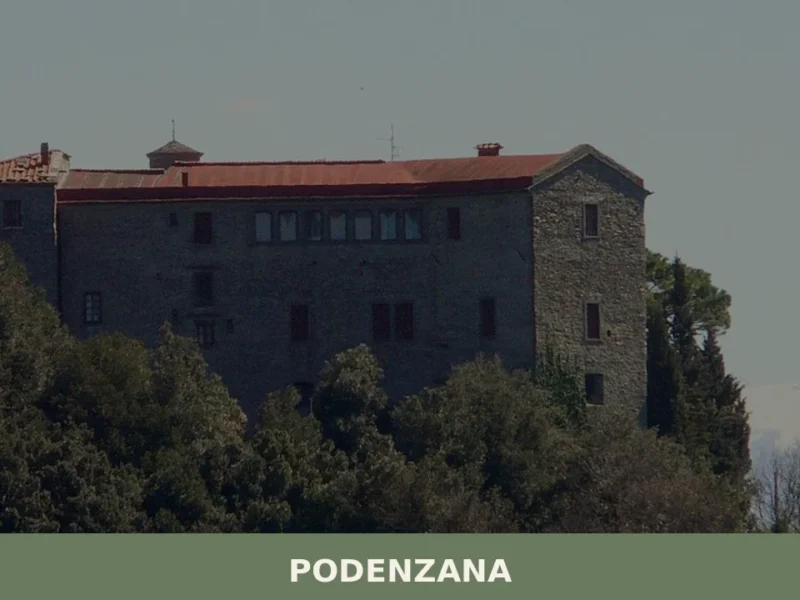
In Tuscany More villages to discover
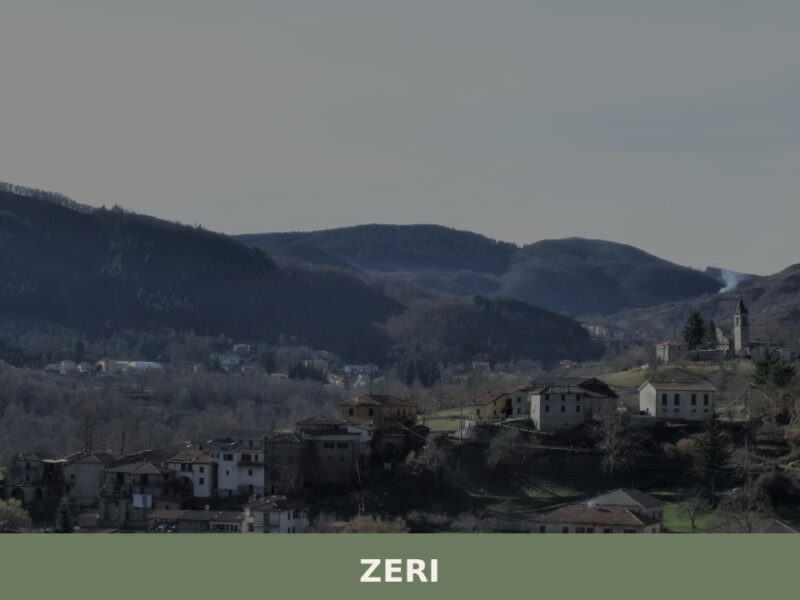
Zeri
 Mountain
Morning mist lifts slowly from the Lunigiana valley floor, revealing a scattering of stone hamlets across green ridgelines that roll toward the Ligurian border. The air carries wood smoke and the distant sound of cowbells — the famed Zerasca breed still grazes these highlands. Zeri, a municipality of 1,166 inhabitants in the province of Massa […]
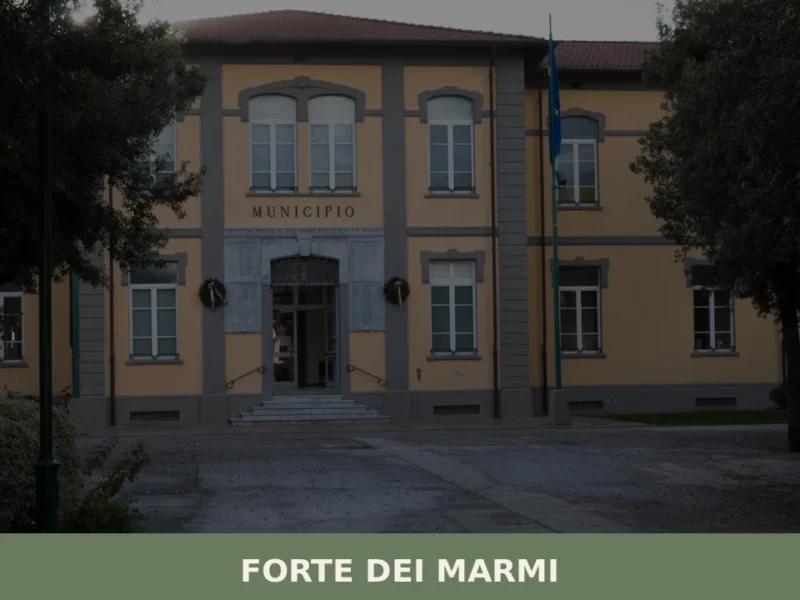
Forte dei Marmi
 Sea
Sea
What to see in Forte dei Marmi, Italy: the 1788 fortress, sandy beaches, satirical art museum and weekly market. Population 7,619. Explore the full guide.
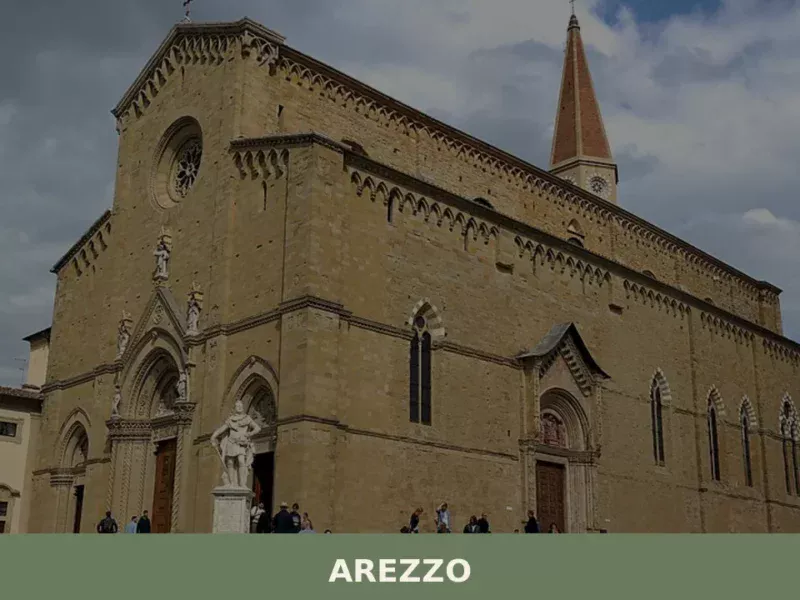
Arezzo
Hills
Discover Arezzo, a charming village in Tuscany, Italy. Explore its rich history, stunning architecture, and vibrant culture nestled in the heart of Toscana.

Vicchio
Hills
A Florentine village of 8,000 souls in the Mugello Valley, Vicchio gave the world two painters who transformed Italian art. Medieval towers, sacred art museums and Etruscan archaeology define its landscape.
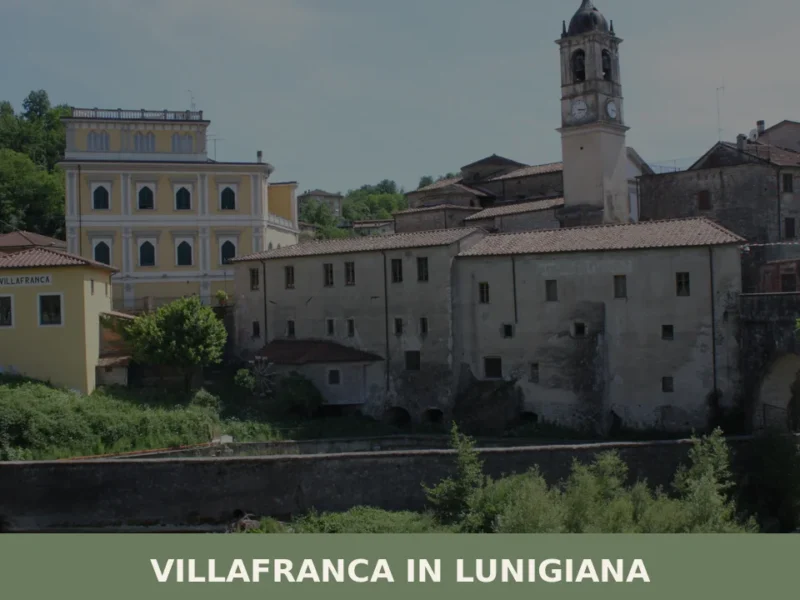
Villafranca in Lunigiana
 Plains
What to see in Villafranca in Lunigiana: explore the Via Francigena, medieval churches and local cuisine in Toscana, Italy. Population 4,803. Discover it now.
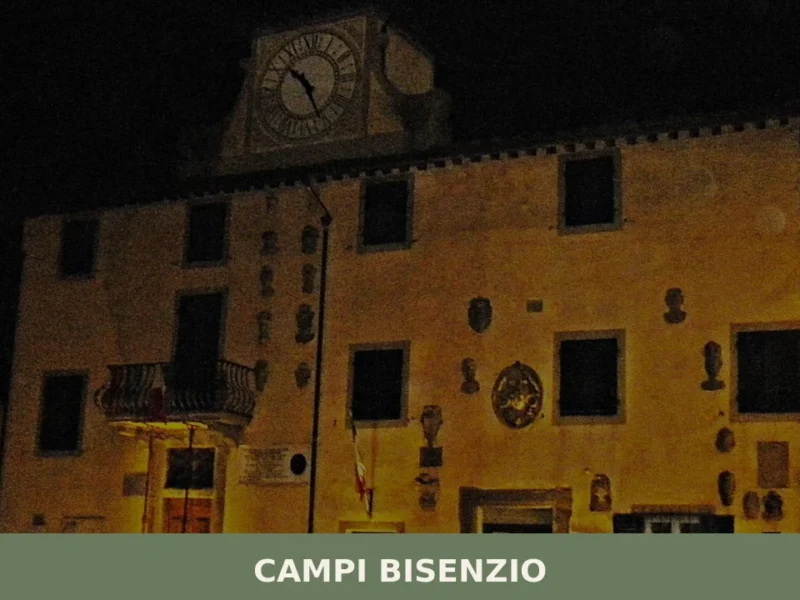
Campi Bisenzio
Plains
What to see in Campi Bisenzio, Italy: 43,580 inhabitants, 10 km from Florence. Discover the birthplace of the internal combustion engine, Renaissance art and more.
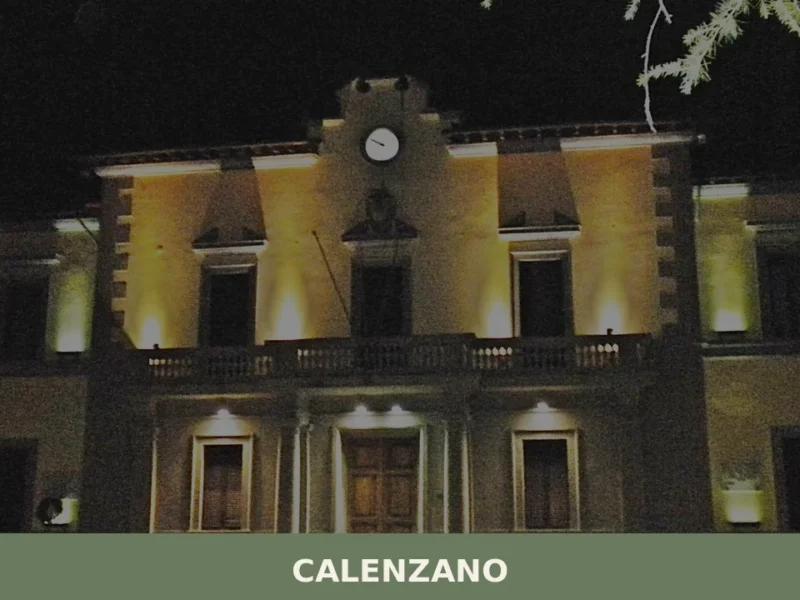
Calenzano
Plains
What to see in Calenzano, Italy: 5 top attractions, medieval churches, Renaissance art, and practical tips. 11 km from Florence. Discover Calenzano, Toscana.
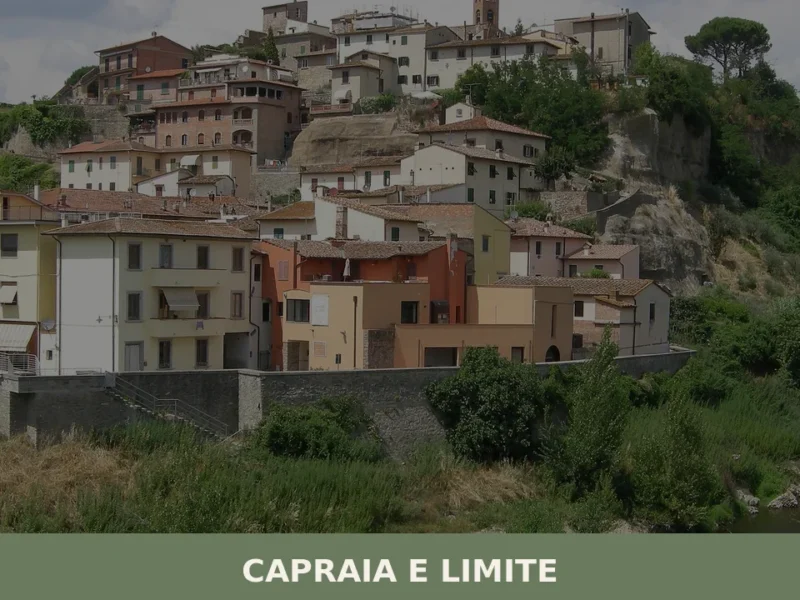
Capraia e Limite
Plains
The Arno moves slowly past the low embankment at Limite sull’Arno, its surface carrying the same grey-green light it has carried for centuries. The riverbank here is not decorative: from the 18th century onward, this stretch of the river functioned as a working yard where timber hulls took shape for the Grand Duchy of Tuscany. […]
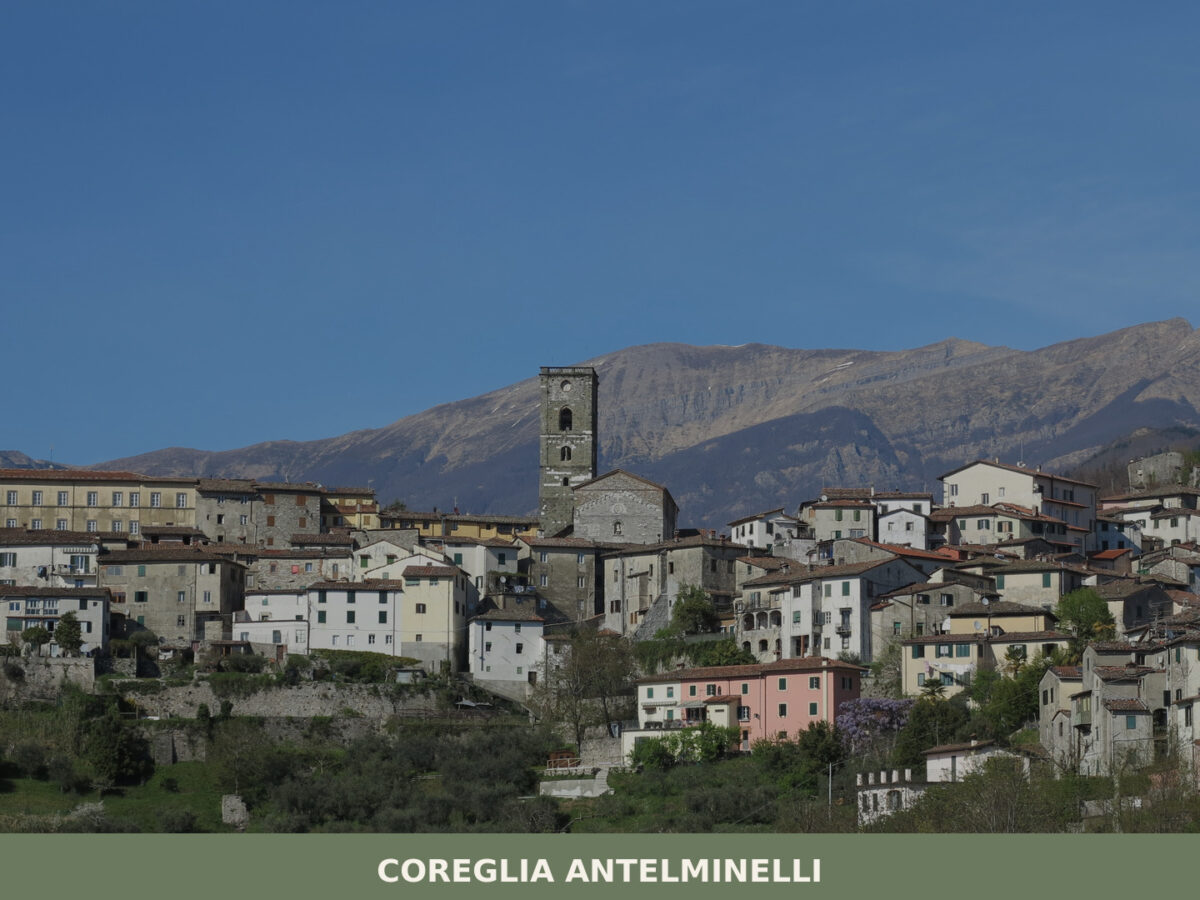
Coreglia Antelminelli
Hills
What to see in Coreglia Antelminelli, Italy: 3 Romanesque churches, a painted crucifix by Berlinghieri, and a village at 595 m. Explore the full guide.
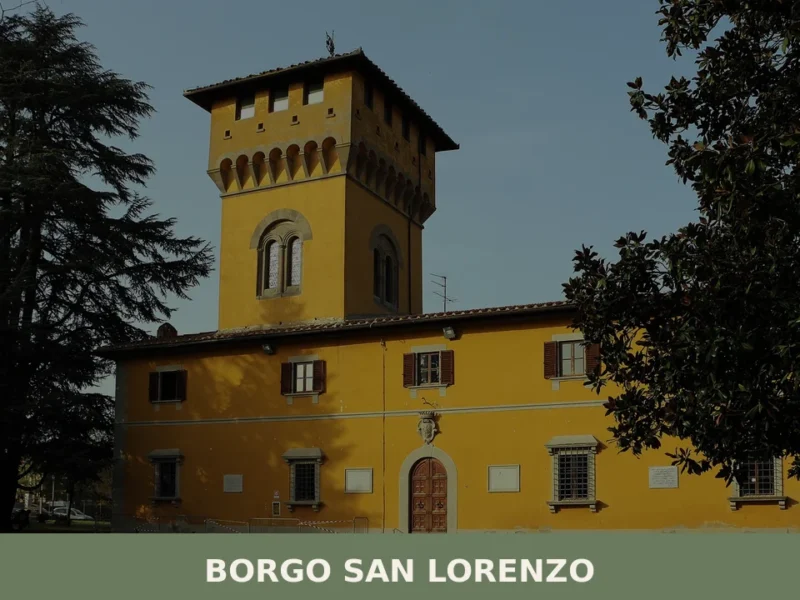
Borgo San Lorenzo
Plains
What to see in Borgo San Lorenzo, Italy: top attractions, local food, and how to get there. 20 km from Florence, 193 m altitude. Discover the Mugello valley.
🧀 Italian traditional products


🏡 Know Bagnone better than we do?
If you’re a local or have been there, your knowledge matters: add what’s missing or fix a detail on this page.