


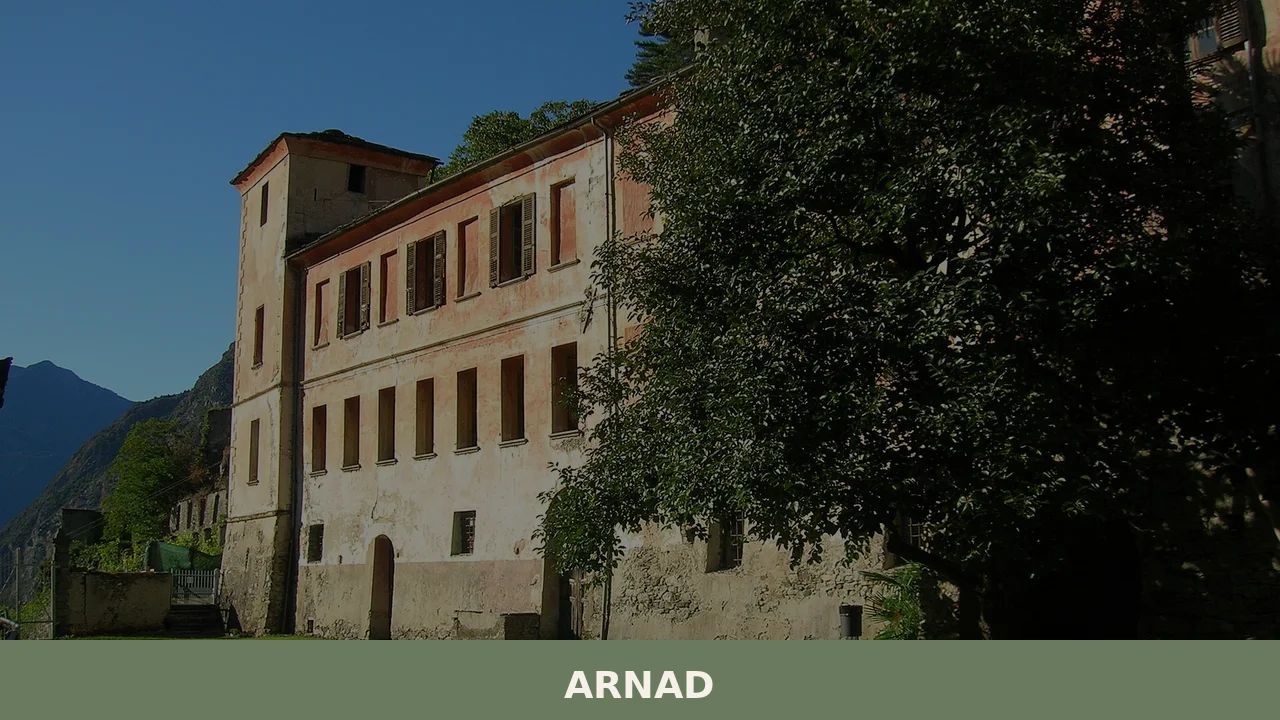
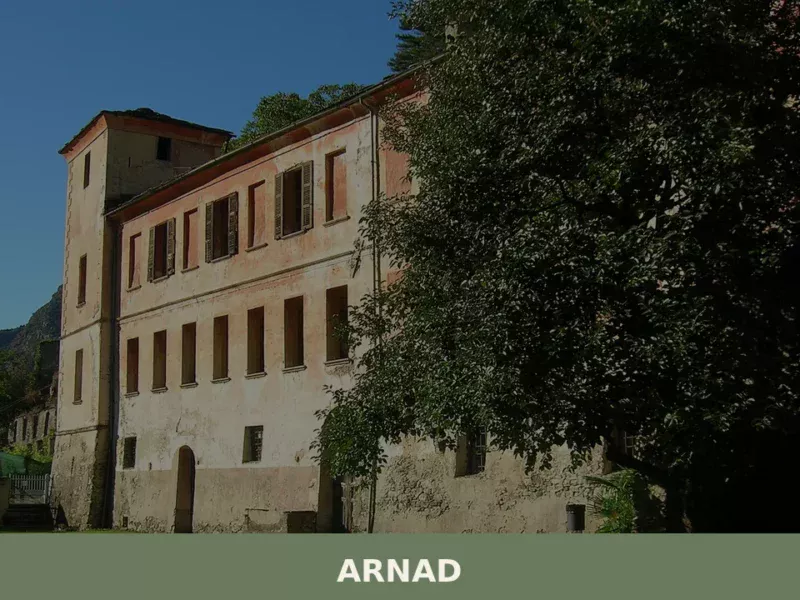
Arnad
 Mountain
Discover what to see in Arnad: medieval Château Vallaise, Lard d’Arnad DOP, historic irrigation channels and terraced vineyards in Italy’s Aosta Valley.
Discover Arnad
Arnad sits in the lower Aosta Valley at an altitude that places it among the foothills rather than the high alpine zone, with a resident population of around 1,213 people. The commune was officially known as Arnaz until 1976, when the current spelling was adopted — a small administrative change that nonetheless marks the village’s modern identity. In the local Valdostan patois it goes by Arnà, while the Walser variant Töitschu calls it Arnoal, a linguistic detail that quietly signals the layered cultural geography of this corner of northwestern Italy. If you are planning a visit and wondering what to see in Arnad, the answer involves medieval architecture, a protected natural area, and one of Italy’s most distinctive charcuterie traditions.
History of Arnad
The place name itself carries documentary weight. The Walser form Arnoal and the Franco-Provençal Arnà both point toward a pre-medieval root, suggesting settlement well before the administrative structures of the feudal period took hold in the Aosta Valley. The valley as a whole was incorporated into the Roman province of Augusta Praetoria — present-day Aosta — following a Roman military campaign against the local Salassi people in 25 BCE, and the lower valley communes including the area around Arnad fell within that sphere of influence. Roman road infrastructure along the valley floor shaped patterns of settlement that persisted for centuries, with communities forming along the routes connecting the Po plain to the Alpine passes.
During the medieval period, the Aosta Valley was contested and controlled by a succession of feudal powers, and Arnad was no exception. The territory fell under the domain of local noble families whose authority was exercised through fortified structures — a pattern visible in the survival of the Château Vallaise, the fortified residence that remains the most architecturally significant building in the village. The castle complex evolved over several centuries, with components dating from the medieval period through later additions, functioning as the seat of local lordship and land administration. The feudal economy it oversaw was based on agricultural labour, transhumance, and the exploitation of valley-floor resources.
The name change from Arnaz to Arnad in 1976 coincided with a broader rationalisation of place names across the autonomous region of Valle d’Aosta, which had held special autonomous status within the Italian Republic since 1948. That autonomy — granted in recognition of the valley’s distinct French-speaking and Franco-Provençal-speaking population — has had direct consequences for how villages like Arnad preserve and present their heritage, from bilingual signage to the legal protection of local food products. The lard of Arnad, known as Lard d’Arnad, received a Protected Designation of Origin (DOP) status, anchoring the village’s identity to a specific, geographically bounded food tradition with documented roots in the practices of the Château Vallaise.
What to see in Arnad: 5 must-visit attractions
Château Vallaise
The Château Vallaise is a fortified residence whose origins go back to the medieval period, constructed on a rocky spur that commands the valley floor. The complex includes a tower, a residential wing, and a chapel, and it has functioned over the centuries as the administrative centre of local feudal authority. Today it is the most intact historic structure in the commune.
The Lard House (La Maison du Lard)
Housed within the Château Vallaise complex, the Maison du Lard is where the production and ageing of Lard d’Arnad DOP is carried out in traditional stone vats called doïl. The technique involves layering lard with herbs, spices, and brine in these carved containers, a method documented as far back as the fifteenth century and directly tied to this specific location.
Parish Church of San Martino
The parish church dedicated to Saint Martin stands in the historic centre of Arnad and displays architectural features from different construction phases, reflecting the layered history of religious life in the lower valley. Its interior includes devotional elements typical of the Franco-Provençal Catholic tradition, and it remains the active liturgical centre of the community.
Ru Pompillard
The Ru Pompillard is one of the historic irrigation channels — known locally as rus — that were constructed across the Aosta Valley during the medieval period to carry meltwater from higher elevations to the valley’s terraced fields. Walking sections of this channel provides direct physical evidence of how mountain agriculture was engineered and sustained over centuries in communities like Arnad.
The Surrounding Terraced Landscape
The cultivated terraces rising above the valley floor around Arnad represent centuries of land management, built and maintained to support viticulture and small-scale farming on slopes that would otherwise be unworkable. The vine varieties grown here contribute to the Valle d’Aosta DOC wine designation, and the visual geometry of the terraces illustrates the relationship between human labour and alpine topography in concrete, measurable terms.
Local food and typical products
Lard d’Arnad DOP is, without question, the product that has placed this small commune on the map of Italian food geography. Unlike the white lard of Colonnata in Tuscany — its better-known competitor for DOP status — the Arnad version is produced exclusively within the commune, aged in the doïl stone containers at the Château Vallaise, and flavoured with a specific blend that includes rosemary, sage, bay leaf, and mountain herbs. The result is a product with a firm texture, a white-to-pale-pink colour, and a flavour that is aromatic rather than merely fatty. It is typically served sliced thin on dark rye bread, often accompanied by local honey. The Valle d’Aosta regional authority formally oversees the DOP certification framework that protects this and other valley products.
Beyond the lard, the broader food culture of Arnad reflects the agricultural traditions of the lower valley. Fontina DOP, the semi-soft cow’s milk cheese that is probably the Aosta Valley’s most exported product, appears across local menus in preparations ranging from fonduta — a melted cheese sauce used as a condiment or dip — to fillings for savoury tarts. Valley-produced wines, including reds based on Petit Rouge and whites based on Blanc de Morgex, accompany meals in establishments throughout the commune. For visitors interested in purchasing Lard d’Arnad directly, the production facility at Château Vallaise and local food shops in the village offer the product in its DOP-certified form. The official tourism portal of Valle d’Aosta lists producers and points of sale across the region.
Best time to visit Arnad
The most concentrated visitor activity in Arnad takes place in mid-August, when the village hosts the Foire du Lard — the Lard Fair — an annual event that draws visitors from across the region and beyond to sample, purchase, and learn about Lard d’Arnad DOP production. The fair is held in the grounds of the Château Vallaise and typically includes demonstrations of traditional preparation techniques, local producers, and food stalls offering lard alongside other valley products. For anyone specifically interested in the village’s defining food tradition, this event provides access that is not available at any other time of year in the same concentrated form.
Outside of the August fair, spring and early autumn offer the most practical conditions for visiting. From April through June, the terraced vineyards are in active growth and the walking routes along the historic irrigation channels are accessible without the heat of high summer. September and October bring the grape harvest, when the valley floor is at its most agriculturally active and the light is flat and clear. Winter visits are possible — the village is easily accessible year-round given its low altitude compared to the high alpine communes — but most of the activity is concentrated in the warmer months.
How to get to Arnad
Arnad is located in the lower Aosta Valley, along the main corridor connecting the Po plain with the regional capital of Aosta. Access by road is straightforward via the A5 motorway, which runs the length of the valley. The nearest motorway exit is Pont-Saint-Martin, approximately 8 kilometres east of the village, from which a short drive along the SS26 state road reaches Arnad directly.
- By car: From Turin, approximately 90 kilometres via the A5 motorway. From Milan, approximately 160 kilometres. Exit at Pont-Saint-Martin and follow the SS26 westward toward Arnad.
- By train: The nearest railway station is Verrès, served by regional trains on the Turin–Aosta line. Verrès is approximately 4 kilometres from Arnad. From Turin Porta Nuova, the journey takes roughly 1 hour 30 minutes to 2 hours depending on the service.
- By air: The nearest commercial airport is Turin Caselle (Torino Caselle International Airport), approximately 100 kilometres from Arnad. Milan Malpensa and Milan Linate are viable alternatives at greater distances, around 180–200 kilometres.
Where to stay in Arnad
Arnad is a small commune and its accommodation offer reflects that scale. Visitors will find a limited but functional range of options including bed and breakfast properties, agriturismo establishments on the surrounding hillside farms, and self-catering holiday apartments within the village and its hamlets. The agriturismo formula — working farms that offer rooms and meals based on their own production — suits the agricultural character of this part of the valley particularly well, and several such properties in the Arnad area operate vineyards or small livestock farms alongside their hospitality function.
For those who prefer a wider choice of hotels and services, the nearby town of Verrès offers more conventional accommodation a short drive away, while the regional capital Aosta — approximately 40 kilometres to the west — provides the fullest range of hotels across different price categories. Booking in advance is advisable for any stay coinciding with the Foire du Lard in August, when demand across the lower valley rises sharply. The official Valle d’Aosta tourism portal maintains a searchable database of certified accommodation across the region, including properties in and around Arnad.
More villages to discover in Valle d’Aosta
The lower Aosta Valley that contains Arnad is one segment of a much longer alpine corridor, and the communes along it each carry distinct historical and architectural identities. The regional capital itself, Aosta, sits approximately 40 kilometres to the west and represents the most substantial concentration of Roman-era remains in the Alps — a walled city with a triumphal arch, a theatre, and a forum that were already ancient when the valley’s medieval castles were being built. A day trip between Arnad and the regional capital allows visitors to read the valley’s history in a single east-west transect.
The network of villages in the Aosta Valley rewards methodical exploration rather than single-destination visits. The valley’s geography — a single main corridor with lateral tributary valleys branching off toward the high peaks — means that moving between communes is straightforward by road or rail, and each village contributes a different register to the overall picture: different dialects, different fortified structures, different local food traditions. Using Aosta city as a logistical base while making day excursions to the lower valley communes is one of the most practical ways to approach the region, combining infrastructure with proximity to the smaller settlements that give the valley its particular human texture.
Frequently asked questions about Arnad
What is the best time to visit Arnad?
The ideal time to visit Arnad depends on your interests. Mid-August is peak season, hosting the annual Foire du Lard at Château Vallaise, a unique opportunity to experience and taste the renowned Lard d'Arnad DOP directly from producers. For outdoor activities like walking the historic Ru Pompillard and enjoying the terraced vineyards, spring (April-June) and early autumn (September-October) offer pleasant weather and active agricultural landscapes, including the grape harvest. Additionally, the village celebrates its patron saint, San Martino di Tours, on November 11th, a significant local religious and cultural event. Winter visits are possible given Arnad's lower altitude, though most activities are concentrated in warmer months.
What are the historical origins of Arnad?
Arnad boasts deep historical roots, with its name forms (Arnoal, Arnà) suggesting pre-medieval settlement. The area fell under Roman influence after the conquest of the Salassi people in 25 BCE, benefiting from Roman road infrastructure. During the medieval era, it was a feudal domain, evidenced by the enduring Château Vallaise, which served as the seat of local lordship for centuries. A significant modern administrative change occurred in 1976 when the spelling officially transitioned from Arnaz to Arnad, coinciding with broader regional efforts to define Valle d'Aosta's distinct cultural identity and protect its heritage, such as the Lard d'Arnad DOP.
What to see in Arnad? Main monuments and landmarks
Arnad offers a blend of historical and natural attractions. Dominating the landscape is the Château Vallaise, a medieval fortified residence that was once the administrative heart of the feudal territory. Within its complex, you can visit La Maison du Lard, dedicated to the traditional production and aging of Lard d'Arnad DOP in ancient stone vats. The Parish Church of San Martino, located in the historic center, showcases layered architectural history. For a glimpse into sustainable mountain agriculture, explore sections of the Ru Pompillard, a historic medieval irrigation channel, or admire the extensive Terraced Landscape which supports viticulture and small-scale farming.
What are the main natural or scenic attractions of Arnad?
Arnad's natural beauty is deeply intertwined with its agricultural heritage. The Ru Pompillard, an ancient irrigation channel, offers scenic walking paths that reveal centuries-old water management systems amidst the natural environment. Above the valley floor, the Surrounding Terraced Landscape presents a remarkable vista of human ingenuity, where vineyards and small farms are meticulously carved into the slopes. These terraces, contributing to Valle d'Aosta DOC wines, provide stunning photographic opportunities and illustrate the harmonious relationship between human labor and the alpine topography, reflecting a protected natural area managed by generations.
Where to take the best photos in Arnad?
For captivating photographs in Arnad, focus on locations that highlight its unique blend of history and landscape. The Château Vallaise, perched on its rocky spur, offers a majestic subject, especially when framed against the surrounding mountains. The terraced vineyards and cultivated slopes provide picturesque geometric patterns, particularly during spring growth or autumn harvest, showcasing the valley's agricultural heritage. Walking along sections of the Ru Pompillard can also yield charming shots of the historic channel winding through lush scenery, offering perspectives on the engineered beauty of the Valdostan landscape and the harmonious blend of human intervention and nature.
Are there museums, churches or historic buildings to visit in Arnad?
Yes, Arnad offers several significant cultural and historical sites. The prominent Château Vallaise is a medieval fortified residence, serving as the most intact historic structure in the commune. Within its complex, visitors can explore La Maison du Lard, a unique facility dedicated to the traditional production and aging of Lard d'Arnad DOP. The Parish Church of San Martino, located in the village's historic center, is also open for visitors, featuring architectural elements from various historical periods and reflecting the region's religious traditions. Specific opening hours and any admission fees for these sites should be verified locally upon arrival.
What can you do in Arnad? Activities and experiences
In Arnad, you can immerse yourself in local history and culinary traditions. Explore the medieval Château Vallaise and delve into the unique world of Lard d'Arnad DOP at La Maison du Lard. Enjoy walks along the historic Ru Pompillard to appreciate ancient irrigation systems and the surrounding terraced vineyards, which are perfect for gentle hikes. Participate in the lively Foire du Lard in mid-August for a full sensory experience of the village's signature product. Beyond the lard, indulge in tastings of local Fontina DOP cheese and Valle d'Aosta DOC wines at local establishments, celebrating the rich agricultural heritage of the lower valley.
Who is Arnad suitable for? Families, couples, hikers, solo travelers?
Arnad is an excellent destination for those seeking a blend of cultural immersion, culinary delights, and gentle outdoor exploration. It appeals to food enthusiasts keen to discover the unique Lard d'Arnad DOP and other regional specialties. Couples and solo travelers will appreciate its tranquil atmosphere and historic sites like Château Vallaise. Families can enjoy easy walks along the Ru Pompillard and exploring the terraced landscapes. History buffs will find its medieval past and traditional agricultural practices fascinating, making it suitable for visitors looking for an authentic, less-trafficked experience in the lower Aosta Valley, with its accessible altitude compared to higher alpine communes.
What to eat in Arnad? Local products and specialties
Arnad is a culinary gem, primarily celebrated for its Lard d'Arnad DOP. This unique cured pork fat, distinguished by its aging in traditional stone doïl vats with a specific blend of rosemary, sage, bay leaf, and mountain herbs, offers an aromatic and firm texture. It's typically enjoyed sliced thinly on dark rye bread. Beyond the lard, you must sample Fontina DOP, the renowned semi-soft cow's milk cheese of Valle d'Aosta, often featured in local dishes like fonduta. Pair your meals with excellent Valle d'Aosta DOC wines, including robust reds like Petit Rouge or crisp whites such as Blanc de Morgex, all deeply rooted in the valley's agricultural traditions.
Nearby Villages near Arnad
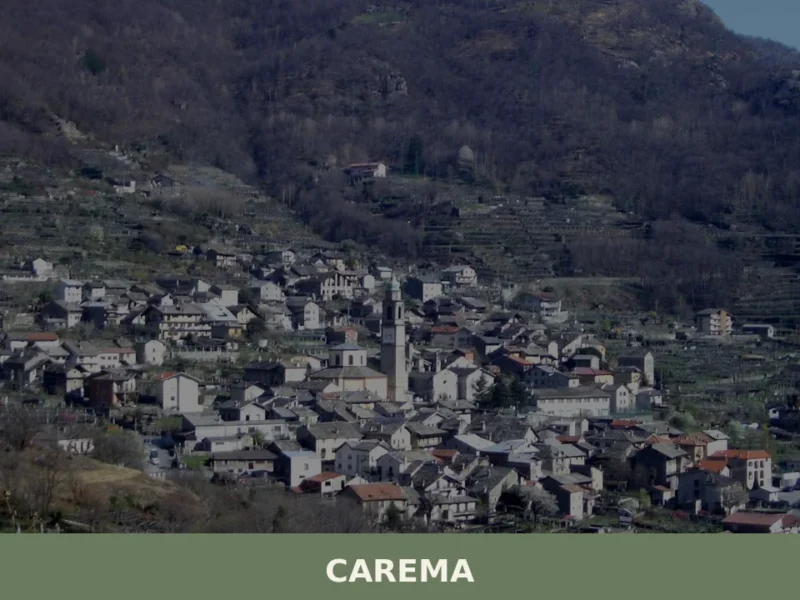
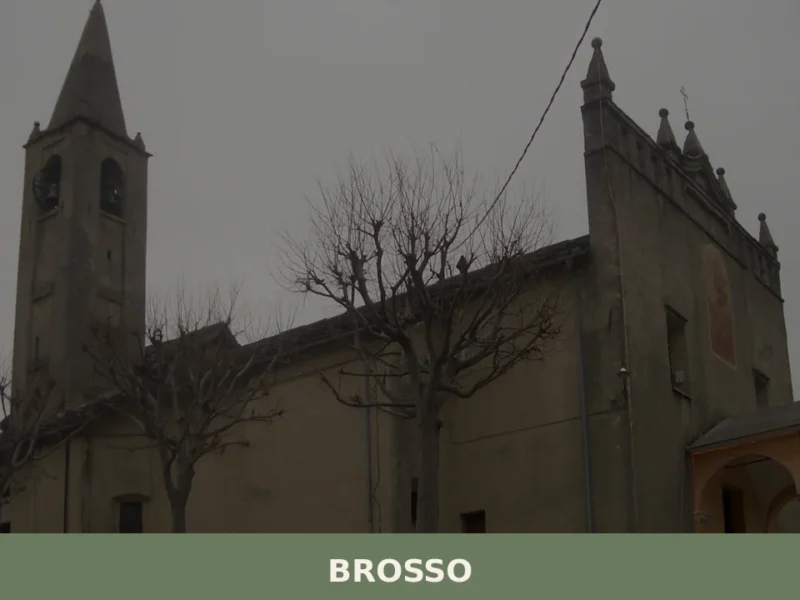
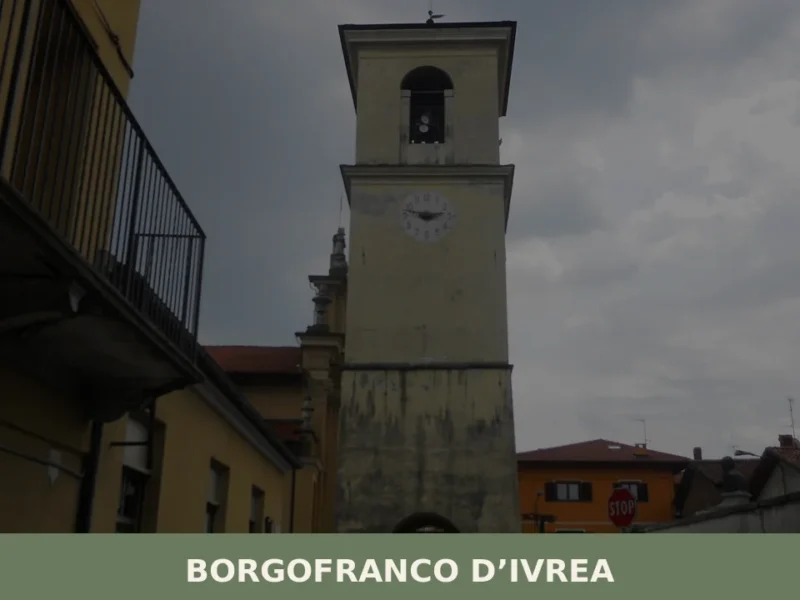
In Aosta Valley More villages to discover
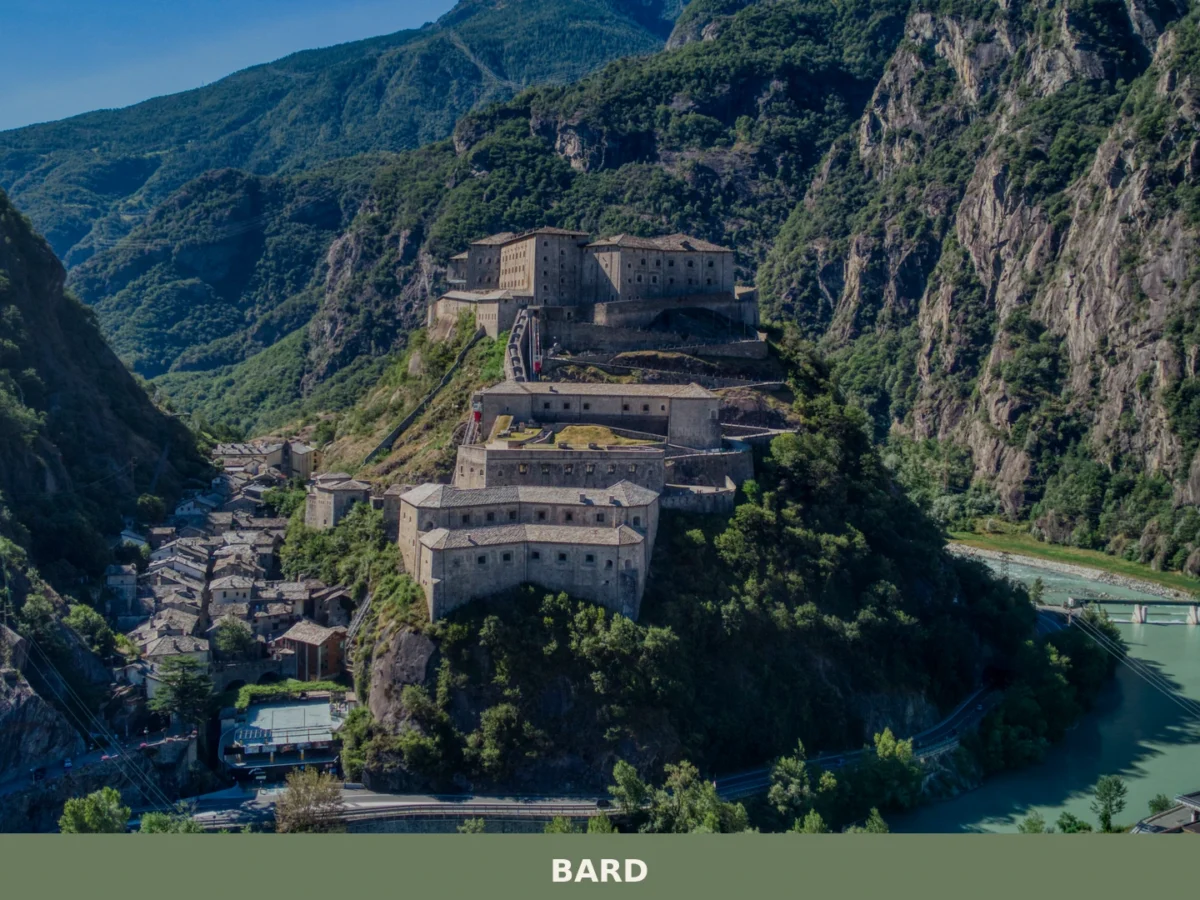
Bard
Mountain
What to see in Bard, Valle d'Aosta, Italy: explore the Fort, medieval streets and local food. Bard sits at 400 m. Discover top attractions and how to get there.
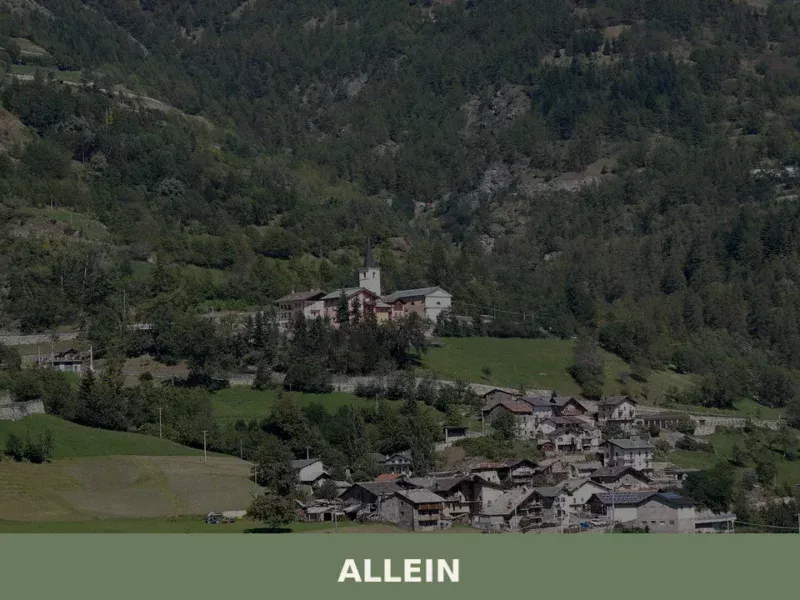
Allein
Mountain
Discover what to see in Allein, a 198-resident comune sparso in the Gran San Bernardo Valley, Valle d'Aosta. History, food, and travel tips.
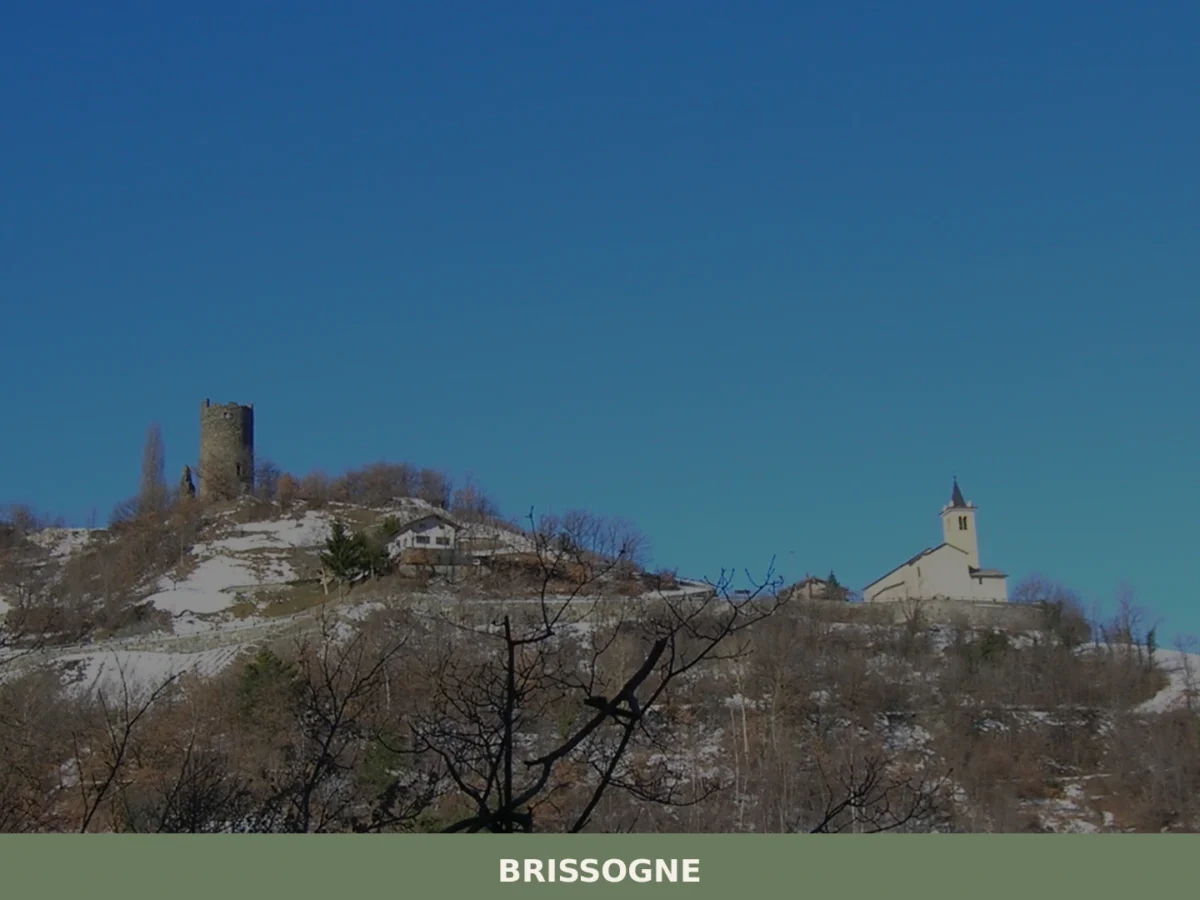
Brissogne
Mountain
What to see in Brissogne? Discover the 5 unmissable attractions of this village in Aosta Valley. From the church to the castle, plan your visit here!
Antey-Saint-André
Mountain
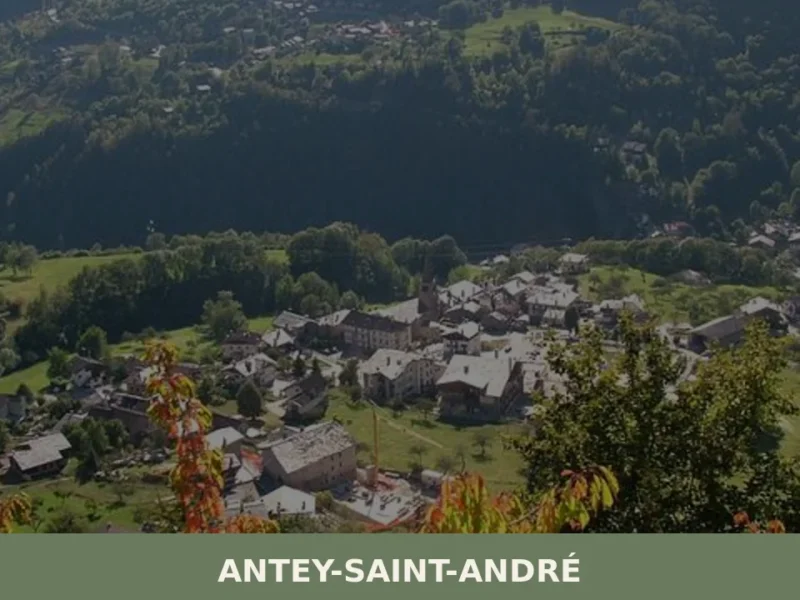
Discover what to see in Antey-Saint-Andru00e9: Alpine hamlets, local food, hiking trails and practical travel tips for this Valtournenche village in Valle d'Aosta.
Ayas
Mountain
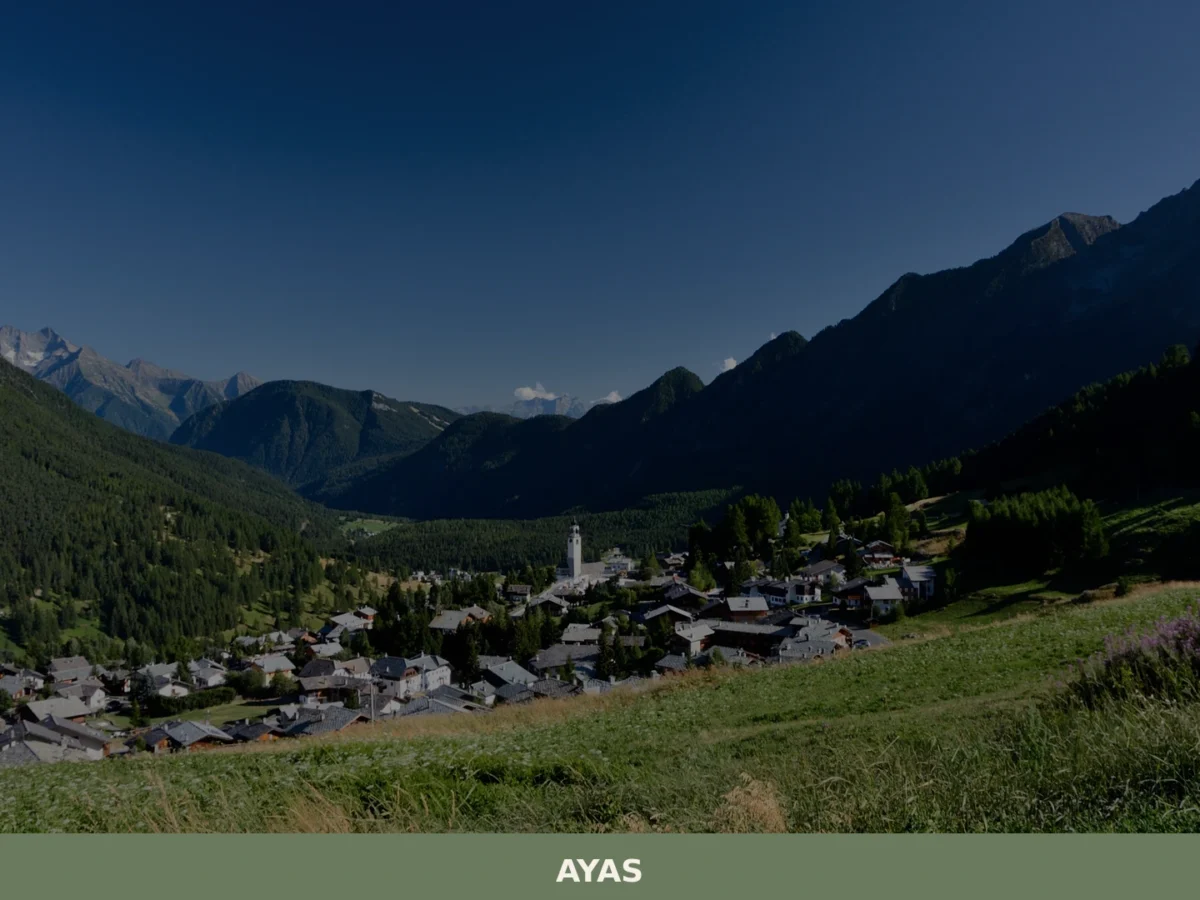
What to see in Ayas, Valle d'Aosta, Italy: explore alpine villages at 1,600 m, medieval chapels and local cuisine. Discover top attractions and how to get there.
Aymavilles
Mountain
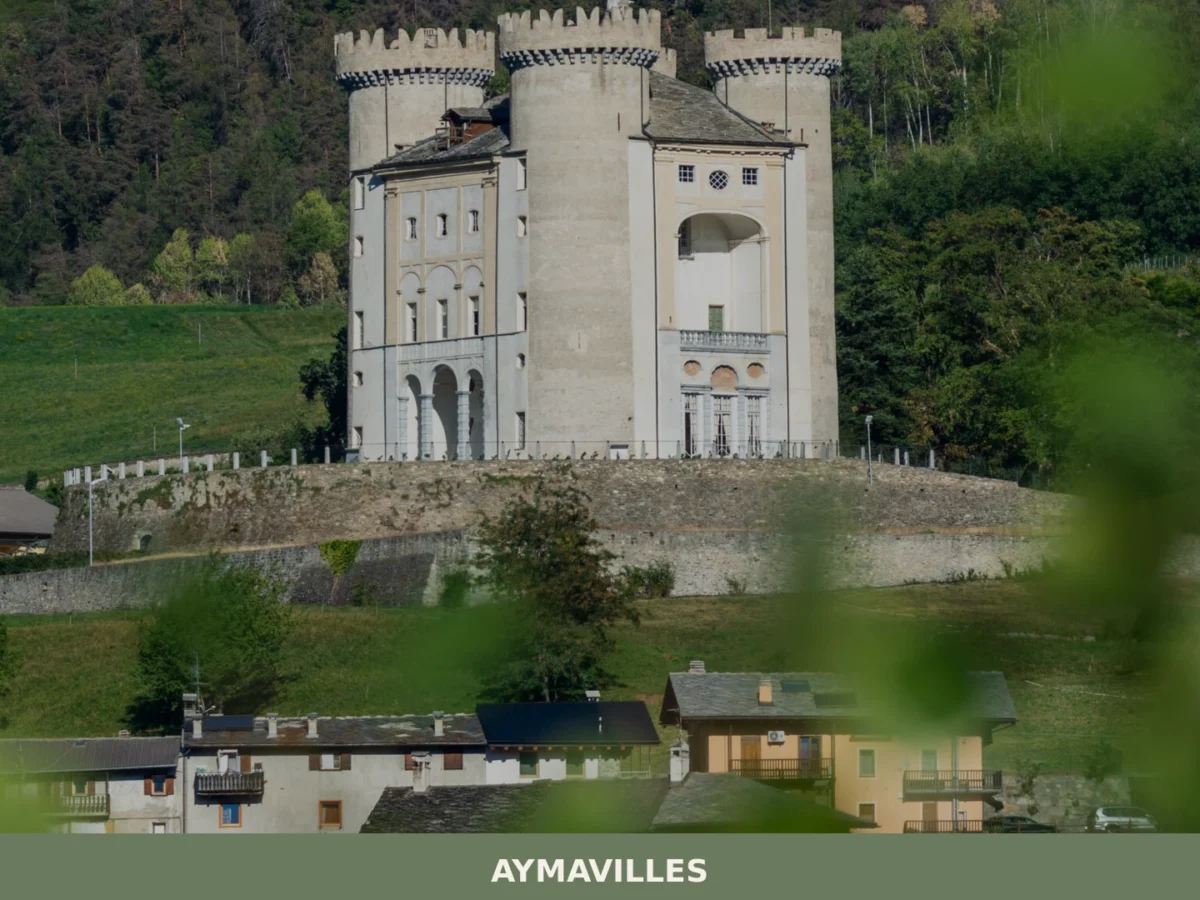
What to see in Aymavilles, Italy: explore the Roman Pont d'Aël bridge over a 66 m gorge and Alpine trails. Discover top attractions in Valle d'Aosta.
Avise
Mountain
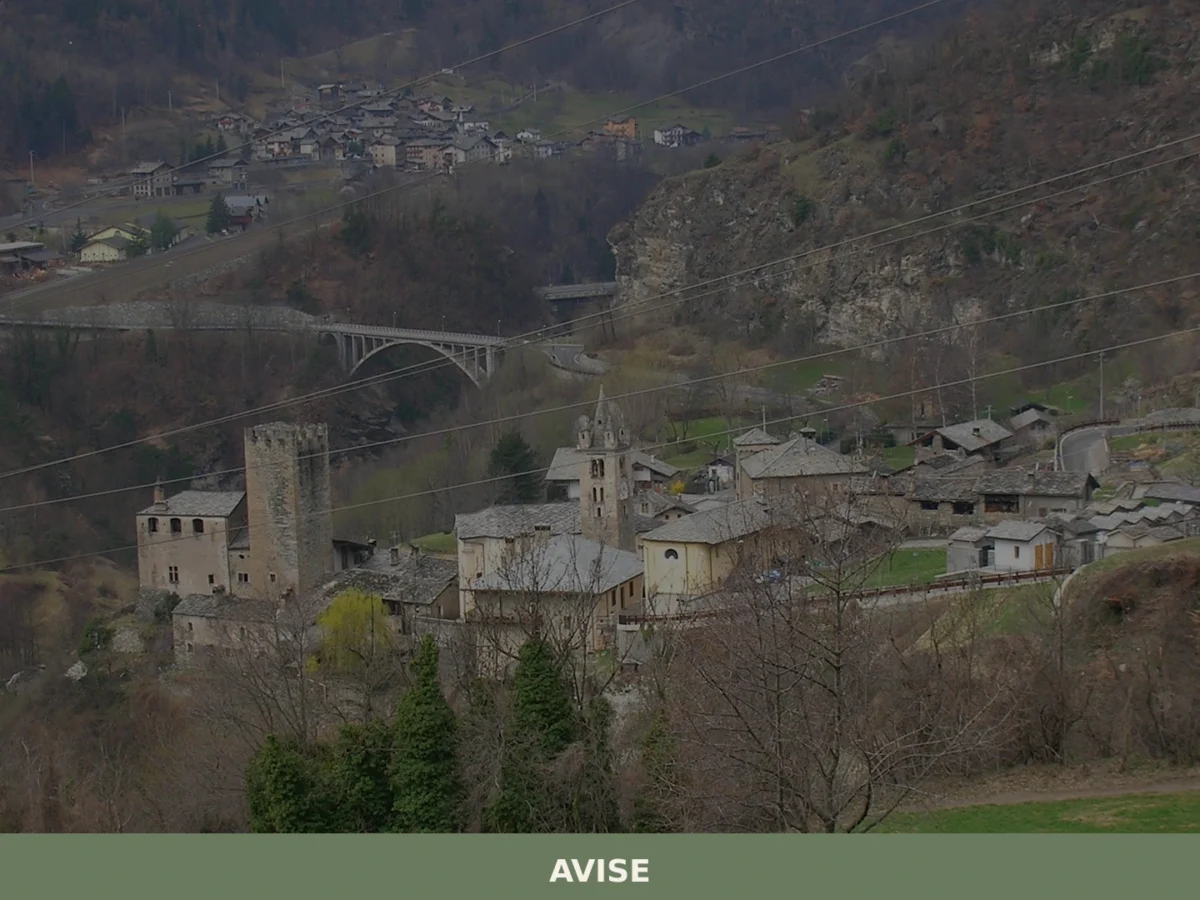
Discover what to see in Avise: a medieval castle, Romanesque church, alpine vernacular architecture and valley views in the upper Valle d'Aosta at 996 metres.
Arvier
Mountain
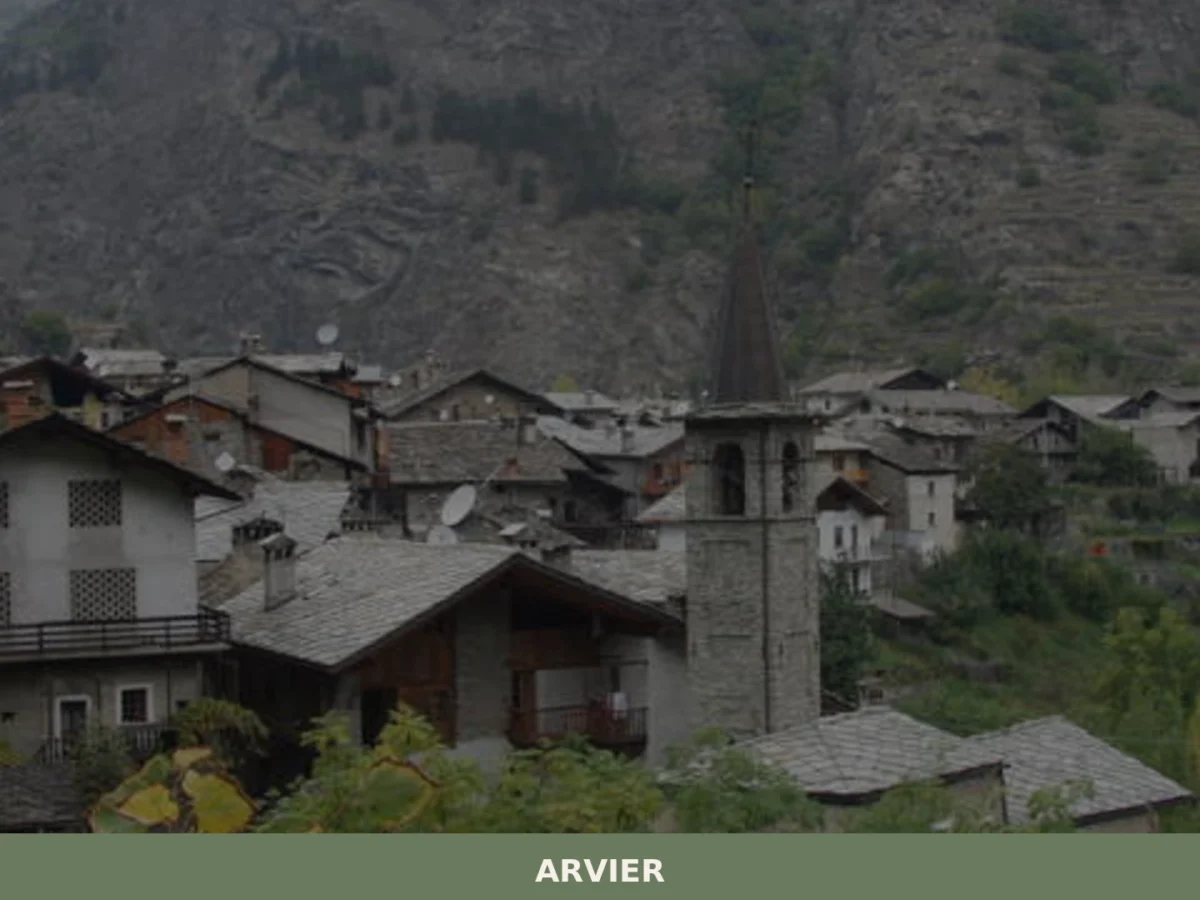
Discover what to see in Arvier, Valle d'Aosta: medieval borough, feudal tower, Enfer d'Arvier vineyards, local food and practical travel tips.
Aosta
 Hills
Hills
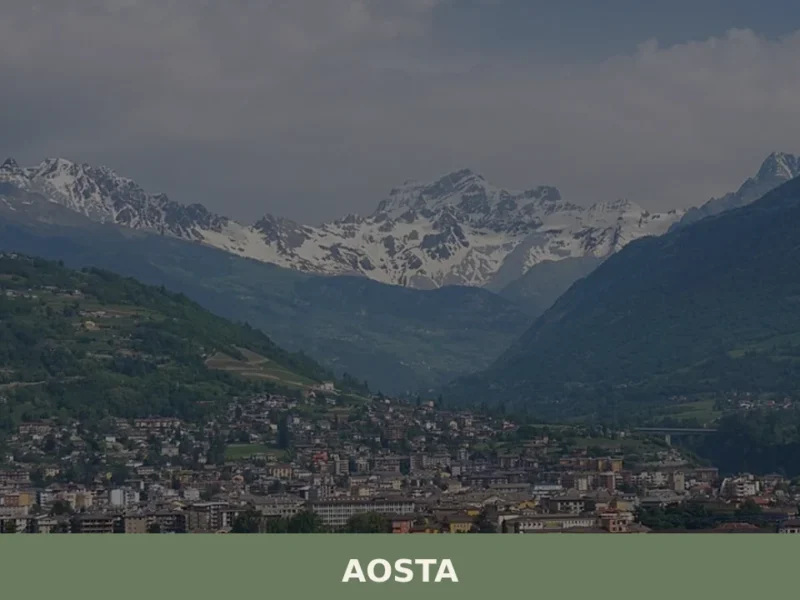
What to see in Aosta: Roman city at 583 m in the Aosta Valley. Arch of Augustus, Roman theatre, Fontina PDO and Fiera di Sant'Orso. Plan your visit now.
Challand-Saint-Anselme
Mountain
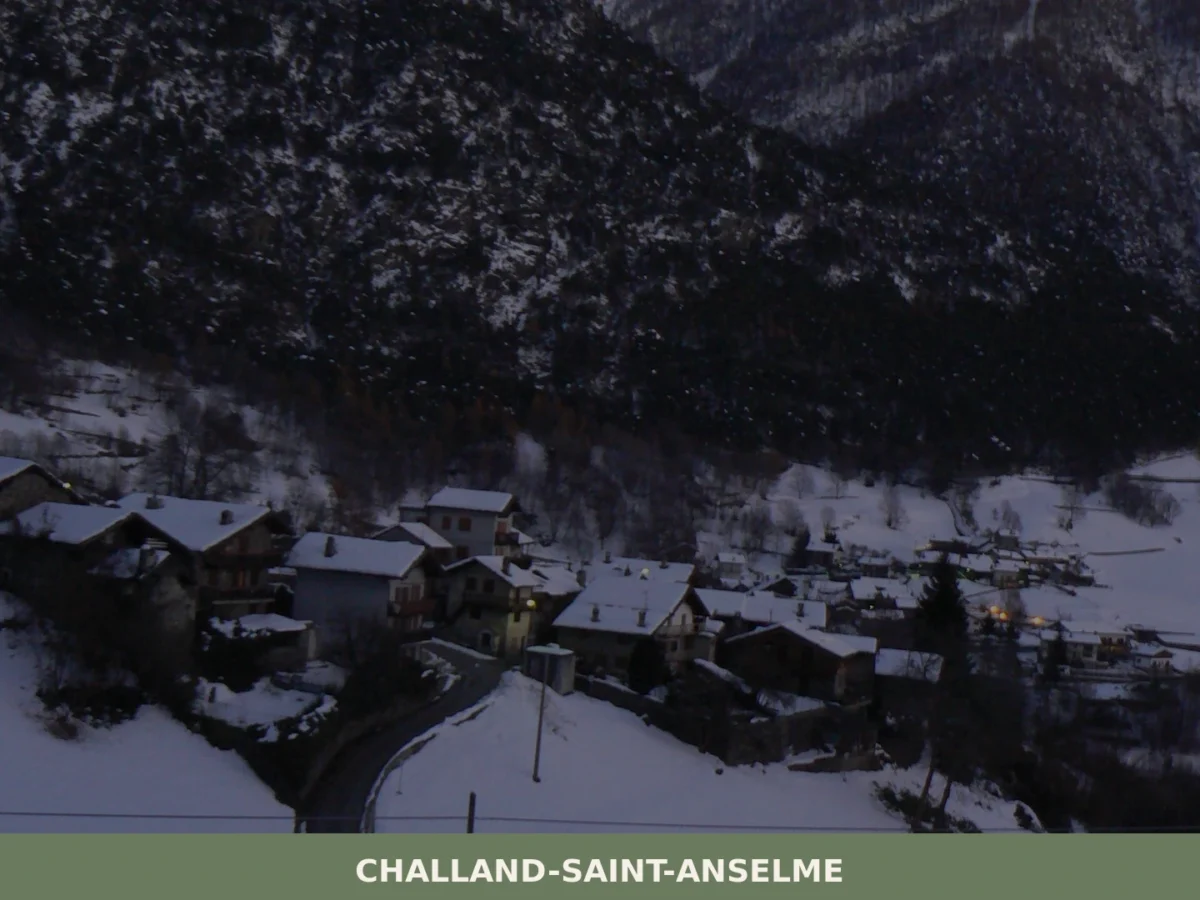
What to see in Challand-Saint-Anselme, Italy? Discover its 1036 m (3,399 ft) altitude, ancient mills, and the Church of Saint-Anselme. Explore this mountain village.



🏡 Know Arnad better than we do?
If you’re a local or have been there, your knowledge matters: add what’s missing or fix a detail on this page.