


Carema
 Mountain
Scopri Carema borgo medievale: un gioiello del Piemonte tra vigneti storici, torri antiche e tradizioni millenarie. Visita questo angolo unico d’Italia!
Discover Carema
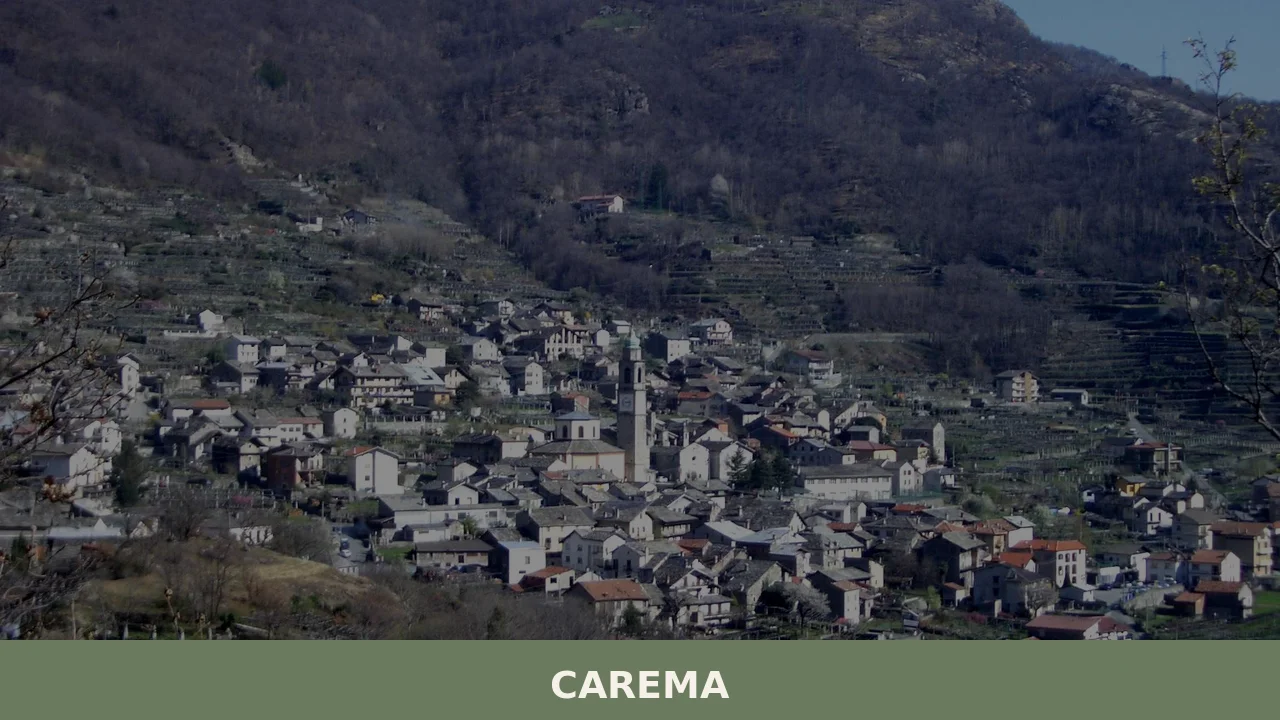
The terraced vineyards of Carema climb steeply from the valley floor on stone pillars called tupiun, a local term for the low columns of mortared rock that have supported grapevines along these slopes for generations. The Dora Baltea river cuts through the valley below, and the surrounding peaks of the western Alps funnel a cold, dry wind across the hillsides. A few hundred inhabitants hold the fabric of this municipality together, tending rows of Nebbiolo grapes at elevations where most other vines would struggle to ripen.
The landscape is structured, deliberate, and shaped entirely by agricultural work rather than urban development.
Deciding what to see in Carema is easier once you understand the village’s position: roughly 60 km (37 mi) north of Turin, at the northeastern corner of the Metropolitan City of Turin, right where Piemonte meets the Aosta Valley. The focus keyword of any visit here is the Carema DOC wine and the extraordinary terraced vineyards that produce it, but the village also rewards those willing to walk its stone lanes, study its medieval structures, and understand how a small community has maintained a centuries-old viticultural system in a genuinely demanding Alpine environment.
History of Carema
The name Carema carries traces of pre-Roman settlement in the upper Dora Baltea corridor. In the Arpitan language spoken across this border region, the village is known as Karéma, while the Valdôtain variant renders it as Caèima and the Walser population — Germanic-origin communities who settled at high altitudes across the Alpine arc — used the form Kwarusunh. The coexistence of these three distinct linguistic labels alone maps centuries of migration, cultural overlap, and territorial negotiation across the same narrow valley. This linguistic plurality is not incidental: it reflects the position of Carema on a corridor that connected the Po Plain to the Alpine passes and, beyond them, to transalpine Europe.
Administratively, Carema today belongs to the Metropolitan City of Turin within the Italian region of Piemonte, bordering six municipalities: Perloz, Lillianes, Donnas, Pont-Saint-Martin, Settimo Vittone, and Quincinetto.
Several of these neighbours — Donnas and Pont-Saint-Martin in particular — lie across the regional border in the Aosta Valley, confirming that Carema has historically occupied a frontier role. Control of this passage between the Piedmontese plain and the Alpine routes to France and Switzerland passed through various feudal and ecclesiastical hands during the medieval period, leaving architectural traces that visitors can still read in the village fabric. The proximity to Pont-Saint-Martin, itself home to a well-preserved Roman bridge spanning the Lys river, places Carema within a zone of documented Roman infrastructure along this transalpine route.
The viticultural history of the area is the thread that runs most continuously through Carema’s past. Nebbiolo cultivation on these terraces is documented well before the formal establishment of the Carema DOC wine designation, and the tupiun system of stone columns — which support both the vine wires and a canopy structure that retains daytime heat during the night — represents an engineering response to the specific constraints of Alpine viticulture.
This technique allowed growers to cultivate Nebbiolo at altitudes and latitudes where the grape’s long ripening cycle would otherwise be compromised by cold nights and a short growing season. The village’s identity became so closely tied to its wine that today the Carema DOC designation is among the most geographically specific in the Piemonte wine classification system.
What to See in Carema, Piemonte: Top Attractions
The Nebbiolo Terraced Vineyards and Tupiun System
Stone columns roughly 1.2 m (4 ft) high, spaced at regular intervals across steep hillside plots, define the visual signature of the Carema landscape in a way that no other element rivals. These tupiun columns are constructed from local mortared stone and serve a precise thermal function: the rock absorbs solar radiation during the day and releases it slowly overnight, moderating temperatures around the vines during the critical autumn ripening period.
The terraces themselves are cut into slopes that exceed 30 degrees in gradient, making mechanised agriculture impossible and preserving a hand-cultivation practice across the entire designated zone. Walking along the footpaths between vine rows in September and October, when the Nebbiolo clusters hang dense and dark, gives a direct understanding of what distinguishes Carema DOC wine from lowland Nebbiolo productions.
The Historic Village Core and Medieval Lanes
The older residential nucleus of Carema is built in compact stone construction typical of Alpine Piedmontese villages at this altitude, with narrow passages between houses that channel and shelter from the valley winds. Several of the original building facades retain carved stonework around doorways and window surrounds, executed in the local grey stone.
The ground floors of many structures along the main lane were traditionally used for wine cellars and agricultural storage, a functional separation that organised the vertical life of the household around both domestic and productive needs. Walking through the core in the early morning, before visitors and through-traffic increase on the valley road, allows the spatial logic of the settlement to become legible: a compact mass positioned to maximise southern exposure while remaining defensible from the valley approach.
The Church of San Luigi Gonzaga
The parish church dedicated to San Luigi Gonzaga anchors the ecclesiastical life of Carema and occupies a position within the village that orients the approach from the main road. The building’s facade presents a rendered stone front with a modest bell tower, proportioned in keeping with the scale of a mountain comune of Carema’s size. Interior elements include votive paintings and decorative stonework consistent with rural Piedmontese church furnishing of the eighteenth and nineteenth centuries.
The feast day of San Luigi Gonzaga falls on 21 June, a date that traditionally coincides with the beginning of summer and has historically been marked in villages across this Alpine zone with processions and communal gatherings.
The Dora Baltea Valley Viewpoints
Several elevated positions within and immediately above the Carema village perimeter offer direct sightlines down the Dora Baltea corridor in both directions: southward toward Settimo Vittone and the widening of the valley toward the plain, and northward toward Pont-Saint-Martin and the narrowing gorge that marks the entry into the Aosta Valley proper. The valley floor sits approximately 350 m (1,148 ft) above sea level at this point, while the surrounding ridgelines rise to over 2,000 m (6,562 ft), creating a pronounced vertical contrast visible from any open position in the village. These viewpoints are not formalised belvedere platforms but rather open corners between buildings and upper vineyard paths that reward those who follow the terrain upward on foot.
The Borders with Aosta Valley Municipalities
Carema shares its northern and northeastern boundaries directly with Perloz, Lillianes, Donnas, and Pont-Saint-Martin — municipalities that belong to the Autonomous Region of Aosta Valley rather than Piemonte. This administrative boundary runs through continuous terrain without a natural barrier, and crossing it on foot along the via francigena-adjacent paths takes a walker from one regional jurisdiction to another within a few hundred metres.
Donnas, directly adjacent to the north, is itself a Nebbiolo-producing village with its own DOC designation, and the two appellations share the same grape variety adapted to the same geological substrate of glacially deposited moraines and granite outcrops. For those interested in Alpine viticulture, the walk between the two production zones illustrates how a formal regional border cuts through what is, agronomically, a single continuous landscape.
Local Food and Typical Products of Carema
The gastronomy of Carema sits at the intersection of Piedmontese and Valdôtain culinary traditions, a convergence that reflects the village’s physical position at the regional boundary. The valley corridor has historically allowed ingredients and techniques to move in both directions: cured meats and rice preparations from the lowland Piemonte plain, dairy products and rye-based preparations from the Aosta Valley uplands. Local cooking in this zone is characterised by a reliance on preserved proteins — dried meats, aged cheeses — combined with polenta made from locally grown corn varieties, and seasonal vegetables cultivated in the small kitchen gardens that occupy flat ground wherever the terrain permits it.
Among the dishes documented in this part of the Canavese and lower Aosta Valley corridor, polenta concia stands out as a staple: polenta cooked until dense, then layered with local butter and either Fontina or a local semi-aged cow’s milk cheese that melts into the grain as it rests.
Carbonada, a slow-cooked beef stew prepared with red wine and spiced with cloves and cinnamon, is a preparation common across the Aosta Valley border and present in Carema’s local kitchen, where the wine used would naturally be the local Nebbiolo. Mocetta, a cured and dried chamois or ibex haunch, appears on the tables of this zone as a cold starter, sliced thinly and served with dark bread and local butter.
The most formally recognised product of Carema is the Carema DOC red wine — a Denominazione di Origine Controllata designation covering 100 percent Nebbiolo vinified within the municipal boundaries of Carema itself. The wine produced under this designation must spend a minimum period in oak casks before release, and the Riserva category requires extended ageing.
The resulting wine is typically lighter in colour than other Nebbiolo-based productions from the Langhe, with pronounced floral notes from the grape’s aromatic profile combined with the mineral quality that the granite and porphyry soils of these slopes contribute. Production volumes are small by Italian DOC standards, a direct consequence of the limited surface area of the terraced vineyards and the exclusively manual harvest.
The local cantina sociale, a cooperative wine cellar drawing on growers across the appellation, provides the primary point of direct purchase for visitors wishing to take Carema DOC wine home. Visiting during the autumn harvest period — generally mid-October for Nebbiolo at this altitude — gives the opportunity to observe the hand-picking process on the steep terraced plots and to taste the current vintage directly from the producers. Some individual growers also receive visitors by appointment, a practice common in small Piemontese appellations where the scale of production does not justify a permanent retail structure.
Festivals, Events and Traditions of Carema
The feast of San Luigi Gonzaga on 21 June is the principal religious festival in Carema’s calendar, marked with a church ceremony and, where meteorological conditions permit, an outdoor procession through the village lanes.
The date falls at midsummer and has traditionally carried an agricultural significance in Alpine communities, marking the point in the year when the vine shoots are well advanced and the risk of late frost has passed. In Carema’s case, the festival overlaps with a period of intensive vineyard maintenance — tying, trimming, and canopy management — and the communal dimension of the feast has historically served as a pause in a demanding seasonal work cycle.
The autumn grape harvest, while not a formalised festival in the documentary sense, functions as the most significant collective event in the village’s annual rhythm. The Nebbiolo harvest at Carema’s altitude falls later than in the Langhe — typically in the second half of October — and the physical demands of picking on 30-degree terraced slopes means that traditional mutual-aid networks between families have survived longer here than in mechanised wine zones. Visitors arriving in this period will find the village at its most operationally active, with baskets and crates moving between the vine rows and the cooperative cellar, and a general orientation of daily life around the progress of the harvest.
When to Visit Carema, Italy and How to Get There
The best time to visit Carema depends on what the traveller prioritises.
For vineyard landscapes and harvest activity, the window between mid-September and the end of October is the most rewarding: the Nebbiolo foliage turns copper and gold on the terraced slopes, temperatures are moderate — typically between 8°C and 18°C (46°F and 64°F) — and the cooperative cellar is in full production. Summer visits, particularly July and August, offer warm valley temperatures and the opportunity to walk the upper footpaths with long daylight hours, though the vineyards themselves are less visually dramatic than in autumn. Spring, from April to early June, brings the vine shoots into growth and offers clear views of the surrounding Alpine ridgelines before summer haze develops. Winter is cold and can bring snow to the village level, with temperatures regularly below 0°C (32°F) at night; the valley road remains passable, but conditions on the vineyard paths above the village require appropriate footwear.
Getting to Carema from Turin is straightforward by both road and rail. By car, the A5 motorway connects Turin to the Aosta Valley, and the exit for Pont-Saint-Martin or Quincinetto places the driver within 5 km (3.1 mi) of Carema; the total drive from central Turin covers approximately 60 km (37 mi) and takes around 50 minutes in normal traffic conditions. For those travelling by train, Trenitalia operates services on the Turin–Aosta line with a stop at Pont-Saint-Martin, the nearest station at roughly 4 km (2.5 mi) from Carema; from there a local bus or taxi covers the remaining distance.
The nearest international airport is Turin Airport (Caselle), approximately 75 km (46.6 mi) to the south, with a combined rail and road transfer of around 90 minutes. Milan Malpensa Airport offers an alternative entry point for international travellers, at approximately 130 km (80.8 mi) from Carema via the A4 and A5 motorways. For those planning a day trip from Turin, the journey time makes a comfortable return visit feasible, with enough time to walk the vineyard paths, visit the cooperative cellar, and eat a full lunch. International visitors should be aware that English is not widely spoken in smaller local shops and at the cooperative cellar; carrying euro cash is advisable, as card payment terminals are not universal in the village.
Carema’s position on the Turin–Aosta corridor also makes it a logical stop within a broader Piemonte itinerary. Travellers moving through the Canavese area might combine a visit here with a stop at Alice Superiore, a village in the Valchiusella valley to the southwest that shares the same Piedmontese Alpine character.
Those approaching from the direction of the Langhe wine country might extend a longer itinerary northward from Asti, covering both the Nebbiolo wines of the south and the quite different Carema DOC production in the same trip.
Visitors with additional time in the western Piemonte valleys can also consider a detour toward Angrogna, a mountain village in the Pellice valley that represents a geographically distinct but historically layered Alpine community within the same region. Those arriving from the Turin plain and wishing to understand the transition from lowland to mountain Piemonte may find the villages of the foothills equally instructive; Almese, west of Turin in the Susa valley approach, illustrates how that transition operates on the western side of the metropolitan area.
📷 Photo Gallery — Carema
Nearby Villages near Carema
In Piedmont More villages to discover
Andezeno
 Hills
Hills
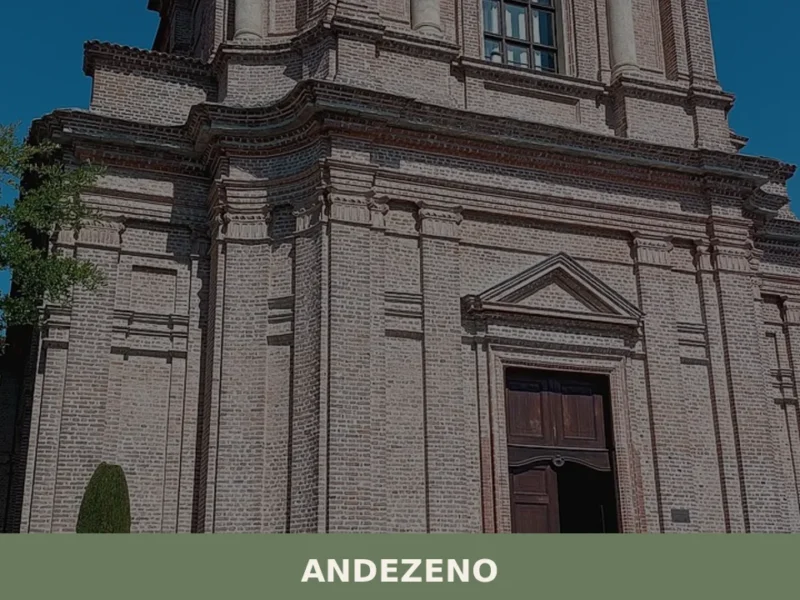
At 306 metres above sea level, on the eastern Turin hills, Andezeno has 2,012 inhabitants spread between the historic centre and its rural hamlets. The municipality appears in medieval documents as early as the 10th century, linked to the affairs of local lords and the Diocese of Turin. Today, anyone wondering what to see in […]
Sant’Antonino di Susa
Mountain
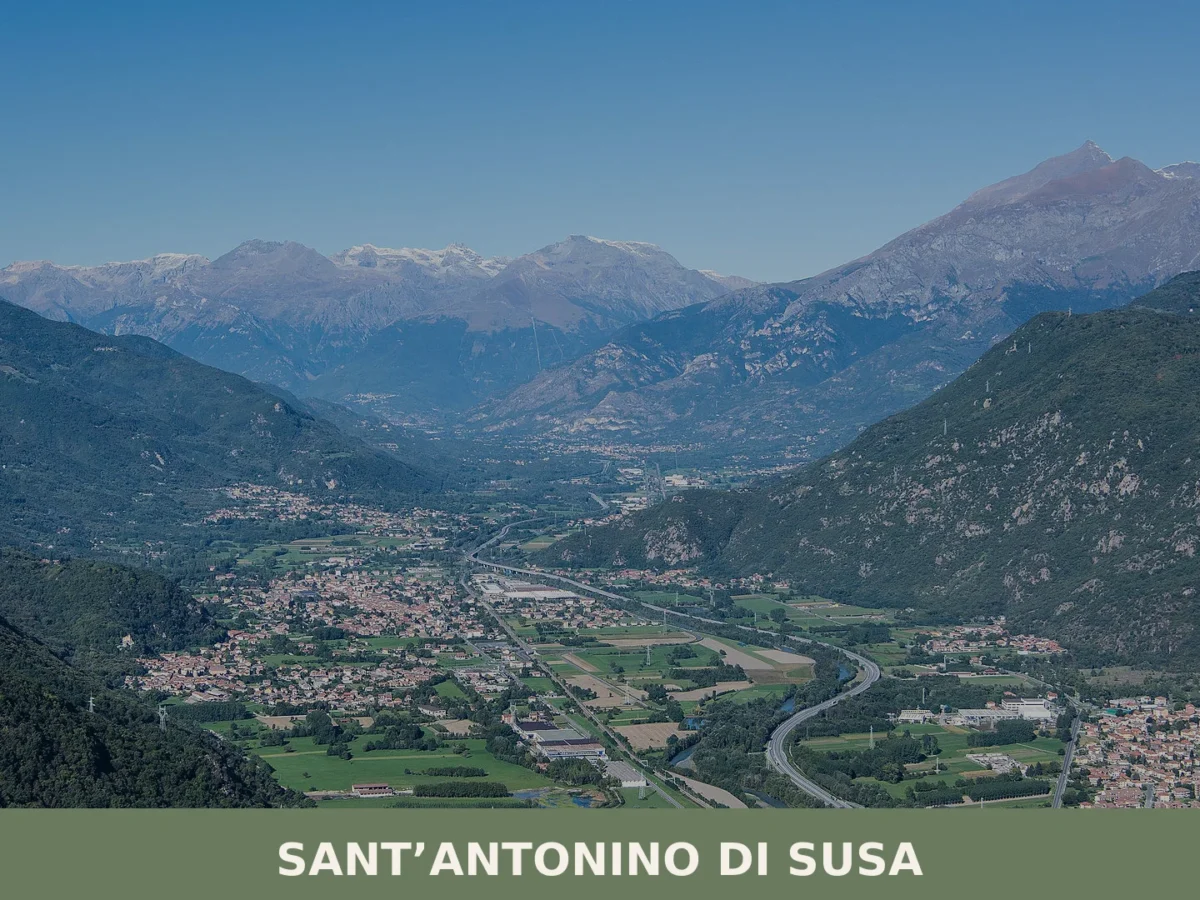
Sant'Antonino di Susa (population 4,074) occupies the right bank of the Dora Riparia at 380 metres. Medieval churches, partisan memory and the echoes of early industrial labour define this Piedmontese comune.
Torino
Hills
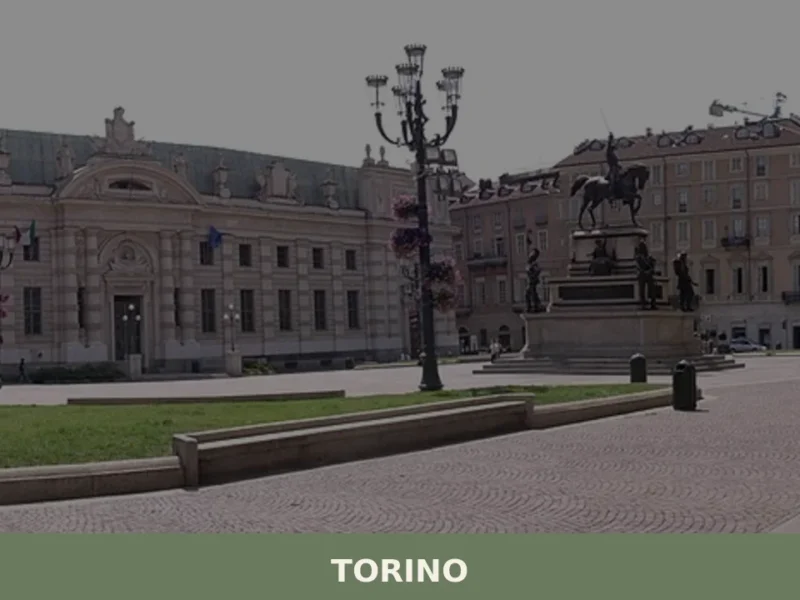
What to see in Torino: the city at 239m altitude with 841,600 residents. Explore 5 key attractions and Piedmontese cuisine. Read the full guide now.
Cantalupa
Hills
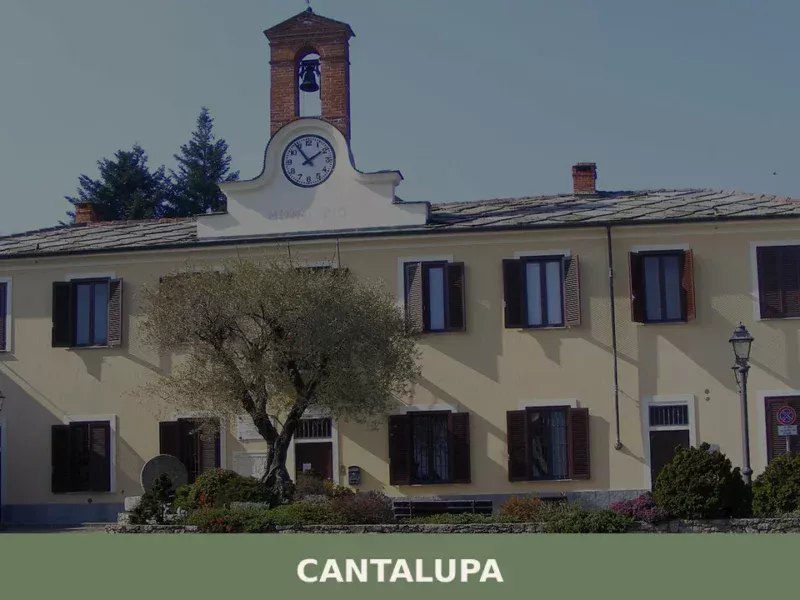
Scopri Cantalupa borgo Piemonte: storia, tradizioni e attrazioni di uno dei gioielli nascosti delle colline piemontesi. Visita questo angolo autentico d'Italia!
Rondissone
 Plains
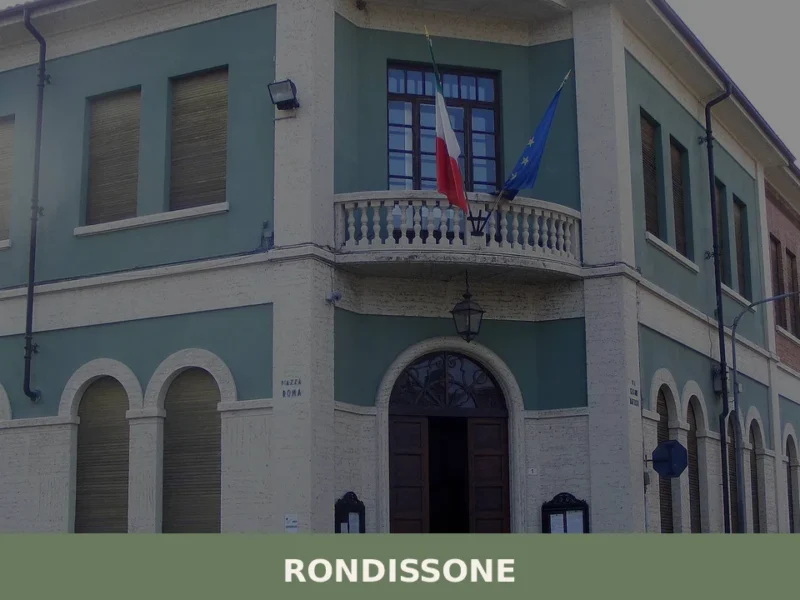
Discover what to see in Rondissone, a Po plain comune near Turin inside the Parco Fluviale del Po torinese. History, food, travel tips and more.
Pragelato
Mountain
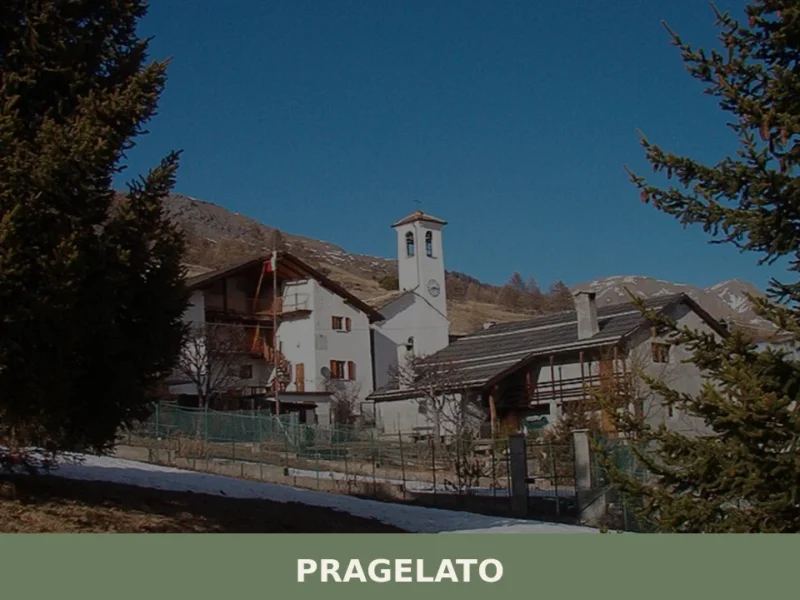
Pragelato sits at around 1,524 metres above sea level in Val Chisone, approximately 82 kilometres west of Turin, and its Occitan name — Pradzalà or Prajalats — translates directly as “frozen meadow”, a reference to the high-altitude pastures that define the landscape here. With a resident population of 692, this is a compact Alpine commune […]

Balme
Mountain
Population 97. Balme stands at 1,432 metres in the Valli di Lanzo, where stone architecture and seasonal rhythms anchor a centuries-old mountain community.
Bairo
Hills
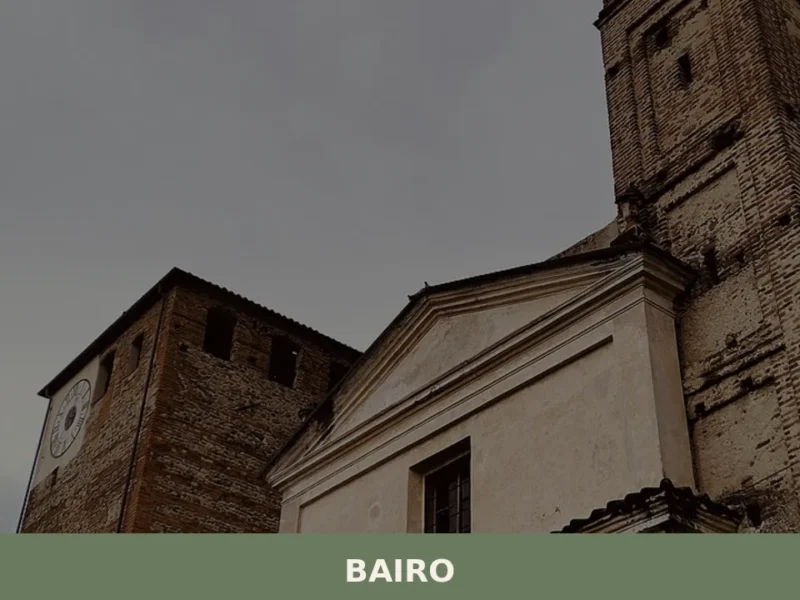
The earliest confirmed record of Bairo dates to a document from 1003, when Marquess Arduino of Ivrea — who would shortly become King of Italy — confirmed landholdings in this portion of the Canavese between the moraine ridge and the foothills of the Graian Alps. Today the municipality has 806 inhabitants, spread across the historic […]
Asti
Plains
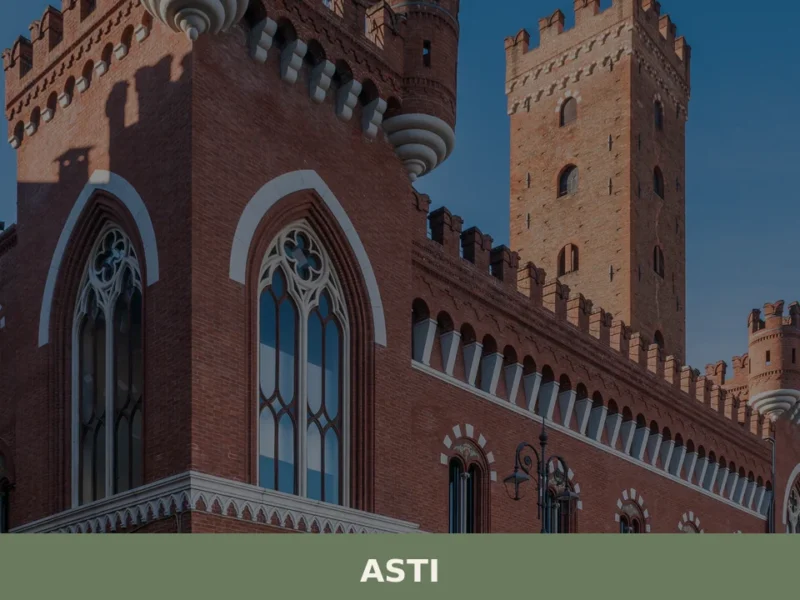
What to see in Asti: a city of 73,421 residents at 123m. Explore the Gothic Cathedral, Torre Rossa, Palazzo Alfieri and Barbera d'Asti DOCG. Plan your visit now.
Salassa
Hills
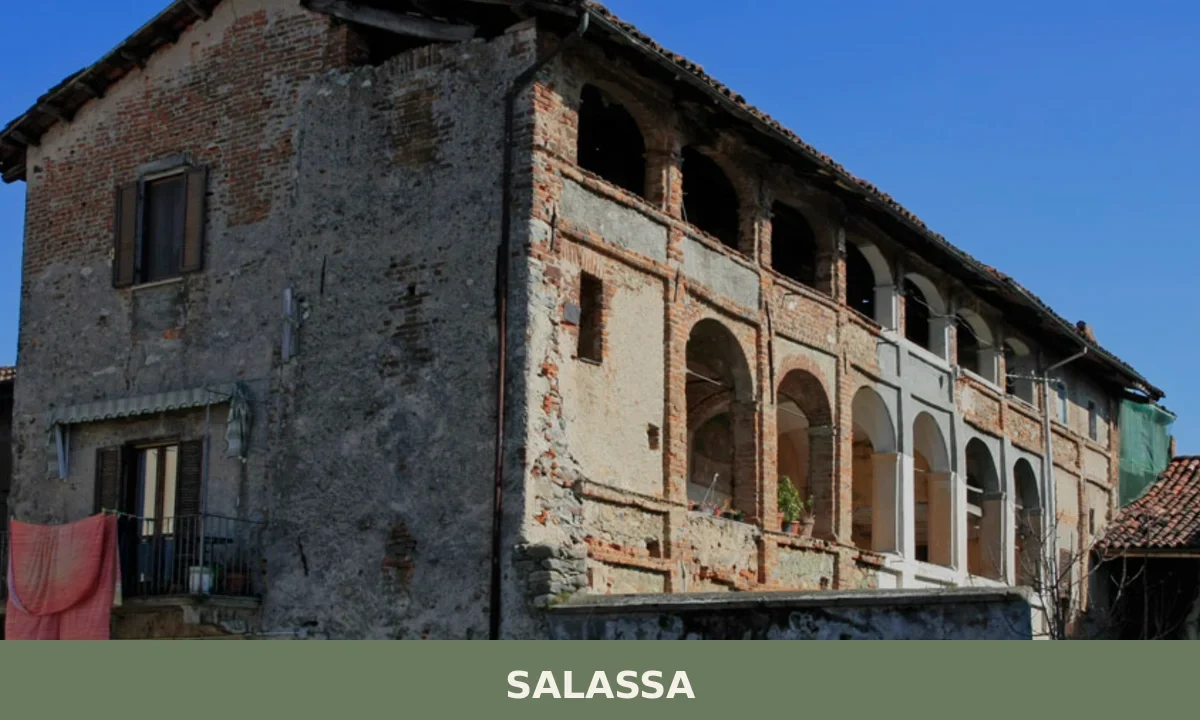
Population 1,862. A medieval comune with a 24-metre river-stone tower and 13th-century fortified enclosure, accessible by metro rail from Turin.
🏡 Know Carema better than we do?
If you’re a local or have been there, your knowledge matters: add what’s missing or fix a detail on this page.