


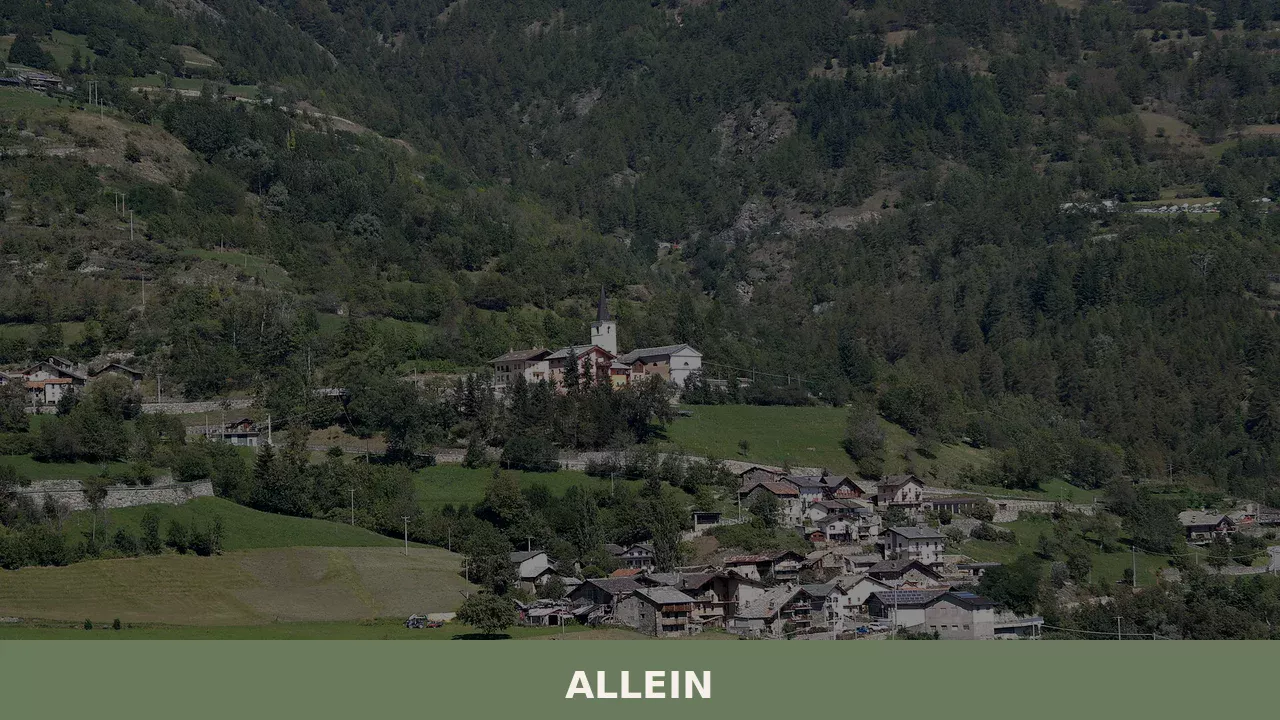
Allein
 Mountain
Discover what to see in Allein, a 198-resident comune sparso in the Gran San Bernardo Valley, Valle d’Aosta. History, food, and travel tips.
Discover Allein
Allein stands at around 1,400 metres in the Gran San Bernardo Valley, a lateral valley running north from the Aosta Valley toward the Swiss border. With a registered population of 198 residents, this comune sparso — a municipality whose population is distributed across several hamlets rather than concentrated in a single centre — sits within one of the most historically travelled corridors in the western Alps. If you are asking what to see in Allein, the answer begins with understanding its position: a village organised around scattered borghi, each preserving its own architectural identity within a compact alpine landscape.
History of Allein
The village name derives from the Franco-Provençal linguistic tradition that has governed the Valle d’Aosta for centuries. In the local patois valdostano, the settlement is called Alèn, a form that reflects the area’s deep integration with the French-speaking cultural sphere. The administrative record shows that the municipality was officially listed as Allain between 1946 and 1976, before reverting to its current spelling — a small but significant detail that tracks the region’s post-war linguistic and administrative adjustments. Valle d’Aosta, as an autonomous region, has historically maintained its Franco-Provençal identity even through periods of centralised Italian governance, and place-name changes like Allein’s are a direct trace of that political tension.
The Gran San Bernardo Valley in which Allein sits has been a documented transit route since Roman times, when the road over the Mons Jovis — the Great St Bernard Pass — connected the Italian peninsula to Helvetia and the northern provinces. Medieval records show that the pass was administered and controlled by the Congregation of the Great St Bernard, founded in the eleventh century by Saint Bernard of Menthon, which maintained hospices and way stations along the entire valley. Allein, as a settled community within this corridor, would have existed within the orbit of both the Savoy feudal system and the ecclesiastical authority of the Congregation. The Counts, and later the Dukes, of Savoy held overlordship over the Valle d’Aosta from the thirteenth century onward, and the valley’s communities — including those in the Gran San Bernardo lateral — operated under their jurisdictional framework.
The dispersed settlement pattern of Allein — that defining characteristic of a comune sparso — reflects an agricultural and pastoral strategy common across the high Alps. Families historically maintained multiple residences at different altitudes: a main winter house in the valley, summer pasture shelters higher up, and intermediate structures for spring and autumn grazing. This transhumance logic inscribed itself permanently into the physical layout of communities like Allein, producing the scattered hamlet structure that survives today. The economic base for centuries was livestock farming, cheese production, and small-scale cultivation of rye and other cold-climate cereals, activities that left their mark in the stone architecture of the surviving rural buildings.
What to see in Allein: the main attractions
The Hamlet Clusters of the Comune Sparso
Allein’s defining characteristic is its dispersed organisation across multiple hamlets, each built in local stone at slightly different elevations. Walking between these borghi reveals how alpine builders adapted their construction techniques to terrain and altitude — thick rubble-stone walls, low-pitched roofs, and covered passageways connecting adjacent structures to minimise exposure during winter months.
The Parish Church
As with virtually every Valle d’Aosta comune, the parish church functions as the architectural anchor of the community. In the Gran San Bernardo Valley, these churches typically date from the medieval or early modern period, often featuring Baroque modifications applied to Romanesque cores. The church at Allein serves as the visual reference point for the scattered hamlet system that surrounds it.
The Gran San Bernardo Valley Landscape
The valley itself is a primary visual and geographical experience. Running north from the Aosta plain toward the Swiss border, it narrows as it climbs, with the Artanavaz torrent cutting through its base. The lateral moraines, glacially smoothed ridgelines, and seasonal pastures — still maintained by local farming families — form a working landscape rather than a preserved one.
Traditional Rural Architecture
Allein preserves examples of the rascard, the traditional Valle d’Aosta timber granary raised on mushroom-shaped stone supports called champignons, designed to prevent rodents from entering stored grain. These structures, dating typically from the seventeenth to nineteenth centuries, are among the most recognisable features of the alpine rural built environment in this part of Italy.
The Route toward the Great St Bernard Pass
The road that passes through the Gran San Bernardo Valley and continues to the Great St Bernard Pass — at 2,469 metres, one of the highest road passes in the Alps — has been in use for over two thousand years. The Fondazione Gran San Bernardo documents the history of this corridor, including the medieval hospice tradition. Allein sits along this historic axis, making the broader valley route an integral part of any visit.
Local food and typical products
The food culture of the Gran San Bernardo Valley is inseparable from its pastoral economy. Fontina DOP — the Valle d’Aosta’s most celebrated cheese, produced exclusively from the milk of Valdostana cattle breeds and aged for a minimum of eighty days — is the foundational product of the entire region. In the high valleys, Fontina takes on a more pronounced flavour than the versions produced at lower altitudes, a reflection of the richer, more varied flora of the alpine pastures. Alongside Fontina, the valley produces lard d’Arnad and jambon de Bosses (both holding DOP status), as well as mocetta, a cured meat traditionally made from chamois or ibex, now more commonly from beef. The Valle d’Aosta official tourism platform maintains updated information on producers and local food routes across the region.
Allein’s small population means that dedicated restaurants within the village itself are limited. Visitors should expect to find accommodation with half-board arrangements, or to travel short distances to the larger centres in the valley — such as Saint-Rhémy-en-Bosses or Étroubles — for sit-down meals. Markets and direct farm sales remain the most reliable way to purchase local dairy and cured products. The polenta dishes typical of the entire Valle d’Aosta — particularly polenta concia, enriched with Fontina and butter — appear regularly on menus throughout the valley.
Best time to visit Allein
The Gran San Bernardo Valley has two distinct functional seasons. Summer, from late June through September, brings the highest accessibility: the pastures are active, the road to the Great St Bernard Pass is fully open, and the daylight hours allow for extended walking across the high terrain around Allein. Temperatures at 1,400 metres remain manageable — daytime highs in July and August typically reach 18–22°C — while the evenings cool sharply, rarely exceeding 12°C after sunset. This is the period when the valley’s agricultural life is most visible: cattle on the upper pastures, hay-cutting on the lower slopes, and the small-scale commerce that supports the local economy. The Regione Autonoma Valle d’Aosta provides seasonal event calendars and road condition updates relevant to visitors planning travel in the valley.
Winter closes much of the upper valley road network and reduces Allein to a very quiet settlement. Visitors with a specific interest in alpine winter landscapes and the rhythms of a working high-altitude village may find this period of interest, but should arrive with prior knowledge of road conditions and the near-total absence of tourist services. Spring — particularly May and early June — is transition season: the snowmelt feeds the torrents, the lower slopes green rapidly, but higher routes may still be partially blocked. Autumn, from mid-September through October, offers stable weather, lower visitor numbers, and the visual drama of the larch forests turning across the valley sides.
How to get to Allein
Allein is reached via the SS27 state road, which runs north from Aosta through the Gran San Bernardo Valley. The practical starting points for most visitors are as follows:
- By car from Aosta: Aosta is approximately 20–25 kilometres south of Allein by road. The A5 motorway connects Turin to Aosta (roughly 110 km, around 75 minutes under normal conditions); from the Aosta Est or Aosta Ovest exits, follow signs for the Gran San Bernardo Valley and the SS27.
- By train: The nearest railway station is Aosta, served by regional trains from Turin Porta Susa (journey time approximately 2 hours). From Aosta station, onward travel to Allein requires a bus or car — no direct rail connection exists into the lateral valleys.
- By bus: SVAP/ARPA regional bus services operate along the Gran San Bernardo Valley corridor from Aosta, with stops at the main valley settlements. Check current timetables before travel, as frequency is limited and schedules change seasonally.
- By air: The nearest commercial airports are Turin Caselle (approximately 130 km from Aosta) and Geneva Airport (approximately 100 km, crossing into Switzerland). Both require car hire or onward ground transport to reach Allein.
Where to stay in Allein
Accommodation options directly within Allein are limited by the village’s small resident population. Visitors should expect to choose between small guesthouses, agriturismo arrangements (farm-based stays that often include meals prepared from locally produced ingredients), and self-catering holiday apartments in the hamlet buildings. This type of accommodation suits visitors who want direct contact with the agricultural environment of the valley and who are self-sufficient in terms of transport. Booking well in advance for summer months is a practical necessity, as the number of beds in the immediate area is low relative to visitor interest during peak season.
Those who prefer a broader choice of hotels and services may find it more practical to base themselves in Aosta — the regional capital, with a full range of accommodation categories — and make day visits into the Gran San Bernardo Valley. The drive from Aosta to Allein takes under thirty minutes by car, making this a workable arrangement even for multiple visits to the valley. The trade-off is losing the early morning and late evening atmosphere of the high valley, which is when the working rhythms of the village are most distinctly visible.
More villages to discover in Valle d’Aosta
The Valle d’Aosta is a region of concentrated geographic variety and historically layered settlements. Aosta, the regional capital, provides an essential point of reference for understanding the whole territory: its Roman theatre, amphitheatre, and the triumphal Arch of Augustus establish the depth of the settlement history that underlies even the smallest alpine communes. A visit to Aosta before or after spending time in the lateral valleys gives context to the feudal, ecclesiastical, and economic forces that shaped communities like Allein over centuries.
The Gran San Bernardo Valley is one of several lateral valleys branching from the main Aosta corridor, each with its own distinct character and village sequence. Exploring this broader network — from the valley floor at Aosta upward through the successive communes — reveals how altitude, route geography, and agricultural tradition have produced subtly different built environments within a relatively compact area. Travellers who take the time to follow the SS27 north from Aosta through the Gran San Bernardo corridor, stopping at each of the valley’s settlements, will find that what to see in Allein is best understood not in isolation, but as one passage within a longer alpine itinerary.
Frequently asked questions about Allein
What is the best time to visit Allein?
The best time to visit Allein largely depends on your desired experience. Summer, from late June through September, offers optimal conditions for outdoor activities, with pleasant daytime temperatures typically ranging from 18-22°C, full accessibility to the Great St Bernard Pass, and active alpine pastures. Autumn, from mid-September to October, is also highly recommended for stable weather, fewer visitors, and the spectacular visual drama of the larch forests changing colour across the valley. For a unique cultural insight, the feast day of Santo Stefano Protomartire, the village patron saint, is celebrated on December 26th, offering a glimpse into local traditions amidst a quiet, snow-covered landscape.
What are the historical origins of Allein?
Allein's historical roots are deeply embedded in the Franco-Provençal linguistic tradition of Valle d'Aosta, with its local name 'Alèn' reflecting this heritage. The village sits within the Gran San Bernardo Valley, a corridor of immense historical significance, used as a transit route since Roman times via the Mons Jovis (Great St Bernard Pass). Medieval records show Allein's development under the influence of the Congregation of the Great St Bernard and the Savoy feudal system. Its characteristic 'comune sparso' settlement pattern, with hamlets scattered at different altitudes, directly reflects centuries of transhumance—an agricultural and pastoral strategy common across the high Alps.
What to see in Allein? Main monuments and landmarks
Allein's main attractions are intrinsically linked to its unique identity as a 'comune sparso,' meaning its sights are spread across multiple picturesque hamlets. Visitors can explore these clusters of traditional stone architecture, each preserving its distinct alpine character. The Parish Church, dedicated to Santo Stefano Protomartire, serves as an architectural and spiritual anchor for the community, often showcasing Baroque modifications to older Romanesque structures. Throughout the village, examples of 'rascard' – traditional timber granaries raised on mushroom-shaped stone supports – offer a glimpse into historical rural life. The encompassing Gran San Bernardo Valley landscape, leading toward the historic Great St Bernard Pass, is also a primary visual and geographical experience.
What are the main natural or scenic attractions of Allein?
The primary natural attraction of Allein is the Gran San Bernardo Valley itself. This stunning alpine environment, which stretches north from the Aosta plain towards the Swiss border, offers a captivating experience. Visitors can admire the Artanavaz torrent cutting through its base, alongside ancient lateral moraines and glacially smoothed ridgelines. The valley maintains active seasonal pastures, still tended by local farming families, creating a dynamic and authentic working landscape. Its elevated position provides expansive views of the surrounding peaks and the pristine high-altitude flora, making it ideal for appreciating the serene beauty of the Alps.
Where to take the best photos in Allein?
For the most striking photographs in Allein, focus on its defining characteristic: the scattered hamlets (borghi). Capture the unique architecture of these local stone buildings, often connected by covered passageways, as they are integrated into the compact alpine landscape. The broader Gran San Bernardo Valley offers magnificent panoramic opportunities, especially views encompassing the Artanavaz torrent and the surrounding glacially carved ridgelines. During autumn (mid-September through October), the larch forests across the valley sides transform into vibrant hues of gold and orange, providing exceptionally dramatic and colourful backdrops for photography.
Are there museums, churches or historic buildings to visit in Allein?
Allein offers key insights into its historical and architectural heritage primarily through its religious and rural structures. The Parish Church, dedicated to Santo Stefano Protomartire, is the central ecclesiastical building of the community, characteristic of Valle d'Aosta churches with medieval or early modern origins often featuring Baroque modifications. While specific opening hours for visitors are not typically published for small parish churches, access is usually possible during services or by local inquiry. Additionally, throughout the dispersed hamlets, visitors can observe examples of traditional rural architecture, including 'rascard' – distinctive timber granaries dating from the 17th to 19th centuries – which are visible features of the alpine built environment. There are no dedicated museums directly within the village.
What can you do in Allein? Activities and experiences
Allein provides a range of activities focused on its pristine alpine environment and cultural authenticity. During summer, the primary activity is extended walking and hiking across the high terrain, exploring the multiple hamlets and the broader Gran San Bernardo Valley. The historic route towards the Great St Bernard Pass offers scenic drives and further trekking opportunities. Visitors can also immerse themselves in the local food culture, tasting renowned products like Fontina DOP cheese, lard d'Arnad, jambon de Bosses, mocetta, and traditional 'polenta concia,' often available through farm sales or in restaurants in nearby valley centres. Winter appeals to those seeking quiet alpine landscapes and the rhythm of a high-altitude working village.
Who is Allein suitable for? Families, couples, hikers, solo travelers?
Allein is particularly suitable for travelers seeking tranquility, an authentic alpine experience, and a deep connection with nature and local culture, away from bustling tourist hubs. It is ideal for hikers and outdoor enthusiasts eager to explore the Gran San Bernardo Valley's trails and unique 'comune sparso' hamlets. Couples and solo travelers looking for a quiet retreat, cultural immersion, and an appreciation for traditional rural architecture will find it highly appealing. While families who enjoy outdoor activities may also appreciate Allein, those requiring extensive amenities, entertainment, or a wide array of tourist services should be aware of the village's limited infrastructure, especially during the quieter winter months.
What to eat in Allein? Local products and specialties
The culinary offerings in Allein are a direct reflection of the Gran San Bernardo Valley's rich pastoral economy. The most celebrated product is Fontina DOP cheese, known for its more pronounced flavour when produced from the varied flora of the high alpine pastures. Other renowned local specialties with DOP status include lard d'Arnad and jambon de Bosses. Visitors can also savour mocetta, a cured meat traditionally made from chamois or ibex, now often from beef. A quintessential Valdostan dish to try is 'polenta concia,' a hearty polenta generously enriched with Fontina cheese and butter, which is a staple across the valley's menus.
📷 Photo Gallery — Allein
Nearby Villages near Allein
In Aosta Valley More villages to discover
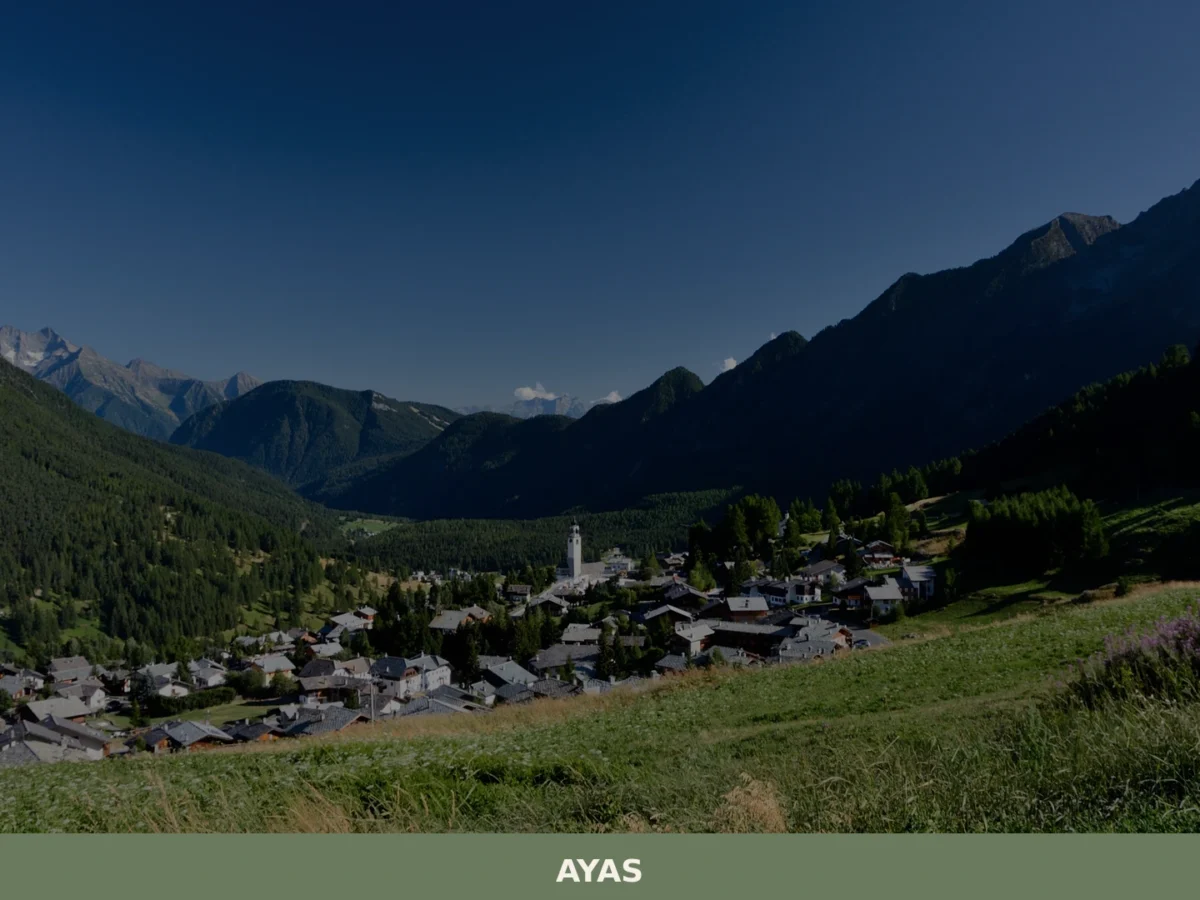
Ayas
Mountain
What to see in Ayas, Valle d'Aosta, Italy: explore alpine villages at 1,600 m, medieval chapels and local cuisine. Discover top attractions and how to get there.
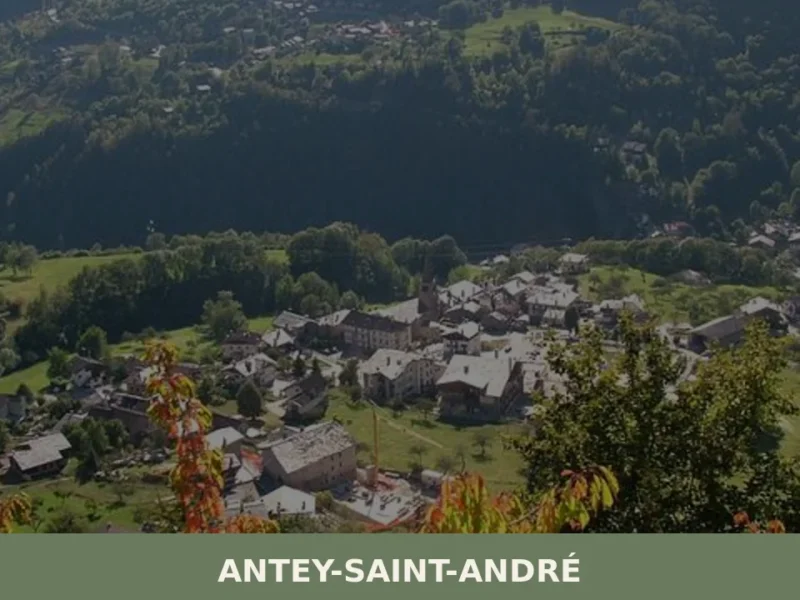
Antey-Saint-André
Mountain
Discover what to see in Antey-Saint-Andru00e9: Alpine hamlets, local food, hiking trails and practical travel tips for this Valtournenche village in Valle d'Aosta.
Bard
Mountain
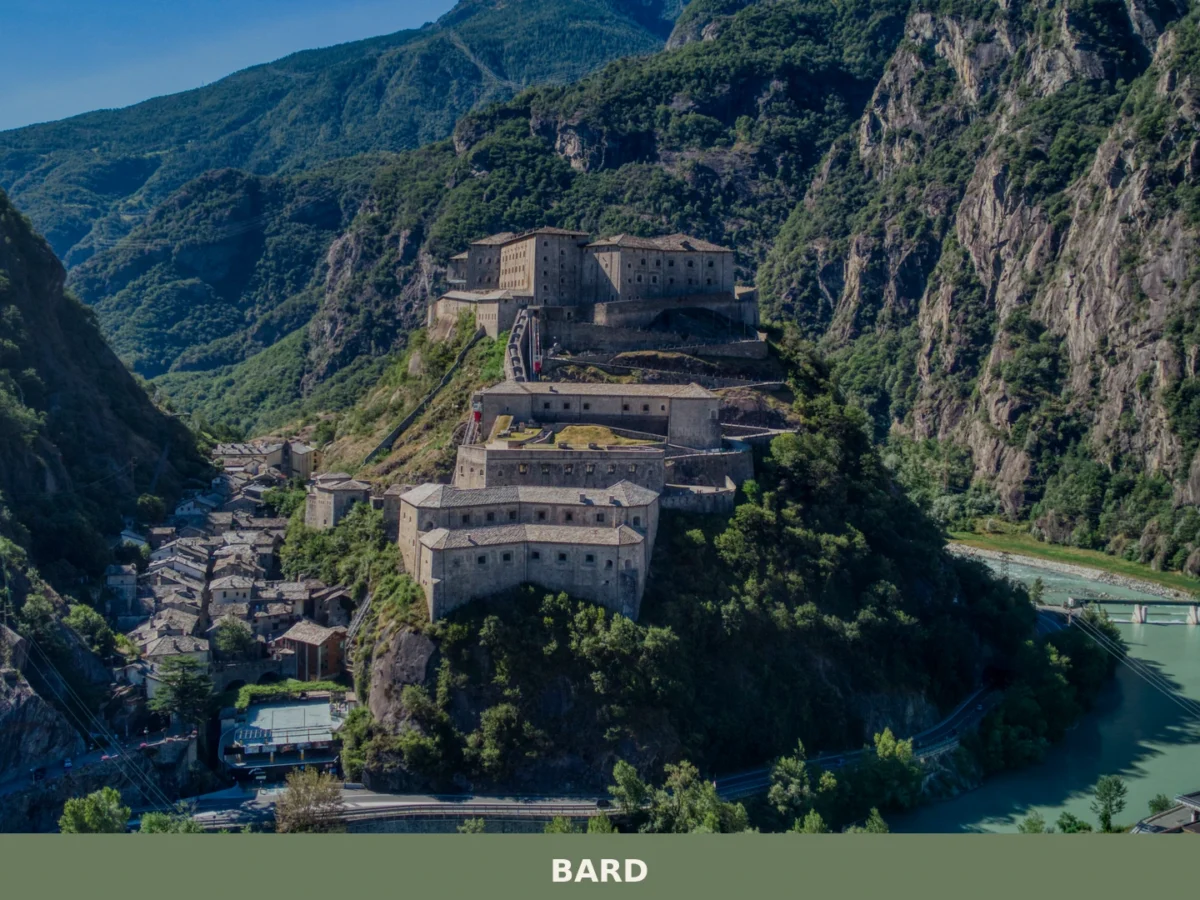
What to see in Bard, Valle d'Aosta, Italy: explore the Fort, medieval streets and local food. Bard sits at 400 m. Discover top attractions and how to get there.
Aymavilles
Mountain
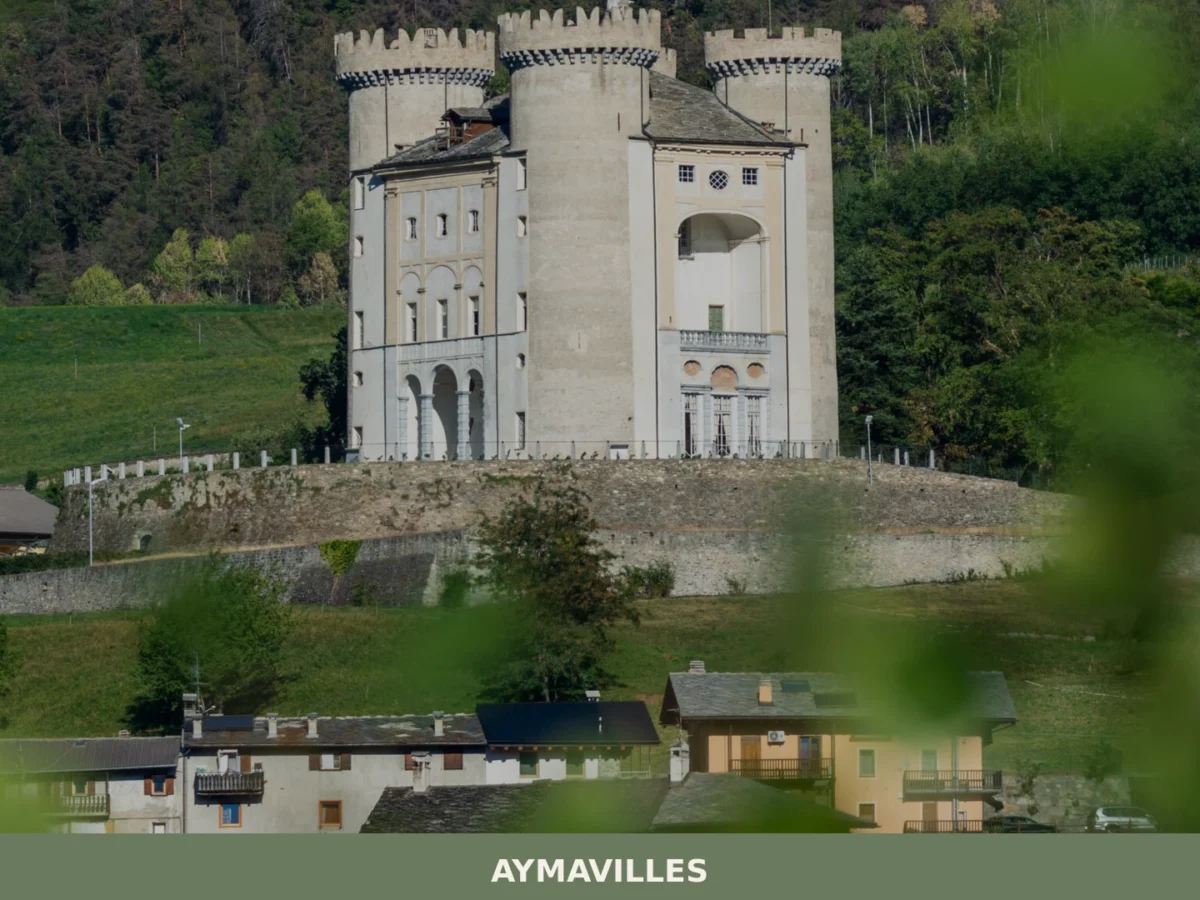
What to see in Aymavilles, Italy: explore the Roman Pont d'Aël bridge over a 66 m gorge and Alpine trails. Discover top attractions in Valle d'Aosta.
Challand-Saint-Anselme
Mountain
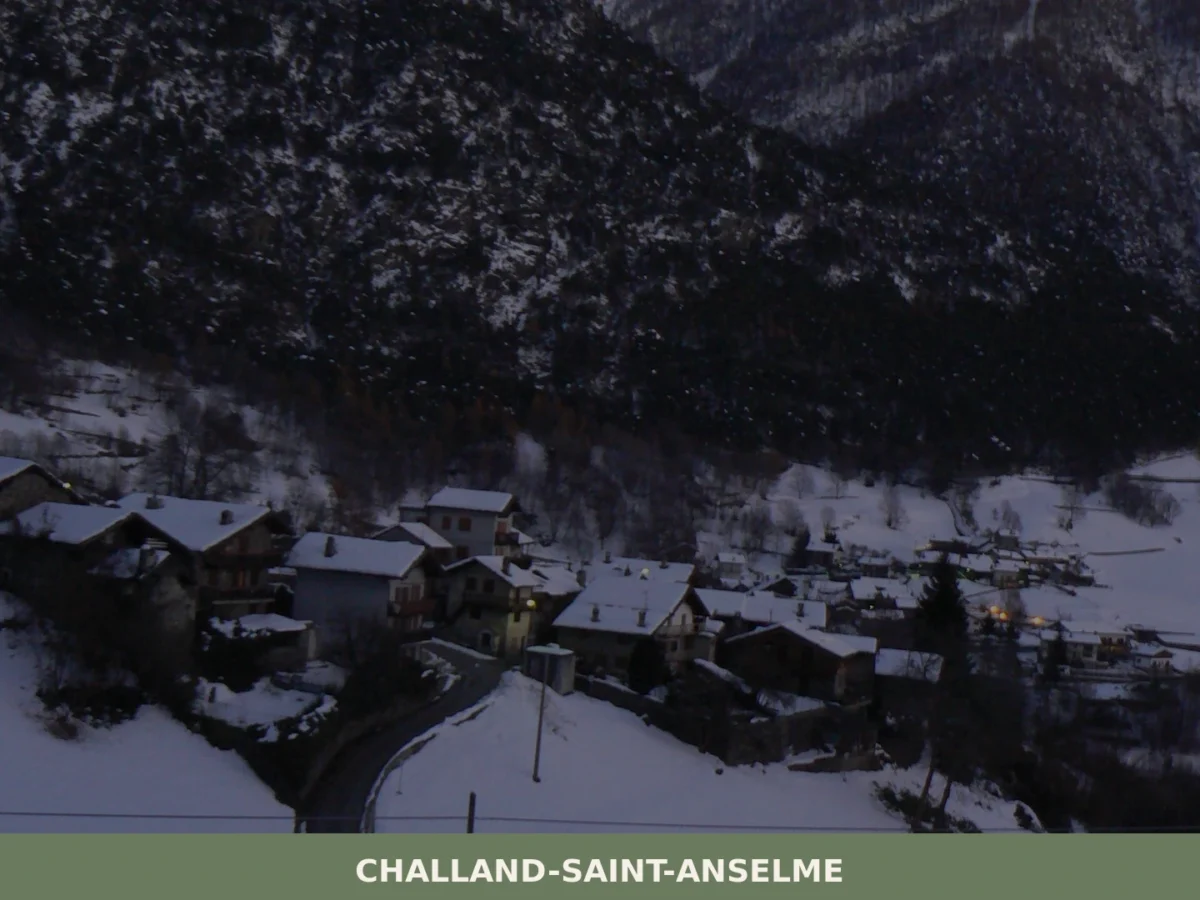
What to see in Challand-Saint-Anselme, Italy? Discover its 1036 m (3,399 ft) altitude, ancient mills, and the Church of Saint-Anselme. Explore this mountain village.
Aosta
 Hills
Hills
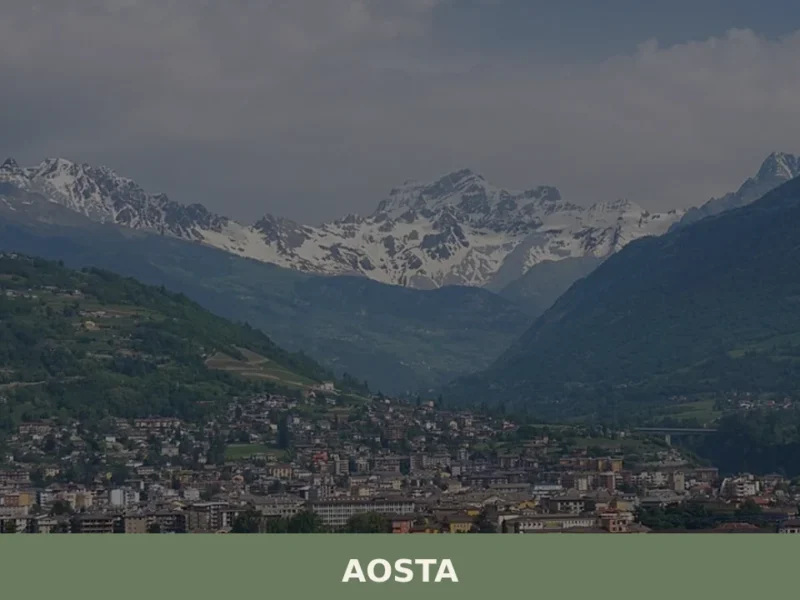
What to see in Aosta: Roman city at 583 m in the Aosta Valley. Arch of Augustus, Roman theatre, Fontina PDO and Fiera di Sant'Orso. Plan your visit now.
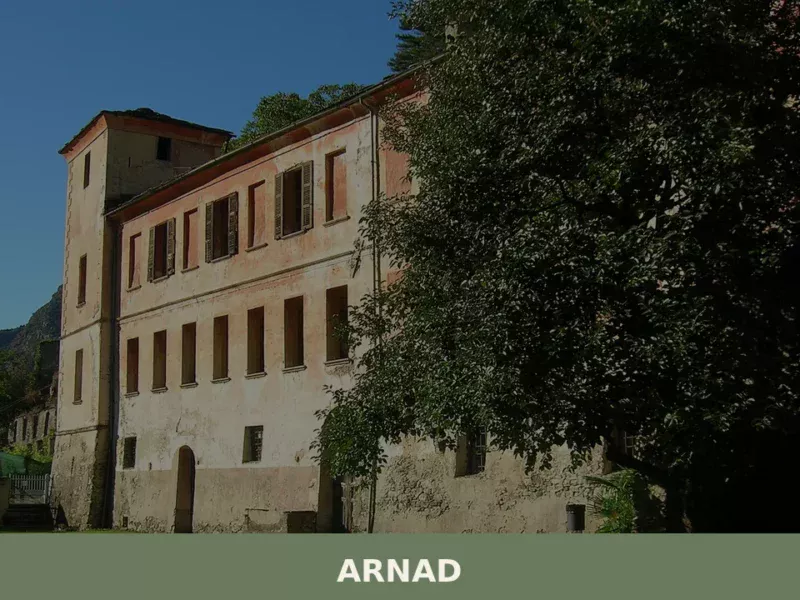
Arnad
Mountain
Discover what to see in Arnad: medieval Château Vallaise, Lard d'Arnad DOP, historic irrigation channels and terraced vineyards in Italy's Aosta Valley.
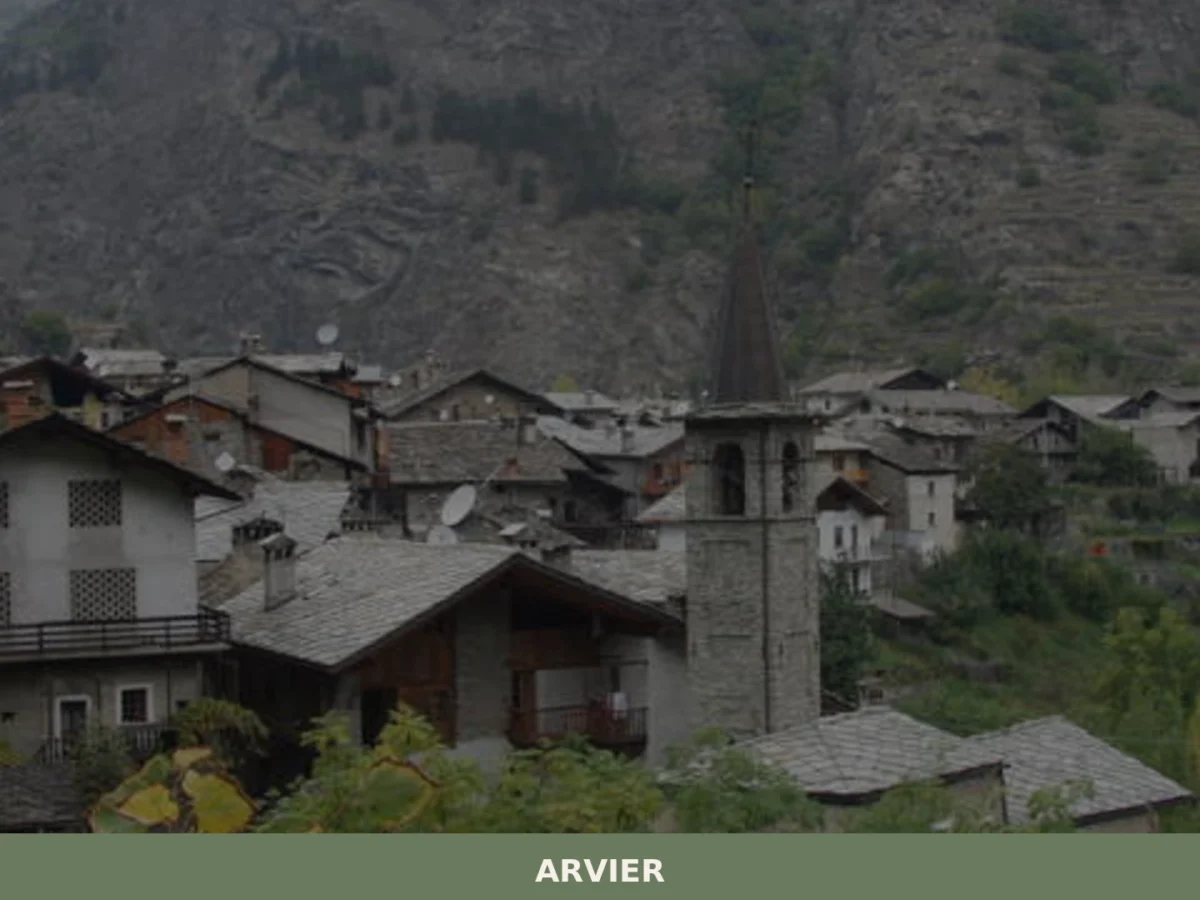
Arvier
Mountain
Discover what to see in Arvier, Valle d'Aosta: medieval borough, feudal tower, Enfer d'Arvier vineyards, local food and practical travel tips.
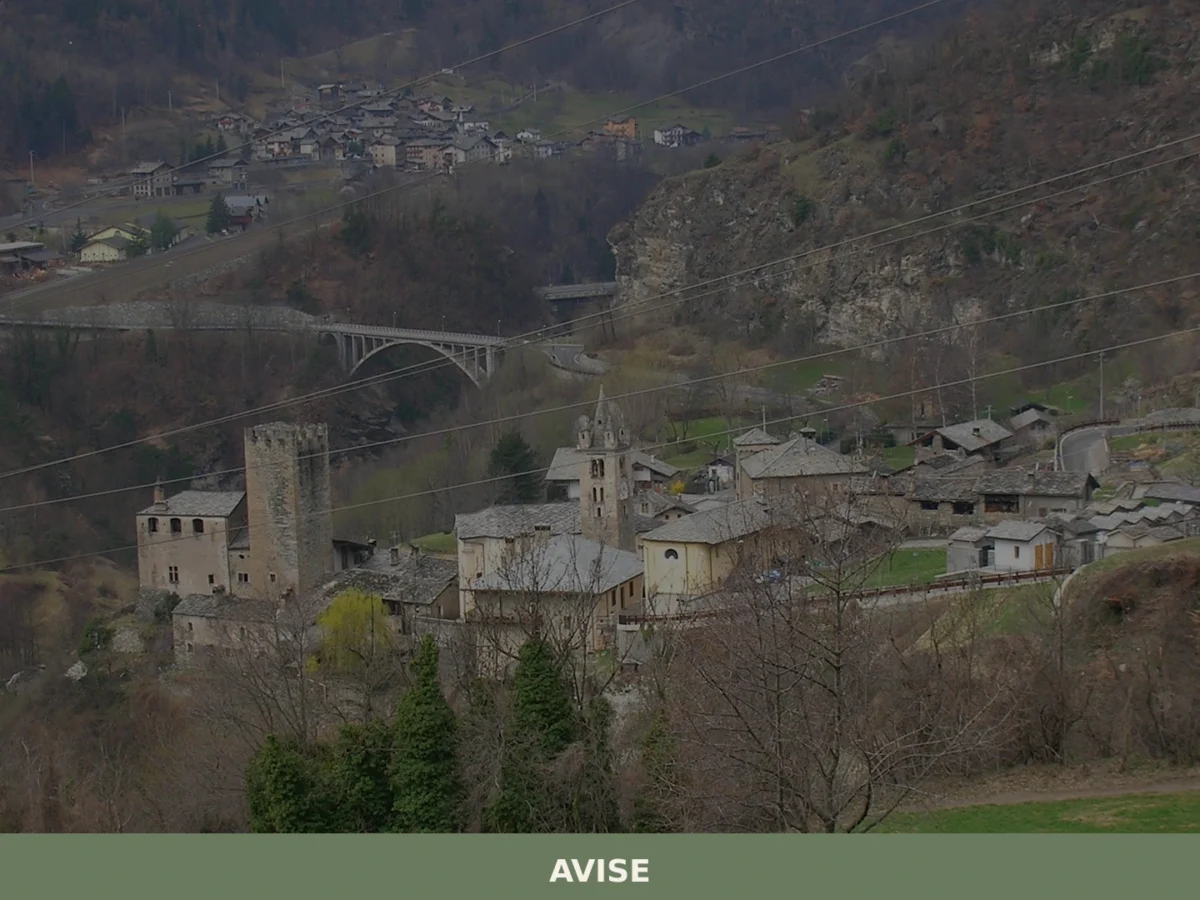
Avise
Mountain
Discover what to see in Avise: a medieval castle, Romanesque church, alpine vernacular architecture and valley views in the upper Valle d'Aosta at 996 metres.
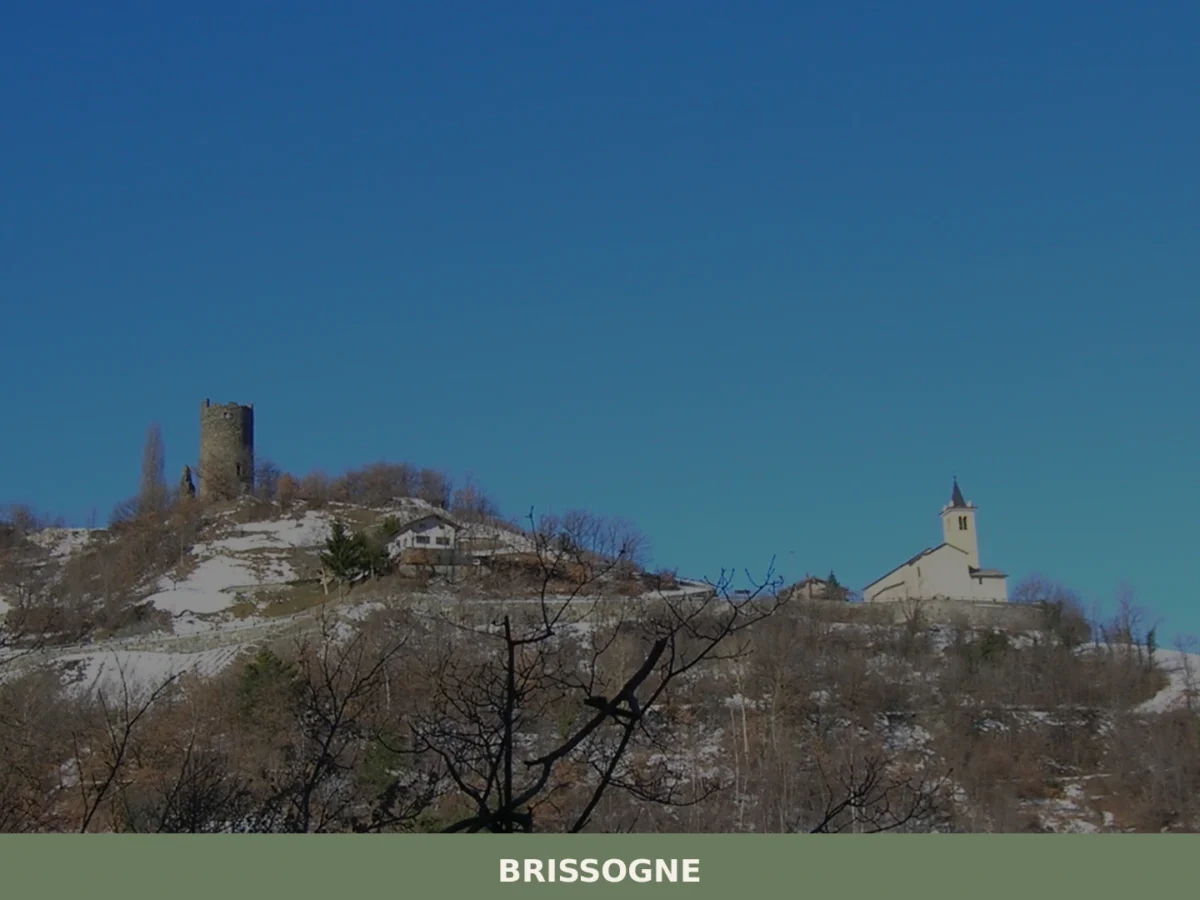
Brissogne
Mountain
What to see in Brissogne? Discover the 5 unmissable attractions of this village in Aosta Valley. From the church to the castle, plan your visit here!

🏡 Know Allein better than we do?
If you’re a local or have been there, your knowledge matters: add what’s missing or fix a detail on this page.