


Bettona
 Hills
Hills
What to see in Bettona, Umbria, Italy: Etruscan walls, Perugino paintings and a Pinacoteca at 353 m altitude. Discover top attractions and how to get there.
Discover Bettona
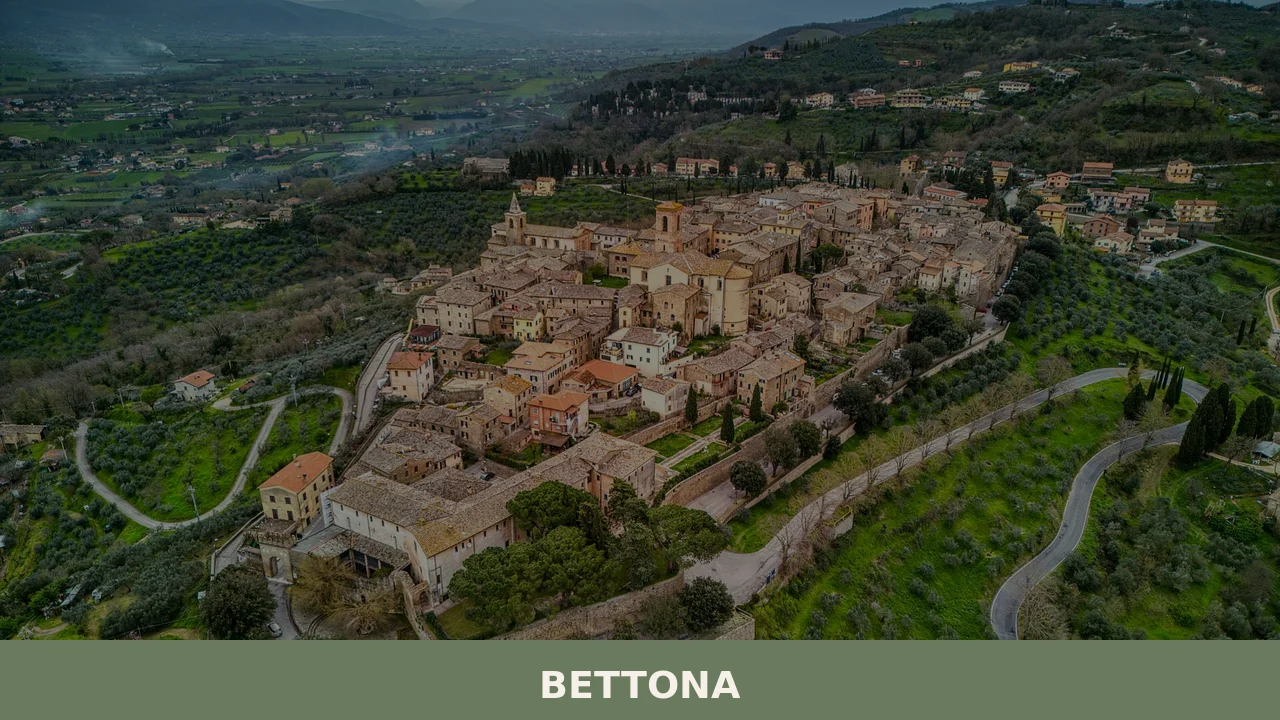
The walls of Bettona are built of lithoid tuff laid in careful horizontal courses, their outer faces flat and slightly inclined inward — a construction technique that dates to no later than the 3rd century BC. At the foot of the hill, the rivers Topino and Chiascio converge in a cultivated plain, while the town itself sits at 353 m (1,158 ft) above sea level at the northern edge of the Colli Martani range, 12 km (7.5 mi) south-west of Assisi and 5 km (3.1 mi) east of Torgiano.
Deciding what to see in Bettona becomes straightforward once you understand the layered depth of this comune of 4,307 inhabitants in the province of Perugia, Umbria, Italy.
Visitors to Bettona find a Pinacoteca Comunale housing a painting by Pietro Perugino, a circuit of Etruscan and medieval walls, three churches containing works attributed to Perugino and Dono Doni, and a barrel-vaulted chamber tomb whose grave goods span the mid-3rd century BC to the 1st century BC.
The town belongs to the association I Borghi più belli d’Italia — the most beautiful villages of Italy — a designation awarded to a curated list of small Italian comuni recognised for their cultural and architectural heritage.
History of Bettona
The settlement that became Bettona originated in the 8th to 7th century BC as an Umbrian town then known as Vettona. The Latin name appears in Pliny’s account of Umbrian cities and is recorded in the Itinerarium Peutingerianum along the route connecting Amelia to Perugia via Todi. Romans conquered Vettona in the 4th century BC and elevated it to the status of a municipium.
The town was assigned to the Clustumina tribe, while its ancient dependency Urvinum Hortense — corresponding to present-day Collazzone — belonged to the Stellatina. An inscription dated to 123 AD, dedicated by the inhabitants of Urvinum Hortense to Magnia Urbica Augusta, survives among the documented archaeological finds of the area.
Christian tradition holds that the town’s first bishop was Saint Crispoldus, placed either in the 1st century or around the 4th century, when he is also said to have suffered martyrdom.
The only bishop confirmed by historical documentation is Gaudentius, who attended a synod at Rome called by Pope Hilarius in 465. The early Middle Ages brought decline: the town suffered damage in 548 at the hands of the Ostrogothic king Totila, passed under Byzantine control, and later became part of the Duchy of Spoleto under Lombard rule. By the late 12th century Bettona had developed into a self-governing municipality, coming under Papal authority in 1198 while remaining within the ecclesiastical jurisdiction of the diocese of Assisi.
A prolonged conflict with Assisi followed, lasting roughly thirty years and ending in Bettona’s forced submission in 1223.
The most destructive episode in the town’s medieval history came in 1352, when Perugia besieged, captured, and burned Bettona. Stone from the demolished buildings was reused in the construction of the Palazzo dei Priori in Perugia. Reconstruction was ordered in 1367 by Cardinal Albornoz, who directed the rebuilding with smaller but stronger fortifications partially following the line of the earlier Etruscan walls. From 1389 to 1425 the town fell under the rule of the Trinci family of Foligno, after which it was granted to the Baglioni family — a transfer that met local resistance and culminated in its conquest in 1439 by Malatesta Baglioni.
In 1648 Bettona passed under direct Papal rule, which continued until the Risorgimento. In 1860 a plebiscite was held in which the population voted overwhelmingly to join the Kingdom of Italy, ending more than two centuries of Papal administration.
Other villages in central Umbria share comparable medieval trajectories; the hilltop comune of Montone, also in the province of Perugia, passed through similar cycles of lordship and communal autonomy during the same period.
What to see in Bettona, Umbria: top attractions
Etruscan and Medieval Walls
The tuff blocks composing the walls are parallelepiped or trapezoidal in shape, some bearing visible tool marks and, in rare cases, traces of rusticated finishing. The circuit originates in the Etruscan period and dates to no later than the 3rd century BC, though most of the currently visible structure results from the post-1352 reconstruction ordered by Cardinal Albornoz.
Several stretches remain accessible, including a right-angled section near Viale Roma and Porta Vittorio Emanuele, and a partly altered section near Porta Romana where the original horizontal courses are still preserved. Walking the perimeter, you can identify points where Etruscan blocks have been incorporated directly into the medieval rebuild — look for the slight inward inclination of the external face, a consistent feature of Etruscan construction in this part of Umbria.
Pinacoteca Comunale in the Palazzetto del Podestà
The Palazzetto del Podestà, dated 1371, houses the municipal picture gallery that brings together works removed from local churches for conservation.
The central piece is a Madonna of Mercy by Pietro Perugino, transferred here from the church of Sant’Antonio where it had hung as a tempera panel. The collection also includes works by Jacopo Siculo, Dono Doni, Fiorenzo di Lorenzo, and pieces from the Della Robbia workshop. What to see in Bettona in terms of Renaissance painting is substantially concentrated in this one room: the Perugino panel alone justifies the detour for visitors already covering the Assisi–Perugia corridor, just 12 km (7.5 mi) to the north-east.
Church of Santa Maria Maggiore
The principal church of Bettona occupies the main square and replaced an earlier Gothic building consecrated in 1226.
The present structure, erected in the early 19th century, is spacious and contains seven altars, including those in two large chapels arranged in a Greek cross plan. A marble ciborium sculpted by Cruciano Egiduccio of Bettona in 1590 stands at the main altar, while the sacristy preserves a tempera painting by Tiberio d’Assisi depicting the Virgin, Saint Anne, Saint Crispolto and Saint Anthony. The apse was frescoed in 1939 by the Futurist painter Gerardo Dottori — an unexpected presence in a Baroque interior.
The sole surviving element of the original 13th-century church is a Gothic chapel near the nave entrance, dedicated to Saint Rita.
Church of San Crispolto and Its Convent
The church of San Crispolto was formerly Benedictine property and transferred to the Conventual Franciscans in 1266. At the centre of the apse hangs a large panel attributed to Dono Doni representing the Adoration of the Shepherds, with scenes from the life of Saint Crispolto arranged in the predella below. In the old sacristy, a late 15th-century fresco depicts Saint Michael the Archangel. The relics of Saint Crispolto, patron saint of the town whose feast falls on 12 May, are venerated in a dedicated chapel. Particularly worth examining is the eastern side of the adjoining convent, which is constructed directly upon the remains of an Umbrian-Etruscan structure — the masonry transition between eras is visible at the base of the wall.
Barrel-Vaulted Chamber Tomb, Locality of Colle
Located in the locality of Colle, a short distance from the town centre, this chamber tomb is built entirely of local sandstone with walls of double-faced, carefully cut blocks laid without mortar — five courses of the original outer facing survive.
A small dromos, or entrance passage, leads to a full arch with a high, curved lintel; just before the threshold a drainage hole channels water into an underground collection chamber.
The tomb had already been looted when discovered, but surviving grave goods — small urns, jewellery, bronze objects, and glass vessels — indicate use between the mid-3rd century BC and the 1st century BC. The site provides a direct point of comparison with the Etruscan wall blocks visible in the town above, both products of the same sandstone-working tradition.
Local food and typical products of Bettona
The agricultural territory of Bettona has supplied its towns with a consistent set of products since at least the 19th century, when documented records list grain, wine, olive oil, wood, charcoal, and acorns as the principal outputs of the area. Of these, olive oil attracted particular attention for its quality and was exported beyond the local market.
The plain at the foot of the hill, watered by the Topino and Chiascio rivers, supports cultivation of both arable crops and orchards, while the hillside retains the olive groves that have defined Umbrian agrarian landscapes for centuries.
The broader Umbrian culinary tradition to which Bettona belongs relies on a small set of ingredients used with precision: extra-virgin olive oil pressed from local cultivars, freshwater fish from the rivers and Lake Trasimeno, dried pulses, and black or white truffles found in the surrounding woodland.
Pasta formats typical of central Umbria include strangozzi, a thick hand-cut noodle made with flour and water, traditionally served with a black truffle sauce made from shaved Tuber melanosporum emulsified with oil and garlic. Grilled meats — particularly pork and pigeon — reflect the livestock-breeding tradition recorded locally, which historically included pig rearing.
The 19th-century records also note sericulture in the area, a reminder that the local economy once extended well beyond food production.
The territory around Bettona falls within the production zone of the Umbria DOP olive oil, a Protected Designation of Origin covering extra-virgin olive oil produced from specific cultivars — primarily Moraiolo, Frantoio, and Leccino — grown and pressed in designated Umbrian municipalities. The oil is characterised by a greenish-yellow colour, a light fruity aroma, and a notably low acidity.
Visitors looking to purchase directly can inquire at local producers in the plain below Bettona, particularly around the locality of Passaggio, which holds the largest share of the municipality’s population at 1,133 residents.
The local economy documented in the 19th century also included basket-weaving and other woven goods — a craft production that complemented agriculture.
While no organised seasonal food market is confirmed in the available sources specifically for Bettona, the feast of the patron saint on 12 May historically coincides with spring agricultural activity and draws visitors from surrounding localities to the town’s main square, creating a de facto occasion for local commerce.
Festivals, events and traditions of Bettona
The central event of the civic and religious calendar is the feast of San Crispolto, patron saint of the town, celebrated on 12 May each year. According to tradition, Crispolto was the first bishop of Bettona and suffered martyrdom, after which he was buried in the church that now bears his name. The feast involves the veneration of his relics in the chapel of the church of San Crispolto, where the Conventual Franciscans have maintained custody since 1266.
The date falls in mid-spring, when the hill town is at its most accessible after winter and before summer heat settles on the Umbrian plain.
The town’s documented cultural life also extended in the 19th century to a local theatre and a philharmonic society, indicating an organised musical tradition. In the oratory of Sant’Andrea, a series of paintings from the school of Giotto dated 1394 depicting the Passion of Christ was rediscovered during restoration work carried out in the 1980s — a recovery that itself became a local cultural event.
These paintings, alongside the carved wooden ceiling and baroque altar of Sant’Andrea, form part of the heritage that the town’s institutions maintain and periodically present to the public.
When to visit Bettona, Italy and how to get there
The best time to visit Bettona, Italy falls in the periods from April to June and from September to October. Spring brings mild temperatures to the Umbrian plain, the olive trees are in growth, and the feast of San Crispolto on 12 May offers a specific occasion to observe local religious practice. Autumn, particularly October, coincides with the olive harvest across the province of Perugia and keeps foot traffic moderate on the hill roads.
July and August are the warmest months in central Umbria and can push midday temperatures above 35 °C (95 °F) on the plain; the altitude of 353 m (1,158 ft) offers some relief, but the steeper stretches of the town centre require moderate physical effort at any time of year. International visitors should be aware that English is not widely spoken in smaller shops and service points in Bettona; carrying cash in euros is advisable, as card payment is not guaranteed at all local establishments.
Bettona sits along a convenient corridor between Perugia and Assisi that makes it accessible as a day trip from several Umbrian bases.
From Perugia, the distance is approximately 20 km (12.4 mi) by road, roughly 25 to 30 minutes by car via the SS75. From Assisi, the 12 km (7.5 mi) south-west route takes around 20 minutes by car. If you arrive by car from the north, the A1 motorway connects to the E45 superstrada; exit at Torgiano, which is 5 km (3.1 mi) west of Bettona, and follow local signage uphill. The nearest railway station is Passaggio di Bettona, located at the foot of the hill in the main valley settlement; regional trains run on the Trenitalia Foligno–Terontola line, and from the station a local road leads up to the walled town in approximately 10 minutes by car or taxi.
The nearest international airport is Perugia San Francesco d’Assisi Airport, approximately 25 km (15.5 mi) to the north-west, with connections to several European cities. Rome Fiumicino Airport is approximately 180 km (112 mi) south, making Bettona reachable as a day stop within a central Italy itinerary based in the capital.
For those combining Bettona with other walled villages in the province, the mountain comune of Preci, further south-east in the Valnerina, represents a logical extension for visitors with an additional day to spend in the province of Perugia.
The official municipal website of Bettona provides updated information on opening hours for the Pinacoteca Comunale and local services.
Hours for churches and the picture gallery can vary seasonally, so checking before arrival avoids a wasted detour — particularly for the Palazzetto del Podestà, which holds the Perugino panel.
Visitors who want to extend their trip northward will find that Cerreto di Spoleto, further into the Apennine interior of Umbria, shares a comparable scale and a medieval built environment shaped by the same cycles of Papal and dynastic control that defined Bettona’s own history.
Frequently asked questions about Bettona
What is the best time to visit Bettona?
Spring and early autumn are the ideal seasons. May is particularly rewarding: the Umbrian hills are green, temperatures are mild (15–22 °C), and on 12 May the town celebrates its patron saint San Crispolto with religious ceremonies and local festivities. Late October brings the olive harvest, when freshly pressed extra-virgin oil can be tasted directly from local producers. Summer is warm but never stifling at 353 m, making Bettona a pleasant escape from the heat of the valley below. Avoid August if you prefer smaller crowds along the Assisi–Perugia corridor.
What are the historical origins of Bettona?
Bettona originated in the 8th–7th century BC as the Umbrian town of Vettona. Romans conquered it in the 4th century BC and made it a municipium assigned to the Clustumina tribe. The town suffered Ostrogothic destruction in 548 under Totila, passed through Byzantine and Lombard rule, and became a self-governing comune by the late 12th century. In 1352 Perugia besieged and burned it; reconstruction was ordered by Cardinal Albornoz in 1367. The Etruscan walls, dated to no later than the 3rd century BC, are among the oldest surviving evidence of the settlement.
What to see in Bettona? Main monuments and landmarks
The top attractions are: the Etruscan and medieval walls (freely walkable, with key sections near Porta Vittorio Emanuele and Porta Romana); the Pinacoteca Comunale inside the 1371 Palazzetto del Podestà, which houses a Madonna of Mercy by Pietro Perugino; the Church of Santa Maria Maggiore with a 1590 marble ciborium and a 1939 apse fresco by Futurist painter Gerardo Dottori; the Church of San Crispolto with a large panel by Dono Doni; and the barrel-vaulted Etruscan chamber tomb in the locality of Colle. Contact the municipal offices or local Pro Loco for current opening hours of the Pinacoteca.
Where to take the best photos in Bettona?
The most rewarding viewpoints are along the walkable stretch of the Etruscan walls, where the panorama opens over the plain where the Topino and Chiascio rivers converge. The main square in front of Santa Maria Maggiore offers classic hilltop-village compositions. The base of the convent of San Crispolto, where ancient Umbrian-Etruscan masonry meets medieval stonework, provides a striking architectural detail shot. At dawn or dusk, the south-facing escarpment gives wide views toward the Colli Martani range and, on clear days, as far as Assisi, 12 km to the north-east.
Are there museums, churches or historic buildings to visit in Bettona?
Yes. The Pinacoteca Comunale, housed in the 14th-century Palazzetto del Podestà, is the main museum and contains works by Perugino, Dono Doni, Fiorenzo di Lorenzo, Jacopo Siculo, and the Della Robbia workshop. The Church of Santa Maria Maggiore on the main square and the Church of San Crispolto are both open to visitors; the latter preserves the relics of the town's patron saint. The Etruscan chamber tomb in the locality of Colle is an accessible archaeological site. For confirmed opening hours and any admission fees, contact the Comune di Bettona or the local Pro Loco directly.
What can you do in Bettona? Activities and experiences
Bettona rewards a half-day or full-day visit combining archaeology, Renaissance art, and slow food. Walk the Etruscan wall circuit for free, visit the Pinacoteca to see the Perugino panel, and explore the chamber tomb at Colle. The town sits 12 km from Assisi and 5 km from Torgiano — home to the celebrated LUNGAROTTI wine museum — making it an easy addition to an Umbrian itinerary. The surrounding territory is ideal for scenic drives through olive groves and for tasting locally produced extra-virgin olive oil. The feast of San Crispolto on 12 May adds a community event to spring visits.
Who is Bettona suitable for? Families, couples, hikers, solo travelers?
Bettona suits couples seeking a quiet, culturally rich hilltop village away from the crowds of Assisi and Perugia. Art lovers will appreciate the Perugino panel and the Dono Doni altarpiece. History and archaeology enthusiasts are well served by the Etruscan walls and chamber tomb. Families with older children can combine a wall walk with a museum visit in a compact, safe town centre. Solo travellers covering the Umbrian art circuit find Bettona an efficient and rewarding detour. The terrain is hilly but manageable; the village is small enough to explore thoroughly in three to four hours.
What to eat in Bettona? Local products and specialties
Bettona's agricultural territory has historically produced high-quality extra-virgin olive oil, noted for export as early as the 19th century; the surrounding hills still support active olive cultivation. The broader Umbrian table — to which Bettona belongs — features strangozzi pasta with black truffle sauce (Tuber melanosporum), grilled pork and pigeon, dried pulses, and freshwater fish. Torgiano, just 5 km away, is one of Umbria's principal wine towns, and its DOC and DOCG wines pair naturally with a meal in the area. Local restaurants and agriturismi in the comune are the most reliable source for produce tied directly to the Bettona territory.
Nearby Villages near Bettona
In Umbria More villages to discover
Poggiodomo
 Mountain
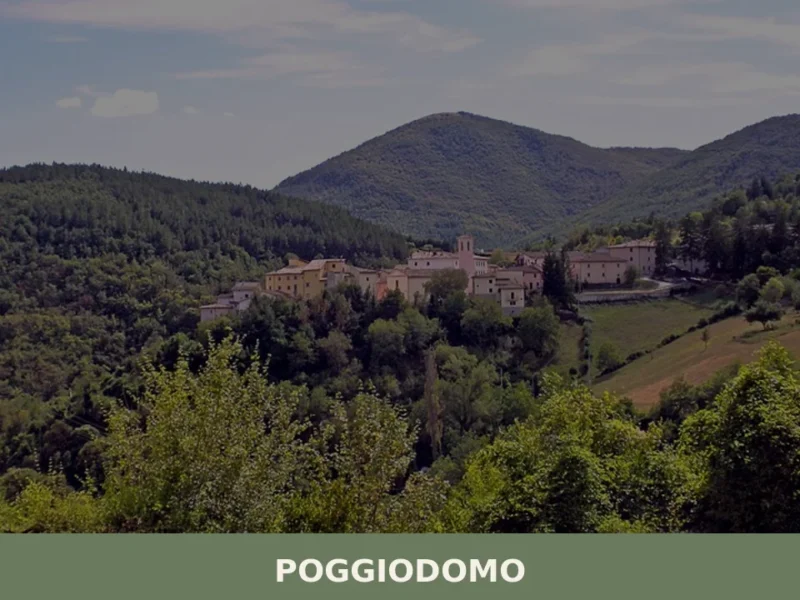
What to see in Poggiodomo, Italy? Explore this Umbrian village, situated at 974 m, and discover the historic Church of San Carlo Borromeo and the Hermitage of Madonna della Stella.
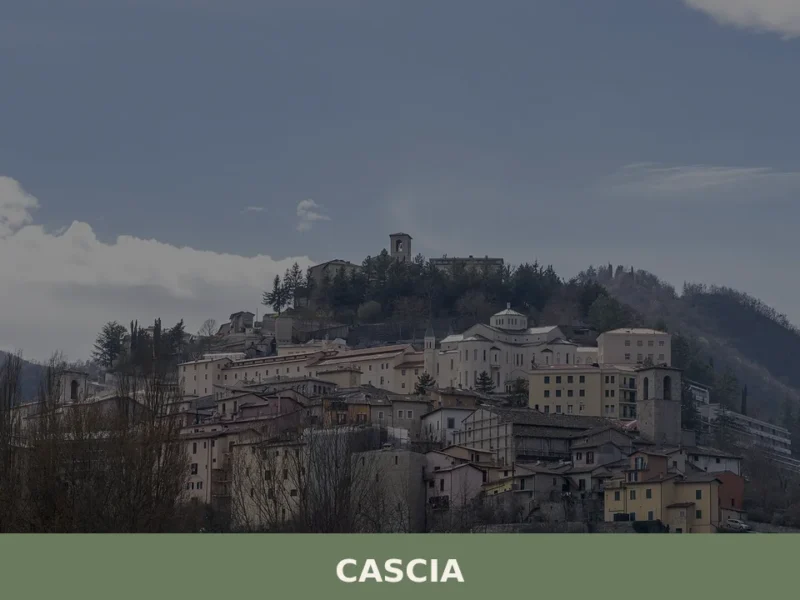
Cascia
Mountain
What to see in Cascia, Umbria, Italy: explore the Basilica of Santa Rita, medieval churches, and local truffles at 653 m altitude. Discover the full travel guide.
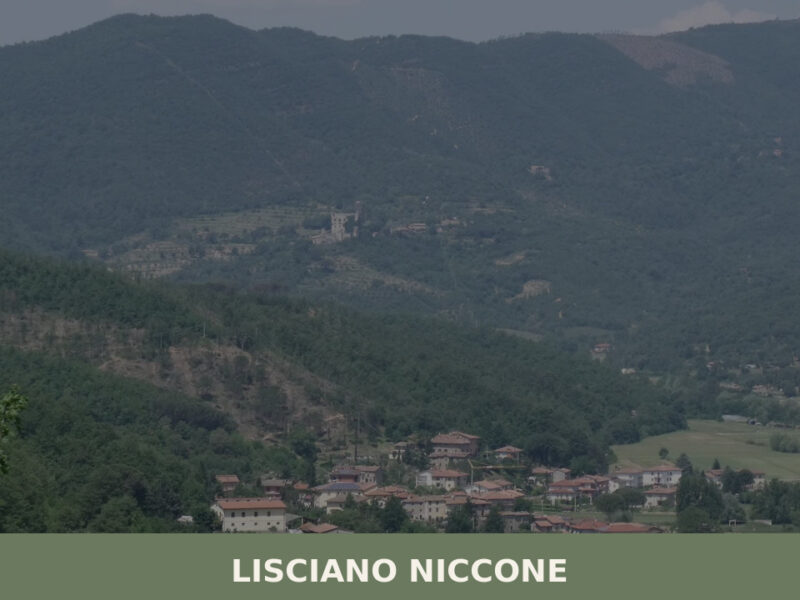
Lisciano Niccone
Hills
A 601-inhabitant village on the Umbria-Tuscany border. Discover what to see in Lisciano Niccone: its medieval core, valley trails, and traditional food.
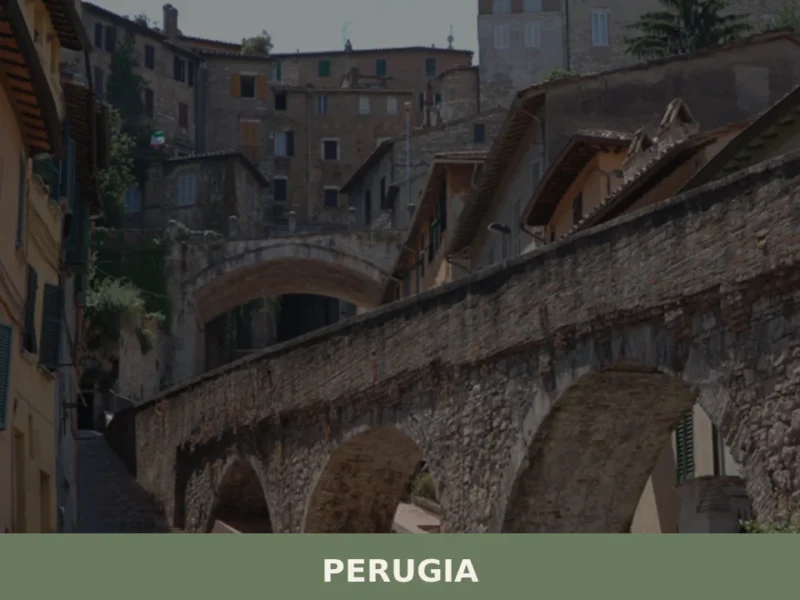
Perugia
Hills
What to see in Perugia: discover 5 main attractions, from Fontana Maggiore to Rocca Paolina. Plan your trip and visit the heart of Umbria.
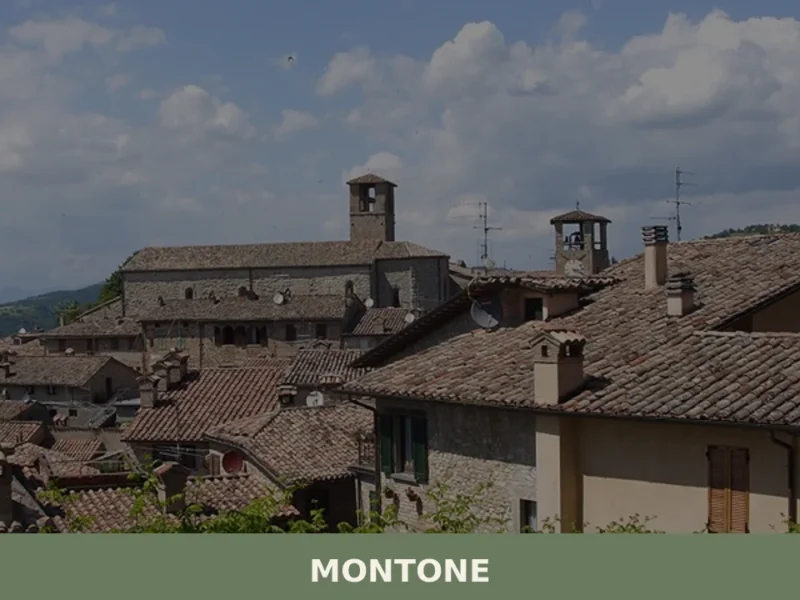
Montone
Hills
What to see in Montone, Italy: Explore this Umbrian village, 482 m high, with its medieval walls and historic Rocca d'Aries. Discover churches and heritage.
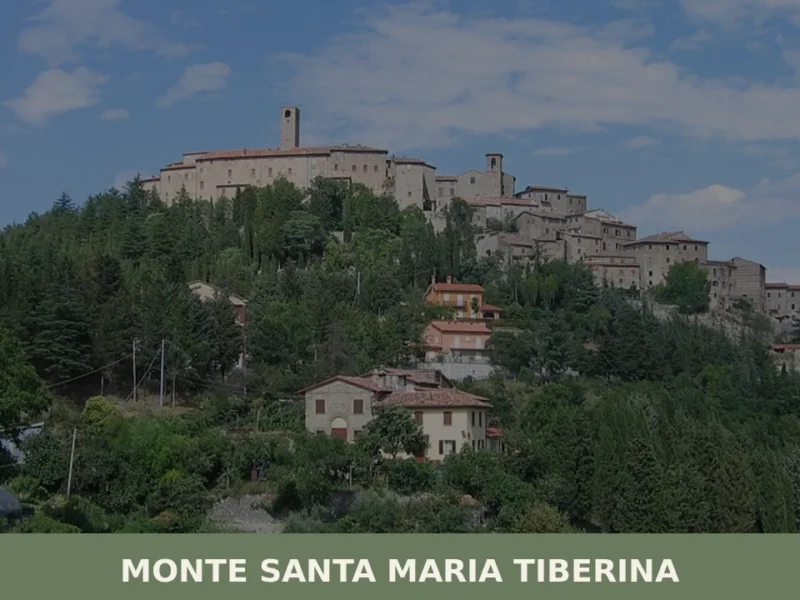
Monte Santa Maria Tiberina
Mountain
A quiet hush often settles over the stone lanes of Monte Santa Maria Tiberina as the morning sun climbs, painting the ancient walls with a warm ochre glow. From its vantage point at 688 metres above sea level, the village awakens slowly, the distant murmur of the Tiber River a faint counterpoint to the rustle […]
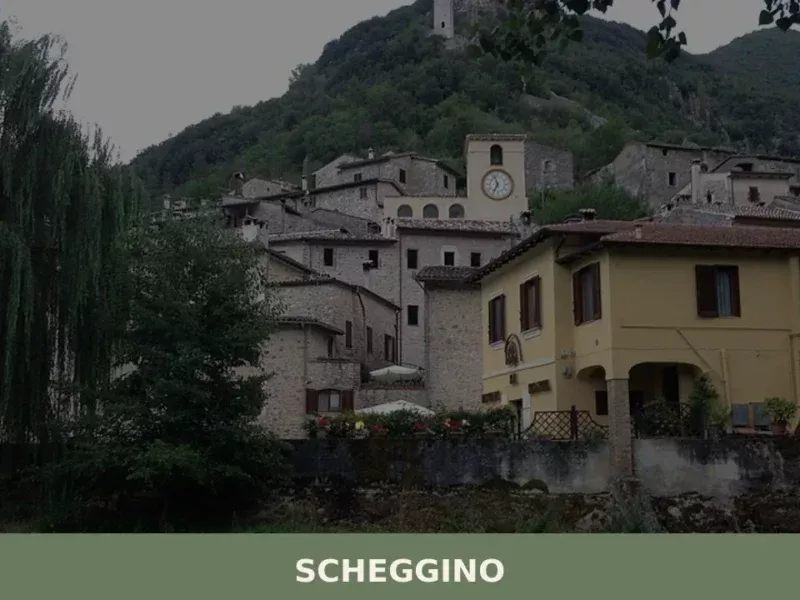
Scheggino
Hills
Situated at an altitude of 282 meters above sea level, Scheggino is a compact village in the Umbrian Apennines, home to 446 inhabitants in the province of Perugia. Its development has been shaped by its proximity to the Nera River, a constant presence that influenced both its economy and defensive structures over centuries. Understanding what […]
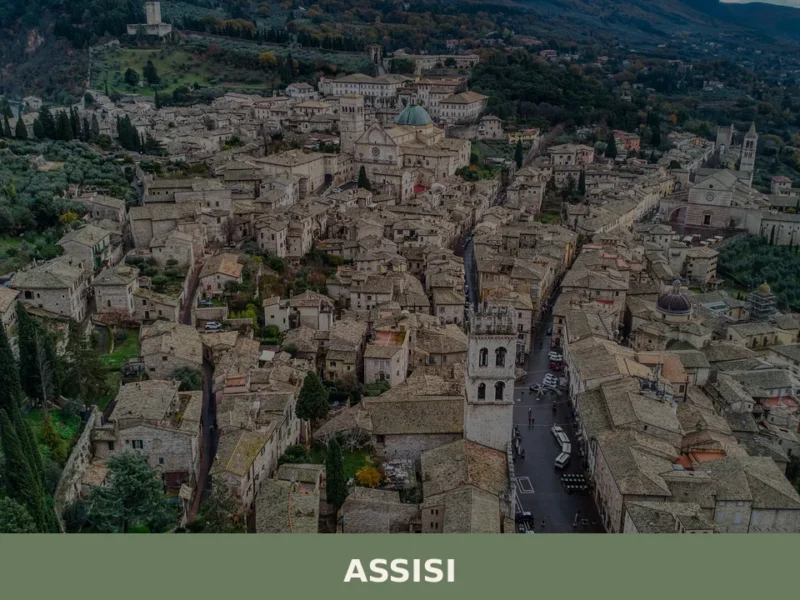
Assisi
Hills
What to see in Assisi, Umbria, Italy: explore the UNESCO Basilica of San Francesco, Rocca Maggiore, and 27,721-inhabitant hilltop town. Discover festivals and travel tips.
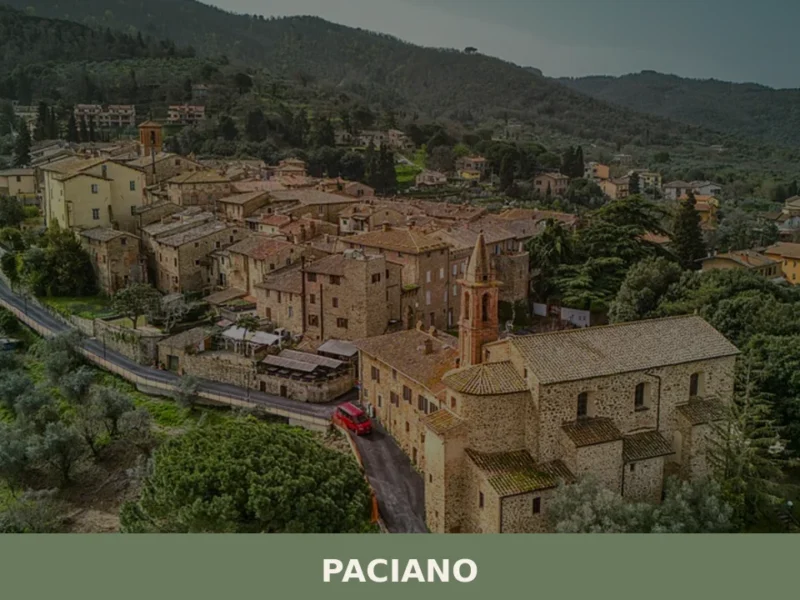
Paciano
Hills
As the early morning mist begins to lift from the rolling hills, a faint scent of woodsmoke and damp earth hangs in the air. The first rays of sunlight strike the ancient stone of Paciano, illuminating a quiet street where a lone figure sweeps the flagstones outside a modest doorway. Here, life unfolds with a […]
Cerreto di Spoleto
Hills
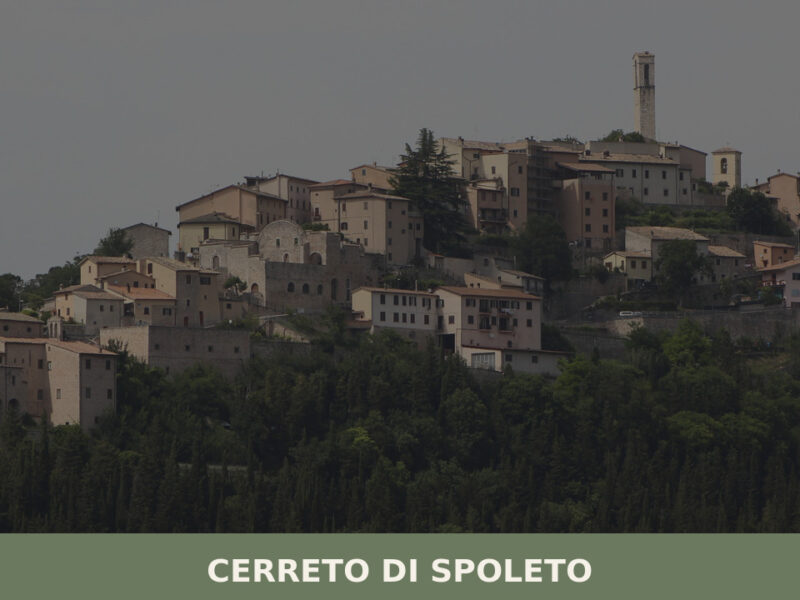
A ridge-top village of 975 inhabitants in the Valnerina, Cerreto di Spoleto holds medieval streets, scattered hamlets, and a centuries-old tradition of itinerant herbalists.
🏡 Know Bettona better than we do?
If you’re a local or have been there, your knowledge matters: add what’s missing or fix a detail on this page.