


Aulla
 Plains
In 884 AD, Marquis Adalbert of Tuscany founded an abbey dedicated to Saint Caprasius at the confluence of the Magra and Aulella rivers, transforming a modest valley-floor settlement into an obligatory stopping point on the Via Francigena. Today, anyone wondering what to see in Aulla will find a lowland town at 64 metres above sea […]
Discover Aulla
In 884 AD, Marquis Adalbert of Tuscany founded an abbey dedicated to Saint Caprasius at the confluence of the Magra and Aulella rivers, transforming a modest valley-floor settlement into an obligatory stopping point on the Via Francigena. Today, anyone wondering what to see in Aulla will find a lowland town at 64 metres above sea level, with 11,274 inhabitants, whose urban fabric preserves the precise traces of that passage between Liguria and Tuscany — a crossroads function it has never ceased to fulfil, not even after the 2011 flood that reshaped its appearance.
History and origins of Aulla
The name Aulla most likely derives from the Aulella torrent, which flows into the Magra river right at the edge of the town. The first documented mention dates to a diploma issued by Emperor Louis III in the year 900, confirming the possessions of the abbey founded by the Obertenghi marquises. The geographical position — at the exact point where the Magra valley opens out towards the sea — made the town a strategic node for controlling transit between the Po Plain and the Tyrrhenian coast. Archbishop Sigeric of Canterbury, in 990, recorded Aulla as stop number XXVIII on his return journey from Rome, noting it in the famous itinerary that we now reconstruct as the Via Francigena.
During the Middle Ages, control of the territory passed from the bishops of Luni to the Malaspina, the powerful feudal family that dominated the Lunigiana for centuries. The Malaspina built the Fortezza della Brunella between the late fifteenth and early sixteenth century, positioning it on a rocky spur overlooking the confluence of the two watercourses. In 1543 the fief passed to the Centurione, Genoese bankers, and was subsequently acquired by the Grand Dukes of Tuscany. The definitive annexation to the Grand Duchy occurred in the eighteenth century, and from that point Aulla followed the political fortunes of Tuscany up to Italian Unification.
On 25 January 2011 a flooding of the Magra devastated the town centre, severely damaging the built heritage and the Abbey of San Caprasio. The reconstruction, which lasted years, brought to light significant archaeological finds during the abbey’s restoration, including a stone reliquary casket attributed to Saint Caprasius, now displayed in the museum annexed to the church. This discovery, made in 2001 during earlier excavation work, confirmed the importance of the site as a pilgrimage station along the Francigena.
What to see in Aulla: 5 main attractions
1. Abbey of San Caprasio
Founded in 884, the abbey preserves architectural layers spanning from the ninth to the fifteenth century. Excavations carried out from 2001 uncovered a stone reliquary casket containing remains attributed to the patron saint Caprasius of Lérins, a fifth-century monk. The adjoining museum houses the finds and documents the building phases of the structure.
2. Fortezza della Brunella
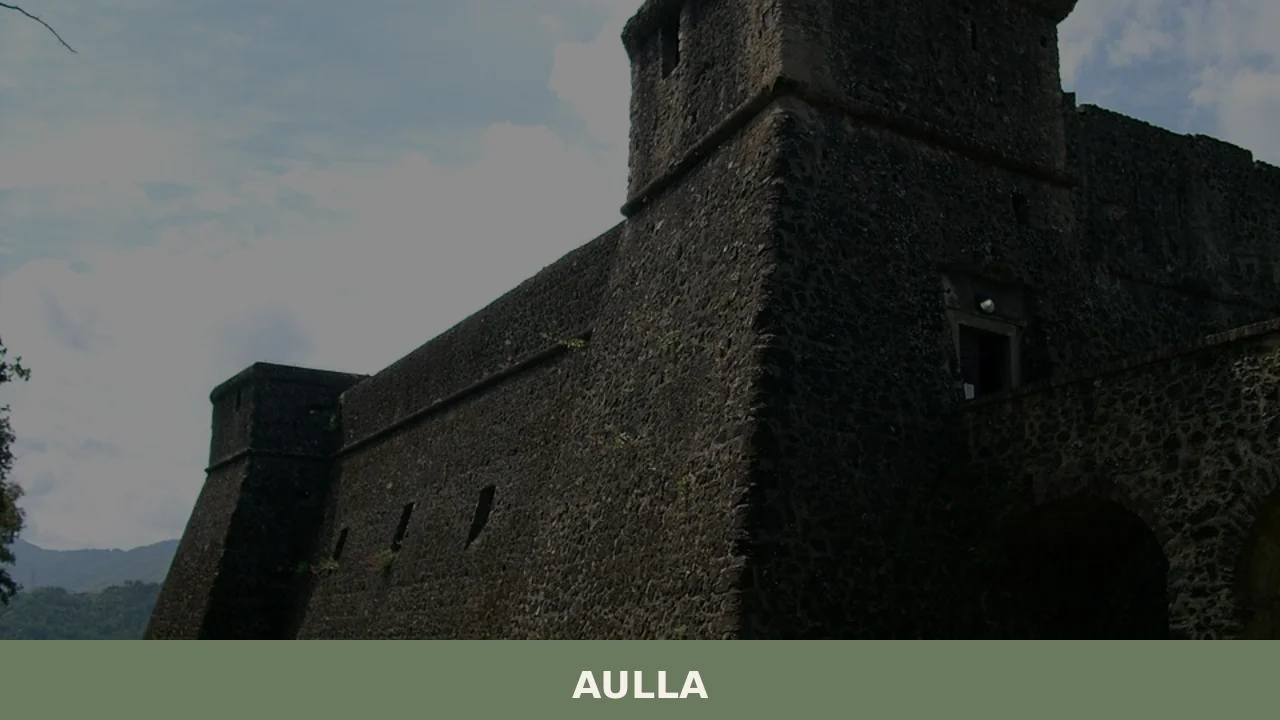
Built between the late fifteenth and early sixteenth century, the fortress stands on a sandstone outcrop commanding the confluence of the Magra and Aulella. Its quadrangular plan with corner bastions reflects the principles of Renaissance military architecture. Since 1975 it has housed the Natural History Museum of the Lunigiana, with collections covering the fauna, flora and mineralogy of the area.
3. Via Francigena — The Aulla stage
Aulla corresponds to stage XXVIII of Sigeric’s itinerary. The official route passes through the town and continues towards Pontremoli to the north and Sarzana to the south. Waymarkers and signposts along the trail allow walkers to cover the stretches linking the valley floor to the surrounding ridges, where the path follows dirt tracks through chestnut and oak woods.
4. Church of San Martino di Caprigliola
In the hamlet of Caprigliola, about 4 kilometres from the centre, the church of San Martino dates to the twelfth century. The village itself — set on a hilltop overlooking the valley — retains a medieval urban layout with entrance gates still visible. The religious building features Romanesque elements on its facade and a square-based bell tower.
5. Natural History Museum of the Lunigiana
Set up in the halls of the Brunella, the museum documents the geology, botany and zoology of the Lunigiana with specimens collected across the territory. The sections dedicated to the minerals of the Apuan Alps and the fauna of the Magra basin serve as a key reference for the natural history of the area. Its location inside the fortress also provides a direct view of the sixteenth-century architectural structure.
Local cuisine and regional products
Aulla’s cuisine is that of the Lunigiana, a food tradition built on chestnuts, spelt and wild herbs. Testaroli — discs of dough cooked on red-hot cast-iron testi and then dressed with Genoese pesto or extra virgin olive oil — are the signature dish of the territory: here they are still prepared according to the original method, pouring a liquid batter of flour and water onto the scorching testo. Panigacci, similar in technique but thinner and crispier, are served with stracchino cheese and local cured meats. The focaccetta di Aulla, fried or cooked on stone, can be found in the shops around the centre. Among first courses, lasagne bastarde — made with a mix of wheat flour and chestnut flour — are a format exclusive to the valley. Torta d’erbi, prepared with chard, borage and Parmesan between two layers of thinly rolled pastry, appears on every family table. Miele della Lunigiana DOP, produced in the surrounding woodland areas, is certified in the acacia and chestnut varieties.
Among cured meats, the spalla cotta from Filattiera and lard prepared in the local tradition feature on cutting boards. The Toscano IGP extra virgin olive oil, under the Lunigiana geographical designation, comes from indigenous cultivars. The chestnut flour of the Lunigiana, which obtained Protected Designation of Origin status in 2015, is produced from chestnut groves cultivated between 200 and 800 metres of altitude and dried in metati — the traditional two-storey stone structures. This flour is used to make castagnaccio, necci filled with ricotta, and pattona, a dense chestnut polenta. In the autumn period, the testaroli festival and chestnut fairs enliven the hamlets of the municipality. Colli di Luni DOC wine, produced in the zone straddling Liguria and Tuscany, accompanies local dishes with white Vermentino and Sangiovese-based reds.
When to visit Aulla: the best time
The valley-floor climate makes Aulla accessible all year round, but the most suitable seasons are spring and autumn. From April to June temperatures range between 15 and 25 degrees, river levels are stable and the Francigena trails are easily walkable. On 1 June the feast of the patron saint San Caprasio is celebrated, with religious services in the abbey and events in the old town. Autumn — from September to November — brings fairs linked to chestnuts and forest products, with markets in the hillside hamlets of the municipality.
Summer can be hot and humid on the valley floor, with temperatures exceeding 30 degrees in July and August. Winter is mild compared to the Po Valley side, thanks to the shelter provided by the Apennines, but rain is frequent between November and February — in an area where annual rainfall often exceeds 1,200 millimetres. Those walking the Via Francigena will find pilgrim reception facilities, hostels and affiliated hotels in Aulla.
How to reach Aulla
Aulla is served by the A15 Parma–La Spezia motorway, with a dedicated exit at Aulla. From Milan the distance is approximately 200 kilometres (2 hours and 30 minutes); from Florence 170 kilometres (2 hours) via the A11 and then the A15; from La Spezia 35 kilometres (30 minutes). The Aulla Lunigiana railway station is on the Pontremolese line (Parma–La Spezia), with frequent regional trains in both directions. The nearest airport is Pisa-Galileo Galilei, approximately 100 kilometres away, connected to the A12 motorway and then to the A15. Parma airport is 95 kilometres away. For those arriving from Liguria, the A12 Genoa–Livorno motorway meets the A15 at the Santo Stefano di Magra junction, 15 kilometres from Aulla.
What to see in Aulla and in the nearby villages of Tuscany
The Lunigiana is a territory where the landscape changes dramatically within just a few kilometres: from Aulla’s valley floor you climb towards mountain communities that have maintained a direct relationship with the woodland and the stone. Casola in Lunigiana, 15 kilometres to the north-east, occupies a slope of the Tassonaro torrent valley and is known for its chestnut flour production and the Museo del Territorio dell’Alta Valle Aulella. The road connection along the SP20 follows the course of the Aulella, the same torrent that gives Aulla its name.
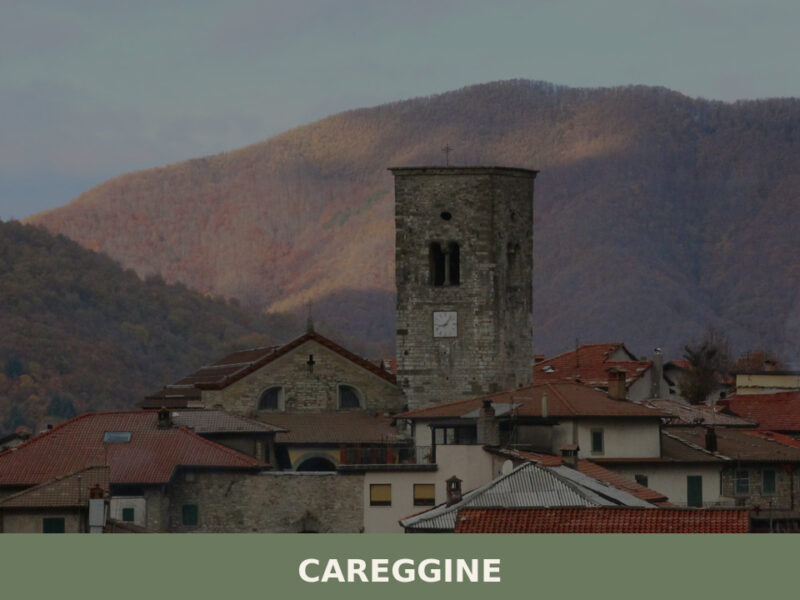
Further away, but reachable through the Garfagnana, Careggine lies approximately 50 kilometres to the south-east, on the opposite side of the Apuan Alps, at 873 metres of altitude. The village is known for its proximity to the artificial Lake Vagli, beneath whose waters lies the submerged settlement of Fabbriche di Careggine, visible only during the rare occasions when the reservoir is drained. From Aulla the route crosses the Passo dei Carpinelli and descends into the Garfagnana — a journey of about one hour that connects two geologically and culturally distinct sides of northern Tuscany.
Frequently asked questions about Aulla
What is the best time to visit Aulla?
Spring (April–June) and autumn (September–November) are the ideal seasons. Temperatures in spring range between 15 and 25°C, making the Via Francigena trails comfortable to walk. On 1 June, the feast of patron saint San Caprasio is celebrated with religious ceremonies at the Abbey of San Caprasio and events in the old town centre. Autumn brings chestnut fairs and forest-product markets in the hillside hamlets. Summer is hot and humid on the valley floor, often exceeding 30°C in July and August. Winter is relatively mild but rainy, with annual rainfall frequently surpassing 1,200 mm.
What are the historical origins of Aulla?
Aulla's origins trace to 884 AD, when Marquis Adalbert of Tuscany founded an abbey dedicated to Saint Caprasius at the confluence of the Magra and Aulella rivers. The town's name most likely derives from the Aulella torrent. The first documentary evidence appears in a diploma issued by Emperor Louis III in 900. In 990, Archbishop Sigeric of Canterbury recorded Aulla as stop XXVIII on his return journey from Rome, establishing it as a key stage on the Via Francigena. Control of the territory later passed from the bishops of Luni to the Malaspina family, then to the Genoese Centurione, and finally to the Grand Duchy of Tuscany in the eighteenth century.
What to see in Aulla? Main monuments and landmarks
The Abbey of San Caprasio (founded 884 AD) is the town's most important monument, with a museum housing the stone reliquary casket of the patron saint. The Fortezza della Brunella, a Renaissance quadrangular fortress on a sandstone spur overlooking the river confluence, contains the Natural History Museum of the Lunigiana (open to visitors since 1975). The Via Francigena route passes directly through town, with waymarked trails toward Pontremoli and Sarzana. About 4 km away, the hilltop hamlet of Caprigliola preserves its medieval layout, entrance gates, and the twelfth-century Romanesque Church of San Martino.
What are the main natural or scenic attractions of Aulla?
Aulla sits at the confluence of the Magra and Aulella rivers, a valley-floor landscape that opens toward both Liguria and the Tyrrhenian coast. The official Via Francigena trail links the town to surrounding ridges through chestnut and oak woods, following dirt tracks waymarked along the route. The Aulella valley, traced by the SP20 road toward Casola in Lunigiana, offers riverine scenery through a narrow mountain corridor. The Apuan Alps and Apennines frame the surrounding territory, visible from the Fortezza della Brunella's elevated position above the river confluence.
Where to take the best photos in Aulla?
The most rewarding viewpoint is the Fortezza della Brunella, positioned on a sandstone outcrop above the confluence of the Magra and Aulella rivers — from its walls you capture both the valley and the surrounding Apennine and Apuan ridges. The hilltop hamlet of Caprigliola, 4 kilometres from the centre, offers panoramic views over the Magra valley and retains its medieval streetscape with visible entrance gates. The area around the Abbey of San Caprasio, near the riverbanks, provides architectural subjects framed by the valley landscape.
Are there museums, churches or historic buildings to visit in Aulla?
The Abbey of San Caprasio (founded 884) houses an annexed museum with archaeological finds from excavations carried out from 2001, including the stone reliquary casket attributed to Saint Caprasius of Lérins. The Fortezza della Brunella, built in the late fifteenth to early sixteenth century, contains the Natural History Museum of the Lunigiana, with collections covering the fauna, flora and mineralogy of the area — open to the public since 1975. In the nearby hamlet of Caprigliola, the twelfth-century Church of San Martino features Romanesque facade elements and a square-based bell tower.
What can you do in Aulla? Activities and experiences
Walking the Via Francigena is the primary activity: Aulla is stage XXVIII of Sigeric's itinerary, with waymarked routes north toward Pontremoli and south toward Sarzana. The Aulella valley road toward Casola in Lunigiana offers scenic cycling and driving through chestnut woodland. In autumn, chestnut fairs and food markets enliven the hillside hamlets of the municipality. The Fortezza della Brunella and the Abbey of San Caprasio museum reward cultural visits. Local food experiences include tasting testaroli, panigacci and focaccetta di Aulla in the town's traditional establishments, paired with Colli di Luni DOC wines.
Who is Aulla suitable for? Families, couples, hikers, solo travelers?
Aulla suits a wide range of visitors. Hikers and pilgrims walking the Via Francigena find official waymarking, pilgrim hostels and affiliated hotels in the town. Families benefit from the Natural History Museum inside the Brunella fortress and the accessible valley-floor terrain. Food and wine enthusiasts are drawn by the dense Lunigiana culinary tradition — testaroli, chestnut flour products, Miele della Lunigiana DOP and Colli di Luni DOC wines. Culture-focused travellers can follow the archaeological and medieval heritage at the abbey and fortress. The town's excellent rail and motorway connections make it a practical base for exploring the wider Lunigiana territory.
What to eat in Aulla? Local products and specialties
Aulla's table reflects the Lunigiana tradition. Testaroli — thin dough discs cooked on cast-iron testi and dressed with Genoese pesto or olive oil — are the signature dish of the territory. Panigacci, thinner and crispier, are served with stracchino and local cured meats. Focaccetta di Aulla, fried or stone-cooked, is sold in shops around the centre. Lasagne bastarde mix wheat and chestnut flour; torta d'erbi combines chard, borage and Parmesan in pastry. Certified products include Miele della Lunigiana DOP (acacia and chestnut varieties) and Farina di Neccio della Lunigiana DOP (chestnut flour, PDO awarded 2015). Colli di Luni DOC Vermentino and Sangiovese-based reds accompany local meals.
Nearby Villages near Aulla
In Tuscany More villages to discover
Fivizzano
 Hills
Hills
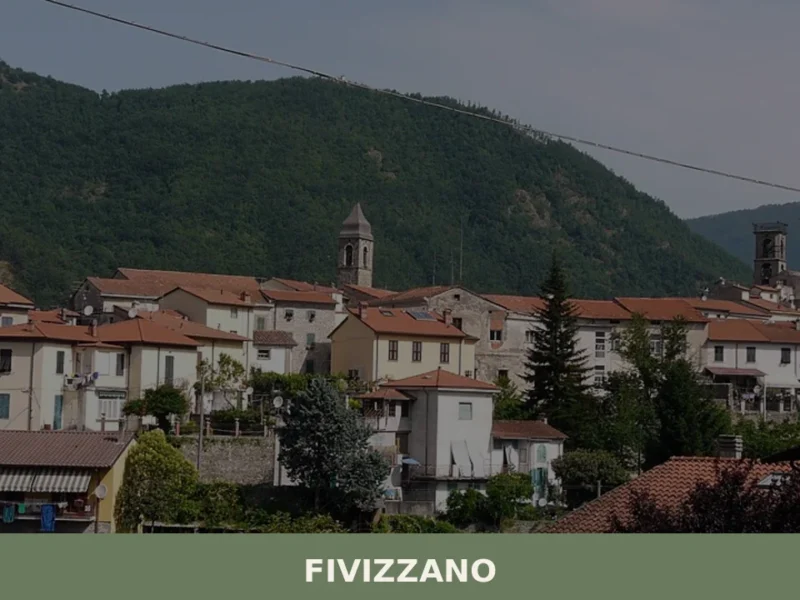
In 1477 a printing press active in Fivizzano produced an edition of Cicero’s Epistolae ad familiares, making this Lunigiana town one of the first places in Italy — and in Europe — to host the art of movable-type printing. The village stands at 326 metres above sea level in the province of Massa and Carrara, […]
Arezzo
Hills
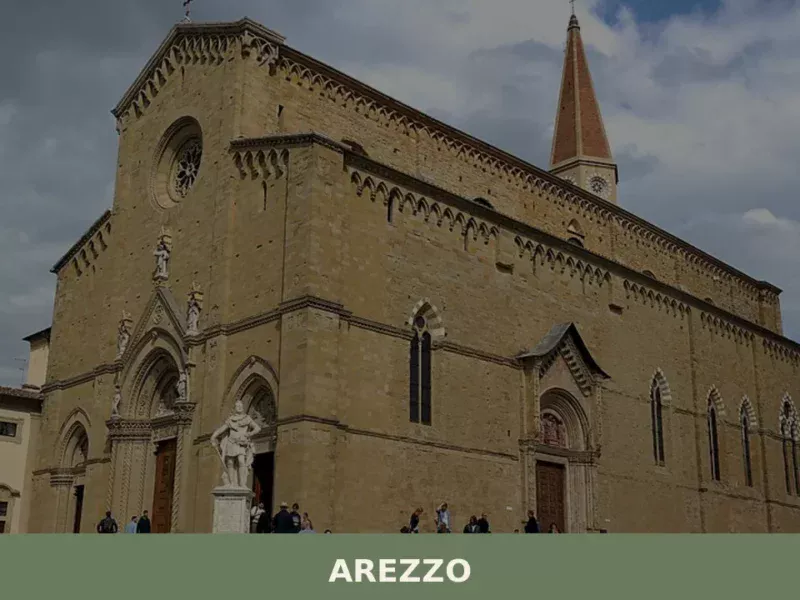
Discover Arezzo, a charming village in Tuscany, Italy. Explore its rich history, stunning architecture, and vibrant culture nestled in the heart of Toscana.

San Giovanni Valdarno
Hills
Founded in 1296 as a Florentine frontier town, San Giovanni Valdarno preserves a medieval grid layout, masterpieces by Beato Angelico, and the legendary miracle of Monna Tancia.
Zeri
 Mountain
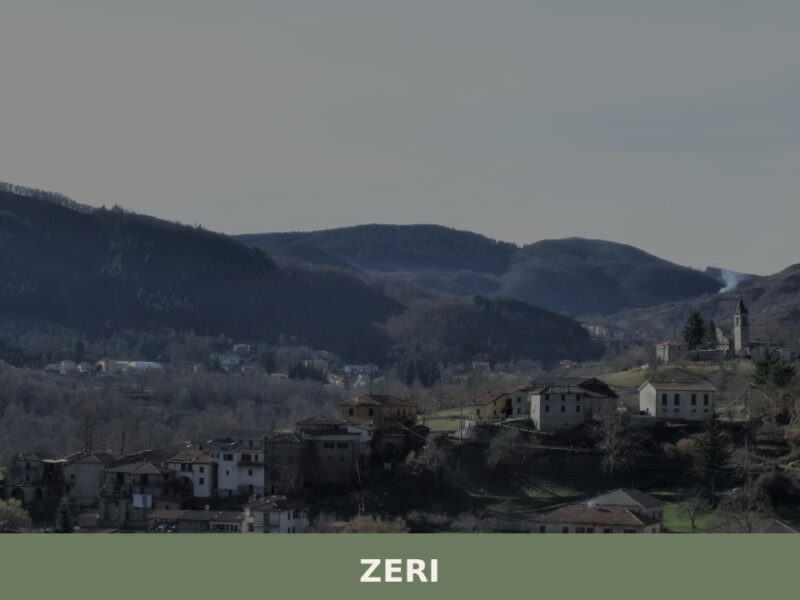
Morning mist lifts slowly from the Lunigiana valley floor, revealing a scattering of stone hamlets across green ridgelines that roll toward the Ligurian border. The air carries wood smoke and the distant sound of cowbells — the famed Zerasca breed still grazes these highlands. Zeri, a municipality of 1,166 inhabitants in the province of Massa […]
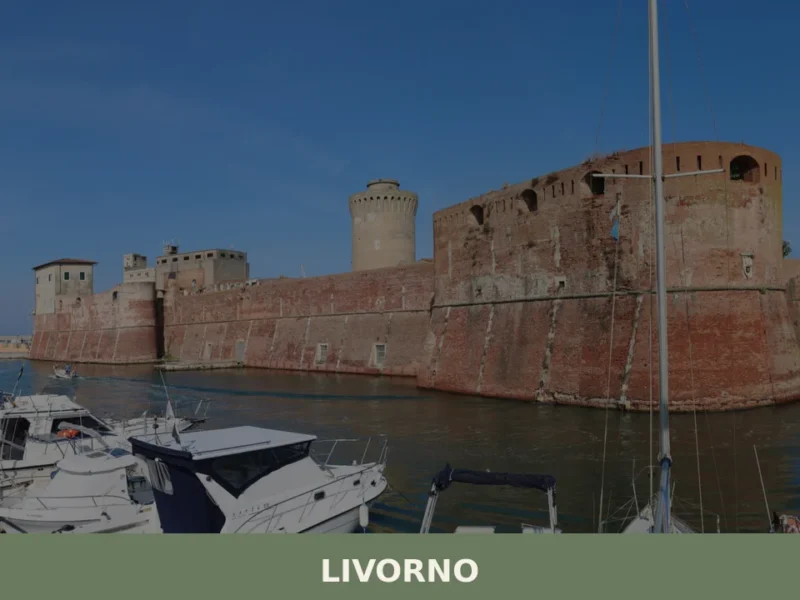
Livorno
 Sea
Sea
What to see in Livorno, a port city of 157,000 on the Tyrrhenian coast: Fortezza Vecchia, Quartiere Venezia, cacciucco, Terrazza Mascagni. Plan your visit now.
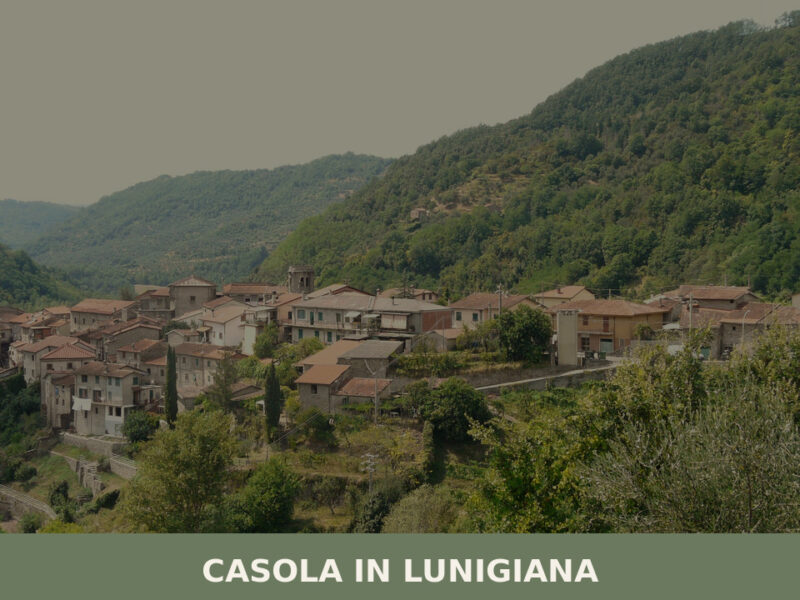
Casola in Lunigiana
Hills
Morning fog lifts slowly from the Aulella valley, revealing stone walls the colour of dried clay and a bell tower that has marked the hours here for centuries. The air carries woodsmoke and the faint mineral scent of chestnut groves climbing the surrounding slopes. With roughly one thousand inhabitants, Casola in Lunigiana remains one of […]
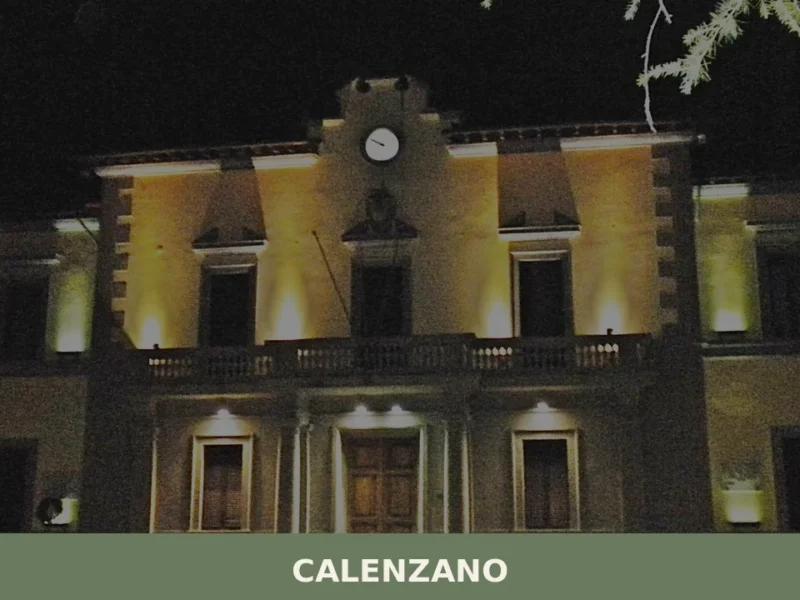
Calenzano
Plains
What to see in Calenzano, Italy: 5 top attractions, medieval churches, Renaissance art, and practical tips. 11 km from Florence. Discover Calenzano, Toscana.
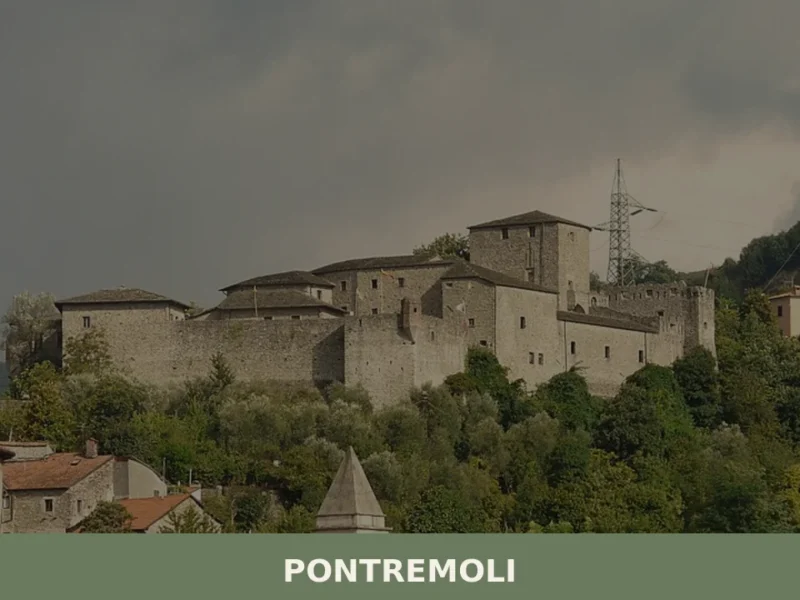
Pontremoli
Hills
Pontremoli has a current population of 7,593 and sits at an elevation of 236 metres in the valley of the River Magra, in the province of Massa and Carrara. The central hub of historic Lunigiana, the town is crossed by the route of the Via Francigena — stop number 28 on the itinerary of Sigeric, […]
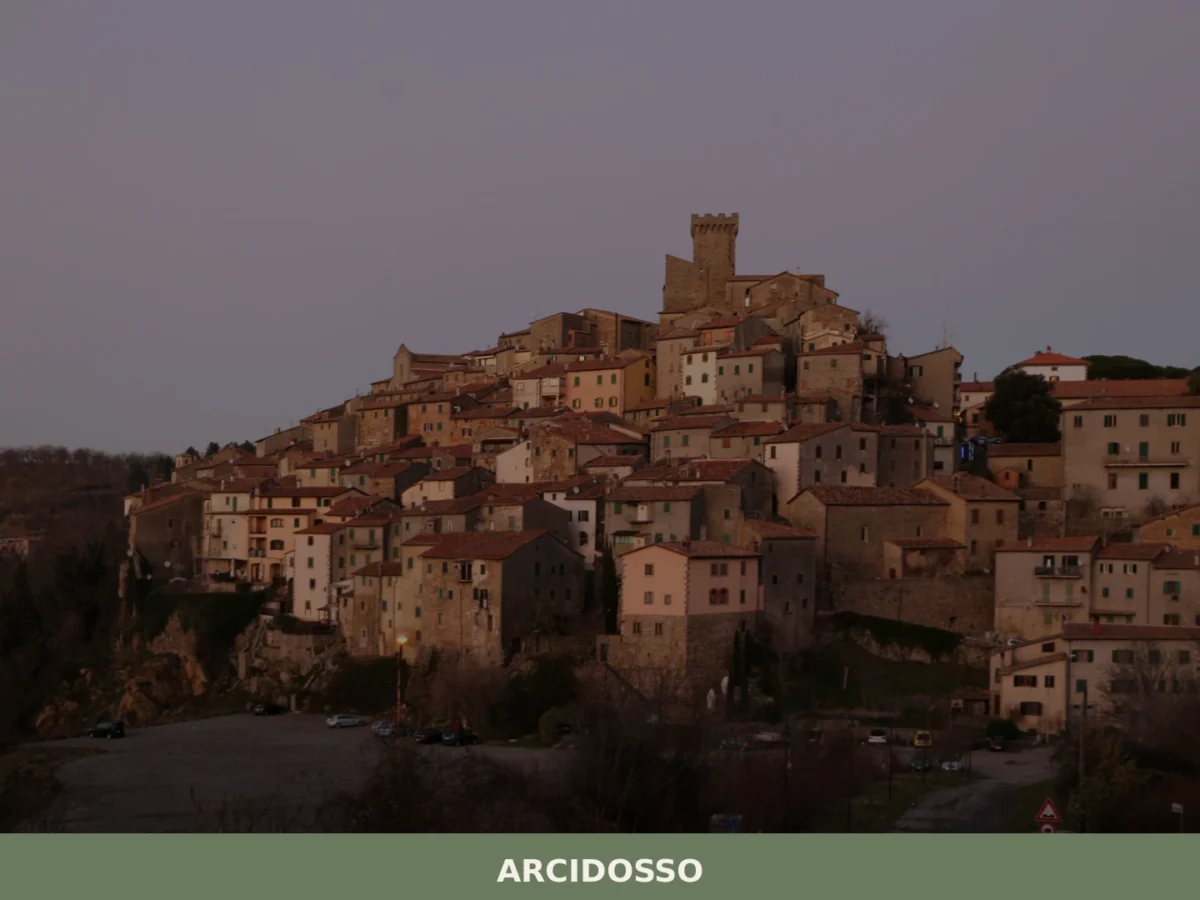
Arcidosso
Mountain
What to see in Arcidosso, Italy: explore a medieval castle built around 1000 AD, 3 surviving city gates, and local Monte Amiata cuisine. Discover top attractions now.
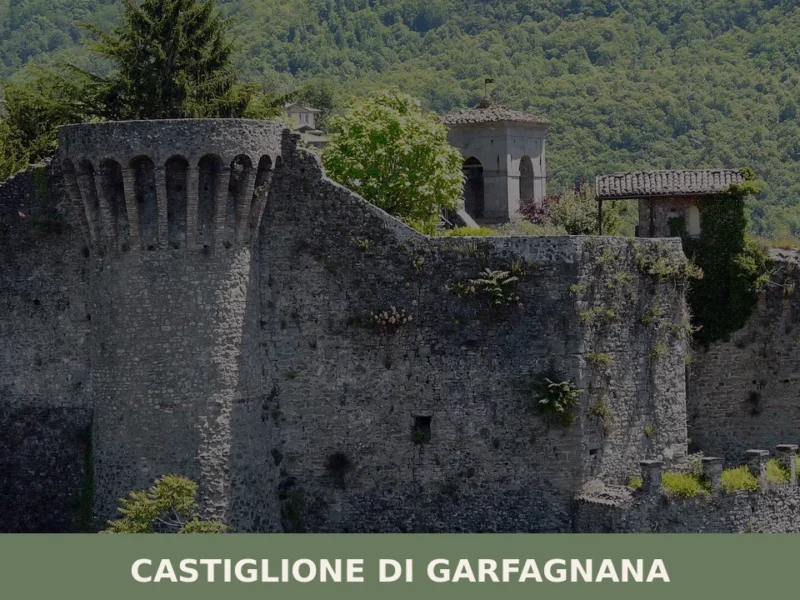
Castiglione di Garfagnana
Hills
What to see in Castiglione di Garfagnana, Italy: medieval walls, a 13th-century bridge, and the Rocca fortress at 545 m. Discover the full travel guide.

🏡 Know Aulla better than we do?
If you’re a local or have been there, your knowledge matters: add what’s missing or fix a detail on this page.