


Spello
 Sea
Sea
What to see in Spello, Umbria, Italy: Roman gates, mosaic villa, medieval walls at 314 m. Discover top attractions, local food and how to get there.
Discover Spello
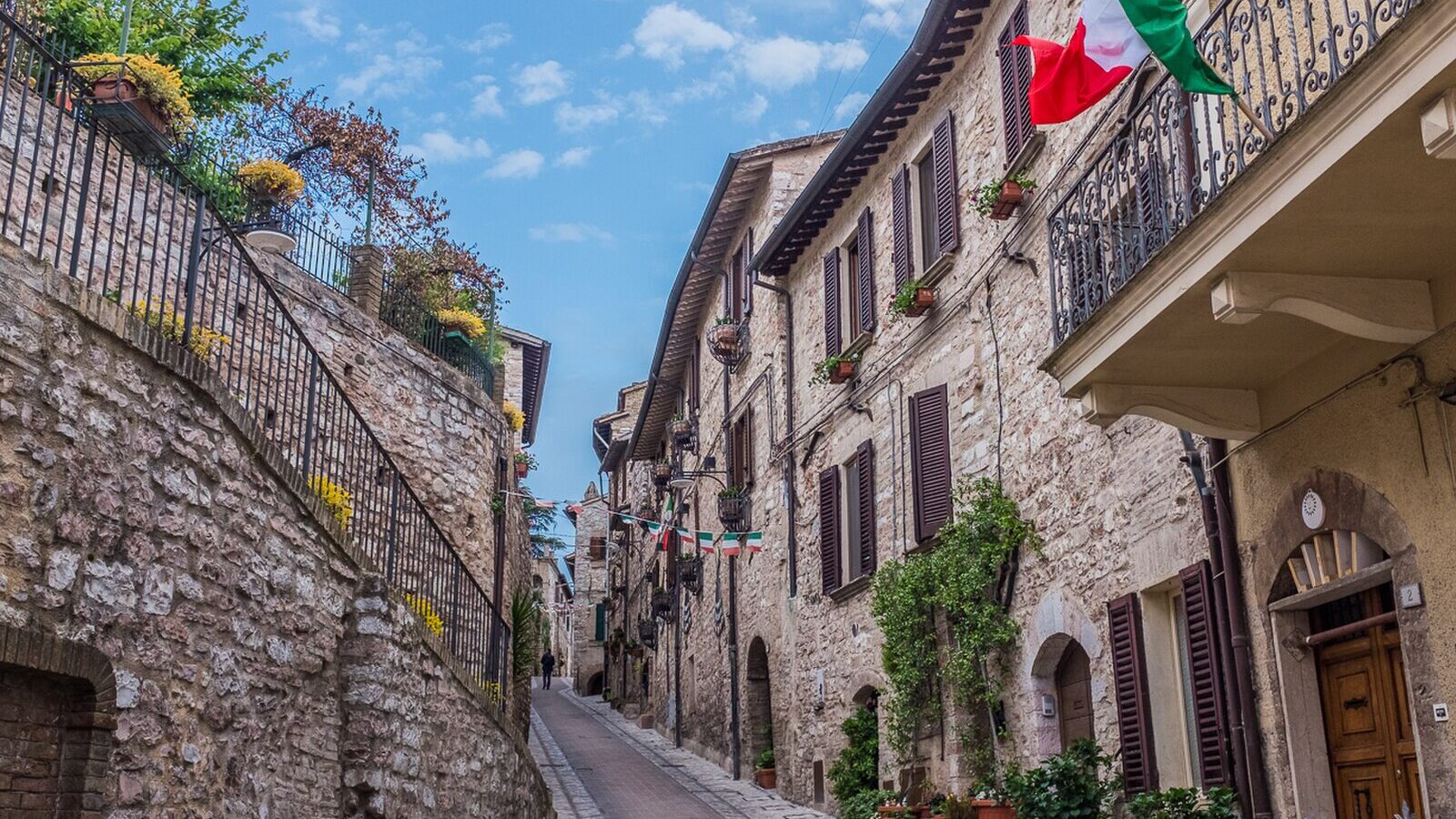
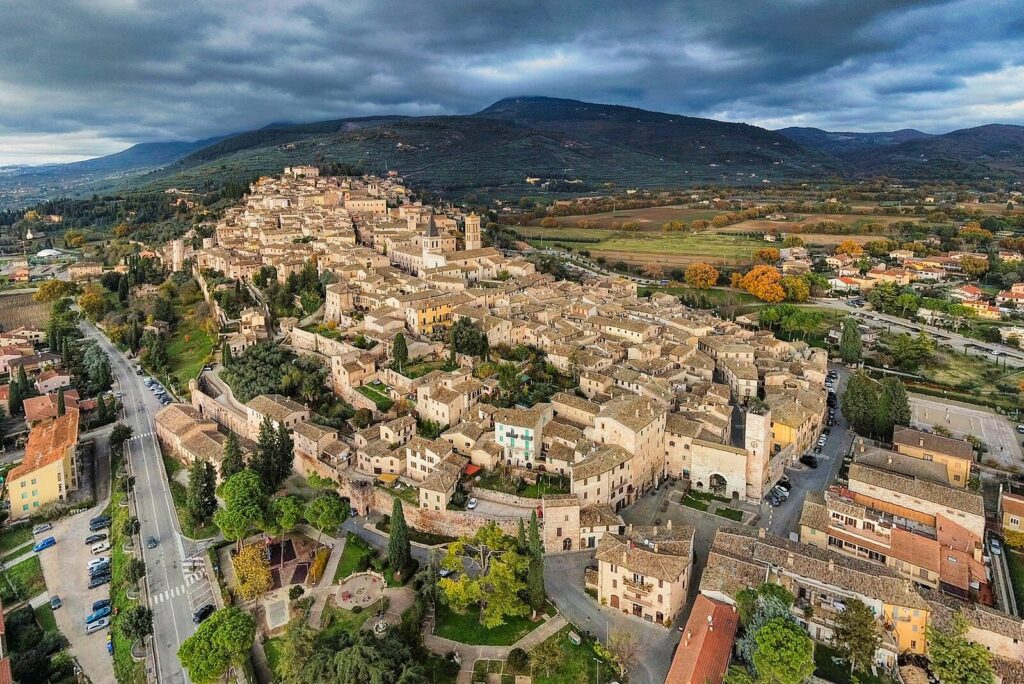
Limestone blocks, carefully squared and fitted in parallelepiped courses, form the base of walls that have outlined the same ridge for over two thousand years. At 314 metres (1,030 ft) above sea level on the southern flank of Monte Subasio, the town rises along a sloping northwest-to-southeast ridge where steep streets eventually give way to views across the flat Umbrian plain. Thirteen caves of uncertain but ancient date open on the north and west sides of the hill, and the topmost point preserves traces of what researchers identify as the site of the ancient acropolis.
Deciding what to see in Spello becomes a matter of choosing between two thousand years of layered occupation compressed into a few steep kilometres.
At an average elevation of 314 metres (1,030 ft), the town holds three intact Roman gates, a mosaic villa whose ten decorated rooms were uncovered in 2005, and a collegiate church consecrated in 1228. Visitors to Spello find a walled centre certified as one of I Borghi più belli d’Italia (the most beautiful villages of Italy), with a population of around 4,116 in the town proper, sitting 10 km (6.2 mi) south-southeast of Assisi and 6 km (3.7 mi) north-northwest of Foligno.
History of Spello
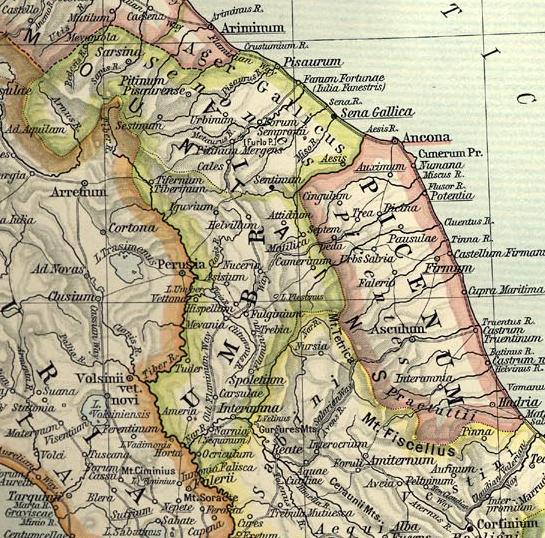
No written record of the settlement predates the Roman Empire. Pliny lists it among Umbrian towns as a colony established under Augustus, a status confirmed by inscriptions naming the place Colonia Iulia Hispellum. Augustus is also recorded as having granted Hispellum the spring and river Clitunno, some 12 Roman miles distant, along with territories belonging to Bevagna and Foligno; the people of Hispellum maintained a bath and a hospice at that location. During the Roman period the town belonged to the Lemonia gens, one of the thirty-five voting tribes of Rome.
A rescript of Emperor Constantine the Great, issued jointly with the Caesars Constantine and Constans, ordered that the city be renamed Flavia Costante, that a temple of the Flavia gens be erected there, and that gladiatorial and circus games be established.
From that period, inscriptions refer to the town as Colonia Urbana Flavia. Christianity took hold early: by the 3rd century Spello is recorded as an episcopal see, with its first bishop, Saint Felix, later identified as the city’s protector after his martyrdom under Diocletian and Maximian. A second bishop, Saint Epiphanius, took part in the Roman synod of 487 under Pope Felix III. In 2023 researchers discovered an ancient Roman temple dating to the 4th century AD beneath a car park in Spello; the discovery, announced at an Archaeological Society of America meeting in early 2024 by Professor Douglas Boin, indicates the site marks the transition of the Roman Empire to Christianity.
Medieval Spello formed part of the Duchy of Spoleto and fell under the Papal States throughout much of the 13th century. In 1289 the city placed itself under Perugian protection, and in 1298 the people of Spello appealed to Perugia for help against the vicar of the Duke of Spoleto, Bertoldo Orsini, who had proclaimed war against the town. In 1358 the papal legate Gil Albornoz ordered the construction of a fortress and a new stretch of walls, while carrying out a legal and administrative reordering consistent with his wider reforms across the Papal State.
Factional conflict between Guelphs and Ghibellines persisted into the 14th century and intensified during the Western Schism; after the schism ended, Martin V recovered the Church’s territories, and on 17 September 1424 Spello’s capitoli (formal submission terms) were signed at Deruta. On 16 February 1449 Pope Nicholas V granted Spello in fief to Nello Baglioni of Perugia. In 1527, following the Sack of Rome, soldiers under Philibert, Prince of Orange, camped at Spello, sacking the town and killing inhabitants. In 1828 Pope Leo XII elevated Spello to city status by papal brief, and on 9 November 1860 a plebiscite recorded overwhelming support for Italian unification.
What to see in Spello, Umbria: top attractions
Porta Venere and the Towers of Propertius
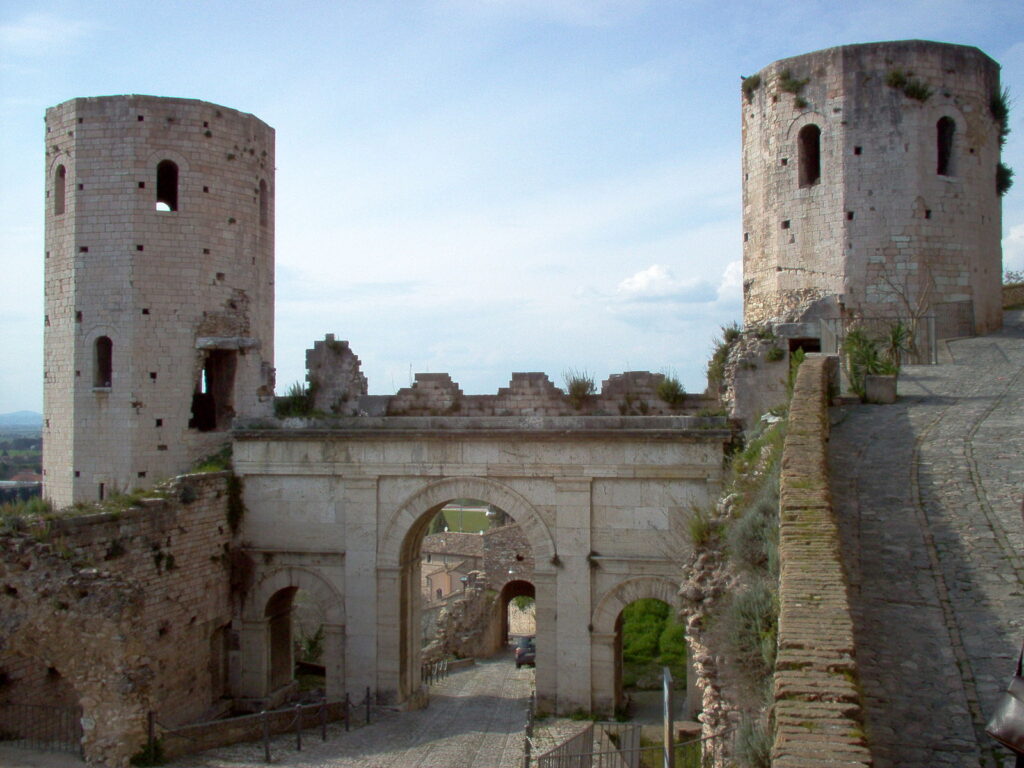
Two twelve-sided towers flank a gate built entirely in the form of a triumphal arch, an arrangement that survives intact after more than two thousand years. Porta Venere dates to the Augustan age and measures 10 metres (33 ft) in length; the right-hand passage retains traces of the arch above, with a pilaster and part of a Tuscan-order entablature still visible above it. The gate takes its name from the nearby ruins of the Sanctuary of Venus. Standing in front of it, visitors read the architectural logic of Roman Hispellum’s western defences in a single elevation.
The towers are named after the Latin poet Propertius, who is associated with this part of Umbria, and the combination of gate and towers represents the most complete surviving element of the town’s Roman fortification system.
Porta Consolare
The Via Flaminia entered Roman Hispellum through this triple-arched gate, dated to the 1st century BC, which still serves as the principal entry point into the historic centre from the lower town. Three corbels were added in modern times to support three marble statues found nearby during excavations: one representing a matron, the other two depicting municipal figures dressed in togas. The gate sits at the base of the ancient rising street that runs through the urban core, meaning that walking uphill from Porta Consolare follows the same axis that Roman pedestrians used two millennia ago. The combination of original Roman masonry and later sculptural additions makes the gate a compressed record of different phases of civic identity.
Villa dei Mosaici
In July 2005, works for a public car park just outside Spello’s walls uncovered a large Roman villa whose central sector covers approximately 500 square metres (5,400 sq ft). Of twenty rooms excavated, ten preserve polychrome mosaic floors displaying geometric patterns alongside figurative motifs: human figures, animals, and fantastic creatures. The largest room, an ample triclinium, features a central scene of wine-mixing accompanied by personifications of the Seasons and figures associated with the Dionysian retinue.
Archaeologists have identified two distinct construction phases — an Augustan phase and a later phase dating towards the end of the 2nd century AD — meaning the villa was inhabited and expanded across at least two centuries. Visiting the site offers a direct view of Roman domestic floor decoration at a scale and quality rarely exposed in a town of this size.
Church of San Lorenzo
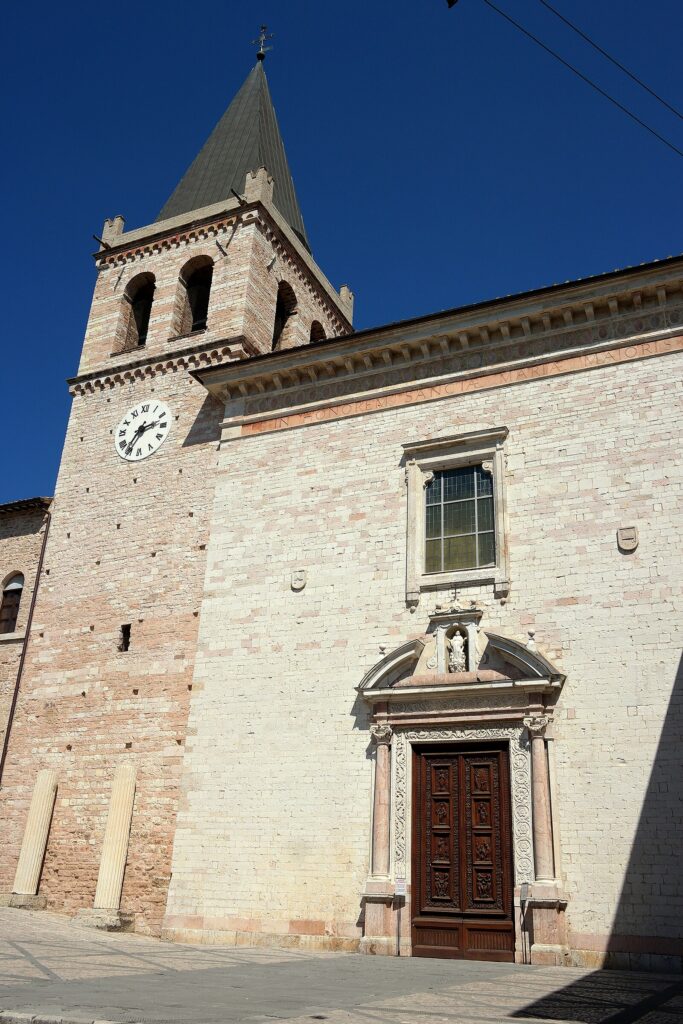
The collegiate church of San Lorenzo was consecrated in 1228 by Pope Gregory IX and is believed to have been built over the remains of a temple of Apollo, which would place its foundations directly on the Roman sacred topography of the town. The entrance carries architectural sculpture executed at the beginning of the 17th century, and two Roman-era inscriptions stand on either side of the doorway.
Inside, three aisles — modified again in the 17th century — lead to the second pillar, which holds a wooden pulpit richly ornamented with decorative elements and small statues. The church is one of two collegiate churches in Spello and remains an active place of worship, so visiting hours typically follow liturgical schedules; arriving outside morning Mass on weekdays generally allows the most uninterrupted access to the interior.
The Belvedere and the Roman Forum Area
At the upper edge of the historic centre, an ancient terrace known as the Belvedere occupies the site where the Roman forum once stood. From this point the view extends across the Topino valley, with the line of hills running from Montefalco to Assisi forming the horizon to the west and south. The elevation is roughly 400 metres (1,312 ft) above the plain, sufficient to make the geometry of the Umbrian agricultural landscape — striped with rows of olive groves and vines — fully legible from above.
The Belvedere is also one of the few places in Spello where the shift from Roman civic infrastructure to medieval overlay can be read in the ground plan: the rectangular logic of the forum is still detectable beneath the irregular medieval building plots. It is worth climbing up to this point before descending through the steep lanes toward Porta Consolare.
Local food and typical products of Spello
Spello sits within a stretch of Umbria where olive cultivation on the slopes of Monte Subasio has shaped the local diet for centuries. The territory between Assisi, Spello, and Foligno falls within one of central Italy’s most consistent olive-oil producing zones, and the landscape visible from the Belvedere — a series of terraced hillsides covered with silver-leaved trees — directly reflects the agricultural base of local cooking. The kitchen here draws on the same Umbrian pantry shared across the province of Perugia: dried legumes, freshwater fish from the Topino and Clitunno rivers, cured pork, and foraged black truffle from the wooded slopes above town.
Among the dishes that recur in local trattorie (family-run restaurants, typically with set menus at lunch), strangozzi al tartufo nero stands out as the most representative first course.
The pasta is a thick, hand-cut ribbon made from flour and water — no egg — with a rough surface that holds a sauce of finely chopped black truffle (Tuber melanosporum) emulsified in local olive oil and garlic. Torta al testo is a flatbread cooked directly on a cast-iron griddle, split open while still hot, and filled with locally cured meats, greens sautéed with chilli, or soft sheep’s milk cheese. Umbricelli con ragù di cinghiale — a thicker, hand-rolled pasta served with wild-boar sauce slow-cooked with red wine and herbs — appears on menus particularly in autumn, when the hunting season supplies fresh game from the Monte Subasio slopes.
The olive oil produced in this part of Umbria falls under the Umbria DOP designation, a protected designation of origin that covers extra-virgin olive oil from defined zones across the region, with specific sub-zones regulating varieties and harvest methods. Within the broader Umbrian territory, the Colli Assisi-Spoleto sub-zone is the most geographically relevant to Spello, covering the slopes between Assisi and the Spoleto valley that include Monte Subasio’s southern flank.
Local producers typically harvest in October and November, pressing immediately after picking to preserve the fresh, slightly peppery finish characteristic of oils made from Moraiolo and Frantoio cultivars dominant in this zone.
Small food shops along the main street sell vacuum-packed truffles, truffle-based condiments, and local olive oils year-round. The more interesting purchasing opportunity arises in late autumn — October through November — when several producers open their frantoi (olive presses) to visitors for direct purchase at the mill. During the Infiorata festival in June, food stalls along the flower-carpeted streets sell local products alongside the event, making that weekend one of the busiest times for both visitors and local vendors.
Festivals, events and traditions of Spello
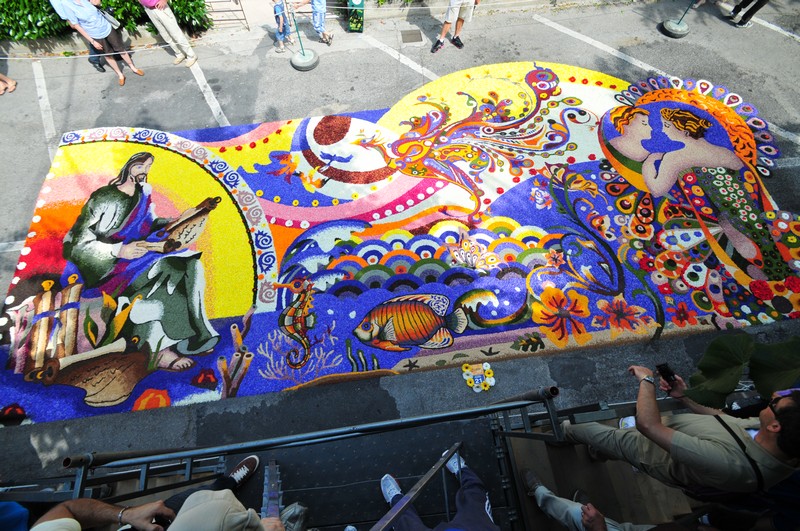
The most documented event in Spello’s calendar is the Infiorata, a tradition in which the streets of the historic centre are covered with elaborate floral carpets composed of fresh flower petals arranged in detailed figurative designs. The event takes place on the occasion of Corpus Domini, the Catholic feast that falls on the Thursday sixty days after Easter — typically in late May or early June — making the exact date variable each year. Residents of each neighbourhood work through the night before the procession to lay the petal compositions directly on the stone paving, covering several hundred metres of the main street.
The designs are then walked over during the morning Corpus Domini procession, destroying the carpets as part of the liturgical ritual.
The feast of Saint Felix, the city’s first bishop and protector, represents the town’s principal religious celebration. Felix is recorded as having been martyred under the emperors Diocletian and Maximian, placing his death in the late 3rd century AD. His role as civic protector has been maintained through the medieval and modern periods, and his feast draws local participation focused on the churches of the historic centre. The combination of the Infiorata in late spring and the autumn olive harvest season — with its associated mill openings and local markets — defines the two most active periods in Spello’s annual cycle for visitors making a day trip from Perugia, Assisi, or further afield.
When to visit Spello, Italy and how to get there
The best time to visit Spello depends on what a traveller prioritises. Late May and early June bring the Infiorata, the town’s most visually distinctive event, and daytime temperatures in the valley typically range between 20°C and 26°C (68°F and 79°F) — warm enough for comfortable walking on steep streets without the concentrated heat of July and August. October and November offer the olive harvest season and noticeably fewer visitors; the light on the Umbrian plain at that time of year has a low, directional quality that rewards the views from the Belvedere and from Porta Venere.
Summer brings more visitors to this part of Umbria, and the town’s narrow lanes can become congested on weekend afternoons in July and August. Winter is the quietest period, and while most churches and the Villa dei Mosaici remain accessible, some smaller restaurants and shops reduce their hours significantly between January and March. For those travelling from Rome, Spello sits approximately 160 km (99 mi) north of the capital — a realistic day trip by train.
Spello lies directly on the Trenitalia Rome–Ancona regional rail line, which passes through Foligno and connects northward to Perugia and Florence. The town has its own railway station at the base of the hill, roughly 500 metres (1,640 ft) from Porta Consolare, making arrival by train straightforward. From Rome Termini, regional trains reach Spello in approximately 2 hours with a change at Foligno; from Florence, the connection through Perugia takes around 2.5 hours depending on the service.
By road, the nearest motorway is the A1 (Autostrada del Sole); travellers from Rome or Florence exit at Valdichiana and follow the E45 toward Foligno, with Spello signed from the Foligno Nord junction — a total driving distance of approximately 165 km (103 mi) from Rome. Parking is available outside the walls near Porta Consolare and along the lower road. The streets inside the walls are steep throughout and surfaced with uneven stone, making them unsuitable for pushchairs and challenging for visitors with limited mobility. International visitors should carry some euro cash, as smaller shops and bars in the historic centre may not accept card payments, and English-language assistance is limited in local businesses away from the main tourist route.
Spello’s position in the Umbrian valley also makes it a convenient stop on a wider itinerary. The nearby village of Cerreto di Spoleto, further south along the Nera valley in the same province of Perugia, shares Spello’s medieval Papal States history and offers a contrasting experience of Umbrian hill settlement for travellers extending their stay in the region. Those travelling deeper into Umbria toward the Nera valley might also pass through Scheggino, a small river settlement known for its truffles, which shares the same broad culinary territory as the Monte Subasio slopes around Spello.
Where to stay near Spello
Accommodation in and around Spello is concentrated in two main categories: agriturismi (farm-stay properties, typically offering rooms and meals from their own agricultural production) on the olive-cultivated hillsides outside the walls, and small hotels or residenze d’epoca (historic-building guesthouses) within the walled centre.
The historic centre’s properties occupy medieval and early modern buildings along the main street and in the lanes above Porta Consolare, placing guests within walking distance of all the principal sites. The agricultural stays on the Monte Subasio slopes generally require a car. Foligno, 6 km (3.7 mi) to the south, offers a wider range of chain hotels and is well connected by the same rail line, making it a practical base for visitors planning multiple day trips across this part of Umbria.
Frequently asked questions about Spello
What is the best time to visit Spello?
Late spring (May–June) is ideal: mild temperatures around 20–25 °C, olive trees in bloom, and the world-famous Infiorata festival (Corpus Christi, usually late May or June), when the streets are carpeted with elaborate flower compositions. Early autumn (September–October) is equally rewarding for the olive harvest season and warm, clear days with fewer crowds. July and August bring heat and peak tourism. Winter is quiet but atmospheric, with the medieval alleys largely to yourself and excellent local truffles and cured meats in season.
What are the historical origins of Spello?
Spello's documented history begins with the Roman Empire. Pliny listed it as the Augustan colony Colonia Iulia Hispellum, belonging to the Lemonia voting tribe. Emperor Constantine later ordered it renamed Flavia Costante and established a temple and public games there. Christianity arrived early: Saint Felix, martyred under Diocletian, became the city's patron bishop. In 2023, archaeologists uncovered a 4th-century Roman temple beneath a car park — evidence of the empire's transition to Christianity. Medieval Spello was part of the Duchy of Spoleto before passing to the Papal States and, in 1860, to unified Italy.
What to see in Spello? Main monuments and landmarks
The top sights include: Porta Venere, an Augustan triumphal arch flanked by two twelve-sided towers named after the poet Propertius; Porta Consolare, a triple-arched 1st-century BC gate decorated with three Roman marble statues; the Villa dei Mosaici, a Roman villa with ten rooms of polychrome mosaic floors open to visitors (uncovered 2005); the collegiate Church of San Lorenzo, consecrated in 1228, likely built over a temple of Apollo; and the Belvedere terrace at the top of town, set on the ancient Roman forum site, offering panoramic views across the Topino valley.
What are the main natural or scenic attractions of Spello?
Spello sits on the southern flank of Monte Subasio, a protected natural park (Parco Regionale del Monte Subasio) shared with Assisi. Marked CAI trails climb from the town through terraced olive groves toward the open upland plateau, which reaches 1,290 metres and offers views stretching to the Apennines. The Topino and Clitunno river valleys below the town are lined with poplars and willows. The Fonti del Clitunno — the sacred springs Augustus granted to ancient Hispellum — lie roughly 12 Roman miles from Spello and remain one of Umbria's most celebrated natural sites.
Where to take the best photos in Spello?
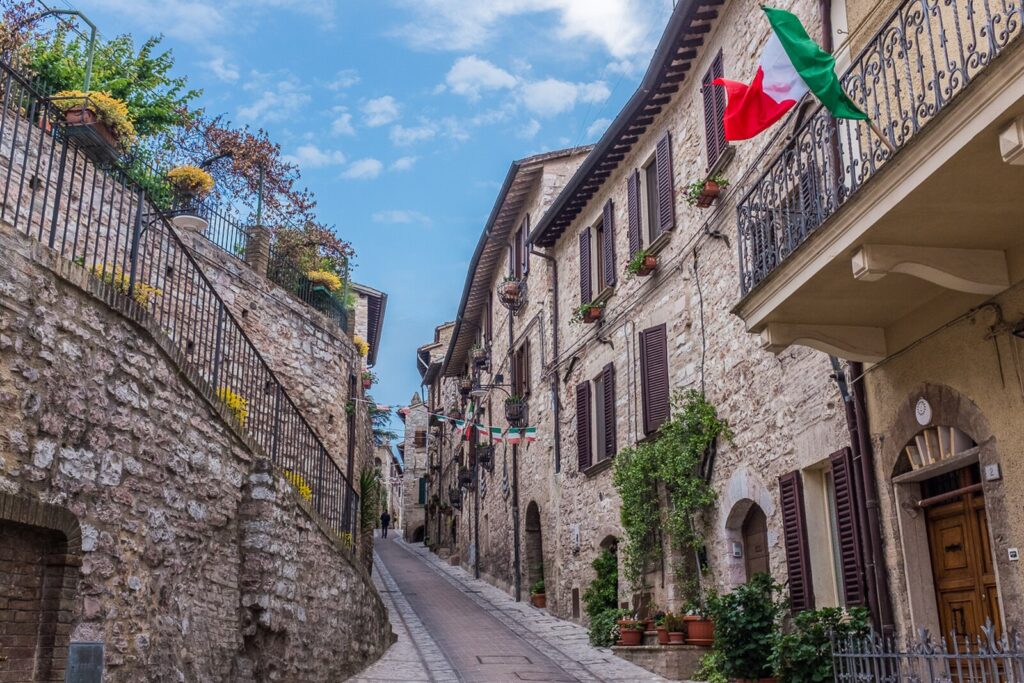
The most photographed spot is Porta Venere at golden hour, when the travertine masonry of the arch and its two twelve-sided towers glows warm against the hillside. The Belvedere terrace at the upper end of the historic centre provides sweeping views over olive groves and the flat Umbrian plain toward Assisi and Montefalco — best in early morning light. The steep lane of Via Giulia, lined with flower-covered facades, is a signature image of Spello and particularly striking during the Infiorata festival when the streets are carpeted with flower petals.
Are there museums, churches or historic buildings to visit in Spello?
Key sites include the Villa dei Mosaici (open to the public; check the Comune di Spello website for current hours and admission), which displays ten rooms of Roman polychrome mosaic floors from Augustan and 2nd-century AD phases. The Church of San Lorenzo (consecrated 1228) is open for visits outside liturgical hours; it contains a richly ornamented 17th-century wooden pulpit and Roman-era inscriptions flanking the doorway. The three Roman city gates — Porta Venere, Porta Consolare, and Porta dell'Arce — are visible at all hours as external monuments in the public street.
What can you do in Spello? Activities and experiences
Visitors can walk the complete circuit of Roman walls and gates, hike Monte Subasio via CAI trails departing from the upper town, and follow olive-oil routes through the groves between Spello, Assisi, and Foligno during the autumn harvest (October–November). The Infiorata di Spello (Corpus Christi) is one of Italy's most celebrated flower-carpet festivals and draws visitors from across Europe. Wine and food tastings focused on Umbrian black truffle, strangozzi pasta, and local olive oil are available through agriturismi and enoteca in and around the walled centre.
Who is Spello suitable for? Families, couples, hikers, solo travelers?
Spello suits a wide range of visitors. Couples and culture travelers will appreciate the intact Roman gates, medieval lanes, mosaic villa, and Umbrian cuisine in a compact, walkable setting. Hikers and nature lovers have direct access to Monte Subasio's regional park with trails for all levels. Families with older children can explore Roman history hands-on at the Villa dei Mosaici and the city gates. Solo travelers find the small scale and café culture easy to navigate. The town is less suited to visitors with limited mobility, as the centre is steep and largely cobbled.
What to eat in Spello? Local products and specialties
Spello sits within the Umbrian olive-oil belt on Monte Subasio's slopes, producing oils that fall under the DOP Umbria designation. The most representative first course in local trattorie is strangozzi al tartufo nero — thick hand-rolled pasta with black truffle from the wooded slopes above town. The broader Umbrian pantry present in local kitchens includes dried legumes, freshwater fish from the Topino and Clitunno rivers, cured pork (norcineria), and foraged black truffle. Spello also lies close to the Sagrantino di Montefalco DOCG wine zone, making local wine pairing a natural complement to any meal.
📷 Photo Gallery — Spello
Nearby Villages near Spello
In Umbria More villages to discover
Scheggino
 Hills
Hills
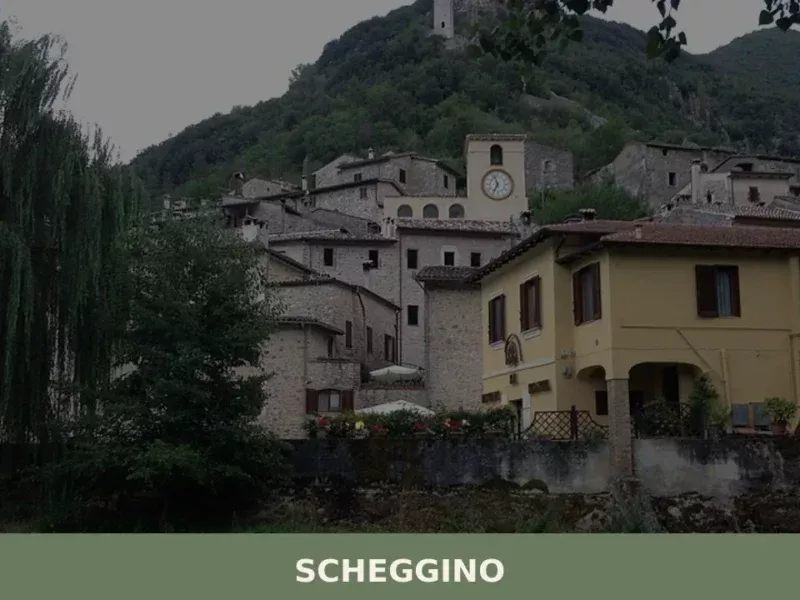
Situated at an altitude of 282 meters above sea level, Scheggino is a compact village in the Umbrian Apennines, home to 446 inhabitants in the province of Perugia. Its development has been shaped by its proximity to the Nera River, a constant presence that influenced both its economy and defensive structures over centuries. Understanding what […]
Preci
Hills
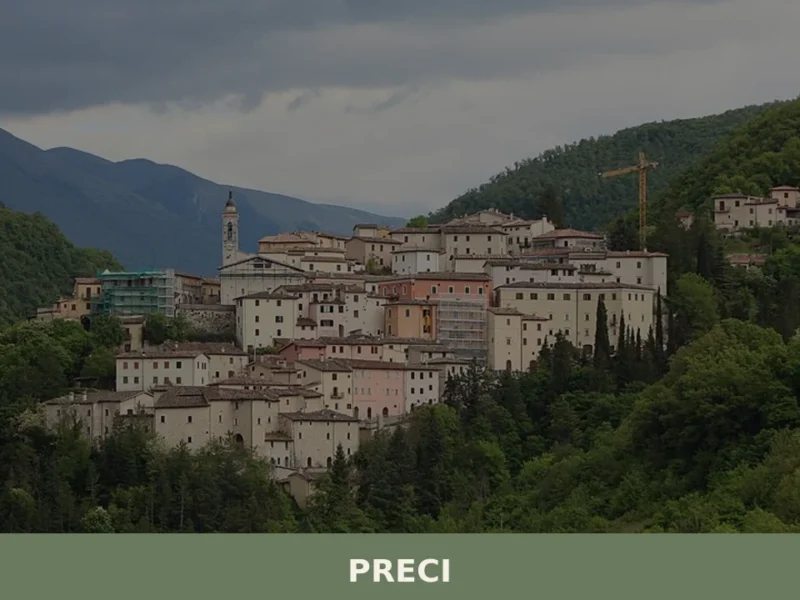
With a recorded population of 681 inhabitants, Preci stands at an elevation of 596 metres above sea level in the heart of Umbria, a region often referred to as Italy’s ‘green heart’. This small village, historically shaped by its monastic tradition and a renowned surgical school (see English Wikipedia), offers a distinct window into a […]
Assisi
Hills
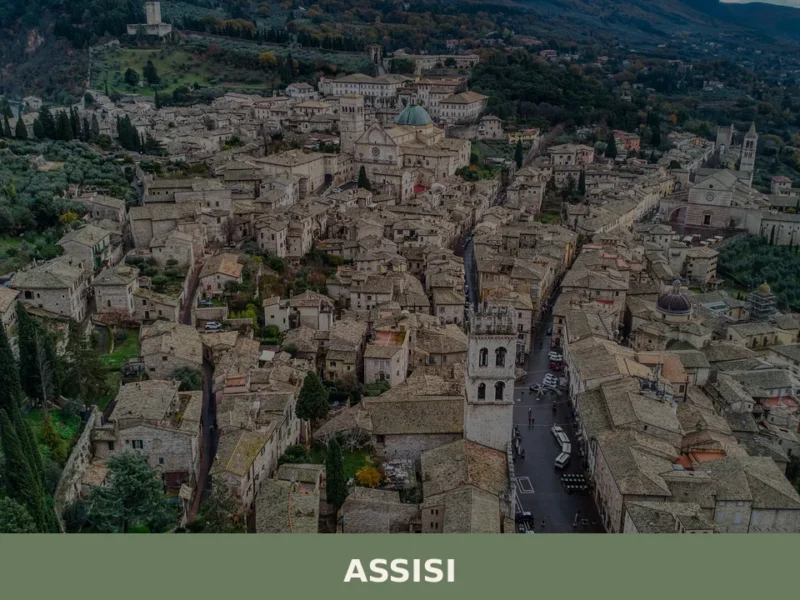
What to see in Assisi, Umbria, Italy: explore the UNESCO Basilica of San Francesco, Rocca Maggiore, and 27,721-inhabitant hilltop town. Discover festivals and travel tips.
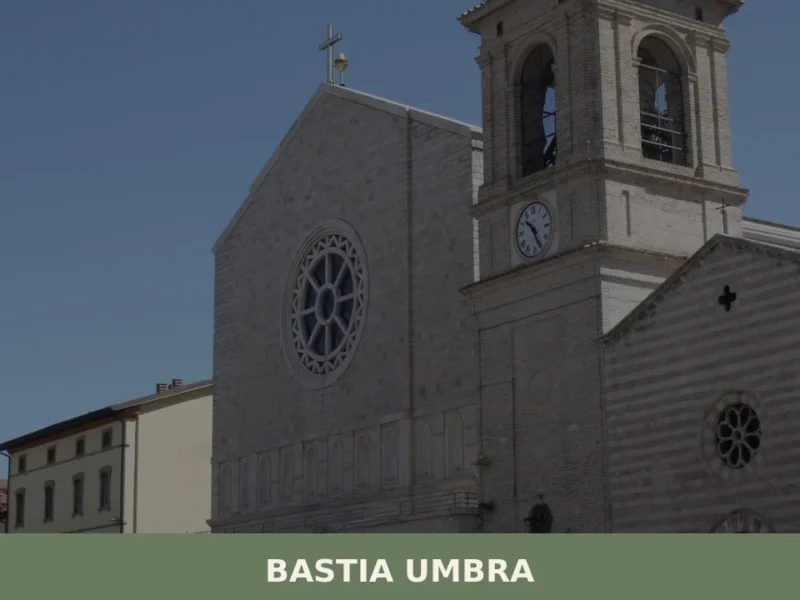
Bastia Umbra
Hills
What to see in Bastia Umbra, Italy: 5 top attractions, local food, and how to get there. Explore a plains town 13 km from Perugia with 21,965 inhabitants.
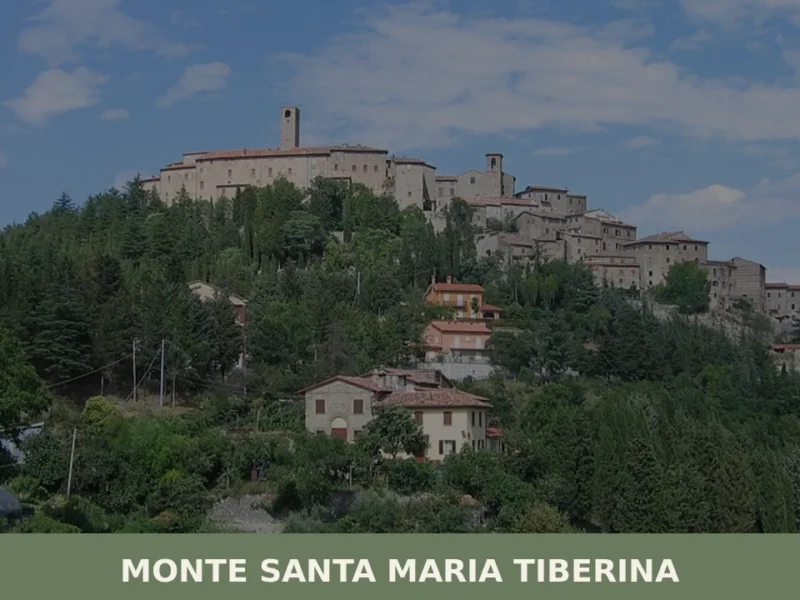
Monte Santa Maria Tiberina
 Mountain
A quiet hush often settles over the stone lanes of Monte Santa Maria Tiberina as the morning sun climbs, painting the ancient walls with a warm ochre glow. From its vantage point at 688 metres above sea level, the village awakens slowly, the distant murmur of the Tiber River a faint counterpoint to the rustle […]
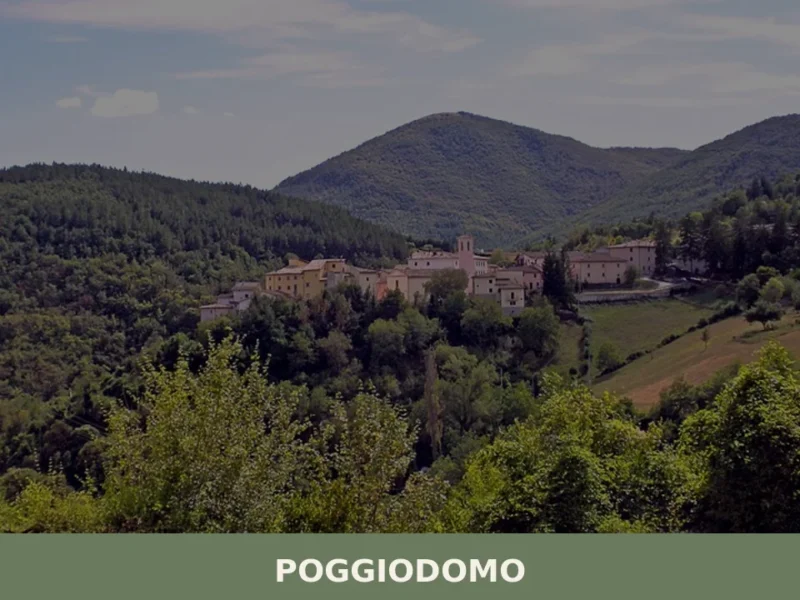
Poggiodomo
Mountain
What to see in Poggiodomo, Italy? Explore this Umbrian village, situated at 974 m, and discover the historic Church of San Carlo Borromeo and the Hermitage of Madonna della Stella.
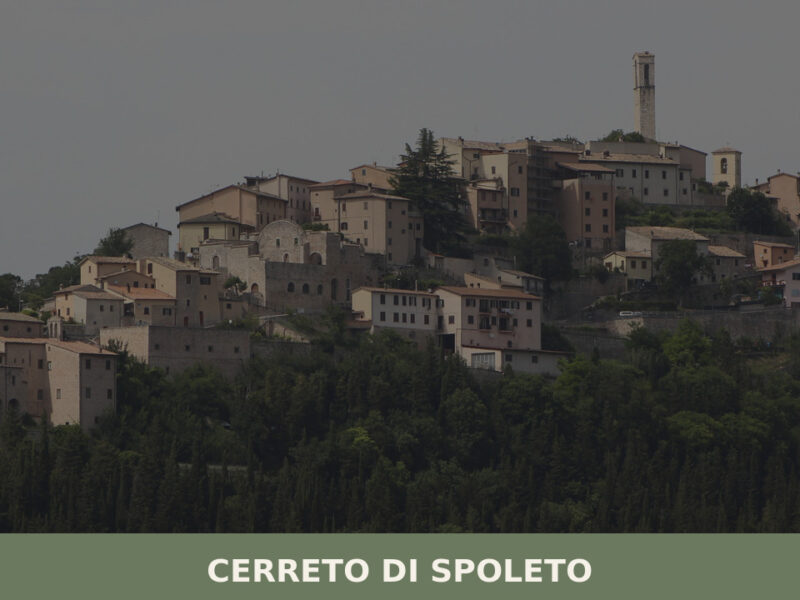
Cerreto di Spoleto
Hills
A ridge-top village of 975 inhabitants in the Valnerina, Cerreto di Spoleto holds medieval streets, scattered hamlets, and a centuries-old tradition of itinerant herbalists.
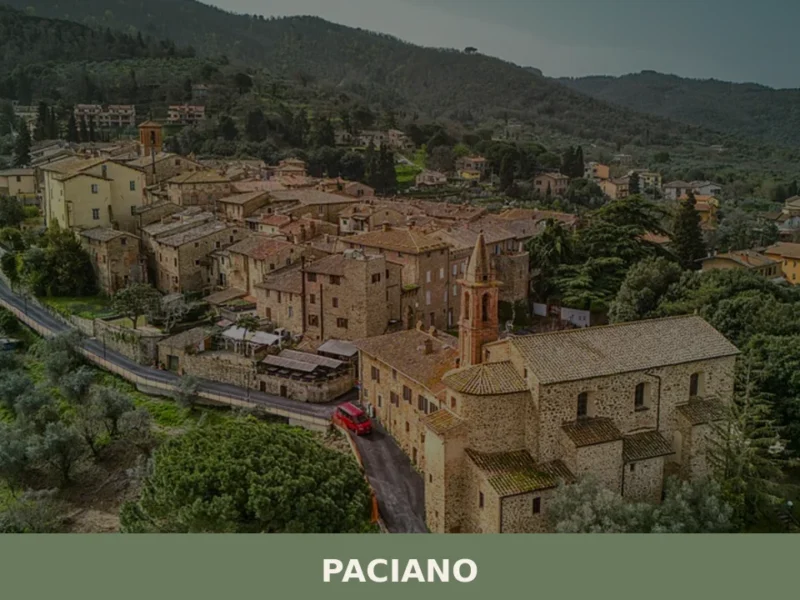
Paciano
Hills
As the early morning mist begins to lift from the rolling hills, a faint scent of woodsmoke and damp earth hangs in the air. The first rays of sunlight strike the ancient stone of Paciano, illuminating a quiet street where a lone figure sweeps the flagstones outside a modest doorway. Here, life unfolds with a […]
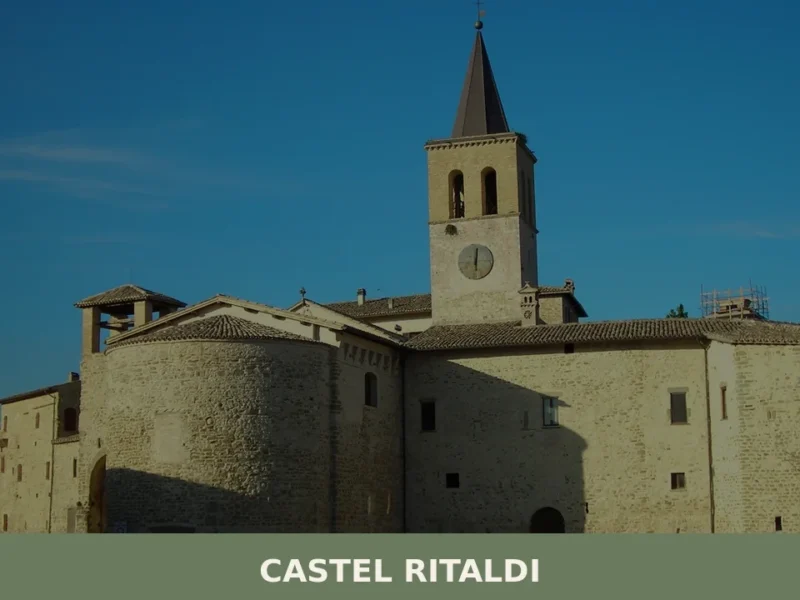
Castel Ritaldi
Hills
What to see in Castel Ritaldi, Italy: 5 top attractions, local food, and travel tips for this Umbrian village at 297 m. Discover frescoes, medieval churches & more.
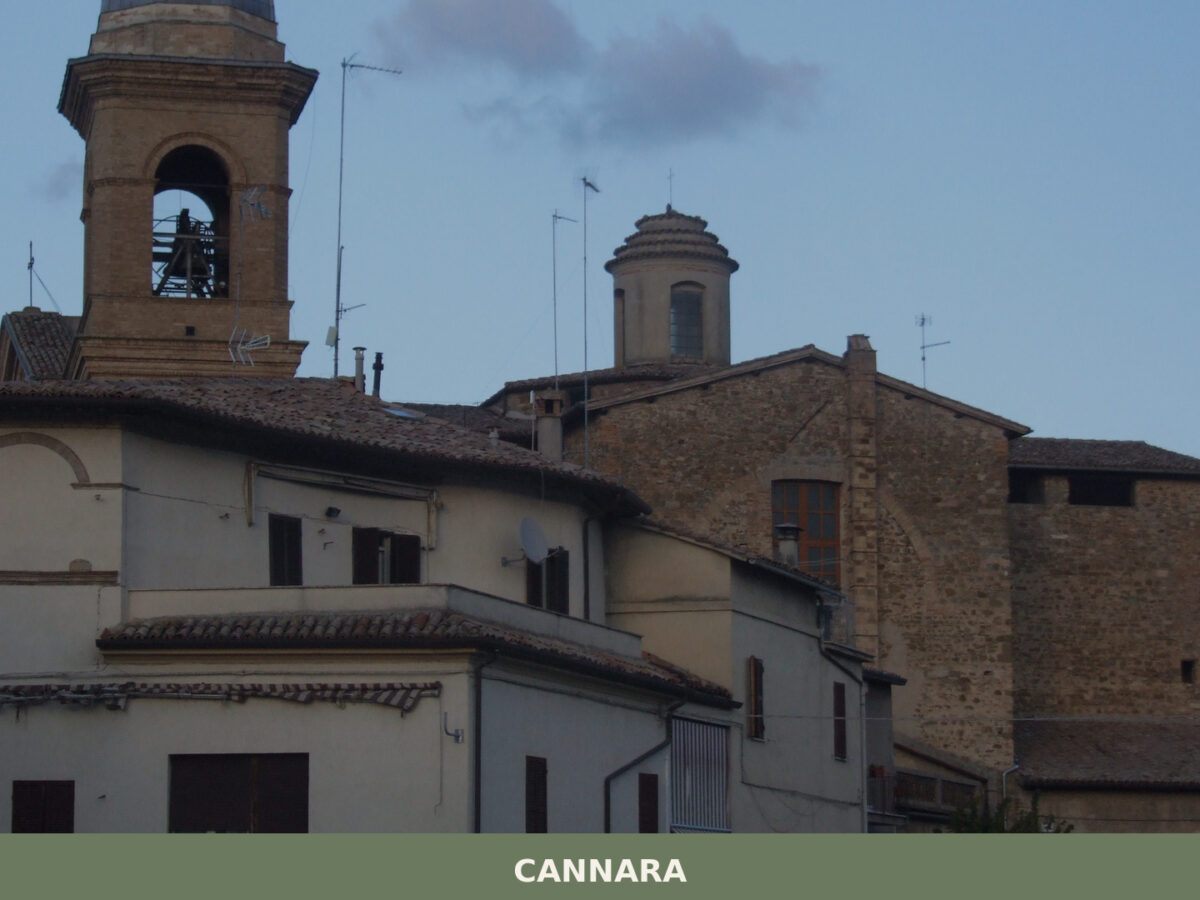
Cannara
 Plains
What to see in Cannara, Umbria, Italy: Roman ruins, medieval churches, and the Festa della Cipolla. Population 4,341. Discover top attractions and how to get there.


🏡 Know Spello better than we do?
If you’re a local or have been there, your knowledge matters: add what’s missing or fix a detail on this page.