


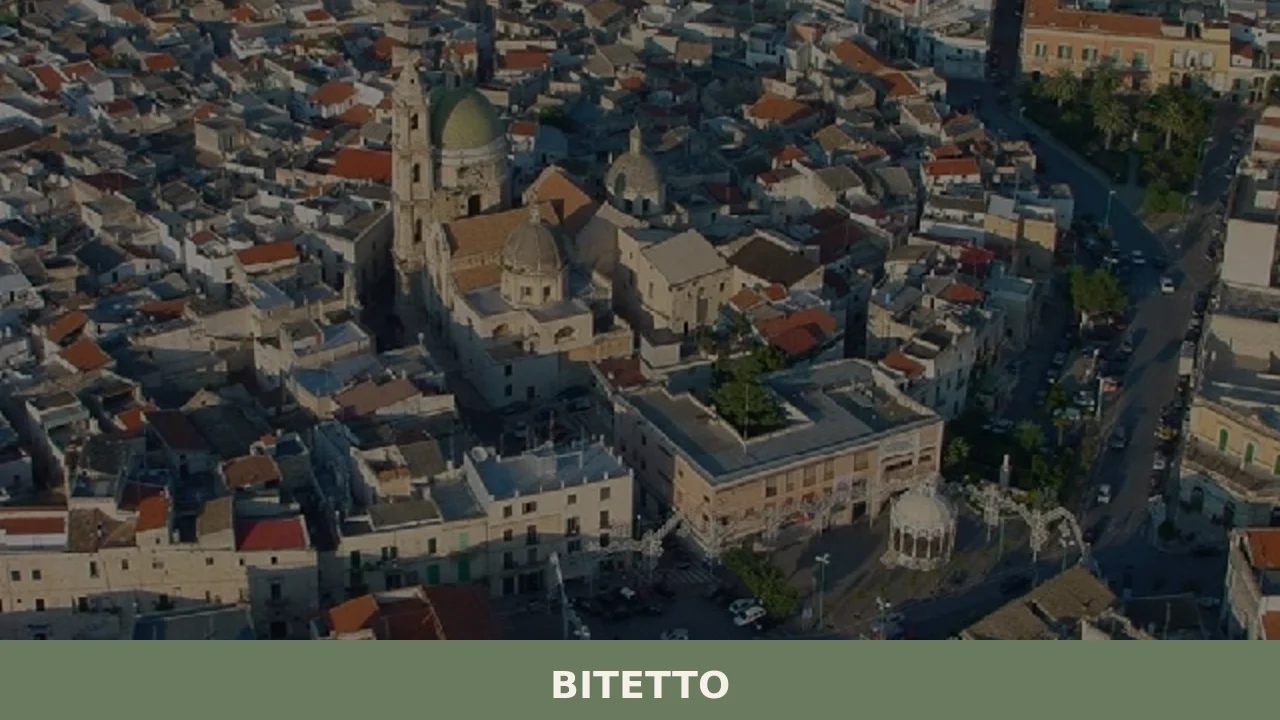
Bitetto
Bitetto, a municipality of 11,858 inhabitants in the province of Bari, is located 139 meters above sea level. Its urban identity is defined by the figure of Giacomo Illirico, its patron saint celebrated on April 27. This settlement, classified among the plain villages, has developed its own character over the centuries, standing out in the […]
Discover Bitetto
Bitetto, a municipality of 11,858 inhabitants in the province of Bari, is located 139 meters above sea level. Its urban identity is defined by the figure of Giacomo Illirico, its patron saint celebrated on April 27. This settlement, classified among the plain villages, has developed its own character over the centuries, standing out in the Apulian landscape for its structure and customs. For those wondering about **what to see in Bitetto**, the itinerary moves between religious buildings and civil architecture that outline its historical evolution, offering a glimpse into the life and culture of the area. Its strategic position in the heart of central Puglia has made it a reference point for agriculture and small manufacturing activities.
History and origins of Bitetto
Bitetto’s origins are deeply rooted in remote eras, with evidence of settlements dating back to the Neolithic period. Subsequently, the territory was inhabited by the Peucetians, an ancient Messapian population. Roman presence is attested by the Via Traiana, which passed nearby, and by the possible founding of a settlement called Bitettum, connected to the agricultural activities of the area. This period laid the groundwork for the subsequent development of the inhabited center.
During the Middle Ages, Bitetto grew under Byzantine influence, then passed under Norman rule in the 11th century, which saw the construction of fortifications and the development of religious buildings. Subsequently, it was part of the Kingdom of Sicily under Frederick II of Swabia and then of the Kingdom of Naples under the Angevin and Aragonese dynasties. In this context, the locality gained importance as a feudal territory, coming under the control of various noble families who shaped its urban and social structure.
A central element in Bitetto’s history is the figure of Blessed Giacomo Illirico, a 15th-century Franciscan friar, whose relics are preserved in the Basilica dedicated to him. His cult has made Bitetto a pilgrimage center, profoundly influencing the spiritual and cultural identity of the village. His beatification consolidated the locality’s renown beyond regional borders, linking it indissolubly to his memory.
What to see in Bitetto: 5 essential attractions
Pontifical Minor Basilica of San Giacomo Illirico
Built starting from the 14th century, this basilica represents the core of the cult of Blessed Giacomo. The facade, with elements of Apulian Romanesque style, features a rose window and a sculpted portal. Inside, it preserves the relics of the patron saint and frescoes illustrating his life, making it a reference point for the faithful and an example of sacred architecture in the area. More details on Wikipedia.
Church of San Michele Arcangelo
Considered among the oldest in Bitetto, its foundation may date back to the Byzantine period. The structure has undergone modifications over time, but retains features that suggest a remote origin. Its location in the historic center testifies to the importance it held in primary urban development, establishing itself as a reference point for the community over the centuries.
Marquis Volpicella Palace
Historic residence of the Volpicella family, who dominated the Bitetto fiefdom for centuries. The building, with its imposing structure, reflects the architectural styles of its various construction and renovation periods. Its halls and facades are an expression of the noble power exercised over the village, documenting the architectural and social evolution of the place.
Porta Baresana
One of the ancient accesses to Bitetto’s fortified core. This gate, with its defensive structure, is an element that recalls the need for protection of the village in past eras. Through it, one accesses the historic center, where streets open among local stone constructions, preserving the original urban layout.
Old village
The urban fabric of the old village is characterized by a network of narrow streets and houses built of local stone. Here, one can observe internal courtyards and civil architecture that document daily life from past centuries. The arrangement of the buildings and the materiality of the materials narrate the constructive history of the place, offering an insight into traditional Apulian building.
Typical cuisine and local products
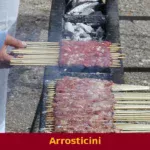
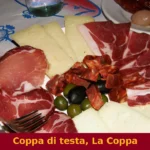
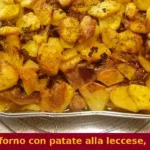
Bitetto’s gastronomy is part of the Apulian tradition, characterized by the use of land and sea products. Dishes such as *orecchiette with turnip greens*, *fava beans and chicory*, and *rice, potatoes, and mussels* represent pillars of local cuisine, prepared with fresh regional ingredients. Extra virgin olive oil, obtained from the Coratina cultivar, is a constant element, present in almost every preparation and a testament to the area’s agricultural vocation. Locally produced durum wheat pasta is the base for multiple first courses.
Among the specific products, the *Bitetto Almond*, recognized for its organoleptic properties, is used in confectionery and as a snack. The *Altamura Bread DOP*, though not originating from Bitetto, is a reference for the province of Bari and often accompanies local meals. Also available are *taralli*, savory snacks widespread throughout the region, often flavored with wild fennel or chili pepper, and fresh cheeses produced by local dairies, which complete the gastronomic offerings. To delve deeper into the culinary tradition, you can consult the Touring Club Italiano website.
When to visit Bitetto: the best period
The most suitable period to visit Bitetto extends from spring to autumn. During spring, temperatures are mild and the surrounding countryside is in full bloom, offering an ideal setting for walks and explorations. Autumn, with its colors and activities related to olive harvesting, offers an equally significant experience, with still pleasant weather.
Patron saint festivities represent moments of particular interest. On April 27, Blessed Giacomo Illirico is celebrated, while September 29 is dedicated to Saint Michael. The first Sunday of September is also dedicated to the feast of Our Lady of Sorrows. These observances are accompanied by processions and events that allow one to observe local customs and the community’s devotion.
How to get to Bitetto
Bitetto is reachable via various communication routes. By car, you can take the A14 motorway (Bologna-Taranto) to the Bari Nord exit, then continue on the SS 96 towards Altamura. For those preferring the train, the Bitetto-Palo del Colle station is served by the Bari-Taranto line. The nearest airport is Bari-Palese, located approximately 20 kilometers away. From Bari, Bitetto is about 15 kilometers away, while from Matera the journey is about 60 kilometers. For further information on municipal services, you can consult the official website of the Municipality of Bitetto.
Other villages to discover in Puglia
Puglia offers a range of villages rich in history and distinct characteristics, each with its own territorial identity. To the north, in the province of Foggia, is Carapelle, a village situated in the context of the Tavoliere delle Puglie, characterized by a flat landscape and a strong agricultural vocation, with a history linked to land reclamation and rural development.
Moving inland, on the border with Campania, one can explore Sant’Agata di Puglia. This center, located on a height of the Daunian Sub-Apennine, presents a different geographical context compared to Bitetto and Carapelle, with an urban layout that reflects its defensive position and its history linked to castles and fortifications.
In Apulia More villages to discover
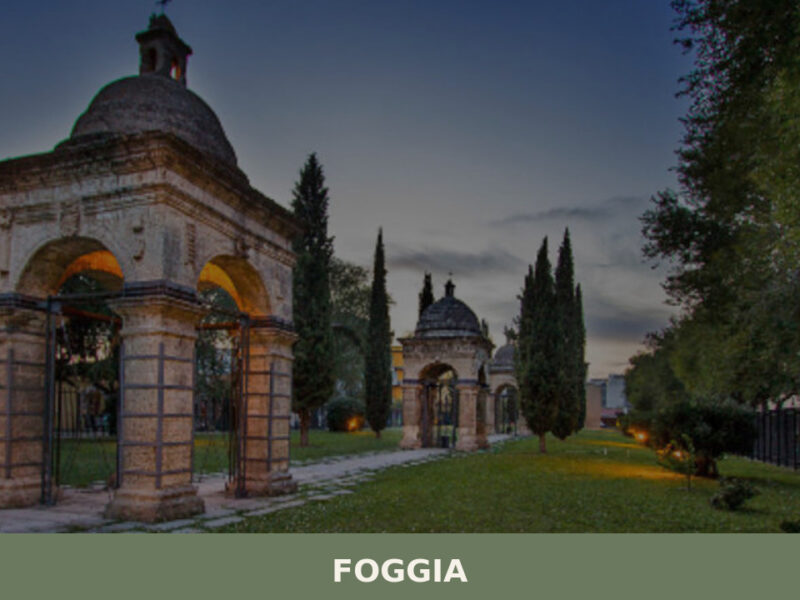
Foggia
Foggia, capital of the Capitanata, holds medieval traces, Daunian artefacts, and the culinary traditions of Italy's largest wheat plain. A guide to its overlooked layers.
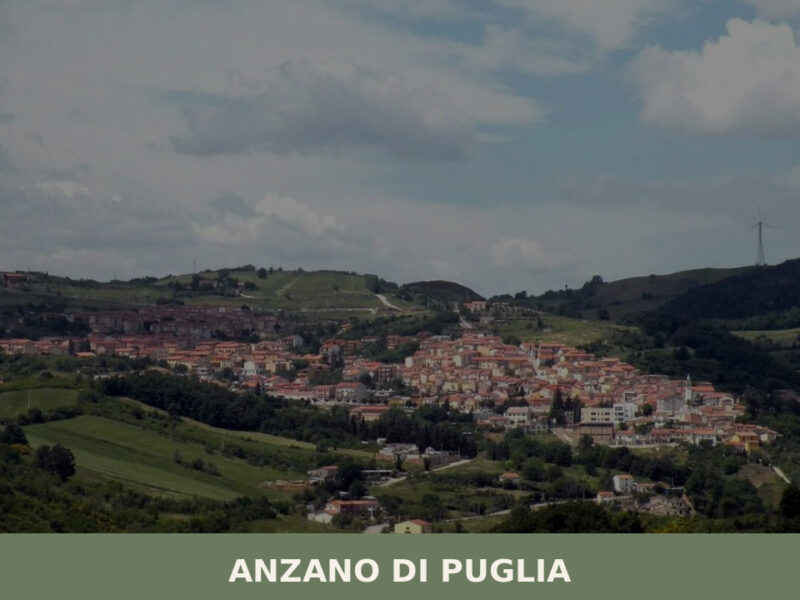
Anzano di Puglia
A tiny hilltop village at 760 m in the Daunia Mountains, Anzano di Puglia enchants with stone lanes, sweeping panoramas, and authentic mountain cuisine.
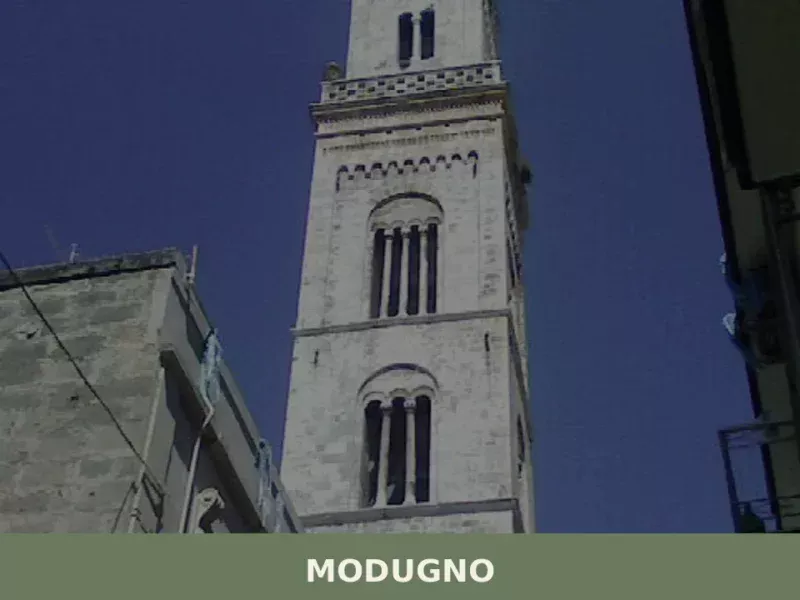
Modugno
In 1316, King Robert of Anjou confirmed Modugno’s privilege of holding a free fair, recognising this community on the Bari plain as a commercial hub that few centres of similar size could claim. Today, first-time visitors find a compact old town, gathered around Romanesque churches and noble palaces, surrounded by the orderly expanse of olive […]

📝 Incorrect information or updates?
Help us keep the Bitetto page accurate and up to date.