


Modugno
 Plains
In 1316, King Robert of Anjou confirmed Modugno’s privilege of holding a free fair, recognising this community on the Bari plain as a commercial hub that few centres of similar size could claim. Today, first-time visitors find a compact old town, gathered around Romanesque churches and noble palaces, surrounded by the orderly expanse of olive […]
Discover Modugno
In 1316, King Robert of Anjou confirmed Modugno’s privilege of holding a free fair, recognising this community on the Bari plain as a commercial hub that few centres of similar size could claim. Today, first-time visitors find a compact old town, gathered around Romanesque churches and noble palaces, surrounded by the orderly expanse of olive groves that mark the landscape towards the Adriatic. With its 36,224 inhabitants and an altitude of 79 metres above sea level, Modugno lies just a few kilometres from Bari, yet retains a distinct and legible urban identity.
This guide on what to see in Modugno brings together the places, flavours and practical information needed to plan a well-informed visit.
History and origins of Modugno
The etymology of the name remains a matter of debate among scholars. The most widely accepted hypothesis traces it to the Latin Meduneum or Modunium, possibly rooted in a pre-Roman term indicating a place in a median position, perhaps referring to its location between the Adriatic coast and the Murgia hinterland. Other interpretations, less supported by documentation, have proposed a derivation from Greek or Lombard. The place name first appears in written form in a Norman document from the 11th century, a period when the settlement already had a defensive structure and religious buildings.
The documented history of Modugno is intertwined with the events of Norman-Swabian rule in Puglia. In 1098, a diploma issued by Roger Borsa attests to the existence of the hamlet and the church dedicated to Santa Maria. Under Frederick II of Swabia, in the first half of the 13th century, the town consolidated its urban layout. The aforementioned Angevin privilege of 1316 marked an economic turning point, transforming Modugno into a trading hub between the Bari coast and the inland areas.
In the 15th century, the town passed under the control of various feudal families — the Del Balzo Orsini, then the Ferrillo and the Spinelli — who altered its architectural layout with the construction of noble palaces and the restoration of the walls.
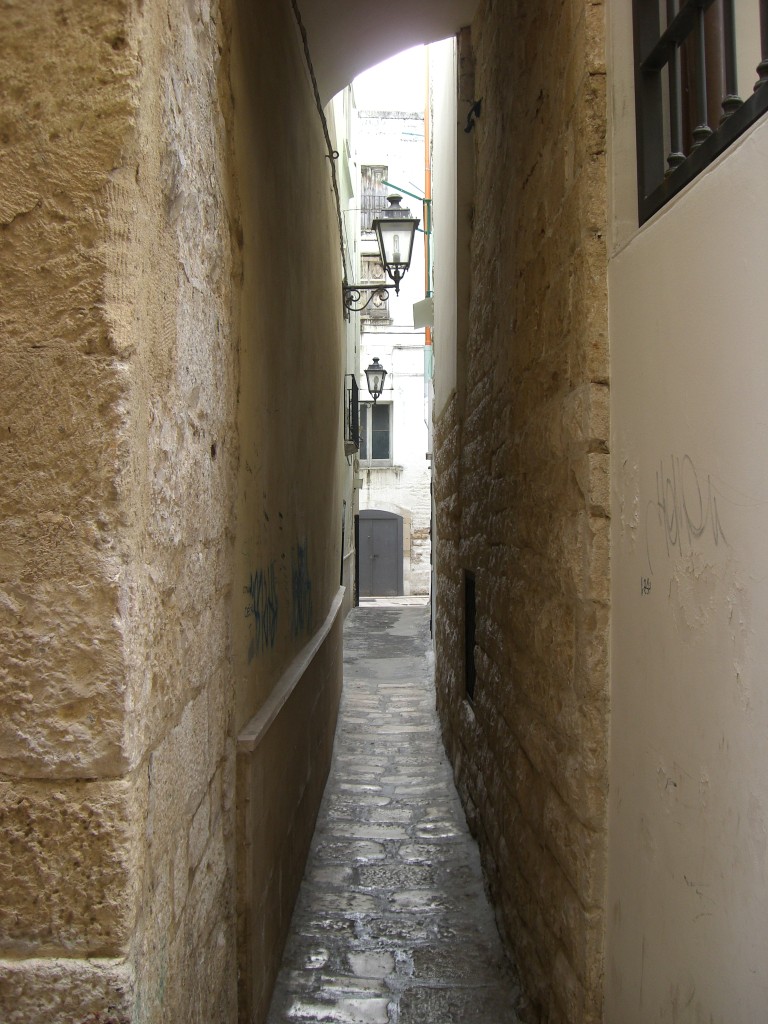
Among the notable figures linked to Modugno is Domenico Morea, a 19th-century historian and archivist, author of important studies on Apulian monastic documentation. Modern population growth has transformed the town into a populous urban centre, now joined to the metropolitan fabric of Bari, but the old core has preserved its medieval layout with narrow alleyways, passage arches and internal courtyards. The historic centre, still partly bounded by the town walls, displays legible layers from the Romanesque period to the Baroque, offering visitors a chronological itinerary through nearly a thousand years of Apulian architectural history.
What to see in Modugno: 5 top attractions
1. Chiesa Matrice di Santa Maria Annunziata
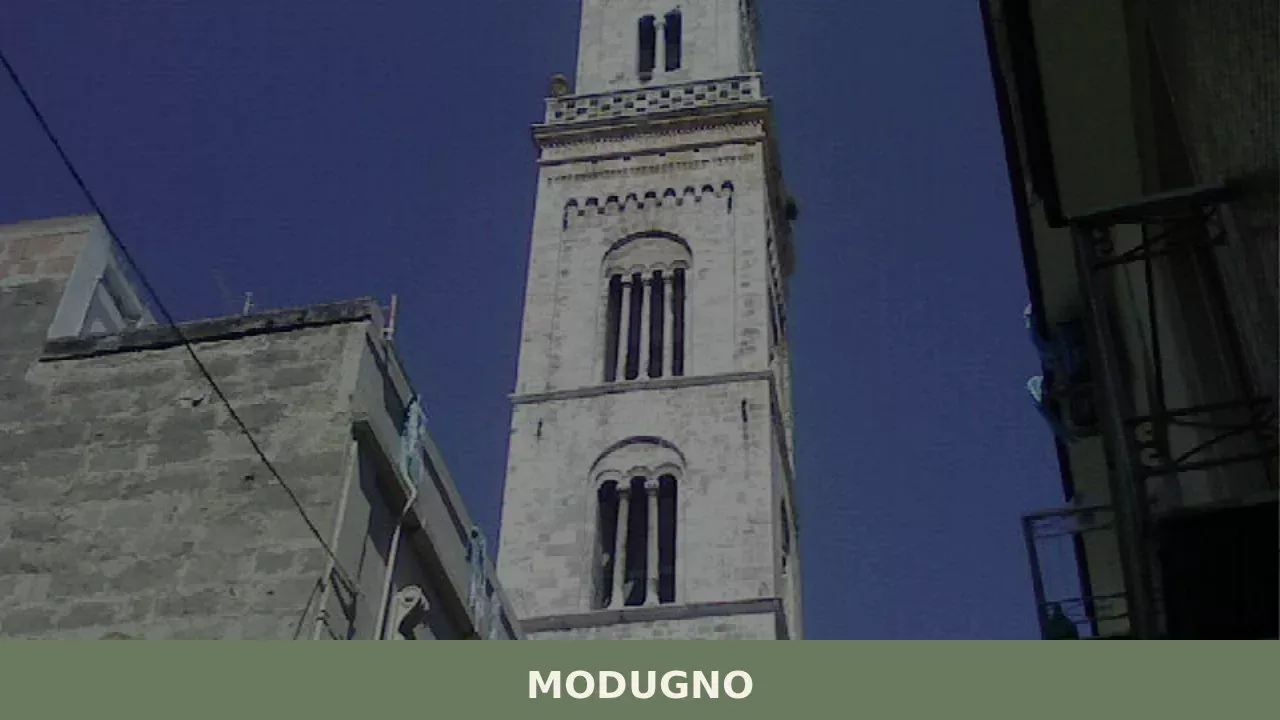
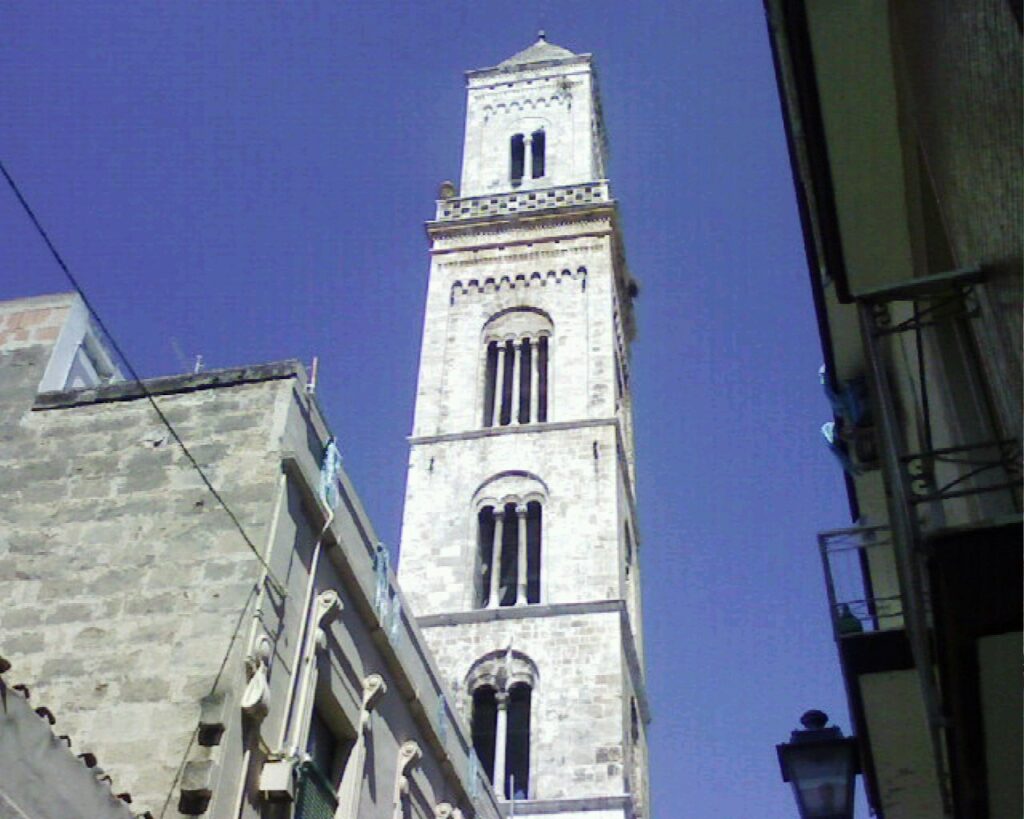
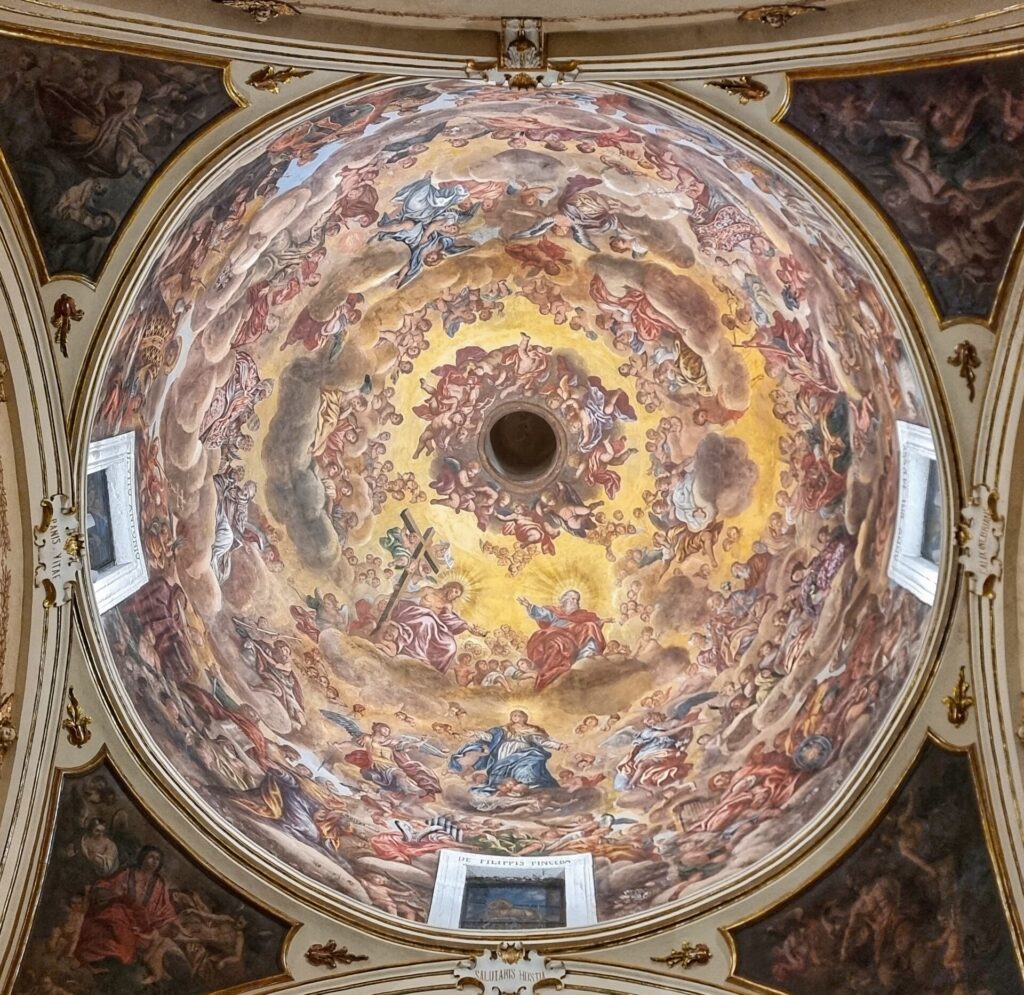
Located at the core of the old town, the Chiesa Matrice is the main religious building in Modugno. The original structure dates to the 12th century, but its current appearance is the result of successive interventions between the 16th and 18th centuries. The façade features a decorated Renaissance portal and a rose window recalling Romanesque models. The three-nave interior houses Baroque altars in local stone, paintings from the Neapolitan school and a 16th-century baptismal font. The bell tower, visible from various points in the town, serves as a visual landmark for navigating the network of alleyways. It is the place to begin any visit.
2. Church and Convent of San Francesco d’Assisi
Founded in the 14th century, the Franciscan complex stands in the southern part of the historic core. The church has a sober façade, consistent with the aesthetic of the mendicant orders, while the interior contains a cycle of fragmentary frescoes and a main altar in carved stone. The convent cloister, with its portico of depressed arches, offers a space of great proportional balance. The building underwent restoration during the 17th century but retains legible traces of the original Gothic structure. For centuries, the convent played a central social and cultural role in the life of the Modugno community.
3. Palazzo Ferrante
Palazzo Ferrante, overlooking one of the main squares in the historic centre, is a significant example of Apulian noble architecture between the Renaissance and early Baroque. The building stands out for its rusticated portal, balconies with carved corbels and an internal courtyard with a loggia. The Ferrante family held a prominent role in local administration between the 16th and 17th centuries. Today the palazzo hosts cultural activities and serves as a reference point for understanding the evolution of aristocratic residential fabric in a mid-sized centre of the Terra di Bari. The afternoon light brings out the details of its limestone masonry.
4. Clock Tower and town walls
The Clock Tower, erected in its current form between the 18th and 19th centuries, stands at the site of one of the gates into the old town. It functioned as an element regulating civic and commercial life. Around it, sections of the medieval town walls are still visible, partly incorporated into later dwellings. Walking the perimeter of the walls allows you to identify the points where the urban gates once stood — at least three are documented — and to observe the difference between the squared stone of the earliest phases and modern additions. It is an itinerary that takes approximately thirty minutes on foot.
5. Chiesa della Madonna Addolorata
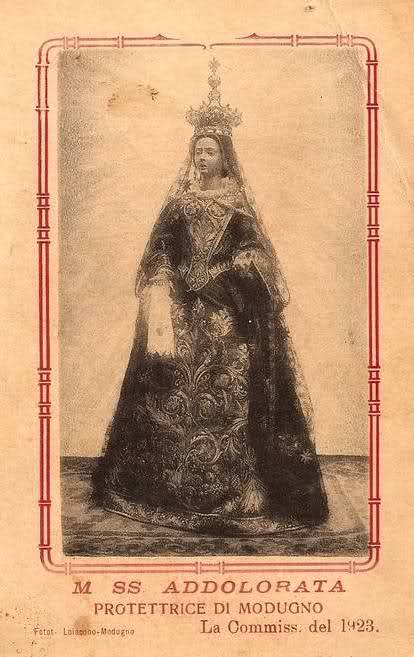
This church, linked to one of Modugno’s two patron saint festivals — that of 10 March — stands a short distance from the Chiesa Matrice. Built in the 18th century, it has a single-nave interior with stucco decorations and a wooden statue of the Addolorata that is the focus of strong popular devotion. During the 10 March procession, the statue is carried through the streets of the town in a rite involving the entire community. The façade, simple but well-proportioned, opens onto a small churchyard that on summer evenings becomes a gathering place.
It is a building worth visiting to understand the relationship between sacred space and daily life in Modugno.
What to eat in Modugno: local cuisine and traditional products
The cuisine of Modugno belongs to the gastronomic tradition of the Terra di Bari, where extra-virgin olive oil, durum wheat, wild greens and sheep’s meat form the basis of a repertoire consolidated over centuries. The town’s position on the coastal plain, just a few kilometres from the sea and the first ridges of the Murgia plateau, has fostered a cuisine that combines coastal and inland ingredients. The masserie surrounding the town sustained a self-sufficient food system, based on the direct processing of agricultural products. The influence of nearby Bari is evident in the preparation of fresh pasta, particularly orecchiette and cavatelli, dressed with turnip tops or meat ragù.
Among the dishes most deeply rooted in domestic tradition, Acquasale (PAT) holds a prominent place: it is a humble preparation based on stale bread soaked in hot water, seasoned with fresh tomatoes, raw onion, oregano and olive oil, sometimes finished with an egg. It was the meal of farmers in the fields during summer, when the heat made prolonged cooking unthinkable. Roast lamb is another well-established preparation, linked to Easter festivities and family celebrations: Agnello al forno con patate alla leccese (PAT), though associated with the Salento tradition, circulates in local variants across the Bari area too, where potatoes are layered with cherry tomatoes and pecorino cheese.
The Apulian territory boasts an extensive catalogue of Traditional Agri-Food Products (PAT) that reach the tables of Modugno.
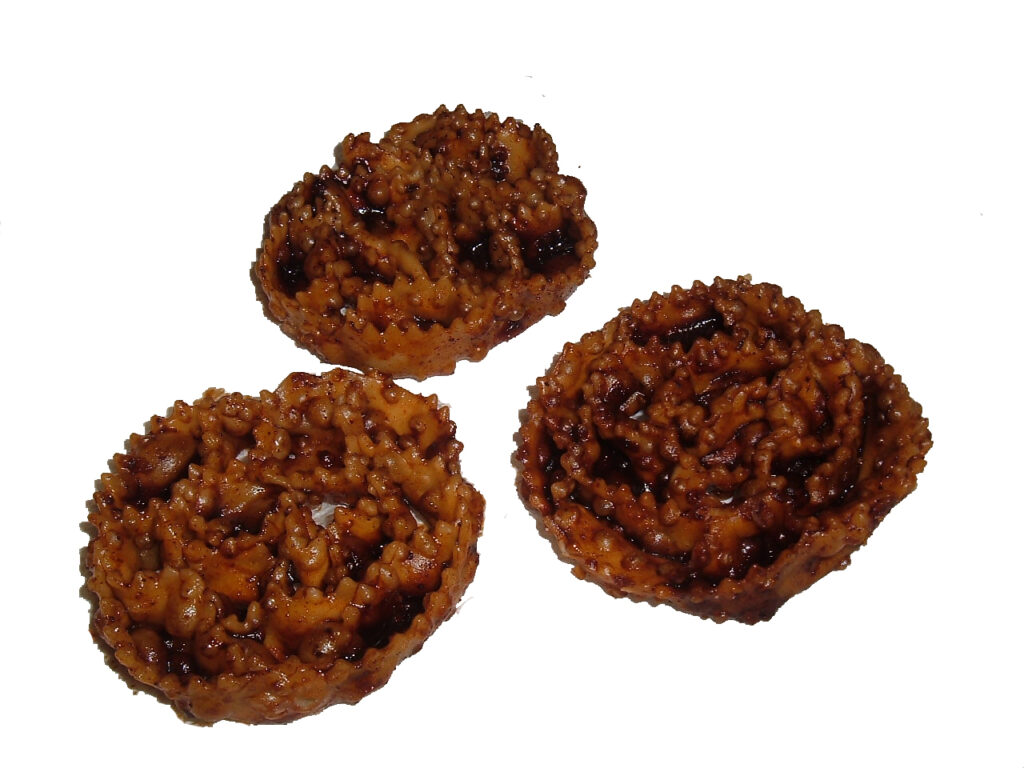
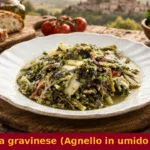
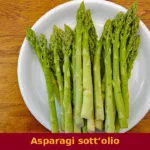
Wild asparagus (PAT), gathered in the fields and along dry-stone walls between February and April, is eaten in frittata, steamed or preserved in oil — the Asparagus in oil (PAT) variant is a staple of Apulian family pantries, prepared with garlic, white wine vinegar and extra-virgin olive oil. On the sweet side, Africani (PAT) are small biscuits filled with almond paste and cocoa, coated in dark chocolate, typical of the Bari confectionery tradition. Agnello alla gravinese (PAT), stewed with vegetables and cheese, is a hinterland preparation also found in butchers’ shops and restaurants in the Modugno area.
The best time to taste these specialities coincides with the patron saint festivals in September, when on the Monday following the fourth Sunday of the month the neighbourhoods set up stalls and food stands along the streets of the historic centre, in honour of San Nicola da Tolentino and San Rocco. The weekly market in Modugno offers stalls of local fruit and vegetables, fresh cheeses and semolina bread. Educational farms in the surrounding area, reachable in just a few minutes by car, offer tastings of new-season oil during the milling period, between October and November.
As for beverages, Modugno falls within the production area of Primitivo di Puglia and red wines based on Negroamaro and Nero di Troia, widespread in the province of Bari.
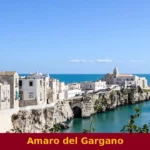
Amaro del Gargano (PAT), made with aromatic herbs from the Gargano Mediterranean scrubland, is found in local bars as a traditional digestif. Anisetta (PAT), a sweet anise-based liqueur, has accompanied the after-lunch coffee in Apulian homes for generations. Among sweet liquid preparations, Ambrosia di limone (PAT), a cold cream made from lemons and sugar, closes summer meals.
When to visit Modugno: the best time
Spring, between March and May, is the most suitable period for a visit. Temperatures range from 12 to 22 degrees, the countryside is in full bloom and on 10 March the feast of the Madonna Addolorata is celebrated, with a procession through the historic centre. In spring, wild asparagus is at the peak of its harvesting season, and restaurants feature it on their menus. Summer brings the typical temperatures of the Bari plain — often exceeding 30 degrees between July and August — but evenings are enlivened by open-air cultural events, concerts and outdoor cinema screenings.
The central date in the calendar is the patron saint festival of San Nicola da Tolentino and San Rocco, which falls on the Monday following the fourth Sunday of September: the town comes alive with illuminations, processions, a marching band and market stalls.
September and October, with falling temperatures and the start of the olive harvest, offer ideal conditions for those who wish to explore without the pressure of summer tourism. Winter is mild — temperatures rarely drop below 5 degrees — and Christmas brings living nativity scenes and markets in the streets of the centre. For those seeking quiet and lower prices, January and February are the least busy months.
How to reach Modugno
Modugno is easily reached by car from the A14 Bologna–Taranto motorway, exiting at Bari Nord or Bari Ovest, from which the centre is approximately 5–8 kilometres along the provincial road. From Bari the journey is just 10 km heading south-west, taking around 15 minutes. From Taranto the distance is approximately 90 km (just over an hour), from Lecce approximately 170 km (one hour and forty minutes), from Foggia approximately 140 km (one hour and thirty minutes). The connection with the Bari ring road makes Modugno an accessible hub from all main Apulian routes.
The Modugno railway station, served by Ferrovie del Nord Barese (now Ferrotramviaria), connects the town to Bari in approximately 15 minutes with frequent services throughout the day.
Bari-Karol Wojtyła Airport is just 5 kilometres away — one of the shortest airport-to-town distances in Puglia — and can be reached by taxi or shuttle bus in under 10 minutes. This proximity makes Modugno a particularly convenient base for anyone landing in Bari and planning to explore the province. The official website of the Municipality of Modugno publishes updated information on transport and local road conditions.
Other villages to discover in Puglia
Visitors to Modugno wishing to extend their exploration towards northern Puglia can reach Ordona, in the upper Tavoliere, approximately 140 km away (one hour and forty minutes by car). Ordona stands on the site of ancient Herdonia, a Roman city along the Via Traiana, and preserves an archaeological area with the remains of an amphitheatre, baths and houses with mosaic floors.
If Modugno represents the Puglia of medieval towns close to the coast, Ordona tells the story of the region’s Roman and late-antique phase, offering a significant chronological complement. A combined visit allows travellers to cross the Apulian landscape from the olive groves of the Bari area to the wheat fields of the Tavoliere.
At a similar distance, approximately 160 km to the north-west, Torremaggiore offers an itinerary through feudal architecture and the cultural heritage of the Capitanata. The town is linked to the memory of Frederick II and preserves the De Sangro ducal castle, an imposing 15th-century structure with cylindrical towers and an internal courtyard.
Combining Modugno, Ordona and Torremaggiore in a three- or four-day itinerary allows you to read Puglia in all its variety: from the Romanesque of the Terra di Bari to the rural estates of the Tavoliere, through to the feudal system of the Daunia. The route runs entirely along state roads and motorway, with transfer times that leave ample room for stops in the villages along the way.
Frequently asked questions about Modugno
What is the best time to visit Modugno?
The ideal time to visit Modugno is between late spring and early autumn. September is particularly rewarding: on the Monday following the fourth Sunday of the month, the town celebrates its patron saints San Nicola da Tolentino and San Rocco with processions, street stalls and local food stands in the historic centre. A second festival, dedicated to the Madonna Addolorata, takes place on 10 March. October and November are excellent for olive oil tastings at nearby masserie during the pressing season. Summer evenings are lively around the churchyard of the Madonna Addolorata.
What are the historical origins of Modugno?
Modugno appears in written sources for the first time in an 11th-century Norman diploma issued by Roger Borsa in 1098, which documents the settlement and its church of Santa Maria. The town developed further under Frederick II of Swabia in the 13th century. A key economic milestone came in 1316, when King Robert of Anjou granted the privilege of holding a free fair. The name likely derives from the Latin Meduneum or Modunium, possibly indicating a median geographical position between the Adriatic coast and the Murgia plateau.
What to see in Modugno? Main monuments and landmarks
Modugno's historic centre offers five main attractions: the Chiesa Matrice di Santa Maria Annunziata (12th-century origins, Renaissance portal, Baroque interior); the Church and Convent of San Francesco d'Assisi (14th century, Gothic traces, cloister with portico); Palazzo Ferrante (Renaissance-Baroque noble palace with carved corbels and internal courtyard); the Clock Tower and surviving sections of the medieval town walls, walkable in about 30 minutes; and the Chiesa della Madonna Addolorata (18th century, wooden devotional statue). The old town's network of alleyways, arches and courtyards is itself a coherent itinerary.
Are there museums, churches or historic buildings to visit in Modugno?
Yes. The principal religious buildings are the Chiesa Matrice di Santa Maria Annunziata, the Church of San Francesco d'Assisi with its Franciscan cloister, and the Chiesa della Madonna Addolorata. The most significant civic building is Palazzo Ferrante, which today hosts cultural activities. Sections of the medieval town walls and the Clock Tower complete the architectural picture. Specific opening hours are not published by official sources; visiting during morning hours or around the patron saint festivals in September ensures access to the main churches.
Where to take the best photos in Modugno?
The most photogenic spots in Modugno are concentrated in the historic centre. The decorated Renaissance portal and rose window of the Chiesa Matrice make for a strong architectural photograph, best in morning light. The cloister of San Francesco d'Assisi, with its portico of depressed arches, offers a quietly composed interior shot. Palazzo Ferrante's limestone masonry is best captured in afternoon light, which brings out the carved details of the corbels and portal. The Clock Tower, visible from multiple alleyways, provides a vertical landmark for street-level compositions.
What can you do in Modugno? Activities and experiences
Modugno is well suited to a half-day walking itinerary through the historic centre, covering the five main monuments and the medieval wall perimeter in approximately 90 minutes. The patron saint festival in September offers direct experience of Apulian street food culture and religious processions. Visits to masserie in the surrounding olive-growing plain, particularly between October and November during the oil pressing season, provide hands-on food and wine experiences. The weekly market offers local produce, fresh cheeses and semolina bread. Nearby Bari expands the day's cultural options significantly.
Who is Modugno suitable for? Families, couples, hikers, solo travelers?
Modugno suits visitors who enjoy compact urban heritage rather than natural landscapes. Couples and solo travellers with an interest in Apulian Romanesque and Baroque architecture will find a coherent and uncrowded historic centre. Families can participate in the September patron saint festivals, which are community-centred and accessible. Food enthusiasts benefit from the proximity to olive oil producers and the traditional Terra di Bari cuisine available locally. It is not a destination for hikers or beach seekers, but combines naturally with a day trip to Bari or a circuit of the Bari plain's smaller historic towns.
What to eat in Modugno? Local products and specialties
Modugno's table belongs to the Terra di Bari tradition. Key dishes include Acquasale (PAT), a peasant preparation of stale bread with tomatoes, raw onion, oregano and olive oil; orecchiette and cavatelli with turnip tops or meat ragù; roast lamb layered with potatoes and pecorino. Wild asparagus gathered between February and April appears in frittata or preserved in oil (PAT). On the sweet side, Africani (PAT) are Bari-tradition biscuits filled with almond paste and cocoa. Local wines include Primitivo di Puglia and Nero di Troia. Anisetta (PAT) and Amaro del Gargano (PAT) serve as traditional digestifs.
📷 Photo Gallery — Modugno
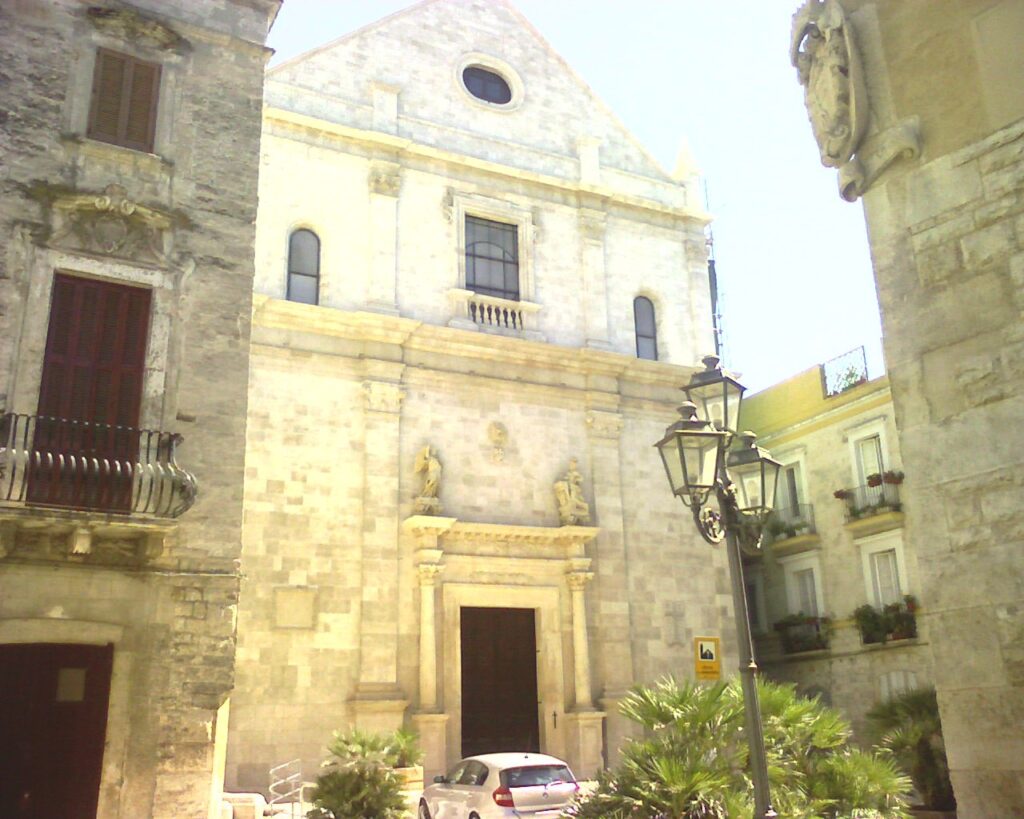
Nearby Villages near Modugno
In Apulia More villages to discover
San Marco la Catola
 Mountain
A quiet hill village at 683 metres in the Daunia mountains of Puglia. Discover what to see in San Marco la Catola, from its medieval core to the Fortore valley.
Gravina in Puglia
 Hills
Hills
In 1092, Humfred of Hauteville confirmed the privileges of the cathedral dedicated to Santa Maria Assunta, a document that fixes in the historical record the ecclesiastical rank of Gravina in Puglia well before Frederick II chose it as an imperial hunting reserve. Today, anyone walking along the edge of the gravina — the karstic canyon […]
Cannole
Plains
With its 1,631 inhabitants spread across a plateau at 100 metres above sea level in the interior of the Salento, Cannole is one of the smallest municipalities in the province of Lecce. The settlement is organised around a compact core of Lecce stone houses, with a central square that still serves as a daily point […]
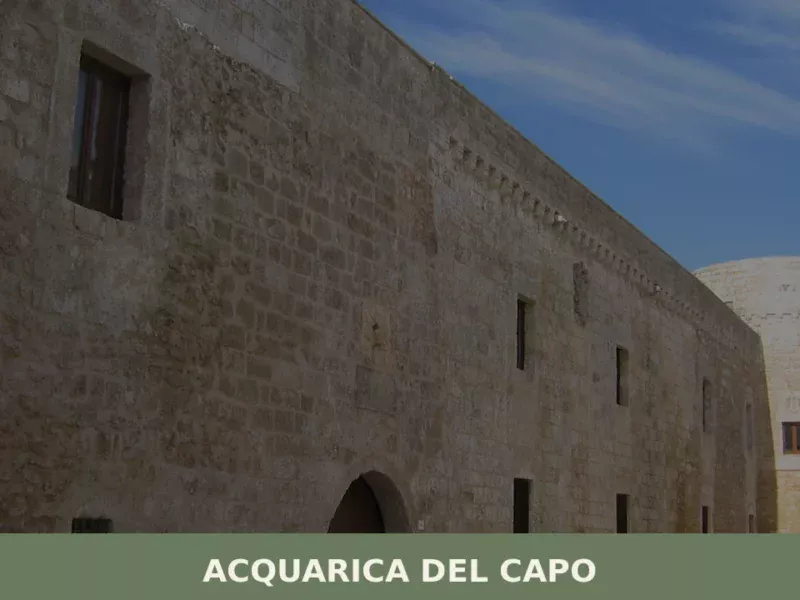
Acquarica del Capo
Plains
Acquarica del Capo existed as an independent municipality in the province of Lecce for decades before a formal merger on 15 May 2019 united it with neighbouring Presicce to form the new comune of Presicce-Acquarica. That administrative change did nothing to alter the physical village, which sits in the Capo di Leuca territory at the […]
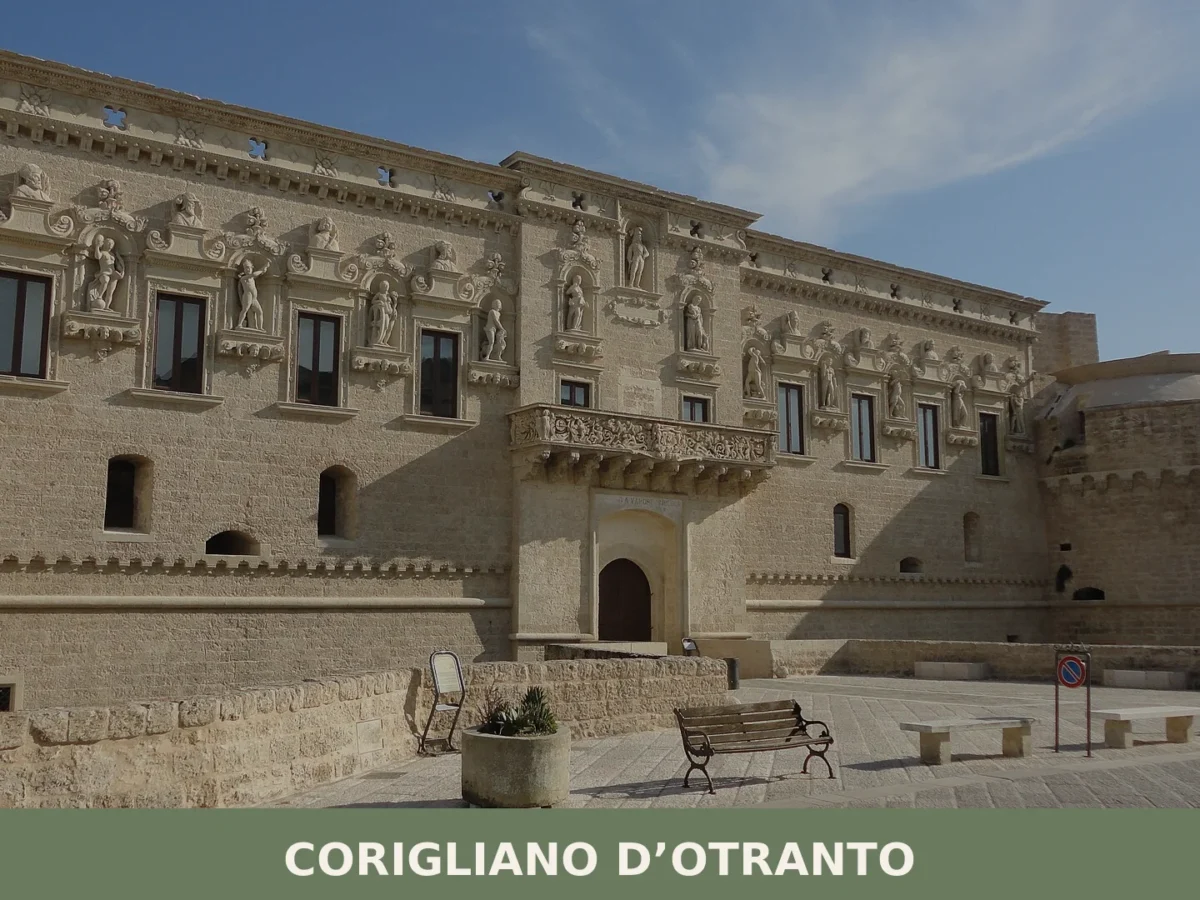
Corigliano d’Otranto
Plains
A Salento village where ancient Greek still echoes and medieval fortifications frame daily life. San Giorgio's 9th-century monastery shaped its identity for centuries.
San Severo
Plains
A ridge-top village above the Tavoliere plain in Foggia province, San Paolo di Civitate holds Roman ruins, Norman battlefield history, and an unhurried agricultural life.
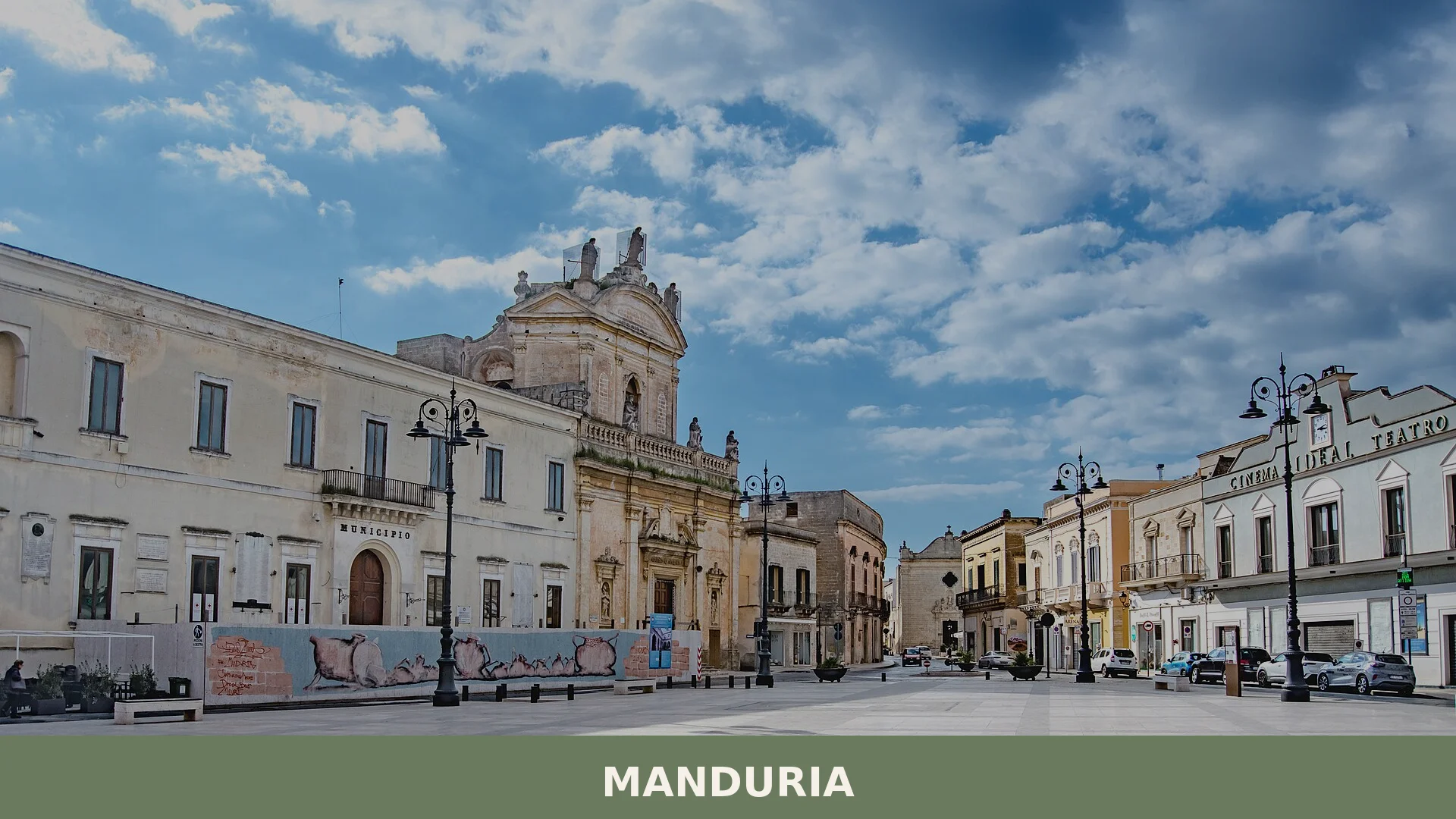
Manduria
 Sea
Sea
A territory where Messapic walls still stand and Roman roads connect to the coast. Manduria earned its title as a City of Art through centuries of layered stone and faith.
Foggia
Plains
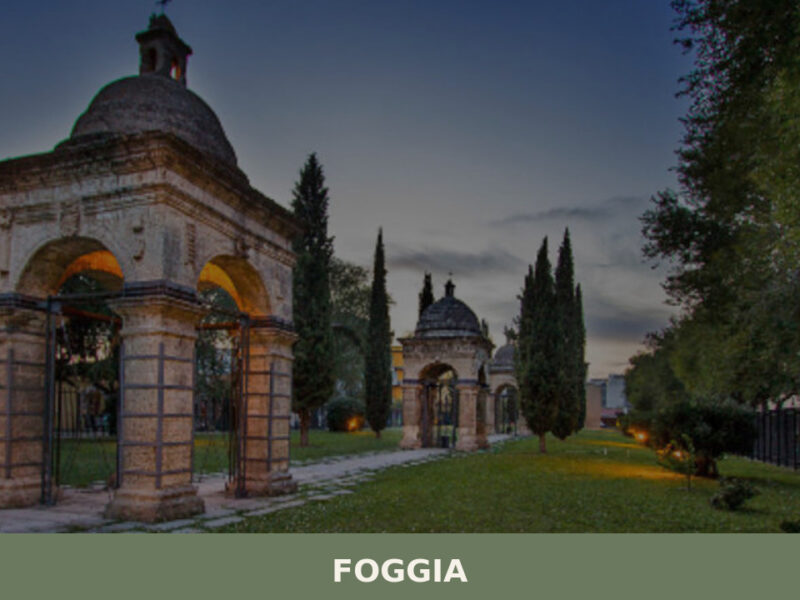
Foggia, capital of the Capitanata, holds medieval traces, Daunian artefacts, and the culinary traditions of Italy's largest wheat plain. A guide to its overlooked layers.
Faggiano
Plains
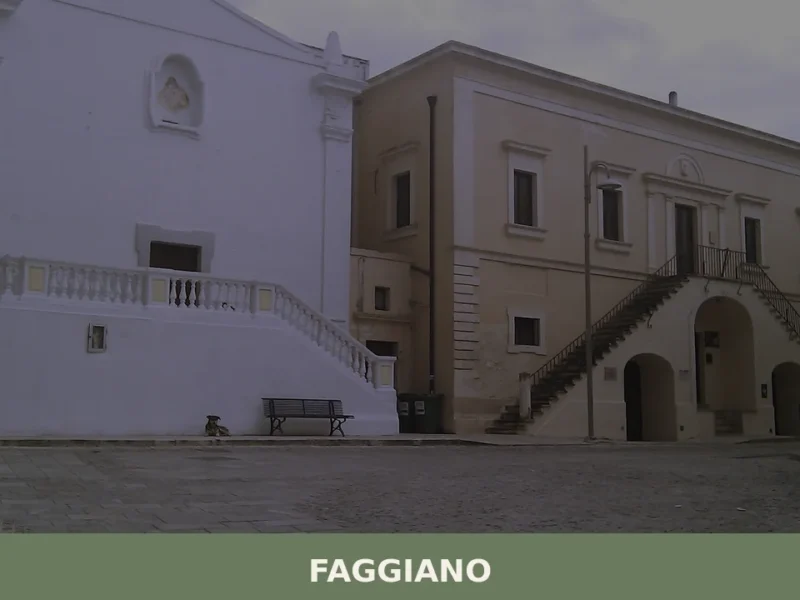
Discover what to see in Faggiano, a Taranto province comune in Puglia: history, food, best time to visit, and how to get there.
Candela
Hills
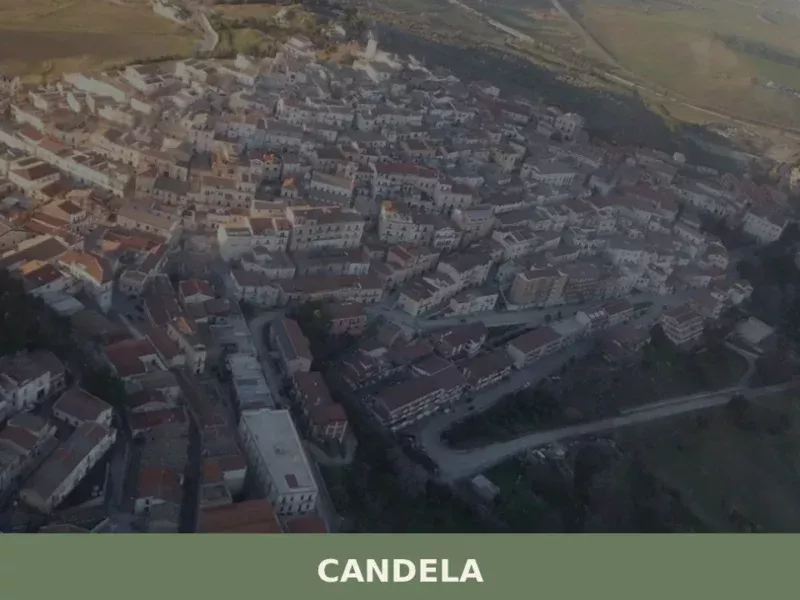
What to see in Candela, Puglia, Italy: explore a hilltop village at 474 m with Roman-era roots, the Feast of San Rocco and local wheat traditions. Discover it now.

🏡 Know Modugno better than we do?
If you’re a local or have been there, your knowledge matters: add what’s missing or fix a detail on this page.