


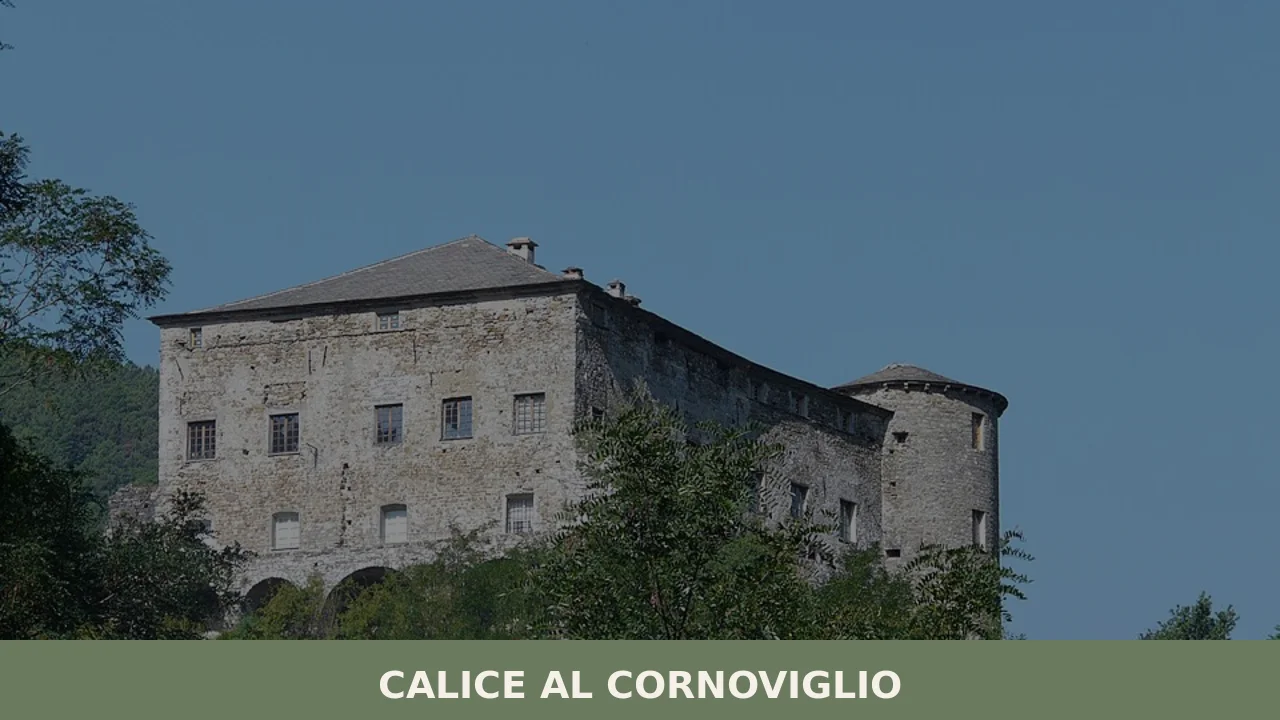

Calice al Cornoviglio offers a tranquil journey into Ligurian hill country, blending historic architecture with natural beauty.
Discover Calice al Cornoviglio
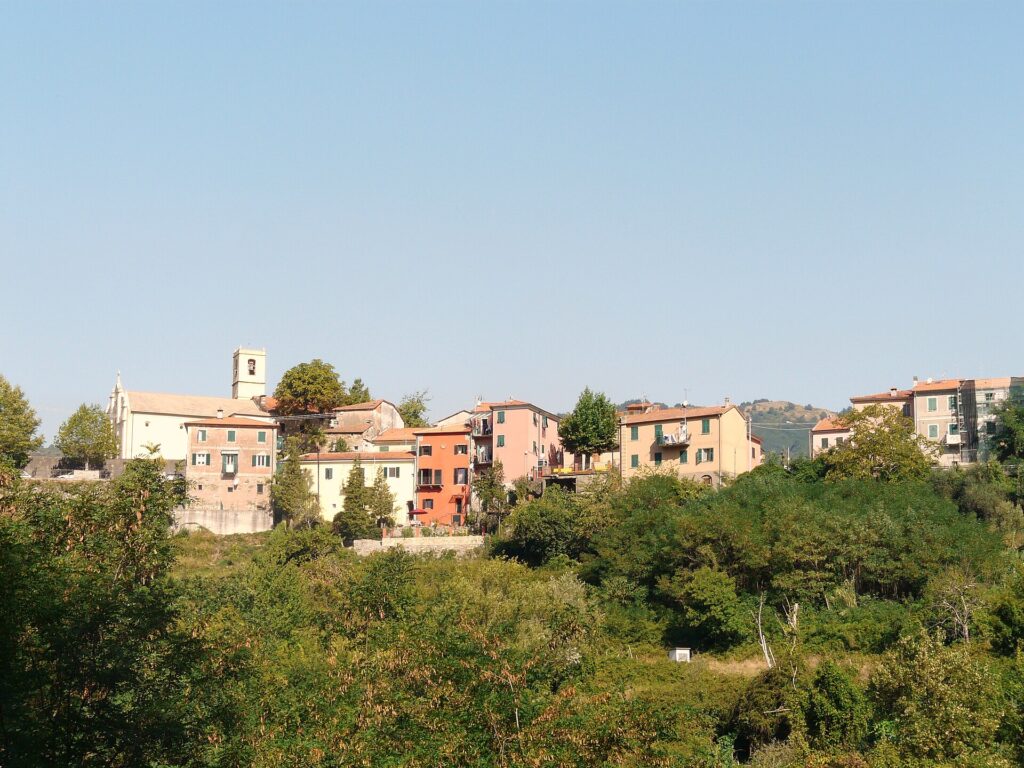
Perched amidst the undulating hills of eastern Liguria, Calice al Cornoviglio offers a journey into a landscape where the rhythm of life still echoes ancient traditions. This village, with its compact medieval core and the imposing outline of its castle, stands as a gateway to the Val di Vara, a region known for its verdant valleys and historical depth. At an elevation of 401 meters, Calice al Cornoviglio is a tranquil retreat, far from the coastal bustle, inviting visitors to explore a genuine corner of Italy.
Calice al Cornoviglio village in Liguria: Identity and Territory
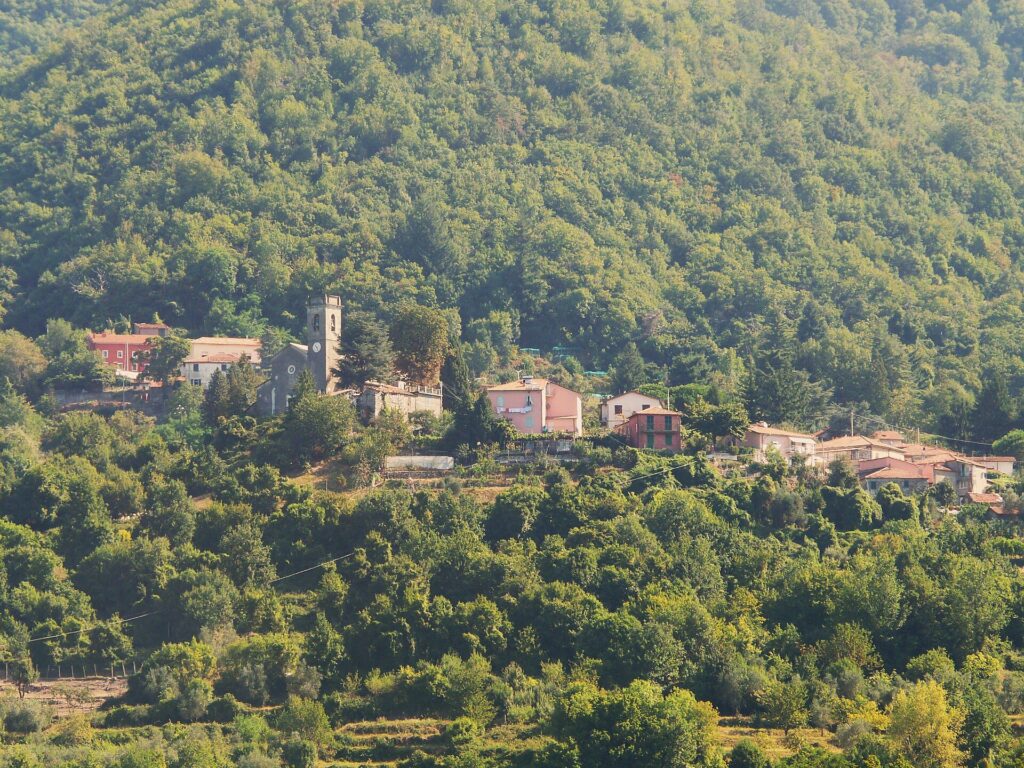
Calice al Cornoviglio is deeply rooted in a mountainous landscape, characterized by narrow valleys carved by torrents that flow towards the Vara river. The municipal center, often referred to by locals as “Castello di Calice” or simply “Il Castello,” sits on a strategic high point, surveying the surroundings. This hilly interior location, part of the Montemarcello-Magra-Vara Regional Natural Park, provides a striking contrast to the coastal areas of Liguria. The territory is defined by peaks like Monte Cornoviglio (1,162 m) and Monte Coppigliolo (1,139 m), from whose slopes the Usurana torrent begins its journey before joining the Vara.
Essential History
The earliest records of Calice al Cornoviglio date back to the early 11th century, when it was under the ownership of the bishops of Luni before passing to the Malaspina family. A document from 1033 attests to its early importance. The village became a significant defensive outpost for the Republic of Genoa after its capture from the Malaspina in 1416, serving as a bulwark against Milanese incursions. Following the Fieschi conspiracy in 1547, Calice fell under Doria dominion, a period of shifting allegiances that also saw brief returns to Malaspina control in 1710. The village was finally ceded to Leopold II of the Grand Duchy of Tuscany in 1772.
During the Napoleonic era, Calice al Cornoviglio was part of the Department of the Apennines from 1805 to 1814. In 1847, with the execution of the Treaty of Florence three years earlier, Calice and its territory passed from the Grand Duchy of Tuscany to the Duchy of Modena and Reggio. The village played a crucial role in the Italian Liberation War, serving as a hub for partisan activities in the Val di Vara from October 1943 until the Liberation. The castle of Calice, then a garrison of the Republican National Guard, was famously attacked by partisan groups in June 1944. Though the assault itself failed, the fascists withdrew shortly thereafter, and Calice was considered liberated territory until April 25, 1945. For its sacrifices and active role in the partisan struggle, Calice al Cornoviglio was awarded the War Cross for Military Valor.
What to See
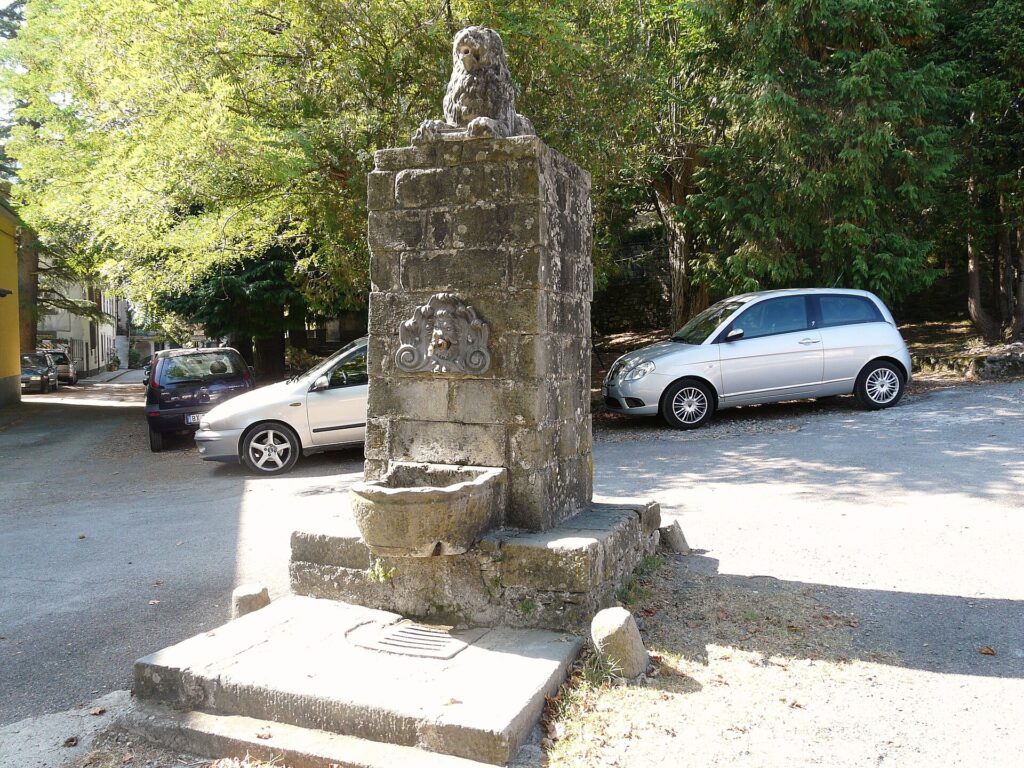
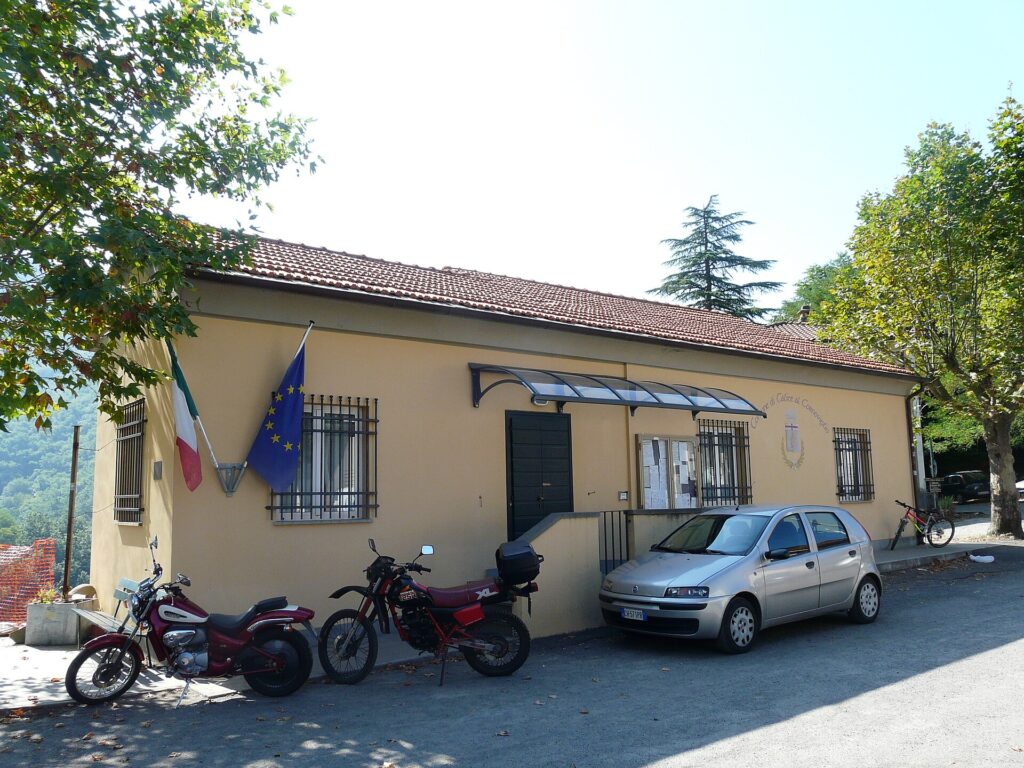
The heart of Calice al Cornoviglio is its medieval borgo, known as Borgofreddo, which wraps around the southern side of the hill dominated by the castle. Piazza del Leone serves as the central square, home to the municipality and the main access point to the fortified complex.
Castle of Calice al Cornoviglio
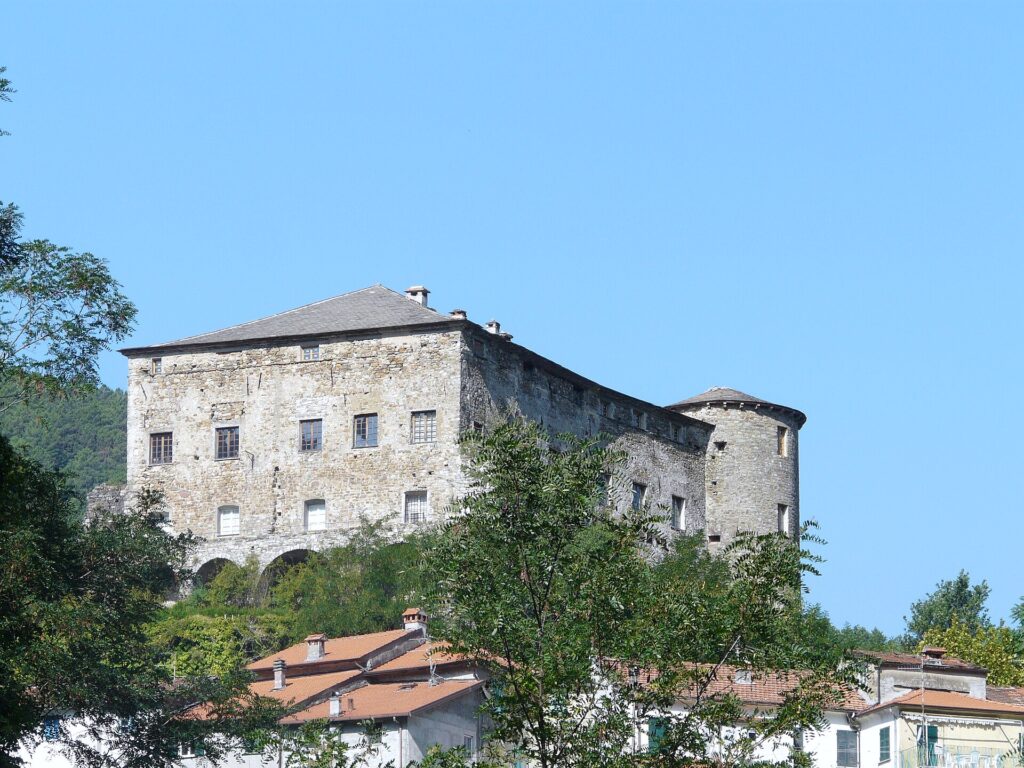
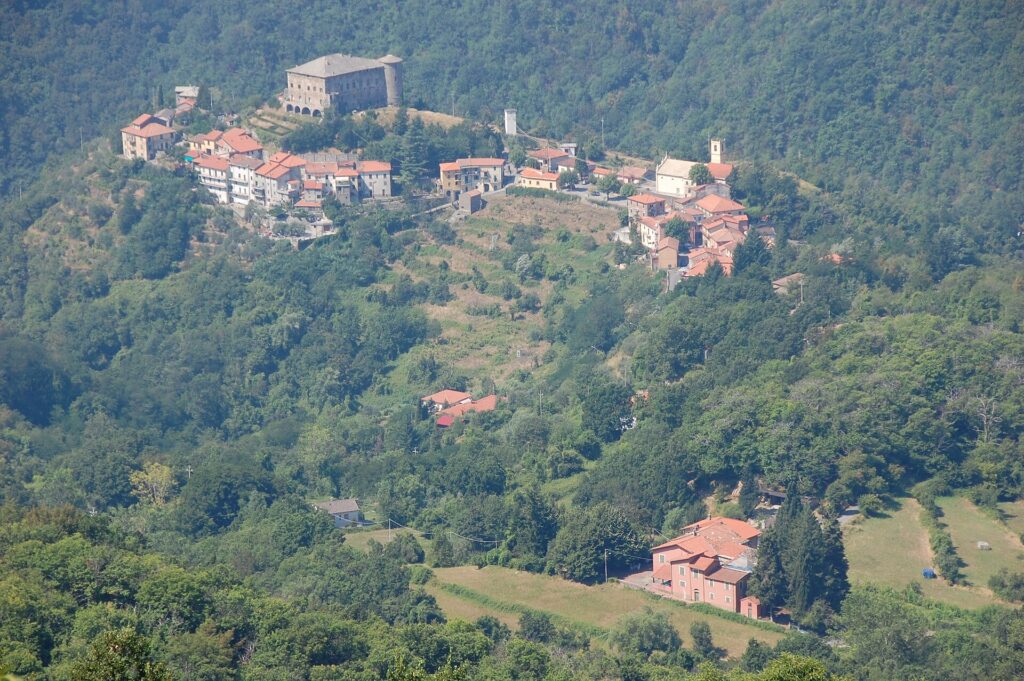
The Castello Doria-Malaspina, the village’s most prominent architectural feature, presides over the Usurana valley. Though significantly altered over the centuries, it retains a trapezoidal plan with two angular towers—a round tower on the right and a lower cylindrical body on the left. Today, it presents more as a stately residence, yet its origins as a defensive fortress are still evident. The castle now serves as a cultural hub, hosting several museums.
Churches
Among the village’s religious architectures, the parish church of Nostra Signora di Loreto, located in Calice Castello, was constructed in 1638. In the hamlet of Borseda, the church of Madonna del Carmine, dating to the 17th century, was reportedly commissioned by the Marchesa Placida Doria. The parish church of Santi Margherita e Nicola can be found in the Madrignano hamlet. The Oratorio di San Giovanni Battista in Nasso di Sotto, traditionally associated with a religious community, displays a painting by local artist David Beghè depicting the Madonna with Child and Saints John and Peter, along with an 18th-century Genoese bas-relief of the Annunciation on its marble altar. Other significant religious sites include the Oratorio dei Santi Antonio e Bartolomeo in Vicchieda, dating back to the 14th century, and the church of Santa Maria in the eponymous hamlet, with internal stuccoes and paintings by Zeffiro Righi and David Beghè.
Museums
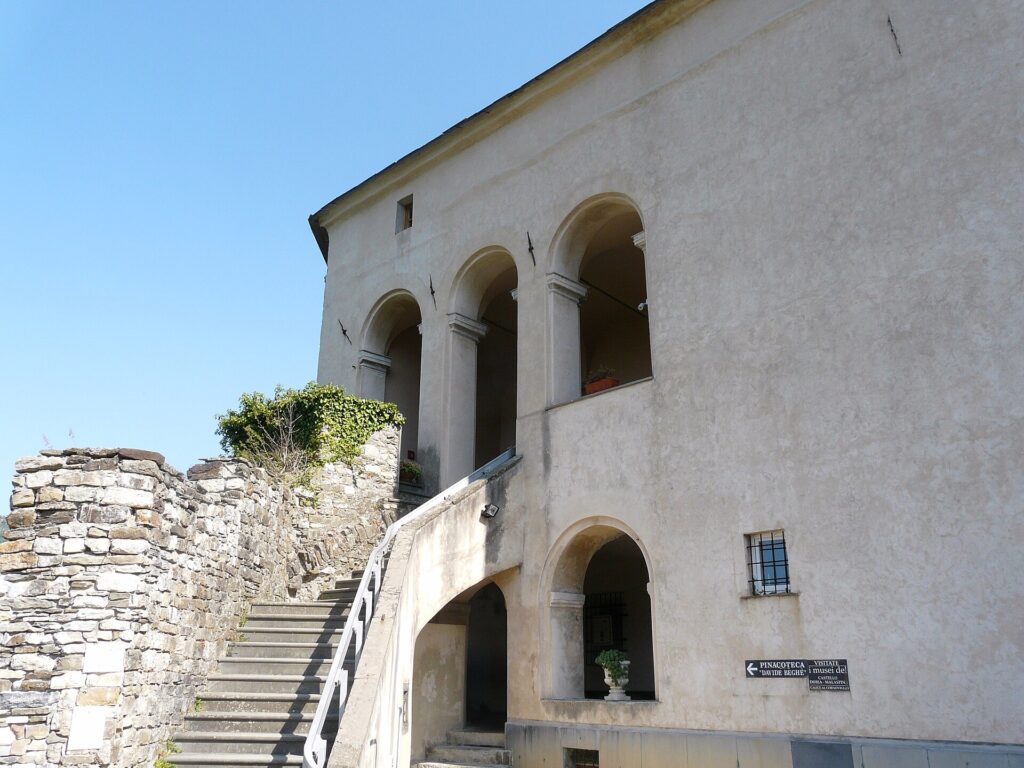
Within the castle of Calice al Cornoviglio, visitors can explore a cluster of museums. The Pinacoteca David Beghè, inaugurated in 1992, displays 28 oil paintings by the local artist David Beghè (1854–1933), offering a comprehensive look at his poetic artistic style. The Piccolo Museo Pietro Rosa, established in the late 1990s, also resides within the castle walls. Additionally, the Museo dell’apicoltura (Museum of Beekeeping), opened in September 2000, is Liguria’s first such museum, showcasing primitive beehives and tools for honey collection and processing. Also in the castle is the Museo della Brigata Val di Vara, inaugurated in 2013 to recount the history of the partisan formation active in the Val di Vara during World War II. Elsewhere, the Museo della galassia, an open-air museum with a garden, is found along the main road in Valdonica.
Other Architectural Highlights
Beyond the main village, several other hamlets feature rural Ligurian-Lunigianese architecture. These include interesting examples of cryptoportici in Filettino, Tranci, Villagrossa, Ferdana, and Usurana. Historic villas are notable in Villagrossa (Villa Rapallini), Campi, Tranci (Palazzo Remedi), Castello di Madrignano, and Pegui (Villa Saccomani). Madrignano also holds the ruins of a fortilizio, destroyed by the Genoese in 1416 and later by Gallo-Hispanic troops in 1706 during the War of the Spanish Succession; the site has undergone significant restoration in recent years.
Nature and Surroundings
Calice al Cornoviglio is nestled within the Parco naturale regionale di Montemarcello-Magra-Vara, offering a rich natural environment for exploration. The territory is characterized by mountains and torrents, with hiking trails that traverse lush landscapes. The area provides opportunities for outdoor activities, immersing visitors in the unspoiled beauty of inland Liguria.
Flavors
While specific local dishes or products exclusive to the municipality are not detailed, Calice al Cornoviglio, being an inland Ligurian village, shares in the region’s culinary heritage. The area is known for its agricultural traditions, which often include products such as honey, given the presence of the beekeeping museum. Broader regional specialties, such as Acciughe sotto sale del Mar Ligure IGP (salted anchovies), are part of the Ligurian culinary identity, as are the various wines from the broader Liguria di Levante IGT and Colline di Levanto DOC zones. Visitors can expect to find simple, wholesome cuisine reflecting the local agricultural bounty.
Traditions
The main patron saint celebration in Calice al Cornoviglio is dedicated to the Madonna di Loreto, observed annually on December 10th. This festive occasion is a significant moment for the community, reflecting its deep-rooted traditions and religious devotion.
How to Arrive
Calice al Cornoviglio is accessible by road, located in the province of La Spezia. Reaching the village typically involves driving through the scenic Val di Vara. For those arriving by train, the nearest major railway stations would be in La Spezia, from which local buses or a car rental would be necessary to reach the inland municipality.
Frequently asked questions about Calice al Cornoviglio
What is the best time to visit Calice al Cornoviglio and what seasonal events can be found?
To best appreciate the hilly landscape and outdoor activities, spring and early autumn are the ideal times to visit Calice al Cornoviglio, thanks to a mild climate and lush nature. The village celebrates its patron saint festival in honor of the Madonna di Loreto on December 10th, an opportunity to experience local traditions. Given its altitude of 405 meters and hilly location, the summer months offer a cooler climate compared to the coast.
How can you get to Calice al Cornoviglio by car and what are the nearest cities to depart from?
Calice al Cornoviglio is mainly accessible by car, being located in a hilly area. It is in the province of La Spezia, so La Spezia is a good starting point. Other nearby cities from which you can easily arrive include Sarzana and Aulla, both well connected to the highway network. For those arriving by train, the most convenient station would be La Spezia Centrale or, depending on the itinerary, Aulla, from which you would then need to continue by local public transport or taxi, as there are no stations directly in the village.
How much time is advisable to dedicate to visiting Calice al Cornoviglio and its main attractions?
For a complete visit to Calice al Cornoviglio and its immediate surroundings, including a walk in the historic center and appreciating the views of the Val di Vara, half a day can be considered. If you also wish to explore the natural trails or the surrounding hamlets within the Montemarcello-Magra-Vara Regional Natural Park, it is advisable to dedicate a full day. The village, with its stone houses and tranquil atmosphere, invites a slow and relaxed pace.
What are the main geographical characteristics of the territory of Calice al Cornoviglio?
The territory of Calice al Cornoviglio is distinguished by its mountainous and hilly nature, set within the context of the Val di Vara, Liguria's greenest valley. It is characterized by narrow valleys traversed by numerous streams, such as the Usurana which originates from Monte Coppigliolo (1,139 m) and flows into the Vara river. The landscape is dominated by mountainous reliefs such as Monte Cornoviglio (1,162 m) and Monte Coppigliolo, and is part of the Montemarcello-Magra-Vara Regional Natural Park, offering an ideal environment for those seeking tranquility and nature.
📷 Photo Gallery — Calice al Cornoviglio

Nearby Villages near Calice al Cornoviglio
In Liguria More villages to discover
Fascia
 Mountain
At 1118 meters above sea level, Fascia, in the province of Genoa, stands out as one of Liguria’s highest municipalities, with a population of just 70 inhabitants. This demographic data, recorded in the last census, defines a setting of rare tranquility and a distinct mountain identity. For those wondering what to see in Fascia, it […]
Pigna
Mountain
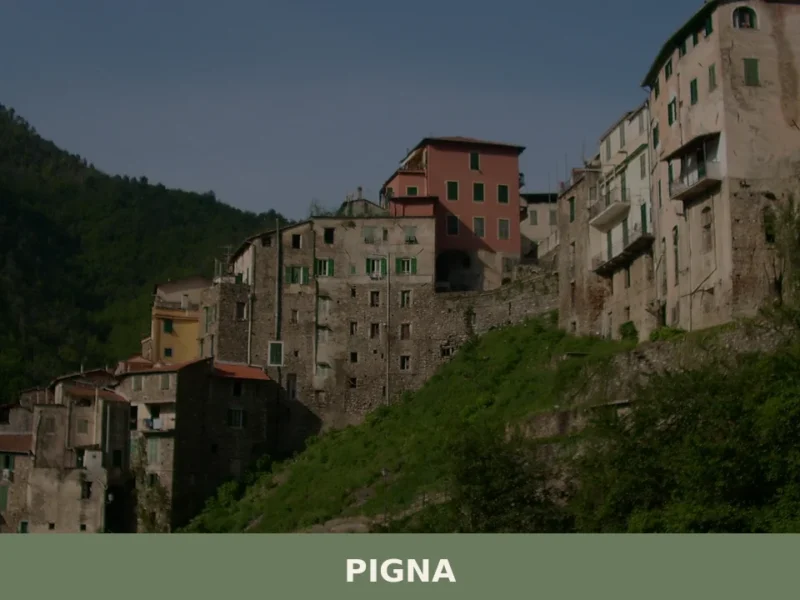
A compact stone village at 287 metres in the upper Val Nervia, Pigna offers an unexpectedly alpine face of western Liguria, with olive groves below and limestone peaks above.
Nasino
Mountain
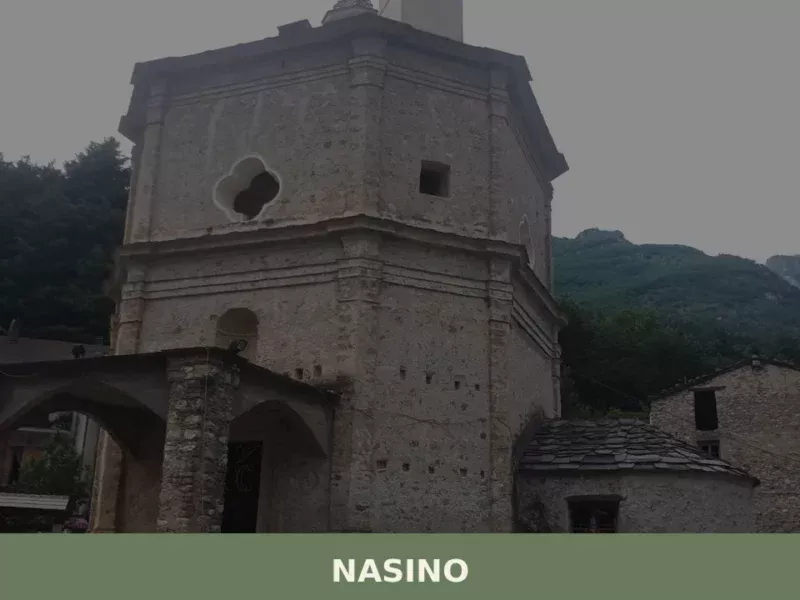
Nasino, un autentico villaggio montano in Liguria, offre natura incontaminata e tradizioni locali per una pausa rilassante.
Chiusavecchia, Liguria: An Ancient Italian Village Guide
 Plains
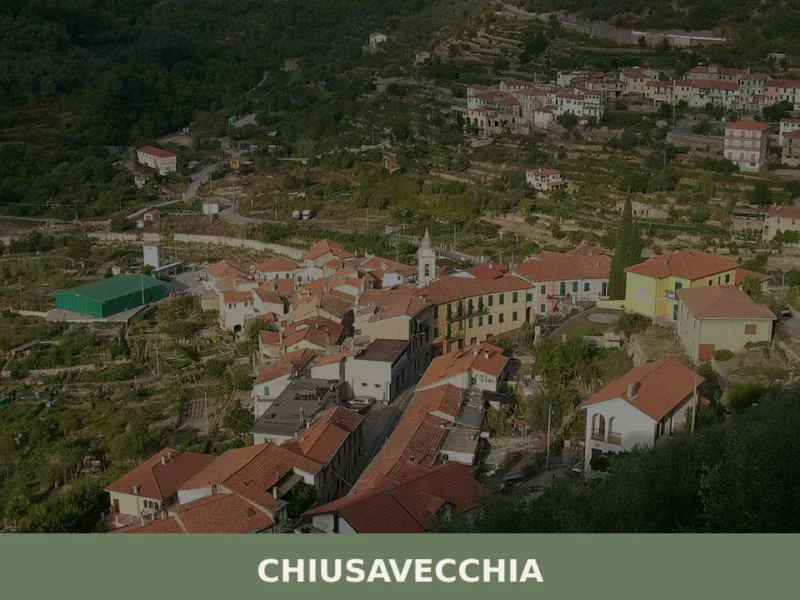
What to see in Chiusavecchia, Italy: Explore this Ligurian village at 140m altitude. Discover its historic core and the feast of San Biagio.
Portofino
 Sea
Sea
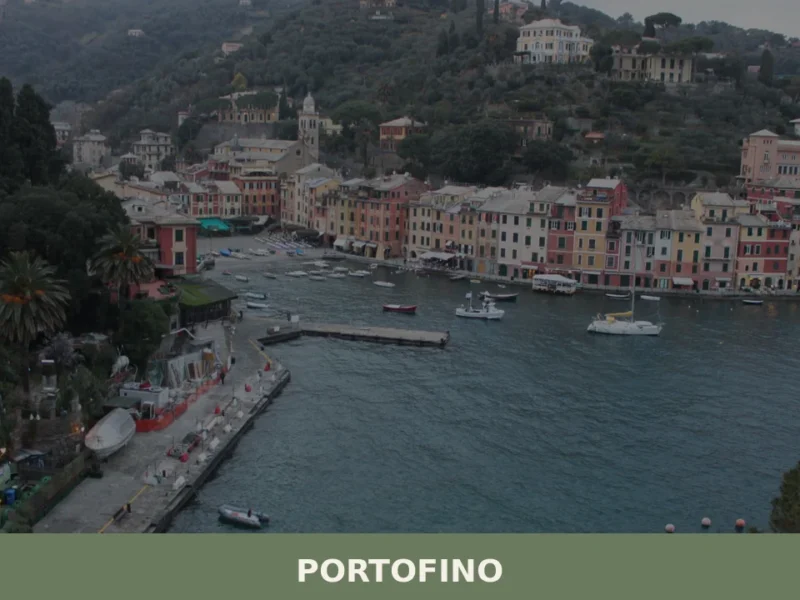
Portofino has a population of 355 residents spread across a headland that descends to sea level. It is one of the smallest municipalities in Italy by population, yet its natural harbour appears in almost every historical guide to the Ligurian Riviera. Anyone looking into what to see in Portofino will find a compact collection of […]
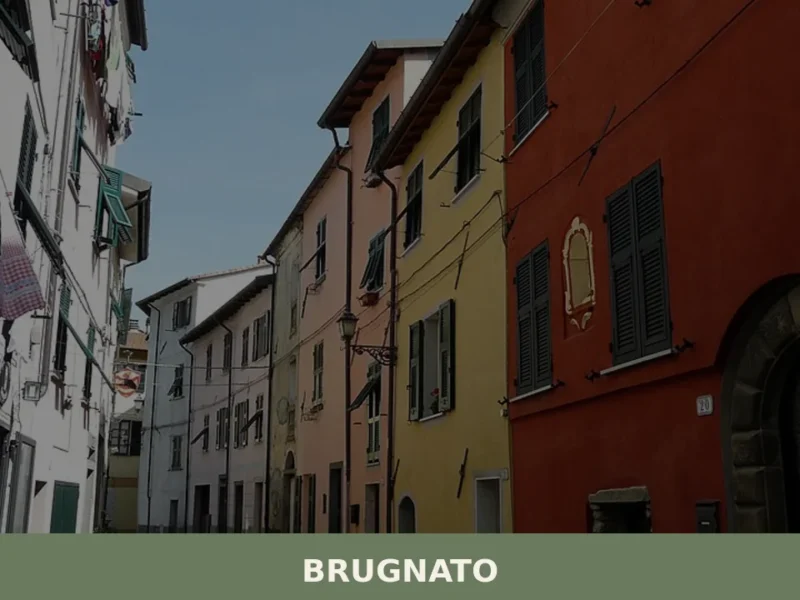
Brugnato
Plains
Brugnato is a small Ligurian city in the Vara river valley whose medieval cathedral and diocesan museum reveal a past far weightier than its modest size suggests.
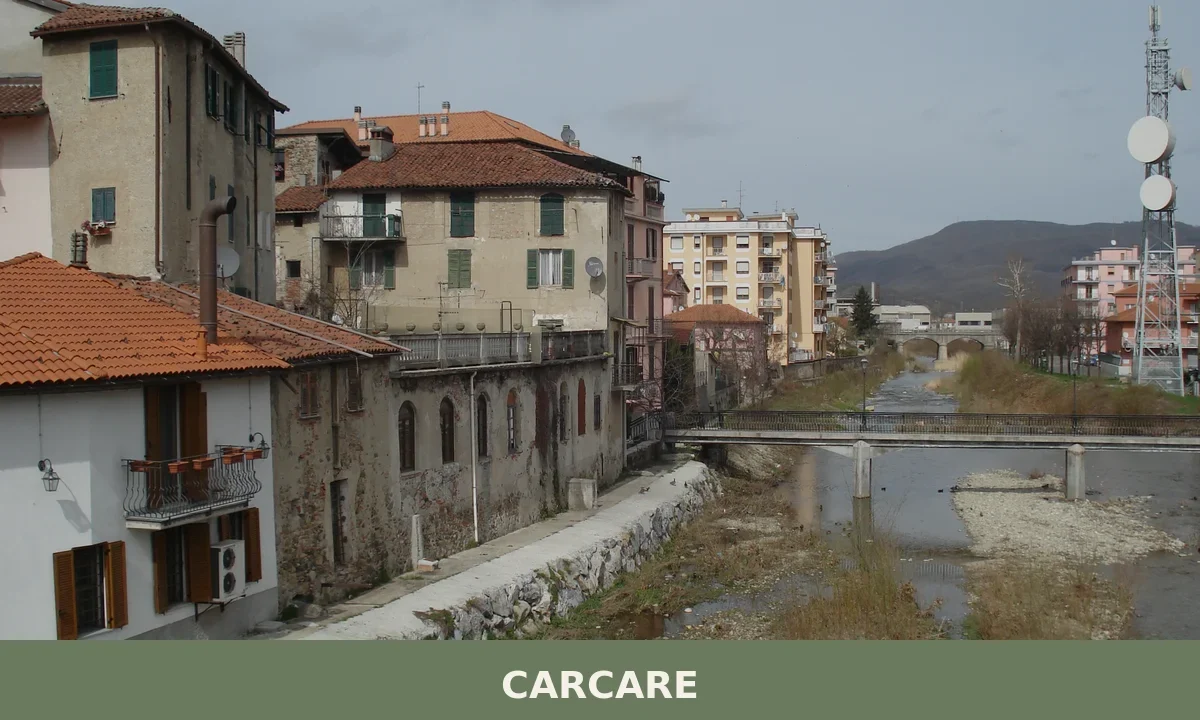
Carcare
Mountain
Carcare is a Ligurian Apennine comune of about 5,232 residents at 354 metres above sea level in the province of Savona, offering history, culture and an important civic library.
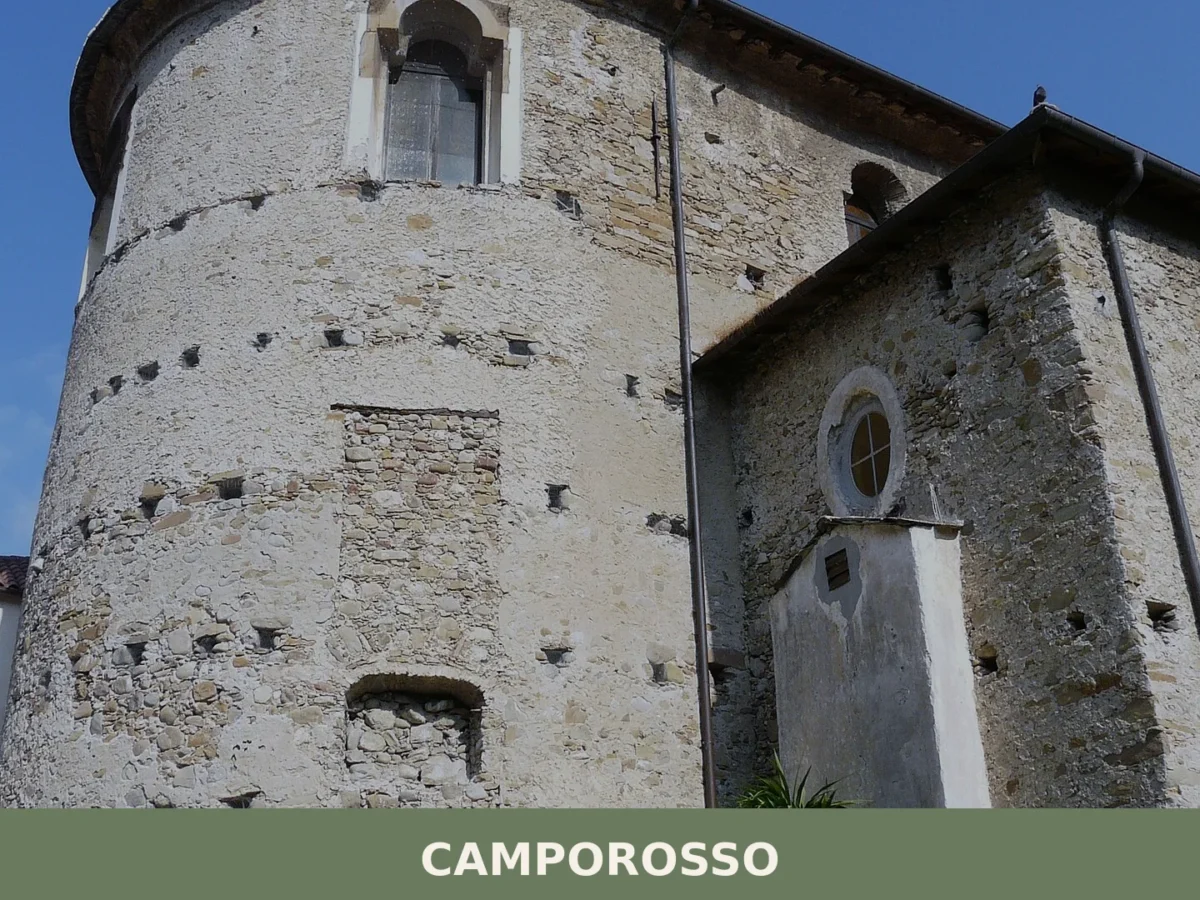
Camporosso
Sea
Camporosso is a Ligurian commune of 5,668 residents near Ventimiglia, where medieval history, three parish churches and the wines of Riviera Ligure di Ponente come together in the far western corner o
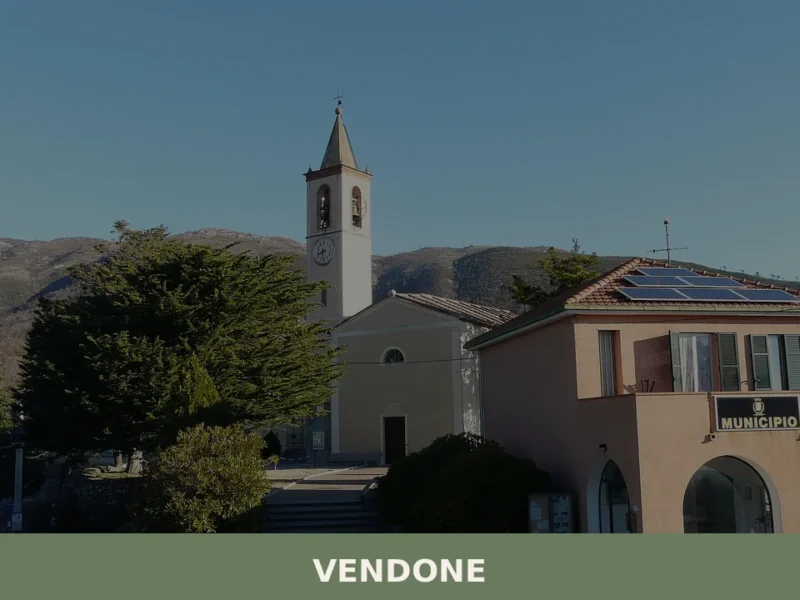
Vendone
 Hills
Hills
What to see in Vendone, Liguria, Italy: 5 attractions, local food, festivals and how to get there. 401 inhabitants, 80 km from Genoa. Discover it now.
Zignago
Mountain
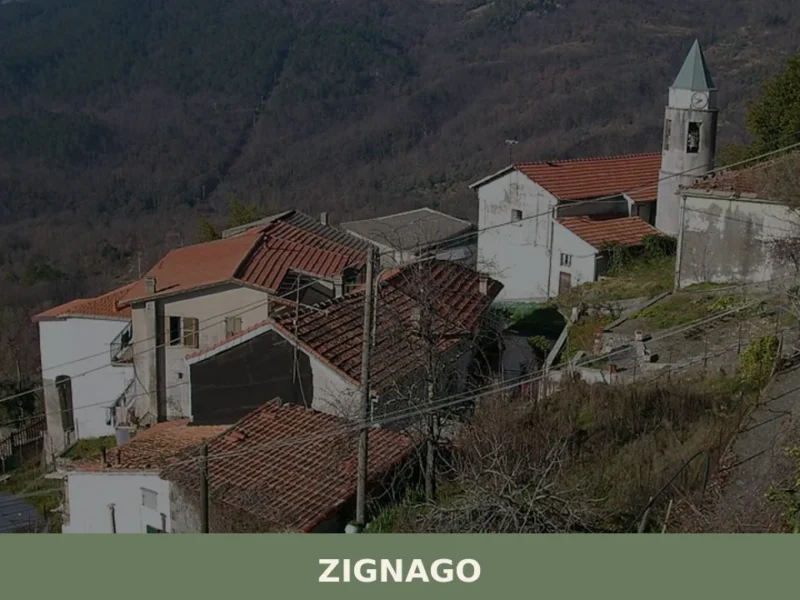
Zignago is a quiet Apennine municipality in the La Spezia province, set at 627 metres in the upper Val di Vara, where forested ridges, stone hamlets and an old pilgrimage route define a corner of inla


🏡 Know Calice al Cornoviglio better than we do?
If you’re a local or have been there, your knowledge matters: add what’s missing or fix a detail on this page.