


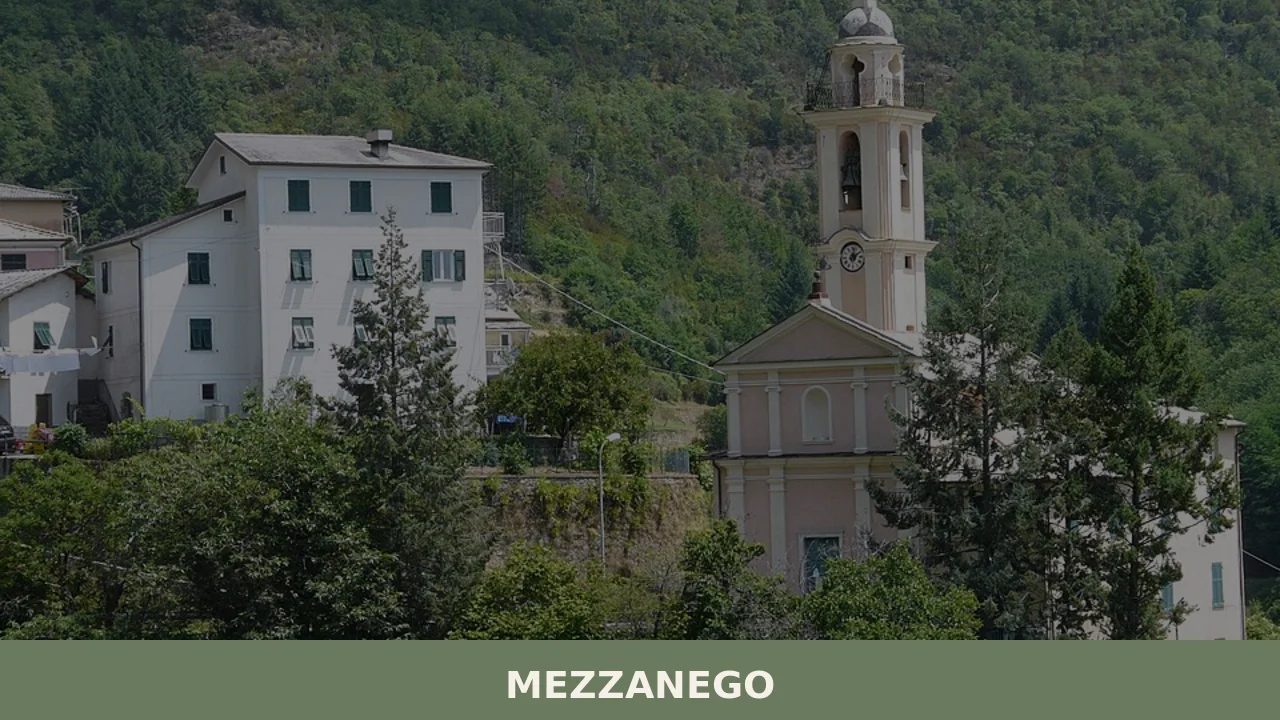

Mezzanego, a municipality in the Sturla valley of Liguria, offers a journey into the rugged beauty of the Genovese hinterland.
Discover Mezzanego
Mezzanego, a municipality in the Sturla valley of Liguria, offers a journey into the rugged beauty of the Genovese hinterland. With its municipal seat in the hamlet of Prati di Mezzanego, this scattered commune of 1 561 abitanti is nestled amidst the green slopes east of Genoa, along the Sturla di Carasco stream. It’s a place where the landscape seamlessly blends the gentle rhythm of the valley with the more imposing presence of the Ligurian mountains, offering a different kind of Ligurian experience away from the coastline’s clamour.
Mezzanego village in Liguria: Identity and Landscape
Mezzanego’s identity is deeply intertwined with its mountainous terrain, a characteristic that defines its atmosphere and history. Located at an altitude of 83 metres above sea level at its municipal centre, the area is distinctly an inland mountain zone. This makes it a destination for those seeking a tranquil escape into nature, far from the typical coastal tourist routes. The varied landscape, with its dense woodlands and numerous peaks like Monte Cian (1,108 m) and Monte Bocco (1,085 m), suggests a rhythm of life shaped by the seasons and the land itself.
Essential History
The name “Mezzanego” itself, derived from “Vicus mezzanicum,” hints at its ancient role as a settlement positioned between two important routes: one along the coast and another deep in the valley, connecting to Summun vicus (today’s Semovigo). By the 11th century, Mezzanego came under the jurisdiction of the Borzone Abbey, which held sway over its parishes and land until 1536. The Fieschi family of Lavagna, powerful feudal lords of the region, fortified the area with a castle. However, in 1145, the Republic of Genoa, then in conflict with the Fieschi, besieged Mezzanego, destroying its castles. The village then became part of Genoa’s dominion, falling under the capitaneate of Chiavari. The area also holds a more colourful historical note with the presence of Vincenzo Zenoglio, known as “il Crovo,” a notorious bandit who operated in the mid-16th century, even assaulting Cosimo I de’ Medici, the Grand Duke of Tuscany, before his capture and execution in 1543. Later, in 1748, the Fano del Bocco area witnessed a defeat of Austrian troops by the Genovese army, highlighting Mezzanego’s strategic importance. With the arrival of Napoleon Bonaparte in 1797, Mezzanego became part of the Ligurian Republic, and later, the First French Empire. In 1815, it was incorporated into the Kingdom of Sardinia following the Congress of Vienna, eventually becoming part of the Kingdom of Italy.
What to See
Mezzanego, despite its modest size, offers several points of interest for visitors exploring its scattered hamlets. In the area known as Castello (or Mezzanego Alto), you will find the Parish Church of Santa Maria Assunta, a structure dating back to the 17th century. Nearby, the Chapel of Sant’Anna, also from the 17th century, stands adjacent to the local cemetery. In the hamlet of Prati di Mezzanego, which serves as the municipal seat, the Church of Nostra Signora del Carmine, originally built in 1584, underwent significant revisions in the 18th century. Also in Prati, the Oratory of San Rocco, presumed to have been built in the second half of the 16th century, showcases Baroque architectural elements from the 19th century. Inside, a notable painting of the Madonna with Child and Saints Anthony and Rocco, donated by the Gandolfo family in the 16th century, adorns the apse. Other religious buildings include the 18th-century Parish Church of San Siro in San Siro Foce, and the 13th-century Church of San Giovanni Battista in Semovigo. The Parish Church of San Michele Arcangelo in Vignolo dates from the 17th century. Among the civil structures, visitors can observe the Castello Rocca near Borgonovo Ligure, once associated with the bandit Vincenzo Zenoglio, and a medieval-style castle in Vignolo.
Nature and Surroundings
A significant portion of Mezzanego’s territory lies within the boundaries of the Aveto Regional Natural Park, a protected area highlighting the region’s rich biodiversity. Near the administrative borders with Borzonasca, on the northern slopes of Monte Zatta (1,404 m), there is an extensive beech forest featuring ancient trees. The municipal area also hosts a Site of Community Importance (SIC) recognized for its unique natural and geological value. This site, shared with neighbouring municipalities, encompasses the Monte Zatta area, Passo del Bocco, Passo Chiapparino, and Monte Bossea, covering over three thousand hectares. At Passo del Bocco, within the Aveto Park, visitors can explore the Federico Delpino Botanical Garden, named after the renowned 19th-century naturalist and botanist from Chiavari. This area offers opportunities for immersion in nature, with trails and landscapes typical of the Ligurian Apennines.
Flavours
Mezzanego’s traditional economy was rooted in agriculture, particularly the cultivation of hazelnuts, with numerous hazelnut groves still dotting the landscape. The area is a unique island of biodiversity for hazelnuts, boasting seven distinct varieties that collectively form the “Misto Chiavari” hazelnut. While the cultivation of vines and olive oil production are modest, a modern olive mill, operated by a local cooperative, was inaugurated in 2007 to support olive oil producers. While Mezzanego has its own distinctive products, the wider provincial area is known for specialties such as Basilico Genovese DOP and Focaccia di Recco col formaggio IGP. The region also produces wines under designations like Golfo del Tigullio-Portofino DOC and Colline del Genovesato IGT.
Traditions
The main patron saint of Mezzanego is San Rocco, whose feast day is celebrated on the second Sunday of August. This traditional festival provides an occasion for the community to gather and honour its patron.
How to Get Here
Mezzanego is primarily accessed by road. The town centre is traversed by State Road 586 (SS 586) della Valle dell’Aveto, which connects it to Borzonasca to the north and Carasco to the south. Other provincial roads, such as Provincial Road 37 (SP 37) di Semovigo and Provincial Road 42 (SP 42) di Romaggi, provide access to various hamlets within the municipality and neighbouring areas. Provincial Road 26 bis (SP 26 bis) di Valmogliana also serves the area, leading to Passo del Bocco, the highest hamlet in the municipality at 83 metres above sea level. Public transport services, managed by AMT Genova, offer daily bus connections from Chiavari and Carasco to Mezzanego and other localities within the municipal territory, providing a practical way to reach the village.
Frequently asked questions about Mezzanego
When is the best time to visit Mezzanego?
August is ideal for experiencing Mezzanego's patron saint celebration. The Feast of San Rocco takes place on August 16th, bringing traditional festivities to the village. Summer months offer pleasant weather for exploring the valley and hiking the surrounding ridges. Autumn provides stunning views as beech forests change colour across the territory's peaks like Monte Cian and Monte Bocco.
How do I reach Mezzanego from Genova?
Mezzanego is accessed by road following the Sturla torrent eastward from Genova. The journey climbs through a valley as mountains rise steeply around you. The municipal seat is located in the hamlet of Prati di Mezzanego at approximately 84 metres elevation. For precise travel times and current road conditions, consult local transport authorities or GPS navigation services.
What outdoor activities are available in Mezzanego?
The territory offers substantial hiking opportunities across its 28 square kilometres, with trails leading to peaks exceeding 1,000 metres including Monte Cian and Monte Bocco. The landscape alternates between dense beech forest and open ridge walking. Multiple hamlets are scattered across eleven localities, each accessible by foot. Consult official CAI (Italian Alpine Club) maps for documented hiking routes in the region.
What is Mezzanego historically known for?
Mezzanego developed as a mountain valley community where the economy traditionally relied on hazelnut and olive production. The village comprises eleven distinct hamlets, each with its own church, reflecting centuries of settlement patterns. The territory showcases genuine geological and human depth, with chestnut slopes and ridge formations characteristic of the Ligurian interior landscape.
📷 Photo Gallery — Mezzanego
Nearby Villages near Mezzanego
In Liguria More villages to discover
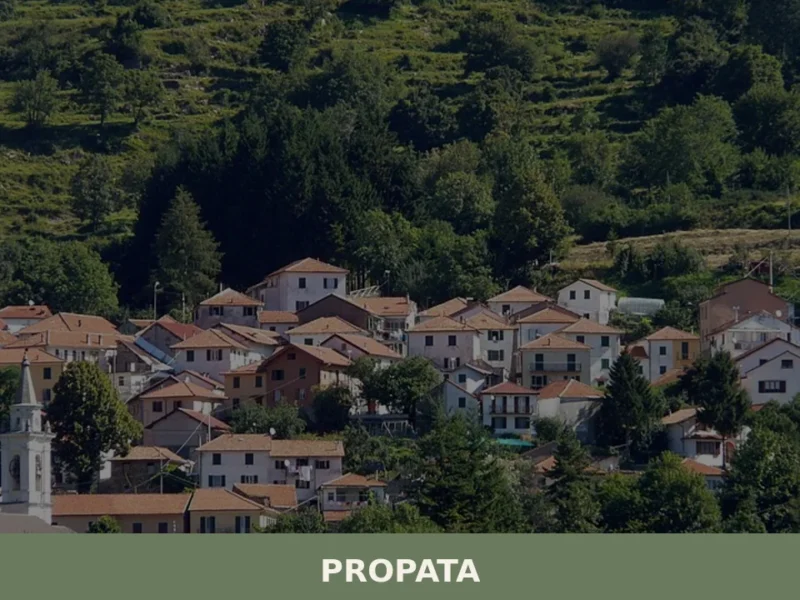
Propata
 Mountain
At 972 metres above sea level in inland Liguria, Propata is a stone-built mountain village of 113 inhabitants surrounded by the forests of the Antola Regional Nature Park.
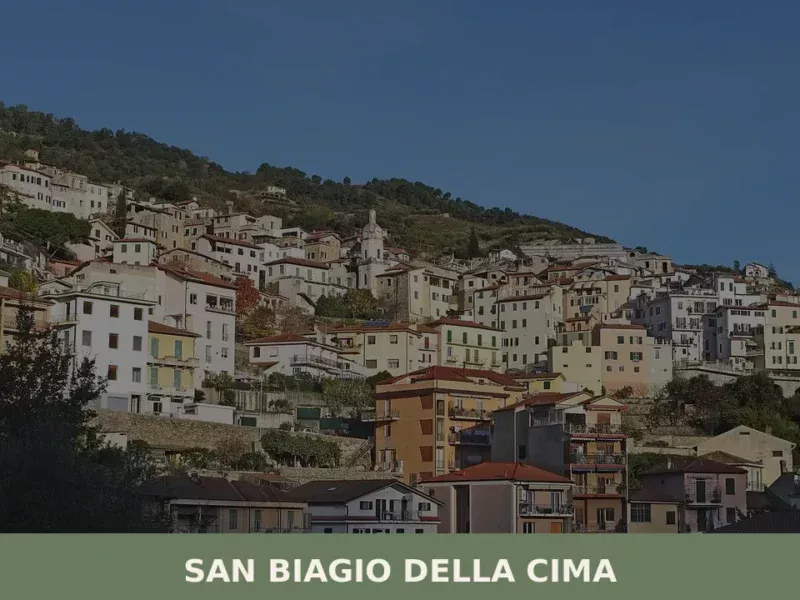
San Biagio della Cima
 Sea
Sea
San Biagio della Cima is a small agricultural community in the province of Imperia, perched on a Ligurian ridge where olive groves and Rossese vineyards define the landscape as much as any monument.
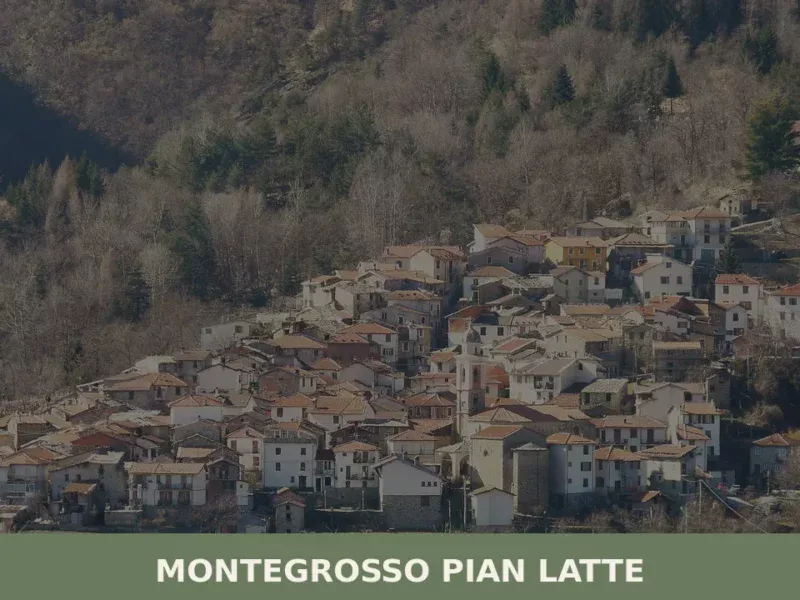
Montegrosso Pian Latte
Mountain
A small mountain community of 108 residents at 729 metres in inland Liguria, Montegrosso Pian Latte sits entirely within the Ligurian Alps Regional Nature Park, above the upper Arroscia Valley.
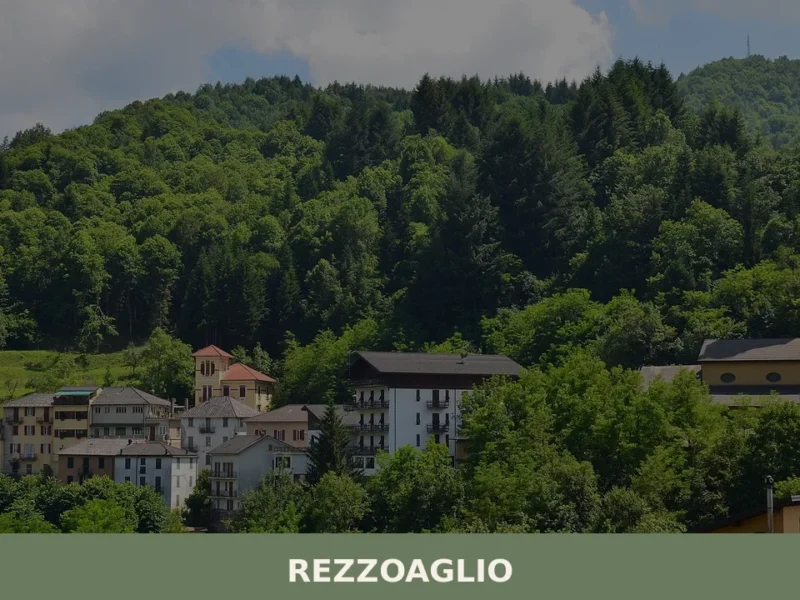
Rezzoaglio
Mountain
Rezzoaglio is a high-valley mountain village in Liguria's Apennine interior, where the Aveto river and forested ridges define a landscape unlike anything on the coast.
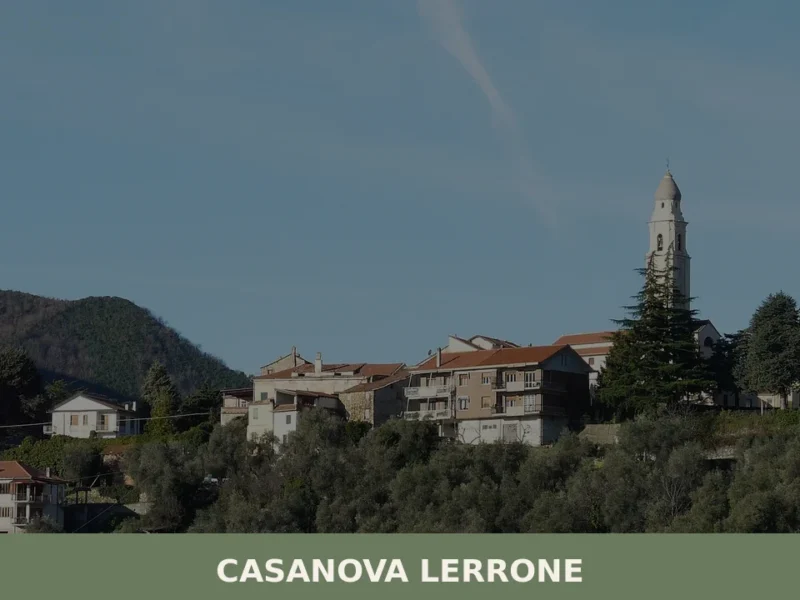
Casanova Lerrone
 Hills
Hills
Casanova Lerrone is a Ligurian hillside village with a rich feudal history and traditional charm.
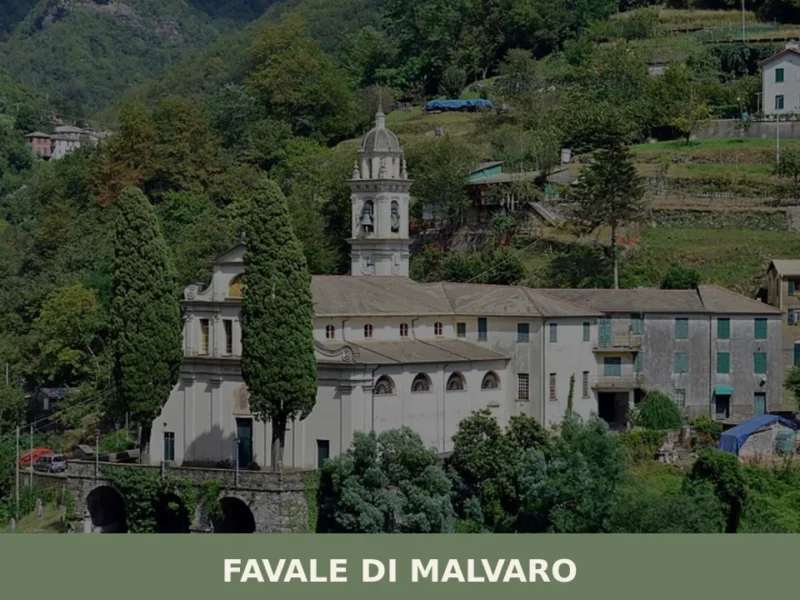
Favale di Malvaro
Hills
In 1892, Amadeo Pietro Giannini left Favale di Malvaro for America. The son of Ligurian emigrants, he went on to found the Bank of Italy in San Francisco in 1904, which later became Bank of America — for decades the largest banking institution in the world. This small village in the Fontanabuona valley, home to […]
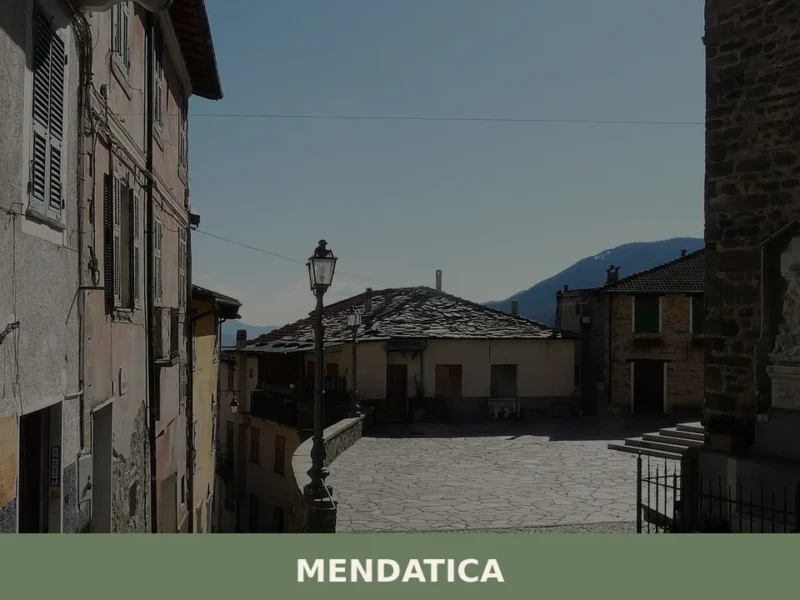
Mendatica
Mountain
Mendatica is a Ligurian mountain village of 160 inhabitants, deeply connected to its Alpine landscape and ancient traditions.
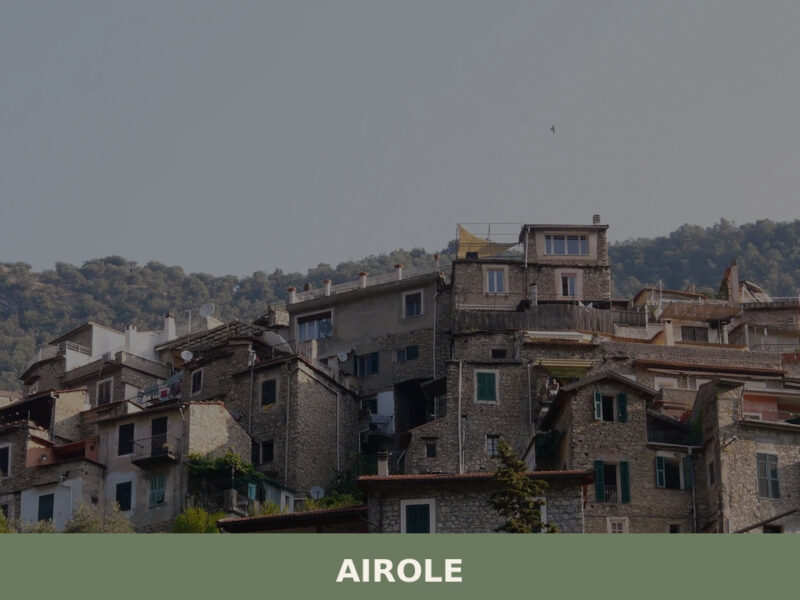
Airole
 Plains
A compact Ligurian hill village of 365 inhabitants in the Roia valley. Discover what to see in Airole, from medieval stone alleys to terraced olive groves.
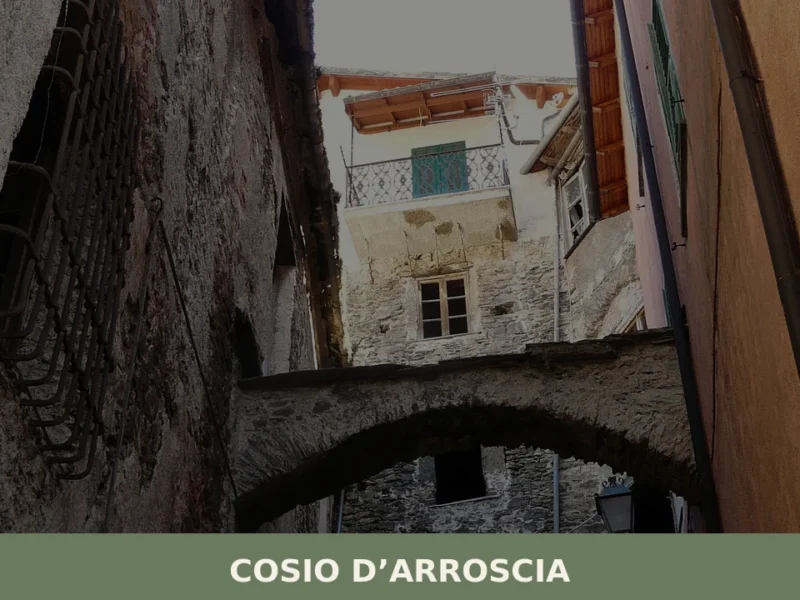
Cosio d’Arroscia
Mountain
Cosio d'Arroscia is a 170-resident mountain comune at 716 metres in Liguria's upper Arroscia valley, notable for its layered history and unexpected ties to the Situationist International.
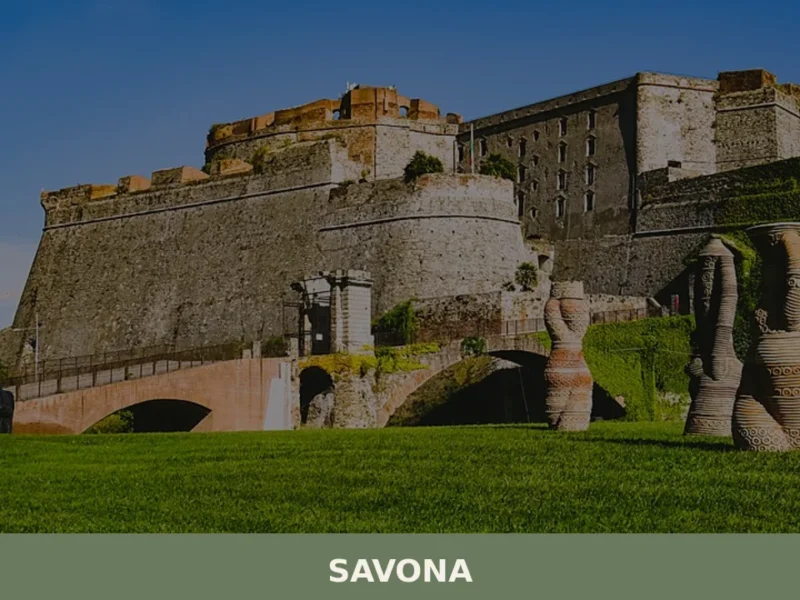
Savona
Sea
A port town of 58,500 souls on Liguria's western coast, Savona bridges medieval urban fabric with centuries of maritime trade and religious devotion.



🏡 Know Mezzanego better than we do?
If you’re a local or have been there, your knowledge matters: add what’s missing or fix a detail on this page.