


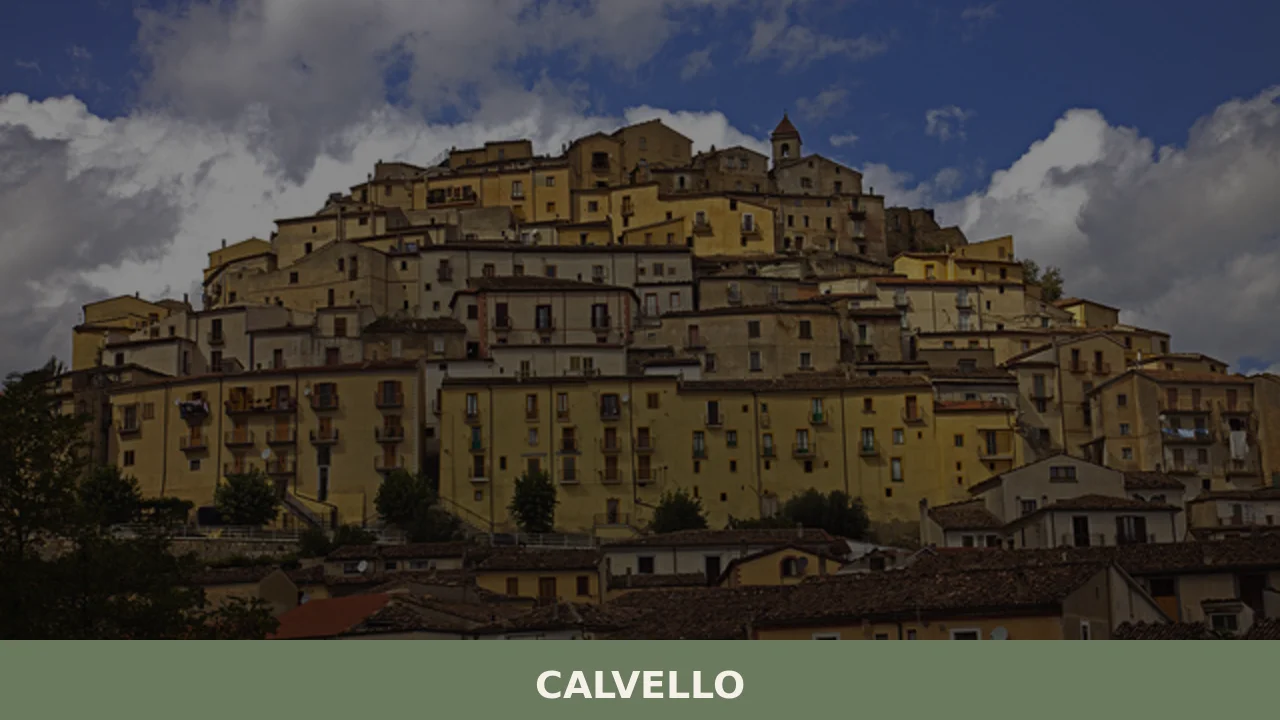
Calvello
Calvello has 1,768 inhabitants and sits at 730 metres above sea level in the middle Camastra valley, in the province of Potenza. The town extends along the slope that descends from the ruins of the Norman castle down to the plain where the local streams converge. Asking what to see in Calvello means crossing an […]
Discover Calvello
Calvello has 1,768 inhabitants and sits at 730 metres above sea level in the middle Camastra valley, in the province of Potenza. The town extends along the slope that descends from the ruins of the Norman castle down to the plain where the local streams converge. Asking what to see in Calvello means crossing an urban centre that retains a recognisable medieval layout in the arrangement of its streets and the remains of its defensive walls, as well as a ceramic tradition documented since at least the 16th century and still visible today in the village’s artisan workshops.
History and origins of Calvello
The place name first appears in documents from the Norman period, when the village was part of the defensive system controlling the access routes to the Val d’Agri and the Basento Valley. The most widely accepted etymological theory traces it back to the Latin calvus, referring to the bare shape of the hill where the original fortification stood. Over the centuries, the fief passed through numerous families: from the Sanseverino to the Carafa, and finally the Pignatelli, who retained control until the abolition of feudalism in 1806.
In the 16th century, Calvello became a regionally significant centre of ceramic production. Local workshops produced items — plates, jugs, tiles — decorated with plant and geometric motifs reflecting both Apulian and Campanian influences. Some examples are now held in the town’s Ceramics Museum. During the Risorgimento, the area witnessed episodes of post-unification brigandage linked to peasant resistance against the new administrative structures.
The earthquake of 1857, documented by the Irish geologist Robert Mallet who travelled through these very areas to study its effects, also struck Calvello, damaging the built heritage and accelerating a process of emigration that would continue throughout the 20th century.
What to see in Calvello: churches, ceramics and architecture
Mother Church of San Nicola
Dedicated to the patron saint celebrated on 6 December, the main church has a structure that was remodelled after the earthquakes of the 17th and 19th centuries. Inside, there are altars in local stone and canvases from the Neapolitan school. The sober, compact façade overlooks the central square of the village, where daily civic life takes place.
Calvello Ceramics Museum
Housed in a building in the historic centre, the museum gathers artefacts documenting local pottery production from the 16th century onwards. The display cases contain plates, holy water stoups and tiles with polychrome glazes. The exhibition traces the production techniques — from clay preparation to firing — and the economic role this activity played for centuries.
Ruins of the Norman Castle
At the top of the settlement, the remains of the fortification that once controlled the Camastra valley floor are still standing. Sections of wall and the outline of the quadrangular plan survive from the original complex. The position offers a direct vantage point over the valley below and the wooded ridges of the Lucanian Apennines stretching towards the Appennino Lucano Val d’Agri Lagonegrese National Park.
Convent of Santa Maria del Piano
Located on the outskirts of the town, the Franciscan convent dates back to the 15th century. The cloister retains a series of arches on stone columns and traces of frescoes in the upper lunettes. The adjoining church holds a wooden choir and a portal with late-Gothic decorative elements, indicating craftsmen active in the Lucanian area between the 15th and 16th centuries.
Historic fountains and wash-houses
Along the village streets, stone fountains that once served as water supply points can be found. Some date to the 18th century and feature carved mascarons and monolithic basins. The public wash-houses, still visible in the lower part of town, document how communal life was organised before running water reached homes.
What to see in Calvello: the gastronomic tradition
Calvello’s cuisine is built on the ingredients of the Lucanian Apennines and on the pastoral tradition of the province of Potenza. The most representative dish is strascinati, fresh durum wheat semolina pasta dragged across a wooden board with the fingers, dressed with lamb ragù or with peperoni cruschi — the dried IGP peppers from Senise, crispy and with a slightly smoky flavour. Rafanata, a dense omelette of grated horseradish, eggs and cheese, is typical of the Carnival period. Among the cured meats are soppressata di Basilicata and lucanica, the pork sausage that gives the region its name, aged with ground sweet pepper. Canestrato di Moliterno IGP, a hard cheese made from a blend of sheep’s and goat’s milk, can be found in local food shops and often accompanies pasta dishes. Durum wheat bread, baked in wood-fired ovens, remains a central element of the table.
In autumn, the forest provides porcini mushrooms and chestnuts, used for soups and sweets such as caldarroste (roasted chestnuts) during village square festivities. Falanghina del Vulture and Aglianico del Vulture Superiore DOCG are the regional wines paired with the more full-bodied dishes. Among the desserts, taralli al naspro — ring-shaped biscuits covered with sugar glaze — appear during religious celebrations, particularly for the feast of San Nicola. Chestnut honey produced in the area and extra virgin olive oil round out the range of local products. The municipal website periodically lists food festivals and events linked to local gastronomy, mostly held in summer and autumn.
When to visit Calvello: the best time
Summer, from June to September, brings long days and pleasant temperatures at 730 metres — averaging between 18 and 28 degrees — suitable for hikes in the surrounding woods and for visiting the historic centre without the oppressive heat of the lowlands. August sees the highest concentration of events and the return of emigrants, which brings the village streets back to life. Autumn brings the colours of the beeches and chestnuts and the mushroom season, with temperatures that drop gradually but remain mild until mid-October.
The 6th of December, the feast of San Nicola, is the date around which Calvello’s religious and civic calendar revolves: a procession, bonfires and a market enliven the village even in the depths of winter, when snow can appear at the higher elevations. Those who prefer to avoid the shortest days and the mountain cold — in January temperatures easily drop below zero — can aim for late spring, when the meadows between 700 and 1,000 metres are in bloom and tourist numbers are still low.
How to reach Calvello
By car, from both north and south, the main route follows the A3 Salerno–Reggio Calabria motorway (now E45): exit at Atena Lucana and continue along the SS 598 Fondo Valle d’Agri, then turn off onto the SP for Calvello. From Potenza, roughly 45 kilometres away, take the SS 92 southward through the Basento Valley and then head up towards the Camastra. The driving time from Potenza is approximately 50 minutes.
The nearest railway station is Potenza Centrale, served by Trenitalia with connections from Naples (around 2 hours and 30 minutes), Salerno and Taranto. From Potenza, you need to continue by regional bus or by your own vehicle. The closest airport is Karol Wojtyła in Bari, about 170 kilometres away — just under two hours’ drive along the SS 407 Basentana and then the A14 motorway. Naples Capodichino airport is approximately 200 kilometres away, with a similar travel time.
Other villages to discover in Basilicata
Some twenty kilometres to the east, following the curves of the provincial road that climbs the opposite side of the valley, you reach Anzi, a settlement of around 1,600 inhabitants known for its Carnival tradition and the church of Santa Maria di Trino. The geographical proximity and the similarities in urban layout — both villages developed along a ridge with a castle at the summit — make a combined visit an effective way to read the settlement landscape of the Lucanian mid-mountain areas.
Further south, in the Sinni valley, Carbone represents a different example of an Apennine village: smaller, tied to the Basilian monastic tradition and the Greek-Byzantine cultural influence that marked southern Basilicata. The distance from Calvello is about 80 kilometres, but the route crosses the entire Appennino Lucano National Park, offering a complete transect of the mountain vegetation — from oak woods to beech forests — and of the landforms that have shaped the distribution of human settlements in this part of Italy.
Getting there
Piazza Giovanni Falcone, 85010 Calvello (PZ)
Nearby Villages near Calvello
In Basilicata More villages to discover
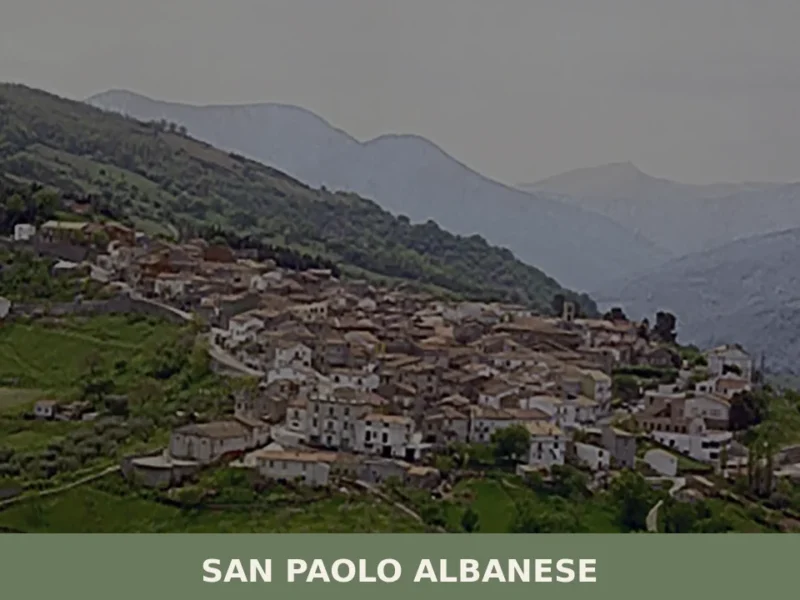
San Paolo Albanese
San Paolo Albanese, in the province of Potenza, stands out as Basilicata’s least populous municipality, recording a population of 280 inhabitants. This demographic reality gives the village an intimate dimension, where social relationships and the traditions of the Arbëreshë community remain strongly evident. For those wondering about what to see in san paolo albanese, the […]
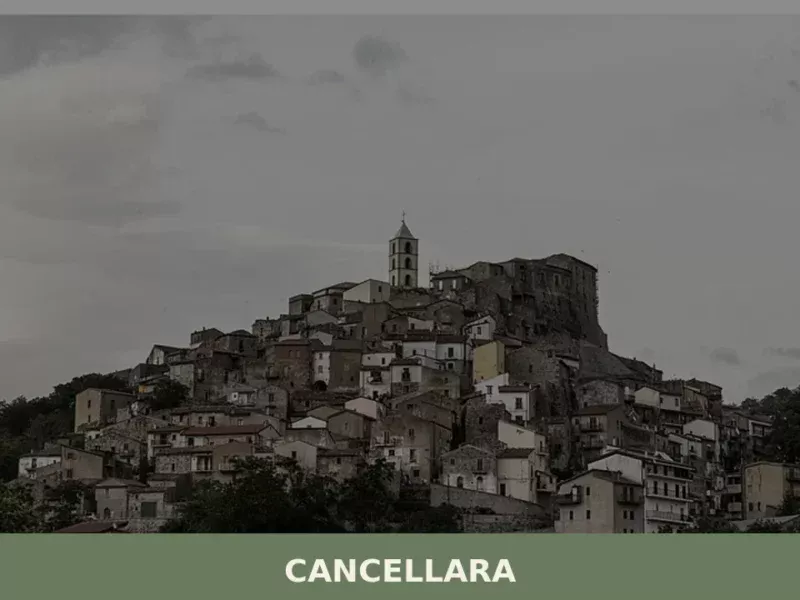
Cancellara
A sharp, cool breeze often carries the scent of wild herbs through the narrow lanes of Cancellara as the afternoon sun begins its descent, casting long shadows from ancient stone facades. At 680 meters above sea level, this small Lucanian village, home to 1,391 inhabitants, feels suspended between the rugged Apennine landscape and a quiet, […]
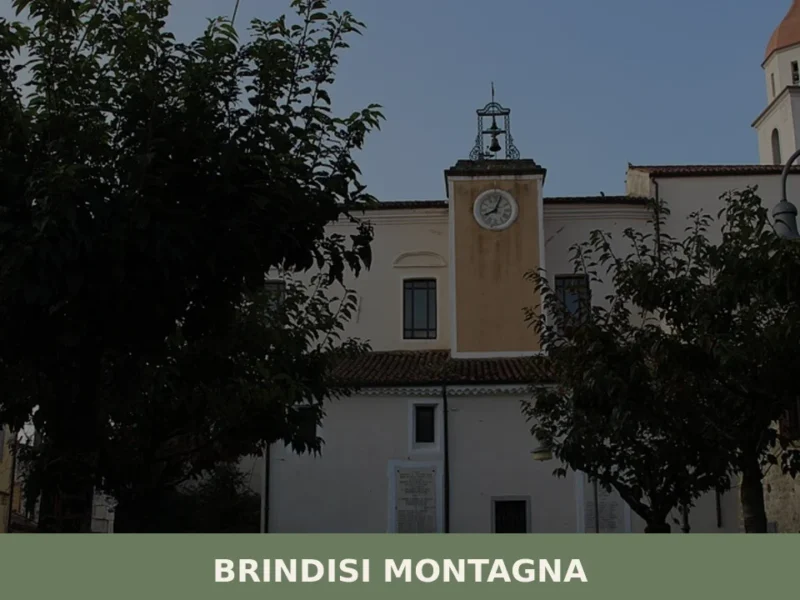
Brindisi Montagna
Discover Amaro, a picturesque village in Friuli Venezia Giulia, Italy. Explore its history, stunning Alpine scenery, and authentic Italian mountain culture.



📝 Incorrect information or updates?
Help us keep the Calvello page accurate and up to date.