


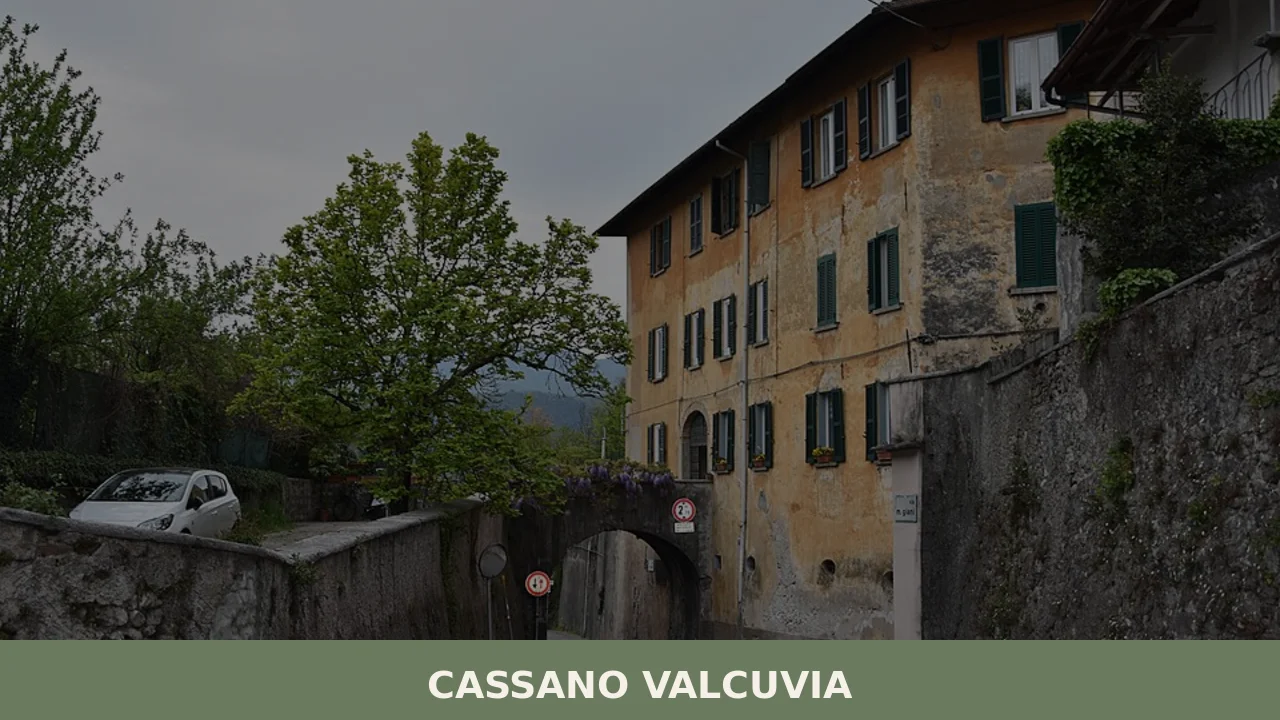

Cassano Valcuvia is a compact mountain municipality in the province of Varese, Lombardia, set at 300 metres in the Valcuvia valley with a population of 639.
Discover Cassano Valcuvia
Cassano Valcuvia is a small municipality of around 639 residents set in the Valcuvia valley, province of Varese, Lombardy, at roughly 296 metres above sea level and covering just over 4.1 square kilometres of inner mountain terrain. Its residents — known as cassanesi — gather around two parish churches, the church of Santi Ippolito e Cassiano and the church of San Giuseppe, and mark their principal feast day on 13 August in honour of those same patron saints.
Cassano Valcuvia village in Lombardy carries a layered local identity shaped by centuries of administrative change and modest but steady growth: from a few hundred inhabitants in the mid-eighteenth century, through a period of forced union with neighbouring communes during the early nineteenth century, to a restored autonomy it has held ever since. For several decades in the twentieth century the valley road running through the settlement — the strada statale 394 del Verbano Orientale — also served as the route of the tranvia della Valcuvia, a tram line that linked the community to the wider network of the area between 1914 and 1949.
Cassano Valcuvia village in Lombardy: history and roots
Cassano Valcuvia is a small Lombard settlement in the Valcuvia valley, documented with a recorded population of 286 residents in 1751, rising to 343 by 1805 and reaching roughly 455 by the mid-nineteenth century — a gradual growth that traces the village’s quiet but continuous presence in the province of Varese.
In the early nineteenth century, Cassano’s administrative boundaries shifted more than once. Around 1809 it was absorbed into the neighbouring commune of Vergobbio, and by 1812 it was joined to a collective administrative unit centred on Rancio, together with Ferrera, Masciago, Bedero and Brinzio. The individual communes were restored in 1816, and Cassano regained its distinct identity. Its current name, Cassano Valcuvia, replaced the simpler toponym Cassano only in 1863.
Churches Along the Valley Floor
Cassano Valcuvia has two churches on record: the parish church of Santi Ippolito e Cassiano and the church of San Giuseppe.
Chiesa dei Santi Ippolito e Cassiano
The parish church is dedicated to the two saints whose names the village shares as its patrons. Their feast is observed on 13 August. Beyond the dedication, the sources do not provide details of the building’s architecture, interior, or furnishings.
Chiesa di San Giuseppe
A second place of worship, the church of San Giuseppe, is documented within the commune. No further details about its form or contents are available from current sources.
Certified Flavours of Cassano Valcuvia and the Varese Area
Cassano Valcuvia sits within a provincial food landscape anchored by two certified dairy products: Formaggella del Luinese DOP, a soft cheese from the Luino area, and Grana Padano DOP, the great aged cheese of the Po Valley tradition. The local territory also falls within the production zone of Miele Varesino DOP, a protected honey reflecting the varied flora of the Varese hills and valleys.
Beyond dairy and honey, the broader provincial and regional context brings further certified products within reach. Asparago di Cantello IGP is the pride of the Varese plain. Cured-meat traditions of northern Italy are represented by Mortadella Bologna IGP and Cotechino Modena IGP, both widely available across the region.
For wine, the closest designation to Cassano Valcuvia is the Ronchi Varesini IGT, produced on the hills of the Varese province. Visitors interested in exploring Lombardy’s broader wine culture will find celebrated appellations not far away, including Franciacorta DOCG and Valtellina Superiore DOCG, alongside several Oltrepò Pavese and Brescia-area DOCs.
Reaching Cassano Valcuvia and Planning Your Stay in the Valcuvia
Cassano Valcuvia sits at around 296 metres above sea level along the Valcuvia valley, reached most directly via the Strada Statale 394 connecting Cittiglio with Luino, making it accessible by car from Varese in under half an hour. Spring and early autumn are particularly pleasant seasons for a visit, when the valley air is mild and the surrounding hills are at their greenest. The village covers a compact 4.1 square kilometres, so it pairs naturally with a tour of neighbouring communities along the same valley road.
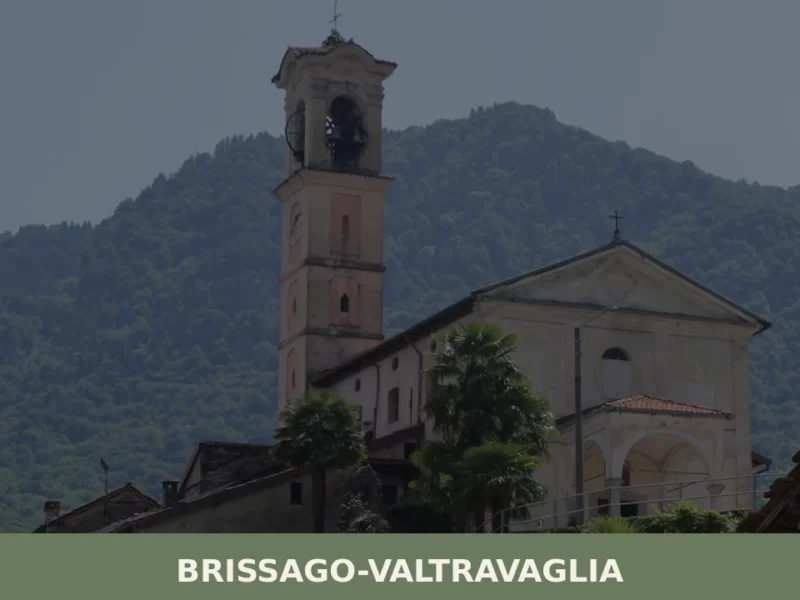
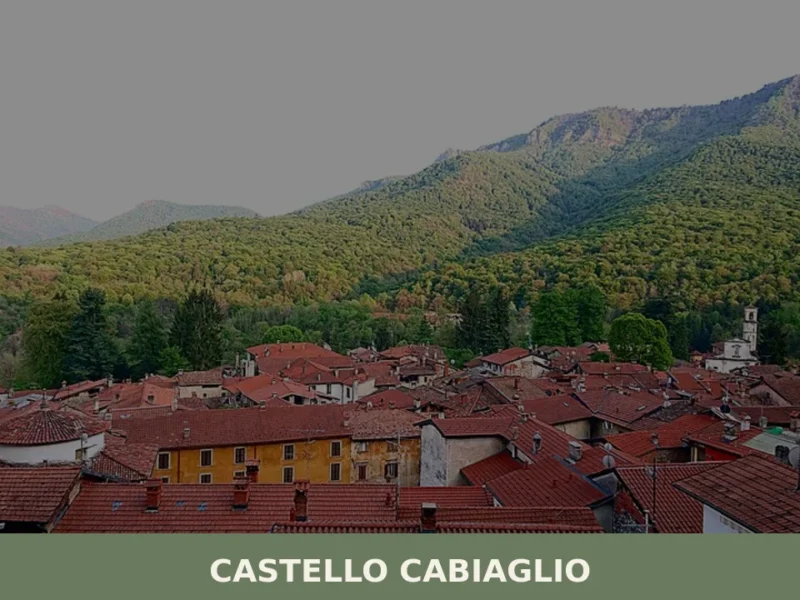
The Valcuvia is a rewarding corridor for slow travel. Bedero Valcuvia lies close by along the same valley, while Castello Cabiaglio offers another compact stop in the same upland area. Heading towards Lake Maggiore, Brissago-Valtravaglia extends the itinerary westward. Together these villages make a manageable day circuit for visitors based in Varese or on the lake shores.
| Departure | Distance | Time |
|---|---|---|
| Cittiglio | approx. 5 km | approx. 10 min |
| Luino | approx. 15 km | approx. 20 min |
| Varese | approx. 25 km | approx. 30 min |
These practical references help organise the journey clearly, while the village itself is best understood slowly and on foot once you arrive.
Frequently asked questions about Cassano Valcuvia
How do I get to Cassano Valcuvia by car or public transport?
By car, take motorway A8 (Milan–Varese) and exit at Varese, then follow the SS394 del Verbano Orientale northwest through the Valcuvia valley; the village is roughly 25 km from Varese town centre. The nearest railway station is Luino or Porto Ceresio on the Varese–Luino line; from there local buses operated by STIE serve the Valcuvia valley, stopping at or near Cassano Valcuvia. Journey times vary, so check current schedules on the Lombardy regional transport portal.
When is the best time to visit Cassano Valcuvia?
Late spring (May–June) and early autumn (September) offer mild temperatures and green hillside scenery ideal for walking. The village's most lively moment is 13 August, the feast of patron saints Santi Ippolito e Cassiano, when local religious and community celebrations take place. Summer in general is popular for exploring the broader Valcuvia valley, which sits at around 300 metres above sea level and stays cooler than the Lombard plain, making it a pleasant retreat from urban heat.
Are there hiking or cycling routes around Cassano Valcuvia?
The Valcuvia valley is crossed by waymarked CAI (Club Alpino Italiano) footpaths that connect its villages and lead up towards the Campo dei Fiori Regional Park to the south and the pre-Alpine ridges to the north. Mountain-bike routes follow the valley floor and surrounding hills. The former route of the tranvia della Valcuvia tram line, which ran through the area between 1914 and 1949 along the SS394 corridor, is sometimes referenced as a heritage itinerary linking the valley's communities.
What practical tips should I know before visiting Cassano Valcuvia?
Cassano Valcuvia is a very small village of around 639 residents covering just over 4 square kilometres, so a focused visit typically takes half a day, combining the two parish churches with a short walk in the surrounding hills. Roadside parking is available along the SS394. Shops and services are limited; the nearby small towns of Cuvio and Luino offer broader amenities. It is advisable to carry cash, as card acceptance in smaller villages in the Varese highlands cannot always be guaranteed.
What is a lesser-known historical curiosity about Cassano Valcuvia?
During the Napoleonic reorganisation of northern Italy in the early nineteenth century, Cassano Valcuvia lost its administrative independence and was merged with one or more neighbouring communes, a fate common to many small Lombard settlements of the time. The village eventually regained full autonomy, which it has maintained to the present day. This cycle of suppression and restoration is a tangible reminder of how Napoleonic and post-Napoleonic reforms reshaped local governance across the province of Varese and the wider Lombard foothills.
📷 Photo Gallery — Cassano Valcuvia
Nearby Villages near Cassano Valcuvia
In Lombardy More villages to discover
Azzate
 Hills
Hills
 Lake
Lake
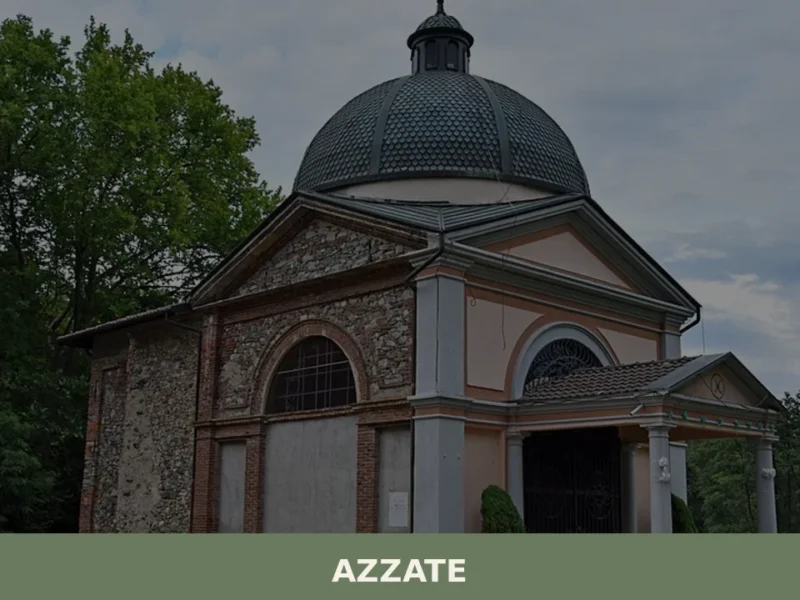
Azzate is a hillside comune in the province of Varese, Lombardia, at about 328 metres above sea level, shaped by centuries of noble rule and set along the Via Francisca del Lucomagno.

Melegnano
 Plains
A town of 18,000 residents where the Lambro River winds through a Renaissance military landscape. Melegnano's famous 1515 and 1859 battles shaped Italian and European history.
Adrara San Rocco
Hills
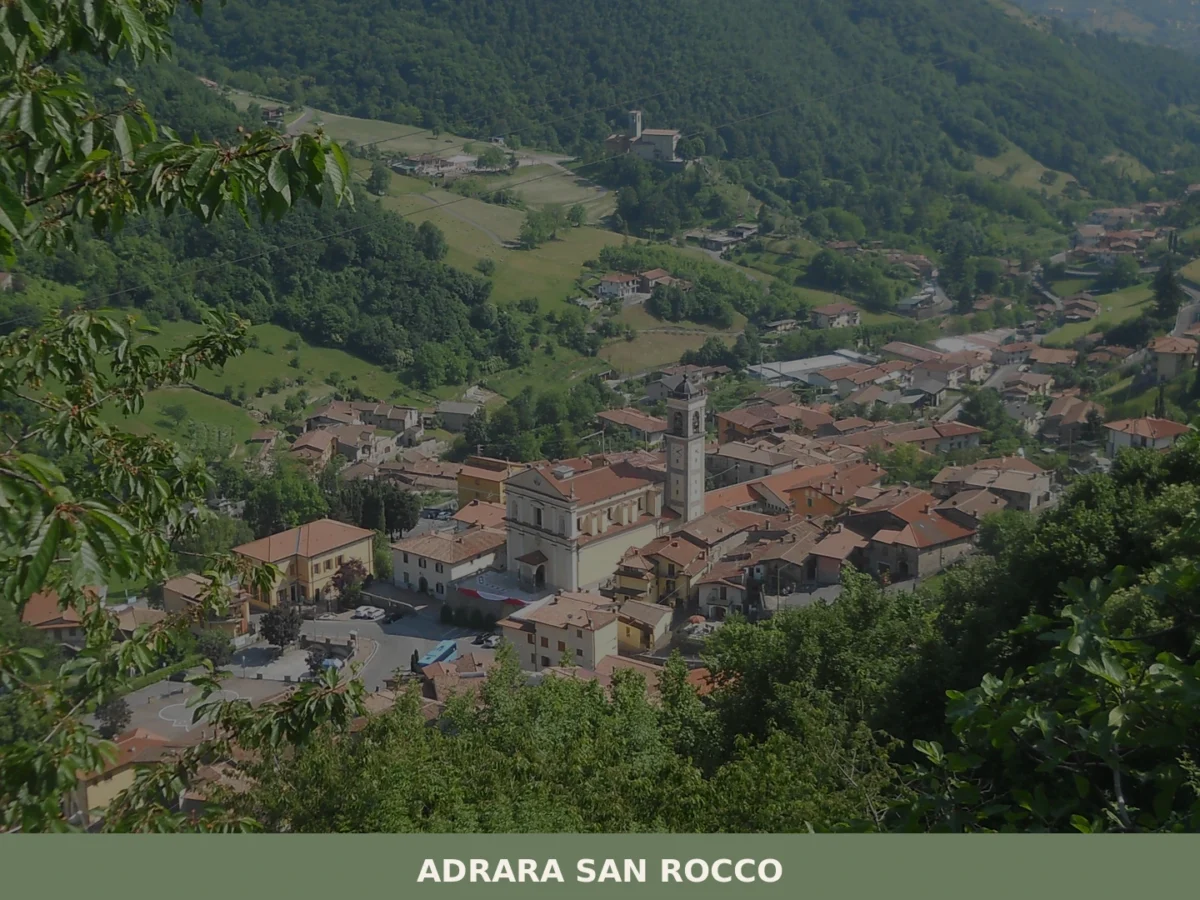
The long external staircase of the church of San Rocco rises above the Guerna river valley, its stone steps worn by five centuries of use since the building was consecrated in 1539. The valley cuts eastward from Bergamo, 25 kilometres (16 mi) away, deep into the territory of Monte Bronzone Sebino. A castle once stood […]

Mornago
Hills
4,838 residents and three historic fractions give Mornago a layered identity, from Roman land tenure to a rare motorcycle manufactory born in 1925.

Vanzaghello
Plains
5,375 residents, one medieval parish church and a steam locomotive in the central square: Vanzaghello rewards visitors drawn to authentic Lombard daily life.
Casalzuigno
Hills
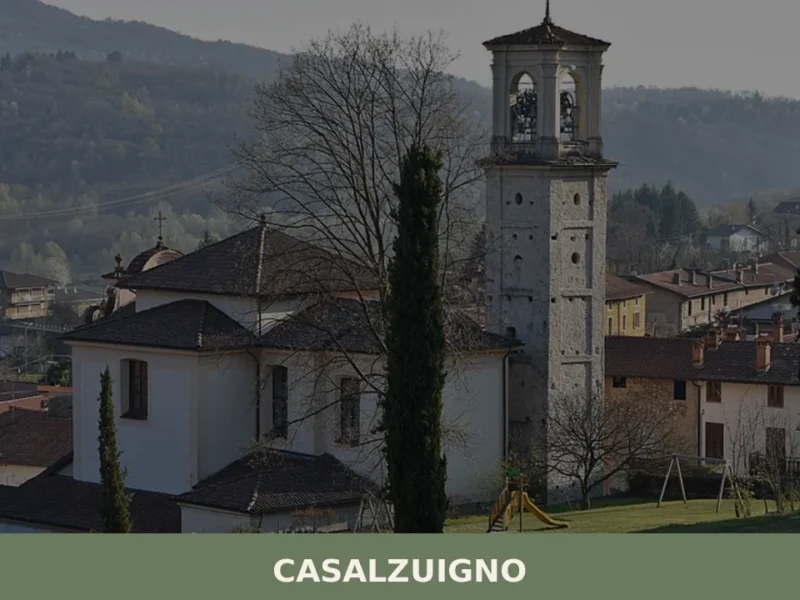
Cosa vedere a Casalzuigno: borgo a 350m nel Varesotto con Villa della Porta Bozzolo (FAI), chiesa di San Vittore e Parco Campo dei Fiori. Guida completa.
Bisuschio
Hills
In Bisuschio, in the province of Varese, economic activity linked to ceramic production developed starting from the 18th century, with local kilns contributing to the manufacture of tableware and bricks for the area. This hillside village, located 370 meters above sea level, offers a view of the Prealpine landscape and nearby lakes. For those wondering […]

Losine
 Mountain
622 residents, three medieval churches and a dialect nickname that survives centuries. Losine rewards visitors who look beyond Lake Garda for Lombard mountain identity.
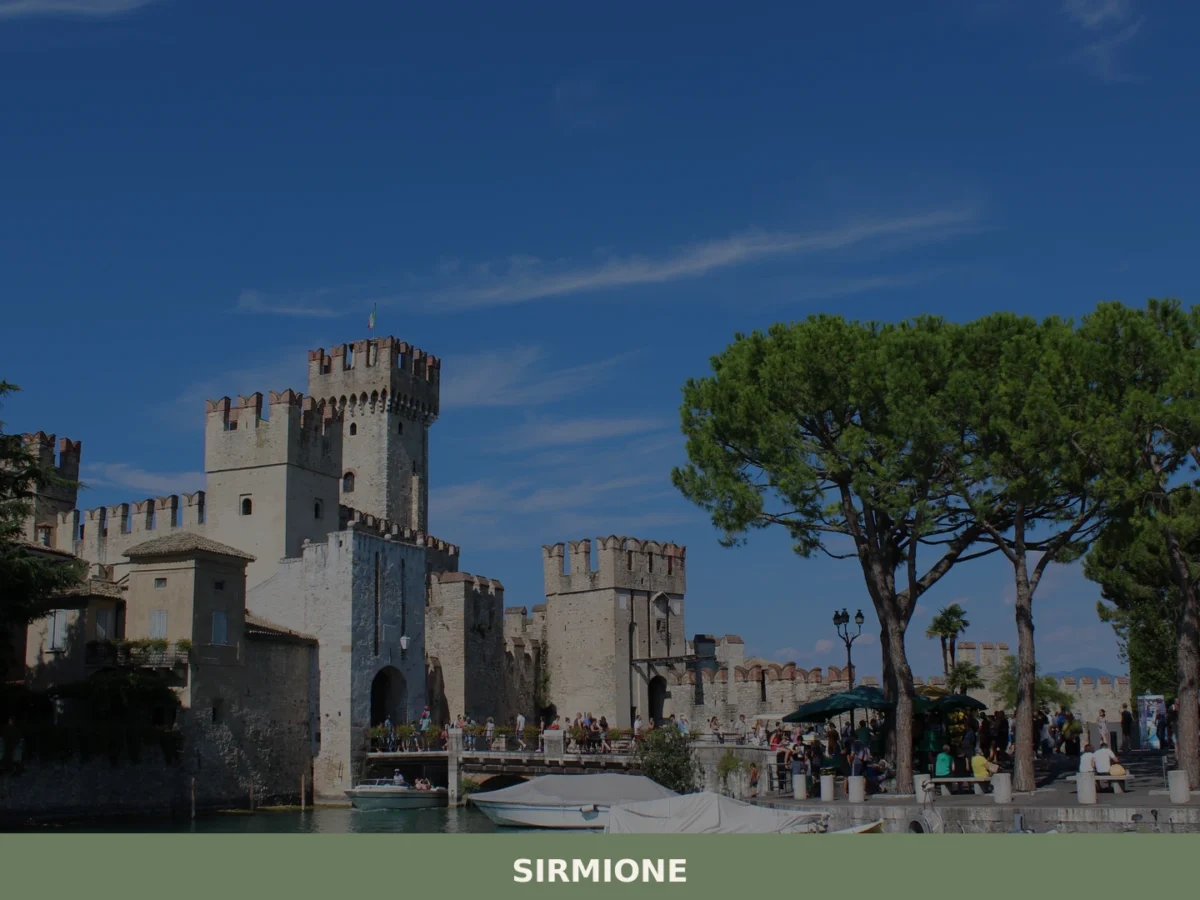
Sirmione
Lake
Plains
What to see in Sirmione, Italy: Explore the Scaligero Castle and Grottoes of Catullus in this Lombard village of 8,248 residents. Read our guide to planning your visit.
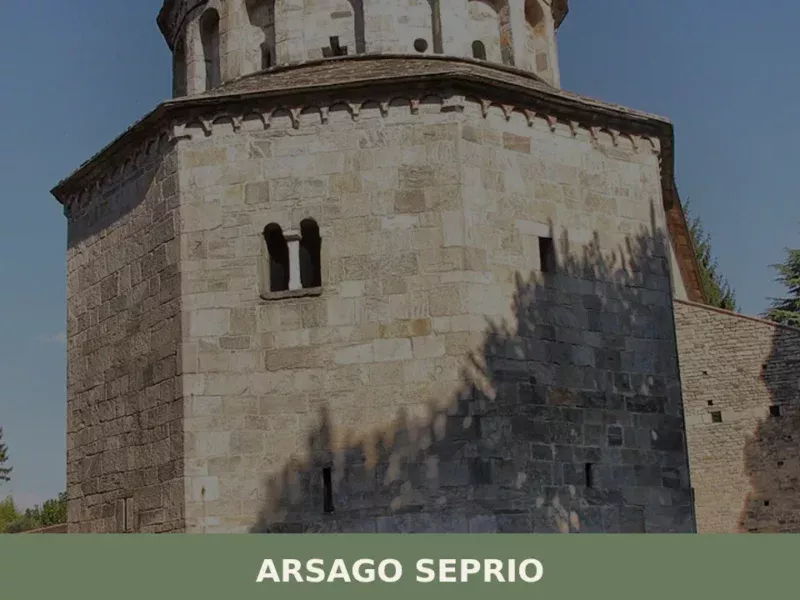
Arsago Seprio
Hills
In Arsago Seprio, located in the province of Varese, the ancient Basilica of San Vittore Maggiore features structures dating back to the 9th century, indicating continuous settlement rooted in Roman times. This specific detail introduces a village of 4,869 inhabitants, located 290 meters above sea level, where historical layering is a tangible element. For those […]



🏡 Know Cassano Valcuvia better than we do?
If you’re a local or have been there, your knowledge matters: add what’s missing or fix a detail on this page.