


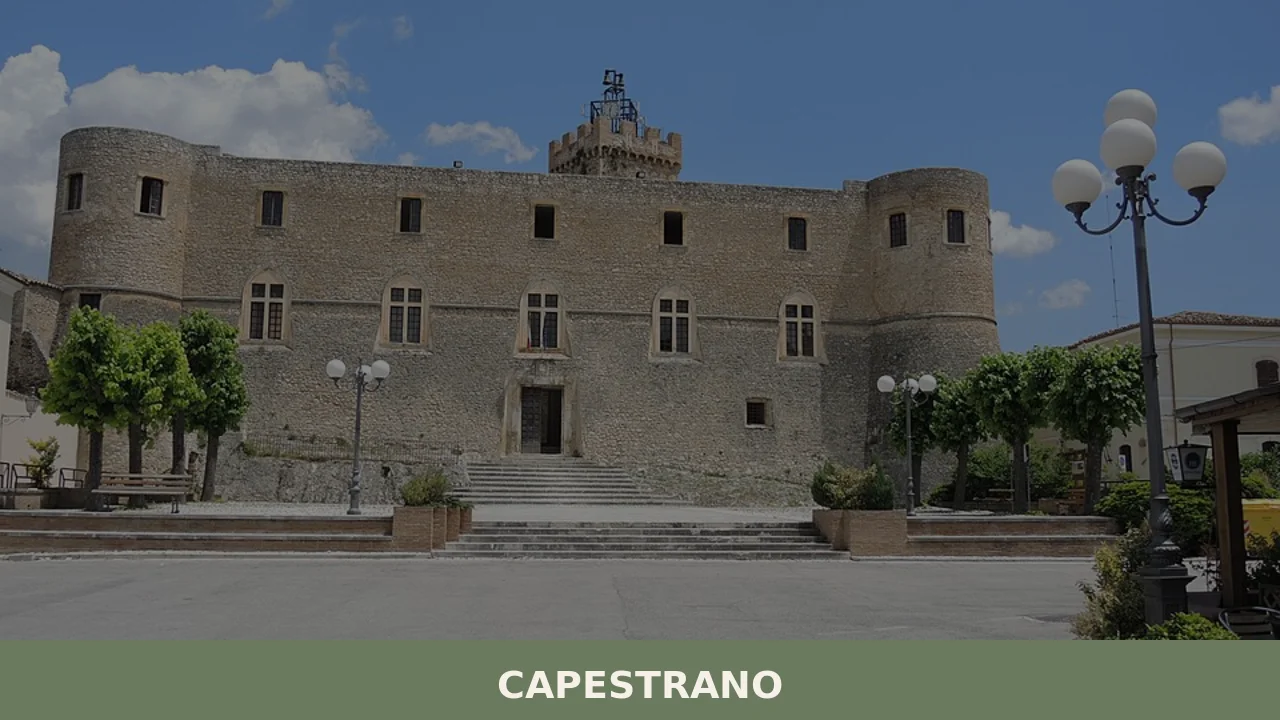

Capestrano is a historic mountain commune of 810 people in the Tirino valley, province of L’Aquila, Abruzzo, known for the 1934 discovery of the Warrior of Capestrano and for its Franciscan and mediev
Discover Capestrano
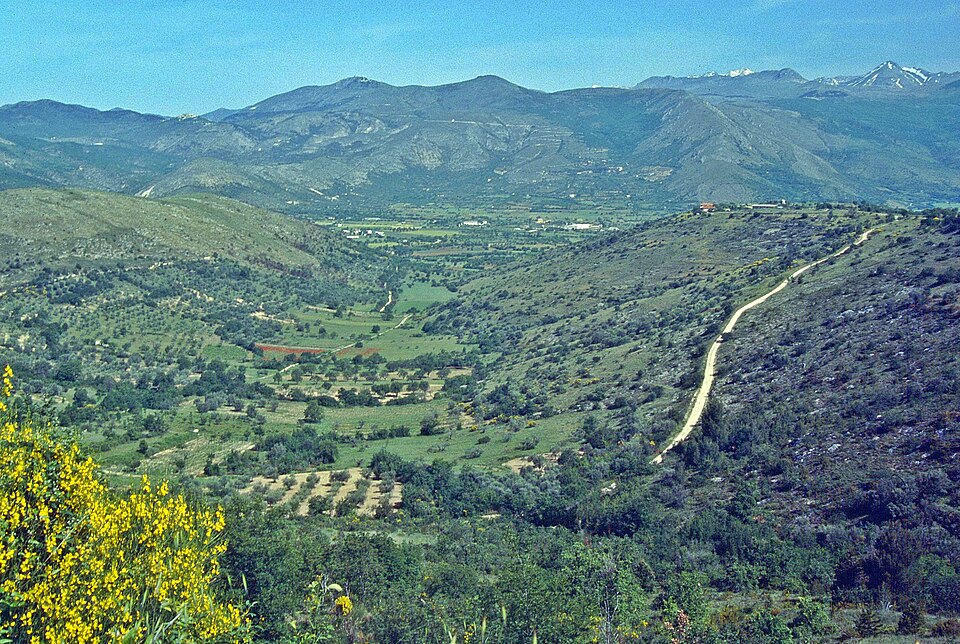
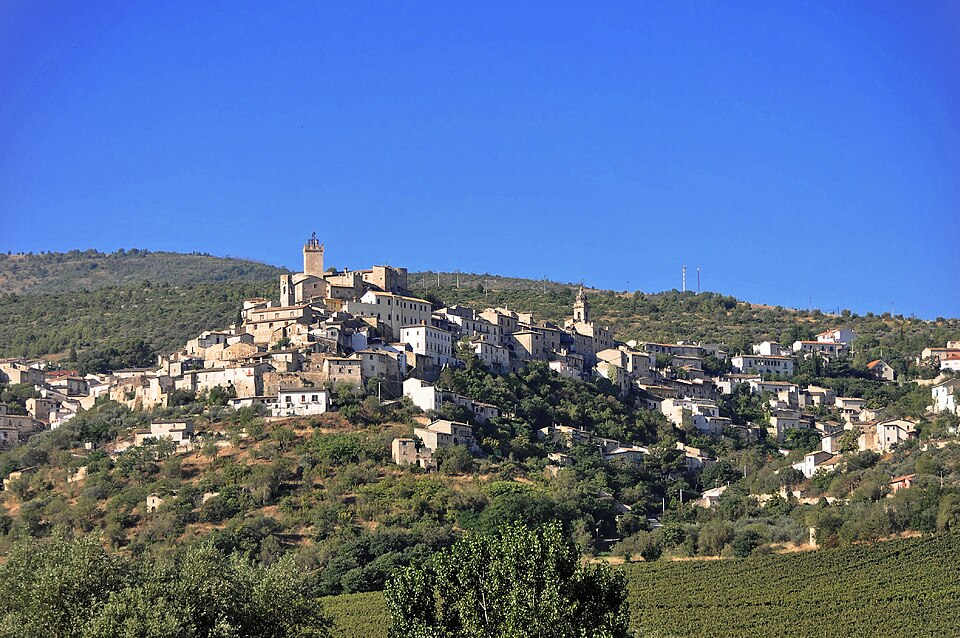
Capestrano is a mountain village of around 810 residents in the province of L’Aquila, Abruzzo, set at 465 metres above sea level in the valley of the River Tirino, within the protected landscape of the Parco Nazionale del Gran Sasso e Monti della Laga. Its territory of roughly 43.08 square kilometres encompasses an ancient hilltop centre, the Romanesque abbey of San Pietro ad Oratorium, the Convento di San Francesco, and the ruins of the Castello Piccolomini — a concentration of heritage that spans more than a millennium of continuous human presence.
Capestrano village in Abruzzo is perhaps best known beyond its borders for two things: the Warrior of Capestrano, an ancient sculptural work unearthed here in 1934 and now considered a symbol of the entire Abruzzo region, and Giovanni da Capestrano, the fifteenth-century Franciscan friar and saint whose feast the village celebrates on 23 October each year. Together, these two figures — one prehistoric, one medieval — give the village an identity that reaches far beyond its modest size, drawing visitors who arrive along routes such as the Cammino della Pace and linger in a valley where the river, the woodland, and the stone architecture of centuries remain quietly, stubbornly present.
Capestrano village in Abruzzo: history from ancient settlements to the modern era
Capestrano is an ancient settlement in the valley of the Tirino river, whose territory was inhabited by the Vestini people and later became a feudal possession of powerful Italian dynasties — including the Piccolomini, the Medici, and the Bourbon — before being absorbed into unified Italy as part of the province of L’Aquila. The earliest known presence in the area dates to around the ninth century BC, when the Vestini established themselves along the Tirino valley. On a hill below the current town, they founded the ancient city of Aufinum, which later came under Roman control around the third century BC and continued to develop through the imperial period. It was near this site that, in 1934, excavations uncovered the celebrated Warrior of Capestrano, a sculpted figure now held at the National Archaeological Museum of Abruzzo in Chieti and regarded as a symbol of the entire region.
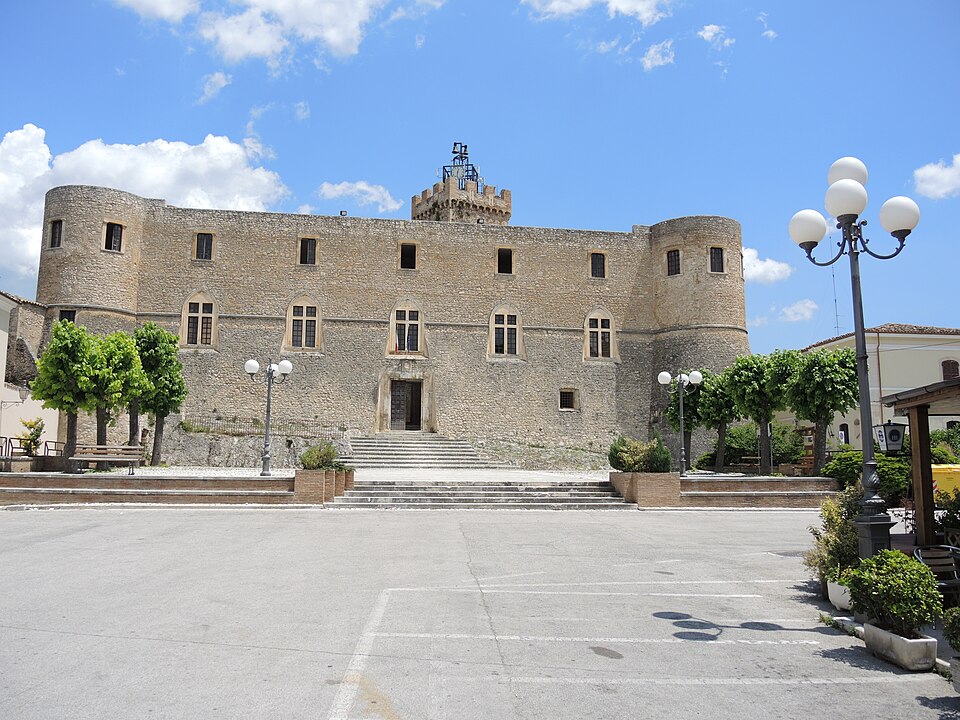
From around the sixth century, the territory passed under Lombard control and was incorporated into the Duchy of Spoleto. An abbey — traditionally attributed to the Lombard king Desiderio — was built at San Pietro ad Oratorium and later rebuilt in Romanesque form around the early twelfth century. The present settlement of Capestrano gradually took shape on the hill above the older communities of Capodacqua, San Pelagia, and Presciano. During the medieval period, the village developed around the economic activity of transhumance and the trade of saffron, passing through the hands of several feudal lords before, in the mid-fifteenth century, a large castle was constructed around a pre-existing watchtower. When Antonio Piccolomini d’Aragona took possession of Capestrano in 1463, the fortress was renovated and became known as the Castello Piccolomini.
Under Piccolomini rule the town reached a first period of considerable prosperity, its economy driven by saffron cultivation and the production of high-quality wool. In 1579, Costanza Piccolomini transferred the entire Marquisate of Capestrano to Francesco I of the Medici family for around 106,000 scudi, and by 1584 the territory was elevated to the rank of a principality. The Medici governed Capestrano until the extinction of their line, after which the Bourbon rulers transformed the principality into an allodial state under the direct authority of the Kingdom of Naples. With the abolition of feudal rights in 1806, the territory was reorganised as a district within the province of Aquila. The decades following Italian unification brought gradual depopulation, a trend that accelerated in the postwar period with the decline of pastoral traditions.
Churches, a Castle, and an Ancient Valley: Capestrano’s Main Sites
Capestrano’s principal monuments are the medieval abbey of San Pietro ad Oratorium, the Convento di San Francesco, and the Castello Piccolomini — three distinct sites that together span several centuries of the town’s architectural and religious history.
Abbey of San Pietro ad Oratorium
Standing in the Tirino valley, roughly six kilometres from the town centre, the abbey rises close to the river amid dense woodland at the foot of the south-eastern slopes of the Gran Sasso massif. Built during the Lombard period and later rebuilt in Romanesque form around the early twelfth century, it was originally dependent on the Benedictine monastery of San Vincenzo al Volturno.
Convento di San Francesco
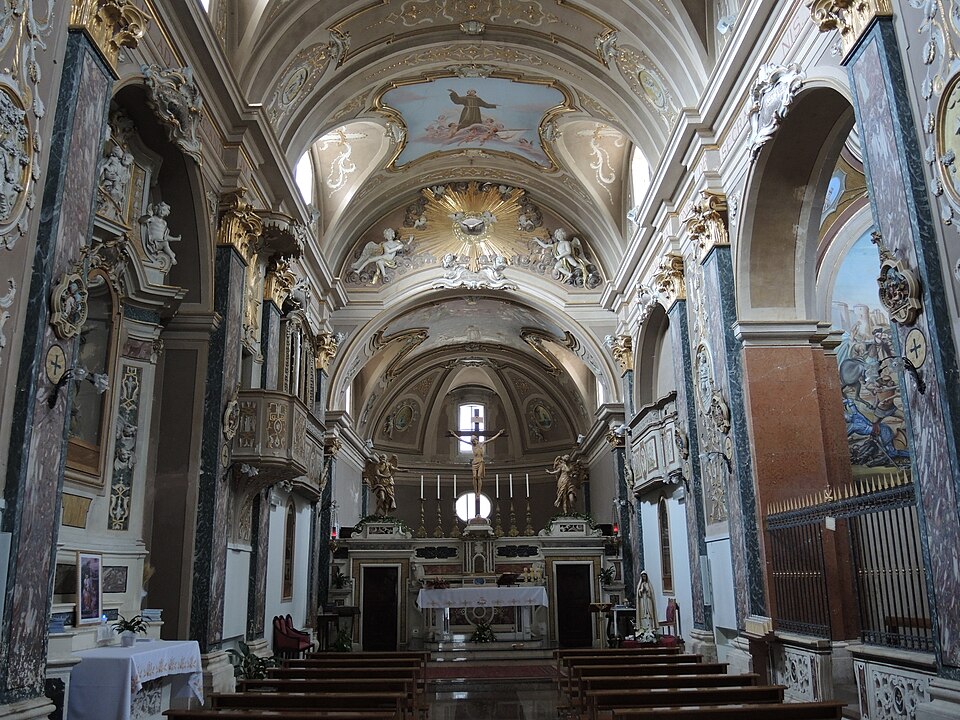
Founded in the fifteenth century at the behest of Giovanni da Capestrano — the town’s patron saint — the Franciscan convent was progressively enlarged over the following centuries. A large apsidal presbytery and two lateral chapels were added in the early eighteenth century, with further interventions on the opposite flank completed around the same period. The complex continued to evolve until the mid-nineteenth century.
Castello Piccolomini
The castle developed around an earlier fourteenth-century watchtower overlooking the Tirino valley. It took its present name after Capestrano passed to Antonio Piccolomini d’Aragona in the second half of the fifteenth century, when the structure was substantially renewed and served as a strategic stronghold during the turbulent baronial conflicts of the period.
Flavours of Capestrano and the Tirino Valley
Capestrano sits within a productive agricultural province where certified ingredients define the table: the area is associated with Zafferano dell’Aquila DOP, one of Italy’s most prized saffrons, alongside Agnello del Centro Italia IGP, Vitellone bianco dell’Appennino Centrale IGP, and the Carota dell’Altopiano del Fucino IGP and Patata del Fucino IGP from the broader Abruzzo interior. These are provincial and regional products rather than exclusives of the village itself, but they set the flavour of any meal in the surrounding territory.
Local spirits and digestivi from the area include traditional preparations based on gentian root — known variously as Centerba, amaro di genziana and digestivo di genziana — alongside a liquore allo zafferano that reflects the saffron heritage of the L’Aquila plateau. Ratafia and mosto cotto round out the artisan drinks worth seeking in markets and small producers of the zone.
On the wine side, the territory is covered by several appellations. Montepulciano d’Abruzzo DOC is the benchmark red of the region; Cerasuolo d’Abruzzo DOC — its distinctive rosé expression — and Trebbiano d’Abruzzo DOC complete the main trio. The broader Abruzzo DOC and the Terre Aquilane IGT also apply to wines produced across this inland corner of the region.
Planning Your Visit to Capestrano: Seasons, Routes and Distances
Capestrano is most comfortably reached by car along the A24 motorway (Rome–L’Aquila–Teramo), with the village sitting in the eastern part of the L’Aquila province, roughly midway between L’Aquila and Pescara in the heart of Abruzzo; spring and early autumn are the ideal seasons, when the Tirino valley is lush, temperatures are mild — the average annual figure hovers around 12 °C — and the surrounding footpaths of the Parco Nazionale del Gran Sasso e Monti della Laga are fully accessible.
The village stands at around 465 metres above sea level on a hill overlooking the Tirino river. Winters can bring snow, and summers are dry; those travelling for walking or cycling along the Cammino della Pace (a waymarked route of some 520 km) will find the gentler shoulder seasons far more rewarding. The feast of the patron saint San Giovanni da Capestrano, celebrated on 23 October, draws visitors in autumn and offers a chance to experience the community at its most animated.
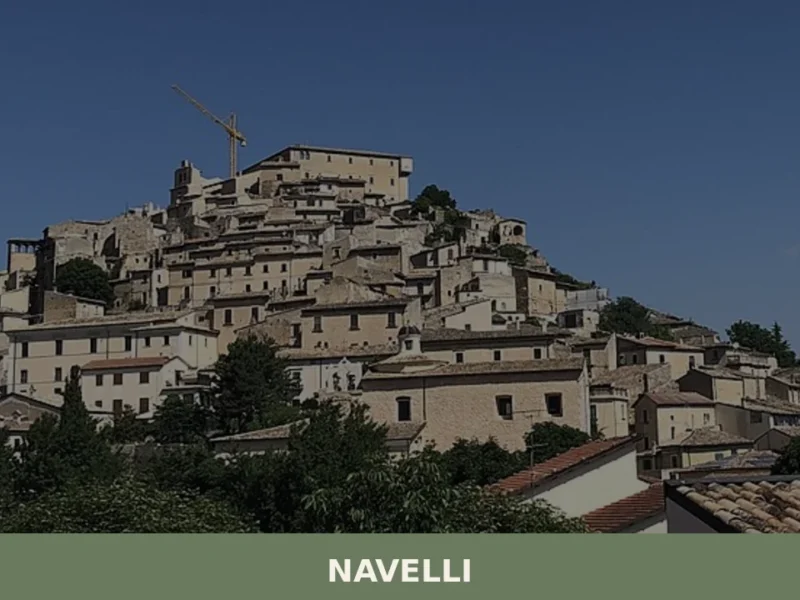
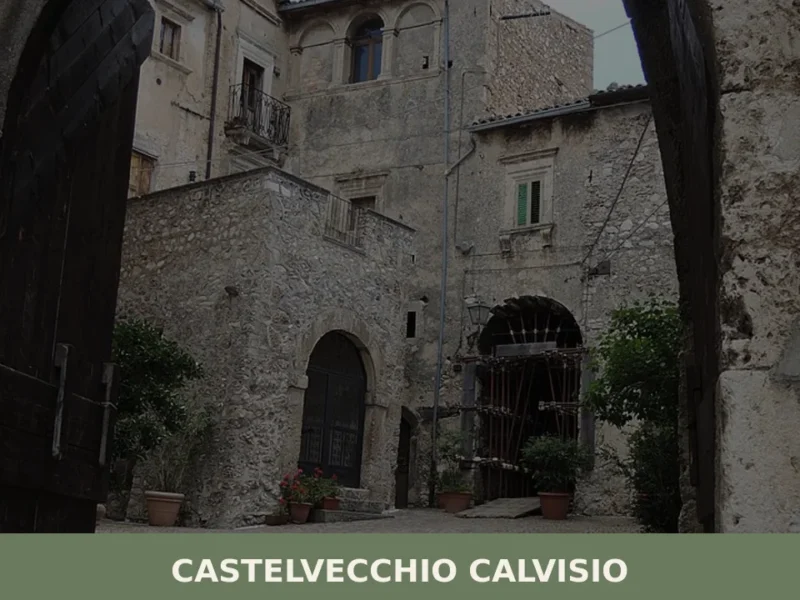
The plateau area to the south-west rewards a half-day loop: the small fortified settlements of Carapelle Calvisio and Castelvecchio Calvisio lie within easy driving distance, as does Caporciano, all set on the Navelli plateau that borders Capestrano’s territory to the west.
| Departure | Distance | Time |
|---|---|---|
| L'Aquila | approx. 45 km | approx. 50 min |
| Pescara | approx. 65 km | approx. 1 h |
| Roma | approx. 165 km | approx. 2 h |
These practical references help organise the journey clearly, while the village itself is best understood slowly and on foot once you arrive.
Frequently asked questions about Capestrano
How do I get to Capestrano by car or public transport?
By car, take the A24 Rome–L'Aquila motorway and exit at Bussi–Popoli, then follow the SS153 along the Tirino valley; the drive from L'Aquila takes roughly 45 minutes. The nearest railway station is Bussi sul Tirino, served by regional trains on the Pescara–Sulmona line; from there Capestrano is approximately 10 kilometres by local road. Regular bus connections from L'Aquila and Pescara serve the surrounding area, though frequency is limited, so a car is strongly recommended.
When is the best time of year to visit Capestrano?
Late spring (May–June) and early autumn (September–October) offer the most pleasant conditions: mild temperatures, clear skies, and the Tirino valley in full colour. The highlight of the autumn calendar is the feast of San Giovanni da Capestrano, patron saint of the village, celebrated on 23 October with religious ceremonies and local festivities. Summer is warm and suitable for outdoor activities along the river, while winter can be cold and snowy given the proximity to the Gran Sasso massif.
Are there walking or cycling routes near Capestrano?
Yes. The Cammino della Pace, a long-distance pilgrimage route honouring San Giovanni da Capestrano, passes through the village and connects several Franciscan sites across Abruzzo. The Tirino valley is also well regarded among cyclists and hikers for its flat riverside paths and clear waters. CAI (Club Alpino Italiano) marked trails connect the area to the broader Gran Sasso e Monti della Laga National Park network. The valley's natural reserve status keeps the landscape largely unspoilt and suitable for nature walks year-round.
How long should I plan to spend in Capestrano, and is there parking?
A focused visit covering the historic centre, the abbey of San Pietro ad Oratorium, the Convento di San Francesco, and the Castello Piccolomini ruins comfortably fills a full day. Allow extra time if you plan to walk along the Tirino river. Free roadside parking is generally available on the approach roads to the village centre. Opening hours for the abbey and castle can vary seasonally, so it is advisable to check in advance with the local Pro Loco or the municipality of Capestrano before your visit.
What is the historical significance of the Warrior of Capestrano beyond what is commonly known?
The Warrior of Capestrano, discovered in 1934 in a field near the village, is an Italic funerary statue dating to around the sixth century BC and attributed to the Vestini or a related Italic people. Unusually, it bears one of the earliest known inscriptions in the Italic Sabellic script, which scholars have used to study pre-Roman languages of central Italy. The statue is now housed in the Museo Archeologico Nazionale d'Abruzzo in Chieti, where it remains the centrepiece of the permanent collection.
📷 Photo Gallery — Capestrano
Nearby Villages near Capestrano
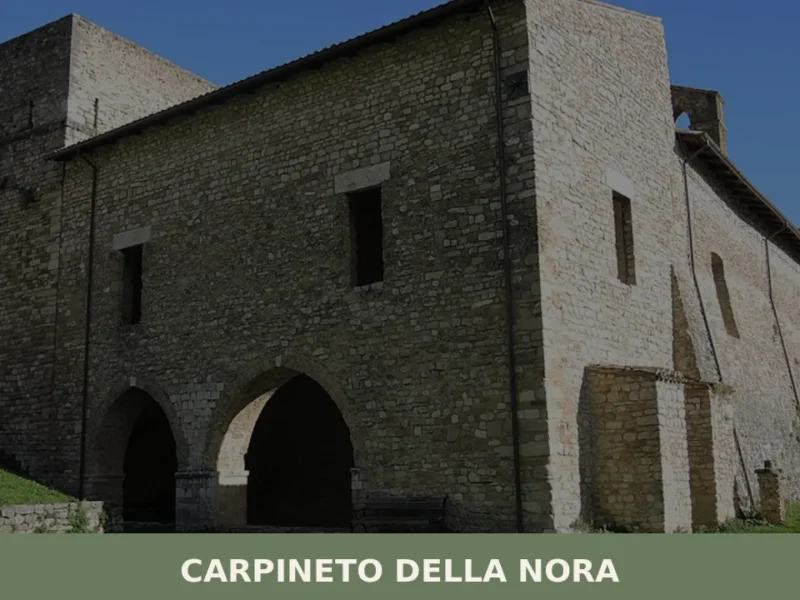
In Abruzzo More villages to discover
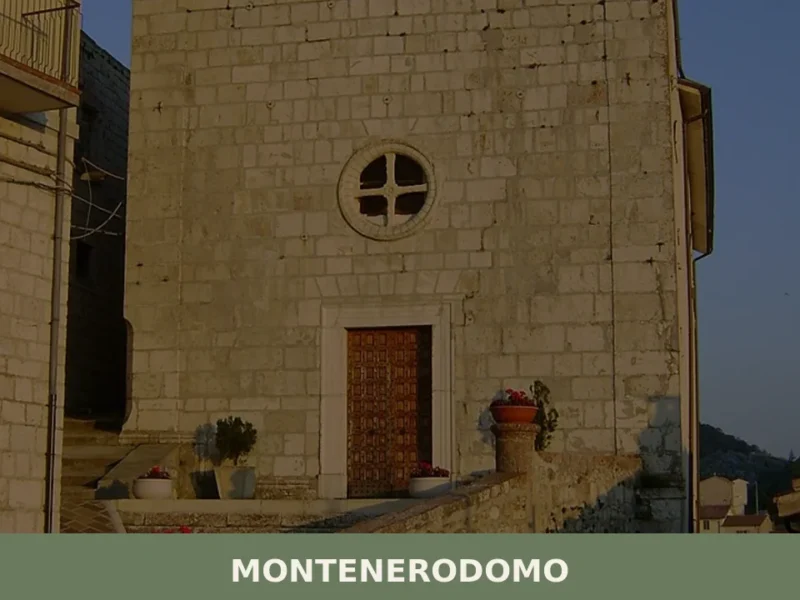
Montenerodomo
 Mountain
Montenerodomo is a mountain village in Chieti province, Abruzzo, standing at 1,155 metres above sea level beside the Samnite and Roman archaeological site of Juvanum, within the Parco Nazionale della
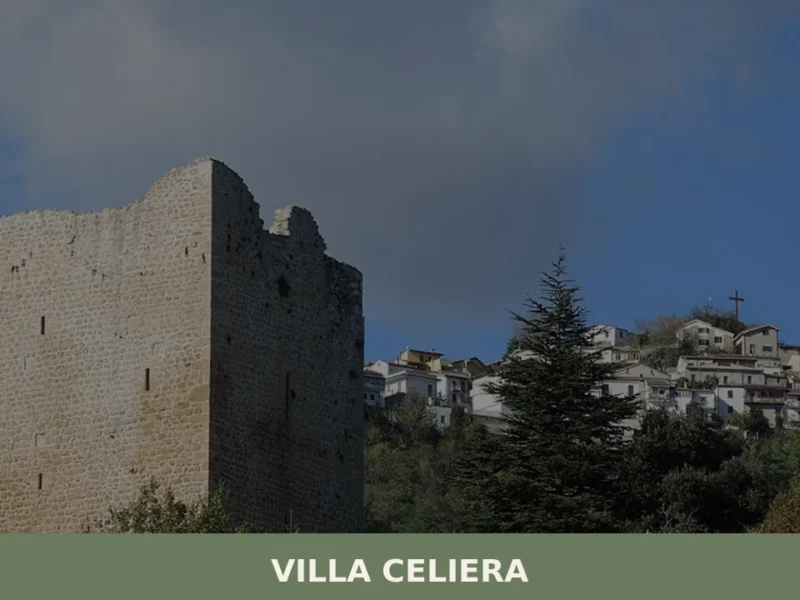
Villa Celiera
Mountain
At 714 metres above sea level, with 557 registered residents and an economy still tied to sheep farming and timber harvesting, Villa Celiera occupies a step on the eastern slope of the Gran Sasso, in the province of Pescara. The village overlooks the Fino valley from a position exposed to northeast winds for much of […]
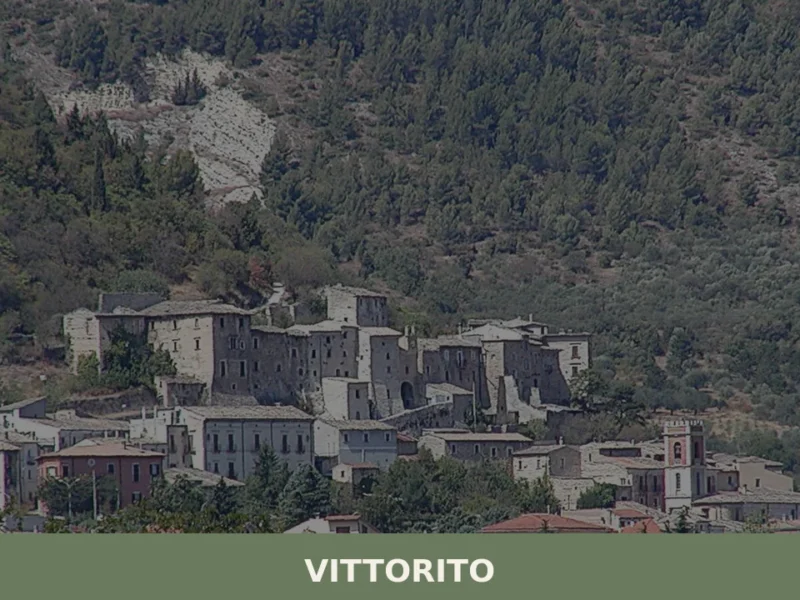
Vittorito
Mountain
Vittorito is a compact mountain settlement in the L'Aquila province of Abruzzo, where a medieval tower above the Valle Peligna and the slopes of Monte Castellano define a landscape that rewards the cu
Ofena
Mountain
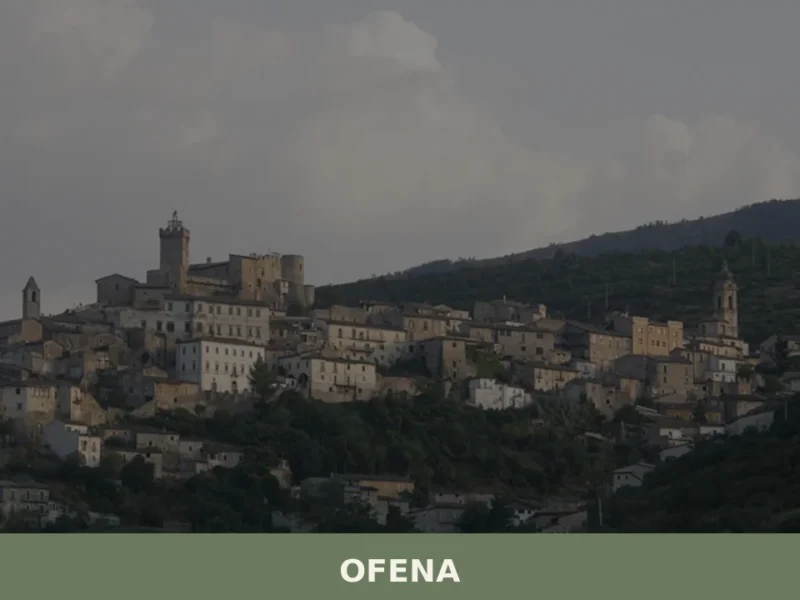
What to see in Ofena, Italy: Explore its historical significance as Aufinium and the Gran Sasso e Monti della Laga National Park. This village of 517 inhabitants offers a journey into Abruzzo's past. Read our guide.
Carapelle Calvisio
Mountain
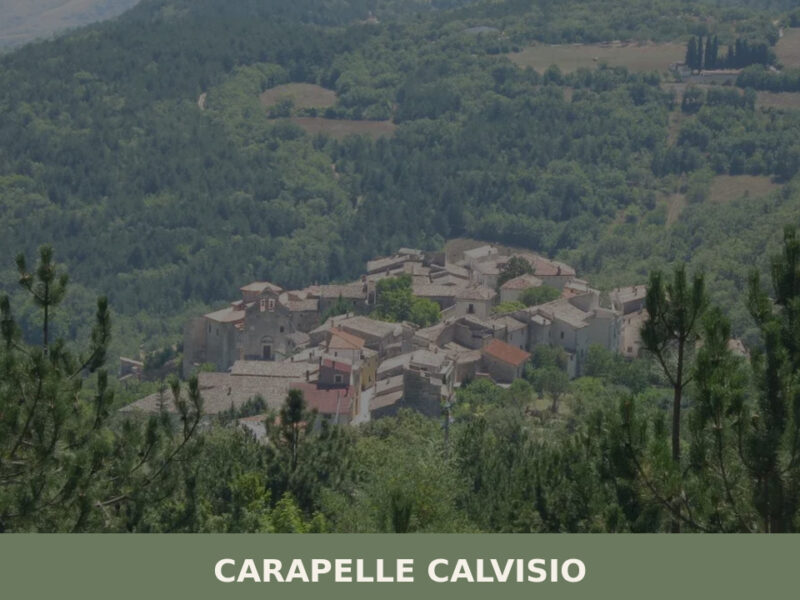
What to see in Carapelle Calvisio, Italy? Explore this village at 910 m (2,986 ft) altitude, visit Rocca Calascio, and discover its unique population status. Read our guide!
Aielli
Mountain
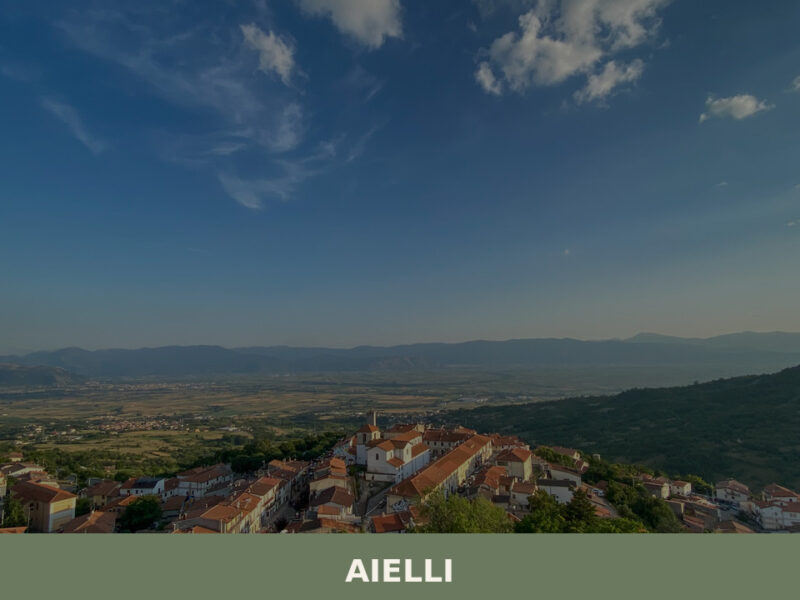
Morning light falls across a wall of painted figures three storeys tall, their colours sharp against old stone. A narrow street turns, and another mural appears — an astronomical chart, its constellations precise enough to navigate by. Aielli sits at over 1,000 metres on the Fucino plateau in the province of L’Aquila, a village of […]
Goriano Sicoli
Mountain
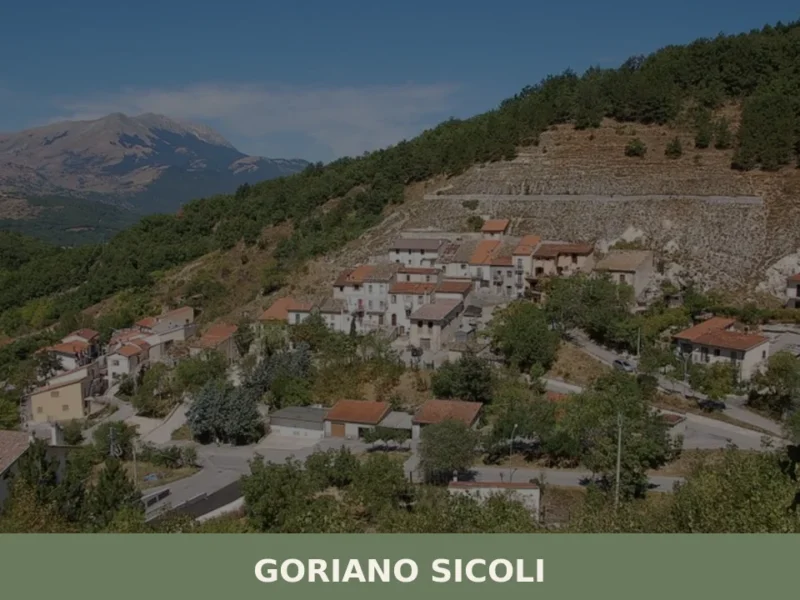
At 720 metres above sea level, in the Valle Subequana along the course of the Aterno river, Goriano Sicoli has just 511 inhabitants today — less than a fifth of the population recorded in the 1901 census. The village, in the province of L’Aquila, owes the second part of its name to the Roman colony […]
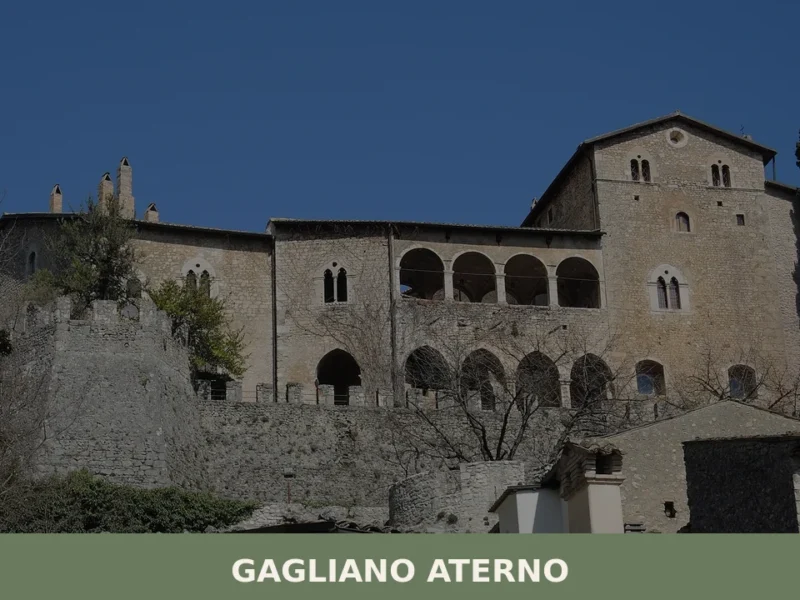
Gagliano Aterno
Mountain
Gagliano Aterno is a compact medieval village at 653 metres in the Valle Subequana, province of L'Aquila, where a baronial castle and a Gothic church define a landscape shaped by centuries of mountain
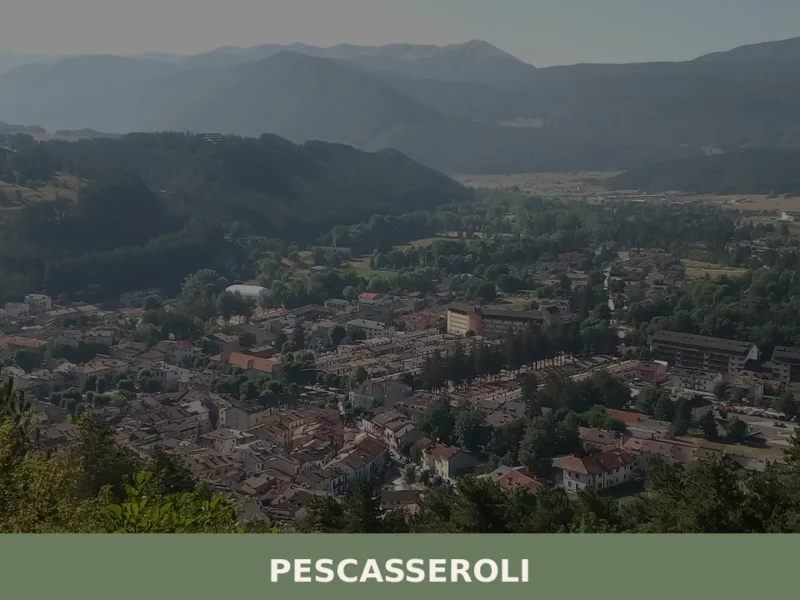
Pescasseroli
Mountain
What to see in Pescasseroli: from the Abruzzo National Park to Croce's birthplace, UNESCO beech forests, mountain cuisine and practical information for visiting the village.
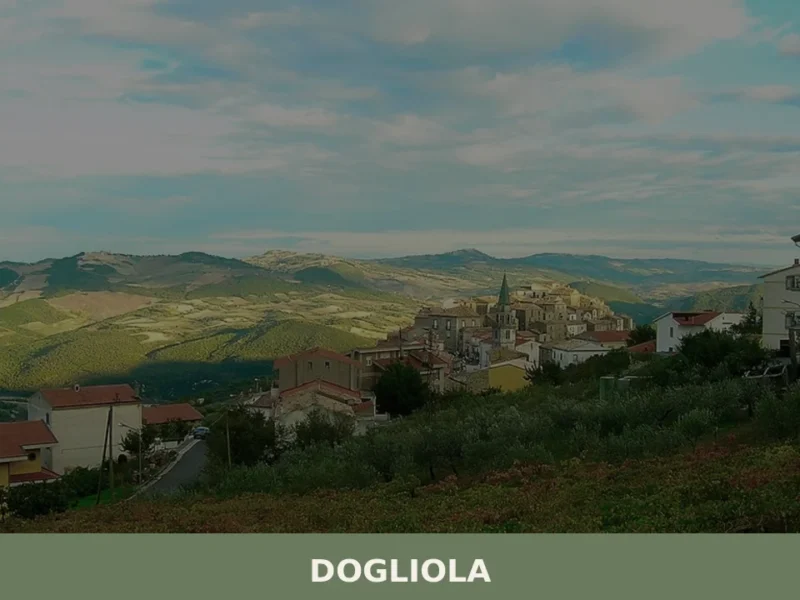
Dogliola
 Hills
Hills
what to see in dogliola, Italy: Discover the 445 m elevation, 311 residents, and San Rocco festival. Explore rich history and stunning landmarks.





🏡 Know Capestrano better than we do?
If you’re a local or have been there, your knowledge matters: add what’s missing or fix a detail on this page.