


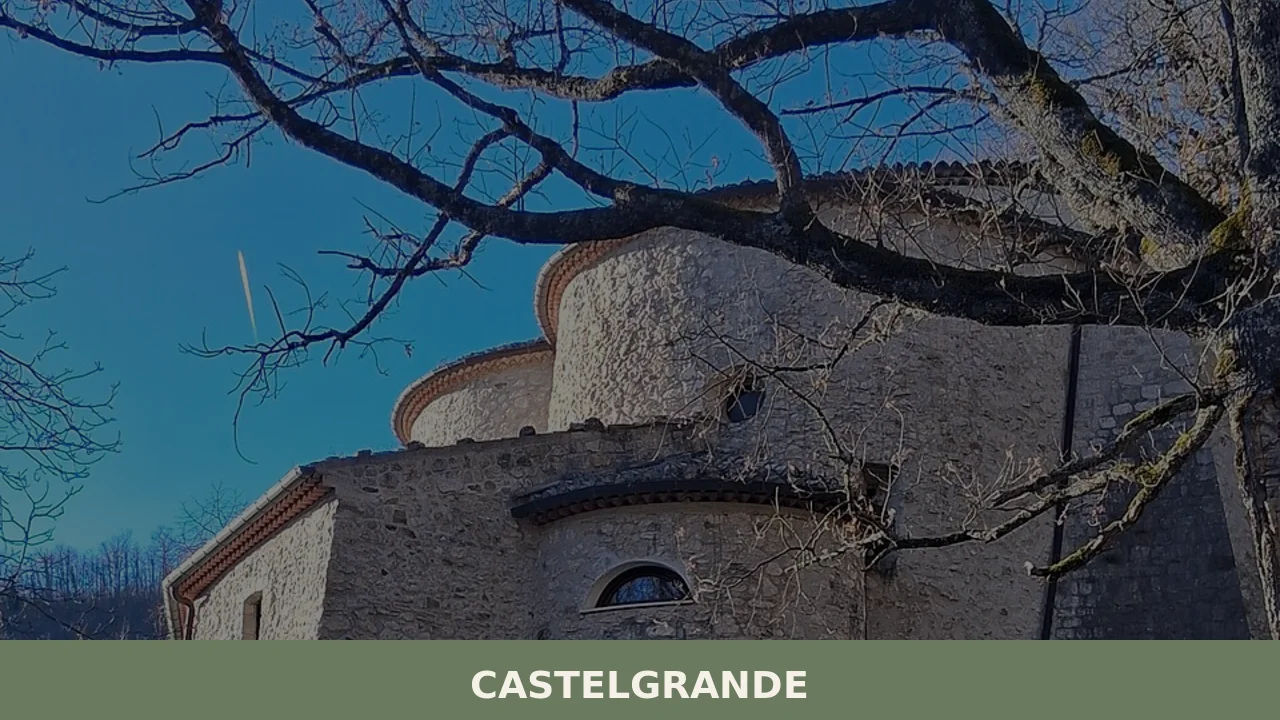
Castelgrande
Discover what to see in Castelgrande, a mountain village in Basilicata. From the Mother Church to the historic center, a journey through history and nature. Includes practical tips for your visit.
Discover Castelgrande
At 950 meters above sea level, in the heart of the Lucanian Apennines, lies Castelgrande, a village in the province of Potenza with 991 inhabitants. Its elevated position, typical of mountain villages, has shaped the identity of the place and the activities of its residents. The urban layout, with buildings adapting to the terrain’s morphology, suggests a historical stratification. For those wishing to explore this corner of Basilicata, understanding what to see in castelgrande means entering a context where nature and human constructions are in constant dialogue, offering views and details that deserve attention.
History and origins of Castelgrande
The first historical records mentioning Castelgrande date back to the medieval period, when the toponym itself, which evokes the image of a “great fortress,” suggests the presence of a defensive structure dominating the surrounding territory. Its strategic position, controlling natural communication routes between valleys, probably played a crucial role in the settlement’s development. Subsequent centuries saw the village pass under various feudal lordships, a common dynamic for many centers in inland Basilicata, which influenced its social and architectural structure.
Life in Castelgrande, as in much of mountainous Basilicata, has historically been linked to agriculture and pastoralism. Environmental conditions, characterized by harsh winters and cool summers, favored specific crops and livestock farming, elements that shaped the agricultural landscape and local traditions. For more information on the region and its villages, you can consult the page dedicated to Basilicata on Wikipedia.
What to see in Castelgrande: 5 essential attractions
Exploring Castelgrande reveals several significant stops for those wishing to get to know the village and its surroundings. Here is a selection of points of interest:
1. The Mother Church of San Vito
Dedicated to San Vito, the patron saint of the village, the Mother Church is the main place of worship. Its structure, although modified over the centuries, retains elements that attest to its ancient origin. Inside, one can observe wooden artifacts and paintings that reflect local sacred art. The facade and bell tower, with their essential lines, are a visible landmark from various angles of the inhabited center.
2. The Historic Center
The oldest core of Castelgrande unfolds through narrow streets and changes in elevation, following the contour of the hill. The houses, often built with local stone, display a spontaneous architecture, resulting from stratifications and adaptations. Walking through the historic center means observing ancient portals, windows that open onto mountain views, and small squares that serve as gathering points for the community.
3. The remains of the ancient Castle
Although no intact castle remains, the toponym “Castelgrande” suggests the existence of a significant fortification. It is possible to identify the remains of its foundations or wall sections integrated into more recent buildings, especially in the highest part of the village. These fragments are clues to the defensive function the place held in past eras.
4. The Belvedere
Given its altitude of 950 meters above sea level, Castelgrande offers several panoramic viewpoints that allow observation of the surrounding valley and the peaks of the Lucanian Apennines. From natural terraces or specific overlooks, one can appreciate the extent of the mountain landscape, with its forests and cultivated fields that change color according to the seasons.
5. Nature Trails around the village
Being a mountain village, Castelgrande is surrounded by a natural environment that invites exploration. Trails and mule tracks, once used for grazing and transport, today offer the opportunity for walks immersed in the local flora and fauna. These routes allow exploration of the mountain ecosystem and enjoyment of the landscape’s tranquility.
Typical cuisine and local products
The gastronomy of Castelgrande and Basilicata in general is an expression of a farming and pastoral culture, based on simple ingredients and distinct flavors. Among the symbolic products, cruschi peppers stand out, dried and fried, used to enrich first courses or as a side dish. Homemade pasta, such as lagane or orecchiette, often accompanied by legumes like chickpeas or beans, is a pillar of the local diet. Dishes based on sheep and pork are also common, often prepared according to traditional recipes that enhance their flavor.
Among local products, caciocavallo podolico, a stretched-curd cheese made from the milk of Podolica cows, is an excellent product of the Lucanian territory. Cured meats, prepared with locally raised pork, and extra virgin olive oil are also fundamental elements of the table. The simplicity and quality of raw ingredients are the foundation of a cuisine passed down from generation to generation, keeping the gastronomic identity of the place alive.
When to visit Castelgrande: the best time
Castelgrande, given its altitude, offers different experiences depending on the season. Summer, particularly the months of July and August, features mild temperatures and long days, ideal for exploring nature trails and the historic center without the excessive heat of the lowlands. On July 5th, the patron saint’s festival of San Vito is celebrated, an event that enlivens the village with religious celebrations and civil gatherings, offering an opportunity to observe local traditions.
Spring and autumn are equally evocative periods, with nature awakening or taking on the warm colors of foliage. These months are recommended for those seeking tranquility and wishing to engage in walks and excursions. Winter brings snow and a more secluded atmosphere, suitable for those who prefer the silence and quiet of snow-covered mountain landscapes.
How to get to Castelgrande
Castelgrande is mainly reachable by car. From Potenza, the provincial capital, the village is about 60 kilometers away, a journey of approximately an hour and fifteen minutes. For those coming from other regions, the A2 Autostrada del Mediterraneo (Salerno-Reggio Calabria) is the main access point; the recommended exit is Sicignano degli Alburni, from which one continues on provincial roads towards Muro Lucano and then Castelgrande. The nearest airports are Naples Capodichino and Bari Palese, both approximately 150-180 kilometers away.
Other villages to discover in Basilicata
Basilicata is a region rich in villages that deserve to be explored, each with its own peculiarities. After visiting Castelgrande, one can continue the itinerary to discover other centers that share the region’s mountain environment and culture. For example, Armento, located in a green valley and crossed by the Agri river, offers a different landscape context, with archaeological evidence attesting to its ancient history.
Another interesting destination is Anzi, also in the province of Potenza and known for its elevated position and its astronomical observatory, which makes it a reference point for observing the night sky. These villages, like Castelgrande, represent fragments of a lesser-known Italy, where time seems to follow different rhythms and traditions are still an integral part of daily life.
In Basilicata More villages to discover
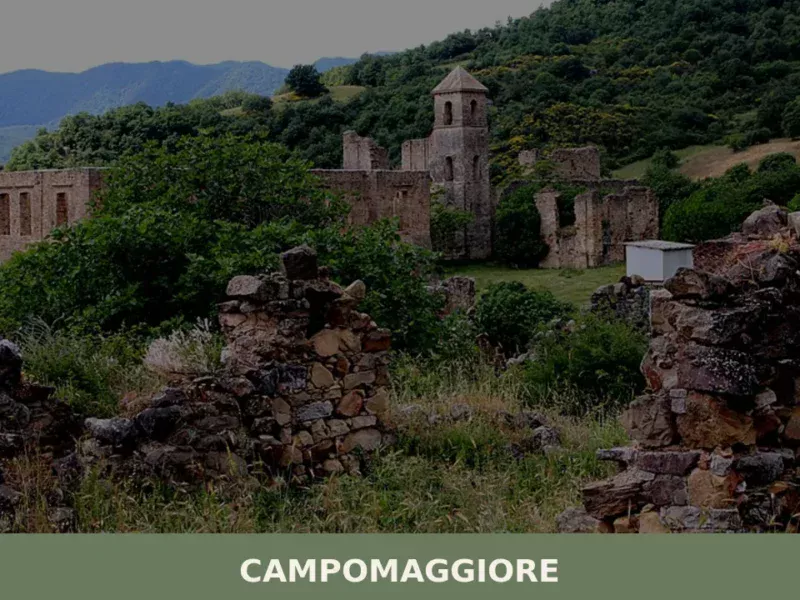
Campomaggiore
As the morning mist reluctantly peels back from the Lucanian Apennines, a faint scent of wild herbs drifts through the narrow lanes of **Campomaggiore**. At 795 meters above sea level, this small community, home to 832 inhabitants, begins its day with a quiet rhythm. Sunlight catches the weathered stone of an ancient wall, illuminating moss […]
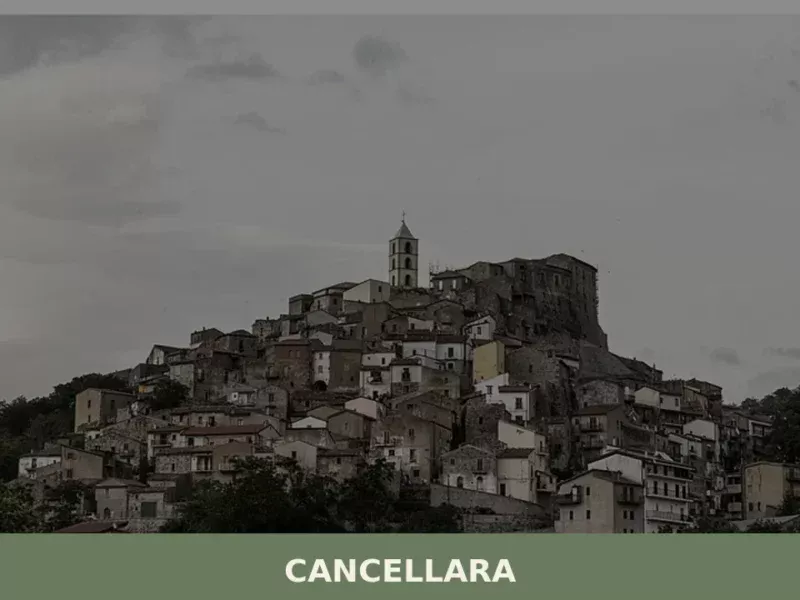
Cancellara
A sharp, cool breeze often carries the scent of wild herbs through the narrow lanes of Cancellara as the afternoon sun begins its descent, casting long shadows from ancient stone facades. At 680 meters above sea level, this small Lucanian village, home to 1,391 inhabitants, feels suspended between the rugged Apennine landscape and a quiet, […]
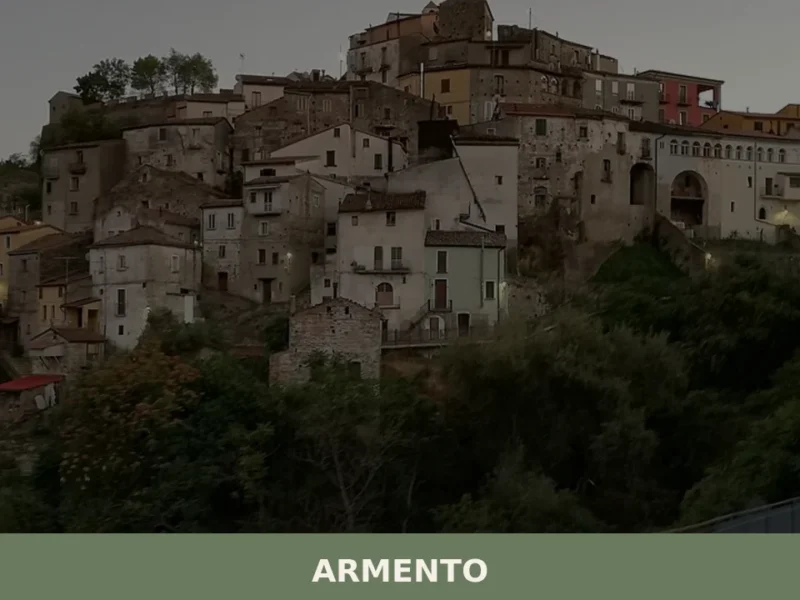
Armento
In 1814, a farmer unearthed a Lucanian funerary assemblage dating to the 4th century BC in the countryside around Armento: a golden crown, now held at the Antikensammlung in Munich, which confirmed the presence of a high-ranking Italic settlement in this part of the Val d’Agri. The village sits at 710 metres above sea level […]



📝 Incorrect information or updates?
Help us keep the Castelgrande page accurate and up to date.