


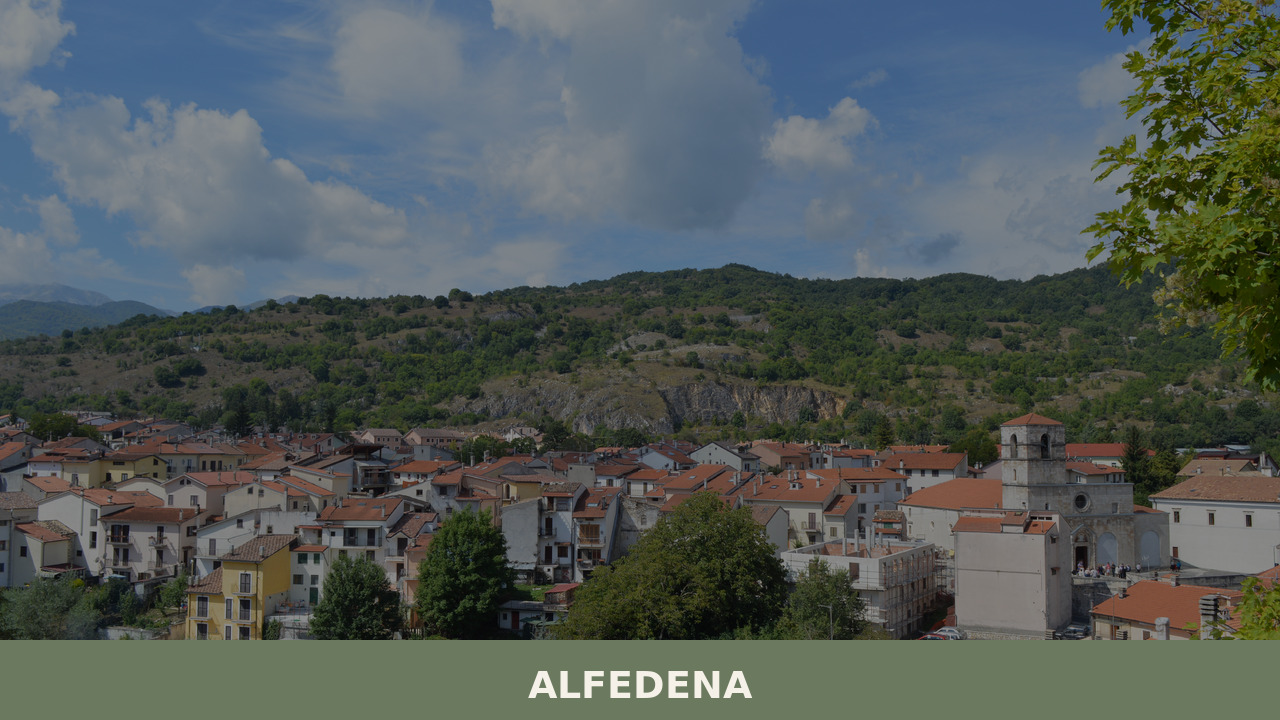
Alfedena
 Mountain
Morning light falls across a line of limestone rooftops, turning them the colour of raw honey. A church bell marks the hour — its sound rolls downhill, across empty streets still cool from the night, and fades into the forested slopes of the upper Sangro valley. Alfedena sits at roughly 914 metres above sea level […]
Discover Alfedena
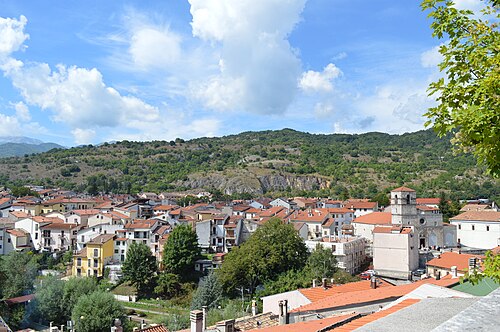
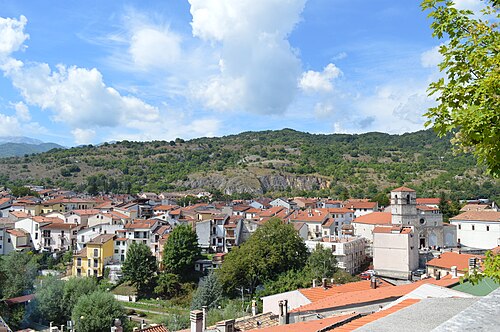
Morning light falls across a line of limestone rooftops, turning them the colour of raw honey. A church bell marks the hour — its sound rolls downhill, across empty streets still cool from the night, and fades into the forested slopes of the upper Sangro valley. Alfedena sits at roughly 914 metres above sea level in the province of L’Aquila, a village of 791 inhabitants whose daily rhythms have more in common with the surrounding Apennine wilderness than with the coastal towns an hour to the east. Understanding what to see in Alfedena requires slowing down — reading the stonework, following the footpaths, listening to what the valley carries.
History of Alfedena
The origins of Alfedena reach back to the Italic peoples who inhabited the central Apennines long before Roman expansion. The ancient settlement of Aufidena — a fortified town of the Samnite Caraceni tribe — occupied the ridges above the present village. Archaeological excavations in the late nineteenth and early twentieth centuries uncovered a necropolis containing thousands of tombs, yielding bronze fibulae, iron weapons, and amber ornaments that now reside in museums across Italy, including the National Archaeological Museum of Naples. The name “Alfedena” is a direct descendant of “Aufidena,” worn smooth by centuries of local dialect.
During the medieval period, the settlement shifted downhill and reorganised around a fortified core. A castle, likely constructed between the tenth and eleventh centuries under Lombard or early Norman influence, anchored the village’s defensive layout. Alfedena passed through the hands of various feudal lords, including the Di Sangro family, whose name echoes the river that defines this valley. The village remained tied to pastoral economies — transhumance routes, or tratturi, once moved vast flocks of sheep between Abruzzo’s mountain pastures and the lowland plains of Puglia.
The Second World War left deep marks. Alfedena found itself near the Gustav Line, the German defensive barrier that stretched across the Italian peninsula. The village suffered damage and displacement, a chapter still remembered by its oldest residents. Post-war emigration reduced the population significantly, a pattern shared across the Abruzzo interior, yet the physical fabric of the village — its walls, its churches, its stairways — survived in large measure.
What to see in Alfedena: 5 must-visit attractions
1. The Samnite Necropolis and Archaeological Area
Located on the hillside above the modern village, this burial ground dates to the sixth through third centuries BCE. Excavations revealed over 1,500 tombs arranged in orderly rows, with grave goods indicating a stratified society engaged in trade across the Apennine corridor. The site is open-air and partially signposted, offering a direct encounter with the pre-Roman landscape of the upper Sangro valley.
2. The Medieval Castle Ruins
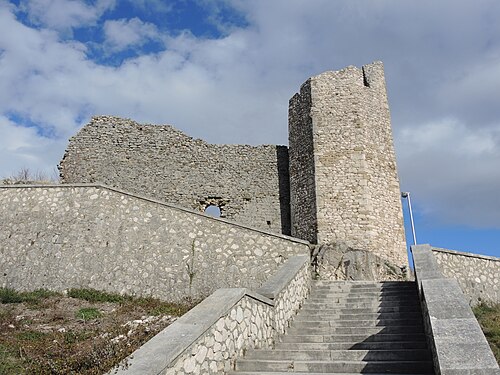
The remains of Alfedena’s castle occupy the highest point of the old settlement. What survives — sections of curtain wall, a partially standing tower — dates to the Norman-Swabian period. The position provides a commanding view of the valley floor and the surrounding peaks, a reminder that this village was built first for defence, then for habitation. The stonework shows layers of repair spanning several centuries.
3. Church of Saints Peter and Paul (Santi Pietro e Paolo)
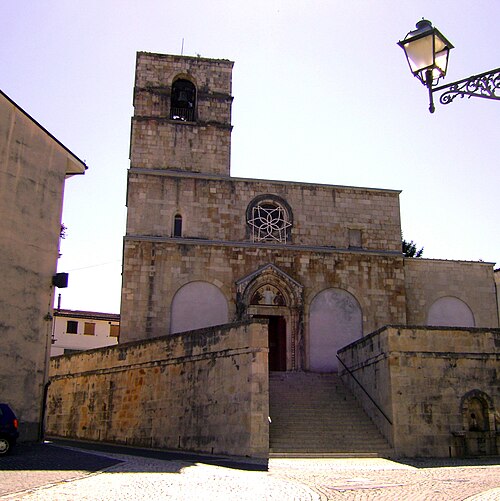
The parish church anchors the lower village. Its interior, modest in scale, contains stone columns and altar elements assembled over multiple construction phases. A carved stone portal marks the entrance. Local feast days, particularly the celebrations for the patron saints in late June, fill this space with a density of community life difficult to witness at other times of year.
4. The Historic Centre and Borgo Walls
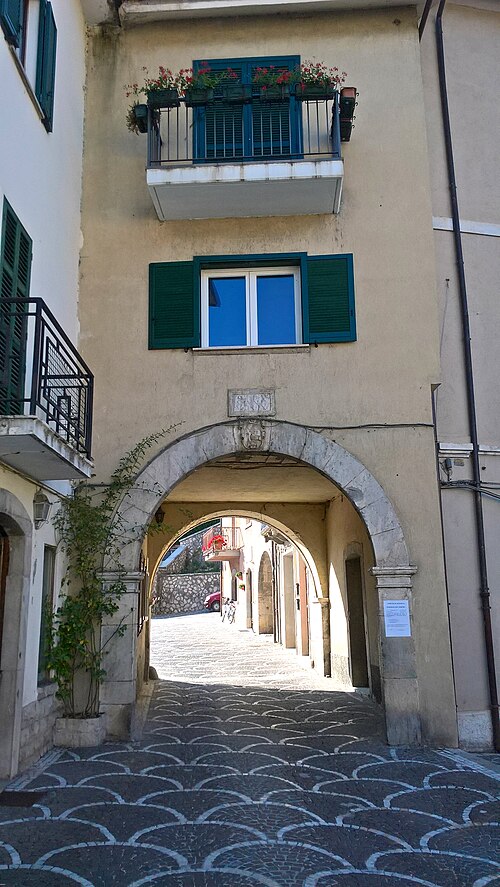
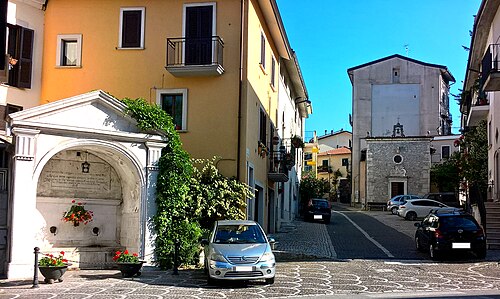
Alfedena’s old quarter is a tight arrangement of stone houses linked by narrow alleys, external staircases, and covered passageways. Sections of the original borgo walls remain visible, integrated into later domestic construction. Walking through the centre, one notices doorway lintels carved with dates — some reaching back to the seventeenth century — and iron balconies added piecemeal over generations.
5. Abruzzo, Lazio and Molise National Park Access
Alfedena borders the Parco Nazionale d’Abruzzo, Lazio e Molise, one of Italy’s oldest protected areas, established in 1922. Marked trails depart from the village edges into beech and oak forests where Marsican brown bears, Apennine wolves, and Abruzzo chamois persist in viable populations. The proximity of intact wilderness to a functioning village is the defining feature of this landscape.
What to see in Alfedena: local food and typical products
The cooking of Alfedena belongs to the mountain pastoral tradition of inland Abruzzo. Lamb and mutton appear roasted with herbs or slow-cooked in stews with potatoes and wild greens. Handmade pasta — particularly sagne, a flat irregular noodle — is dressed with ragù or with a simple sauce of tomatoes and pecorino. Lentils and beans, cultivated on small plots at altitude, feature in soups thickened with stale bread. Pecorino cheese, produced from sheep grazed on national park meadows, has a sharp, grassy intensity that reflects the altitude and flora. Locally cured sausages and cured meats follow recipes that predate refrigeration, relying on salt, pepper, fennel seed, and the cold mountain air for preservation.
Dining options in the village are limited in number but rooted in place. Small trattorie and agriturismi in and around Alfedena serve fixed menus that change with the season — wild mushrooms and chestnuts in autumn, lamb and fresh greens in spring. The wine is typically Montepulciano d’Abruzzo, poured without ceremony. Bread is baked in wood-fired ovens, with a thick crust and dense crumb designed to last several days.
Best time to visit Alfedena
Late spring — May through mid-June — brings wildflowers to the mountain meadows and comfortable daytime temperatures in the range of 18–22°C. The national park trails are passable but not yet crowded, and the beech forests carry their brightest green. Autumn, from late September through October, offers a different palette: golden and copper foliage against dark rock, with mushroom foraging drawing locals into the forests. The village’s patron saint celebrations in late June bring processions, outdoor feasting, and a concentration of community life that is otherwise diffuse.
Winters are cold and can be severe — snowfall is common from December through February, and temperatures regularly drop below freezing. The village quiets considerably, though cross-country skiing and snowshoeing routes exist in the national park. Summer months (July–August) are pleasant at this altitude, rarely exceeding 28°C, though accommodation should be booked in advance as Italian domestic tourism peaks during this period.
How to get to Alfedena
Alfedena lies in the southern portion of the province of L’Aquila, along the SS83 road that follows the upper Sangro valley. From Rome, the drive takes approximately two hours via the A25 motorway (Autostrada dei Parchi), exiting at Cocullo or Castel di Sangro and continuing south on regional roads. From Naples, the route via the A1 motorway and then eastward through Venafro and Isernia covers roughly 180 kilometres in about two and a half hours.
The nearest railway station with regular service is Castel di Sangro, approximately 10 kilometres to the northeast, though train frequency is limited and connections from major cities typically require changes. The closest airports are Rome Fiumicino (approximately 185 km) and Rome Ciampino (approximately 170 km); Pescara Airport, on the Adriatic coast, is about 130 km to the northeast. A car is effectively necessary for exploring the village and its surroundings, as local public transport is minimal.
More villages to discover in Abruzzo
The upper Sangro valley and the broader mountain interior of Abruzzo contain a constellation of small settlements, each shaped by the same forces — pastoral economy, feudal power, seismic activity, and emigration — yet each distinct in character. A short drive northeast of Alfedena, the town of Scanno sits above its namesake lake, known for its elaborate women’s costumes documented by photographers from Cartier-Bresson to Giacomelli, and for a historic centre whose interlocking stone architecture rivals any in the region.
Further into the mountains, the village of Santo Stefano di Sessanio occupies a high plateau beneath the Gran Sasso massif, its Medici-era watchtower visible from a considerable distance. Together, these villages form a network that rewards slow, deliberate travel — the kind where distances are measured less in kilometres than in the quality of attention paid to the landscape between them. The Abruzzo regional tourism board provides updated information on access, events, and accommodation across these territories.
Frequently asked questions about Alfedena
Quando si festeggia il patrono di Alfedena?
Alfedena celebra i suoi santi patroni — San Pietro Martire e Santa Maria Salomè — nella seconda domenica di luglio. La festa è uno dei momenti più vivaci dell'anno nel villaggio, con processioni religiose e momenti di aggregazione comunitaria. Cadendo in piena stagione estiva, coincide con il periodo di maggiore presenza turistica nell'area del Parco Nazionale d'Abruzzo, Lazio e Molise, rendendo luglio un mese particolarmente animato per chi visita la zona.
Ci sono sentieri CAI numerati che partono da Alfedena?
Alfedena è punto di accesso al Parco Nazionale d'Abruzzo, Lazio e Molise, che dispone di una rete sentieristica ufficiale gestita dal parco stesso e dal CAI. Tra i percorsi documentati nell'area del Sangro figura il sentiero che risale verso la Val Fondillo e le zone di avvistamento faunistico. Il sito ufficiale del parco (parcoabruzzo.it) pubblica le mappe aggiornate con numerazione e difficoltà di ciascun itinerario, consultabili prima della partenza.
Vale la pena visitare Alfedena in giornata partendo da Roma?
Sì, Alfedena è raggiungibile da Roma in circa due ore percorrendo l'autostrada A25 (Autostrada dei Parchi) fino all'uscita più vicina, poi proseguendo sulla SS83 lungo la valle del Sangro. Una giornata intera consente di esplorare il centro storico, la necropoli sannitica sul colle e almeno un tratto dei sentieri del parco nazionale. Considerata la limitata offerta di servizi nel villaggio, è consigliabile verificare in anticipo gli orari di apertura dei siti e prenotare il pranzo.
Cos'era Aufidena e che legame ha con l'attuale Alfedena?
Aufidena era una città fortificata dei Caraceni, tribù sannitica che abitava gli Appennini centrali prima della conquista romana. Il sito occupava le alture sopra l'attuale villaggio e ha restituito, negli scavi tra Ottocento e Novecento, una necropoli con oltre 1.500 tombe e corredi funerari oggi conservati al Museo Archeologico Nazionale di Napoli. Il nome Alfedena discende direttamente da Aufidena, trasformato dai secoli di dialetto locale — un filo linguistico continuo di oltre duemila anni.
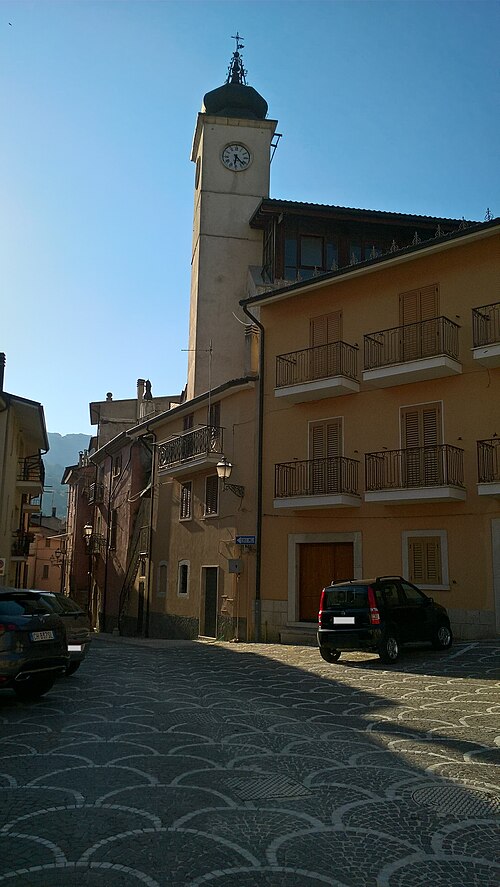
📷 Photo Gallery — Alfedena


Nearby Villages near Alfedena
In Abruzzo More villages to discover
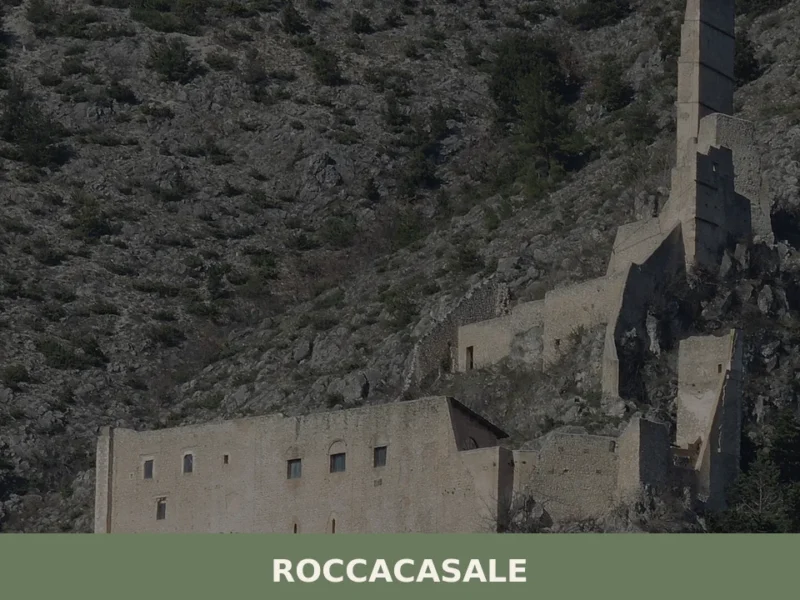
Roccacasale
Mountain
What to see in Roccacasale, Italy: a medieval village of 712 inhabitants above the Peligna Valley. Discover the 1579 church, castle ruins and local cuisine.
Celenza sul Trigno
Mountain
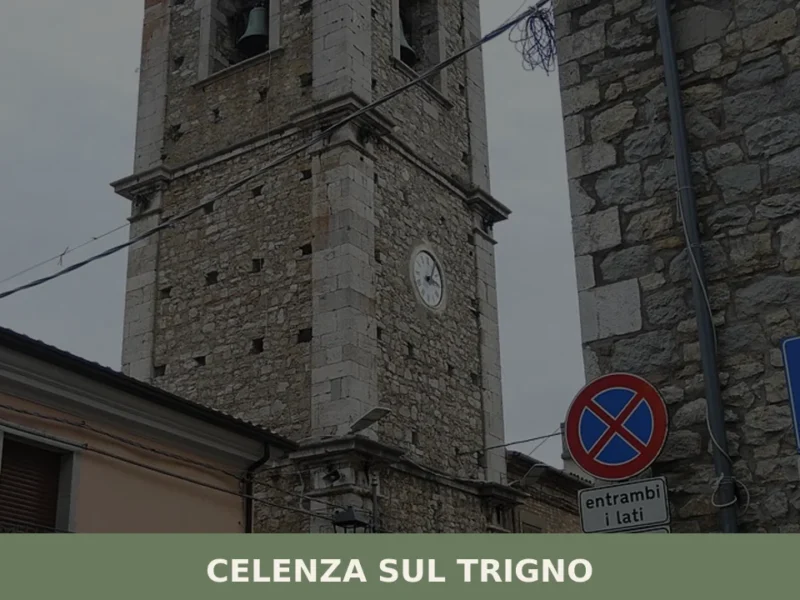
At 646 metres above sea level, with 781 registered residents, Celenza sul Trigno occupies a ridge separating the Trigno river valley from the Treste stream, in the province of Chieti. The village appears in medieval documents as a Norman possession, and its urban layout preserves the concentric plan typical of 12th-century fortified settlements. Anyone wondering […]
Tufillo
 Hills
Hills
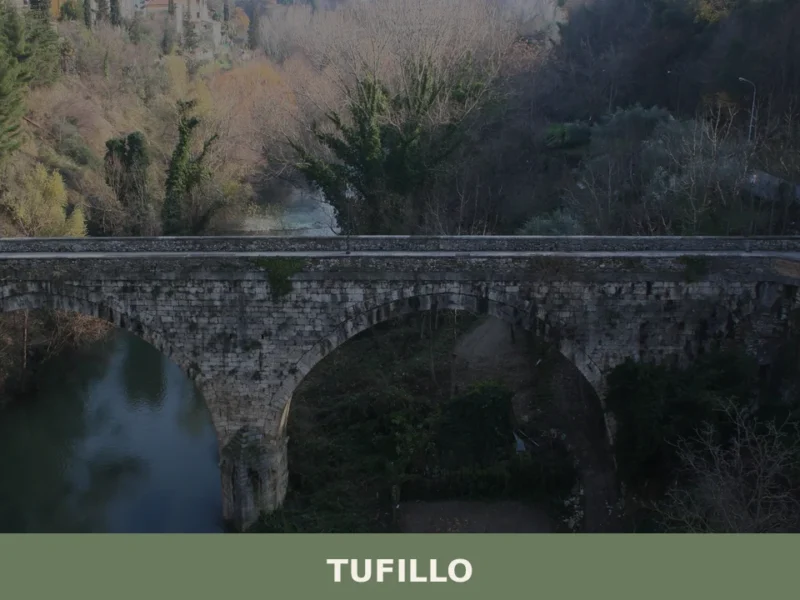
What to see in Tufillo, Abruzzo, Italy: a village of 456 inhabitants in the Province of Chieti. Discover top attractions, local food, and how to get there.
Palena
Mountain
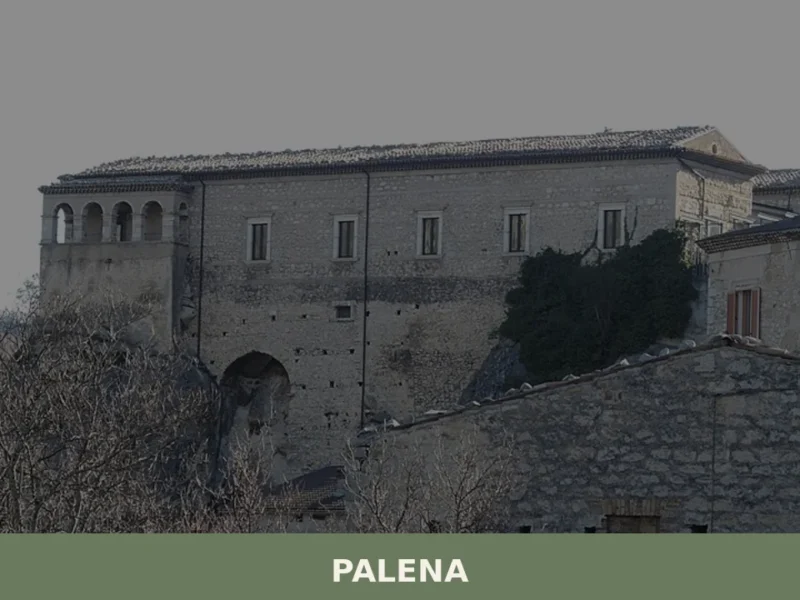
What to See in Palena: discover 5 must-see attractions, from the Ducal Castle to the Marsican Bear Museum. Plan your visit and taste local products.
Castellafiume
Mountain
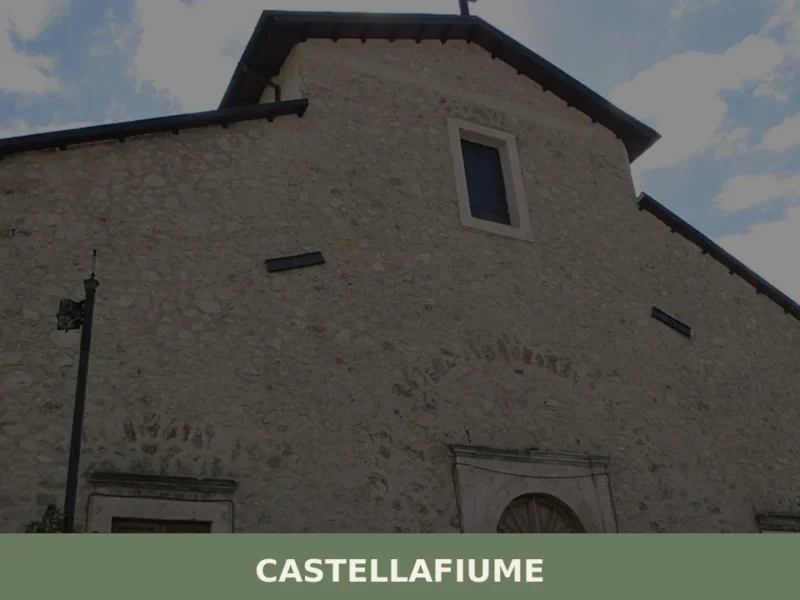
Documented since the 11th century as *Castrum Fluminis*, Castellafiume stands at 840 meters above sea level, in the heart of the L’Aquila Marsica region. This settlement, whose toponym evokes its connection to the Liri River which has its sources here, currently has 1,032 inhabitants. Its history is interwoven with events related to territorial control and […]
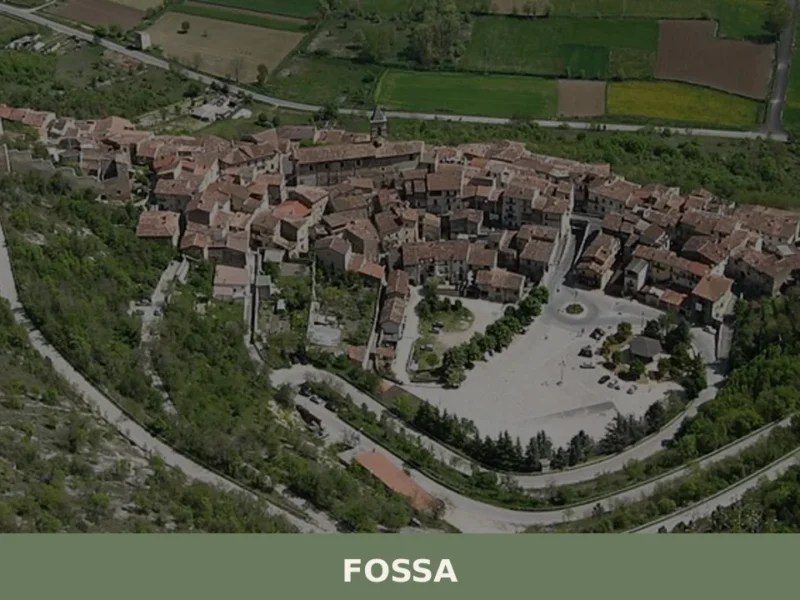
Fossa
Mountain
The Vestine necropolis of Fossa, unearthed in 1992 along the state road 17, revealed over six hundred tombs dating from the 9th to the 1st century BC — a discovery that rewrote our understanding of pre-Roman central Italy. Anyone wondering what to see in Fossa will find a solid starting point here: a village of […]
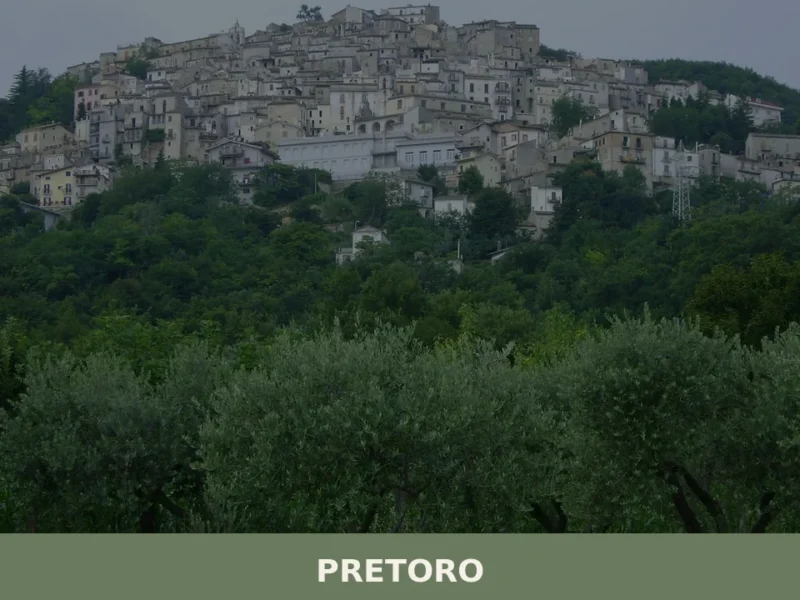
Pretoro
Hills
What to see in Pretoro, Abruzzo, Italy: explore a 13th-century sanctuary, a 16th-century Pietà, and Majella National Park. Population 985. Discover it now.
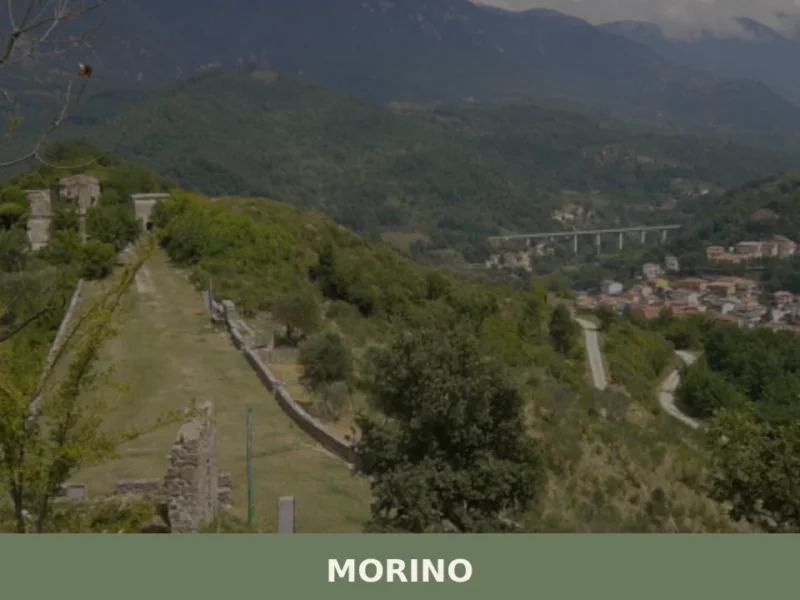
Morino
Mountain
What to see in Morino, Abruzzo, Italy: explore the Hermitage of Santa Maria del Cauto, the Roveto Valley, and 1,477 inhabitants' traditions. Discover it now.
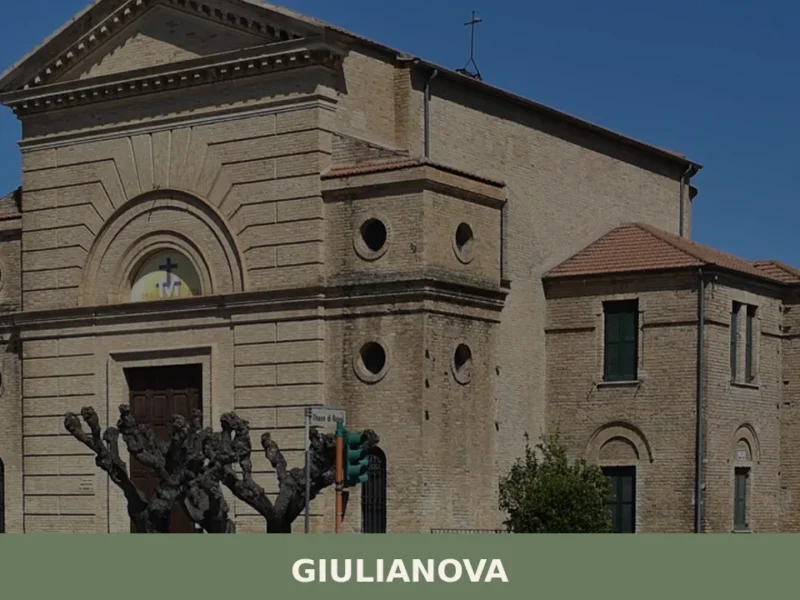
Giulianova
 Sea
Sea
In 1470, Duke Giuliantonio Acquaviva refounded the ancient settlement of Castel San Flaviano on a hill 68 metres above sea level, giving it his own name: Giulianova. The urban layout he commissioned — a regular grid with a central square and symmetrical blocks — is one of the earliest documented examples of an ideal Renaissance […]
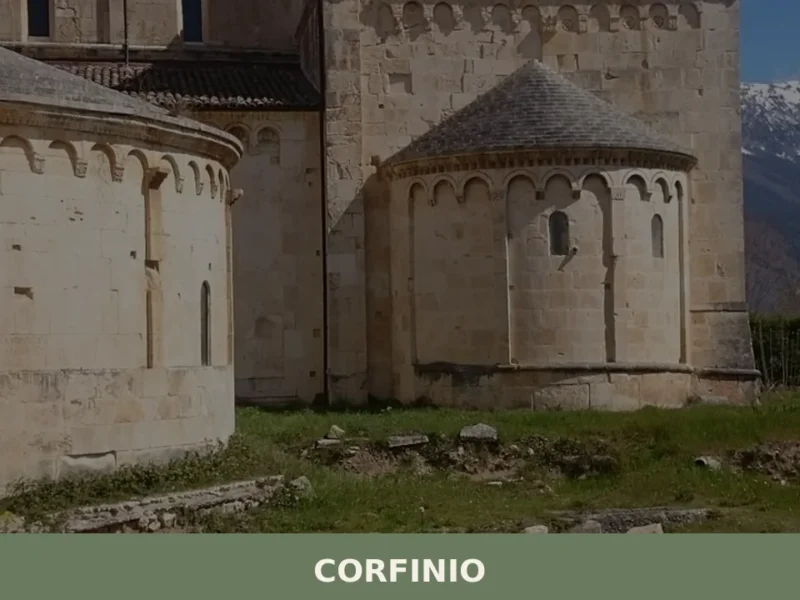
Corfinio
Hills
what to see in Corfinio, Italy: Explore this Abruzzese village at 346 m a.s.l., from its Roman past to the Museo Antonio De Nino. Discover Corfinio.




🏡 Know Alfedena better than we do?
If you’re a local or have been there, your knowledge matters: add what’s missing or fix a detail on this page.