


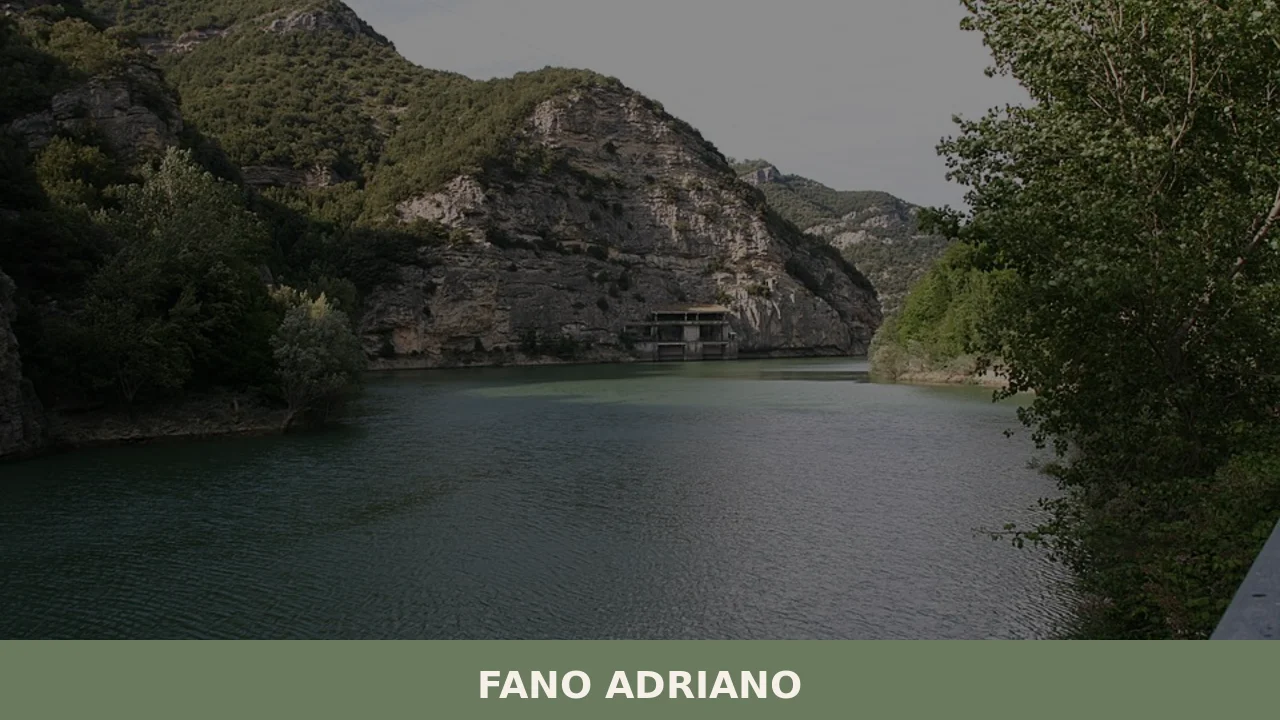
Fano Adriano
 Mountain
what to see in fano adriano, Italy: Discover 5 key attractions and local traditions in this Abruzzo village at 750 m (2,461 ft) altitude. Explore.
Discover Fano Adriano
At an elevation of 750 m (2,461 ft) above sea level, Fano Adriano emerges from the rugged slopes of the Gran Sasso d’Italia, a compact cluster of stone buildings overlooking the dramatic Abruzzese landscape. The village, home to 249 inhabitants, maintains a quiet rhythm dictated by the surrounding mountains and the changing seasons.
Its position within the Gran Sasso e Monti della Laga National Park defines much of its character, offering a profound connection to nature and a sense of enduring tradition.
For those planning a visit, understanding what to see in Fano Adriano is key to unlocking its unique appeal. The Fano Adriano highlights include exploring its ancient pathways, discovering the architectural details of its historic church, and immersing oneself in the pristine environment of the National Park. At this altitude, visitors find a refreshing escape and a gateway to the natural wonders of the Abruzzo region.
History of Fano Adriano
The origins of Fano Adriano are deeply rooted in the historical tapestry of the Abruzzo region, with its name potentially hinting at Roman-era connections, possibly linked to a Roman family or even the Emperor Hadrian. While specific founding dates remain elusive from direct records, the strategic location in the Teramo province suggests a long history of human settlement, likely evolving from pastoral communities or small defensive outposts.
Early inhabitants would have leveraged the mountain environment for sustenance, developing a culture resilient to the high-altitude conditions.
Throughout the medieval period, Fano Adriano, like many villages in the central Apennines, would have experienced the ebb and flow of feudal power and the influence of various noble families. The construction of early religious structures, such as chapels dedicated to local saints, would have marked the establishment of a more defined community. The village’s isolation, while challenging, also contributed to the preservation of its distinct identity and traditions, protecting it from some of the broader conflicts that reshaped more accessible towns.
Moving into more recent centuries, Fano Adriano continued its existence primarily as an agricultural and pastoral hub, with its economy closely tied to the cycles of sheep farming and subsistence agriculture. The village’s population, recorded at 249 inhabitants today, reflects the broader trend of demographic shifts in mountain areas, yet it retains a strong sense of community and a deep respect for its heritage.
Understanding this historical context enriches the experience of what to see in Fano Adriano today, revealing layers of human endeavour against a backdrop of natural grandeur.
What to see in Fano Adriano, Abruzzo: top attractions
Gran Sasso e Monti della Laga National Park
The vast wilderness of the envelops Fano Adriano, making it an integral part of this protected area. Established in 1991, the park spans an impressive 150,000 hectares (370,658 acres) across three regions, featuring diverse landscapes from high alpine peaks to dense beech forests and rolling grasslands. Visitors can explore numerous trails that begin near the village, offering opportunities for hiking, wildlife observation, and photography amidst stunning natural beauty.
Chiesa di San Valentino
Dedicated to the village’s patron saint, Valentino di Terni, the Chiesa di San Valentino stands as a central point of community life and historical interest in Fano Adriano. This stone-built church, likely dating back to the medieval period with subsequent renovations, exhibits a simple yet robust architectural style typical of mountain religious structures. Its interior, while modest, offers a serene space for reflection, housing traditional altars and religious artwork that speak to centuries of local devotion.
The church is easily accessible within the village’s core, serving as a focal point for the annual patron feast.
Belvedere del Colle dell’Eremita
Perched just above the main village, the Belvedere del Colle dell’Eremita offers a panoramic viewpoint providing expansive vistas across the surrounding valleys and the towering peaks of the Gran Sasso massif. A short, uphill walk of approximately 15 minutes from the village center leads to this elevated spot, which sits at an approximate altitude of 800 m (2,625 ft). From here, visitors can appreciate the strategic position of Fano Adriano and the vastness of the Abruzzese landscape, particularly striking during sunrise or sunset when the light bathes the mountains in warm hues.
Sentiero dei Pastori (Shepherds’ Path)
For those seeking a more active exploration of the local environment, the Sentiero dei Pastori offers a well-marked hiking trail that traces ancient transhumance routes once used by shepherds moving their flocks. This moderate-difficulty path extends for about 7 km (4.3 mi) with an elevation gain of roughly 250 m (820 ft), winding through meadows and light woodlands. Along the way, hikers can observe remnants of old sheepfolds and enjoy the diverse flora and fauna characteristic of the Gran Sasso foothills, providing a tangible connection to the region’s pastoral heritage.
Museo della Civiltà Contadina
Housed in a traditional stone building within Fano Adriano, the Museo della Civiltà Contadina (Museum of Rural Civilization) provides insight into the daily life and agricultural practices of the village’s past.
The museum features a collection of tools, household items, and traditional costumes, illustrating the ingenuity and hard work of previous generations. With approximately 150 artifacts on display, it offers a tangible link to the agrarian roots of Fano Adriano, showcasing the crafts and techniques that sustained the community for centuries. Visiting the museum offers a deeper appreciation for the local culture and history.
Local food and typical products of Fano Adriano
The gastronomic tradition of Fano Adriano, deeply intertwined with its mountain environment, reflects the robust and hearty cuisine of Abruzzo. Local dishes are born from a history of pastoralism and self-sufficiency, utilizing ingredients readily available from the surrounding land and livestock. This culinary heritage emphasizes simple preparations that highlight the natural flavors of high-quality meats, cheeses, and seasonal vegetables, providing a true taste of the mountains.
Among the typical dishes, visitors to Fano Adriano can savor specialties like Arrosticini, skewers of tender lamb meat grilled over charcoal, a quintessential Abruzzese delicacy enjoyed with crusty bread and local wine.
Another staple is Pasta alla Pecorara, a rich pasta dish often featuring a sauce made with sheep’s milk ricotta, tomatoes, and various cuts of local cured meats. Additionally, traditional cured meats such as Salsiccia di Fegato, a liver sausage, are commonly found, offering distinctive and intense flavors.
The region is also renowned for its dairy products, particularly sheep’s cheese. Pecorino d’Abruzzo, a firm, flavorful sheep’s milk cheese, is a cornerstone of the local diet, produced by artisanal methods passed down through generations. This cheese is consumed fresh, semi-aged, or aged, each stage offering a different texture and intensity of flavor.
While specific certified products tied exclusively to Fano Adriano are not detailed in available sources, the broader Abruzzese tradition of high-quality, mountain-derived foods is strongly present throughout the area.
Festivals, events and traditions of Fano Adriano
Fano Adriano maintains a strong connection to its traditions, with the most significant annual event centered around its patron saint, Valentino di Terni. The feast day, observed every year on February 14, is a deeply cherished occasion for the community. The celebrations typically include a solemn mass at the Chiesa di San Valentino, followed by a procession through the village streets, carrying a statue of the saint. This event brings together residents and former inhabitants, reinforcing communal bonds and cultural identity.
While specific details on other large-scale festivals or food fairs in Fano Adriano are not widely documented, the rhythm of village life often includes smaller, spontaneous gatherings and seasonal celebrations. These might involve local harvest festivities or religious observances that reflect the agricultural calendar and mountain culture. Such traditions offer a glimpse into the enduring spirit of the community, where shared meals and storytelling are often at the heart of social interaction, complementing the more formal annual patron feast.
When to visit Fano Adriano, Italy and how to get there
The best time to visit Fano Adriano, Abruzzo, largely depends on the desired activities and climate preferences.
For hiking and exploring the Gran Sasso e Monti della Laga National Park, the warmer months from late May to early October offer ideal conditions, with pleasant temperatures and accessible trails. During this period, the mountain landscapes are vibrant with flora, and the air is crisp, making it perfect for outdoor enthusiasts. Winter, from December to March, transforms the area into a snowy retreat, appealing to those interested in winter sports or a tranquil, snow-covered panorama, though some roads and trails may be less accessible.
Fano Adriano is situated in a mountainous region, meaning some terrain within and around the village can be steep and uneven, which is typical for such an altitude. For international visitors, it is advisable to carry some Euros cash, as smaller shops and establishments may have limited card payment options. English may also be less widely spoken in very small, rural settings, so a basic understanding of Italian phrases can enhance the experience.
To reach Fano Adriano, road travel is the most practical option. If you arrive by car, the village is accessible via the A24 motorway connecting Rome to Teramo.
Take the “Teramo” exit and continue on provincial roads towards Montorio al Vomano and then Fano Adriano, a journey of approximately 40 km (25 mi) from Teramo. For those traveling from a major city, Rome is about 160 km (99.4 mi) away, with a driving time of around 2 hours. The nearest major airport is Abruzzo Airport (PSR) in Pescara, located approximately 90 km (55.9 mi) from Fano Adriano, with a driving time of about 1 hour and 15 minutes. The closest train station is in Teramo, requiring a subsequent bus or taxi transfer to the village. For further information on local services, consult the official Fano Adriano municipality website.
Frequently asked questions about Fano Adriano
What is the best time to visit Fano Adriano?
The best time to visit Fano Adriano depends on your preferred activities. Summer (June to September) is ideal for hiking and exploring the Gran Sasso and Monti della Laga National Park, offering mild temperatures and vibrant natural landscapes. Winter transforms the village into an alpine setting, suitable for winter sports in nearby resorts. For a unique cultural experience, visit on February 14th to celebrate the feast of San Valentino di Terni, the patron saint, with local traditions. Spring and autumn provide a quieter visit, showcasing beautiful seasonal colors and a more intimate atmosphere.
What are the historical origins of Fano Adriano?
Fano Adriano's origins are thought to trace back to the Roman era, with 'Fanum' possibly indicating a place of worship and 'Adriani' referring to a Roman gens or even Emperor Hadrian. Its documented history begins in the 12th century, when it was listed among the possessions of the Benedictine monks of Montecassino. Over the centuries, the village passed under the control of various feudal families, including the D'Aquino, Orsini, and Mendoza, each leaving their mark on its strategic fortifications and medieval urban structure, which still defines its historic core today.
What to see in Fano Adriano? Main monuments and landmarks
Fano Adriano offers several key attractions that narrate its history and connection to the mountainous environment. You can visit the **Church of San Valentino**, dedicated to the patron saint, featuring historical architectural elements. Explore the remnants of ancient fortifications at the **Medieval Tower**, a prominent historical landmark. Immerse yourself in local life at the **Museum of Traditions and Rural Civilization**, showcasing agro-pastoral heritage. Wander through the **Historic Core** to admire the spontaneous stone architecture. Finally, don't miss the breathtaking **Views of the Gran Sasso Massif** from various points around the village.
What are the main natural or scenic attractions of Fano Adriano?
Fano Adriano is a gateway to the stunning natural beauty of the Gran Sasso and Monti della Laga National Park. The primary natural attraction is the spectacular **Views of the Gran Sasso Massif**, including peaks like Corno Grande, which can be admired from numerous vantage points within and around the village. The surrounding park offers extensive opportunities for **excursions and trekking** through high-altitude forests and verdant meadows, making it an ideal destination for nature lovers seeking to explore the rich botanical and faunal diversity of the Abruzzese Apennines.
Where to take the best photos in Fano Adriano?
For captivating photos in Fano Adriano, focus on its distinctive mountain charm and historical architecture. The **Historic Core** provides picturesque scenes with its spontaneously built stone houses, narrow alleys, and traditional portals, perfect for capturing the village's medieval essence. Head to the elevated points within or just outside the village for panoramic shots of the majestic **Gran Sasso d'Italia massif**, especially during golden hour, to highlight peaks like Corno Grande. The historic **Medieval Tower** also stands as a striking subject against the dramatic mountain backdrop, symbolizing centuries of history.
Are there museums, churches or historic buildings to visit in Fano Adriano?
Yes, Fano Adriano features several significant cultural and historical sites. Visitors can explore the **Church of San Valentino**, the village's parish church, which houses sacred works and reflects local devotion, particularly during its patron feast. The **Medieval Tower** stands as a tangible remnant of the village's ancient fortifications, offering a glimpse into its defensive past. Additionally, the **Museum of Traditions and Rural Civilization** provides an insightful collection of objects and tools, illustrating the agro-pastoral life and customs of past generations in this unique mountain community. The entire historic core also functions as an open-air museum.
What can you do in Fano Adriano? Activities and experiences
Fano Adriano offers a range of activities centered around its mountain environment and rich history. In summer, enjoy **hiking and excursions** within the Gran Sasso and Monti della Laga National Park, exploring its diverse trails and natural beauty. During winter, the area is suitable for **winter sports** at nearby resorts. Throughout the year, you can **explore the medieval historic core**, admire the unique stone architecture, and savor the **local cuisine**, including arrosticini and pecorino cheeses. Don't miss the opportunity to experience local traditions, especially during the **feast of San Valentino** on February 14th.
Who is Fano Adriano suitable for? Families, couples, hikers, solo travelers?
Fano Adriano is an ideal destination for **nature lovers and hikers** drawn to the Gran Sasso and Monti della Laga National Park. Its serene, alpine atmosphere also appeals to **couples** seeking a tranquil, romantic getaway and **solo travelers** looking for peaceful introspection amidst stunning landscapes. **Families** can enjoy outdoor activities and the charm of a small, authentic mountain village. Furthermore, those interested in **local history, traditional Abruzzese cuisine, and genuine cultural experiences** will find Fano Adriano a rewarding escape from bustling tourist routes.
What to eat in Fano Adriano? Local products and specialties
Fano Adriano's cuisine is deeply rooted in its mountain and pastoral traditions. A must-try specialty is the **arrosticini**, skewers of sheep meat cooked over coals, a true icon of Abruzzese gastronomy. The area is also renowned for its delicious **pecorino cheeses**, produced from local farms with varying degrees of aging and aromatic intensity. Other local delights include traditional **cured meats**, such as liver sausages. Hearty **soups and stews** made with local legumes like lentils and cereals such as farro are perfect for colder days. While not produced directly here, **Saffron of L'Aquila PDO** is a regional ingredient that may enhance some local dishes.
Nearby Villages near Fano Adriano

In Abruzzo More villages to discover
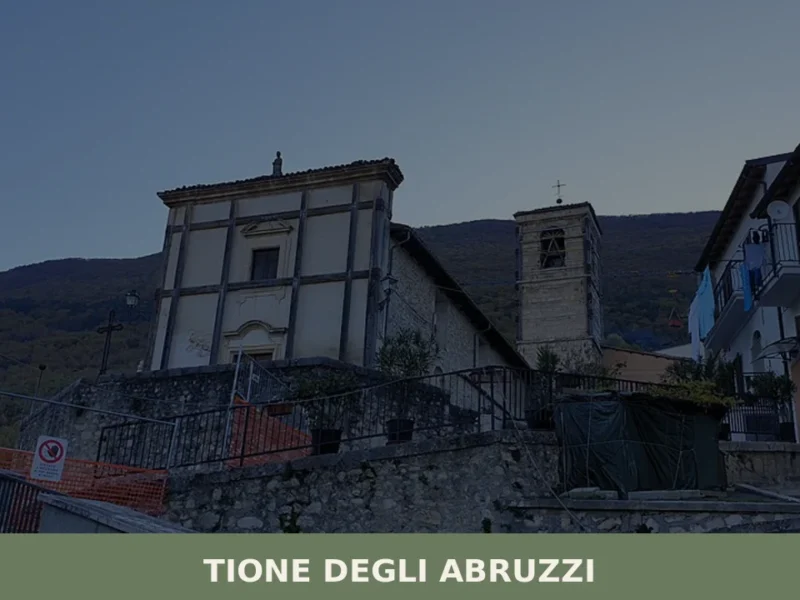
Tione degli Abruzzi
Mountain
What to see in Tione degli Abruzzi, Italy includes its 322 inhabitants and railway connection. Discover the village and its Abruzzese culture. Explore this L'Aquila comune.

Barete
Mountain
Morning light hits the limestone walls of Barete’s older houses at a low angle, turning them briefly gold before the shadow of the Gran Sasso massif reclaims the narrow lanes. A rooster calls from somewhere behind a garden wall. The air smells of woodsmoke and cold stone. This is a settlement of roughly 695 inhabitants, […]
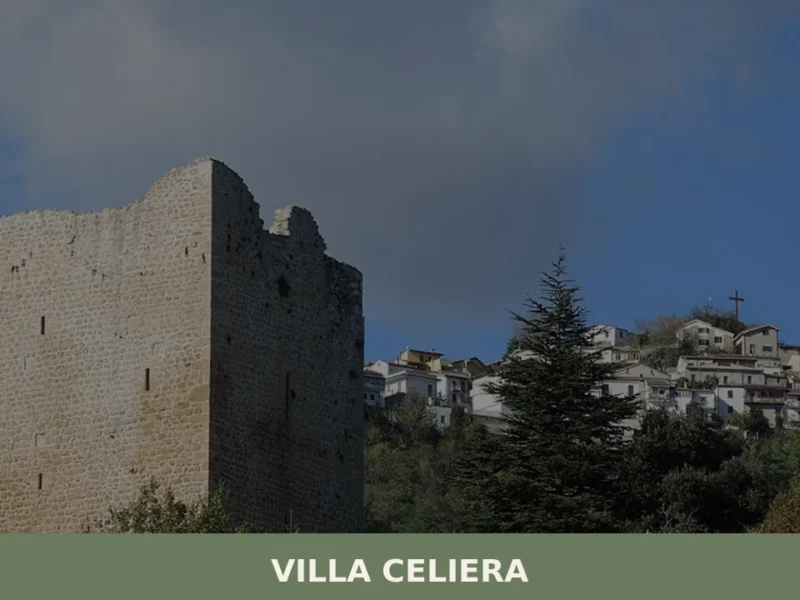
Villa Celiera
Mountain
At 714 metres above sea level, with 557 registered residents and an economy still tied to sheep farming and timber harvesting, Villa Celiera occupies a step on the eastern slope of the Gran Sasso, in the province of Pescara. The village overlooks the Fino valley from a position exposed to northeast winds for much of […]
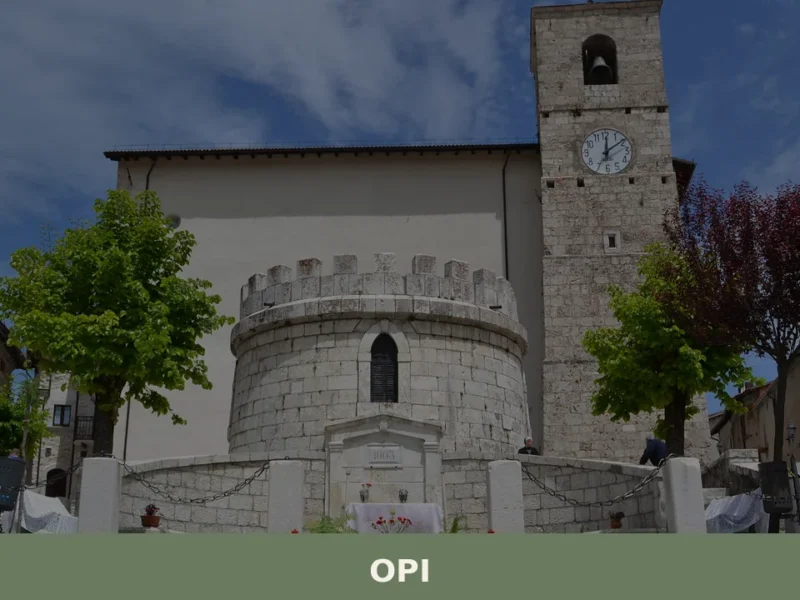
Opi
Mountain
What to see in Opi, Abruzzo, Italy: explore 3 historic monuments, the National Park of Abruzzo, and the Val Fondillo Necropolis. Discover how to get there.

Ateleta
Mountain
Morning fog lifts off the Alto Sangro valley in slow, deliberate sheets, revealing stone houses arranged along a ridge at over 750 metres above sea level. The air carries woodsmoke and the faint sound of a church bell marking seven o’clock. Ateleta, a village of 1,157 inhabitants in the province of L’Aquila, occupies a quiet […]
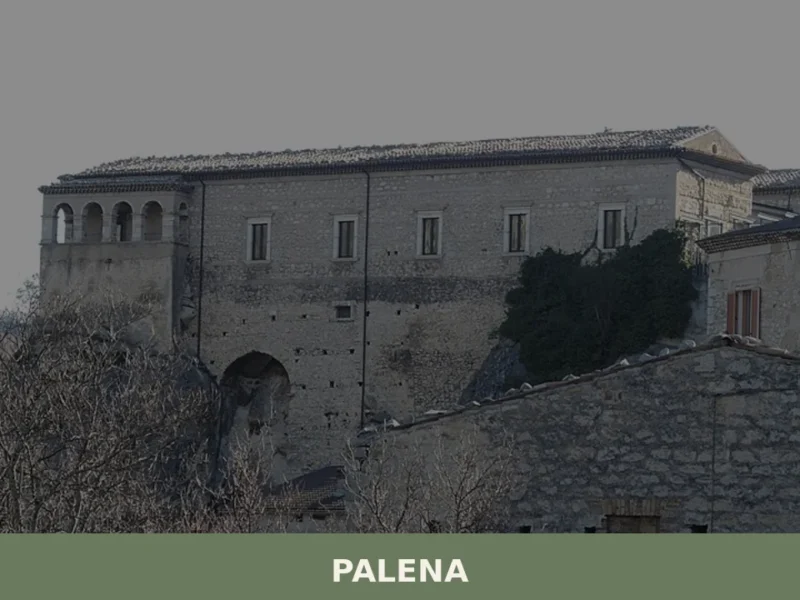
Palena
Mountain
What to See in Palena: discover 5 must-see attractions, from the Ducal Castle to the Marsican Bear Museum. Plan your visit and taste local products.
Cappadocia
Mountain
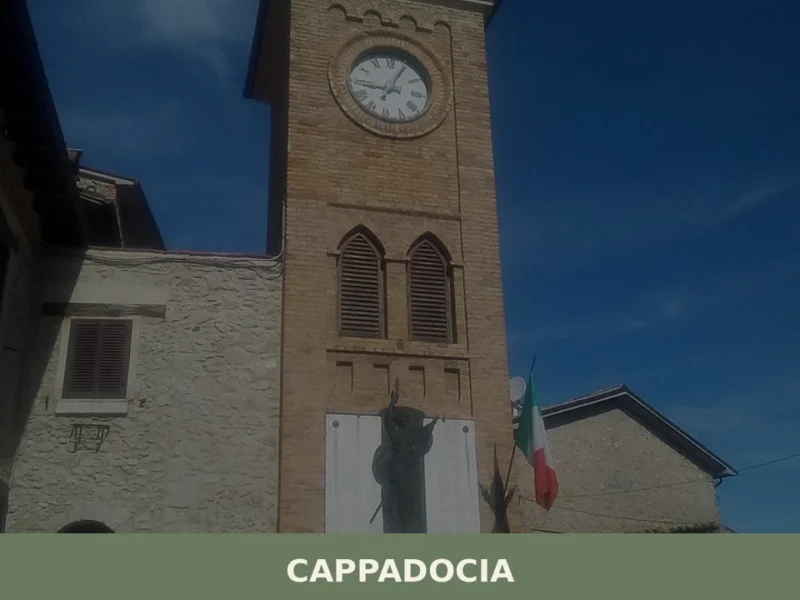
Cappadocia: discover historic churches and natural trails. Plan your visit today and experience the authenticity of this Abruzzo village.
Colledimacine
Mountain
One hundred and eighty-eight residents in the 2001 census, now down to 158: Colledimacine contracts with the regularity of a slow heartbeat, yet it holds on along the eastern ridge of the Majella massif, at 770 metres above sea level, in the province of Chieti. Anyone wondering what to see in Colledimacine should be prepared […]
Serramonacesca
 Hills
Hills
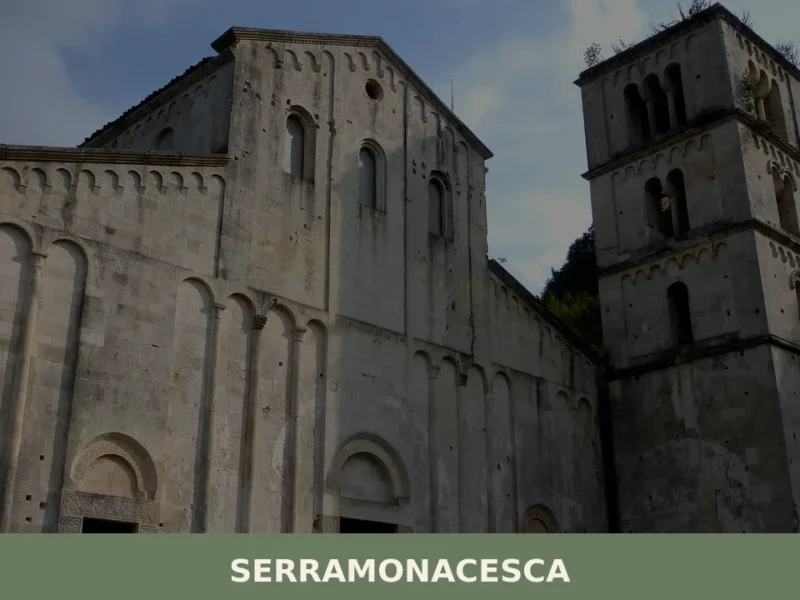
What to see in Serramonacesca, Abruzzo, Italy: discover 6 top attractions including the Abbey of San Liberatore, rock-cut tombs, and a medieval tower. Population 560.
Bussi sul Tirino
Mountain
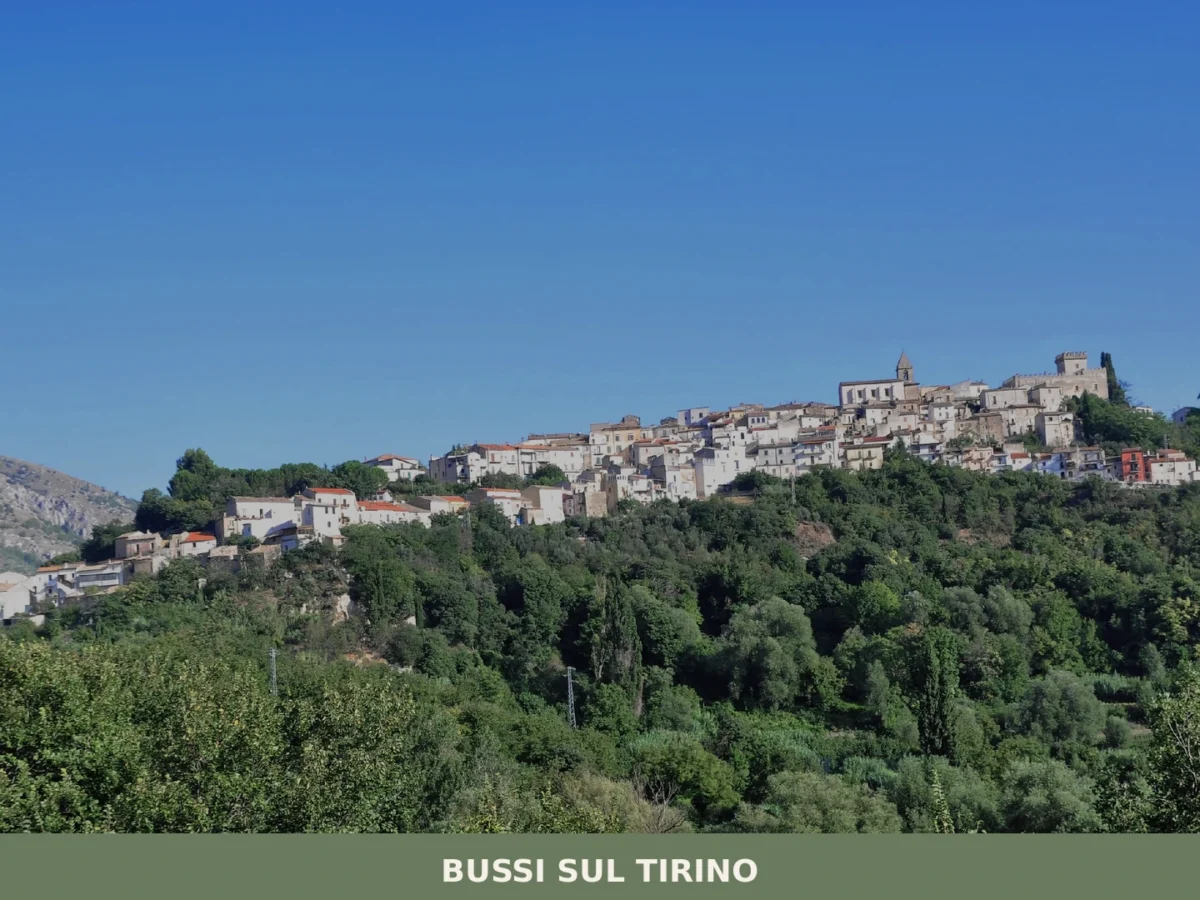
What to see in Bussi sul Tirino, Italy: explore 5 top attractions in the Gran Sasso National Park. Discover the Castello Mediceo and local food. Complete guide.





🏡 Know Fano Adriano better than we do?
If you’re a local or have been there, your knowledge matters: add what’s missing or fix a detail on this page.