


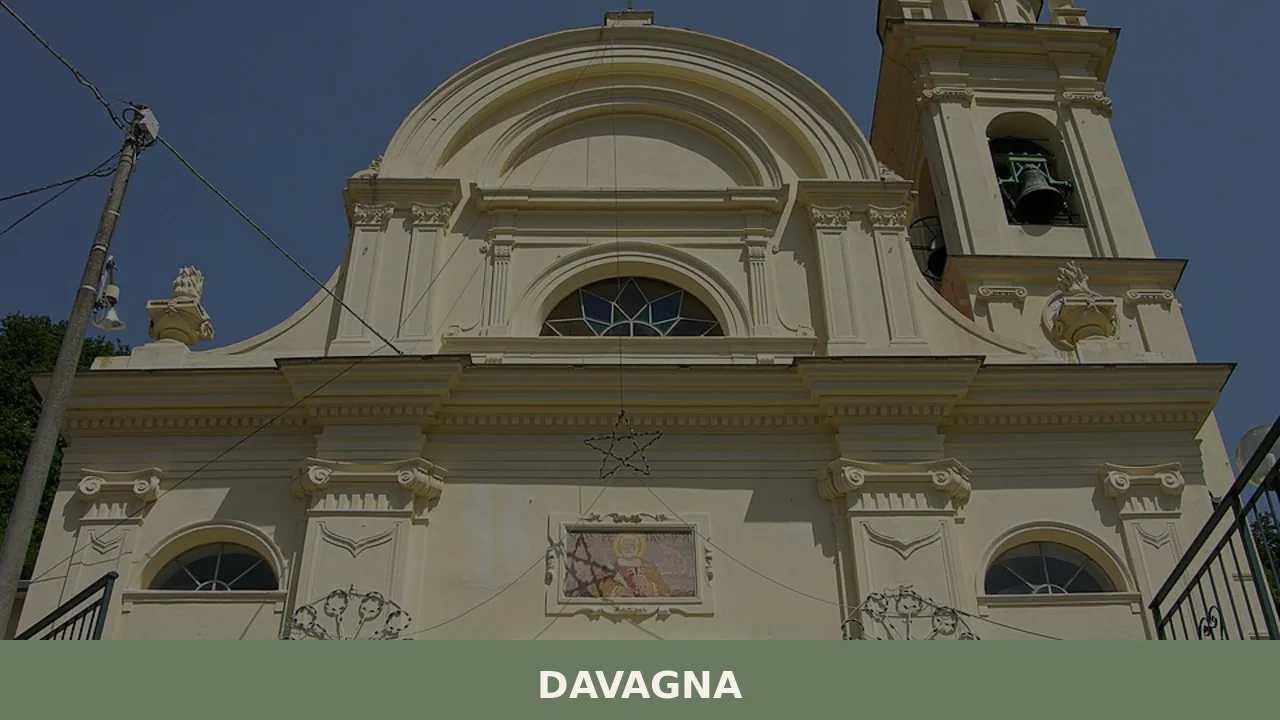
Davagna
At 552 meters above sea level, Davagna is a scattered municipality in the Genoese hinterland, comprising a main town and numerous hamlets spread across the slopes of the Bisagno Valley. Its geographical location, a short distance from the Ligurian capital, has historically influenced the economic and social dynamics of the area. For those wishing to […]
Discover Davagna
At 552 meters above sea level, Davagna is a scattered municipality in the Genoese hinterland, comprising a main town and numerous hamlets spread across the slopes of the Bisagno Valley. Its geographical location, a short distance from the Ligurian capital, has historically influenced the economic and social dynamics of the area. For those wishing to explore the hilly landscape and the traces of a less-known Liguria, Davagna offers points of interest that deserve attention. This itinerary suggests what to see in davagna, outlining a route among religious architecture, historical evidence, and natural views that define the identity of the place.
History and Origins of Davagna
The first documented records related to Davagna date back to the 12th century, a period when the territory was under the influence of the Republic of Genoa. The village’s name probably derives from the Ligurian term “davagna,” indicating a borderland or a transit area, an aspect consistent with its position along ancient communication routes between the coast and the Po Valley hinterland. Over the centuries, Davagna maintained a role as an agricultural and pastoral outpost, supplying resources to the nearby city of Genoa.
The 13th century saw the territory of Davagna involved in disputes between the Guelph and Ghibelline factions, with changes in ownership and fortifications that demonstrate the strategic importance of the area. Subsequently, control passed to the Fieschi family, one of the most powerful in Liguria, who exercised their dominion until the 16th century, when the fief was reintegrated into the possessions of the Republic of Genoa. Traces of this history are still visible in the fragmentation of the urban fabric, characterized by distinct residential centers, each with its own micro-history and peculiarities.
In 1797, with the fall of the Republic of Genoa and the creation of the Ligurian Republic under Napoleonic influence, Davagna became part of the Department of Bisagno. Subsequently, with its annexation to the Kingdom of Sardinia in 1815 and then to the Kingdom of Italy, the municipality experienced the typical transformations of rural areas, fluctuating between depopulation and attempts to enhance local heritage. To learn more about the municipality’s history, you can consult the official website of the Municipality of Davagna.
What to see in Davagna: 5 essential attractions
1. The Church of San Pietro Apostolo
Located in the main town of Davagna, the Church of San Pietro Apostolo is the municipality’s primary place of worship. Its current structure dates from reconstructions following historical damage, yet it retains elements of architecture rooted in more remote eras. The interior preserves sacred furnishings and artworks that reflect the local community’s devotion. The patron saint’s feast day, dedicated to Saint Peter, is celebrated on June 29th, a time of gathering and tradition for the inhabitants.
2. The Oratory of San Giovanni Battista
Adjacent to the parish church, the Oratory of San Giovanni Battista represents an example of Ligurian devotional architecture. These buildings, often managed by lay confraternities, were centers of social and religious life. Davagna’s oratory, with its simple facade and interiors that may house processional
In Liguria More villages to discover
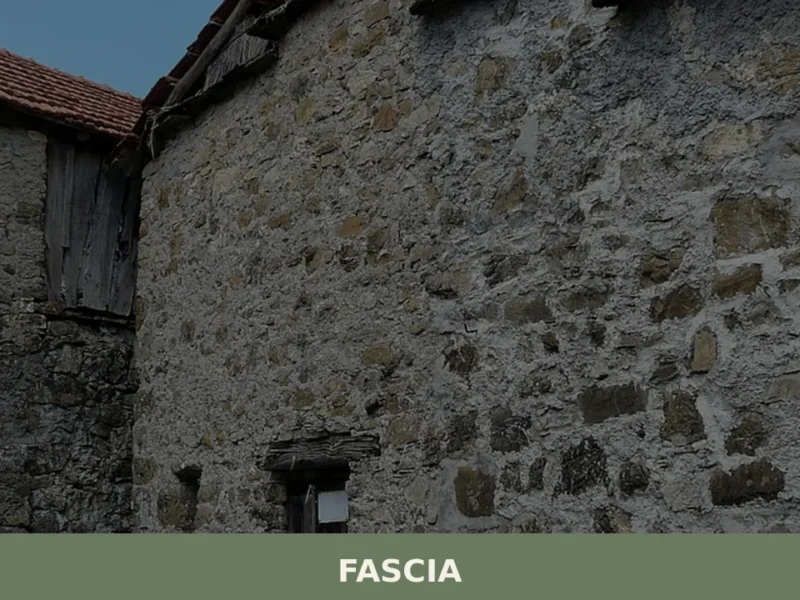
Fascia
At 1118 meters above sea level, Fascia, in the province of Genoa, stands out as one of Liguria’s highest municipalities, with a population of just 70 inhabitants. This demographic data, recorded in the last census, defines a setting of rare tranquility and a distinct mountain identity. For those wondering what to see in Fascia, it […]
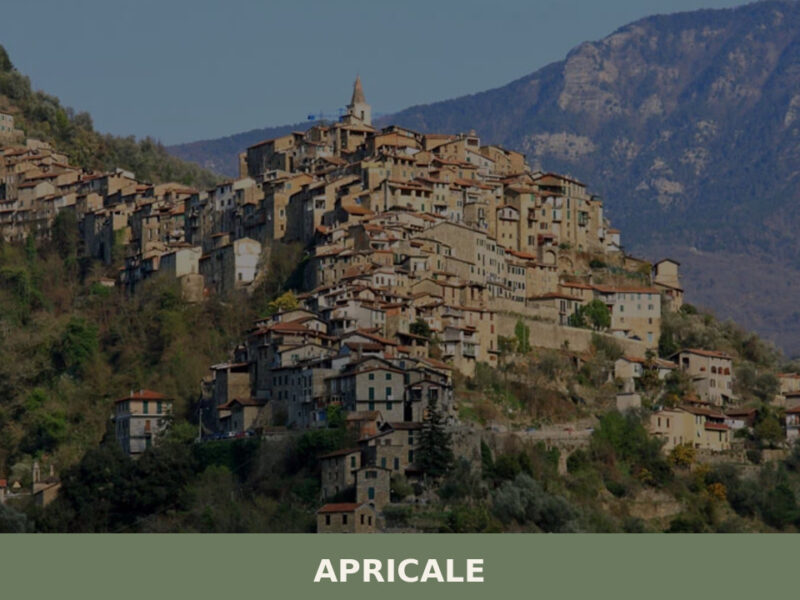
Apricale
A sun-facing medieval village of 626 inhabitants in Liguria's Val Nervia. Explore what to see in Apricale, from its castle to its open-air murals.
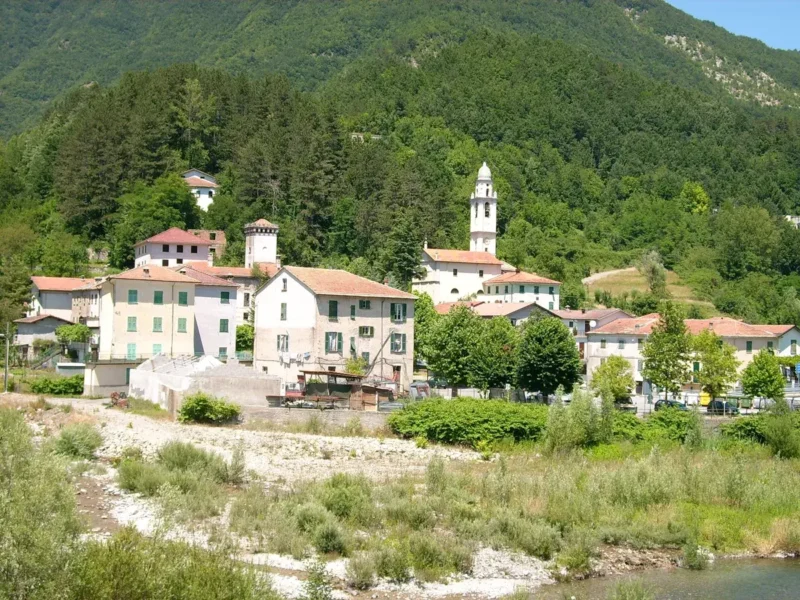
Gorreto
Gorreto: Complete Editorial Guide The stone bridge over the Trebbia, with its centuries-old arches, marks the entrance to Gorreto, a village that reveals itself with the discretion of a place that has watched the passage of people and goods for centuries. At 533 metres above sea level, in the province of Genova, this settlement of […]






📝 Incorrect information or updates?
Help us keep the Davagna page accurate and up to date.