


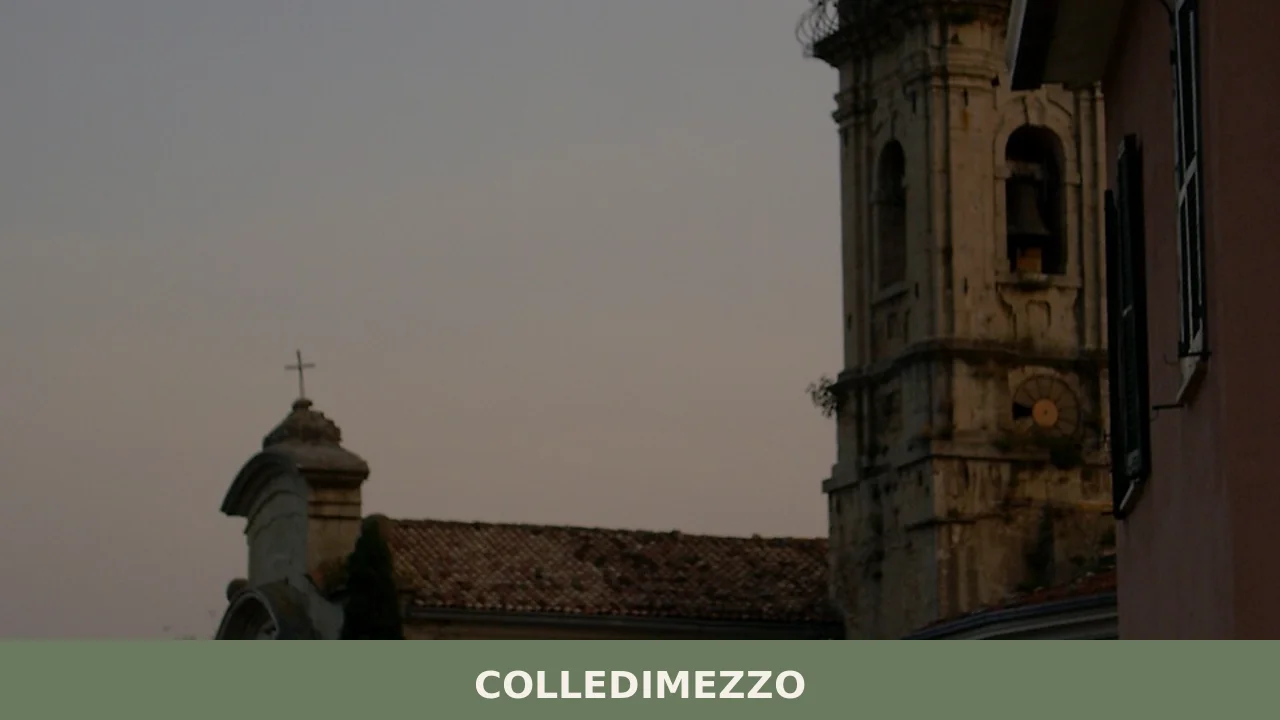
Colledimezzo
 Hills
Hills
Colledimezzo has 440 inhabitants and extends along a hillside ridge at 425 metres above sea level, in the province of Chieti, overlooking the Sangro river valley and the artificial lake of Bomba. Anyone looking for what to see in Colledimezzo will find a settlement whose urban layout preserves the concentric plan of the fortified medieval […]
Discover Colledimezzo
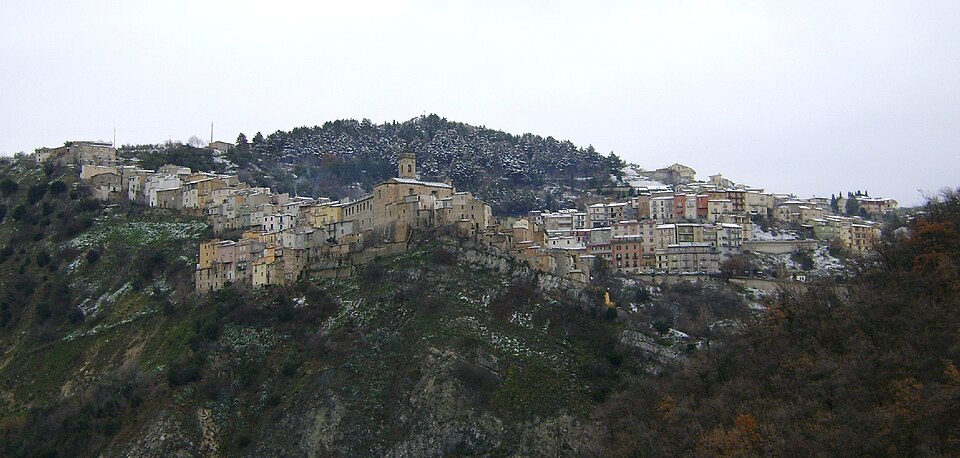
Colledimezzo has 440 inhabitants and extends along a hillside ridge at 425 metres above sea level, in the province of Chieti, overlooking the Sangro river valley and the artificial lake of Bomba. Anyone looking for what to see in Colledimezzo will find a settlement whose urban layout preserves the concentric plan of the fortified medieval core, with streets following the contour lines of the hill and converging toward the upper part of the village, where the main church and the remains of the watchtower stand.
History and origins of Colledimezzo
The place name “Colledimezzo” derives from the geographical position of the settlement, located between the Adriatic coast and the Maiella mountains — literally “the hill in the middle” between the two altitudinal bands of southern Abruzzo. The earliest documentary records date back to the medieval period, when the territory fell under the influence of the Counts of Sangro, one of the most powerful feudal families in the area. Like most centres in the province of Chieti, the village followed the fortunes of the Kingdom of Naples, passing through various feudal domains between the 13th and 18th centuries.
The creation of Lake Bomba in 1958, with the construction of the dam on the Sangro river, radically transformed the surrounding landscape. The artificial basin, over four kilometres long, reshaped the visual and environmental boundaries of Colledimezzo, which today looks directly down over the body of water from its southern slope. This event also marked the local economy, shifting some agricultural activities to higher ground and introducing new forms of land use linked to fishing and lakeside tourism.
During the 20th century, Colledimezzo experienced severe depopulation, a trend shared by much of the Abruzzo hinterland. From the nearly two thousand inhabitants recorded in early-century censuses, the population has gradually declined to the current 440 residents. The patron saint of the village is San Rocco, whose feast day still marks the community calendar and represents the main occasion for gathering among residents and emigrated families who return for the event.
What to see in Colledimezzo: churches, views and the lake
Church of San Salvatore
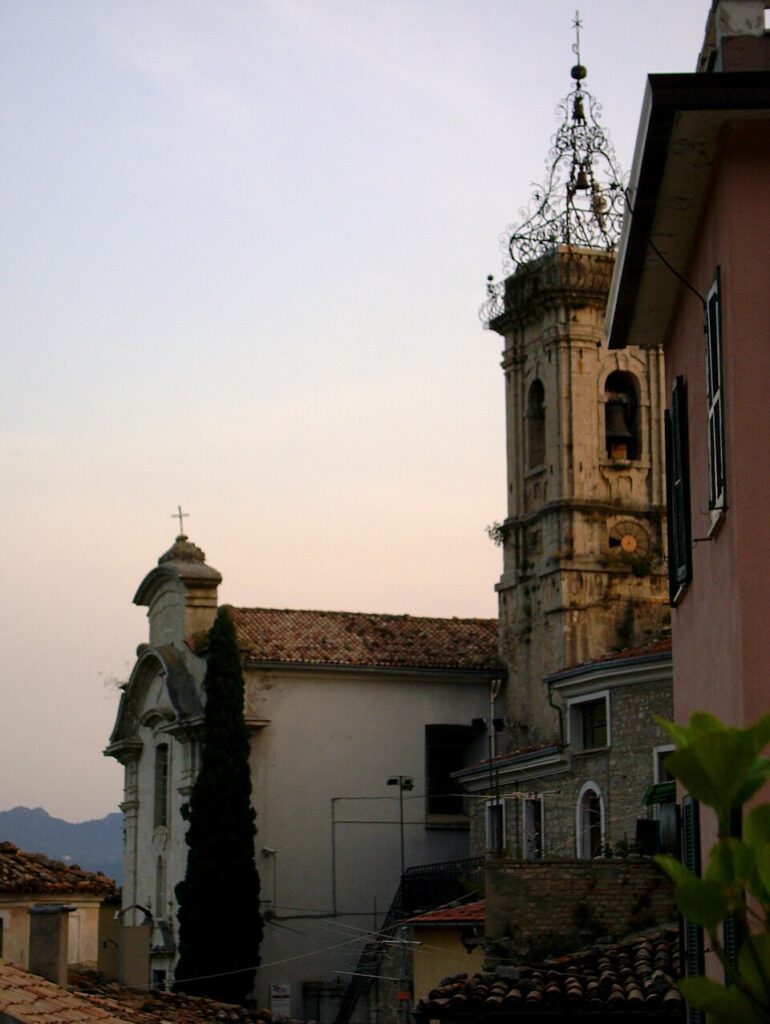
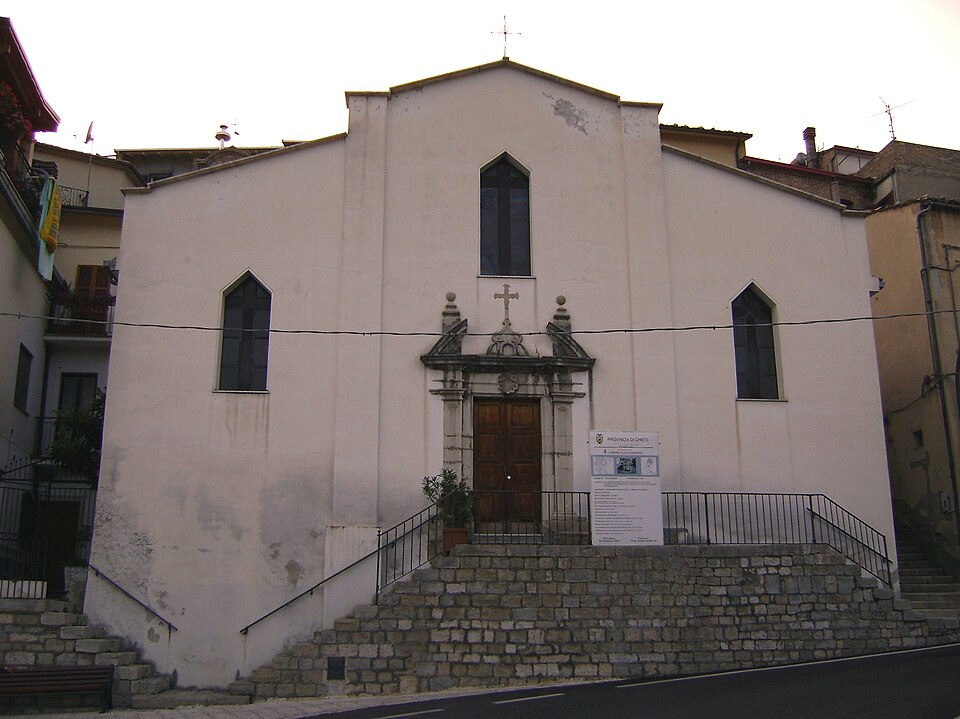
The main religious building of the village, dedicated to the Most Holy Saviour, retains a structure that has been remodelled across several periods. The façade features a portal in locally worked stone, while the single-nave interior houses an 18th-century high altar and several wooden statues of Abruzzese craftsmanship, including one of San Rocco that is carried in procession during the patron saint’s feast.
Remains of the medieval tower
In the upper part of the village, the remains of the medieval defensive structure that once controlled the Sangro valley are still visible. The tower, now reduced to a few courses of masonry incorporated into the surrounding houses, attests to the strategic function of the hill as an observation point between the coast and the mountainous interior. The position still affords an open view spanning over thirty kilometres of horizon.
Lake Bomba
The artificial basin created by the damming of the Sangro extends at the foot of the village and can be reached in just a few minutes from the centre. The shores on the Colledimezzo side offer equipped areas for sport fishing — carp, perch and pike populate the waters — and unpaved trails suitable for walking or cycling. In summer the lake is also used for canoeing and kayaking.
Historic centre and baronial palace
The old core maintains a clearly readable concentric layout: the houses in local limestone, many with external staircases and wrought-iron balconies, are arranged along concentric streets connected by narrow flights of steps. The baronial palace, in the central area of the village, features a rusticated portal and windows with moulded frames that indicate a renovation carried out between the 17th and 18th centuries.
Viewpoint over the Maiella
From the eastern edge of the village, a natural terrace allows you to observe the Maiella massif — the second-highest peak in the Abruzzo Apennines at 2,793 metres — in its full extent. On clear days, frequent during the autumn and winter months, the vegetation bands rising from beech forests to high-altitude grasslands are clearly distinguishable. It is the most photographed spot in the village.
What to see in Colledimezzo: food and local produce
The cuisine of Colledimezzo is that of the Chieti hinterland, built on a foundation of cereals, legumes and sheep meat. The most common dishes in local trattorias and private homes include sagne e fagioli — fresh pasta cut into broad strips and cooked with borlotti beans — and arrosticini, skewers of sheep meat cut into small cubes and grilled over a narrow brazier called a “fornacella”. Ventricina, a cured meat made from pork preserved in the pig’s stomach and aged with sweet and hot chilli pepper, is the most representative charcuterie product of the area.
The extra-virgin olive oil produced in the area falls within the hill belt of the province of Chieti, where the Gentile di Chieti and Leccino varieties are cultivated, with harvesting between October and November. The surrounding vineyards produce Montepulciano d’Abruzzo DOC and Trebbiano d’Abruzzo DOC, the two pillars of regional winemaking. Direct sales at the farms in the surrounding area are the most common way to purchase for those visiting the village.
When to visit Colledimezzo: the best time
The feast of San Rocco, celebrated on 16 August, is when the village reaches its peak number of visitors. The procession winds through the historic centre and ends with fireworks over the lake. In the days leading up to it, open-air dinners are held in the small squares of the village, with communal preparations of handmade pasta. It is the only time of year when the resident population doubles thanks to the return of those who have emigrated.
The hill climate makes the months between May and June particularly well suited to a visit: temperatures range between 15 and 25 degrees, the days are long and the lake is already accessible without the crowds of July and August. Autumn — from mid-September to the end of October — brings the olive harvest and the grape harvest, with the surrounding woods turning to shades of ochre and rust. Winter is cold, with night-time temperatures dropping below zero, but visibility over the snow-covered Maiella reaches its greatest clarity.
How to get to Colledimezzo
By car, from the A14 Adriatica motorway, take the Val di Sangro exit and continue on the SS652 fondovalle Sangro road toward Bomba for about 20 kilometres; the drive from the coast takes 30–35 minutes. From Rome the distance is approximately 220 kilometres, covered in just under three hours via the A25 Roma-Pescara motorway, exiting at Bussi/Popoli and continuing south. From Pescara the route is about 90 kilometres, one hour and fifteen minutes of driving.
The nearest railway station is Archi-Perano on the Sulmona-Carpinone line, about 15 kilometres from the village. The reference airport is Pescara’s d’Annunzio, 90 kilometres away. Local public transport is limited to a few daily bus services, so a car remains by far the most practical means of reaching and exploring Colledimezzo and its surroundings.
Other villages to discover in Abruzzo
Those travelling along the Abruzzo hill belt will find, north of Colledimezzo, the village of Casacanditella, in the same province of Chieti. The village, set on a hill looking toward the eastern Maiella, shares with Colledimezzo a compact medieval urban layout and an agricultural vocation centred on olive and vine cultivation. Reaching it means crossing the Chieti countryside along provincial roads that link one hilltop settlement to the next, with short travel times.
Moving further inland, in the province of L’Aquila, Navelli is an important reference point for anyone following an itinerary through the villages of Abruzzo. The village is known for saffron cultivation, an activity documented since the 14th century and still practised today in the fields of the surrounding plateau. The distance from Colledimezzo is approximately 100 kilometres, crossing the inland valleys: a route that reveals the transition from the hilly landscape of the Sangro to the L’Aquila plain, at the foot of the Gran Sasso.
Frequently asked questions about Colledimezzo
What is the best time to visit Colledimezzo?
May and June offer the most comfortable conditions, with temperatures between 15 and 25°C, long days and Lake Bomba already accessible. Autumn (mid-September to late October) coincides with the olive and grape harvests, with the surrounding woods turning ochre and rust. The feast of San Rocco on 16 August is the village's most animated moment: the population doubles as emigrants return, processions wind through the historic centre and fireworks are launched over the lake. Winter brings sharp clarity over the snow-covered Maiella but cold nights with temperatures below zero.
What are the historical origins of Colledimezzo?
The name literally means 'the hill in the middle', reflecting the village's position between the Adriatic coast and the Maiella mountains. Medieval records place the territory under the Counts of Sangro, one of the most powerful feudal dynasties in the area. The village subsequently passed through various feudal domains within the Kingdom of Naples between the 13th and 18th centuries. A defining modern event was the construction of the Bomba dam in 1958, which created the artificial lake at the foot of the hill and permanently reshaped the local landscape and economy.
What to see in Colledimezzo? Main monuments and landmarks
The Church of San Salvatore is the main religious building, featuring a stone portal and a single-nave interior with an 18th-century high altar and wooden statues including one of San Rocco. In the upper village, the remains of the medieval defensive tower are incorporated into surrounding houses and offer a panoramic view spanning over thirty kilometres. The baronial palace in the historic centre displays a rusticated portal and moulded-frame windows from a 17th–18th-century renovation. The concentric layout of the old core, with limestone houses and external staircases, is itself a distinctive feature worth exploring on foot.
What are the main natural and scenic attractions near Colledimezzo?
Lake Bomba lies directly below the village and can be reached in a few minutes by car. The Colledimezzo shoreline offers equipped areas for sport fishing (carp, perch and pike), unpaved trails for walking and cycling, and summer activities including canoeing and kayaking. From the eastern edge of the village, a natural terrace provides an unobstructed view of the Maiella massif (2,793 m), with beech forests and high-altitude grasslands clearly visible on clear days — most frequent in autumn and winter.
Where are the best spots for photography in Colledimezzo?
The natural terrace on the eastern edge of the village is the most photographed spot, offering a full panorama of the Maiella massif. Autumn and winter provide the sharpest visibility, with snow on the higher peaks. The southern slope of the village, which looks directly down over Lake Bomba, offers wide-angle views of the artificial basin and the Sangro valley. Within the historic centre, the narrow stepped alleys between limestone houses and the baronial palace portal are the most photogenic architectural subjects.
Are there churches or historic buildings to visit in Colledimezzo?
Yes. The Church of San Salvatore, in the upper part of the village, is freely accessible and contains an 18th-century high altar, wooden Abruzzese statues and the venerated statue of San Rocco brought out in procession on 16 August. The remains of the medieval watchtower are visible from the street in the highest part of the village, incorporated into the fabric of private houses. The baronial palace in the central area is notable for its rusticated portal and moulded window frames, evidence of a late-feudal renovation between the 17th and 18th centuries.
What can you do in Colledimezzo? Activities and experiences
Lake Bomba is the main activity hub: sport fishing for carp, perch and pike, canoeing and kayaking in summer, and lakeside walking and cycling on unpaved trails. The historic centre is best explored on foot along its concentric medieval lanes. Around 16 August, the feast of San Rocco brings communal open-air dinners with handmade pasta and a procession through the village. In autumn, the surrounding farms open for direct-sale purchases of extra-virgin olive oil during the October–November harvest and local Montepulciano and Trebbiano d'Abruzzo DOC wines.
Who is Colledimezzo suitable for? Families, couples, hikers, solo travellers?
Colledimezzo suits travellers looking for an unhurried, authentic Abruzzo hill experience rather than organised tourist infrastructure. Couples and slow-travel enthusiasts will appreciate the compact medieval centre, lake views and excellent local food and wine. Anglers and outdoor lovers are well served by Lake Bomba's fishing areas and lakeside trails. Families can combine easy cycling by the lake with the village's manageable walking distances. The feast of San Rocco on 16 August is the best occasion for anyone wishing to experience a genuine community event in a small Abruzzo village.
What to eat in Colledimezzo? Local specialities and products
The local table follows the Chieti hinterland tradition. Sagne e fagioli — broad fresh pasta strips cooked with borlotti beans — is a staple first course. Arrosticini, small cubes of sheep meat grilled on a narrow brazier called a fornacella, are the most iconic dish of the Abruzzo hills. Ventricina, a pork charcuterie aged with sweet and hot chilli, represents the area's most distinctive cured meat. Extra-virgin olive oil from Gentile di Chieti and Leccino varieties is harvested in October–November. Montepulciano d'Abruzzo DOC and Trebbiano d'Abruzzo DOC are the reference wines, available for direct purchase at surrounding farms.
📷 Photo Gallery — Colledimezzo
Nearby Villages near Colledimezzo

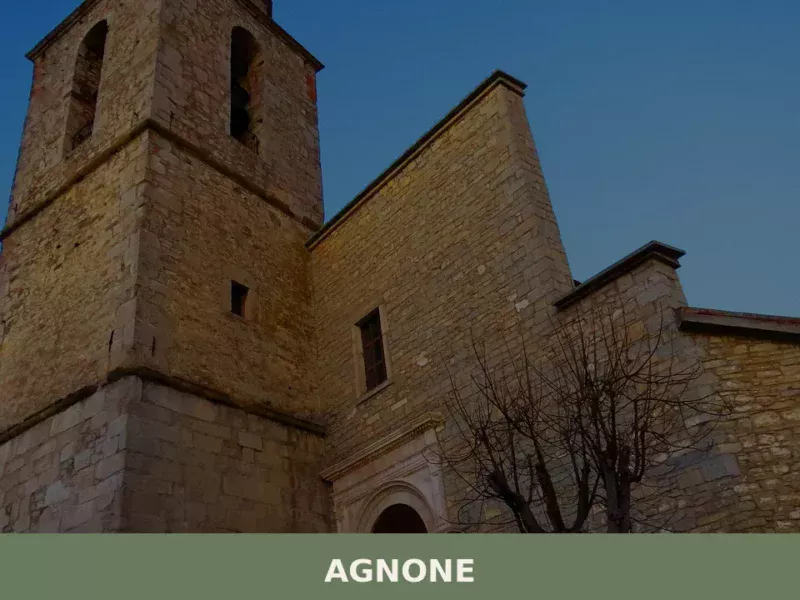
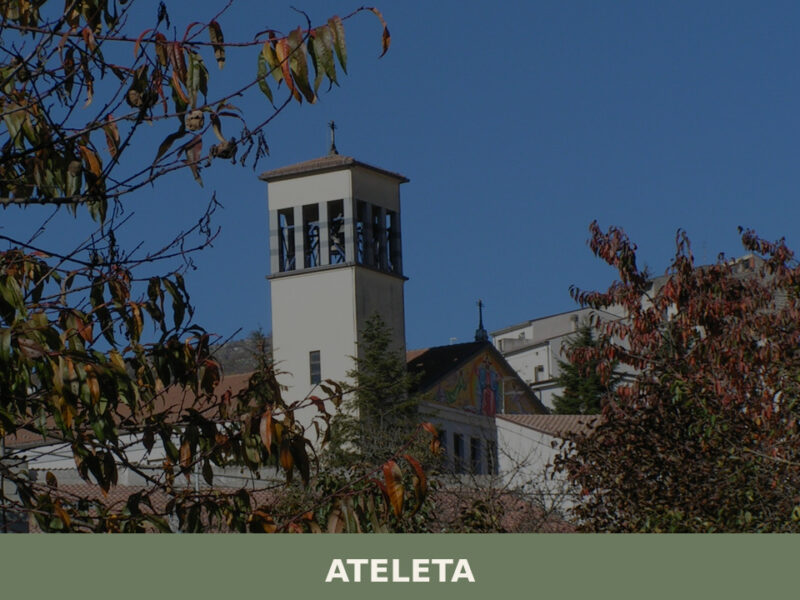
In Abruzzo More villages to discover
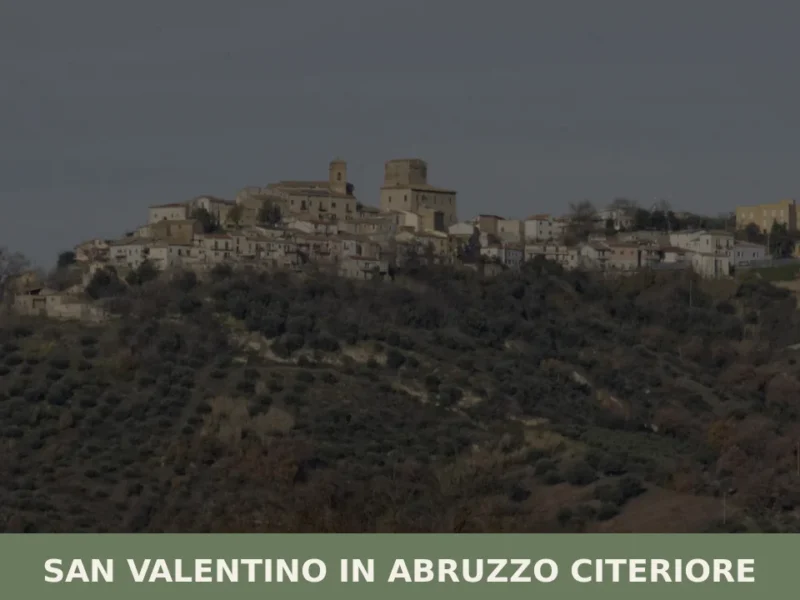
San Valentino in Abruzzo Citeriore
Hills
The Apennine peaks rise around San Valentino in Abruzzo Citeriore, a mountain hill town that has maintained its historical character over centuries. Situated on the northern edge of the Majella National Park, this location offers commanding views and a sense of enduring heritage. In this article History of San Valentino in Abruzzo Citeriore What to […]
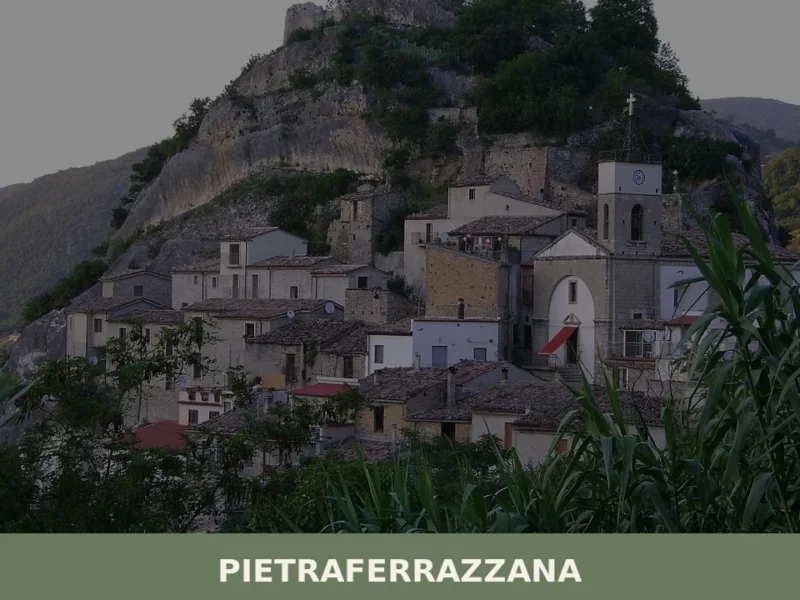
Pietraferrazzana
Hills
The rock that gives the village its name is no metaphor: Pietraferrazzana literally grew up against a stone cliff, and the profile of the village changes depending on where you stand along the Sangro valley floor. In this article History and Origins of Pietraferrazzana What to See in Pietraferrazzana: Main Attractions Traditional Cuisine and Products […]
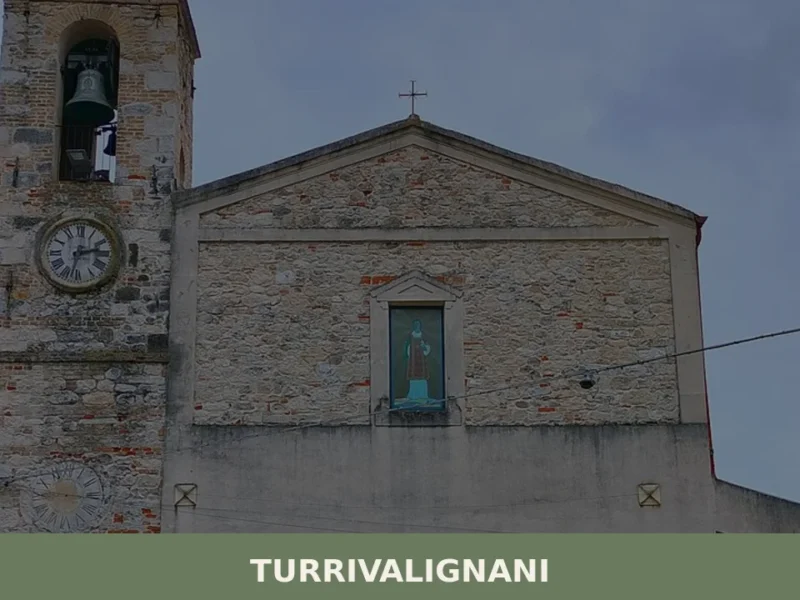
Turrivalignani
Hills
What to see in Turrivalignani? Discover the ancient village, the Church of San Nicola, and nature trails. Plan your visit to Abruzzo!
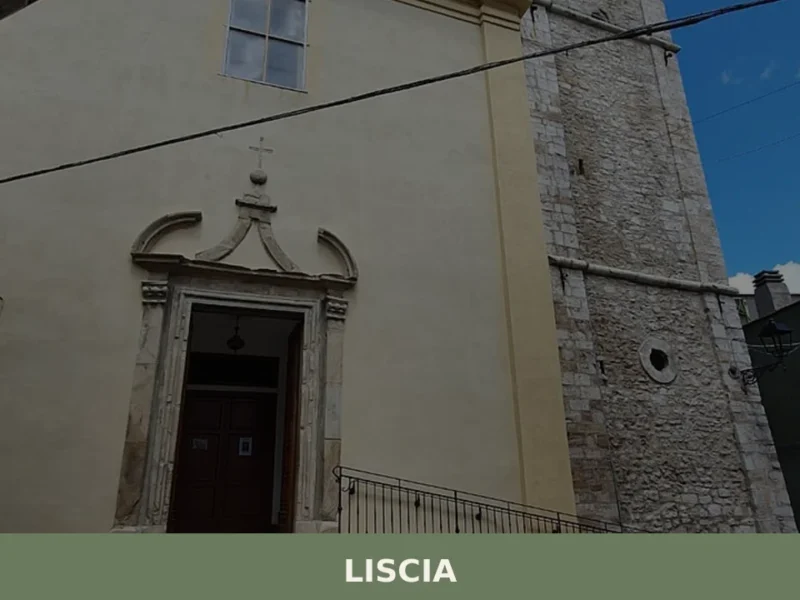
Liscia
 Mountain
What to see in Liscia: 642 residents, alt. 740 m. Discover Saint Michael's Church and arrosticini! Explore history and cuisine.
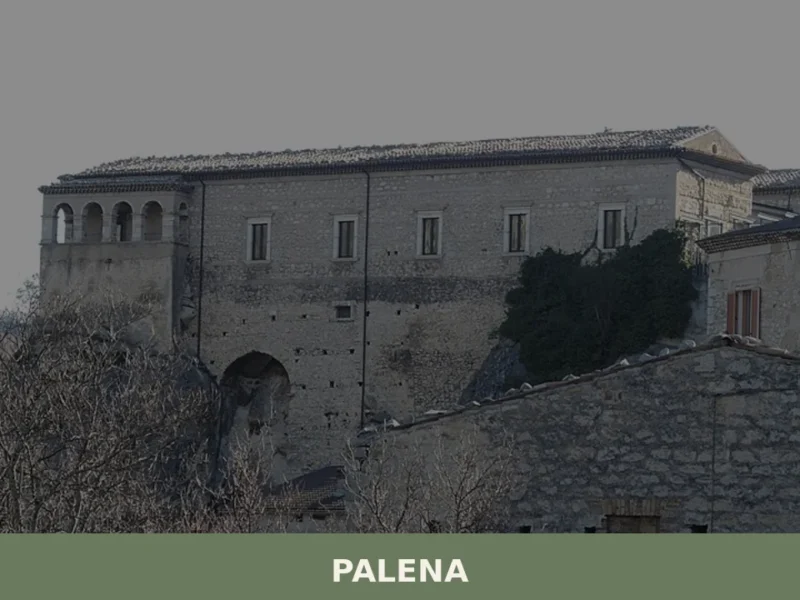
Palena
Mountain
What to See in Palena: discover 5 must-see attractions, from the Ducal Castle to the Marsican Bear Museum. Plan your visit and taste local products.
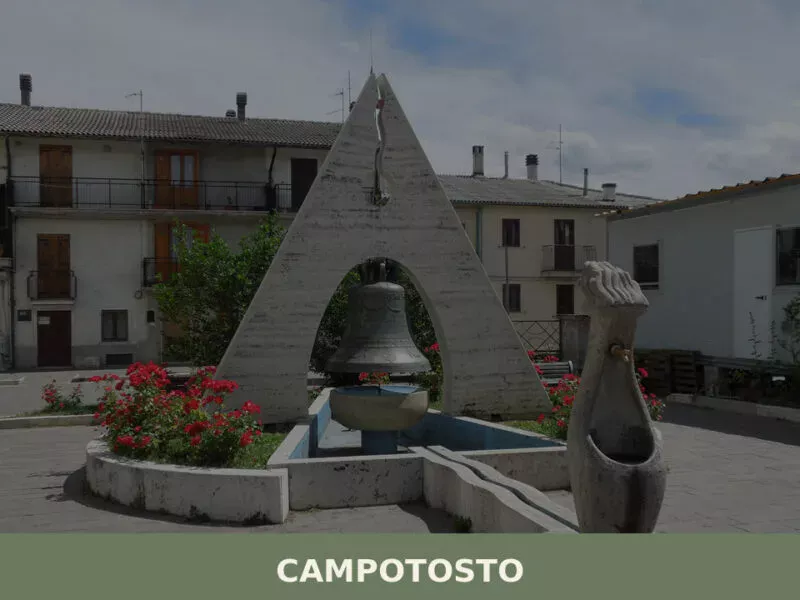
Campotosto
 Lake
Mountain
Lake
Mountain
At 1,420 metres beside one of Europe's largest artificial lakes, Campotosto offers wild Apennine landscapes, cured mortadella, and trails into the Gran Sasso National Park.
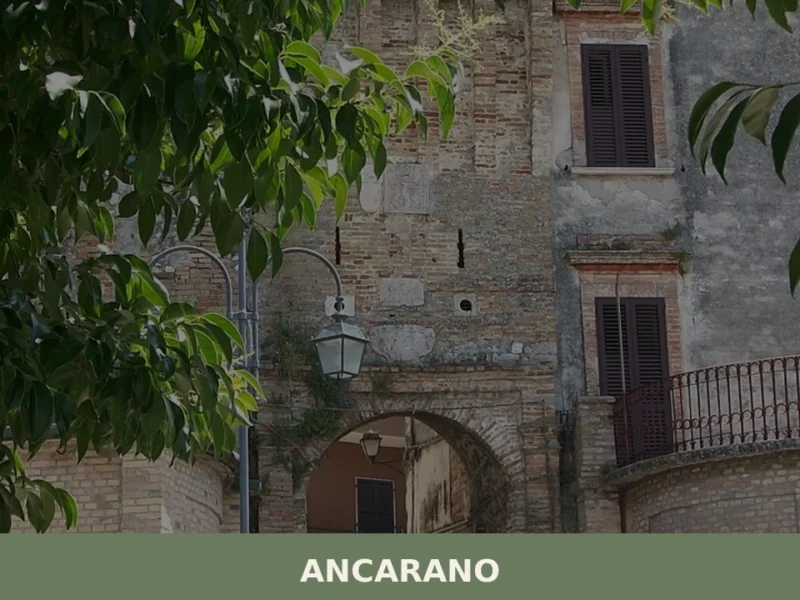
Ancarano
Hills
At 295 metres above sea level, where the province of Teramo brushes against the border with the Marche, Ancarano occupies a strip of hilly territory that slopes down towards the Val Vibrata, with a population of 1,824 inhabitants spread between the historic centre and the surrounding hamlets. Anyone wondering what to see in Ancarano will […]
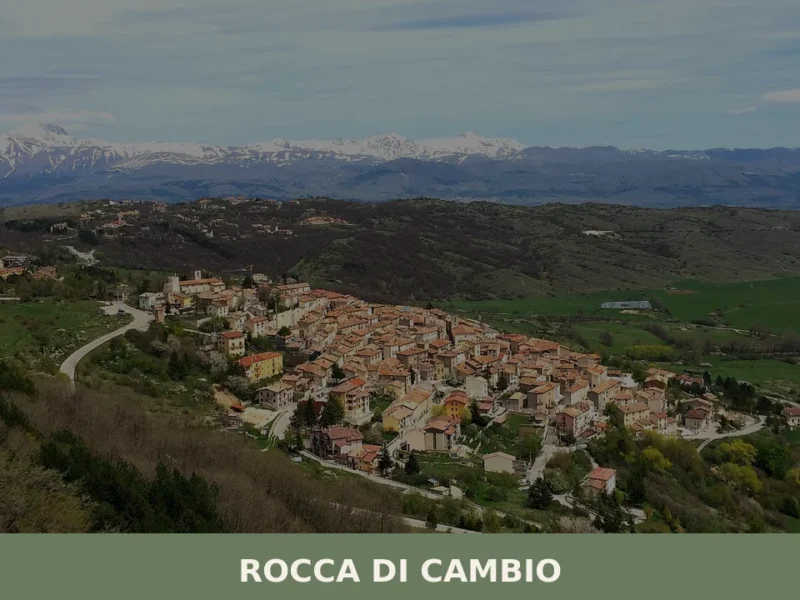
Rocca di Cambio
Mountain
What to see in Rocca di Cambio, Italy: explore the Abbey of Santa Lucia, Campo Felice ski resort and the Sirente-Velino Park. 495 inhabitants. Discover it now.
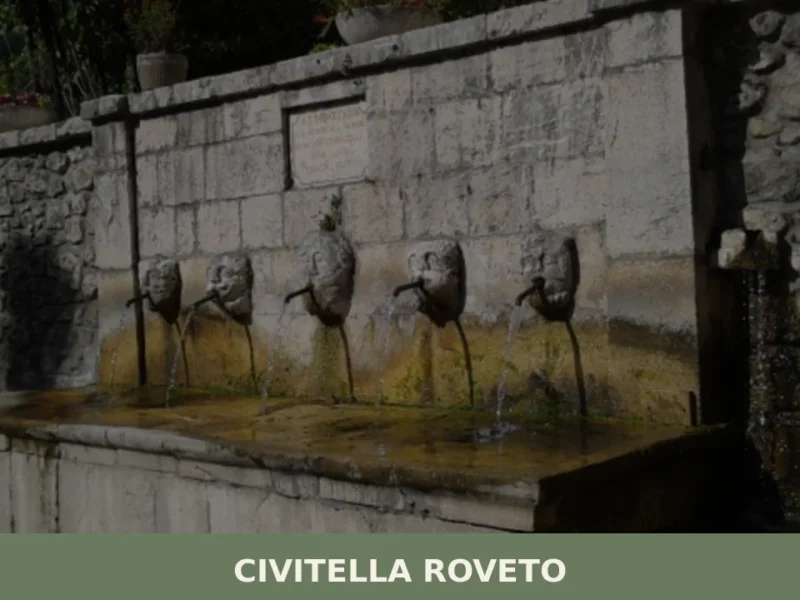
Civitella Roveto
Hills
At 528 metres above sea level, on the eastern side of the Valle Roveto, Civitella Roveto has a current population of 3,327, spread between the old town and the hamlets along the River Liri. The valley, a natural corridor between the Marsica and Lazio, determined the strategic role of this settlement for centuries. Understanding what […]
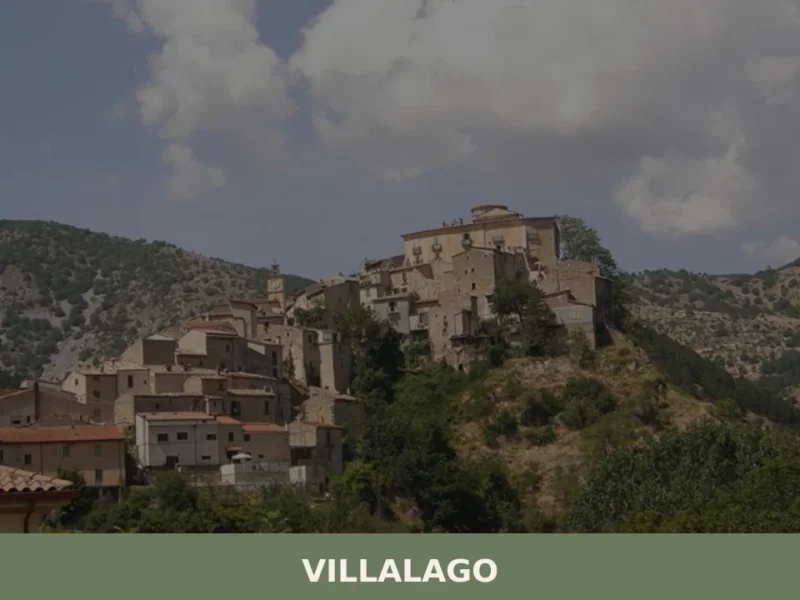
Villalago
Lake
Mountain
What to see in Villalago, Italy: Discover this Abruzzo village of 579 inhabitants. Explore the Rocca and Hermitage of San Domenico. Read our guide for your trip to Abruzzo.



🏡 Know Colledimezzo better than we do?
If you’re a local or have been there, your knowledge matters: add what’s missing or fix a detail on this page.