


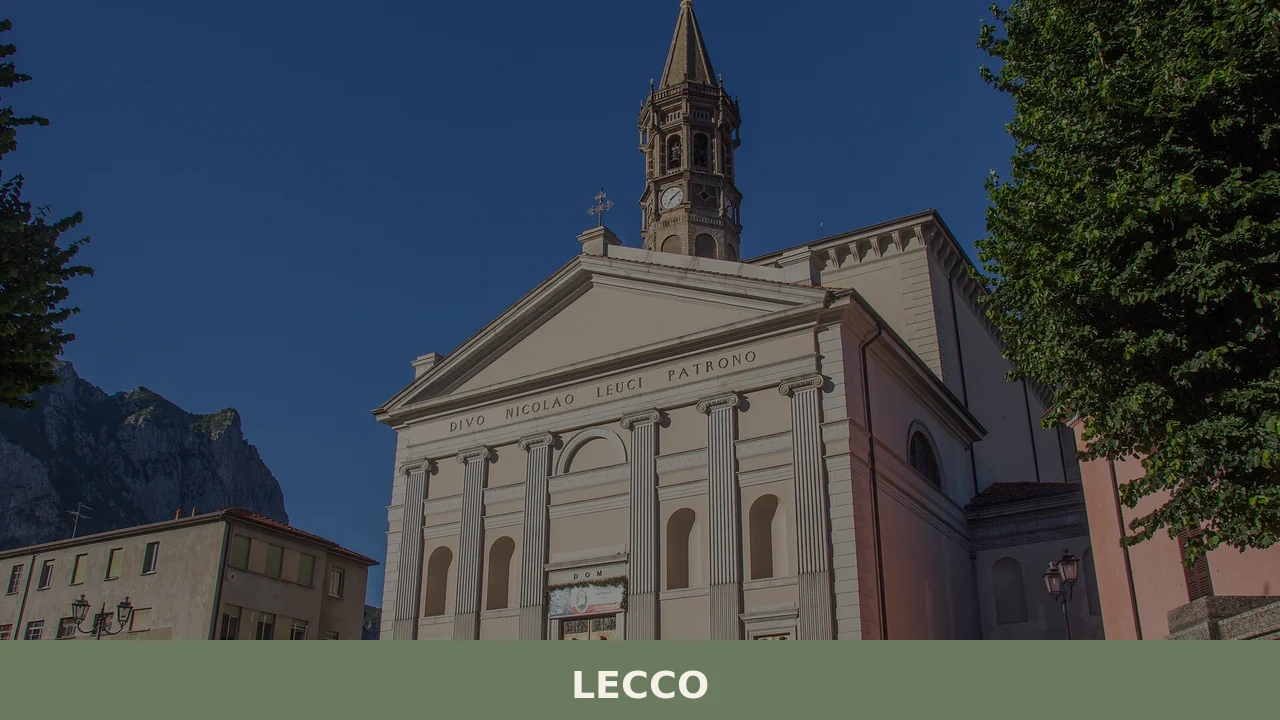
Lecco
 Lake
Lake
 Mountain
what to see in lecco, Italy: Explore the 5 essential attractions of this Lombard city, from the historic Azzone Visconti Bridge to the towering Mount Resegone. Discover its 47,240 inhabitants.
Discover Lecco
The eastern branch of Lake Como, known as the Branch of Lecco, suddenly contracts itself between a headland and a sloping bank, giving way to the River Adda. This geographical feature, where the lake narrows, necessitated the construction of four significant bridges, linking the city to Milan and Como. The region is further defined by the imposing Bergamo Alps to the north and east, providing a dramatic backdrop to the city’s urban landscape.
Lecco marks the southern end of the Valsassina, a valley cutting through these mountains.
For those wondering what to see in Lecco, this Lombard city of 47,240 inhabitants offers a captivating blend of historical depth and natural splendor. Visitors to Lecco find prominent landmarks such as the ancient Azzone Visconti Bridge, dating back to the 14th century, and the majestic Mount Resegone, which dominates the eastern skyline. The Lecco highlights include exploring its significant industrial heritage, which earned it the moniker “the Iron city,” alongside its literary connections to Alessandro Manzoni.
History of Lecco
The name Lecco is thought to have a Celtic origin, stemming from words like Lech or Loch, meaning “lake,” a fitting descriptor for its position on Lake Como. Before 1000 B.C., Gaulish and Celtic populations migrated to the territory for trade, giving the area the name “Leucos.” This denomination was later transformed into Leucum by the Romans under Julius Caesar around 200 B.C., distinguishing it from the Roman city of Leucera founded in 95 B.C. by Licinius Crassus in the Larian area.
Archaeological excavations conducted by the Civic Museums of Lecco in 1988 revealed a village of the Golasecca Culture, dating to the first Iron Age, at the Rocca di Chiuso.
Further discoveries in 2005 by the Civic Museums and the University of Bergamo uncovered the oldest metallurgical production site in the entire Alpine arc, active between the 2nd and 1st centuries B.C. During the Middle Ages, the region’s strategic location as a crossroads connecting Lombardy with territories beyond the Alps made it a site of numerous clashes. The fortified system of Castrum Leuci became an important Carolingian committee seat in 960, subsequently submitted to the Archbishop of Milan.
Lecco played a significant role in the ten-year war against Como, aligning with Milan in 1117, which culminated in Como’s capitulation in March 1125. The village faced destruction in 1296 by Matthew I Visconti during struggles against the Torriani family but was later rebuilt and reconquered by Azzone Visconti. Until 1757, Lecco operated as a free municipality with its own statutes, functioning as a small autonomous state within the Duchy of Milan. Following the fall of the Duchy, Lecco came under Spanish dominion and was transformed into a military stronghold under Charles V, enduring plagues and famines, as depicted in Manzoni’s The Betrothed.
In 1714, Lombardy passed to Austrian control, leading to a flourishing period in the second half of the 19th century with neoclassical constructions and significant industrial development, especially in steel, earning Lecco the title “the Iron city.” The city was briefly promoted to city status on June 22, 1848, then downgraded, before regaining its city title in 1859 after Lombardy was conquered by the Kingdom of Sardinia. Lecco was named Alpine Town of the Year in 2013 and became a province on March 6, 1992. This rich history contributes significantly to what to see in Lecco today, offering diverse perspectives for visitors.
What to see in Lecco, Lombardia: top attractions
Beyond the city’s rich history and natural setting, what to see in Lecco encompasses a range of architectural and cultural sites that reflect its past and present. From medieval bridges to literary villas, each site offers a unique perspective on this Lombard city. These attractions provide a comprehensive overview for any visitor.
Azzone Visconti Bridge
The historic Azzone Visconti Bridge, also known as Ponte Vecchio, spans the Adda River with its ancient stone arches.
Construction of this vital crossing began in 1336 and was completed in 1338, making it a testament to medieval engineering. The bridge served as a crucial link for road communications between Lecco, Como, and Milan for centuries, predating the Kennedy Bridge (1956) and the Alessandro Manzoni Bridge (1985). Visitors can walk across its venerable structure, observing the river’s flow and the small Viscontea Island situated nearby, offering a direct connection to the city’s strategic past.
Mount Resegone
Dominating the eastern horizon, Mount Resegone rises to a maximum altitude of 1,875 metres (6,152 ft) above sea level. Its distinctive profile, characterized by multiple rocky teeth, gives the mountain its name, resembling a gigantic saw when viewed from the town. This mountain is part of the Orobic Prealps and significantly shapes the Lombard landscape extending towards Milan. Climbing paths offer diverse views of Lake Como and the surrounding valleys, providing an understanding of the region’s varied morphology, ranging from the lake area at 198 metres (650 ft) to the rugged peaks.
Villa Manzoni
Villa Manzoni stands as a significant cultural landmark, deeply connected to the acclaimed writer Alessandro Manzoni, who set his famous novel The Betrothed in and around Lecco.
While the Wikipedia extract does not detail its interior or current function, its existence highlights the city’s literary heritage. The villa forms part of Lecco’s secular architecture, alongside other monuments like the Statua del Manzoni and the Memoriale ai Caduti. Visitors interested in Italian literature will find this residence a compelling stop, offering a glimpse into the life and inspirations of one of Italy’s most celebrated authors.
Palazzo delle Paure
The Palazzo delle Paure, a neoclassical structure, is one of the grand palaces constructed during Lecco’s flourishing period under Austrian dominion in the second half of the 19th century. Its architectural style reflects the widespread modernization and development that characterized the city during this era. While the source does not specify its current use, such buildings often house museums or cultural institutions, contributing to the public life of the city.
Observing its facade provides insight into the urban transformation Lecco underwent as it established itself as an important industrial center.
Lake Como Branch of Lecco
The southeastern branch of Lake Como, specifically known as the Branch of Lecco, forms a fundamental part of the city’s geography and identity. This section of the lake narrows to become the River Adda, creating a unique aquatic landscape bordered by the Prealps. The lake’s waters exert a beneficial influence on the local climate, contributing to Lecco’s humid subtropical classification. Visitors can appreciate the scenic views from the lakeside, where the Grigne mountain chain and the Resegone provide a dramatic natural amphitheater, inviting exploration of the surrounding natural environment.
Local food and typical products of Lecco
Lecco, positioned at the end of the southeastern branch of Lake Como and bordered by the Bergamo Alps, is an integral part of Lombardy, a region with a rich and varied gastronomic heritage. Understanding the regional influences on cuisine is part of appreciating what to see in Lecco, even if specific local dishes are not widely documented. While the provided sources do not detail specific culinary traditions or unique dishes for Lecco itself, the broader Lombard cuisine is historically shaped by its diverse geography, encompassing both mountainous terrain and fertile agricultural plains.
This regional cooking often emphasizes hearty, substantial meals, reflecting the availability of local produce, dairy from mountain pastures, and the historical need for sustaining sustenance, especially in the cooler seasons. The city’s lakeside location also hints at a historical reliance on freshwater fish, though specific preparations for Lecco are not documented.
Within the general framework of Lombardy’s culinary landscape, visitors to the Lecco area can typically anticipate finding dishes that showcase regional ingredients and traditional cooking methods. Common preparations might include various types of risotto, frequently enriched with local cheeses such as Grana Padano or Taleggio, or flavored with saffron. Heartier options often feature slow-cooked meats, such as ossobuco (braised veal shanks) or game from the surrounding Prealps, frequently served alongside creamy polenta.
While specific Lecco recipes are absent from the sources, these regional staples provide a general impression of the local diet.
The available authoritative sources, including the Wikipedia extract and additional data, do not list any specific certified food products (such as DOP, IGP, or DOC) directly associated with the municipality or province of Lecco. Therefore, no details regarding protected designation cheeses, cured meats, or other agricultural products unique to Lecco can be provided based on the confirmed information.
Festivals, events and traditions of Lecco
For those exploring what to see in Lecco, its vibrant traditions and annual events offer a deeper cultural immersion. Lecco maintains a strong connection to its literary heritage through the Manzoni procession, an event inspired by episodes from Alessandro Manzoni’s novel The Betrothed. Although organized discontinuously, the tradition is deeply rooted, with the first edition taking place in 1923 to mark the fiftieth anniversary of Manzoni’s death.
Subsequent processions occurred in 1933, 1955, 1965, 2004, and October 2005, featuring 11 stage performances curated by 150 actors from the Teatro tascabile in Bergamo, staged along the old town center. In February, the city celebrates its Carnevalone di Lecco, a tradition dating back to 1884, which includes the coronation of King Resegone and Regina Grign.
Another traditional aspect of Lecco’s folklore is the women’s dress, famously linked to the character of Lucia from The Betrothed. This attire is distinguished by the “ray” of silver pins, known as guazze, which are worn to crown the head. This specific detail provides a tangible link to the cultural narrative that has shaped the region’s identity and its enduring connection to Manzoni’s work.
What to see in Lecco: planning your visit
For visitors planning what to see in Lecco, understanding its climate and accessibility is key.
The period from late spring to early autumn, typically May through September, is generally considered the best time to visit Lecco, Lombardia. During these months, the city, classified as having a humid subtropical climate (Cfa by Köppen), benefits from warmer temperatures and the beneficial influences of Lake Como’s waters. The region is well-sheltered by mountain ranges, providing a slightly softer climate than Milan. The presence of the Breva wind, blowing from the south to the north across the lake, indicates good weather, while the absence of the Tivano, which blows from the Valtellina in the early mornings, suggests potential bad weather.
Lecco is well-connected for visitors arriving from major Italian cities. For those traveling by train, Lecco railway station offers regular services, making it a convenient day trip from Milan, located approximately 50 kilometres (31 mi) to the south. The journey by rail typically takes less than an hour, making it an accessible destination. Travelers arriving by air can utilize Milan’s airports, such as Orio al Serio (Bergamo) or Malpensa, both within a reasonable transfer distance. From these airports, bus services or regional trains provide connections to Lecco.
The terrain within the urban area is generally accessible, though some mountain paths naturally present steeper elevations.
International visitors to Lecco, Lombardia, Italy should be aware that while larger tourist establishments may have English-speaking staff, smaller shops and local eateries might have limited English proficiency. Carrying some Euros cash for minor purchases is always advisable, as card payments might not be universally accepted in all smaller venues. Exploring the city on foot is a rewarding experience, allowing visitors to discover its historical bridges and lakeside promenades.
Visitors exploring the Lombardia region beyond Lecco might consider extending their travels to other distinctive villages. Destinations such as Besano, known for its fossil sites, or Bedero Valcuvia, offering tranquil settings, provide different perspectives on the region.
Further afield, the historic city of Cremona, renowned for its violin-making tradition, presents another significant cultural experience within Lombardy, while Arcisate shares a similar regional context in the province of Varese.
Frequently asked questions about Lecco
What is the best time to visit Lecco?
Spring (April–June) and early autumn (September–October) offer the most pleasant conditions for exploring Lecco, with mild temperatures ideal for lakeside walks and mountain hikes on Mount Resegone. Summer brings warmer weather and a lively atmosphere along Lake Como's Lecco branch. Winter visitors should plan around December 6th, the feast day of patron saint San Nicola di Bari, when the city celebrates with local traditions. Avoid August if you prefer fewer crowds, though the lake scenery remains spectacular year-round thanks to Lecco's humid subtropical climate.
What are the historical origins of Lecco?
Lecco's name derives from Celtic roots — Lech or Loch meaning 'lake' — reflecting early Gaulish and Celtic settlements before 1000 B.C. The Romans later called it Leucum around 200 B.C. Archaeological discoveries include a Golasecca Culture village from the first Iron Age (found 1988) and the oldest metallurgical site in the entire Alpine arc, active between the 2nd and 1st centuries B.C. (found 2005). During the Middle Ages, the fortified Castrum Leuci became a Carolingian seat in 960. Lecco gained city status in 1859 and became a provincial capital in 1992.
What to see in Lecco? Main monuments and landmarks
Lecco's top landmarks include the Azzone Visconti Bridge (Ponte Vecchio), built between 1336 and 1338, one of the oldest surviving medieval bridges in Lombardy — free to walk across. Villa Manzoni, connected to author Alessandro Manzoni who set The Betrothed here, is a key literary heritage site. The neoclassical Palazzo delle Paure reflects the city's 19th-century industrial prosperity. Mount Resegone (1,875 m), with its distinctive saw-like profile, dominates the skyline. The Branch of Lecco, where Lake Como narrows into the River Adda, offers scenic lakeside promenades.
What are the main natural or scenic attractions of Lecco?
Lecco sits at the confluence of two dramatic landscapes: the southeastern branch of Lake Como, where the lake narrows into the River Adda, and the Bergamo Alps to the north and east. Mount Resegone (1,875 m), part of the Orobic Prealps, offers hiking routes with panoramic views over the lake and surrounding valleys. The Grigne mountain chain provides further alpine trekking options. The city also marks the southern entrance to Valsassina, a scenic valley cutting deep into the mountains — all easily accessible from the city center.
Where to take the best photos in Lecco?
The most photogenic spots in Lecco include the Azzone Visconti Bridge, whose medieval stone arches frame the Adda River beautifully, especially at golden hour. The lakeside promenade along the Branch of Lecco offers sweeping views of the Grigne mountains and Resegone reflected in the water. From elevated hiking paths on Mount Resegone, photographers can capture both Lake Como and the Lombard plain stretching toward Milan. The old town center, with its neoclassical palaces and the Statua del Manzoni, also provides strong compositional subjects.
Are there museums, churches or historic buildings to visit in Lecco?
Lecco's cultural offer includes Villa Manzoni, linked to Alessandro Manzoni and his novel The Betrothed, and the Palazzo delle Paure, a neoclassical building from Lecco's 19th-century flourishing period under Austrian rule. The Civic Museums of Lecco have conducted significant archaeological excavations, including the discovery of the oldest metallurgical site in the Alpine arc. The medieval Azzone Visconti Bridge (1336–1338) is itself a historic monument. The city also features the Memoriale ai Caduti among its secular architectural landmarks. For specific opening hours and admission fees, check the official Lecco municipality website.
What can you do in Lecco? Activities and experiences
Lecco offers a strong mix of mountain and lake activities. Hiking Mount Resegone via marked CAI trails is a classic excursion, with routes ranging from moderate to challenging. The Valsassina valley, accessible from the city, is ideal for trekking and cycling. The lakeside of the Lecco branch of Como invites walking, cycling, and boat excursions. Literature enthusiasts can follow in the footsteps of Alessandro Manzoni, visiting sites connected to The Betrothed. The historic Manzoni procession, a theatrical event staged in the old town, offers a unique cultural experience when scheduled.
Who is Lecco suitable for? Families, couples, hikers, solo travelers?
Lecco is an excellent destination for hikers and outdoor enthusiasts, thanks to Mount Resegone, the Grigne chain, and direct access to Valsassina. Couples will appreciate the romantic lakeside setting on Lake Como's eastern branch and the city's literary atmosphere linked to Manzoni's The Betrothed. Culture lovers benefit from medieval architecture, neoclassical buildings, and the Civic Museums' archaeological collections. Families can enjoy the scenic lakeside promenades and accessible mountain footpaths. Solo travelers interested in Italian history, literature, and alpine landscapes will find Lecco particularly rewarding as a less crowded alternative to the western Lake Como shore.
What to eat in Lecco? Local products and specialties
No specific DOP, IGP, or DOC products are officially documented for the municipality of Lecco itself. As part of Lombardy, the broader regional cuisine is well represented locally: expect risotto enriched with Grana Padano or Taleggio cheese, ossobuco (braised veal shanks) served with polenta, and freshwater fish dishes reflecting the lake tradition. Mountain influences from the nearby Prealps also bring game and hearty slow-cooked preparations to local menus. For the most authentic experience, seek out traditional osterie in the city center rather than tourist-facing restaurants along the main lakefront.
Getting there
Piazza Generale Armando Diaz, 23900 Lecco (LC)
Nearby Villages near Lecco
In Lombardy More villages to discover
Acquanegra Cremonese
 Plains
Discover what to see in Acquanegra Cremonese, a rural comune of 1,159 in the Province of Cremona, Lombardia u2014 from cascine architecture to Po Valley food culture.
Agra
Mountain
A 391-inhabitant mountain village at 650 metres in Varese province, Agra sits at the Swiss border with trails to Monte Lema and centuries-old chestnut woods.
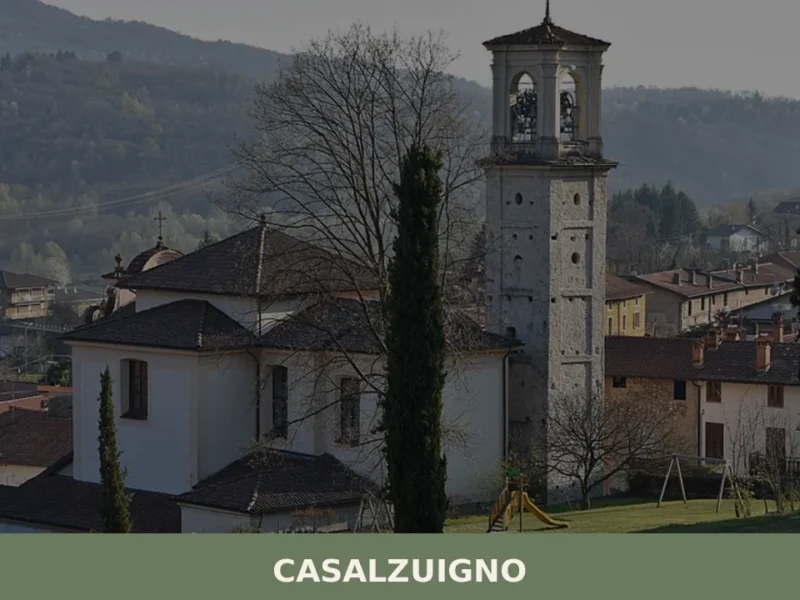
Casalzuigno
 Hills
Hills
Cosa vedere a Casalzuigno: borgo a 350m nel Varesotto con Villa della Porta Bozzolo (FAI), chiesa di San Vittore e Parco Campo dei Fiori. Guida completa.

Milano
Plains
Over 1.3 million residents and 2,600 years of history make Milano Lombardia one of Europe's most compelling destinations. Art, opera, fashion and extraordinary food await every visitor.
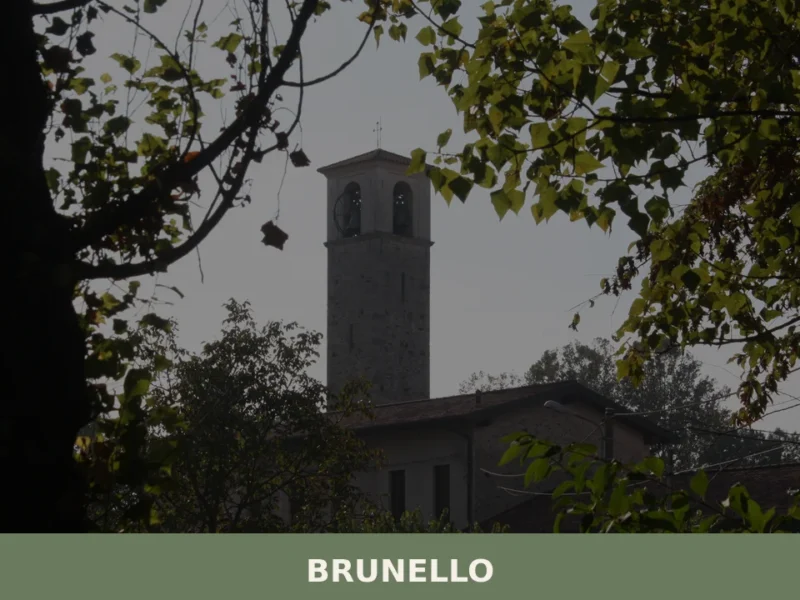
Brunello
Hills
What to see in Brunello, a village of 1,022 people in the province of Varese. Visit the Parish Church of San Giorgio, the Civic Tower and the Roggia Mulinara Trail. Plan your visit now.
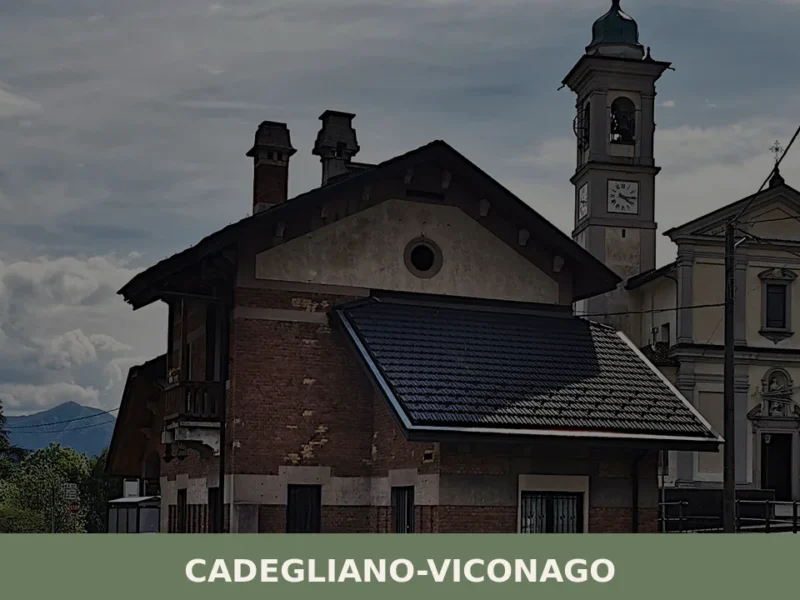
Cadegliano-Viconago
Hills
What to see in Cadegliano-Viconago: hilltop village at 414m, 2,155 residents. Two historic centres, chestnut woodland, views over Lake Lugano. Plan your visit with this complete guide.
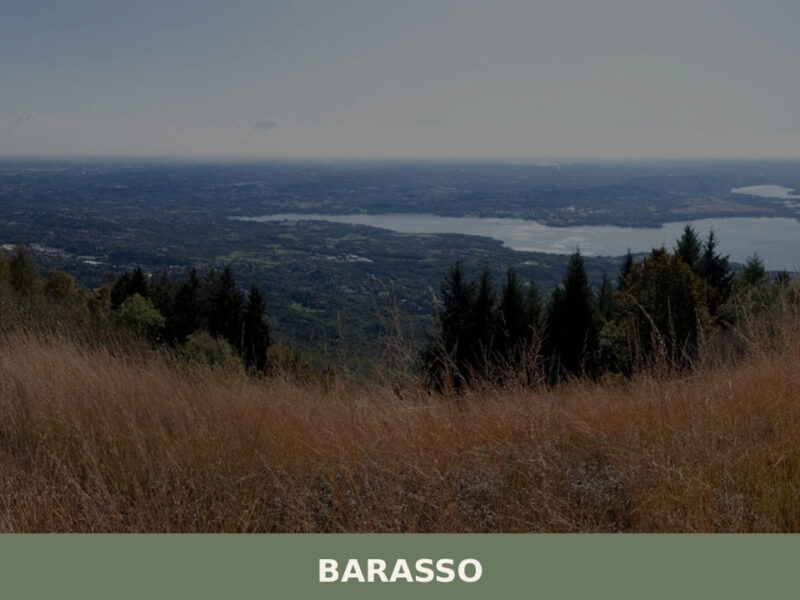
Barasso
Hills
Morning light filters through chestnut canopies along Via Roma, casting long shadows across stone walls that have absorbed centuries of Lombard weather. A church bell marks the hour — unhurried, familiar, absorbed by the surrounding green hills above Varese. Barasso, home to roughly 1,710 inhabitants, occupies a quiet slope in the Varesotto prealpine belt, a […]
Varese
Hills
Lake
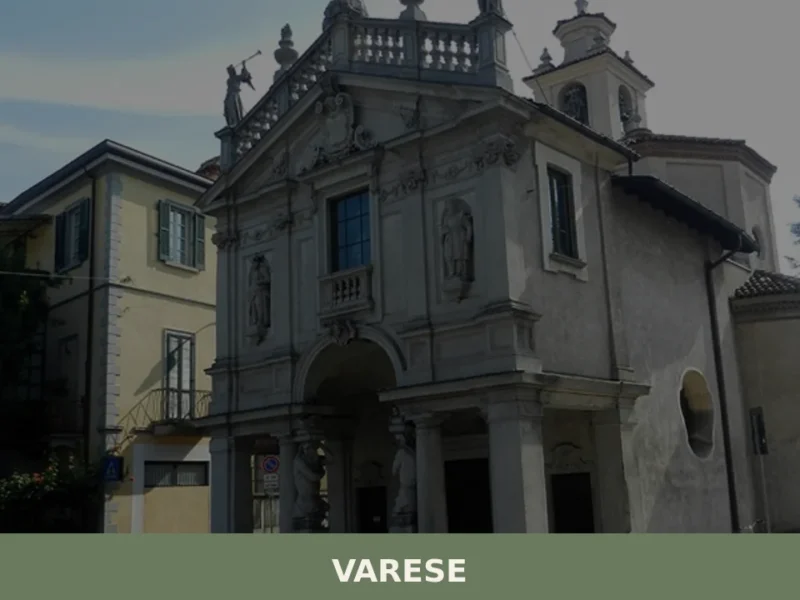
Varese, a Lombard city with a population of 78,409 inhabitants, stands at 382 m above sea level and is distinguished by its strategic position between lakes and pre-Alps. This locality, capital of the eponymous province, offers a rich historical and natural heritage that attracts numerous visitors every year. In this article History and Origins of […]
Besano
Hills
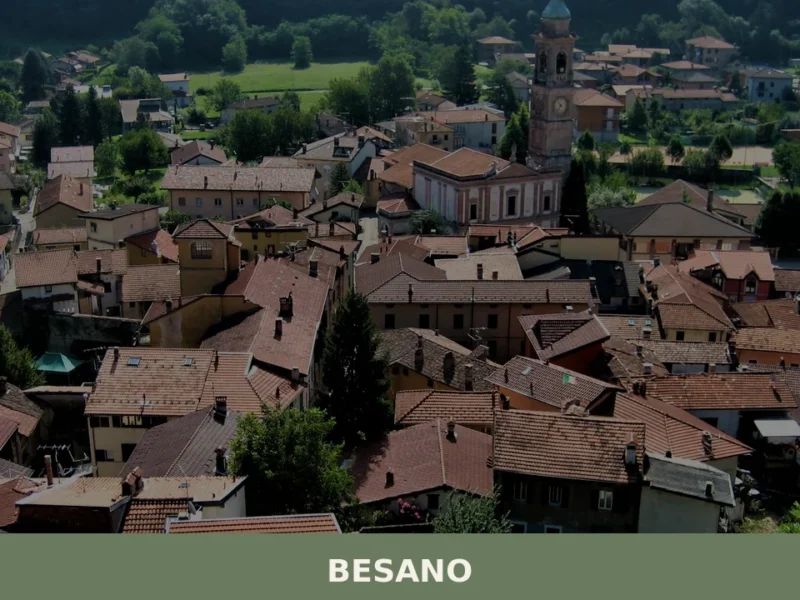
What to see in Besano, Italy: Explore the paleontological site and discover village life at 350 m (1,148 ft) a.s.l. Read our guide to Lombardy's unique corners.

Melegnano
Plains
A town of 18,000 residents where the Lambro River winds through a Renaissance military landscape. Melegnano's famous 1515 and 1859 battles shaped Italian and European history.


🏡 Know Lecco better than we do?
If you’re a local or have been there, your knowledge matters: add what’s missing or fix a detail on this page.