


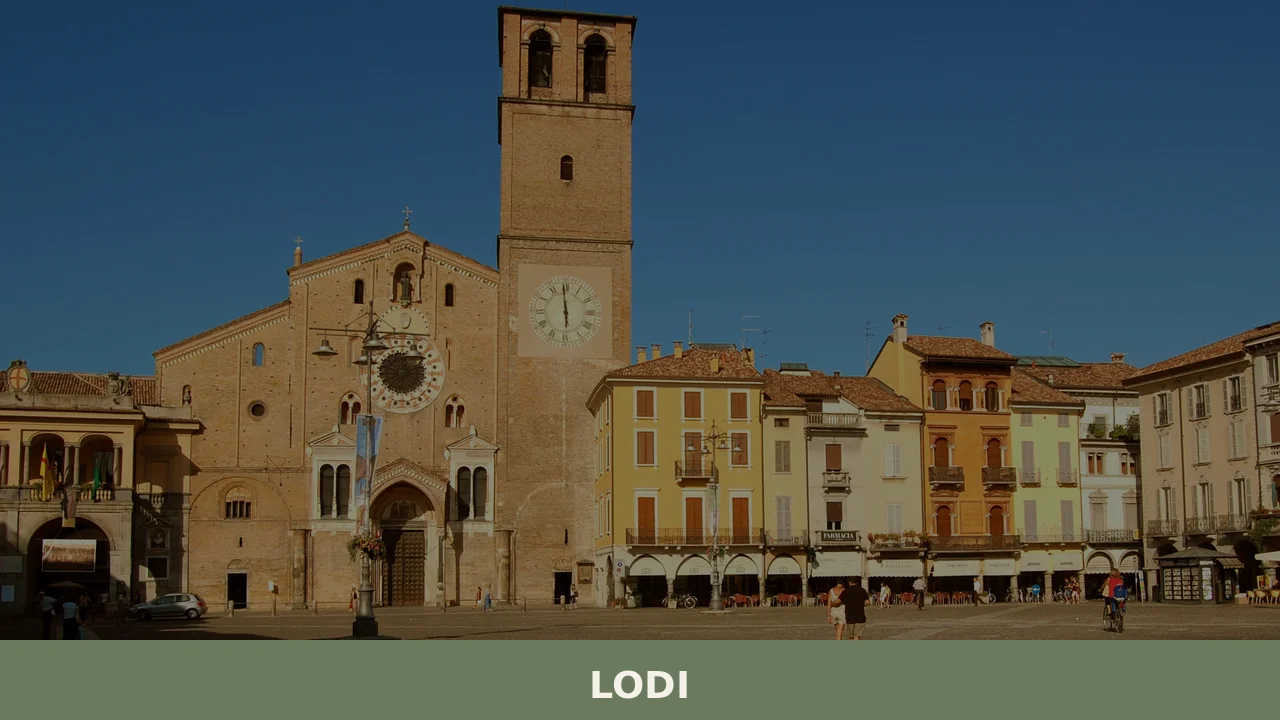
Lodi
 Plains
What to see in Lodi, Italy: Discover its 1454 Treaty legacy and 1796 Battle site. Explore this Lombard city, 87 m (285 ft) above sea level, for a unique historical day trip.
Discover Lodi
The city of Lodi, situated in the heart of the Lombard Pianura, rests at an elevation of 87 m (285 ft) above sea level. With a population of 44,709 inhabitants, this provincial capital offers a landscape characterized by flat, fertile plains, typical of northern Italy’s agricultural breadbasket.
Its geographical position has shaped its history, making it a focal point for significant events across centuries.
For those planning a visit to this part of northern Italy, understanding what to see in Lodi offers a rich historical and cultural experience.
The city, which stands at 87 m (285 ft) above sea level, provides insights into pivotal moments of Italian history, notably the Treaty of Lodi in 1454 and the Battle of Lodi in 1796. Visitors to Lodi find a compelling narrative woven into its urban fabric and surrounding landscape, inviting exploration of its past and present.
History of Lodi
The origins of Lodi are deeply intertwined with the broader history of Lombardy, a region marked by successive layers of settlement and conflict. While the specific foundation date of the current city of Lodi is not detailed in all historical records, its presence in the Lombard plain, alongside the nearby commune of Lodi Vecchio, suggests an evolution from ancient settlements.
The name “Lodi” itself has been associated with various entities over time, including a Pashtun dynasty in India and a tribe in Afghanistan and Pakistan, but the Italian city stands as a distinct historical entity within the European context.
A defining moment in Lodi’s history occurred in 1454 with the signing of the Treaty of Lodi.
This accord, concluded between Italian city-states, was instrumental in establishing a period of relative peace and stability across the Italian peninsula for several decades. It brought an end to prolonged conflicts between powers such as the Republic of Venice and the Duchy of Milan, creating a balance of power that significantly influenced the political landscape of 15th-century Italy. The treaty’s legacy underscores Lodi’s historical importance as a diplomatic crossroads.
Centuries later, Lodi once again became a site of major historical significance during the Napoleonic Wars. In 1796, the Battle of Lodi took place here, marking a key victory for Napoleon Bonaparte’s French forces against the Austrian army. This battle was a crucial event in Napoleon’s Italian campaign, solidifying his reputation as a formidable military strategist and contributing to the reshaping of European geopolitics.
The city’s role in both the 1454 treaty and the 1796 battle firmly establishes its place in the annals of Italian and European history, making it a point of interest for those exploring the historical fabric of Lombardia.
What to see in Lodi, Lombardia: top attractions
The Historical Legacy of the Treaty of Lodi
The city center of Lodi embodies the weight of its historical significance, particularly as the setting for the pivotal Treaty of Lodi in 1454.
Visitors can reflect on the diplomatic importance of this agreement, which established peace among warring Italian city-states for decades. The urban layout, typical of Lombard cities, invites exploration of the spaces where such negotiations would have unfolded, providing a tangible connection to 15th-century political dynamics. Lodi’s modest elevation of 87 m (285 ft) above sea level places it firmly within the accessible plains, making its historical core easy to navigate and appreciate.
The Site of the Battle of Lodi (1796)
The areas surrounding Lodi bear the echoes of the Battle of Lodi, a decisive engagement fought in 1796 during Napoleon Bonaparte’s Italian campaign.
While specific battleground markers might require local guidance, the general landscape of the Lombard Pianura provides the backdrop to this significant military confrontation. Understanding the strategic importance of the Adda River, which flows near Lodi, helps contextualize the battle’s tactics and Napoleon’s tactical genius.
Historical accounts of the 1796 battle contribute to a deeper appreciation of the region’s role in European military history.
Lodi Vecchio, the Ancient Commune
Just a short distance from Lodi lies Lodi Vecchio, a distinct commune within the Lombardy region that predates the current city of Lodi in its foundational history. This historical relationship offers a fascinating look into the evolution of settlements in the area. Exploring Lodi Vecchio provides a contrast to the provincial capital, allowing visitors to observe the development of two distinct communities over centuries.
The commune’s existence underscores the enduring human presence and settlement patterns across the Lombard plains, offering a glimpse into the region’s ancient past.
The Lombard Pianura Landscape
The flat, expansive landscape of the Lombard Pianura surrounding Lodi is an attraction in itself, offering a serene counterpoint to the historical narratives within the city. Lodi’s altitude of 87 m (285 ft) a.s.l. places it squarely within this fertile plain, characterized by agricultural fields, waterways, and quiet rural roads. This environment provides opportunities for gentle cycling or leisurely walks, allowing visitors to appreciate the agricultural heritage of Lombardy. The tranquil plains offer a different experience compared to the mountainous terrain found in other parts of Lombardy, such as around Brinzio.
Exploring the Province of Lodi
Beyond the city itself, the Province of Lodi, with its total population exceeding 44,709 inhabitants across its various communes, presents a wider scope for exploration for those wondering what to see in Lodi and its environs.
This administrative area within Lombardy offers a chance to discover smaller towns and rural communities, each with its own local character and historical remnants.
It serves as a gateway to understanding the broader regional identity of Lombardy, connecting visitors to other significant provincial centers like Brescia or the lakeside beauty of Lecco. The province provides a comprehensive view of life in this part of northern Italy.
Local food and typical products of Lodi
Lodi, as a city nestled within the fertile Lombard Pianura, naturally draws upon the rich agricultural bounty of its region for its culinary traditions. The historical and geographical context suggests a cuisine influenced by dairy farming, cereal cultivation, and the traditional methods of the Po Valley.
While the provided sources do not detail specific Lodi dishes or certified products, the city undoubtedly shares in the broader gastronomic heritage of Lombardy, which is renowned for its hearty and flavorful fare.
Given the absence of specific culinary information for Lodi in the available sources, a visitor can expect to encounter dishes characteristic of the wider Lombard region.
These often include rice-based preparations such as risotto, often enriched with local butter and cheeses, or various forms of pasta. Meat dishes, particularly those featuring pork or beef, are also common, reflecting the agricultural traditions of the plain. The emphasis is typically on robust flavors derived from fresh, local ingredients, prepared with traditional techniques that have been passed down through generations.
Regarding certified products, the provided data does not list any specific Denominazione di Origine Protetta (DOP) or Indicazione Geografica Protetta (IGP) items explicitly tied to Lodi. Therefore, while Lombardy as a region boasts numerous renowned products, no specific certified products from Lodi are confirmed by the available sources.
Visitors interested in regional specialties would need to explore the wider Lombard culinary landscape for such designations.
Festivals, events and traditions of Lodi
The most significant annual event in Lodi is the celebration dedicated to its patron saint, Bassiano di Lodi, observed on January 19.
This feast day is a deeply rooted tradition that brings together the community in a display of religious devotion and local pride. Typically, the day involves solemn religious ceremonies held in the city’s churches, honoring the saint who holds a special place in Lodi’s spiritual history. These observances often include special masses and, at times, processions through the city streets, reflecting centuries-old customs.
Beyond the religious ceremonies, the patron saint’s feast day often extends to broader civic celebrations. While specific details for Lodi are not provided in the available sources, such events in Italian towns commonly feature local markets where vendors sell regional produce, crafts, and traditional foods. Music, folk performances, and communal gatherings contribute to a festive atmosphere, allowing both residents and visitors to experience the enduring traditions of the city.
No other specific festivals, food fairs, or regularly documented events are detailed in the provided information for Lodi, underscoring the importance of this January celebration.
When to visit Lodi, Italy and how to get there
The best time to visit Lodi, Italy, and the wider Lombardia region, is typically during the spring (April to June) and autumn (September to October) months.
During these periods, the weather is generally mild and pleasant, ideal for exploring the city’s historical sites and the surrounding Lombard Pianura landscape. Summers can be hot and humid, characteristic of the northern Italian plains, while winters are often cold and foggy. Visiting during spring or autumn allows for comfortable sightseeing and avoids the peak tourist crowds often found in more famous Italian destinations, providing a more relaxed experience.
Lodi is highly accessible, making it an excellent destination for a day trip from a major city like Milan. For those arriving by car, Lodi is well-connected to Italy’s motorway network. It is situated approximately 30 km (18.6 mi) southeast of Milan, accessible via major routes such as the A1 motorway.
The terrain within the city is largely flat, making it easy to navigate for visitors of all mobility levels.
Public transportation is also a viable option; Lodi has its own train station, which is part of the regional rail network, offering frequent connections to Milan Centrale and other Lombard cities via Trenitalia services. A train journey from Milan to Lodi typically takes around 20-30 minutes, highlighting its proximity.
For international travelers, the nearest major airports are Milan Linate (LIN) and Milan Malpensa (MXP). Milan Linate is closer, located about 35 km (21.7 mi) north of Lodi, while Milan Malpensa is approximately 80 km (49.7 mi) northwest. Both airports offer connections to various cities across Italy and Europe. From either airport, visitors can take public transport or a taxi to Milan’s central stations and then connect to Lodi by regional train. When visiting smaller Italian towns like Lodi, it is advisable for international visitors to carry some Euros cash, as English may be limited in smaller shops and establishments, and card payments are not universally accepted.
Frequently asked questions about Lodi
What is the best time to visit Lodi?
Spring (April–June) and autumn (September–October) offer the most comfortable conditions for visiting Lodi, with mild temperatures ideal for exploring the city and the surrounding Lombard plain. Summers tend to be hot and humid, while winters are cold and frequently foggy — a typical trait of the Po Valley. If you want to experience local tradition, plan a visit around January 19, the feast day of patron saint Bassiano di Lodi, when the city celebrates with religious ceremonies and civic festivities.
What are the historical origins of Lodi?
Lodi's history is deeply rooted in the Lombard plain. Its geographical relationship with the nearby ancient commune of Lodi Vecchio points to a long evolution of settlement in the area. The city gained European prominence in 1454 with the signing of the Treaty of Lodi, which ended conflicts between Italian city-states including Venice and Milan, establishing decades of relative peace. Lodi again entered history in 1796 when Napoleon Bonaparte defeated Austrian forces at the Battle of Lodi, a pivotal moment in his Italian campaign.
What to see in Lodi? Main monuments and landmarks
Lodi's historic centre reflects its dual role as a diplomatic and military crossroads. Key points of interest include the sites associated with the 1454 Treaty of Lodi and the 1796 Battle of Lodi fought along the Adda River. A short trip to the nearby commune of Lodi Vecchio adds an ancient layer to any visit, offering insight into the region's pre-medieval settlement history. The compact, walkable city centre typical of Lombard provincial capitals makes it easy to explore on foot throughout the day.
What are the main natural or scenic attractions of Lodi?
The flat, fertile landscape of the Lombard Pianura surrounding Lodi is a distinctive feature of the area. The Adda River, which flows near the city and played a strategic role in the 1796 Battle of Lodi, offers scenic riverside scenery. The open agricultural plains at 87 m above sea level are well suited to leisurely cycling along rural roads and towpaths, providing a tranquil, unhurried experience of northern Italy's countryside away from the more visited mountain and lake destinations of Lombardy.
Who is Lodi suitable for? Families, couples, hikers, solo travelers?
Lodi is particularly well suited to history enthusiasts, culture travellers, and those seeking an authentic Lombard city experience without mass tourism. Its flat terrain and walkable centre make it accessible for families and older visitors. Couples will appreciate the relaxed pace and the scenic Adda riverside. Cyclists benefit from the level countryside ideal for easy rides. Its proximity to Milan — just 30 km southeast — also makes it a convenient and rewarding day-trip destination for travellers based in the Lombard capital.
What to eat in Lodi? Local products and specialties
Lodi sits within the dairy-rich Po Valley, and its culinary identity is shaped by Lombard traditions: butter-enriched risotto, fresh pasta, and robust meat dishes featuring pork and beef are characteristic of the area. The city is historically associated with local cheese production, in line with the broader tradition of the Lombard plain. Visitors are encouraged to explore the local markets and restaurants for regional products, as the wider Province of Lodi participates in Lombardy's rich gastronomic heritage centred on fresh, locally sourced ingredients.
Nearby Villages near Lodi
In Lombardy More villages to discover
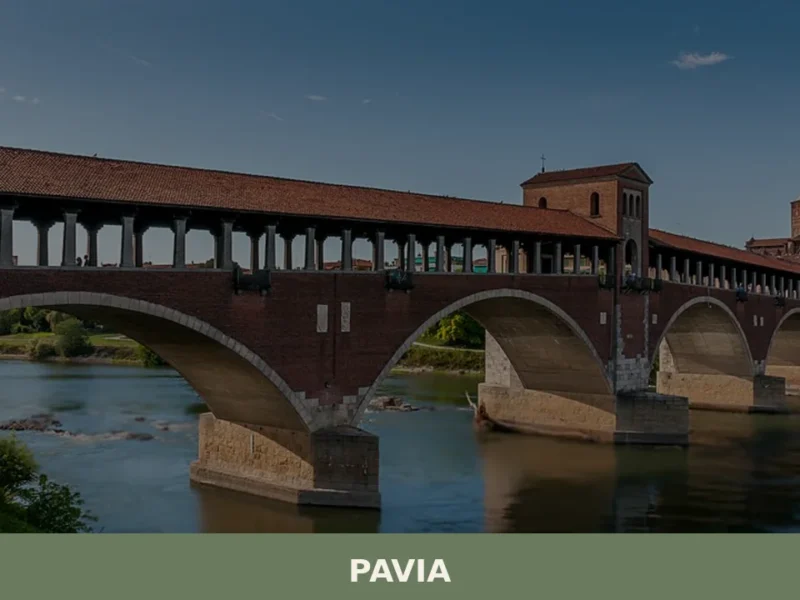
Pavia
Plains
what to see in pavia, home to 70,636 residents. Discover its iconic Duomo, the historic Certosa, and the ancient University. Explore Pavia's rich heritage now.

Cassano Magnago
 Hills
Hills
Over 21,000 residents and a documented history stretching back to 1152. Cassano Magnago rewards visitors with a medieval castle, four ancient churches and a rich civic past.
Agra
 Mountain
A 391-inhabitant mountain village at 650 metres in Varese province, Agra sits at the Swiss border with trails to Monte Lema and centuries-old chestnut woods.

Mornago
Hills
4,838 residents and three historic fractions give Mornago a layered identity, from Roman land tenure to a rare motorcycle manufactory born in 1925.
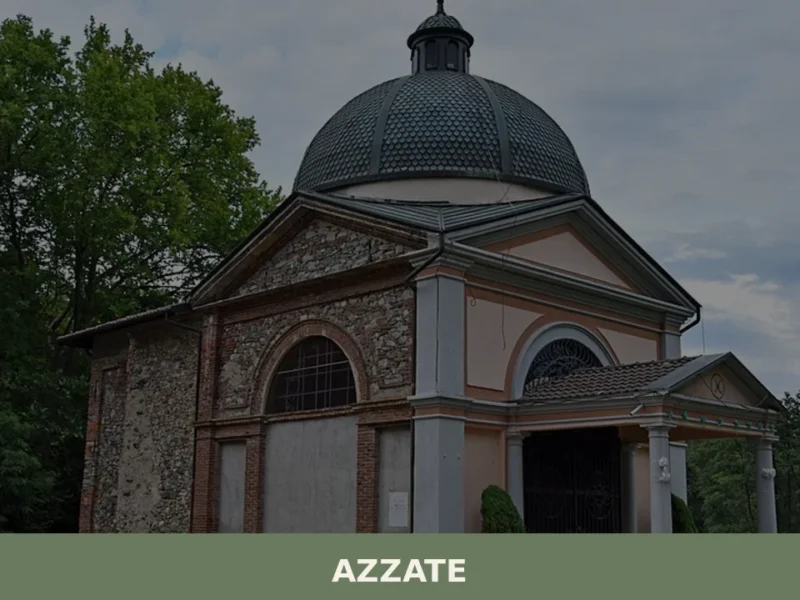
Azzate
Hills
 Lake
Lake
What to see in Azzate? Discover 5 must-see attractions. Explore the Church of Sant'Andrea and the Belvedere. Book your visit now!
Como
Hills
Lake
what to see in como? Explore this city of 83,184 inhabitants. Discover its historic Duomo, Lake Como's beauty, and local cuisine. Read our guide.
Brezzo di Bedero
Hills
Lake
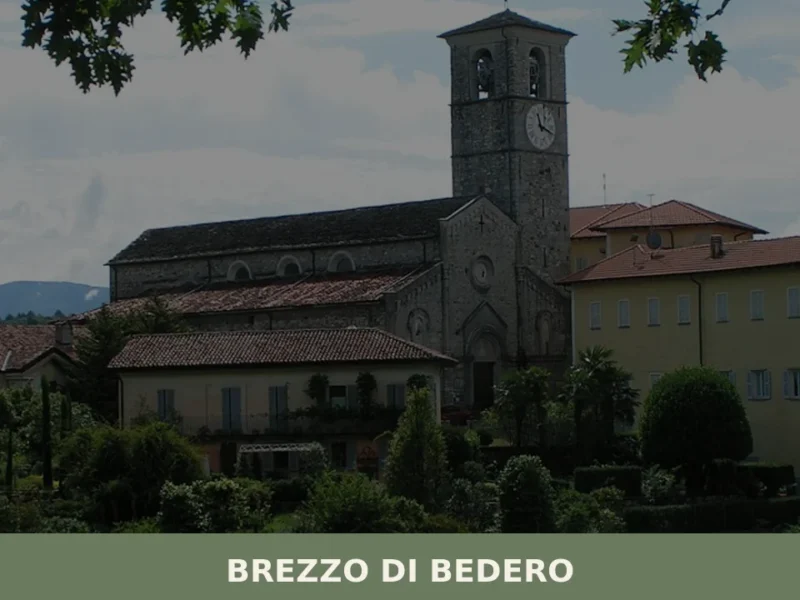
What to see in Brezzo di Bedero: Explore Collegiata di San Vittore and the lakeside Hermitage. This village, home to 1,200 residents, offers rich history. Discover more!
Brescia
Plains
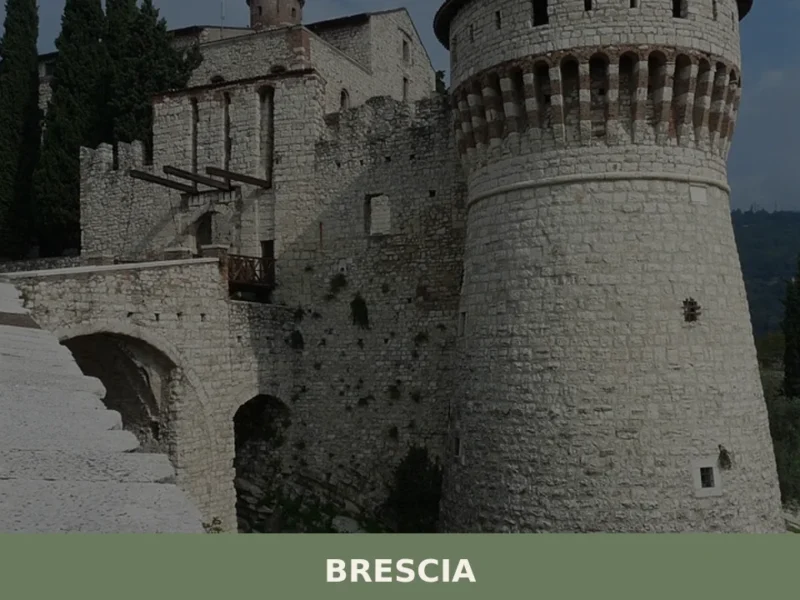
In 1826, during the excavation of a house’s foundations on Via Musei, the Winged Victory emerged from the ground — a Roman bronze from the 1st century AD, nearly two metres tall, and the symbol of a city that has layered twenty-five centuries of history upon itself. Anyone wondering what to see in Brescia today […]
Adrara San Rocco
Hills
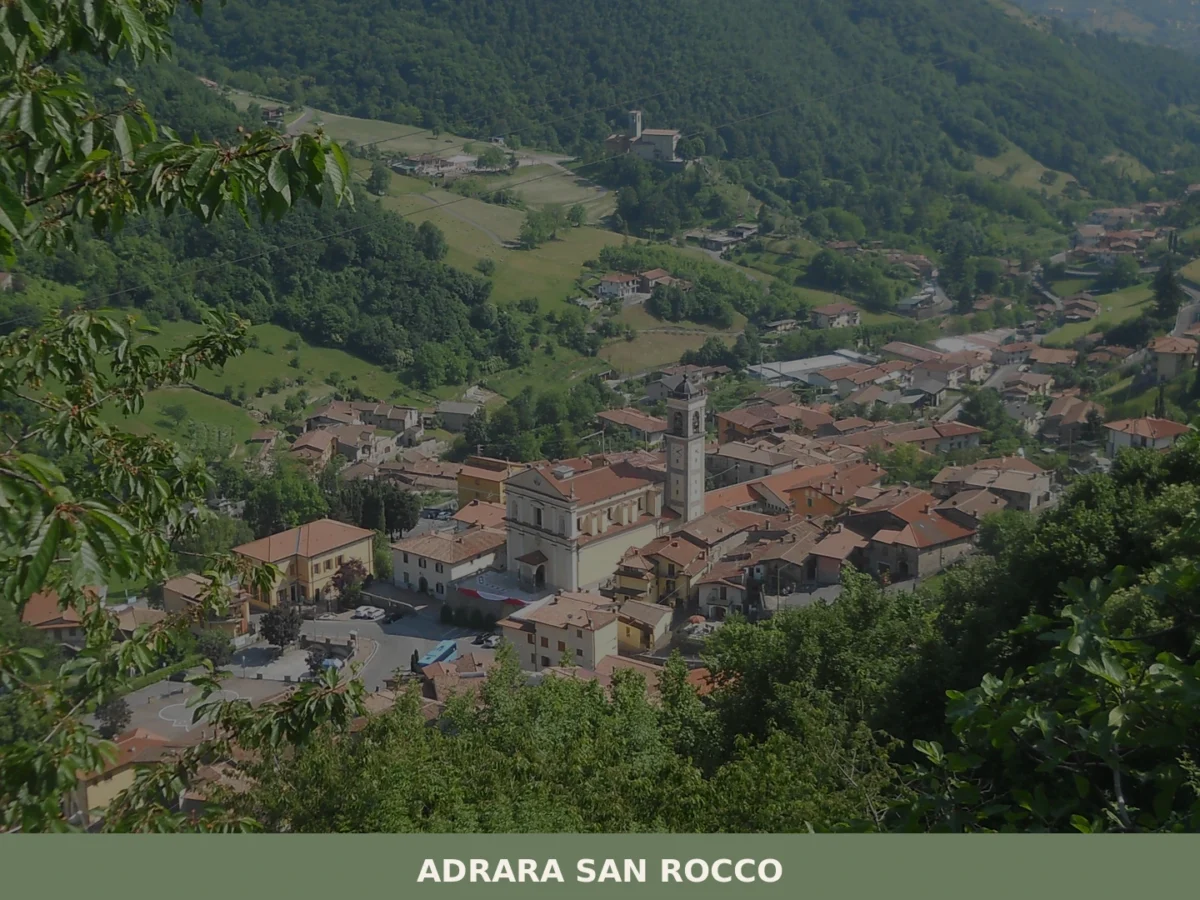
The long external staircase of the church of San Rocco rises above the Guerna river valley, its stone steps worn by five centuries of use since the building was consecrated in 1539. The valley cuts eastward from Bergamo, 25 kilometres (16 mi) away, deep into the territory of Monte Bronzone Sebino. A castle once stood […]

Vanzaghello
Plains
5,375 residents, one medieval parish church and a steam locomotive in the central square: Vanzaghello rewards visitors drawn to authentic Lombard daily life.






🏡 Know Lodi better than we do?
If you’re a local or have been there, your knowledge matters: add what’s missing or fix a detail on this page.