


Bedero Valcuvia
 Plains
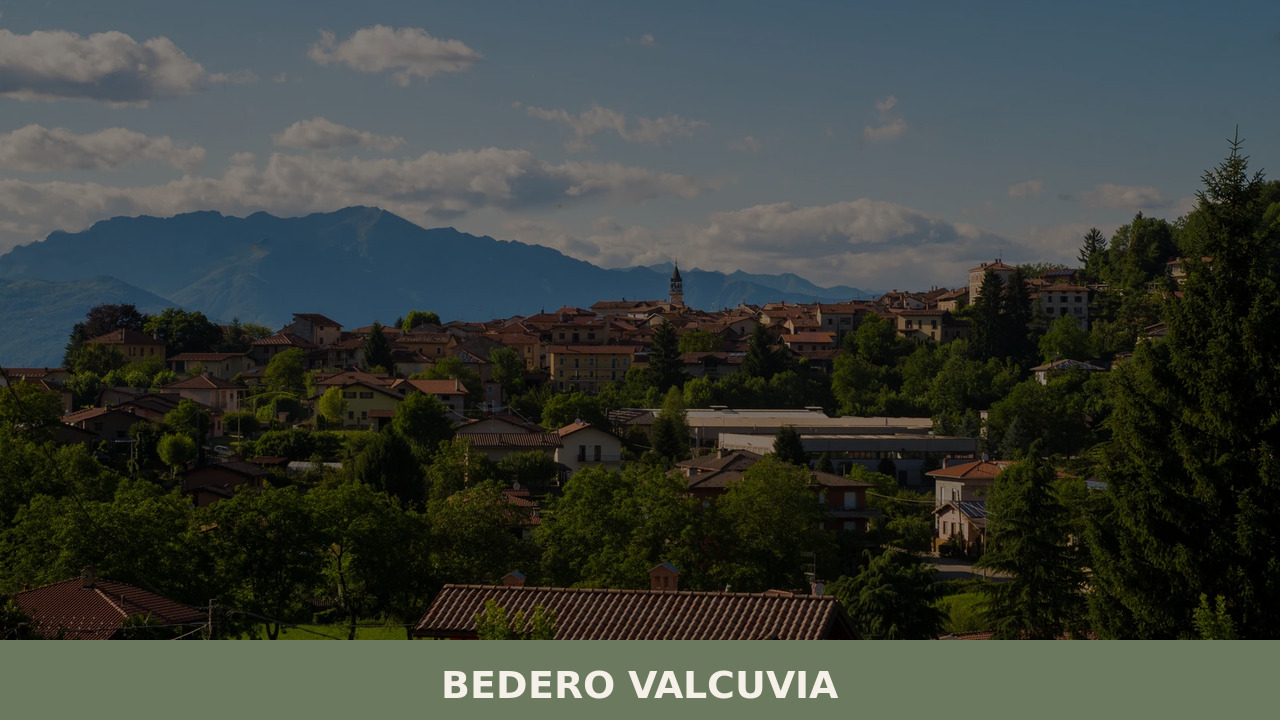
Morning light reaches Bedero Valcuvia in stages — first the bell tower of the parish church, then the stone walls along Via Roma, and finally the gardens where fig trees press against iron railings. The village holds 680 residents in the broad green trough of the Valcuvia, a valley running between Lake Maggiore and Lake […]
Discover Bedero Valcuvia
Morning light reaches Bedero Valcuvia in stages — first the bell tower of the parish church, then the stone walls along Via Roma, and finally the gardens where fig trees press against iron railings. The village holds 680 residents in the broad green trough of the Valcuvia, a valley running between Lake Maggiore and Lake Lugano in the province of Varese. Knowing what to see in Bedero Valcuvia requires slowing down, reading the texture of old plaster, and following footpaths where the asphalt ends and chestnut forest begins.
History of Bedero Valcuvia
The name “Bedero” likely derives from the Celtic-Latin bedullum, referring to birch trees — a clue to the forests that once dominated this section of the valley. The Valcuvia itself has been inhabited since pre-Roman times, with archaeological traces of Golasecca culture found across the broader area. Under Roman administration, the valley served as a transit corridor linking the Po Plain with the Alpine passes, a function that would define its strategic importance for centuries.
During the medieval period, Bedero fell under the ecclesiastical jurisdiction of the Diocese of Como, a sphere of influence that shaped its religious architecture and parish structure. Like many small communes in the Varesotto, the village passed through the hands of the Visconti and later the Sforza families as the Duchy of Milan consolidated control over Lombardy. The Austrian Habsburgs governed the territory from the early eighteenth century until the Napoleonic campaigns reorganised the region’s administrative boundaries.
By the nineteenth century, Bedero Valcuvia had settled into the rhythms of a rural agricultural community — silk cultivation, chestnut harvesting, and dairy farming sustaining families who rarely ventured far from the valley floor. The village’s modest scale meant it avoided the industrialisation that transformed larger Varesino towns, preserving a built environment that still speaks, in its proportions and materials, to a pre-modern way of living.
What to see in Bedero Valcuvia: 5 must-visit attractions
1. Church of San Vittore
The parish church of San Vittore stands at the village’s historical centre, its origins tracing to the medieval period though the current structure reflects renovations carried out in later centuries. Inside, the nave is plain and cool, with frescoed fragments visible in places where subsequent layers of whitewash have worn away. The bell tower — the first element to catch the sun each morning — serves as Bedero’s most recognisable vertical landmark.
2. The Valcuvia Valley Floor and Meadows
The flat valley bottom surrounding Bedero is a patchwork of meadows, small-scale cultivations, and drainage channels that recall centuries of land management. Walking paths run along field edges where herons occasionally stand motionless in wet grass. This open agricultural landscape offers an unobstructed view of the surrounding pre-Alpine ridges, making it an ideal starting point for understanding the valley’s geography.
3. Historic Village Centre
Bedero’s old nucleus is a compact arrangement of stone and plaster houses connected by narrow lanes. Doorways with granite lintels, exterior staircases leading to upper-floor balconies, and small courtyard gardens typify the vernacular architecture of the Varesotto. A slow walk through these streets reveals construction details — iron tie-rods, brick cornices, worn cobbles — that no guidebook typically catalogues.
4. Chestnut and Mixed Woodland Trails
Above the village, footpaths climb into mixed woodland where chestnut, oak, and birch trees form a dense canopy. These paths, once used by charcoal burners and mushroom gatherers, now serve hikers and mountain bikers exploring the hills between the Valcuvia and neighbouring valleys. In autumn, the forest floor is thick with fallen chestnuts, and the air carries the sharp, tannic smell of decomposing leaves.
5. Panoramic Views toward the Pre-Alps
From elevated points above Bedero, the eye travels across the Valcuvia to the ridgeline of the Campo dei Fiori massif and, on clear days, toward the distant snowfields of the higher Alps. These viewpoints reward a modest climb and provide a visual map of the territory — the valley’s lateral tributaries, scattered bell towers of neighbouring villages, and the dark green mantle of forest covering every slope.
Local food and typical products
The cooking of the Valcuvia is mountain-valley food — hearty, seasonal, and shaped by what grows on steep terrain. Polenta, made from locally milled maize, remains a staple, traditionally served alongside braised meats or fresh cheese. Chestnuts appear in multiple forms: roasted, dried, ground into flour for cakes and pasta. The formagella, a soft cow’s milk cheese produced across the Varesotto, is perhaps the most characteristic dairy product of the area, with a delicate flavour that intensifies as it ages. Honey production — particularly chestnut and wildflower varieties — is common in the surrounding hills.
The broader province of Varese contributes additional specialities, including brutti ma buoni (hazelnut-and-egg-white biscuits originating in nearby Gavirate) and lake fish preparations from the Maggiore and Lugano shores. Dining options in Bedero itself are limited, as one would expect in a village of this size, but small agriturismi and trattorie in the valley serve meals rooted in these traditions. The Lombardia tourism board provides listings of local food establishments across the region.
Best time to visit Bedero Valcuvia
Spring and autumn are the most rewarding seasons. In April and May, wildflowers fill the meadows and the chestnut trees produce pale, drooping catkins that give the woods a soft, golden-green haze. Autumn — from late September through November — brings the chestnut harvest, mushroom foraging, and the slow turning of the forest canopy from green to amber and rust. Summer can be warm and humid in the valley, though the proximity of higher ground offers relief. Winter is quiet, with fog sometimes filling the valley floor for days, creating an atmosphere of near-total stillness.
Village festivals, often tied to the liturgical calendar or agricultural cycle, provide occasional moments of communal activity — though these events are small-scale and oriented toward residents rather than visitors. Checking with the Comune di Bedero Valcuvia before visiting is advisable, as hours for churches and local services can be irregular outside the summer months.
How to get to Bedero Valcuvia
Bedero Valcuvia sits in the central part of the Valcuvia, accessible by car via the SP45 provincial road that threads through the valley. From the A8 motorway (Milano–Varese), exit at Buguggiate or Gazzada Schianno and follow signs toward Gemonio and the Valcuvia — a drive of roughly 20 minutes from the motorway. The city of Varese lies approximately 18 kilometres to the southeast.
The nearest railway stations are at Cittiglio and Gemonio on the Trenord line connecting Laveno-Mombello to Milan via Gallarate. From either station, the remaining distance to Bedero — about 5 kilometres — requires a local bus or taxi. Milan Malpensa Airport, the closest major international airport, is approximately 45 kilometres to the south, making the village reachable within an hour of landing. Public transport connections are infrequent, so a car provides the greatest flexibility for exploring both Bedero and the wider valley.
More villages to discover in Lombardia
The Valcuvia and its surrounding territory hold a constellation of small communities, each with its own character and architectural details. A few kilometres from Bedero, the village of Casalzuigno is known for the Villa Della Porta Bozzolo, a seventeenth-century estate managed by the FAI (Italy’s National Trust), whose terraced gardens descend a hillside in a sequence of fountains and sculptured hedges — one of the Valcuvia’s most significant cultural properties.
Further afield, exploring the villages along the western shore of Lake Maggiore or the quieter valleys behind Luino extends the journey into a landscape where water, forest, and stone architecture repeat in endless variations. The village of Curiglia con Monteviasco, located in the mountains above the lake, represents one of the most isolated settlements in the province — its upper hamlet historically accessible only by foot or cable car. Together, these villages map a territory where the scale of human settlement remains modest, and the land itself is still the dominant presence.
Frequently asked questions about Bedero Valcuvia
What is the best time to visit Bedero Valcuvia?
Spring (April–May) and autumn (late September–November) offer the most rewarding visits. Spring brings wildflowers across the valley meadows and a golden-green haze in the chestnut woods. Autumn marks the chestnut harvest, mushroom foraging season, and vivid foliage across the hillside trails. Summer is warm but humid on the valley floor, while winter brings long foggy spells and deep quiet. The feast day of the village patron Sant'Ilario falls on 14 January — a winter occasion oriented toward local residents rather than tourists.
What are the historical origins of Bedero Valcuvia?
The name Bedero likely derives from the Celtic-Latin bedullum, meaning birch tree, reflecting the forests that once covered the valley. The Valcuvia shows traces of pre-Roman Golasecca culture, and under Rome it served as a transit corridor toward Alpine passes. Medieval Bedero fell under the Diocese of Como and later passed through Visconti and Sforza rule as the Duchy of Milan consolidated Lombardy. Austrian Habsburg governance followed from the early eighteenth century. By the nineteenth century the village had settled into agriculture — silk, chestnuts, and dairy — avoiding the industrialisation that transformed larger Varesino towns.
What to see in Bedero Valcuvia? Main monuments and landmarks
The parish church of San Vittore is the village's principal historic monument, with medieval origins and frescoed fragments visible beneath worn layers of whitewash. Its bell tower is Bedero's most recognisable landmark. The compact old centre along Via Roma offers vernacular stone-and-plaster architecture with granite lintels, exterior staircases, and small courtyard gardens. Above the village, footpaths lead into chestnut and mixed woodland, while the flat valley floor provides open views toward the pre-Alpine ridges. Hours for the church can be irregular outside summer — check with the Comune di Bedero Valcuvia before visiting.
What are the main natural or scenic attractions of Bedero Valcuvia?
The valley floor surrounding Bedero is a patchwork of meadows and drainage channels bordered by pre-Alpine ridges — ideal for easy walks along field-edge paths where herons frequent wet grassland. Above the village, woodland trails climb through chestnut, oak, and birch forest, historically used by charcoal burners and now popular with hikers and mountain bikers. From elevated points on the hillside, views extend across the Valcuvia to the Campo dei Fiori massif and, on clear days, toward the higher Alpine snowfields. The Valcuvia sits between Lake Maggiore and Lake Lugano, making it a natural base for broader exploration.
Where to take the best photos in Bedero Valcuvia?
The bell tower of San Vittore catches the first morning light and makes a strong subject from the surrounding lanes. The stone doorways, granite lintels, and balconied facades of the historic centre along Via Roma reward close-up architectural photography. For landscape shots, elevated viewpoints above the village offer a panorama across the valley floor to the Campo dei Fiori massif. In autumn the chestnut woodland above Bedero provides dramatic foliage colour, while the open meadows of the valley floor give unobstructed views of the pre-Alpine ridgeline at dawn and dusk.
Are there museums, churches or historic buildings to visit in Bedero Valcuvia?
The parish church of San Vittore is the village's main historic building, featuring medieval origins, a notable bell tower, and partially visible interior frescoes. The vernacular architecture of the old village centre — stone houses with granite lintels and exterior staircases — constitutes an open-air built heritage worth exploring on foot. A short distance from Bedero, the Villa Della Porta Bozzolo in Casalzuigno is a significant seventeenth-century estate managed by FAI (Italy's National Trust), with terraced gardens and fountains; this is the most substantial cultural site in the immediate area and is open to the public with an admission fee.
What can you do in Bedero Valcuvia? Activities and experiences
Hiking and mountain biking on the woodland trails above the village are the main active pursuits, with paths connecting to the broader Valcuvia network through chestnut and mixed forest. The valley floor is well suited to easy walks along field-edge paths. In autumn, chestnut harvesting and mushroom foraging are traditional seasonal activities in the surrounding hills. The nearby Villa Della Porta Bozzolo in Casalzuigno (FAI) is worth a dedicated visit. Dining at local agriturismi and trattorie in the valley provides an introduction to the food traditions of the Varesotto. The proximity of Lake Maggiore and Lake Lugano extends day-trip options considerably.
Who is Bedero Valcuvia suitable for? Families, couples, hikers, solo travelers?
Bedero Valcuvia suits slow travellers who value landscape, vernacular architecture, and quiet over organised tourism. Hikers and mountain bikers benefit from the woodland trails above the village and the wider Valcuvia path network. Couples seeking a calm, atmospheric base away from lake crowds will find the old village centre appealing. Families with older children can combine valley walks with a visit to the Villa Della Porta Bozzolo in nearby Casalzuigno. The village is less suited to visitors expecting museums, restaurants, or nightlife — its scale and character reward those comfortable with self-directed, unhurried exploration.
What to eat in Bedero Valcuvia? Local products and specialties
The food tradition of the Valcuvia is hearty and seasonal. Polenta milled from local maize is a staple, typically paired with braised meats or fresh cheese. Chestnuts appear roasted, dried, and ground into flour for cakes and pasta. Formagella, a soft cow's milk cheese produced across the Varesotto, is the most characteristic dairy product of the area. Chestnut and wildflower honeys come from the surrounding hills. The broader Varese province contributes brutti ma buoni hazelnut biscuits, originating in nearby Gavirate. Dining in Bedero itself is limited; small agriturismi and trattorie in the valley serve meals rooted in these traditions.
Nearby Villages near Bedero Valcuvia
In Lombardy More villages to discover
Acquanegra Cremonese
Plains
Discover what to see in Acquanegra Cremonese, a rural comune of 1,159 in the Province of Cremona, Lombardia u2014 from cascine architecture to Po Valley food culture.
Brinzio
 Hills
Hills
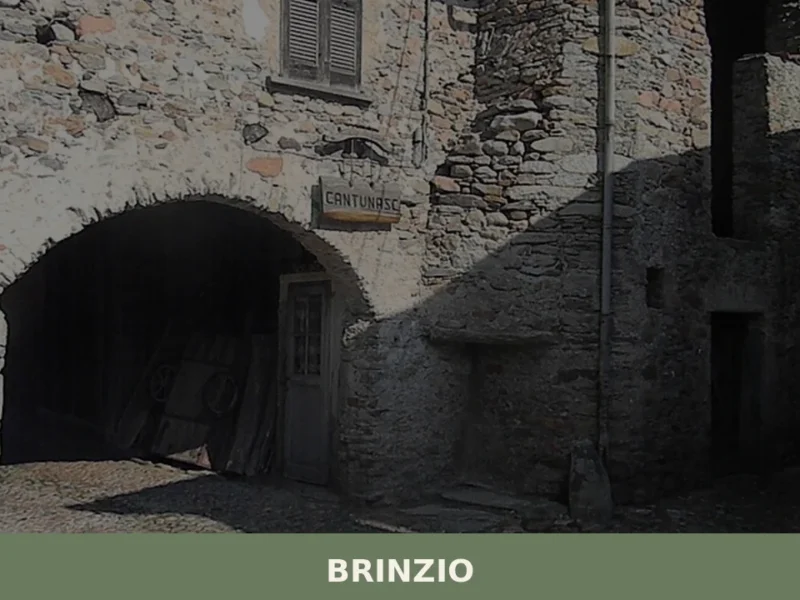
What to see in Brinzio: a village at 510m in the Campo dei Fiori Park, Varese province. Explore 5 attractions, local cuisine, hiking trails and the 29 June Saint Peter feast.
Bergamo
Hills
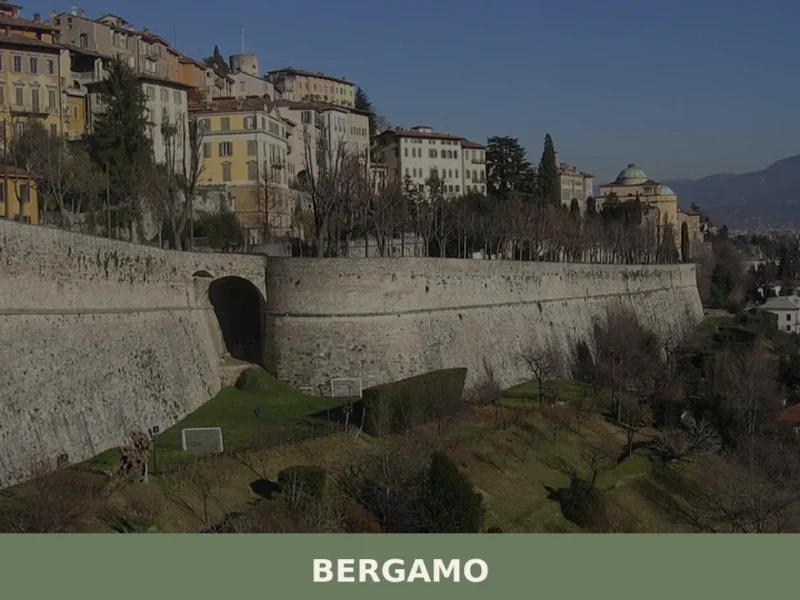
What to see in Bergamo? With 119,534 inhabitants, the city is famous for its Venetian Walls and Piazza Vecchia. Discover its rich history and typical dishes.
Varese
Hills
 Lake
Lake
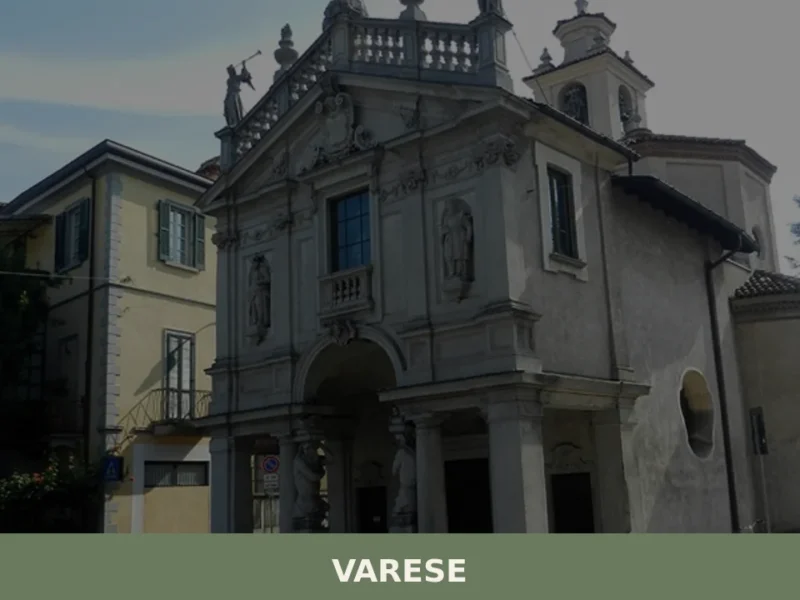
Varese, a Lombard city with a population of 78,409 inhabitants, stands at 382 m above sea level and is distinguished by its strategic position between lakes and pre-Alps. This locality, capital of the eponymous province, offers a rich historical and natural heritage that attracts numerous visitors every year. In this article History and Origins of […]
Agra
 Mountain
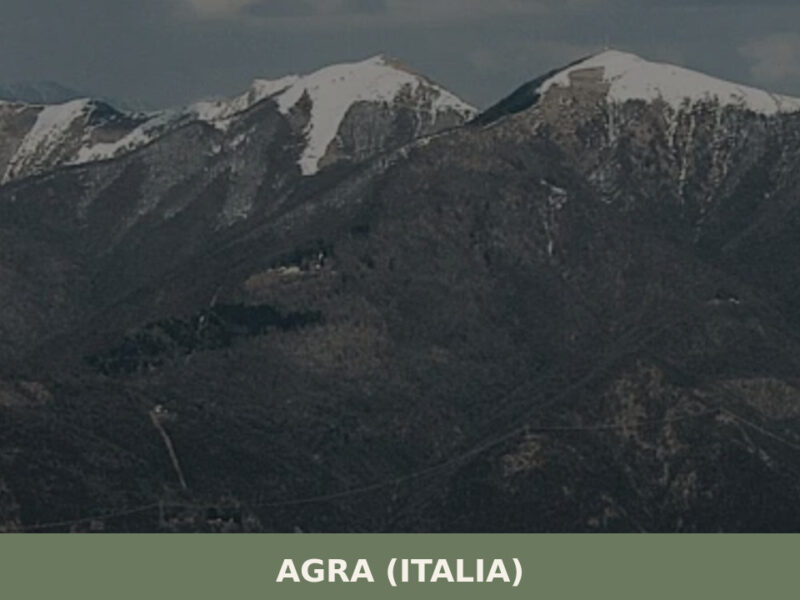
A 391-inhabitant mountain village at 650 metres in Varese province, Agra sits at the Swiss border with trails to Monte Lema and centuries-old chestnut woods.

Campospinoso
Plains
1,335 residents, two historic nuclei and eight centuries of feudal heritage. Campospinoso rewards visitors drawn to rural Lombardy's quieter, less-travelled corners.
Biandronno
Hills
Lake
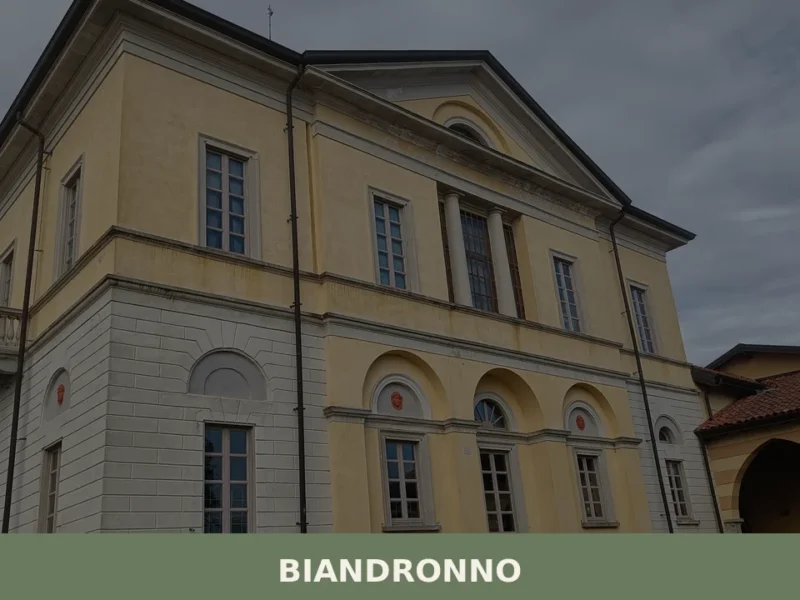
At 262 m a.s.l., Biandronno extends across the gentle hills that characterize the province of Varese, offering a panorama that opens onto the surrounding reliefs and the plain. The village, with its population of 3,162 inhabitants, maintains a discreet atmosphere, typical of smaller Lombard centers where life flows at rhythms tied to the territory. In […]
Abbadia Lariana
Lake
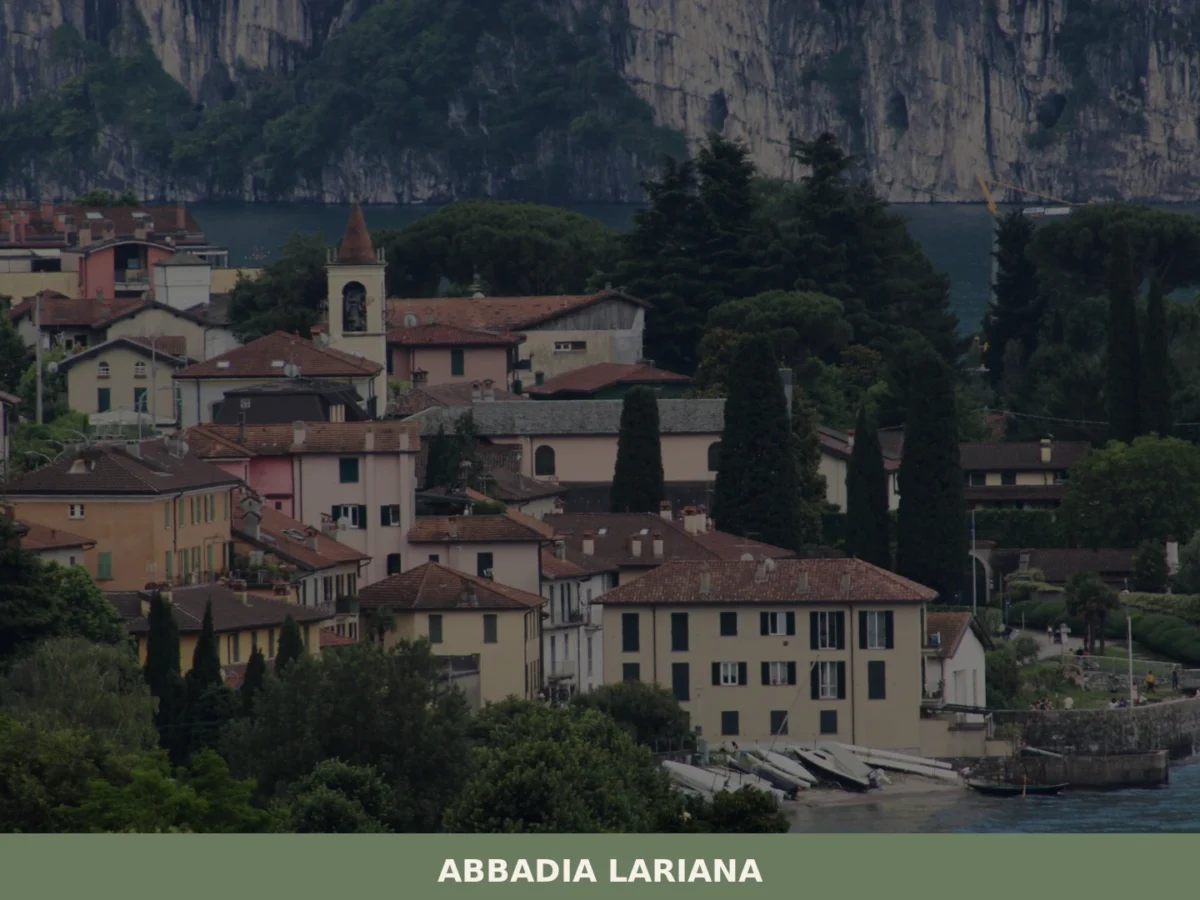
Discover what to see in Abbadia Lariana, a lakeside village on Lake Como in Lecco province. History, attractions, food, travel tips and how to get there.
Brissago-Valtravaglia
Hills
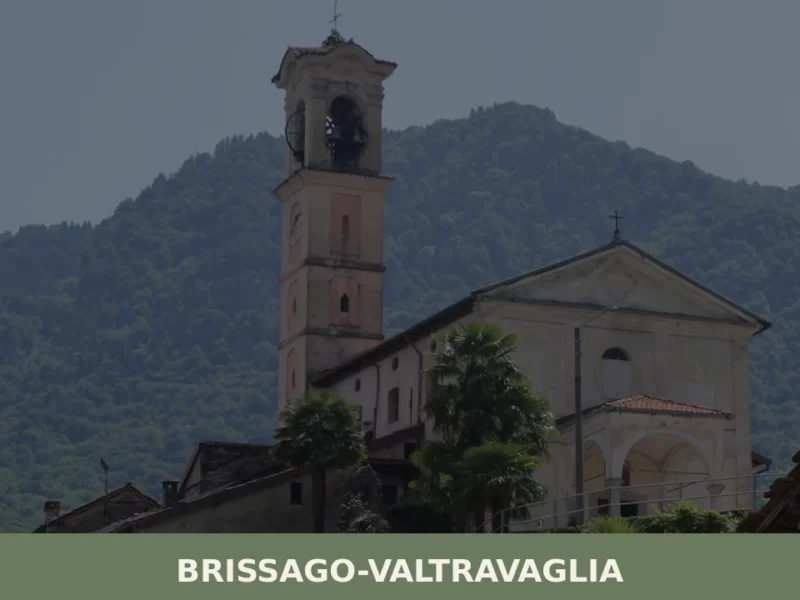
What to see in Brissago-Valtravaglia: village at 429m with 5 top attractions, Lombard cuisine and panoramic trails. Explore the complete guide now.
Lodi
Plains
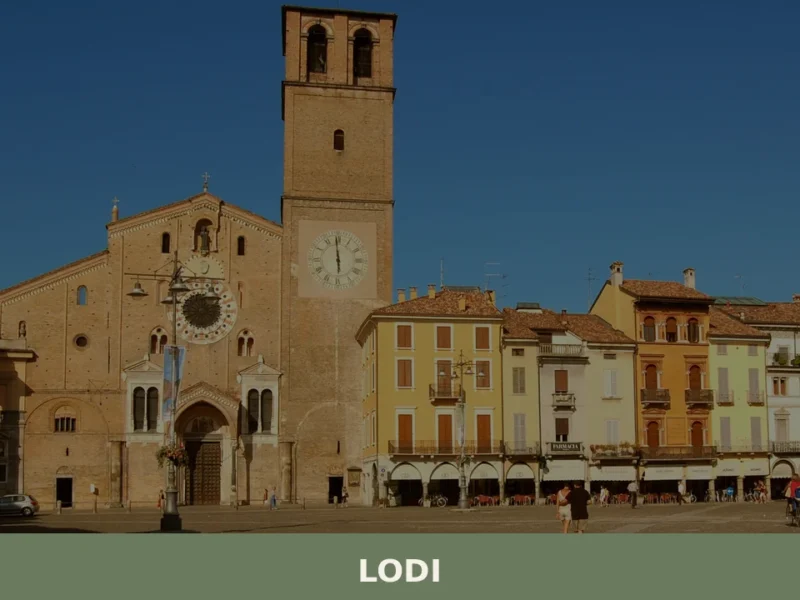
What to see in Lodi, Italy: Discover its 1454 Treaty legacy and 1796 Battle site. Explore this Lombard city, 87 m (285 ft) above sea level, for a unique historical day trip.
🧀 Italian traditional products
🏡 Know Bedero Valcuvia better than we do?
If you’re a local or have been there, your knowledge matters: add what’s missing or fix a detail on this page.