


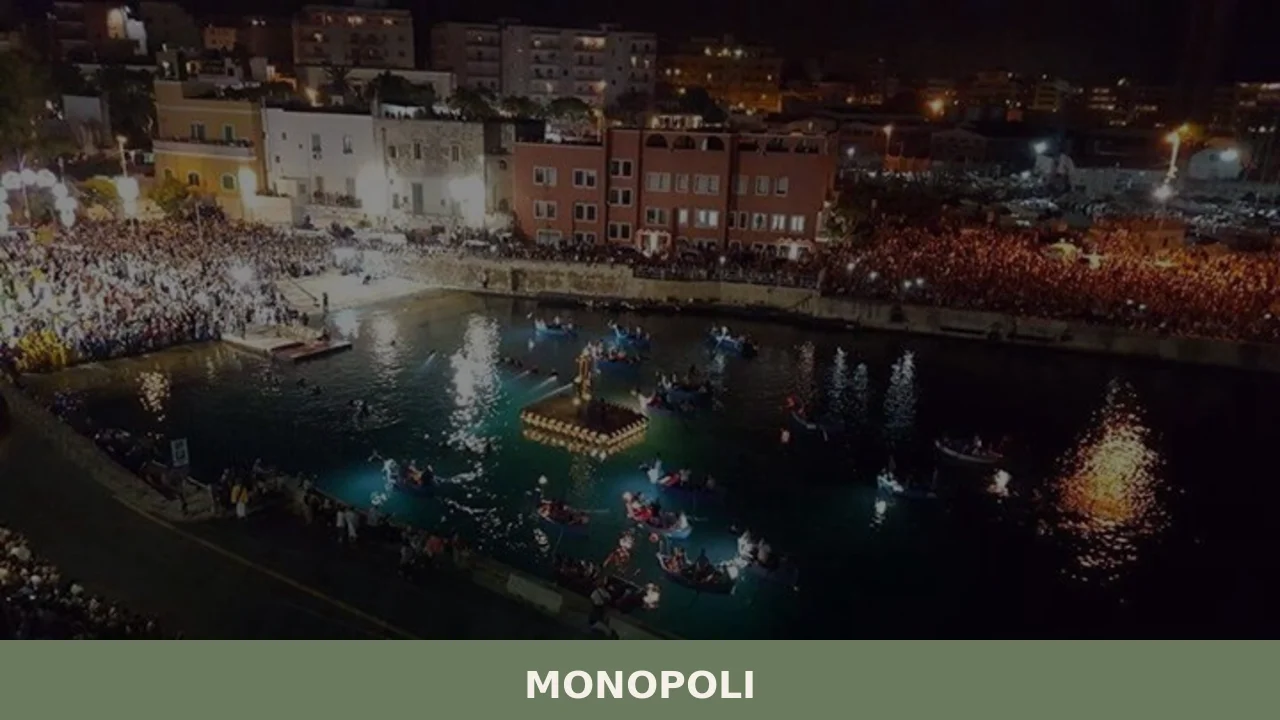
Monopoli
From the promontory where the Castle of Charles V stands, the view sweeps across the Adriatic, a horizon of waters that have shaped Monopoli’s identity for centuries. This port city, whose name evokes the idea of a “unique city,” reveals itself through its architecture, which tells of historical layers, from Messapian walls to Spanish fortifications. […]
Discover Monopoli
From the promontory where the Castle of Charles V stands, the view sweeps across the Adriatic, a horizon of waters that have shaped Monopoli’s identity for centuries. This port city, whose name evokes the idea of a “unique city,” reveals itself through its architecture, which tells of historical layers, from Messapian walls to Spanish fortifications.
Its old town, a labyrinth of narrow streets and white houses, culminates in the vibrant hub of the harbour, where fishing boats return with the day’s catch. For those exploring what to see in Monopoli, the town offers an experience that combines the call of the sea with the depth of its history, a place where maritime activity has always been the focal point of daily life, influencing everything from gastronomy to urban planning.
History and origins of Monopoli
The place name Monopoli derives from the Greek Monos Polis, meaning “unique city” or “sole city,” an indication of its isolated position or its autonomy from other coastal settlements. The earliest traces of human habitation in the area date back to the Bronze Age, with evidence of fortified villages. Later, the Messapians, an ancient Illyrian people, settled in these lands, leaving remnants of defensive walls and necropolises. Their presence is crucial for understanding the most ancient roots of the town, which already in pre-Roman times served as a strategic point on the Adriatic coast.
During the Roman period, Monopoli did not hold a role of primary importance, but its position nonetheless made it a useful landing point for maritime trade.
It was with the fall of the Western Roman Empire and the arrival of the Byzantines that the city experienced new development. Throughout the Middle Ages, Monopoli became a flourishing commercial and port centre, fought over by various powers. The Normans, the Swabians, the Angevins and the Aragonese succeeded one another in ruling, each leaving a distinctive mark on the architecture and urban layout. A significant event was the granting of free port status in 1484 by Ferdinand I of Aragon, which encouraged further economic and commercial expansion, making it a strategic outpost for trade with the East.
The seventeenth and eighteenth centuries saw Monopoli under Spanish control, a period during which important defensive works were built, including the Castle of Charles V, designed to protect the city from Saracen raids. The city maintained its maritime vocation, consolidating its merchant fleet and its fishing industry. Figures such as Bishop Giuseppe Maria Vairo, in the eighteenth century, contributed to the cultural and religious development of the city, promoting the construction and restoration of sacred buildings.
Demographic growth has been steady, linked to economic prosperity and the city’s ability to withstand historical adversities, always maintaining a strong bond with the sea as a primary source of livelihood and identity. For more details on the city’s history, you can consult the page on Monopoli on Wikipedia.
What to see in Monopoli: 5 essential attractions
1. Castle of Charles V
The Castle of Charles V rises on the promontory of Punta Penna, at the southern edge of Monopoli’s historic centre, and stands as one of the most imposing fortifications along the Adriatic coast of Puglia. Its construction dates to the sixteenth century, commissioned by Emperor Charles V to defend the city against Turkish and pirate raids. The structure features an irregular pentagonal plan, with corner towers and a surrounding moat, evidence of the military engineering of the era. Its robust walls and arrow slits speak of a past of sieges and defences, while inside one can admire the quarters that housed the garrison and the governor. Today the castle serves as a cultural hub, hosting exhibitions and events, and offers panoramic views over the sea and the old town.
2.
Cathedral of Santa Maria della Madia
The Cathedral of Santa Maria della Madia, located in the centre of the old town, is Monopoli’s main place of worship and a notable example of Pugliese Baroque architecture. The current building, constructed between 1742 and 1770, stands on the remains of a Romanesque basilica. The façade is imposing, with decorative and sculptural elements, while the Latin-cross interior is richly adorned with polychrome marbles, stuccoes and frescoes. The cathedral’s most precious treasure is the Byzantine icon of the Madonna della Madia, which, according to legend, arrived miraculously by sea in 1117, carried on a raft made of cedar beams that were later used to build the roof of the first basilica. A visit allows one to appreciate the centuries-old devotion of the community and the artistic richness of the church.
3. Historic Centre
The Historic Centre of Monopoli is a labyrinth of narrow alleys and intimate squares, defined by the typical white houses that reflect sunlight, creating a luminous atmosphere. Its origins are ancient, with traces of Messapian walls still visible at certain points. Walking through its streets, one discovers unexpected views, small courtyards and hidden rock-hewn churches. The bare stone paving and the arches connecting buildings tell of centuries of history and daily life. This neighbourhood, still inhabited, offers an immersion into local tradition, with artisan workshops and small restaurants serving regional cuisine. It is an experience of continuous discovery, where every corner reveals an architectural detail or a striking perspective.
4.
Old Port
The Old Port of Monopoli is the vibrant and historic core of the city, a place where the seafaring tradition is still very much alive. Framed by the ancient walls and the houses of the historic centre, it welcomes small fishing boats, the gozzi, painted in bright colours. For centuries, this port served as the main route of communication and trade for Monopoli, facilitating exchange with the eastern shores of the Adriatic and beyond. Here one can sense the genuine character of port life, with fishermen mending nets and selling fresh catch directly from their boats. A walk along the pier offers a singular perspective on the city and its fortifications, as well as a prime vantage point for observing the maritime activity and the beauty of the coastline.
5. Cala Porta Vecchia
Cala Porta Vecchia is one of Monopoli’s most iconic urban beaches, situated right at the foot of the old town walls. Its position, directly below the ancient gate that once provided access to the city from the sea, makes it a place of great appeal and convenience. This small sandy cove, lapped by crystal-clear waters, is popular with both residents and visitors, especially during the summer months. Its shallow waters also make it suitable for families. From the beach, one can admire the profile of the historic centre reflected in the sea, with its white houses and watchtowers.
It is the ideal spot for a refreshing break after exploring the town’s streets, offering a combination of history and seaside relaxation.
What to eat in Monopoli: traditional cuisine and local products
Monopoli’s gastronomic tradition is deeply rooted in its close bond with the sea and the fertility of the Pugliese land. The local cuisine reflects the influences of millennia of different cultures, from Byzantine to Spanish rule, which enriched the culinary heritage with diverse flavours and techniques. Key elements are extra virgin olive oil, durum wheat, fresh seasonal vegetables and, naturally, the Adriatic catch. The simplicity of the ingredients is paired with skilled preparation that enhances the raw materials without excessive elaboration, maintaining a bold and genuine flavour profile typical of the Mediterranean diet.
Among the signature dishes of Monopoli’s tradition, preparations based on fresh fish stand out, such as ciambotto, a mixed fish stew with tomato and aromatics, which varies depending on the day’s catch. Equally important are the first courses, such as orecchiette with cime di rapa, a classic of Pugliese cooking, where handmade durum wheat pasta is combined with the slightly bitter flavour of the greens and the aroma of garlic and chilli pepper. Another speciality is seafood risotto, prepared with freshly caught shellfish and molluscs, which highlights the freshness of the marine ingredients. These dishes are the result of recipes handed down from generation to generation, often linked to festivals or moments of family togetherness.
Monopoli and Puglia boast a range of certified products that enrich the local table.
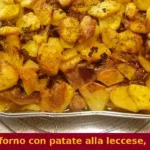
Among them, Acquasale (PAT) is a humble but nourishing dish, made with stale bread soaked in water and dressed with tomato, oil and oregano, often enhanced with onion or cucumber. Africani (PAT) are traditional sweets, usually made with almonds or other local ingredients, that are a delight for the palate. Agnello al forno con patate alla leccese, Auniceddhru allu furnu (PAT), though typical of the Salento area, is a meat dish widely appreciated throughout the region. Similarly, Agnello alla gravinese (Agnello in umido alla gravinese) (PAT) offers a robust and aromatic flavour. There are also products such as Albicocca di Galatone, Arnacocchia di Galatone (PAT), a summer fruit with a sweet and juicy taste, and Asparagi selvatici (PAT), used to enrich omelettes and side dishes, or Asparagi sott’olio (PAT), ideal as appetisers.
To taste and purchase these products, Monopoli offers several opportunities. Throughout the year, especially in summer, local festivals and patron saint celebrations often include food stalls where one can sample local specialities, such as the feast of the Madonna della Madia in December. The weekly market, held every Tuesday, is the ideal place to buy fresh produce directly from farmers and fishermen, including seasonal asparagus. There are also numerous food shops and fishmongers in the historic centre and along the port, where one can find quality ingredients and packaged local products. For those seeking a more structured experience, the city’s restaurants offer menus that showcase traditional recipes and regional products.
As for beverages, Puglia is a winemaking region of great tradition.
Although Monopoli is not at the centre of a specific denomination, the area is close to territories that produce quality wines such as Primitivo and Negroamaro, indigenous grape varieties that yield robust and full-bodied reds, perfect for pairing with meat dishes and aged cheeses. Fresh whites and light rosés, ideal for fish, are also widely available. Liqueur production includes Amaro del Gargano (PAT), a digestif made from aromatic herbs, Ambrosia di limone (PAT), a sweet and fragrant liqueur, and Anisetta (PAT), an anise-flavoured spirit, often served as an after-dinner drink. These products are available in wine bars and specialist shops in the town.
When to visit Monopoli: the best time of year
The best time to visit Monopoli depends on the traveller’s preferences, but in general spring and early autumn offer ideal weather conditions. The months of April, May, September and October bring mild temperatures, sunny days and fewer tourists compared to the peak summer season. This allows visitors to explore the historic centre, the coves and the surroundings at a more relaxed pace, fully enjoying the natural and architectural beauty without the intense heat and crowds. During these periods, accommodation and service prices also tend to be lower, making the visit more affordable.
Summer, from June to August, is the peak season for Monopoli, thanks to its appeal as a seaside destination.
The beaches and coves come alive, and the city offers a wide range of cultural, musical and gastronomic events. However, temperatures can be high and tourist numbers are significant, especially in August. For those wishing to experience a more local atmosphere and take part in traditional events, the patron saint feast in honour of the Madonna della Madia, celebrated on 16 December, is a singular occasion. This event, with processions and historical re-enactments of the miraculous arrival of the icon, offers a window into local devotion and traditions, turning Monopoli into a place of deep spirituality and collective participation. The secondary patron, San Francesco da Paola, has also been celebrated with devotion since 1647.
How to get to Monopoli
Monopoli is well connected and reachable by various means of transport. For those travelling by car, the city is easily accessible via the Strada Statale 16 (SS16) Adriatica, which runs along the Pugliese coast. The exit for Monopoli is clearly signposted. From Bari, the distance is approximately 45 km southward, covered in around 40–50 minutes. From Brindisi, located further south, the distance is approximately 60 km, with a travel time of about one hour. The SS16 is a dual carriageway for most of the route, which makes for a smooth journey. Parking in Monopoli is available both paid and free, particularly in areas on the outskirts of the centre.
As for rail transport, Monopoli has its own railway station, located on the Adriatic line (Bari–Lecce), making it easily reachable by train.
From Bari Centrale station, regional trains take approximately 30–40 minutes to reach Monopoli, with frequent services throughout the day. The nearest airport is Bari-Palese Airport (BRI), named after Karol Wojtyła, approximately 55 km away. From the airport, it is possible to reach Bari Centrale station via a shuttle service or the metropolitan train and from there take a train to Monopoli. Alternatively, taxis or car hire services can be used directly from the airport for a more direct transfer. Monopoli is also served by several local and intercity bus routes, connecting it to neighbouring municipalities and other cities in Puglia, useful for getting around within the region.
Other villages to discover in Puglia
Puglia offers a wealth of villages that deserve to be explored, each with its own distinctive character. If you continue your journey northward along the Adriatic coast, you can reach Rodi Garganico, a seafaring village located on the promontory of the same name.
Rodi, with its Swabian castle and its attractive tourist harbour, offers a different experience from Monopoli while maintaining a strong bond with the sea. Its beaches and the nearby Tremiti Islands make it an ideal destination for those seeking an immersion in unspoiled nature. The journey from Monopoli to Rodi Garganico takes approximately 2 hours and 30 minutes by car, crossing landscapes that shift from the Bari coastline to the vast plains of the Tavoliere and up to the heights of the Gargano.
An alternative for an inland Puglia itinerary is a visit to Troia (Italy), a village distinguished by its millennial history and its impressive Romanesque heritage. Located in the province of Foggia, Troia is famous for its cathedral, considered one of the masterpieces of Pugliese Romanesque architecture, with its finely carved rose window.
This village offers a perspective on a more rural and historical Puglia, far from the crowded coasts. From Monopoli, the journey to Troia takes approximately 1 hour and 40 minutes by car, a detour that allows you to appreciate the region’s landscape diversity, moving from coastal towns to the agricultural centres of the interior, rich in history and traditions. Both villages represent significant stops for anyone wishing to deepen their knowledge of Puglia.
In Apulia More villages to discover
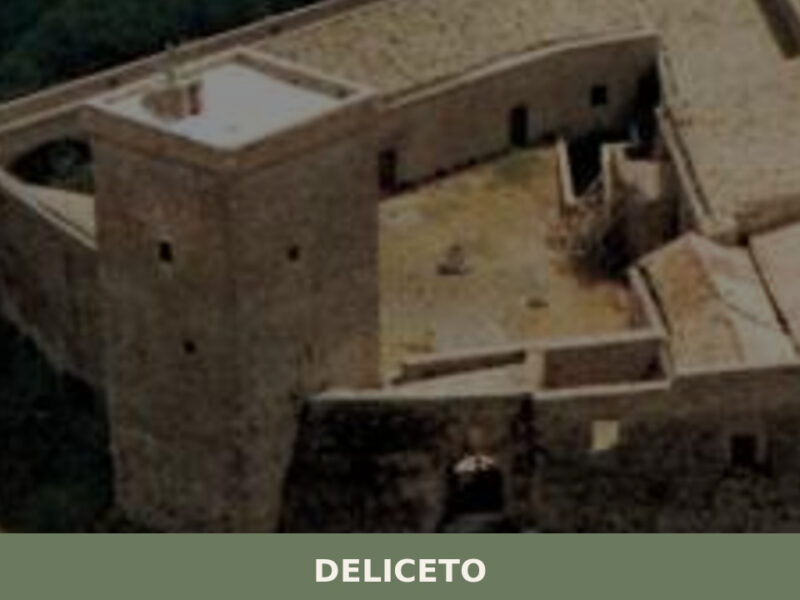
Deliceto
Deliceto rises at 575 metres on a ridge of the Subappennino Dauno, commanding the Tavoliere plain. A Norman castle, layered churches, and a stone-built historic centre define this compact Puglia hill village.
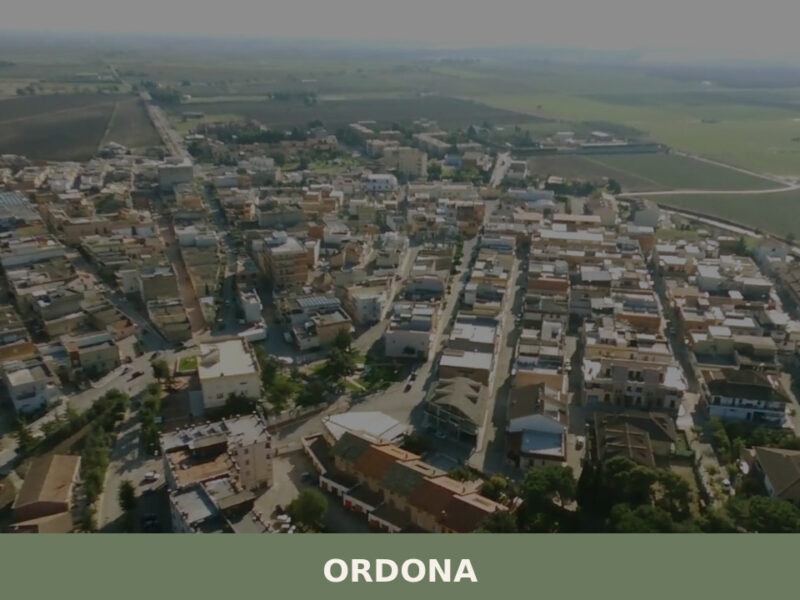
Ordona
Ordona sits on the Tavoliere plain near Foggia, above the ancient Daunian-Roman city of Herdonia. A guide to its archaeology, food, and surroundings.
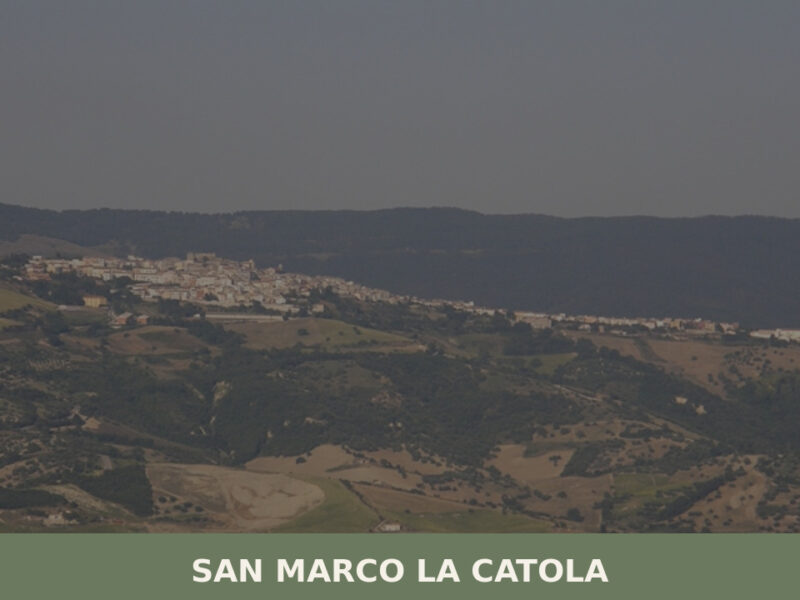
San Marco la Catola
A quiet hill village at 683 metres in the Daunia mountains of Puglia. Discover what to see in San Marco la Catola, from its medieval core to the Fortore valley.

📝 Incorrect information or updates?
Help us keep the Monopoli page accurate and up to date.