


Ordona
 Plains
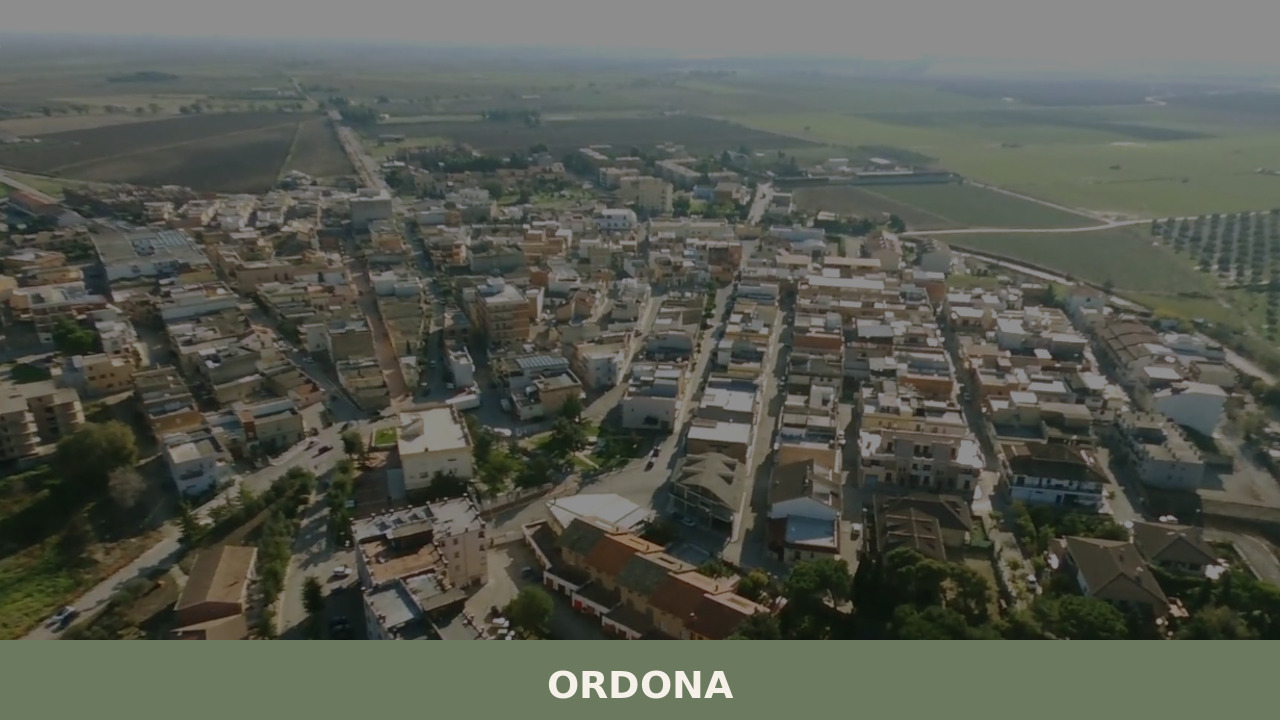
Ordona sits on the Tavoliere plain near Foggia, above the ancient Daunian-Roman city of Herdonia. A guide to its archaeology, food, and surroundings.
Discover Ordona
Dust lifts from the unpaved track that cuts through wheat fields south of Foggia, and the air carries the dry, mineral scent of turned earth. A row of umbrella pines marks the edge of Ordona, a settlement of 2,805 inhabitants at 120 metres above sea level on the Tavoliere plain. The light here is flat, wide, and unforgiving — the kind that exposes every crack in a tufa wall, every centuries-old stone. Understanding what to see in Ordona requires slowing down and reading the land itself, because this village sits on layers of history that predate Rome.
History of Ordona
The modern village occupies ground adjacent to the ancient Daunian settlement of Herdonia, a city that flourished as early as the seventh century BCE. The Daunians, an Italic people who inhabited northern Puglia, established Herdonia as a trading centre along what would later become the Via Traiana — the Roman road linking Benevento to Brindisi. During the Second Punic War, Herdonia was the site of two battles between Roman forces and Hannibal’s army, in 212 and 210 BCE. The Carthaginian general reportedly burned the city after the second engagement, and Rome rebuilt it as a colony in the decades that followed.
Through the medieval period, the settlement contracted. The name shifted from Herdonia to Ordona through centuries of linguistic erosion, as Latin gave way to local Romance dialects. A feudal lordship governed the village under Norman and then Swabian rule. Frederick II of Hohenstaufen, who reshaped much of Puglia’s political and architectural landscape in the thirteenth century, exercised authority over the broader Capitanata region that includes Ordona. By the early modern era, the village had diminished to a small agricultural community, overshadowed by the provincial capital of Foggia just twenty kilometres to the northeast.
Archaeological campaigns beginning in the mid-twentieth century, led by Belgian and Italian teams, gradually uncovered the full scope of Herdonia’s footprint: forums, basilicas, bath complexes, and necropolises. These excavations transformed Ordona from an overlooked farming hamlet into a site of genuine archaeological significance, drawing researchers who continue to study the Daunian-to-Roman transition across the Tavoliere.
What to see in Ordona: 5 must-visit attractions
1. Archaeological Park of Herdonia
The open-air excavation site southeast of the village centre exposes the remains of the Roman forum, a basilica, thermal baths, and sections of the Via Traiana. Stone column bases and mosaic floor fragments are still visible at ground level. The site spans several hectares across flat agricultural terrain, and interpretive panels mark key structures from the Republican and Imperial periods.
2. Paleochristian Basilica
Within the Herdonia archaeological area, the ruins of an early Christian basilica dating to the fifth or sixth century CE reveal the transition from Roman paganism to Christianity in the Tavoliere. The floorplan remains legible — a nave, side aisles, and the curve of an apse — offering a skeletal outline of late-antique worship on the southern Italian plain.
3. Church of the Santissimo Salvatore
The parish church in the centre of modern Ordona dates to the eighteenth century and serves as the village’s principal place of worship. Its restrained Baroque facade, built in local limestone, fronts a single-nave interior. Devotional paintings and carved wooden altarpieces reflect the modest artistic traditions of the rural Capitanata communities.
4. Antiquarium of Herdonia
A small museum space in the village houses artefacts recovered from decades of excavation: Daunian pottery with geometric painted decoration, Roman coins, oil lamps, bronze fibulae, and funerary objects from the necropolises. The collection provides essential context before visiting the open-air park, connecting everyday objects to the civic structures visible in the field.
5. The Tavoliere Landscape
The vast, level plain surrounding Ordona is itself a subject of study. Aerial archaeology has revealed thousands of Neolithic enclosures — crop marks visible only from above — scattered across the Tavoliere. Walking or cycling the farm roads around the village places you inside one of Europe’s densest concentrations of prehistoric settlement traces, invisible at eye level but mapped extensively by researchers.
What to see in Ordona: local food and typical products
The cooking of Ordona is the cooking of the Tavoliere: grain-based, direct, shaped by the same flat fields that surround the village. Durum wheat dominates, and the local bread — baked in large, dense loaves with a thick crust — remains a staple. Handmade pasta formats such as orecchiette and cavatelli appear dressed with turnip tops, anchovy, or slow-cooked ragù. Lampascioni, the bitter wild hyacinth bulbs foraged from uncultivated land, are roasted or preserved in oil as a distinctive antipasto. Olive oil from the Foggia province, while less celebrated than oils from the Bari or Lecce areas, carries a robust, peppery character suited to the region’s hearty preparations.
Local agriturismi and small trattorias in and around Ordona serve these dishes without ceremony — earthenware plates, house wine from Nero di Troia or Bombino grapes, and portions calibrated for agricultural labour rather than urban appetites. Cheese production includes caciocavallo and ricotta from sheep’s and cow’s milk, often sourced from farms within a few kilometres of the village. The weekly markets in nearby Foggia supplement what the village itself offers, with seasonal produce from across the Puglia region.
Best time to visit Ordona
The Tavoliere plain endures hot, dry summers where midday temperatures routinely exceed 35°C and the archaeological park offers no shade. Spring — late March through May — is the most practical window: the wheat is still green, the light is warm without being punishing, and outdoor exploration is comfortable through the full day. Autumn, particularly October, brings a second mild period after the summer burn, with cooler air and the olive harvest underway in surrounding groves.
Ordona celebrates its patron saint festivities and local fairs typically in the warmer months, events that bring temporary animation to the village streets with processions, food stalls, and music. Winter is quiet and can be damp, though the archaeological site remains accessible. Visitors should confirm opening hours for the Antiquarium in advance, as smaller Puglian museums sometimes operate on reduced schedules outside peak season. A visit of half a day is sufficient to cover the archaeological park and village centre, though combining Ordona with other Capitanata destinations makes for a richer itinerary.
How to get to Ordona
Ordona lies approximately 20 kilometres southwest of Foggia, reachable by car via the SS16 or the A14 motorway (exit at Foggia and follow provincial roads south). The drive from Foggia takes roughly 25 minutes on well-maintained roads across flat terrain. From Bari, the distance is about 150 kilometres, or approximately 90 minutes by car via the A14. Naples is roughly 170 kilometres to the west, accessible via the A16 motorway.
The nearest railway station with regular service is Foggia, a major junction on the Trenitalia network with direct connections to Bari, Naples, Rome, and Milan. From Foggia station, local bus services operated by provincial transport companies reach Ordona, though schedules may be infrequent — a rental car is the more reliable option. The nearest airport is Bari Karol Wojtyła Airport (BRI), approximately 160 kilometres southeast. Gino Lisa Airport in Foggia has limited commercial service and should not be relied upon for scheduled flights.
More villages to discover in Puglia
The province of Foggia holds some of Puglia’s least-visited and most distinctive settlements. West of Ordona, climbing into the Subappennino Dauno mountains, Celle di San Vito is one of Italy’s smallest municipalities — a Francoprovençal-speaking community of barely a few dozen permanent residents, clinging to a steep hillside at over 700 metres. The linguistic island it represents offers a striking counterpoint to the Latin-rooted culture of the Tavoliere lowlands.
For a radically different Puglian landscape, the Isole Tremiti archipelago lies off the Gargano coast to the northeast — a cluster of limestone islands surrounded by transparent Adriatic water, historically used as a place of exile and now a marine reserve. Together, these destinations sketch the range of the Foggia province: archaeological plains, mountain enclaves, and island outposts, all within a couple of hours of each other.
Frequently asked questions about Ordona
Quando si festeggia il patrono di Ordona e chi è?
Il patrono di Ordona è san Leone Vescovo, celebrato il 22 gennaio. Si tratta di una festa invernale, periodo in cui il villaggio è generalmente tranquillo e lontano dal turismo estivo. La ricorrenza rappresenta uno dei momenti di maggiore coesione per la piccola comunità di 2.805 abitanti, con celebrazioni religiose che si svolgono nella chiesa principale del centro.
È possibile visitare Ordona come tappa di un itinerario più ampio nella provincia di Foggia?
Sì. La posizione di Ordona, a soli 20 chilometri da Foggia, la rende facilmente integrabile in un itinerario della Capitanata. A partire dalla stessa base a Foggia si raggiungono in giornata sia le alture del Subappennino Dauno a ovest, con borghi come Celle di San Vito, sia il promontorio del Gargano a nord. La visita al sito di Herdonia richiede mezza giornata, lasciando tempo per una seconda destinazione.
Cosa erano le due battaglie di Herdonia durante la Seconda Guerra Punica?
Nel 212 e nel 210 a.C., l'antica Herdonia — oggi Ordona — fu teatro di due scontri tra le forze romane e l'esercito di Annibale. Entrambe le battaglie si conclusero con la vittoria cartaginese. Dopo il secondo scontro, secondo le fonti antiche, Annibale incendiò la città per impedirne l'utilizzo romano. Roma la ricostruì successivamente come colonia, e le tracce di questo periodo sono oggi visibili nel Parco Archeologico.
Quali scavi hanno reso Ordona un sito di interesse archeologico internazionale?
A partire dalla metà del Novecento, missioni congiunte belga-italiane hanno condotto sistematiche campagne di scavo nell'area dell'antica Herdonia, portando alla luce fori, basiliche, complessi termali e necropoli. Questi lavori hanno documentato la transizione culturale dall'età daunia a quella romana sul Tavoliere, attirando ricercatori europei. Le scoperte hanno trasformato Ordona da borgo agricolo marginale a sito di rilevanza scientifica riconosciuta a livello internazionale.
Nearby Villages near Ordona
In Apulia More villages to discover
Stornarella
Plains
A working agricultural village on the Tavoliere plain near Foggia, Stornarella offers wheat-field panoramas, rural chapels, and the elemental cuisine of northern Puglia.
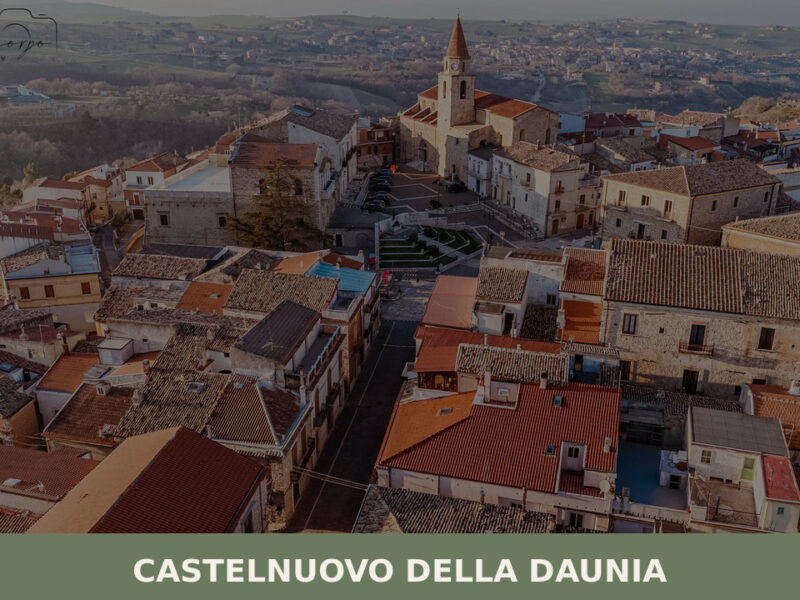
Castelnuovo della Daunia
 Hills
Hills
A compact hill village at 543 metres in Puglia's Subappennino Dauno, Castelnuovo della Daunia offers medieval lanes, panoramic views over the Tavoliere, and the quiet rhythms of inland southern Italy.
Manfredonia
 Sea
Sea
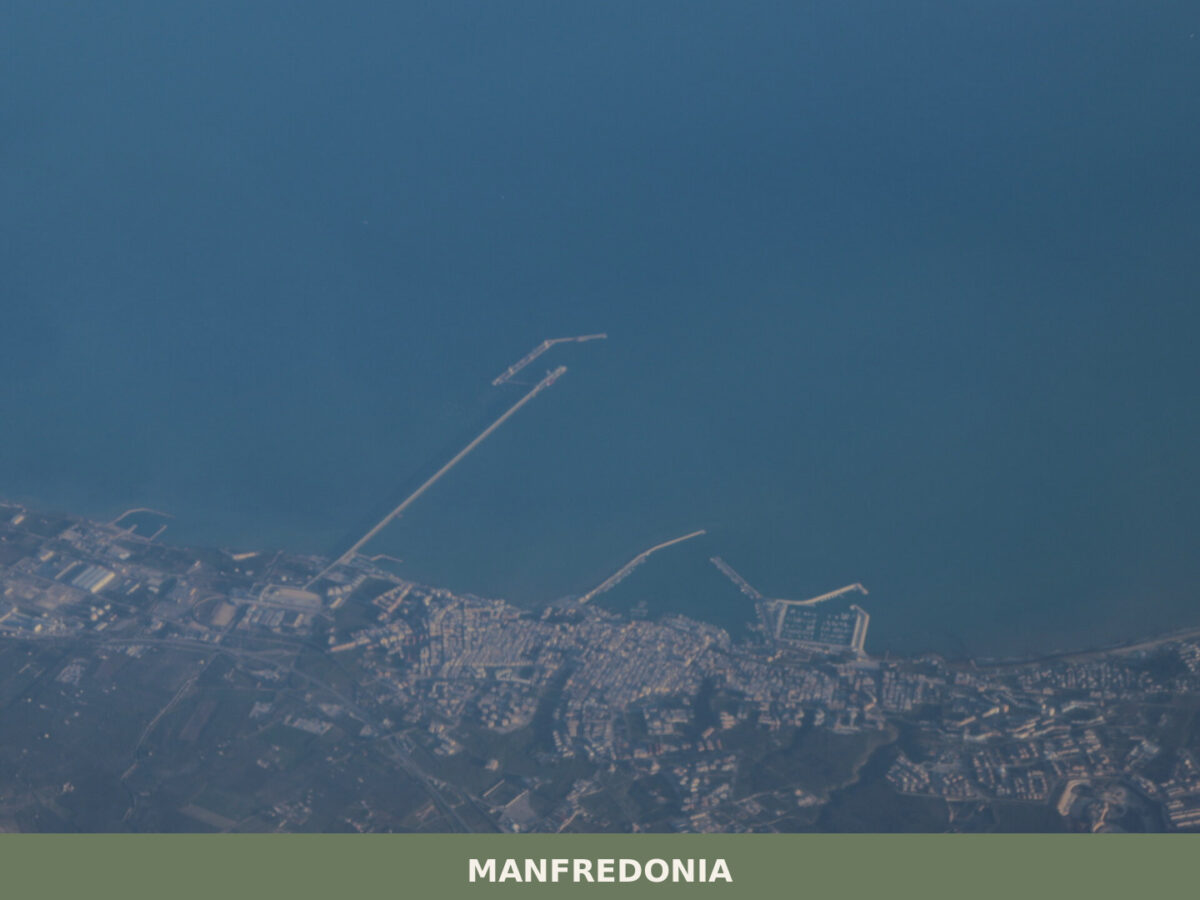
A port city founded by King Manfred on the Gargano coast, Manfredonia holds a medieval castle, pre-Roman carved stele, and one of Puglia's oldest carnivals.
Sammichele di Bari
Hills
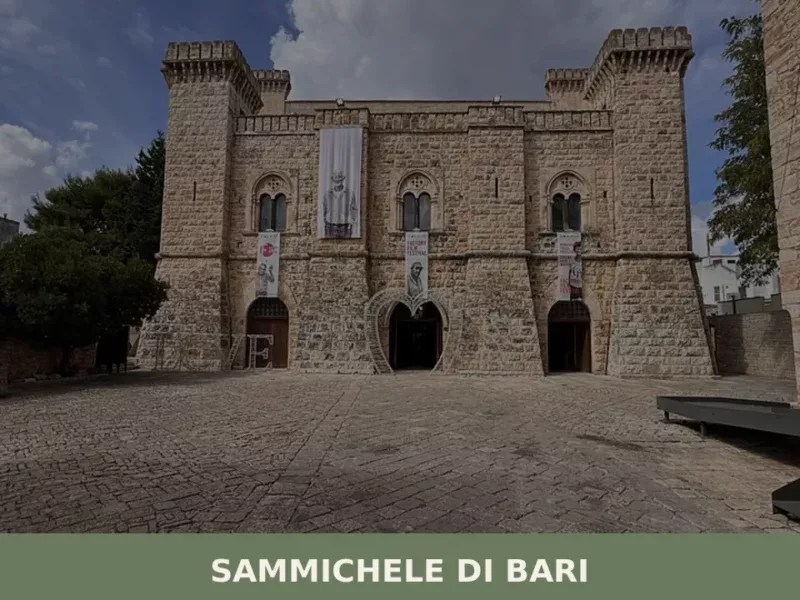
Sammichele di Bari, a settlement of 6,656 inhabitants, is located 280 meters above sea level, in the heart of the Murgia dei Trulli and the Canale di Pirro. Its geographical position, on a rise overlooking the surrounding plain, has defined its role throughout the centuries. Officially founded in the 17th century by the will of […]
Cellamare
Plains
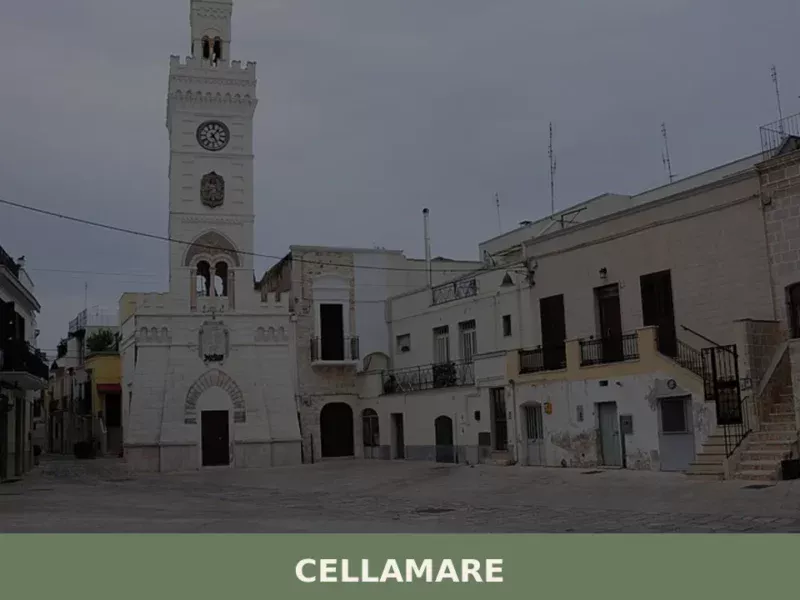
What to see in Cellamare, Italy: Explore this historic village, founded in 1171, located 110 m (361 ft) above sea level. Discover its grape industry and ancient origins.
San Marco in Lamis
Hills
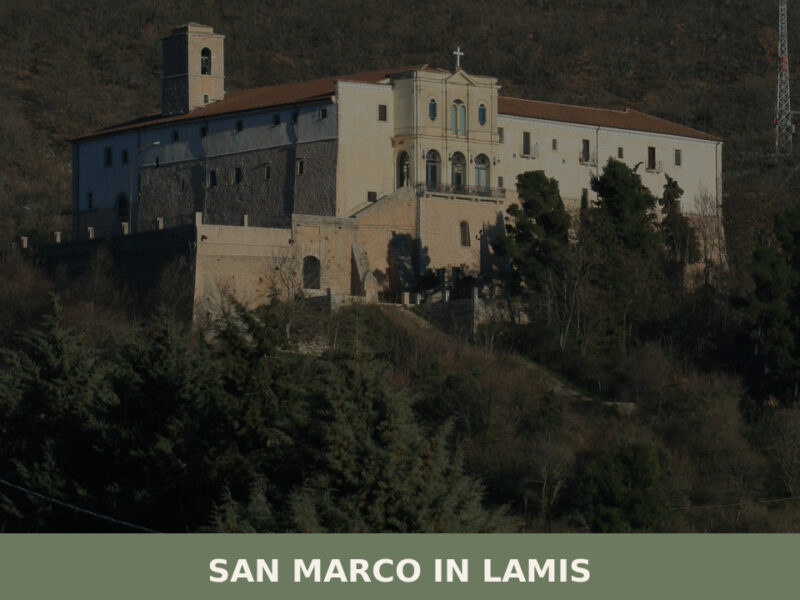
A highland town on the western Gargano, San Marco in Lamis holds ancient monasteries, a dramatic Good Friday fire procession, and the quiet intensity of inland Puglia.
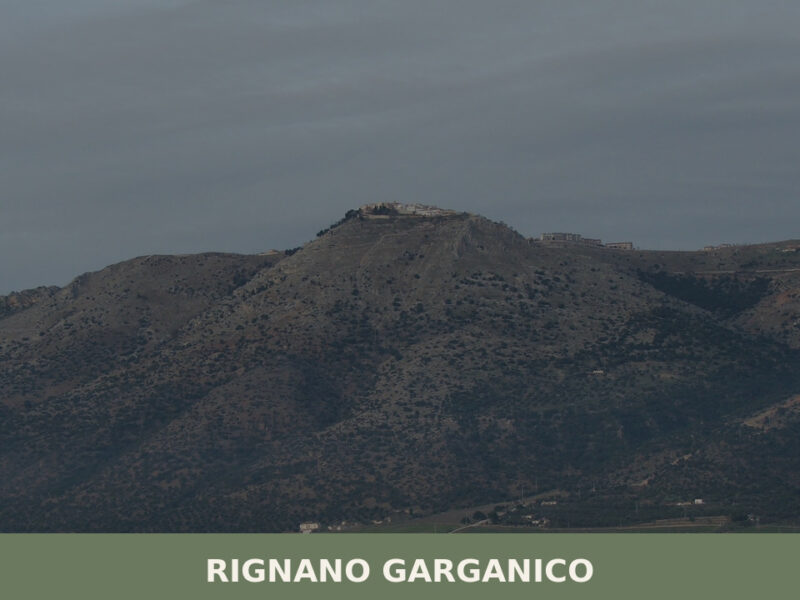
Rignano Garganico
Hills
A quiet hilltop village at 590 metres on the Gargano promontory, Rignano Garganico rewards visitors with medieval lanes, wide Tavoliere views, and the honest food traditions of inland Puglia.
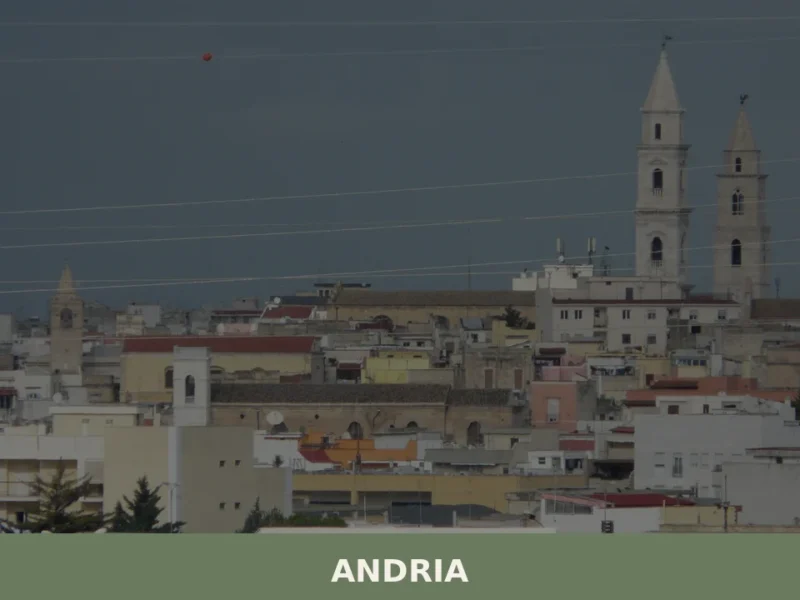
Andria
Plains
What to see in Andria, Puglia, Italy: explore Castel del Monte UNESCO site, the Cathedral crypt, and local products. Population 97,146. Discover the complete guide.
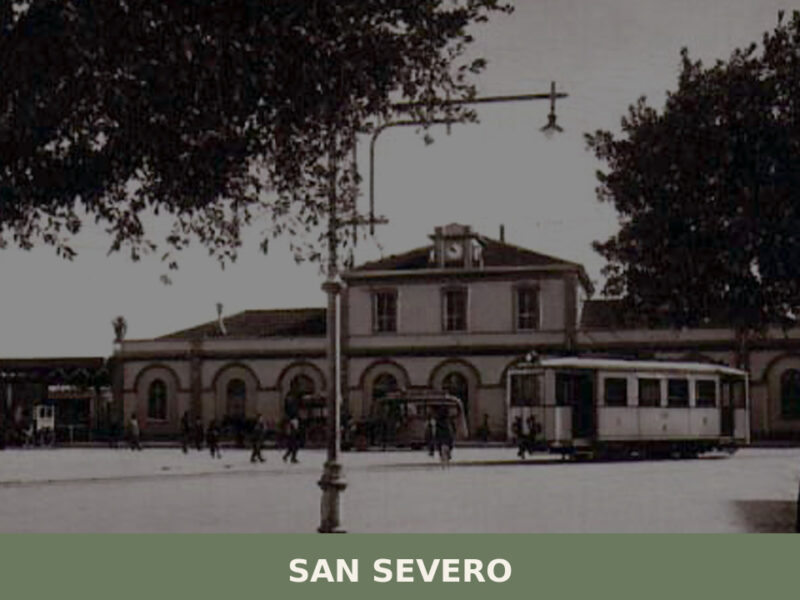
San Severo
Plains
A ridge-top village above the Tavoliere plain in Foggia province, San Paolo di Civitate holds Roman ruins, Norman battlefield history, and an unhurried agricultural life.

Cagnano Varano
Sea
6,579 residents live between a brackish lagoon and the Gargano hills. Stone lanes, patron saints Michele and Cataldo, and a shoreline unlike anywhere else in Foggia province.




🏡 Know Ordona better than we do?
If you’re a local or have been there, your knowledge matters: add what’s missing or fix a detail on this page.