Stone rises where the Dauno plateau rolls northward into ridges and low mountains. The village occupies a hilltop at 439 metres altitude, its compact medieval form still visible in winding streets and the square where life concentrates. Light catches the slopes in late afternoon, turning the surrounding farmland gold; roads climb and descend between olive groves and small fields. This is the landscape of inland Puglia—not the coast, but the working heartland where Foggia province stretches toward the Apennines.
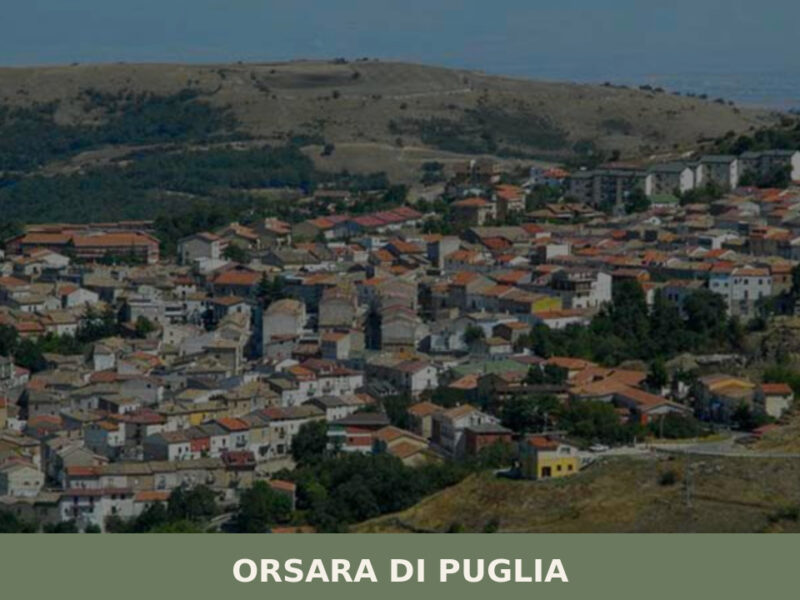
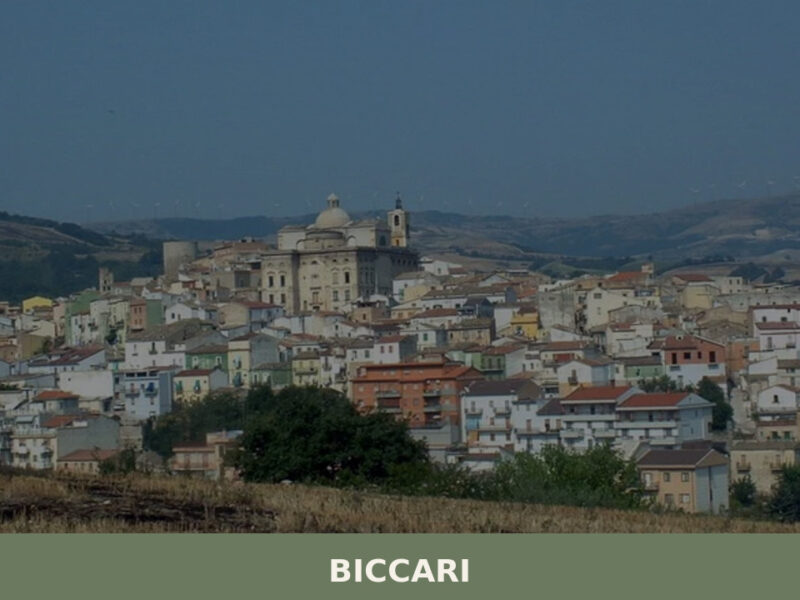
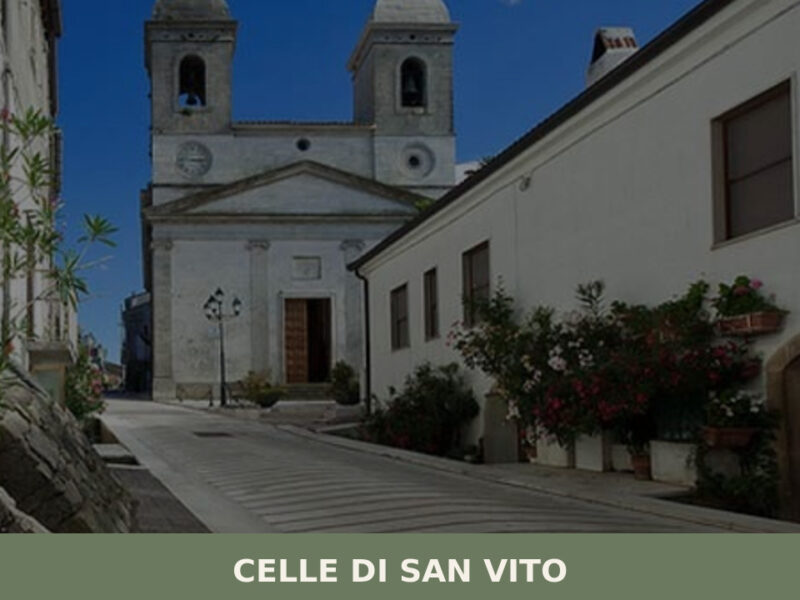
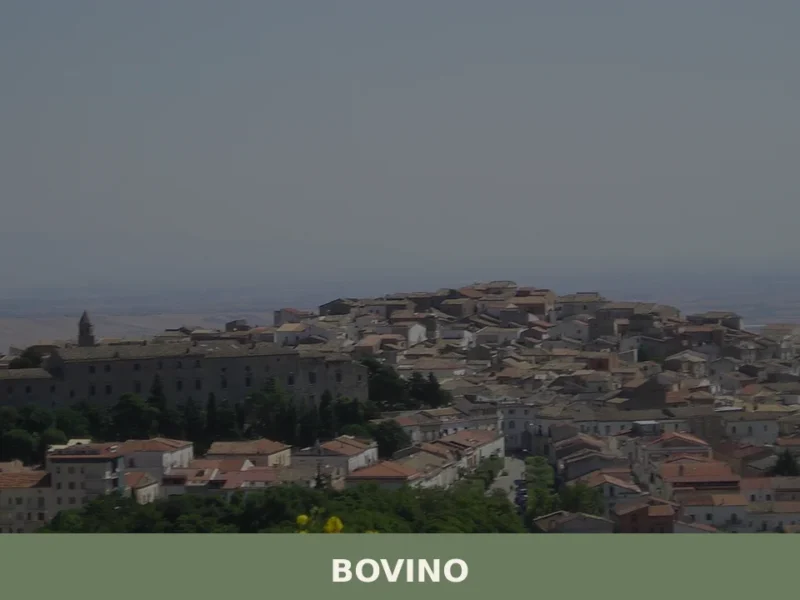
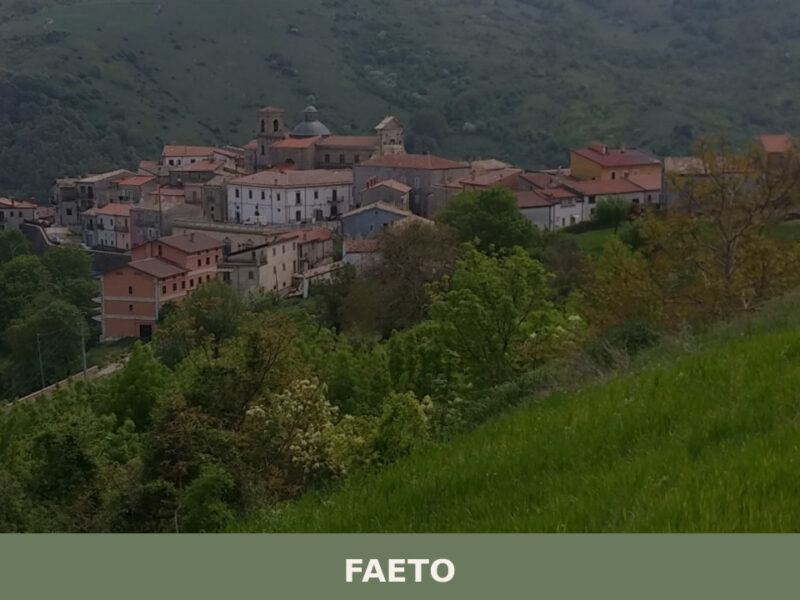
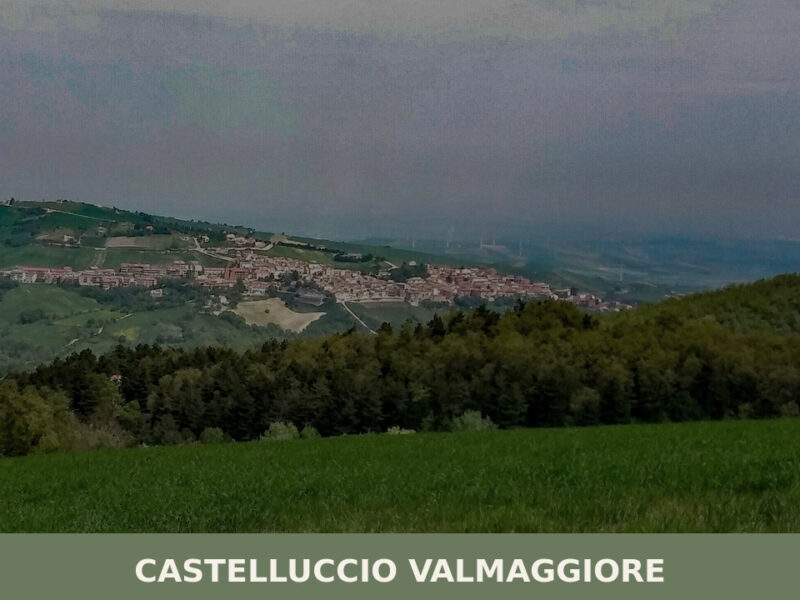
Troia is a comune in the province of Foggia, Puglia, with a population of 6,574. The village belongs to the historic Dauno region and shares borders with Lucera, Orsara di Puglia, Biccari, Castelluccio Valmaggiore, Celle di San Vito, and Faeto. Visitors arrive to find a village shaped by its position on high ground, by religious devotion that marked its civic identity, and by the rhythm of agricultural communities that still define the surrounding territory.
Religious Identity and Medieval Roots
The patron saint, SS. Anastasio, anchors Troia’s spiritual identity. The village’s religious heritage runs deep, connected to pilgrimage routes and the broader ecclesiastical geography of Puglia. Medieval settlement patterns here reflect both strategic hilltop placement—common across inland Daunia—and the importance of religious institutions in organizing medieval society. The village grew around nuclei of devotion and economic necessity, typical of settlements that rose during the early medieval period and consolidated through later centuries.
Like many inland Puglian villages, Troia occupies a zone where Greek, Lombard and Norman influences layered over earlier Mediterranean patterns. The present form of the village, with its concentrated centre and surrounding agricultural land, carries traces of this medieval organization. Local tradition and administrative records place the village firmly within Puglian ecclesiastical networks, though precise founding narratives are not uniformly documented.
The villages of the Dauno plateau, though less famous than coastal towns, preserve a distinctive character shaped by isolation, agriculture and deep religious continuity. Their stone streets and hilltop positions speak to medieval choices about defence, water access and communal gathering.
The Village Core and Sacred Spaces
The Central Square and Town Layout
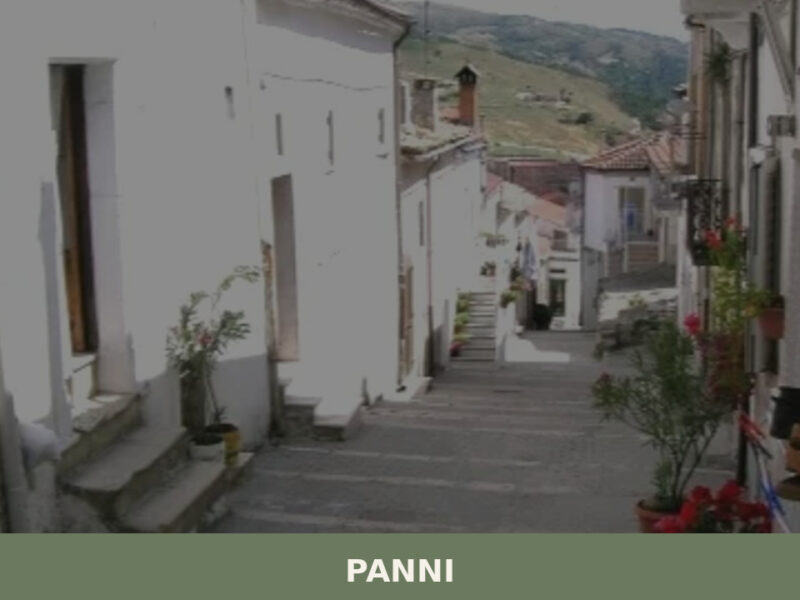
The historic centre of Troia organizes around a traditional southern Italian plaza pattern. Narrow streets radiate from a focal point where social and economic life converge. Stone buildings, many dating to the medieval and early modern periods, line these streets in the dense configuration typical of hilltop defence settlements. The square itself serves as the village’s social heart—a place for markets, gatherings and the informal encounters that sustain community life.
Religious Architecture
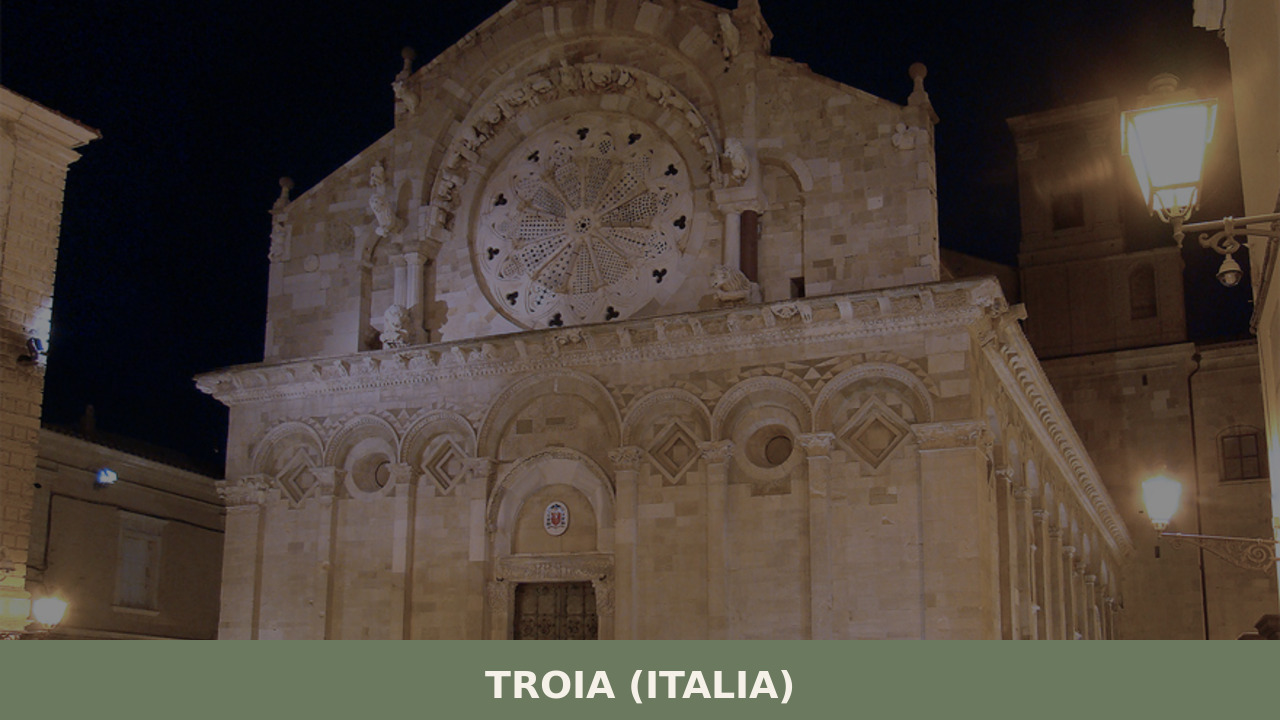
Sacred buildings mark Troia’s identity as a place where faith shaped daily practice. The Cattedrale di Santa Maria Assunta is the most representative monument of Troia—a celebrated example of Apulian Romanesque architecture, renowned for its bronze portal and rose window. This cathedral and other religious structures stand as markers of the village’s institutional continuity and its role within Puglia’s broader ecclesiastical network. These spaces reflect centuries of worship, adaptation and community investment.
Agricultural Territory and Boundaries
The land surrounding Troia defines the village’s economic and social reality. Fields of grain, olive groves and scattered farmhouses extend from the hilltop margins across the Dauno plateau. This territory—shared in varying arrangements with neighbouring comuni including Faeto and Celle di San Vito—represents generations of cultivation and pastoral knowledge. Roads connect Troia to smaller hamlets and isolated farms, creating a web of human settlement across otherwise open country.
Flavours of the Dauno Plateau
The food of Troia reflects the agricultural base of the surrounding plateau. Olive oil, grain and seasonal produce shape the village diet and local food culture. As in much of inland Puglia, cooking emphasises simple preparation, preservation techniques suited to a continental climate, and the products that grow reliably in this landscape. Regional dishes and the use of local wheat varieties connect Troia’s table to broader Puglian traditions, though the specific local specialities are best discovered through direct engagement with village residents and local food producers.
Planning Your Visit
Troia lies inland, reached most easily by private car. The village sits on minor provincial roads rather than major motorways; the journey from larger Puglian towns requires deliberate routing through the Dauno countryside. Visitors should expect winding roads through farmland, with clear signage directing toward the village centre. Parking typically occurs at the village edge, with pedestrian access required into the historic core.
Spring and autumn offer the most comfortable climate for exploration. Summers are warm; winters are cool and occasionally wet. The village offers limited accommodation and food services; nearby towns of larger size provide more facilities. Visitors planning to visit should telephone ahead to confirm opening hours for any religious buildings or local civic sites, as these may follow seasonal or restricted schedules.
| Departure point | Approximate distance | Travel time |
|---|---|---|
| Foggia | 50 km | 1 hour by car |
| Bovino | 15 km | 20 minutes by car |
| Barletta | 90 km | 1 hour 45 minutes by car |
The village functions primarily as a residential and agricultural centre rather than a tourist resort. Visitors should come with realistic expectations: Troia offers quiet authenticity and a glimpse of how hilltop villages in inland Puglia organize themselves, not curated attractions or extensive hospitality infrastructure. The experience lies in walking the streets, observing daily life, speaking with residents and understanding the landscape that sustains the community. Those interested in religious routes, agricultural traditions or the quieter side of Puglian village life will find Troia a meaningful stop.
 Mountain