


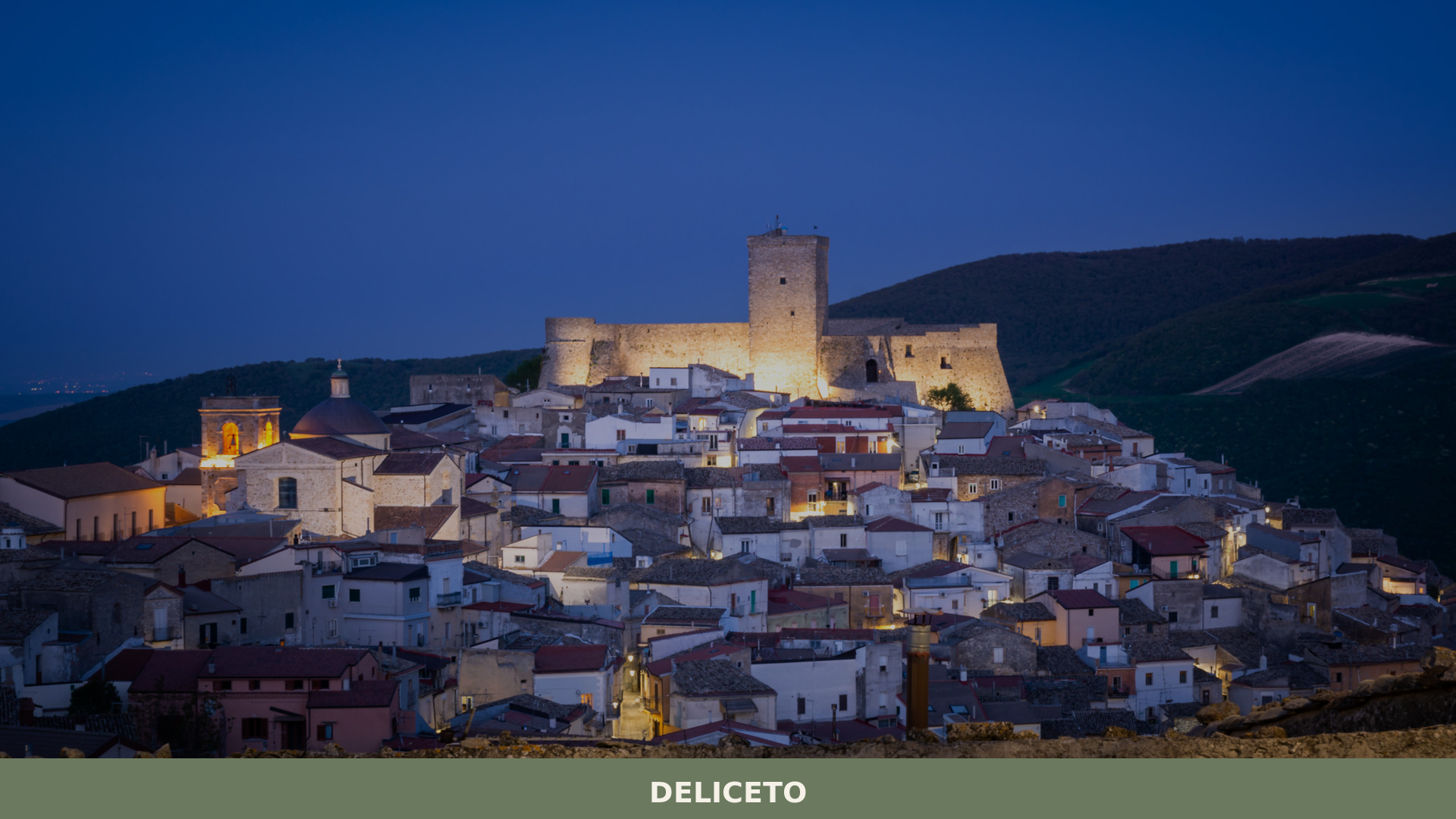
Deliceto
 Hills
Hills
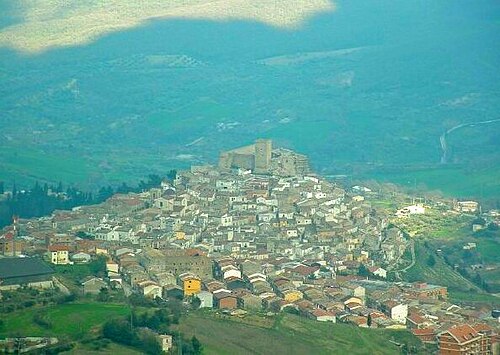
Deliceto rises at 575 metres on a ridge of the Subappennino Dauno, commanding the Tavoliere plain. A Norman castle, layered churches, and a stone-built historic centre define this compact Puglia hill village.
Discover Deliceto
Morning light hits the limestone walls of Deliceto’s old quarter at a low angle, turning every crack and iron balcony into a study in shadow. At 575 metres above sea level, the air carries a sharpness that the plains below Foggia never know. Roosters compete with church bells. A woman sets a chair outside her door and watches the street as if it were a river. This is a place that has been watching for a long time. If you are wondering what to see in Deliceto, the answer begins with understanding that the village itself — compact, vertical, built on a defensive ridge of the Subappennino Dauno — is the main event.
History of Deliceto
Human settlement on this hilltop predates written records. The name “Deliceto” likely derives from the Latin ilicetum, meaning a grove of holm oaks — a reference to the dense woodland that once blanketed the slopes of the Subappennino Dauno. Under Norman rule in the eleventh and twelfth centuries, the settlement acquired strategic value. A castle was raised to command the ridgeline, and the village grew in its shadow, its street plan still tracing the concentric logic of medieval defence.
Through the centuries, Deliceto passed among feudal families — the De Sangro, the Guevara, and others whose coats of arms are still carved into lintels around the historic centre. The village endured the earthquakes that periodically shake this part of southern Italy, each time rebuilding with the same local stone. By the eighteenth century, several religious orders had established themselves here, leaving behind churches and convents that remain the dominant architectural features of the skyline. Today, with a population of roughly 3,506, Deliceto is small but far from abandoned — its civic life shaped by the rhythms of agriculture, religious observance, and the slow restoration of its historic fabric.
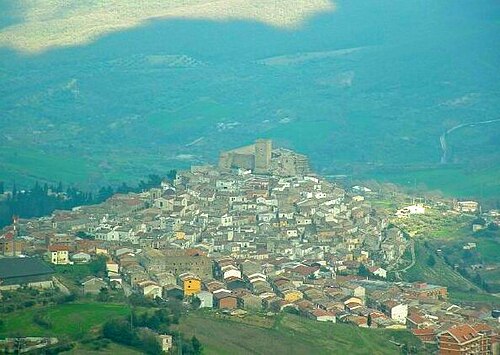
The village’s position made it a sentinel. From its highest points, the view extends north and east across the Tavoliere delle Puglie, the largest plain in southern Italy. That panoramic command is not incidental: it explains why people built here in the first place, and why the castle was positioned exactly where it stands.
What to see in Deliceto: 5 must-visit attractions
1. Castello Normanno (Norman Castle)
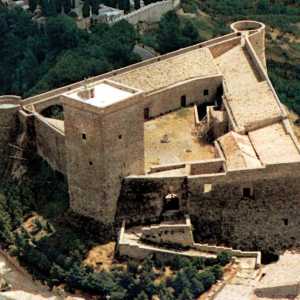
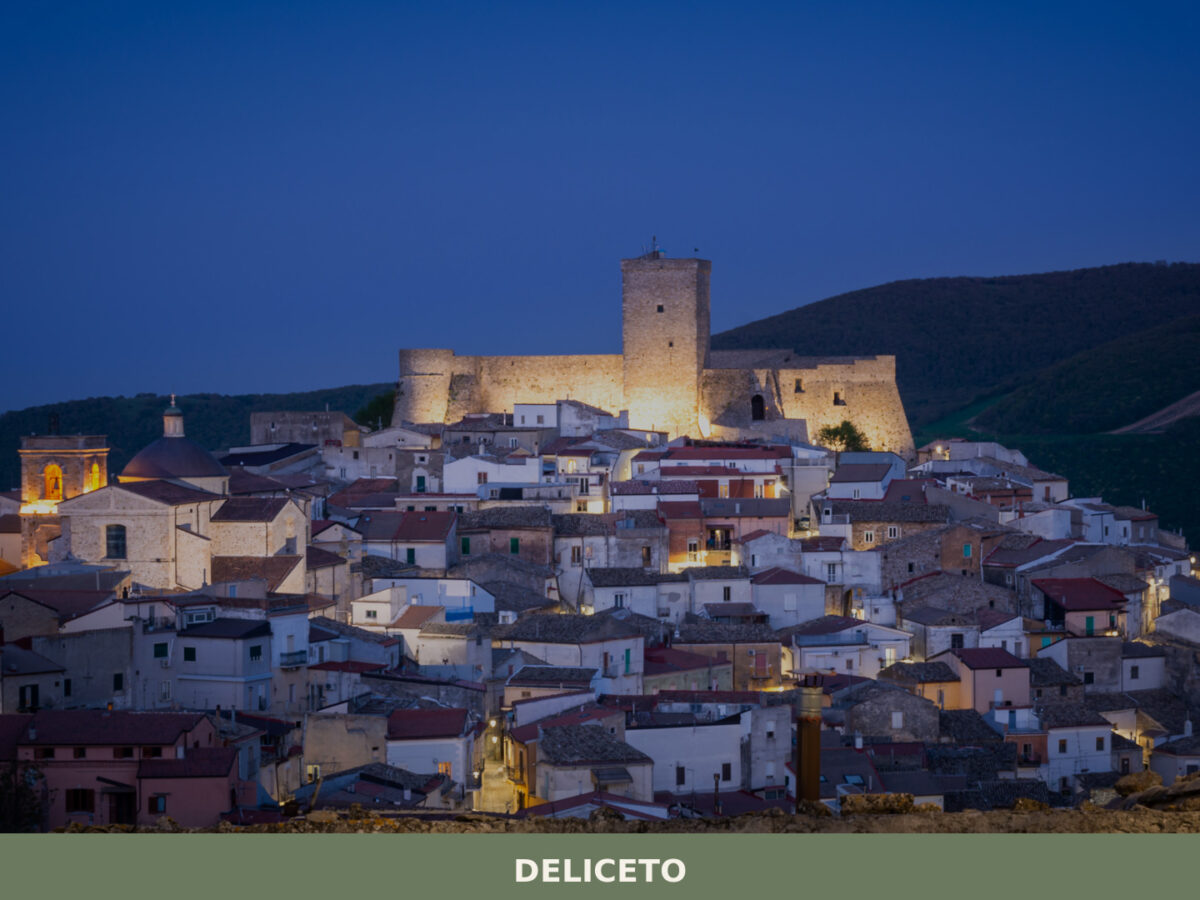
The castle dominates the highest point of the village, its squared tower visible from kilometres away on the plain. Built during the Norman period and modified by successive feudal lords, it retains thick defensive walls and an internal courtyard. The structure speaks plainly of military purpose — narrow windows, heavy stone, a layout designed to withstand siege. It remains the symbolic heart of Deliceto’s skyline.
2. Chiesa Madre (Mother Church)
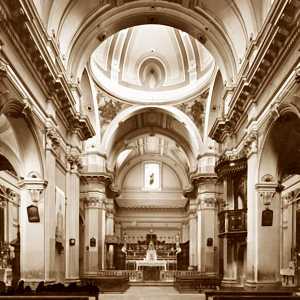
The principal church of Deliceto stands in the historic centre, its façade restrained in the manner typical of Daunia’s religious architecture. Inside, altarpieces and carved stonework reflect centuries of local devotion and patronage. The building has been repaired after seismic damage more than once, giving it a layered quality — Baroque additions over medieval bones — that rewards close attention.
3. Convento di Sant’Antonio and surrounding cloisters
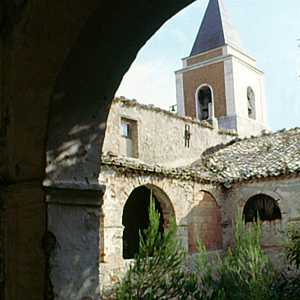
Franciscan presence in Deliceto left this convent complex, which includes a cloister and an adjoining church. The proportions are modest rather than grand, reflecting the order’s principles. Faded frescoes and worn flagstones mark the passage of feet over hundreds of years. It functions as a quiet counterpoint to the fortress above — spiritual authority beside temporal power.
4. The historic centre (Centro Storico)
Deliceto’s old quarter is a tightly wound arrangement of narrow vicoli, arched passageways, and stone staircases that climb the slope beneath the castle. External stairways lead to upper-floor entrances. Doorways are framed in carved stone, some bearing dates from the 1600s and 1700s. Walking here is physical — the gradient is real — and the architecture is vernacular in the truest sense: built by local hands from local rock.
5. Panoramic viewpoints over the Tavoliere
Several points along the village’s perimeter offer unobstructed views east over the Tavoliere delle Puglie. On clear days, the flatland stretches to the horizon in a patchwork of wheat fields, olive groves, and scattered farmsteads. At sunset, the plain turns copper. These viewpoints are not formally designated — they are simply gaps between buildings or the edges of terraces where the land drops away.
Local food and typical products
The cuisine of Deliceto belongs to the tradition of the Daunia hills: land-based, wheat-driven, shaped by altitude and season. Handmade pasta — orecchiette, cavatelli, and the local variant of cicatelli — is dressed with simple sauces of tomato, wild herbs, or slow-cooked ragù. Lamb and pork are the dominant meats, often roasted or prepared as cutturiddi, a slow-braised stew. Bread, baked in large rounds from durum wheat semolina, is treated not as an accompaniment but as a staple — the foundation of dishes like pancotto, a thick soup of stale bread, greens, and olive oil. The province of Foggia is one of Italy’s principal grain-producing areas, and that reality is present at every table.
Olive oil from the Subappennino Dauno holds DOP (Denominazione di Origine Protetta) status, and trees in the Deliceto area contribute to this production. Local cheeses — caciocavallo, scamorza, and fresh ricotta — come from small dairies in the surrounding countryside. Wine production is modest but present, with regional varieties grown on hillside plots. For visitors, the best meals are often found not in formal restaurants but in agriturismi and family-run trattorie on the roads leading out of the village, where the menu depends on what was harvested that week.
Best time to visit Deliceto
Spring and early autumn offer the most comfortable conditions for exploring. From April through June, the hillsides green up, wildflowers appear on the roadsides, and temperatures sit between 15°C and 25°C — warm enough for long walks without the heaviness of summer. July and August bring dry heat that can exceed 35°C on the plain, though at 575 metres Deliceto catches breezes the lowland towns do not. September and October bring the grape and olive harvests, a good time to see the agricultural landscape in active use.
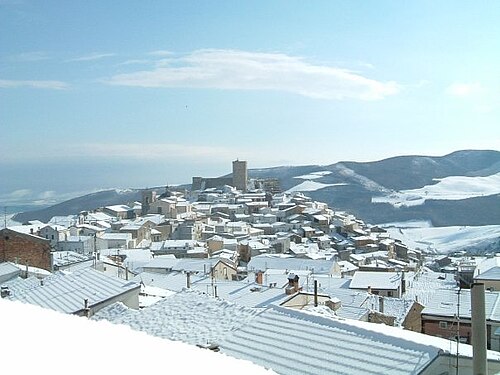
The village’s patron saint festival and other religious processions, typically held in summer, draw residents back from the cities and fill the streets with music, food stalls, and a density of social life that the rest of the year does not match. Winters are quiet, sometimes cold, with occasional snowfall that transforms the rooftops and the castle into something starkly photogenic. Visitors should note that some services — small bars, alimentari — keep irregular hours, and a car is essential for reaching the village and its surroundings.
How to get to Deliceto
Deliceto lies in the province of Foggia, in the western hills of Puglia. By car, the most direct route from the A16 motorway (Napoli–Canosa) is to exit at Candela and follow provincial roads south-west toward the village — a drive of roughly 20 minutes through open farmland. From Foggia city, the distance is approximately 40 kilometres, about 45 minutes by car on the SS655 and connecting roads.
The nearest railway station with regular service is Foggia, which sits on the main Adriatic rail line connecting Bologna, Bari, and Lecce. From Foggia station, local bus services operated by regional carriers reach Deliceto, though schedules are limited and a rental car is strongly recommended. The closest airports are Bari Karol Wojtyła (approximately 150 km, roughly 1 hour 45 minutes by car) and Naples Capodichino (approximately 170 km, around 2 hours). From either airport, the drive crosses contrasting terrain — coastal lowlands giving way to the rolling contours of the Daunia hills.
More villages to discover in Puglia
The Subappennino Dauno is a territory of hill villages that share geological and cultural roots but each carry distinct identities. A short drive north of Deliceto, Biccari sits at a similar altitude and offers access to the Lago Pescara area and surrounding forests — a landscape markedly different from the open grain plains below. Biccari has drawn attention in recent years for innovative community-led tourism initiatives, making it a useful complement to a visit to Deliceto.
To the south-east, Ascoli Satriano descends from the hills toward the Tavoliere and preserves traces of its Daunian, Roman, and medieval past — including archaeological finds of considerable significance. Together, these villages form part of a circuit through western Puglia that most travellers to the region never see, focused as they tend to be on the coast and the trulli country further south. The Daunia hills reward those willing to drive the secondary roads, where each turn reveals another settlement on another ridge, built from the same stone, facing the same vast plain.
Frequently asked questions about Deliceto
When is Deliceto's patron saint celebrated and who is it?
Deliceto's patron saint is Saint Matthias the Apostle, celebrated on September 22nd. The celebration draws many residents who live elsewhere back to town, filling the streets with processions, music and market stalls. It is one of the moments in the year when the town expresses its community identity most intensely, making September — already excellent for weather — a particularly interesting time to visit.
Is it possible to hike in the surroundings of Deliceto?
The territory of the Subappennine Dauno around Deliceto is part of an area crossed by CAI trails and sections of Puglia's hiking network. The municipality is part of the Monti Dauni area, where documented routes through forests and ridges connecting various villages in the region are known. For updated maps and official trail numbering, it is advisable to consult the CAI section in Foggia or the Puglia Region's dedicated outdoor tourism portal.
How much time is needed to visit Deliceto?
Deliceto is a compact village that can be explored on foot in two to three hours, including the Norman castle, the Mother Church, the Convent of Sant'Antonio and the alleys of the historic center. Adding a stop at the viewpoints overlooking the Tavoliere and lunch at a local trattoria or farm stay, half a day is sufficient. Those wishing to combine a visit with Biccari or Ascoli Satriano should plan a full day.
Can Deliceto be reached as a stop on a broader itinerary in inland Puglia?
Yes. Deliceto fits naturally into a circuit of the Monti Dauni that includes Biccari — a few kilometers to the north, with access to Lake Pescara and surrounding forests — and Ascoli Satriano to the south-east, known for its Daunic and Roman archaeological heritage. The entire area is accessible by car from the Candela exit of the A16, which serves as an access point for multiple villages in the area in a single day of travel.
📷 Photo Gallery — Deliceto
Nearby Villages near Deliceto
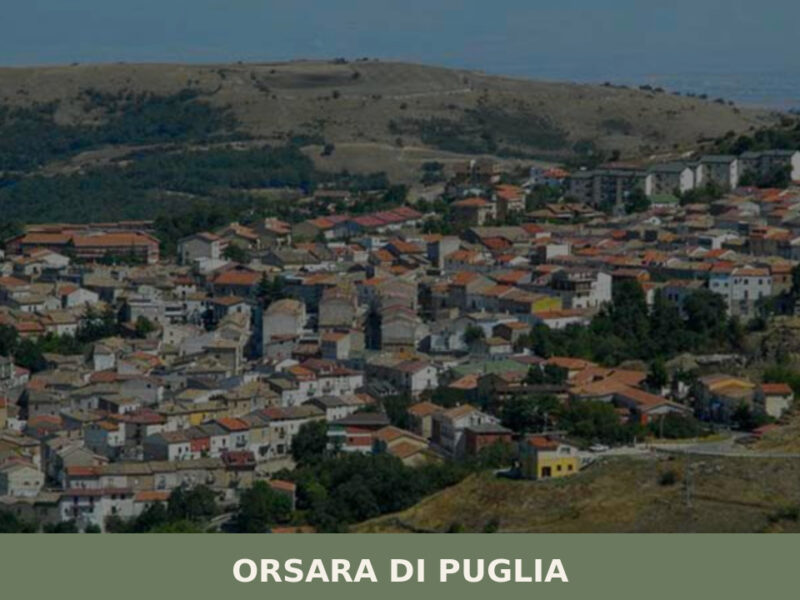
In Apulia More villages to discover
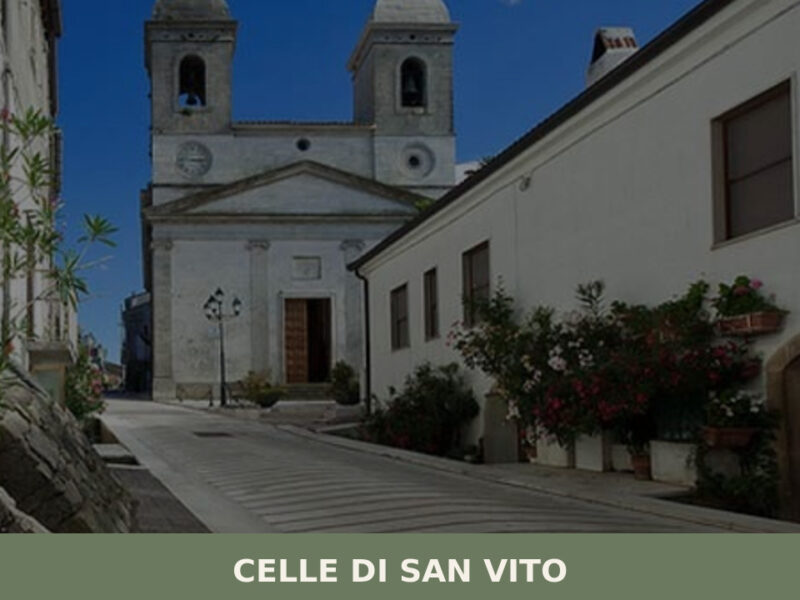
Celle di San Vito
 Mountain
A 148-resident Franco-Provençal enclave at 726 metres in the Daunia sub-Apennines. Discover what to see in Celle di San Vito, from medieval stone lanes to linguistic heritage.
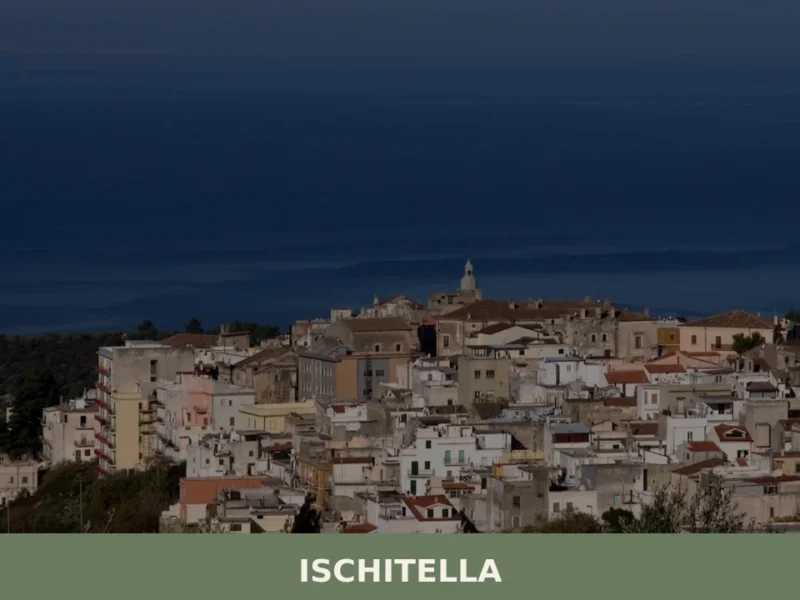
Ischitella
 Lake
Lake
 Sea
Sea
A ridge-top village on the Gargano promontory, Ischitella offers Norman walls, Baroque churches, ancient olive groves, and access to the Foresta Umbra.
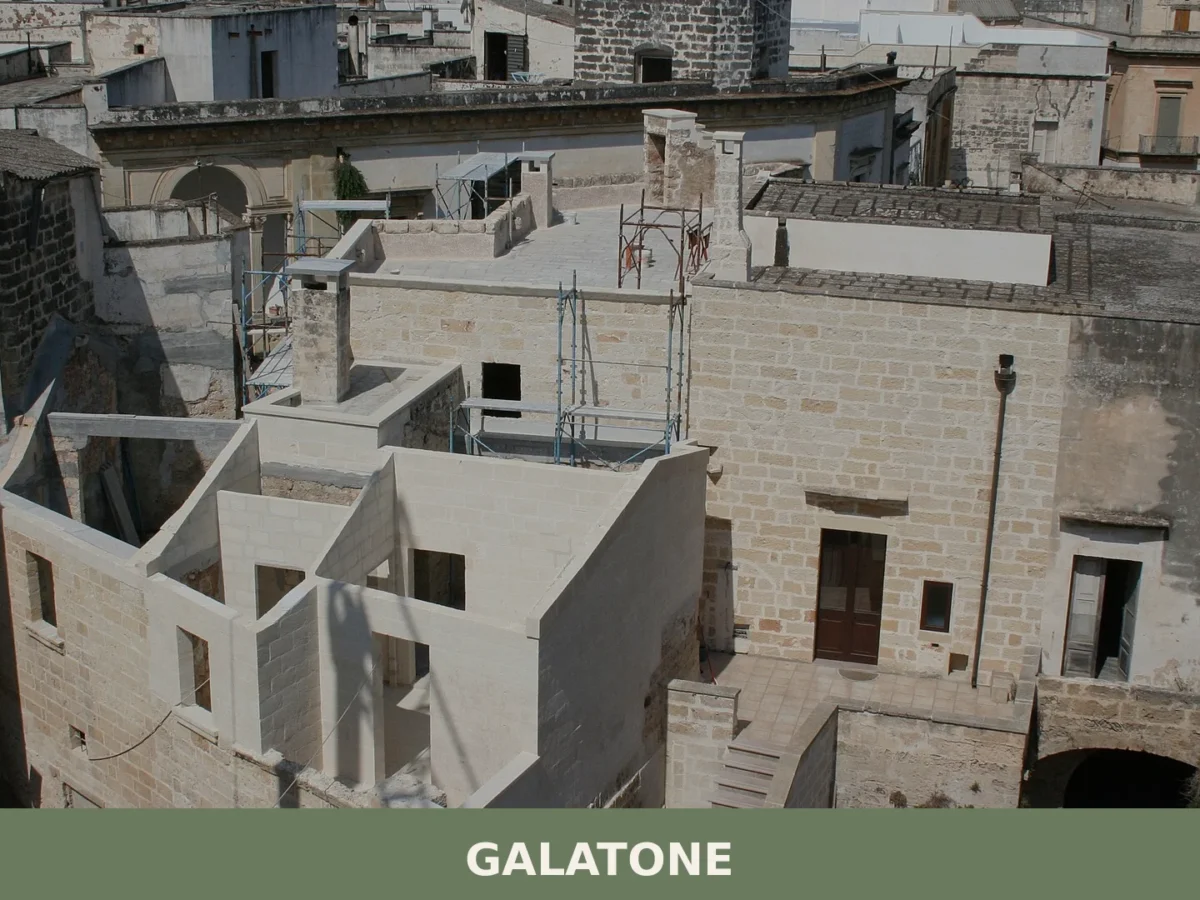
Galatone
Sea
A medieval settlement of 14,800 inhabitants on the Ionian shore. Known for three baroque sanctuaries and the birthplace of Antonio De Ferrariis, a leading Renaissance humanist.
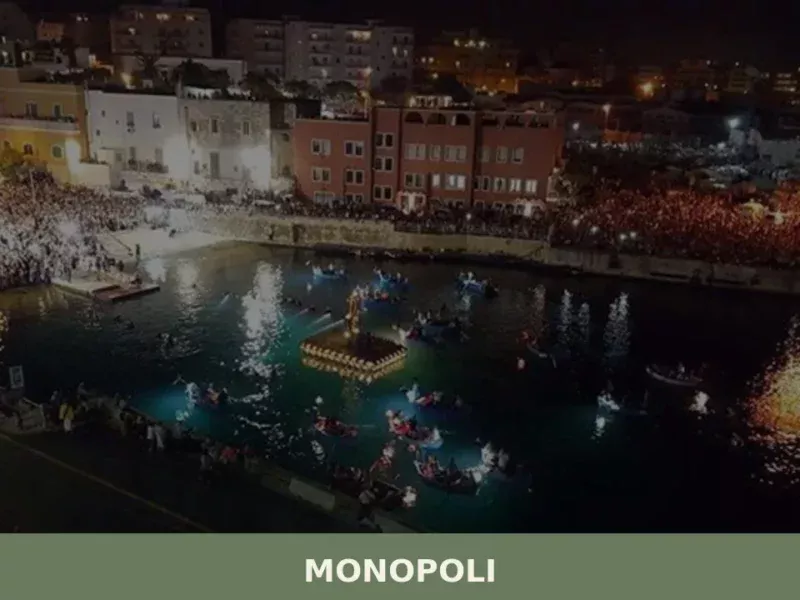
Monopoli
Sea
From the promontory where the Castle of Charles V stands, the view sweeps across the Adriatic, a horizon of waters that have shaped Monopoli’s identity for centuries. This port city, whose name evokes the idea of a “unique city,” reveals itself through its architecture, which tells of historical layers, from Messapian walls to Spanish fortifications. […]
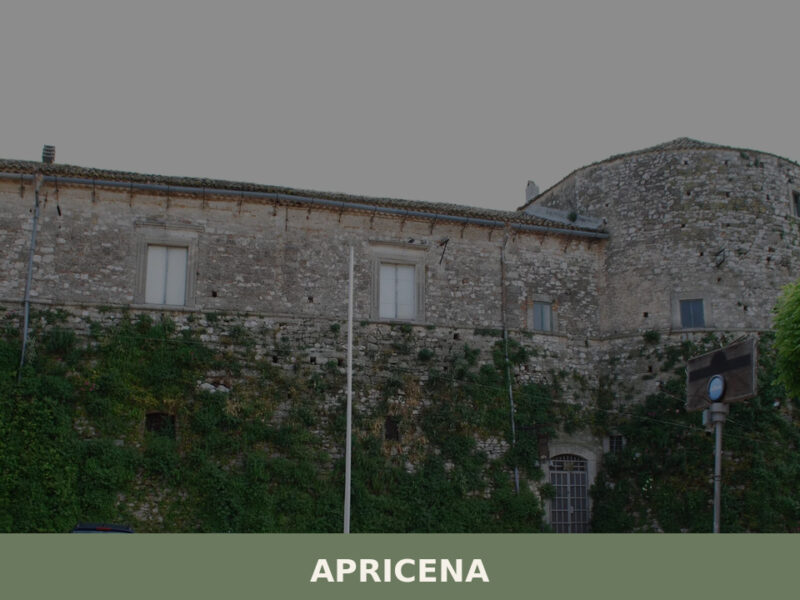
Apricena
 Plains
Discover Apricena, a stone-quarrying town in Puglia's Gargano area. Explore medieval heritage, local cuisine, and authentic Southern Italian charm.
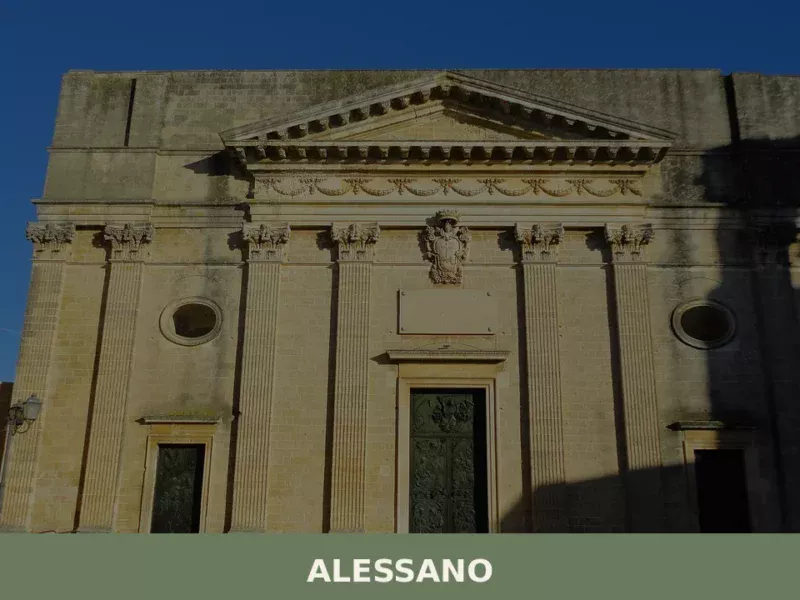
Alessano
Sea
Until 1818, Alessano was the seat of its own diocese — a fact that explains the density of sacred architecture concentrated in a village of fewer than 6,000 inhabitants. Located in the basso Salento, the southernmost stretch of Puglia’s heel, the comune includes the hamlet of Montesardo and the coastal locality of Marina di Novaglie. […]
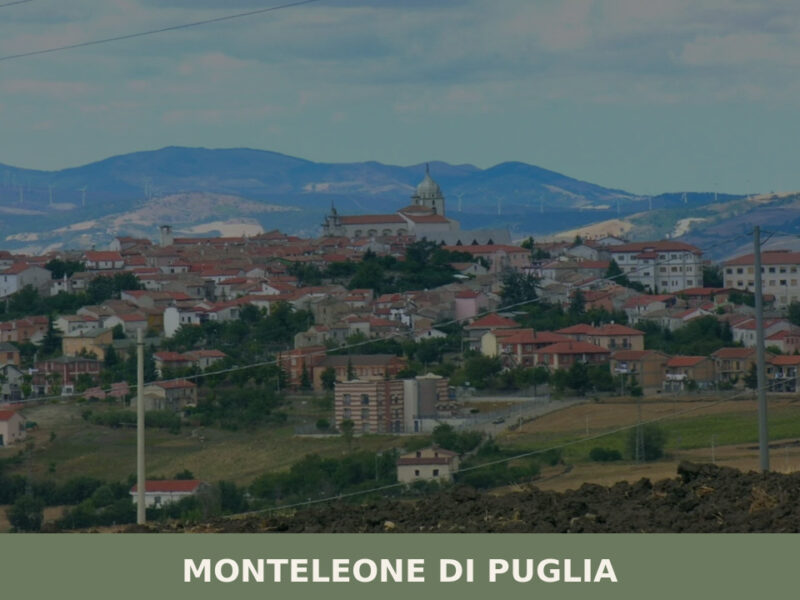
Monteleone di Puglia
Mountain
At 842 metres above sea level in the Daunian Sub-Apennines, Monteleone di Puglia is a wind-swept hilltop village of 925 inhabitants with deep medieval roots and wide-open horizons.
Volturara Appula
Hills
A hill village of 378 residents at 489 metres in the Daunian Subapennines. Volturara Appula offers medieval lanes, panoramic views over the Tavoliere, and the quiet of a place most travellers never find.
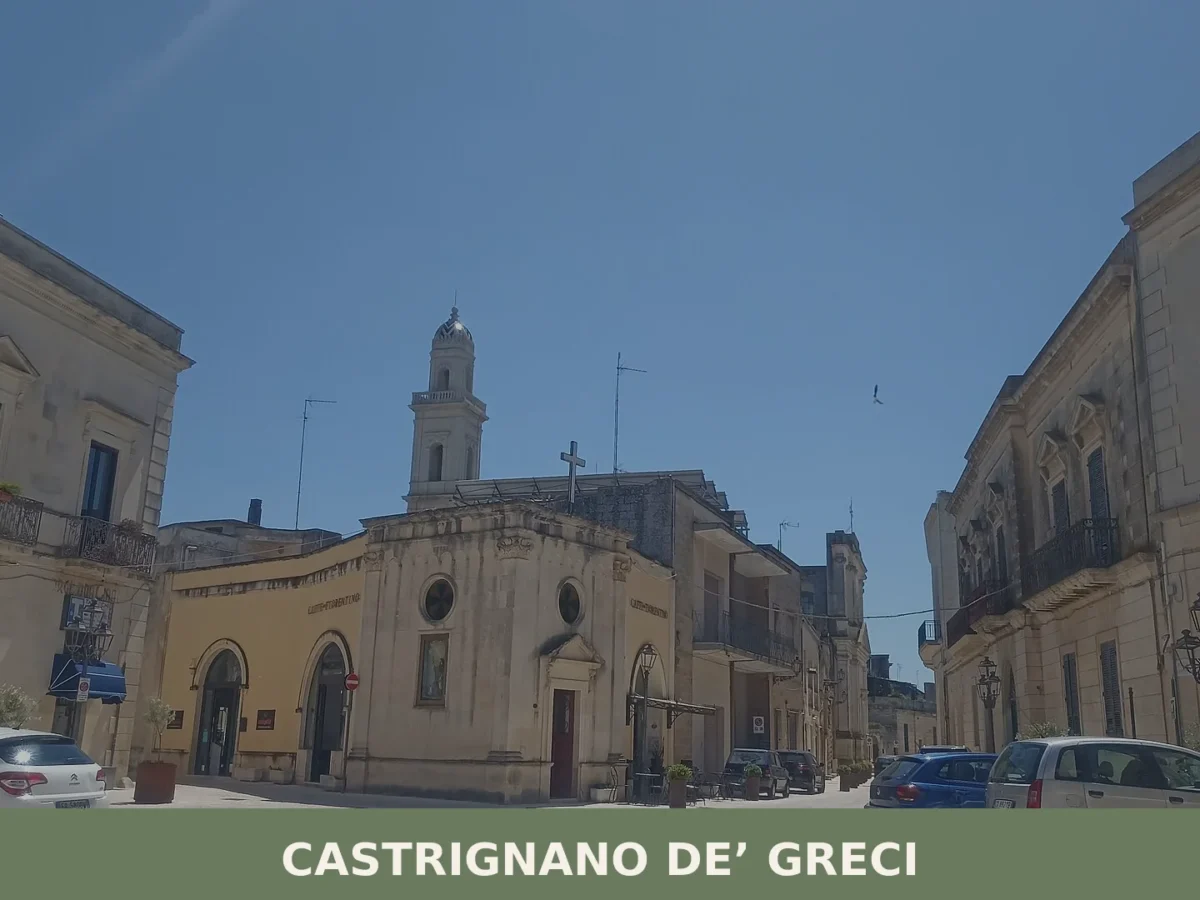
Castrignano de’ Greci
Plains
A village of 3,631 people where ancient Greek language persists and Byzantine crypts breathe beneath baroque facades. Medieval roots and baroque innovation define its character.
Santeramo in Colle
Hills
What to see in Santeramo in Colle? Discover the top 5 attractions, from the historic center to beautiful churches. Plan your visit to Puglia!


🏡 Know Deliceto better than we do?
If you’re a local or have been there, your knowledge matters: add what’s missing or fix a detail on this page.