


Morano Calabro
 Sea
Sea
What to see in Morano Calabro, Italy: a village at 680 m altitude, listed among I Borghi più belli d’Italia. Discover top attractions, local food and how to get there.
Discover Morano Calabro
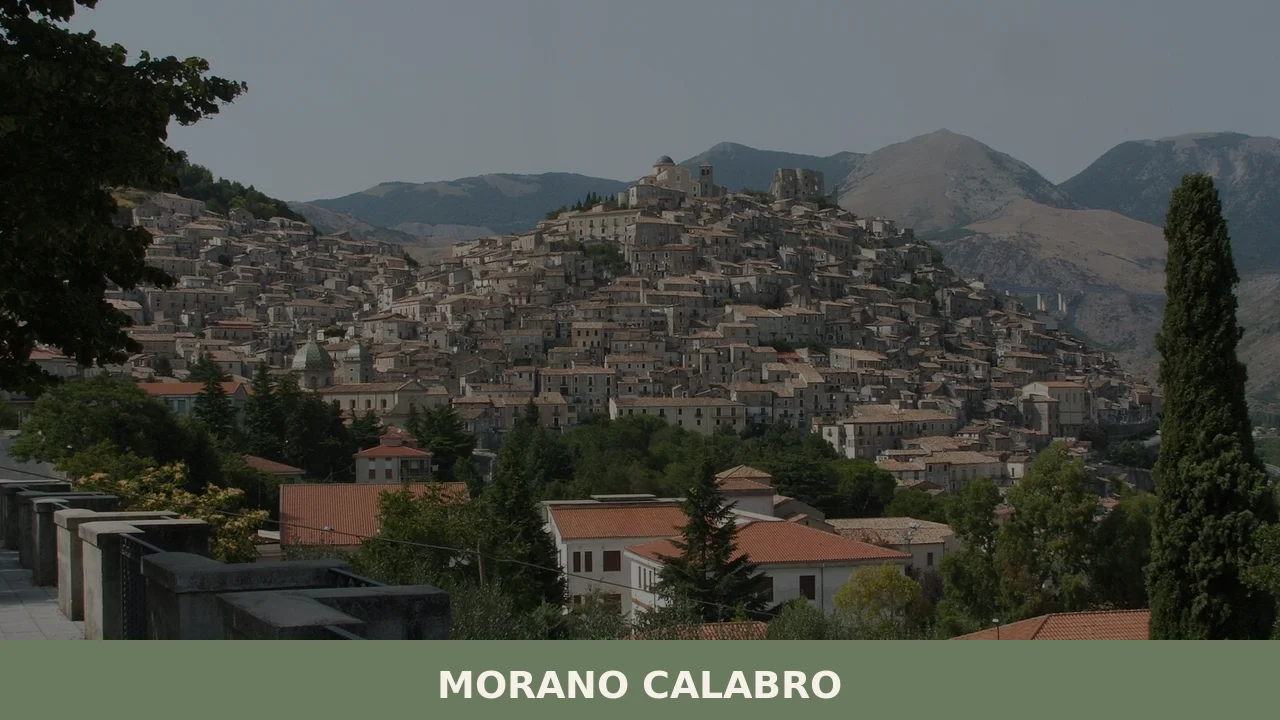
Stone stacks against stone at 680 m (2,231 ft) above the valley floor, the houses of Morano Calabro climbing in tight concentric rings toward a Norman castle that commands the full width of the Castrovillari plain below. The Coscile river basin opens to the south, and on clear days the ridge of the Pollino massif draws a firm line across the northern horizon.
This is a village that organises itself vertically — staircases do the work that roads cannot.
Knowing what to see in Morano Calabro means understanding a place that earned its listing in I Borghi più belli d’Italia, the national register of Italy’s most significant small towns, through a concentration of medieval architecture, documented battle history, and a mountain setting that gives the entire province of Cosenza its most recognisable skyline. Visitors to Morano Calabro find a Norman castle, a civil parish shaped by Napoleonic warfare, and a townscape of layered churches rising above the Valle del Coscile. The comune sits within the Pollino National Park area, roughly 15 km (9.3 mi) from Castrovillari, the nearest urban centre.
History of Morano Calabro
The settlement’s origins predate Norman consolidation of southern Italy, though the castle that now defines the town’s silhouette was built or substantially rebuilt under Norman influence following the 11th-century reorganisation of Calabria. The surrounding municipalities — Castrovillari, Mormanno, Rotonda, San Basile, Saracena, Terranova di Pollino and Viggianello — mark the geographic unit within which Morano Calabro developed as a fortified hilltop community, positioned to monitor the valley routes connecting the Tyrrhenian coast to the interior of the peninsula.
The Battle of Campo Tenese in 1806 gave the territory its most precisely dated moment of military significance.
The engagement took place at the frazione of Campotenese, a civil parish of Morano Calabro located on a mountain pass at 1,015 m (3,330 ft) above sea level. French Imperial forces under the command of officers loyal to Napoleon clashed there with the army of the Kingdom of Naples, a confrontation that formed part of the broader campaign through which the French Empire extended control over the southern Italian mainland. The pass at Campotenese, given its elevation and position on a key transapennine route, was the obvious point at which any advance from north to south would be contested.
Morano Calabro is documented as the birthplace of two figures of national record: Gaetano Scorza, the mathematician whose work in the early 20th century contributed to algebra and group theory, and Oswaldo Caffaro Faillace, an economist and decorated telegraphist who served during the Second World War. Caffaro Faillace is credited with saving numerous lives by transmitting warnings of the unexpected approach of bombers, an act of operational intelligence under combat conditions that earned him formal military recognition. The village also maintains a gemellagio, a twin-city relationship, with Porto Alegre in Brazil, a partnership that reflects the documented emigration history of Calabria across the 19th and 20th centuries.
What to see in Morano Calabro, Calabria: top attractions
The Norman Castle
The castle occupies the highest point of the hill on which Morano Calabro is built, its ruined towers visible from several kilometres across the plain.
The structure dates to the Norman period of southern Italian history, placing its origins in the 11th or 12th century, and it was subsequently modified during Aragonese and later administrations. Standing at the base of the remaining walls, the visitor looks directly down over the concentric rings of the town’s historic fabric — the houses descending in irregular terraces, the bell towers of multiple churches breaking the roofline at different heights. The access path climbs steeply from the upper residential lanes and the elevation gain, while short in distance, is considerable. Visit in the morning when the light falls on the south-facing walls without obstruction.
The Chiesa di San Pietro Apostolo
The church of San Pietro Apostolo stands as the main parish church of Morano Calabro and occupies a commanding position within the upper section of the village. Its construction and successive modifications span several centuries, and the interior holds documented artworks including carved and gilded elements typical of the Calabrian baroque ecclesiastical tradition.
The facade opens onto one of the village’s wider gathering spaces, where the stone paving levels out briefly before the town’s characteristic slope resumes. The portal details repay close attention: the decorative carving reflects craft techniques that were well established in the region by the 17th century. The church is generally accessible during morning and late-afternoon hours, with reduced access during liturgical services.
Campotenese and the Battle of Campo Tenese Site (1806)
The frazione of Campotenese sits at 1,015 m (3,330 ft) on the mountain pass that connects the Calabrian interior to the territories further north. The site of the 1806 battle between the First French Empire and the Kingdom of Naples is among the few locations in southern Italy where a documented Napoleonic engagement can be directly traced to a specific geographic point.
The pass itself remains clearly identifiable — the road descends sharply on both sides, and the open ground that would have served as a field of manoeuvre is still visible in the plateau around the settlement. For those interested in early 19th-century military history, the site provides direct geographic context that no museum display can replicate. The village of Campotenese is accessible by car from the main Morano Calabro commune in under 15 minutes.
The Historic Townscape and the Vertical Urban Layout
Morano Calabro’s listing in I Borghi più belli d’Italia rests substantially on the integrity of its historic urban fabric — a continuous band of stone construction climbing from the lower approaches to the castle summit across a vertical span of several hundred metres. The lanes are narrow enough in the upper sections to exclude vehicles entirely, and the walls on either side are built from the local stone in courses that show the building practices of different periods.
What makes this walk informative rather than merely physical is the layering: a baroque doorway set into a medieval wall, a 17th-century church inserted between residential buildings of evidently earlier origin. Count on a minimum of 90 minutes to move through the historic centre without rushing, and wear shoes with a firm sole — the surface is uneven throughout.
The Churches of the Lower and Middle Town
Beyond San Pietro Apostolo, Morano Calabro contains several further churches distributed across the different levels of the hillside settlement. This concentration of religious architecture within a compact area reflects the economic and demographic significance the town held during the 16th and 17th centuries, when confraternities and noble families competed to endow chapels and parish foundations. Each church occupies a slightly different position in the townscape, serving as a landmark and orientation point within a street plan that offers few straight lines.
The carved stone elements of the portals, the painted ceilings in better-preserved interiors, and the occasional fresco fragment visible in side chapels document the sustained investment in sacred art that characterised this part of Calabria during the early modern period. Opening hours vary by church and season; checking with the local Pro Loco office on arrival is the most reliable approach.
Local food and typical products of Morano Calabro
The food culture of Morano Calabro belongs to the mountain register of Calabrian cooking, which differs in significant respects from the coastal traditions of the Tyrrhenian and Ionian shores. At 680 m (2,231 ft) and within the Pollino massif area, the local diet historically depended on preserved pork products, dried legumes, foraged greens, and cereals suited to high-altitude cultivation. The absence of fresh fish as a daily staple pushed the repertoire toward protein sources that could be salted, dried, or cured — a pattern common across the inland communes of the province of Cosenza and visible in the markets and macellerie (butchers’ shops) of the area today.
Among the preparations most closely associated with this part of Calabria, soppressata occupies a central place: a coarsely ground pork salume pressed into a flattened casing, seasoned with salt, black pepper, and in some versions chilli pepper (peperoncino), then air-dried for a minimum of several weeks.
The fat content and coarse texture distinguish it from the finer-ground salumi of northern regions. Nduja, the spreadable pork paste heavily dosed with Calabrian chilli, is produced across the province and appears in Morano Calabro both as a table product and as a cooking ingredient — melted into sauces for pasta or used as a flavouring base for egg dishes. Pasta preparations in the area typically use dried formats: fileja, a hand-rolled pasta twisted around a thin rod to produce a short spiral, is found in local trattorias served with pork ragù or with a simple tomato and chilli sauce.
The Pollino area also produces locally pressed olive oil, though the altitude of Morano Calabro itself places it at the upper limit for olive cultivation; the oil used in local cooking is more commonly sourced from lower-lying groves in the Castrovillari basin and the broader Sibaritide zone to the east. Aged sheep’s milk cheese, known locally as pecorino, is made by shepherds who move their flocks across the Pollino uplands during the summer months.
The product varies considerably between producers in terms of ageing period and fat content, and the versions sold at local markets differ from the standardised commercial formats available in supermarkets.
The most practical opportunity to encounter local food production directly is through the weekly market held in Castrovillari, 15 km (9.3 mi) away, where producers from the surrounding mountain communes including Morano Calabro bring seasonal goods. In summer, the sagre — traditional local food festivals — held in the villages of the Pollino area often feature products from Morano Calabro’s territory. Visiting between June and September gives the best chance of intersecting with one of these events, though specific dates vary year to year and should be confirmed with the local tourist office before travel.
Festivals, events and traditions of Morano Calabro
The liturgical calendar anchors the village’s main public events, as it does across the hilltop communes of Calabria. The feast of San Pietro Apostolo, the patron of the principal parish church, is the focal point of the summer religious calendar and draws residents who have moved to other cities back to the village for the occasion. The celebration typically involves a solemn procession through the upper lanes of the historic centre, with the statue of the saint carried through streets that are too narrow for any other form of public assembly.
Fireworks conclude the evening, visible from the valley below and from the communities along the adjacent ridgelines.
The annual commemorations linked to the Battle of Campo Tenese (1806) at Campotenese provide a second axis of collective memory, with historical re-enactment events held periodically at the pass site. These draw participants interested in early 19th-century military history from across Calabria and from further afield. The Pro Loco association of Morano Calabro organises cultural activities through the summer months, including guided tours of the historic centre and events tied to local food production. The specific programme changes annually; for confirmed dates and details, the municipal website provides the most current information.
When to visit Morano Calabro, Italy and how to get there
The best period to visit Morano Calabro is between late May and early October, when road access to the Pollino uplands is fully open and the altitude keeps daytime temperatures notably cooler than the coastal areas of Calabria. July and August bring the highest visitor numbers and the greatest concentration of local events, but even at peak season the village does not experience the congestion typical of the Calabrian coast.
Spring — particularly from mid-April onward — offers the clearest visibility across the valley and the advantage of uncrowded lanes. Winter visits are feasible but require preparation: snow is possible at both Morano Calabro (680 m / 2,231 ft) and especially at Campotenese (1,015 m / 3,330 ft), and some local businesses operate reduced hours between November and March.
By road, Morano Calabro is reached via the A2 Autostrada del Mediterraneo, exiting at Morano Calabro. The village is approximately 15 km (9.3 mi) from Castrovillari, the nearest town with a full range of services, and roughly 240 km (149 mi) south of Naples. Travelling from Rome, the distance is approximately 440 km (273 mi), making it a destination suited to an overnight stop rather than a single-day excursion from the capital. The nearest railway station with regular services is Castrovillari-Morano, served by Trenitalia regional connections; from the station, the village requires a short taxi or car transfer up the hill.
The nearest airports with scheduled international flights are Lamezia Terme (approximately 130 km / 81 mi to the southwest) and Bari Karol Wojtyła (approximately 230 km / 143 mi to the northeast). International visitors arriving at Lamezia Terme can reach Castrovillari by regional train or by car in roughly 90 minutes under normal conditions. Carrying cash in Euros is advisable, as smaller shops and local bars in the historic centre may not accept card payments, and English is not widely spoken outside the main tourist information points.
Morano Calabro sits within the Pollino National Park, the largest national park in Italy by area, which means the surrounding landscape is formally protected and road infrastructure within the park zone follows conservation standards that limit heavy development. Day trips from Castrovillari combine well with a visit to Morano Calabro: the two can be covered in a single morning, leaving the afternoon for the villages further into the Pollino uplands.
Travellers who enjoy mountain landscapes comparable to those found around Alessandria del Carretto, a commune at higher elevation within the same national park, will find the Morano Calabro area offers a different but complementary experience at a lower altitude with more accessible historic architecture.
Visitors who want to extend their itinerary along the Calabrian Tyrrhenian coast can combine Morano Calabro with a stop at Tropea, which lies approximately 150 km (93 mi) to the southwest and represents the coastal counterpart to the inland mountain experience that Morano Calabro provides. Those travelling within the province of Cosenza might also consider Acri, another commune in the same province with its own documented historic fabric, reachable in under an hour by car from Morano Calabro via the Castrovillari basin.
Frequently asked questions about Morano Calabro
What is the best time to visit Morano Calabro?
Late spring (May–June) and early autumn (September–October) offer the most comfortable conditions for exploring Morano Calabro on foot: mild temperatures at 694 m altitude, clear sightlines across the Pollino massif, and uncrowded lanes in the historic centre. Summer brings warm days and is ideal for combining the village with hikes in the surrounding Pollino National Park. Winter can be cold and occasionally snowy, which makes the castle silhouette dramatic but limits outdoor exploration. The feast of the patron saint San Bernardino da Siena (celebrated on 20 May) adds a local event worth checking when planning a spring visit.
What are the historical origins of Morano Calabro?
Morano Calabro predates the Norman reorganisation of southern Italy in the 11th century, though its defining monument — the hilltop castle — was built or substantially rebuilt under Norman influence. The town developed as a fortified hilltop community controlling valley routes between the Tyrrhenian coast and the Calabrian interior. Its most precisely dated historical event is the Battle of Campo Tenese (1806), fought at the frazione of Campotenese at 1,015 m, where French Imperial forces defeated the army of the Kingdom of Naples during Napoleon's campaign to control the southern Italian mainland.
What to see in Morano Calabro? Main monuments and landmarks
The Norman Castle at the hill's summit is the defining landmark, with sweeping views over the Castrovillari plain; access is via a steep footpath from the upper residential lanes. The Chiesa di San Pietro Apostolo, the main parish church, features a baroque carved portal and gilded interior artworks. Several further churches are distributed across the hillside, each serving as an orientation point within the medieval street plan. The frazione of Campotenese (reachable by car in under 15 minutes) preserves the site of the 1806 Napoleonic battle. Budget at least 90 minutes for the historic centre; wear sturdy footwear.
What are the main natural or scenic attractions of Morano Calabro?
Morano Calabro sits within the territory of the Pollino National Park, the largest national park in Italy by area. The park encompasses the Pollino massif visible to the north of the village and offers documented hiking routes, including CAI-marked trails crossing the high ridges of Monte Pollino and Serra Dolcedorme. The Coscile river basin opens to the south of the commune. The mountain pass at Campotenese (1,015 m), a frazione of Morano Calabro, is a key gateway into the higher park terrain and a documented entry point for walkers and cyclists crossing the Apennine divide.
Where to take the best photos in Morano Calabro?
The most reproduced view of Morano Calabro is from the valley floor looking up at the concentric rings of stone houses climbing toward the Norman castle — this panorama is best captured from the approach roads across the Castrovillari plain, particularly in morning light. Within the village, the upper lanes near the castle base offer direct downward views over the layered rooftops and bell towers. The castle ruins themselves, accessed via the steep summit path, provide an elevated vantage point over the entire Valle del Coscile and, on clear days, toward the Pollino ridge to the north.
Are there museums, churches or historic buildings to visit in Morano Calabro?
The Norman Castle, the Chiesa di San Pietro Apostolo, and a documented concentration of smaller churches from the 16th and 17th centuries make up the core of Morano Calabro's built heritage. The churches reflect investment by local confraternities and noble families and contain carved portals, painted ceilings, and fresco fragments in some side chapels. Opening hours for individual churches vary by season; the local Pro Loco office is the most reliable source for current access times on arrival. The castle is accessible via the upper footpath and requires no admission fee to approach the external walls.
What can you do in Morano Calabro? Activities and experiences
Walking the medieval lanes of the historic centre, listed among I Borghi più belli d'Italia, is the primary in-village activity — allow 90 minutes minimum. The surrounding Pollino National Park provides CAI-marked hiking routes across high-altitude terrain, including approaches toward Monte Pollino and Serra Dolcedorme. The Campotenese pass offers historical interest for those following Napoleonic battle sites in southern Italy. Local food experiences centre on mountain Calabrian products: soppressata, nduja, and fileja pasta are found in village trattorias. The proximity to Castrovillari (15 km) extends options for dining, provisioning, and cultural visits.
Who is Morano Calabro suitable for? Families, couples, hikers, solo travelers?
Morano Calabro suits hikers and active travellers most directly: the village sits at 694 m within the Pollino National Park area, and the steep internal lanes and castle access path require reasonable fitness. History enthusiasts will find a documented Norman castle, a 1806 Napoleonic battle site at Campotenese, and layered ecclesiastical architecture spanning several centuries. Couples looking for an authentic, uncrowded southern Italian hill town will appreciate the intact medieval fabric and the panoramic views across the Calabrian interior. The uneven stone surfaces throughout the historic centre make it less straightforward for visitors with limited mobility or young children in pushchairs.
What to eat in Morano Calabro? Local products and specialties
Morano Calabro belongs to the mountain food culture of inland Cosenza province. Soppressata — a coarsely ground, air-dried pork salume seasoned with black pepper and sometimes chilli — is the defining cured meat of the area. Nduja, the spreadable chilli-heavy pork paste produced across Calabria, appears both as a table product and as a cooking base in pasta sauces and egg dishes. Fileja, a hand-rolled pasta twisted into a short spiral, is the local dried pasta format served in village trattorias, typically with pork ragù or a simple tomato-chilli sauce. Locally produced olive oil, sourced from lower-altitude groves in the Castrovillari basin, completes the table.
📷 Photo Gallery — Morano Calabro
Nearby Villages near Morano Calabro

In Calabria More villages to discover
Albidona
Sea
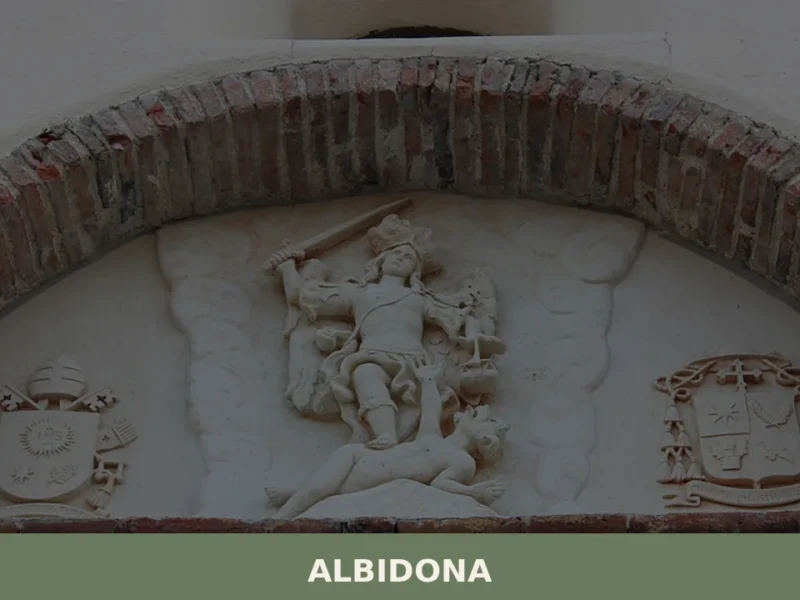
Albidona has 1,142 inhabitants and sits at 810 metres above sea level on the eastern slope of the Pollino massif, in the province of Cosenza. The old town preserves an urban layout arranged in parallel bands, developed along the ridge that separates the Saraceno stream valley from the Caldanello valley. Asking what to see in […]
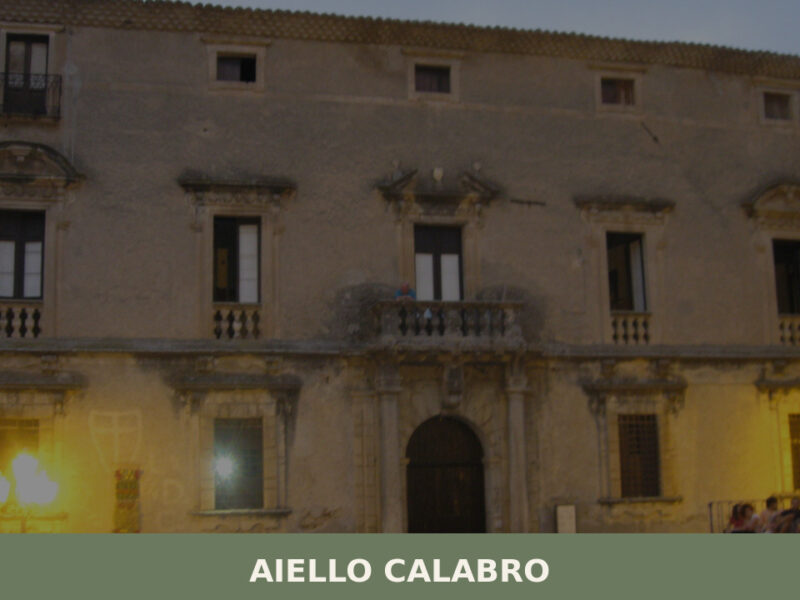
Aiello Calabro
 Hills
Hills
A hill village in Cosenza province at 502 metres, Aiello Calabro holds medieval ruins, noble palazzi, and a living food culture shaped by centuries of mountain life.
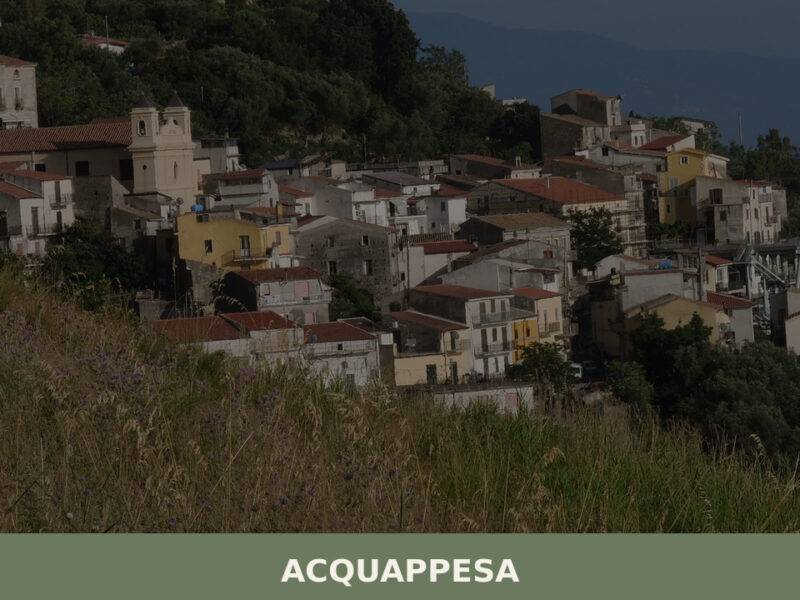
Acquappesa
Sea
A Calabrian hill village of 1,737 inhabitants defined by its sulphurous thermal springs, Tyrrhenian coastline, and quiet stone lanes in the province of Cosenza.
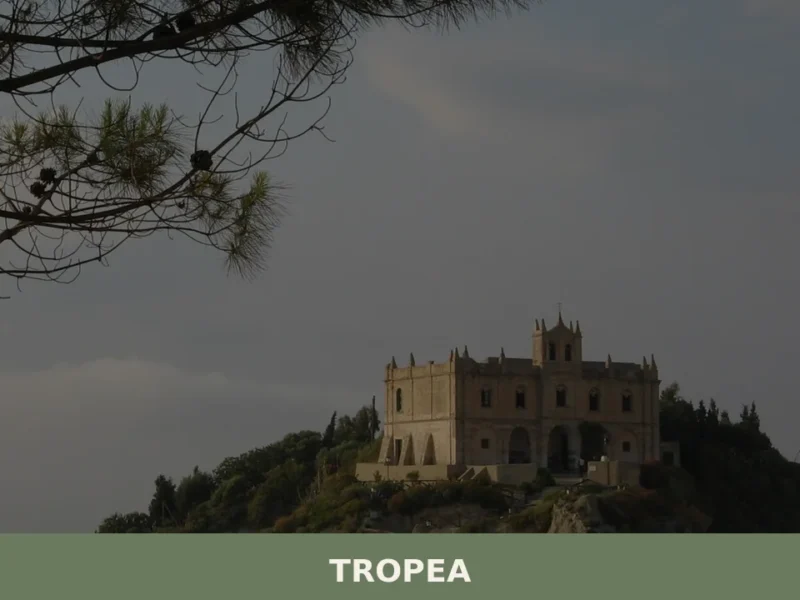
Tropea
Sea
What to see in Tropea, Calabria, Italy: explore 5 top attractions, the famous red onion, sandy beaches on the Tyrrhenian Sea. Discover how to get there.
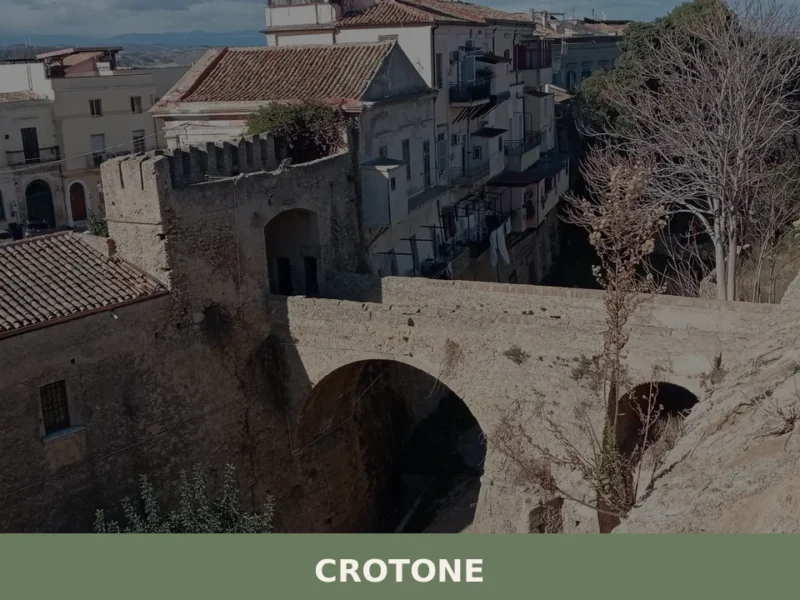
Crotone
Sea
What to see in Crotone, Italy: explore this historic city, 8 meters above sea level. Discover the ancient city walls and the 16th-century Castle of Charles V. Read our complete guide.
Amaroni
Hills
Discover what to see in Amaroni, a village of 1,587 inhabitants in the province of Catanzaro, Calabria. History, food, travel tips and nearby villages.
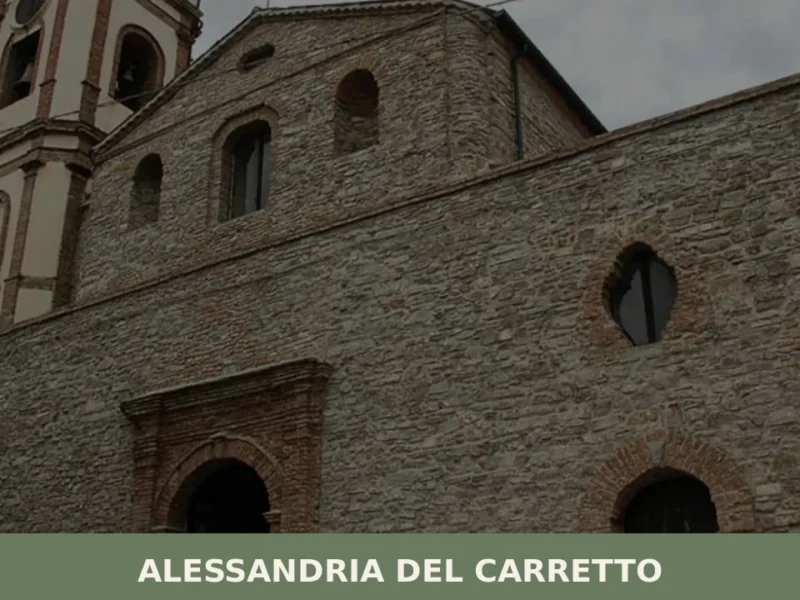
Alessandria del Carretto
 Mountain
At 1,000 metres above sea level, on the eastern slope of the Calabrian Pollino, Alessandria del Carretto has just 357 inhabitants today — making it one of the least populated municipalities in the entire province of Cosenza. Its territory falls within the Pollino National Park, and anyone wondering what to see in Alessandria del Carretto […]
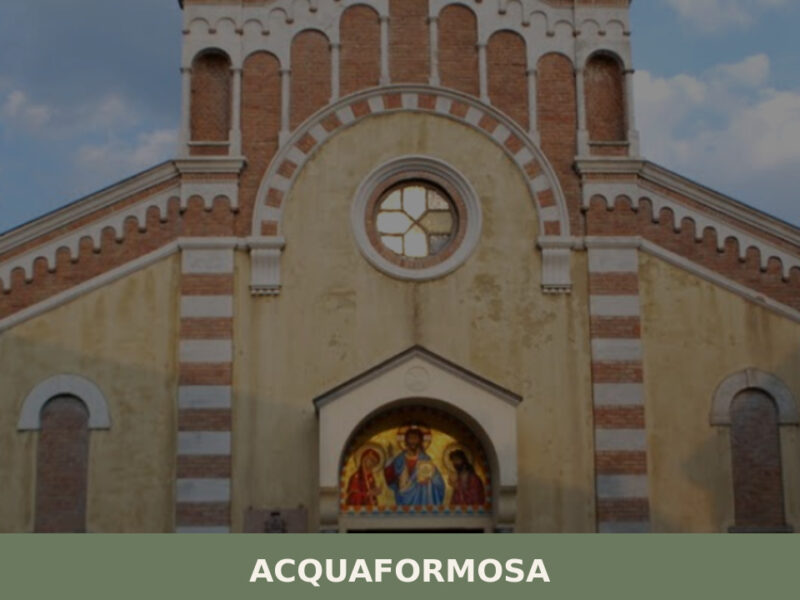
Acquaformosa
Mountain
A mountain village of 988 inhabitants in Cosenza province, Acquaformosa offers ancient springs, Pollino trails, and deep Calabrian food traditions at 756 metres above sea level.
Ardore
Sea
what to see in ardore: Discover Italy with Ardore’s altitude at 250 m, explore scenic landscapes and local festivals in Calabria.
Bocchigliero
Mountain
What to see in Bocchigliero: a mountain village at 870m in Cosenza. Discover the Mother Church and the Baronial Palace ruins.





🏡 Know Morano Calabro better than we do?
If you’re a local or have been there, your knowledge matters: add what’s missing or fix a detail on this page.