


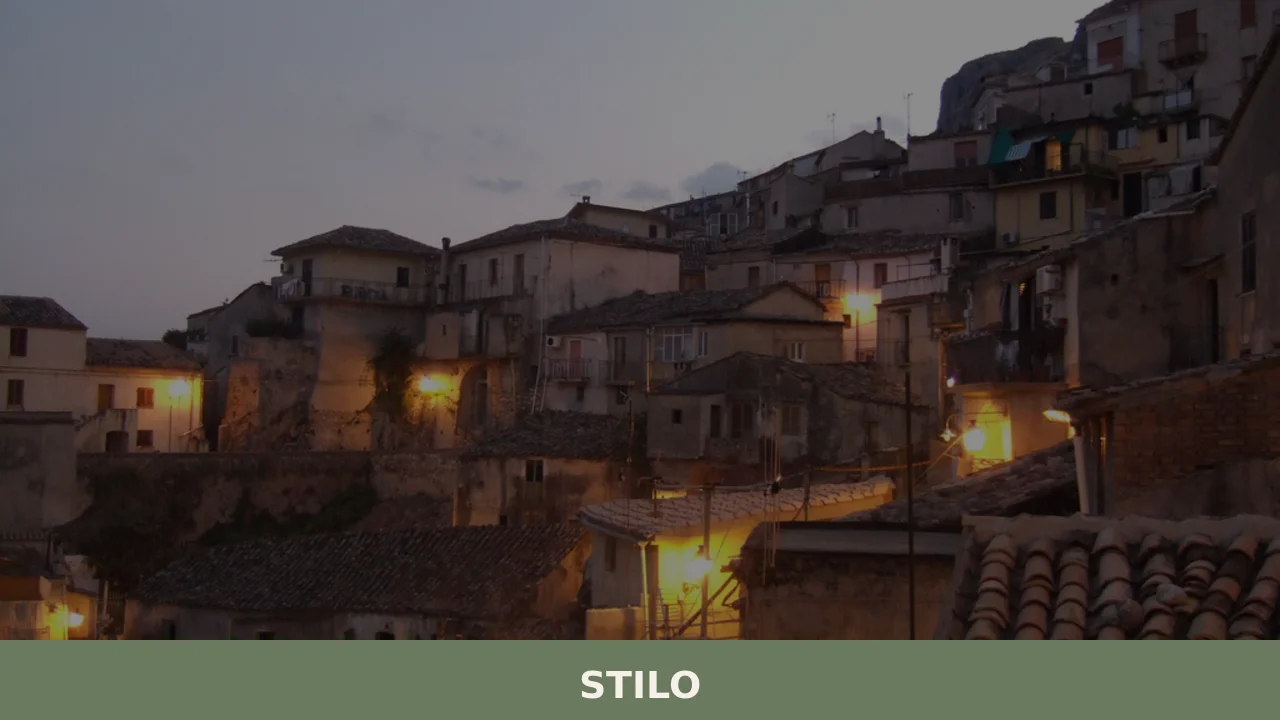
Stilo
 Sea
Sea
The Cattolica church occupies a spur of rock above the rooftops, its five small domes visible from the valley floor before the rest of the village comes into focus. Below the church, the streets narrow and the stone deepens in colour, shifting from pale grey to near-black where the walls absorb the shadow. Iron and […]
Discover Stilo
The Cattolica church occupies a spur of rock above the rooftops, its five small domes visible from the valley floor before the rest of the village comes into focus. Below the church, the streets narrow and the stone deepens in colour, shifting from pale grey to near-black where the walls absorb the shadow. Iron and lead lie in the ground beneath the surrounding hills, and the Stilaro river cuts the valley to the east.
Cape Stilo extends into the Ionian Sea 10 km (6.2 mi) from the town centre, a promontory that carries its own layer of recorded history.
Deciding what to see in Stilo is straightforward for first-time visitors: the Byzantine church, the Norman castle, and the fountain in the main square form the structural core of the itinerary, and all three are reachable on foot within the village centre.
Stilo sits 151 km (94 mi) from Reggio Calabria in the province of Reggio Calabria, Calabria, Italy, and holds membership in I Borghi più belli d’Italia, the national association of the most beautiful villages in Italy. Visitors to Stilo find a settlement whose recorded history reaches back to ancient Greek colonisation, overlaid with Byzantine, Norman and post-medieval phases that each left physical structures still standing today.
History of Stilo
The name Stilo derives from the Greek Stylos, meaning column, a reference that connects the settlement to its pre-Roman origins on the Ionian coast of Calabria.
The founding of the site is linked directly to the destruction of the ancient Greek colony of Caulonia. Dionysius II of Syracuse destroyed Caulonia first, and the Campanians — allies of Rome — delivered a second blow in 277 BC, effectively ending the colony and pushing its population inland toward the elevated terrain where Stilo now stands. This sequence of displacement shaped the earliest layers of the town’s identity.
The Byzantine period left the most visible architectural legacy.
The Cattolica church, constructed in the 9th century AD, belongs to a tradition of Greek-rite religious building that spread across Calabria during the centuries when the region fell under the influence of the Eastern Roman Empire. The monastery of San Giovanni Theristis, located not far from the town, belongs to the same cultural current. The Greek word theristis means reaper, and the monastery is dedicated to Saint John the Theristis, whose shrine within the town is administered by the Diocese of Locri-Gerace.
These institutions preserved Greek liturgical practice in Calabria long after the political structures of Byzantium had receded.
Norman consolidation brought a castle to the hilltop, attributed to Roger II, the Norman king who systematically fortified the towns of southern Italy in the 12th century. The subsequent centuries produced the religious buildings that still line the village streets — the Church of San Domenico and the Church of San Nicola da Tolentino both belong to the post-Norman medieval and early modern phases of construction.
The philosopher Tommaso Campanella, born in Stilo in 1568, placed the village in the history of European thought; his utopian work La Città del Sole (The City of the Sun) was written during his long imprisonment. The painter Francesco Cozza, also from Stilo, worked in Rome in the 17th century and contributed to the decoration of several churches there.
Near Cape Stilo, in July 1940, the Italian and British navies fought the Battle of Punta Stilo, one of the largest surface engagements of the Second World War in the Mediterranean.
What to see in Stilo, Calabria: top attractions
Cattolica di Stilo
Five small brick domes rise from a square base no larger than a modest domestic room, and the proportions are so controlled that the building reads as a single object rather than an accumulation of parts. Built in the 9th century in the Byzantine style, the Cattolica di Stilo is one of the best-preserved examples of Byzantine religious architecture in mainland southern Italy.
The interior retains fragments of fresco decoration, and the Greek-cross plan — four short arms of equal length centred on a domed crossing — follows the typology of churches built under Eastern Roman influence across Calabria. The church stands on a rock terrace above the village; the path up from the main street gains roughly 40 m (131 ft) of elevation and takes about ten minutes on foot. Early morning visits avoid direct sun on the façade and give the clearest view of the masonry texture.
The Norman Castle of Roger II
The castle occupies the highest point of the ridge above the village, and its remaining walls frame a wide view across the Stilaro valley toward the Ionian coast.
Roger II, who ruled the Kingdom of Sicily from 1130, commissioned or reinforced a network of hilltop fortifications across Calabria, and the castle at Stilo belongs to that 12th-century programme of territorial consolidation. The stonework is largely exposed, and visitors who reach the upper level can trace the outline of the original plan. The walk from the village centre to the castle takes approximately 15 to 20 minutes on an uneven stone path with a significant incline; footwear with grip is necessary.
The castle is positioned directly above the Cattolica, so a single uphill route covers both structures in sequence.
The Shrine of Saint John the Theristis
The shrine dedicated to Saint John the Theristis stands within the town and is administered by the Diocese of Locri-Gerace, a diocese whose territory covers a stretch of the southern Ionian coast of Calabria.
Saint John the Theristis — the Greek title translates as “the Reaper” — is one of the Calabrian saints whose cult developed during the Byzantine period, when Greek-speaking monastic communities were active throughout the region. The shrine functions as an active place of religious observance and draws pilgrims particularly around the feast day of the saint. The interior holds votive material and sacred images consistent with southern Italian popular devotion. Visitors should note that access during religious services follows the usual protocol for active places of worship.
The Monastery of San Giovanni Theristis
Located outside the town in the Stilaro valley, the monastery of San Giovanni Theristis is the founding site of the cult of the saint commemorated inside the village. The building complex sits in a wooded valley setting at a lower elevation than the town, accessible by road from the village centre.
The monastery’s origins are connected to the Byzantine monastic tradition that took root in Calabria between the 9th and 11th centuries, when Greek monks from the eastern Mediterranean established communities in the inland valleys of the region.
The church attached to the monastery preserves frescoes and architectural elements from its early medieval phases. The surrounding landscape of the Stilaro valley, also documented in the Ecomuseo delle ferriere e fonderie di Calabria — a network recording the history of ironworking in the area — adds industrial history to the visit.
The Fountain of the Dolphins and the Village Centre
The Fountain of the Dolphins stands in the main public space of Stilo and serves as a fixed reference point for orienting within the village. Decorative civic fountains of this type, featuring animal sculptural elements, were common features of southern Italian town planning in the 17th and 18th centuries and typically marked the centre of communal life. The surrounding streets hold the Church of San Domenico and the Church of San Nicola da Tolentino, both accessible on foot within a few minutes of the fountain.
Walking the full circuit of the village centre, including the two churches and the fountain, covers roughly 1 km (0.6 mi) of narrow street.
Those interested in the broader history of the Stilaro valley can cross to nearby Gerace, another village in the province of Reggio Calabria, which holds a Norman cathedral dating from the 11th century and sits approximately 30 km (18.6 mi) to the southwest.
Local food and typical products of Stilo
The agricultural economy of the Stilo area produces cereals, oil, wine and cheese — a combination that reflects the mixed terrain of the Stilaro valley, where flat valley-floor land supports cereal crops and the hillside exposures allow olive cultivation and viticulture. This pattern of mixed smallholder agriculture has shaped local cooking for centuries, with the kitchen drawing on whatever the immediate land produces rather than on long-distance trade goods. The Ionian coast is close enough — Cape Stilo lies 10 km (6.2 mi) from the town — that fish and seafood also enter the local diet, though the village itself sits inland at elevation.
Typical preparations in this part of Calabria make direct use of the local agricultural outputs.
Pasta con la ‘nduja, a cured spreadable pork sausage seasoned with Calabrian red pepper, appears across the region and represents the way pork preservation and local chilli cultivation combine in Calabrian cooking.
Pitta ‘mpigliata, a pastry filled with figs, nuts, raisins and honey, is a traditional product of the area around Reggio Calabria province and reflects the use of tree fruit and preserved sweeteners in place of refined sugar in older recipes. Local cheeses produced from sheep and goat milk — caciocavallo and pecorino in their various stages of ageing — accompany both cooked dishes and antipasto plates. Olive oil produced in the Stilaro valley is used as the primary cooking fat and as a condiment, drizzled over legume soups and grilled vegetables.
The local wine production uses varieties cultivated in the hills around Stilo, consistent with the broader Calabrian viticulture that relies on Gaglioppo and Greco Bianco grape varieties in this part of the region. Cereals grown in the valley contribute to the bread and pasta traditions: pitta, a flat bread baked in a ring shape, is a standard item in Calabrian bakeries and is produced in Stilo as elsewhere in the province.
Local markets and small food producers in and around the village offer direct access to these products, particularly in the summer months when the village receives the highest number of visitors.
Festivals, events and traditions of Stilo
The religious calendar of Stilo centres on the cult of Saint John the Theristis, whose feast draws the most significant annual gathering of pilgrims and residents to both the shrine in the village and the monastery in the Stilaro valley.
Calabrian religious festivals of this type typically combine a formal liturgical programme — a mass, a procession carrying the image or relics of the saint through the village streets — with the informal gathering of people who travel from surrounding towns and villages. The Diocese of Locri-Gerace administers the shrine and organises the religious component of the celebration.
The village’s listing among I Borghi più belli d’Italia has brought increased attention to its annual calendar, and summer events aimed at visitors have developed alongside the traditional religious observances. The agricultural economy generates its own seasonal rhythm: the olive harvest in autumn, the grape harvest in early autumn, and the cereal harvest in summer each mark points in the local year that have traditionally involved communal labour.
Visitors arriving between June and September find the highest concentration of open sites and events, while those coming in late spring — April and May — encounter cooler temperatures and fewer crowds.
When to visit Stilo, Italy and how to get there
The best time to visit Calabria for a trip to Stilo is between late April and early June or in September.
Summer temperatures in this part of the Ionian coast regularly exceed 35°C (95°F) in July and August, and the uphill walk to the Cattolica and the castle becomes physically demanding in midday heat. Late spring brings stable dry weather, green valley vegetation and manageable temperatures for walking. September combines warm weather with the grape harvest activity in the surrounding countryside. Winter visits are possible — the village is accessible year-round — but several smaller sites may have reduced opening hours between November and March.
Stilo sits 151 km (94 mi) from Reggio Calabria, which is the nearest major city and the most practical base for a day trip to the village.
By car, the most direct route runs via the SS106 Ionian coastal road and then inland through the Stilaro valley; the drive from Reggio Calabria takes approximately one hour and forty minutes depending on conditions. The nearest train station with regular service is at Monasterace Marina, on the Ionian coastal line; from Monasterace Marina, the village is approximately 15 km (9.3 mi) inland. Trenitalia operates services on the Ionian coastal line connecting Reggio Calabria, Locri and Monasterace Marina.
The nearest international airport is the Reggio Calabria Airport, approximately 155 km (96.3 mi) away; Lamezia Terme International Airport, approximately 130 km (80.8 mi) to the north, offers a wider range of connections and is the more practical entry point for international travellers. From Rome, the drive to Stilo covers approximately 620 km (385 mi); by train, the fastest services from Rome Termini to Reggio Calabria take around three hours and thirty minutes, after which a local connection or rental car is needed to reach the village. International visitors should note that English is not widely spoken in smaller shops and at local sites in Stilo; carrying euro cash is advisable, as card payment infrastructure is limited in smaller establishments.
Travellers with a few days in the area can pair Stilo with other villages in the province.
The ruined village of Pentedattilo, located closer to Reggio Calabria on the Ionian side of the Aspromonte massif, occupies a dramatic rock formation and offers a different architectural and landscape experience within the same province. To the north, Morano Calabro in the Pollino area represents the northern end of Calabrian hilltop village tradition and is reachable as part of a longer tour of the region.
Frequently asked questions about Stilo
What is the best time to visit Stilo?
Late spring and early autumn offer the most comfortable conditions for exploring Stilo on foot: temperatures are mild, the light on the Cattolica's brick domes is at its best, and the village is quieter than in peak summer. The feast of the patron saint San Giorgio falls on 23 April, making late April a particularly lively time to visit. July and August bring higher temperatures and more visitors, though evenings in the village centre remain pleasant given the 400 m elevation above the Ionian coast.
What are the historical origins of Stilo?
Stilo's name derives from the Greek Stylos, meaning column, reflecting its pre-Roman origins. The town emerged after the destruction of the ancient Greek colony of Caulonia — first by Dionysius II of Syracuse, then by Campanian allies of Rome in 277 BC — which pushed survivors inland to the elevated terrain of the Stilaro valley. Byzantine, Norman and early modern phases followed, each leaving standing structures. Philosopher Tommaso Campanella, author of La Città del Sole, was born here in 1568.
What to see in Stilo? Main monuments and landmarks
The Cattolica di Stilo, a 9th-century Byzantine church with five brick domes, is the primary attraction and reachable via a ten-minute uphill walk from the village. Directly above it sits the Norman castle attributed to Roger II (12th century), adding roughly 15–20 minutes more on an uneven path — grippy footwear essential. In the village centre, the Fountain of the Dolphins serves as the orientation point for the Church of San Domenico and the Church of San Nicola da Tolentino. The Monastery of San Giovanni Theristis lies in the Stilaro valley below, accessible by road.
What are the main natural or scenic attractions near Stilo?
The Stilaro valley surrounding Stilo offers wooded landscape documented through the Ecomuseo delle ferriere e fonderie di Calabria, a network recording the area's ironworking history. Cape Stilo, a promontory extending into the Ionian Sea 10 km from the town, provides coastal scenery and historical significance — the 1940 naval Battle of Punta Stilo was fought in these waters. The river Stilaro cuts the valley to the east, and the broader Aspromonte massif forms the inland backdrop.
Where to take the best photos in Stilo?
The rock terrace on which the Cattolica di Stilo stands offers a foreground of five Byzantine domes against the valley below — early morning light produces the clearest view of the masonry texture with no direct sun on the façade. From the Norman castle at the ridge summit, the panorama extends across the Stilaro valley toward the Ionian coast. The narrow streets descending from the castle toward the Fountain of the Dolphins, where stone walls shift from pale grey to near-black in shadow, reward close-up architectural photography.
Are there museums, churches or historic buildings to visit in Stilo?
The Cattolica di Stilo (9th century) preserves interior fresco fragments and follows a Greek-cross Byzantine plan — one of the best-maintained examples of Byzantine religious architecture in mainland southern Italy. The Norman castle of Roger II crowns the ridge above. Within the village, the Shrine of Saint John the Theristis is an active place of pilgrimage administered by the Diocese of Locri-Gerace; standard church-visit protocol applies during services. The Monastery of San Giovanni Theristis in the valley below retains early medieval frescoes and architectural elements.
What can you do in Stilo? Activities and experiences
The principal activity is a self-guided walking circuit linking the Cattolica, the Norman castle and the village centre — a route covering two distinct elevation gains and approximately 1 km of narrow medieval street. The Stilaro valley below the town connects to the Ecomuseo delle ferriere e fonderie di Calabria for those interested in regional industrial heritage. The Ionian coast and Cape Stilo are 10 km away, making a combined inland-and-coastal day straightforward. The nearby village of Gerace, 30 km southwest, holds an 11th-century Norman cathedral and pairs well with a Stilo visit.
Who is Stilo suitable for?
Stilo suits history-focused travellers and architecture enthusiasts above all — the concentration of Byzantine, Norman and early modern structures in a compact area is rare in mainland Italy. Couples and independent travellers comfortable with uphill walking on stone paths will find the castle-and-Cattolica route rewarding. Families with older children can manage the climbs. The village is less suited to visitors with limited mobility given the significant inclines. Those combining culture with coastal access will appreciate the proximity of Cape Stilo and the Ionian Sea 10 km away.
What to eat in Stilo? Local products and specialties
The Stilo area's mixed agricultural economy — cereals, olives, vines and livestock on valley and hillside terrain — shapes local cooking. Pasta con la 'nduja, using the spreadable spiced pork sausage characteristic of Calabria, is a regional staple. Pitta 'mpigliata, a pastry filled with figs, nuts, raisins and honey, is a traditional product of Reggio Calabria province. Local cheeses made from sheep and goat milk reflect the pastoral farming of the hillside terrain. The proximity of the Ionian coast means fresh fish and seafood also feature in the local diet.
Getting there
Piazza San Giovanni Theresti, 89049 Stilo (RC)
Nearby Villages near Stilo
In Calabria More villages to discover
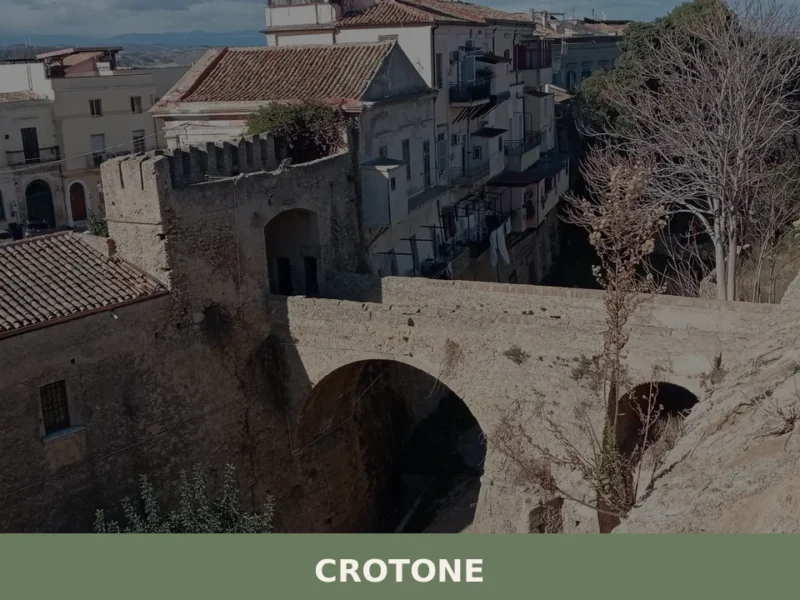
Crotone
Sea
What to see in Crotone, Italy: explore this historic city, 8 meters above sea level. Discover the ancient city walls and the 16th-century Castle of Charles V. Read our complete guide.
Bianchi
 Mountain
Bianchi is home to 1,358 residents spread across a hilly area in the province of Cosenza, at roughly 500 metres above sea level along the middle valley of the Savuto river. Anyone looking into what to see in Bianchi will find a medieval urban core, a mother church documented since the 16th century, and a […]
Acquaro
 Hills
Hills
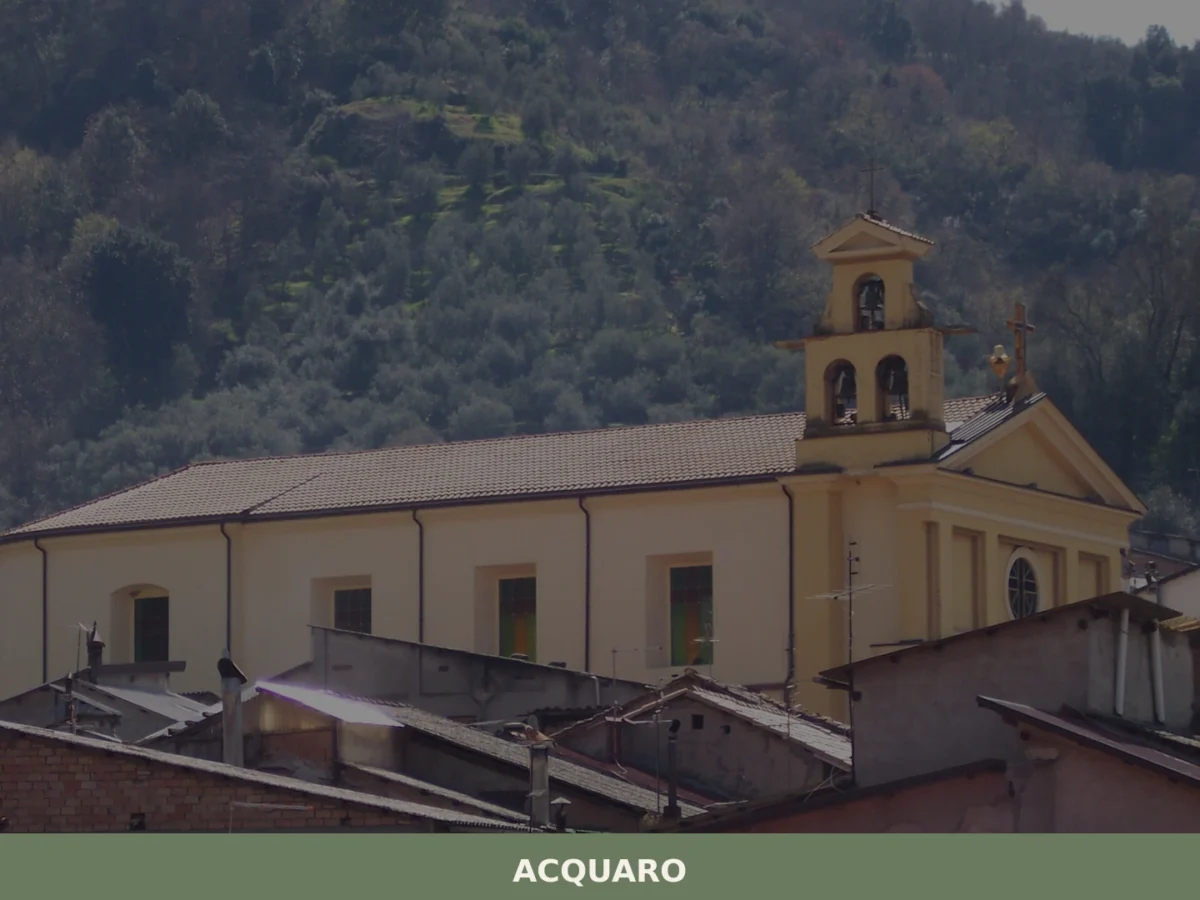
Discover what to see in Acquaro, a village of 1,778 inhabitants in Vibo Valentia, Calabria. History, food, travel tips and the Alto Mesima valley landscape.
Amendolara
Sea
Explore Amendolara village, a charming Italian gem nestled in Calabria. Discover its rich history, stunning landscapes, and authentic local culture. Plan your visit today!
Gerace
Hills
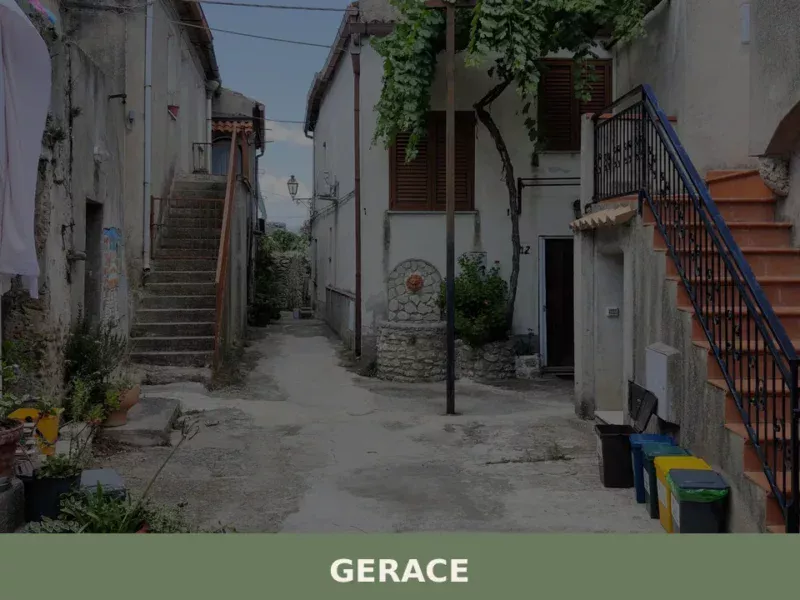
A rock formed from sea fossils laid down 60 million years ago rises 500 metres (1,640 ft) above the Ionian plain. From its summit, on a clear day, the coastal town of Locri and the sea beyond it are visible as distinct horizontal bands of terracotta, grey, and blue. The hill is composed of marine […]
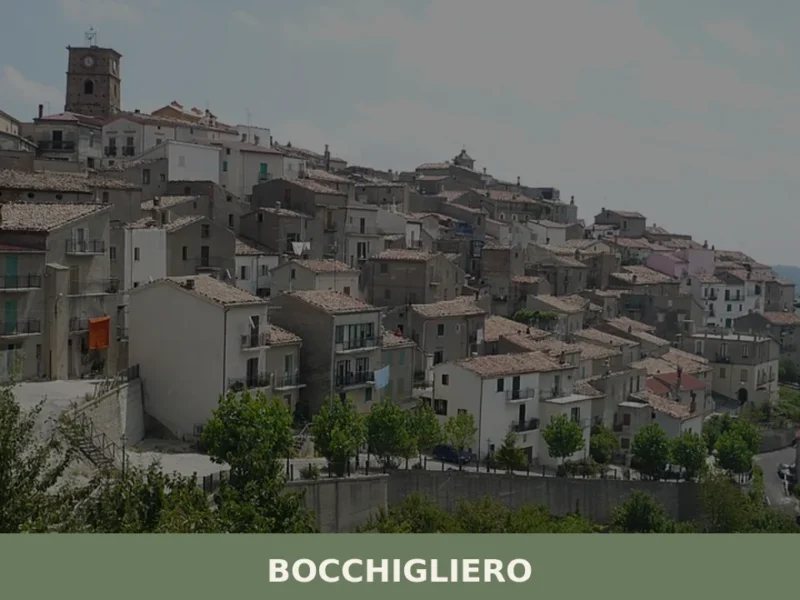
Bocchigliero
Mountain
What to see in Bocchigliero: a mountain village at 870m in Cosenza. Discover the Mother Church and the Baronial Palace ruins.
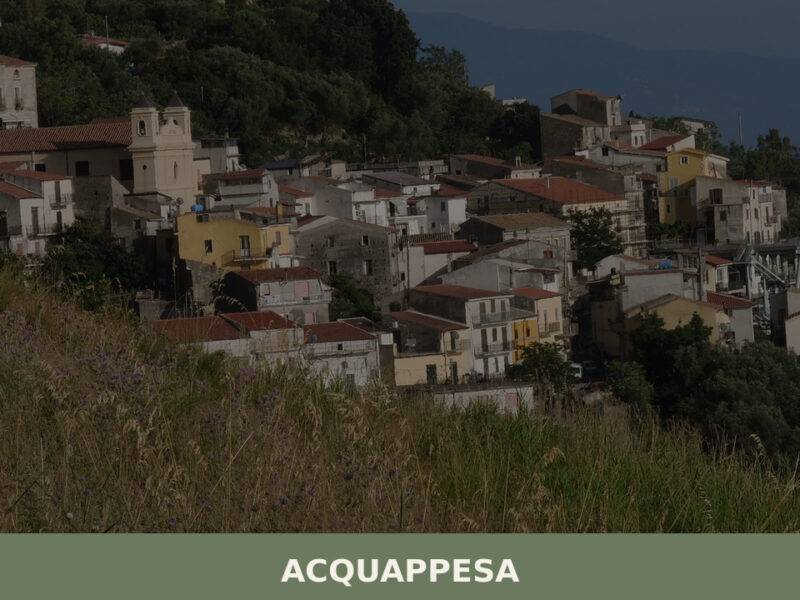
Acquappesa
Sea
A Calabrian hill village of 1,737 inhabitants defined by its sulphurous thermal springs, Tyrrhenian coastline, and quiet stone lanes in the province of Cosenza.
Amato
Hills
The enduring presence of the Arbëreshë language in Amato, a distinctive cultural marker, hints at centuries of layered history within this Calabrian village, where cultural traditions often define daily life. Its ancient foundations stretch back to a time even before Roman influence, earning mentions from revered classical figures like the Greek philosopher Aristotle and the […]
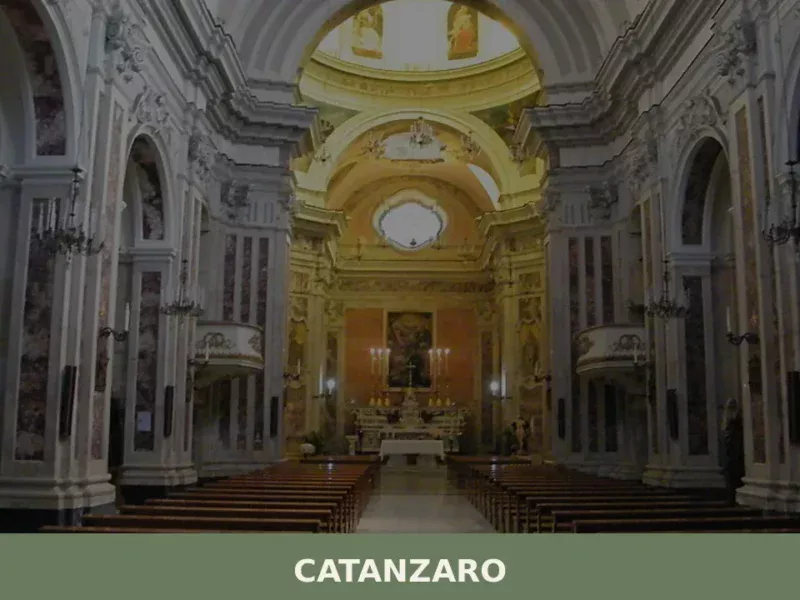
Catanzaro
Sea
What to see in Catanzaro: from historic churches to the Morandi Bridge, discover the 5 top attractions. A complete guide to visiting the Calabrian capital.
Albi
Mountain
Discover what to see in Albi, a 735-person village at 710m in the Parco Nazionale della Sila, Catanzaro. History, food, access and where to stay.
🏡 Know Stilo better than we do?
If you’re a local or have been there, your knowledge matters: add what’s missing or fix a detail on this page.