


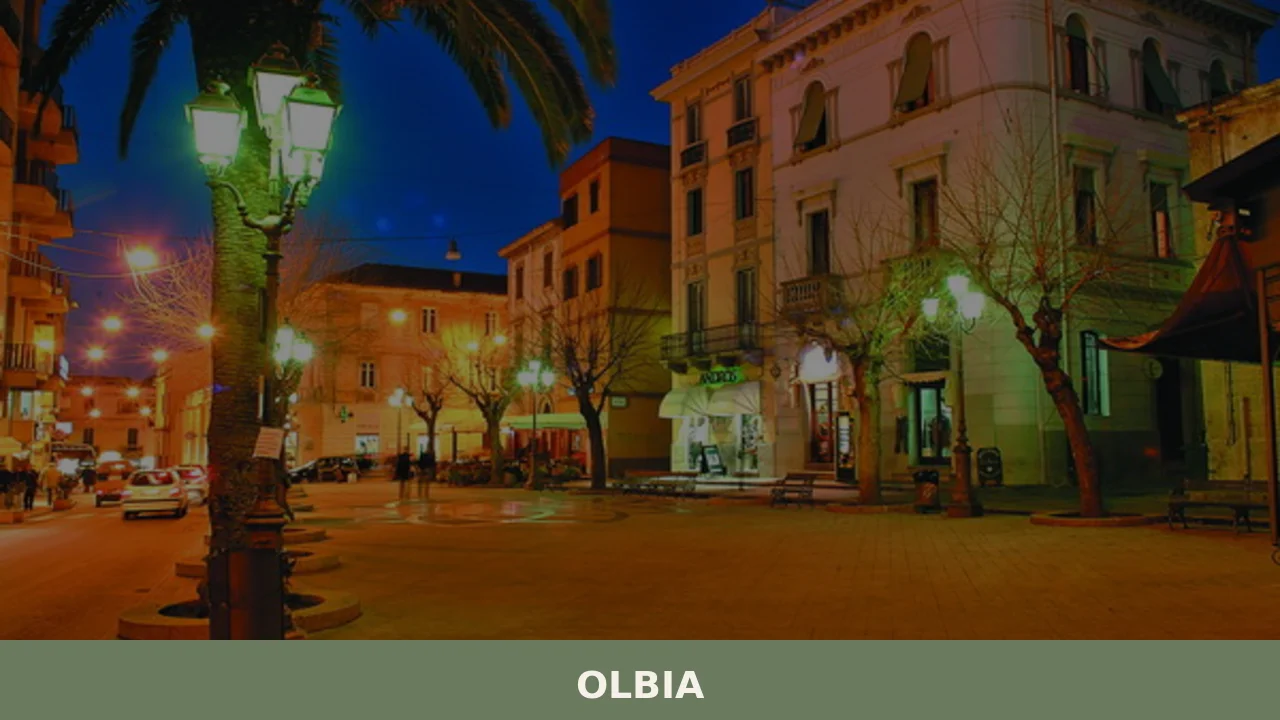
Olbia
Discover Olbia, a charming village in Sardegna, Italy. Explore its rich history, stunning landscapes, and vibrant local culture in this Mediterranean treasure.
Discover Olbia
With a population of 55,131 and an elevation of just 10 metres above sea level, Olbia is the main centre of Gallura, the northern sub-region of Sardinia facing the Tyrrhenian Sea.
Anyone researching what to see in Olbia will find a city that layers remarkable historical depth: from Nuragic traces to Phoenician foundations, from Roman rule to the medieval centuries shaped by the Pisans and Aragonese.
The patron saint, Simplicio of Olbia, whose feast is celebrated every year on 15 May, is one of the most recognisable symbols of the religious and civic identity of this community on the Gulf of Olbia.
History and Origins of Olbia
The name Olbia derives from ancient Greek and means “happy” or “prosperous” — a designation that points to the city’s Hellenic origins, attested from at least the fourth century BC.
Historical sources document the presence of Nuragic peoples in the area before the arrival of the Phoenicians, who had already established trading contacts along this coast in the eighth and seventh centuries BC. The founding of the city as an organised urban centre is, however, traditionally associated with the Carthaginians, who developed it into an active port in the central-western Mediterranean. Its position on the gulf — sheltered and easily accessible — was reason enough to attract whoever controlled the maritime routes of the region.
When Rome conquered Sardinia in 238 BC, Olbia was incorporated into the Roman provincial system and entered a long period of growth.
It became a major commercial hub for trade between Rome and Sardinia, equipped with a functional port and public infrastructure.
Excavations carried out throughout the twentieth century and beyond have brought to light the remains of public buildings, necropolises and harbour structures dating from the imperial period. Of particular significance are the wrecks of Roman vessels found on the seabed of the port, now documented and preserved as direct evidence of the maritime trade of the era. The city was subsequently sacked by the Vandals in the fifth century AD, an event that marked the end of its greatest period of ancient prosperity.
In the Middle Ages, Olbia — also known as Civita — passed through phases of decline and recovery.
The Pisans controlled it for an extended period, leaving architectural traces still visible today, before power shifted to the Aragonese in the fourteenth century, as part of the complex political events that affected the whole of Sardinia.
The city’s modern history was defined by a gradual commercial revival tied to the port, which in the nineteenth and twentieth centuries once again became a key junction for connections between Sardinia and mainland Italy.
The municipality sits today at the centre of Gallura, a region that shares many historical characteristics with other settlements in the Sardinian interior, such as Ardara, which was equally marked by the successive layers of medieval domination that swept across the island.
What to See in Olbia: Main Attractions
Basilica of San Simplicio
The Basilica of San Simplicio is the city’s most representative monument and one of the best-preserved Romanesque buildings in Sardinia. Built between the eleventh and twelfth centuries in local granite, it features a sober façade articulated by pilasters and a three-nave plan characteristic of Pisan Romanesque architecture. Inside, Roman inscriptions and funerary slabs are preserved, reused as building material in later centuries.
The basilica is dedicated to the city’s patron saint, Simplicio of Olbia, and forms the focal point of the 15 May celebrations.
Anyone genuinely exploring what to see in Olbia cannot overlook this building.
Olbia Archaeological Museum
The Olbia Archaeological Museum is located on the small island of Peddone, connected to the mainland by a footbridge, in a building designed specifically to house the finds recovered from excavations of the port and the urban subsoil.
The collection includes amphorae, ceramics, coins and artefacts from the Phoenician, Roman and medieval periods. Of exceptional interest are the Roman shipwrecks retrieved from the port, conserved using advanced restoration techniques. The museum presents a chronological narrative running from the Nuragic age through to the medieval period, making the city’s long historical sequence accessible and easy to follow.
Roman Port and Underwater Archaeological Area
The area of the Roman port of Olbia is one of the most significant archaeological sites in northern Sardinia. During the expansion of the modern port in the 1990s and early 2000s, dozens of Roman shipwrecks and the remains of harbour structures were uncovered.
Research carried out on these finds has made it possible to reconstruct how the port operated during the imperial age and to date certain phases of destruction precisely, including the one attributed to the Vandal attack of AD 456.
The area is today partially open to visitors, and the recovered materials are on display in the archaeological museum.
Church of San Paolo Apostolo
The Church of San Paolo Apostolo stands in Olbia’s historic centre and is known for its dome covered in coloured majolica tiles — a decorative feature that sets it clearly apart in the city’s architectural landscape.
The building was constructed in the Baroque period and restored on several occasions over the centuries. The polychrome dome, with its vivid ceramic colours, echoes decorative styles found in parts of the Iberian Peninsula, most likely introduced during the Aragonese and Spanish period. The interior retains historic sacred furnishings and works of art from the modern era.
Gulf of Olbia and Seafront
The Gulf of Olbia forms the natural backdrop that defines the city on its eastern side.
The seafront promenade, which can be walked in its entirety, allows visitors to observe the ferry traffic connecting Olbia with the ports of Genoa, Livorno and Civitavecchia — a reminder of the maritime role the city has maintained for over two thousand years.
The gulf’s waters are sheltered by a series of small islands, including the already-mentioned Peddone islet, and offer favourable conditions for recreational sailing.
On clear days, the view extends towards the islands of the La Maddalena Archipelago. When considering what to see in Olbia, the seafront deserves attention both as a viewpoint and as a place where the city’s historical and geographical character is most immediately readable.
Traditional Food and Products of Olbia
The cuisine of Olbia reflects the dual nature of the city: a seaport and a centre of the Gallurese interior.
On one side, the maritime tradition has left a strong mark on dishes built around fish and seafood; on the other, the influence of the Sardinian hinterland comes through in the use of lamb and pork, cheeses and traditional bread.
Gallura, the region to which Olbia belongs, has developed a distinct culinary identity over the centuries — one shaped by sheep farming, hunting and coastal fishing, and setting it apart from other areas of Sardinia.
Among the most deeply rooted dishes of the Gallurese tradition is zuppa gallurese, also known as suppa cuata: a simple, rustic dish made from layers of stale bread, meat broth and pecorino cheese, baked in the oven until gratinated.
It is a substantial first course, typical of winter tables, and is found in local restaurants in versions that vary in fidelity to the original.
On the seafood side, bottarga di muggine — dried mullet roe — is one of the most prized local products: grated over pasta or eaten in thin slices with extra-virgin olive oil. Pane carasau, thin and crisp, forms the base for many local preparations and is produced throughout Sardinia using established traditional methods.
Cheese occupies a central place in the local gastronomy.
Pecorino sardo, made from whole sheep’s milk, appears on Olbia’s tables in several stages of maturation, from fresh to aged. It should be noted that descriptions of Sardinian cheeses as products rooted in this area are based on data from institutional sources; no specific certifications are attributed here without verification from available records.
Equally widespread is ricottone, obtained from sheep’s milk whey and eaten fresh or lightly salted.
The Gallurese cheese-making tradition is found across the Sardinian interior as well: travellers passing through historic villages such as Benetutti will encounter similar products made using the same pastoral techniques passed down through generations.
The seasons also shape the city’s food calendar.
Spring and summer bring a concentration of food and local culture events, with markets and festivals promoting the products of the Gallurese territory. Summer in particular draws a significant flow of visitors that adds considerable variety to the restaurant offer.
Those looking for cooking more closely tied to the interior can explore restaurants in the less central neighbourhoods, where menus more frequently feature dishes from the pastoral tradition.
Festivals, Events and Traditions of Olbia
The feast of Simplicio of Olbia, celebrated on 15 May, is the religious event most deeply felt by the local community.
Simplicio was the first bishop of Olbia and, according to Christian tradition, suffered martyrdom during the Roman persecutions. The annual celebrations take place around the Basilica of San Simplicio, which bears his name, and include a solemn pontifical mass, a procession through the streets of the historic centre and moments of popular devotion.
The feast draws worshippers not only from the city but from neighbouring municipalities throughout Gallura, confirming how deeply embedded the cult remains in the religious identity of the entire sub-region.
Beyond the patron saint’s feast, Olbia hosts throughout the year events connected to Gallurese culture and the commercial exchanges historically linked to the port.
Summer brings a concentration of musical and cultural events that animate the seafront and the historic centre, drawing large audiences. The tradition of Sardinian folk music — including tenore singing and launeddas — is present in this territory too, albeit with the specific characteristics of the Gallurese repertoire. Minor religious festivities tied to the agricultural and pastoral cycles survive in the historic neighbourhoods and in the outlying settlements of the municipal area.
When to Visit Olbia and How to Get There
The best time to visit Olbia depends on what kind of experience you are looking for.
Those who prioritise coastal activities and a lively urban atmosphere will find that summer, between June and September, offers the most activity. The climate is warm and dry, typically Mediterranean, with temperatures in July and August regularly exceeding 30 degrees. However, these are also the months of highest visitor numbers, which affects both accommodation availability and prices.
Spring, from April to June, offers milder conditions and the opportunity to attend the 15 May celebrations for the feast of San Simplicio.
Autumn appeals to those who want to explore the historical and gastronomic heritage without the pressure of peak-season tourism.
Olbia is easily accessible thanks to efficient transport links. Olbia Costa Smeralda Airport is located about 4 kilometres from the city centre and offers direct connections to numerous Italian and European cities, particularly in the summer season. By road, Olbia is linked to the rest of Sardinia via the State Road 131 “Carlo Felice” and the northern variant SS 131 dcn, connecting it to Nuoro and Sassari.
Olbia railway station is served by Trenitalia regional trains linking the city to Cagliari and Sassari, though journey times are considerably longer than the flight option.
Ferries arriving at and departing from the port connect Olbia with Genoa, Livorno and Civitavecchia, making it one of the main entry points to the island from the Italian mainland.
Those arriving by ferry from the mainland and planning to explore the Sardinian interior can plan stops at other historic villages across the island.
Banari and Bonnanaro, both in the Meilogu area, offer a view of the Sardinian interior reachable by heading west along the inland road network — into a Sardinia removed from the most frequented coastal circuits.
Where to Stay in Olbia
Olbia offers a broad and varied range of accommodation, reflecting its role as the gateway to the Costa Smeralda and Gallura.
The official website of the Municipality of Olbia provides up-to-date information on local tourism services. The city has hotels across all categories, bed and breakfasts in the historic centre and near the port, as well as agriturismi in the rural parts of the municipal territory. Summer bookings — particularly for July and August, when visitor numbers reach their annual peak — require advance planning. For those who prefer a quieter base, some properties in the hillside outlying areas of the municipality offer an alternative to the urban centre.
In Sardinia More villages to discover
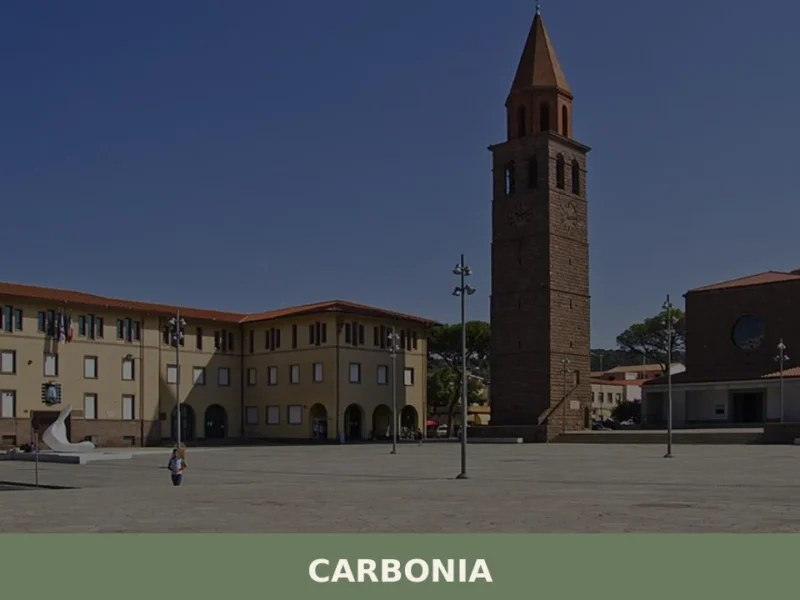
Carbonia
What to see in Carbonia: 28,684 residents, rationalist architecture, and Nuragic sites in Sulcis Iglesiente. Plan your visit to the Coal Museum and Monte Sirai.
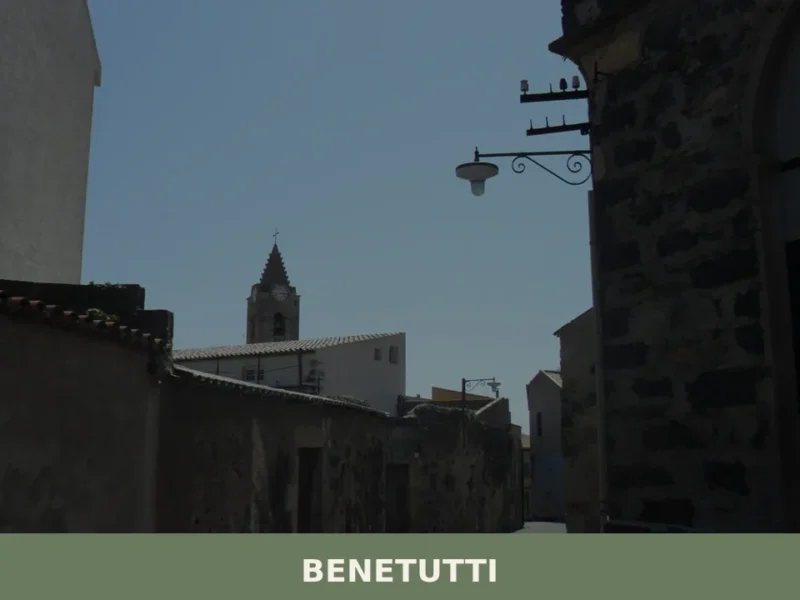
Benetutti
The thermal springs of San Saturnino, known since Roman times for their waters emerging at 43°C, define the identity of Benetutti more than any other element. This village of 1,686 inhabitants, at 406 metres above sea level in the province of Sassari, occupies a stretch of the Rio Tirso valley between granite formations and expanses […]
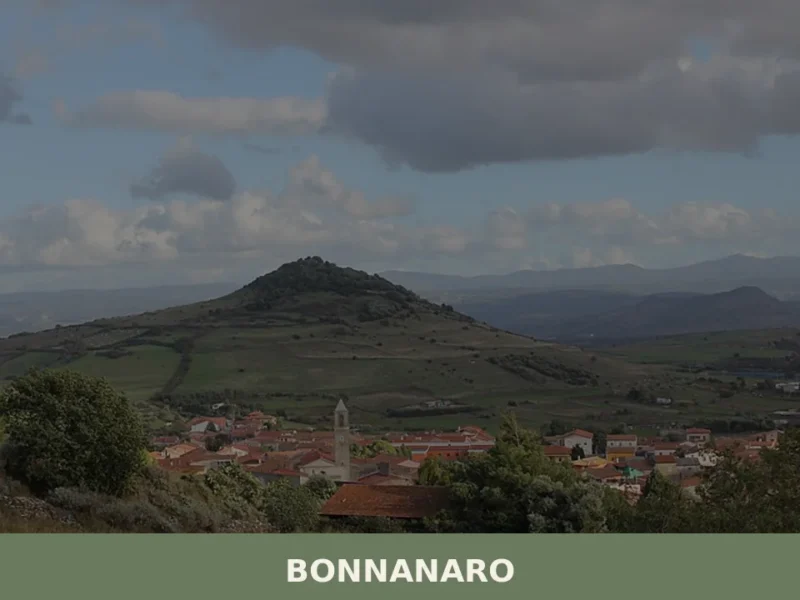
Bonnanaro
In 1388, when representatives of the Sardinian villages signed the peace treaty with the Crown of Aragon, among the signatories was the village of Bonnanaro, an agricultural centre already known for the fertility of its volcanic soils on the slopes of Monte Pelao. Today this village of 921 inhabitants, situated at 405 metres above sea […]


📝 Incorrect information or updates?
Help us keep the Olbia page accurate and up to date.