


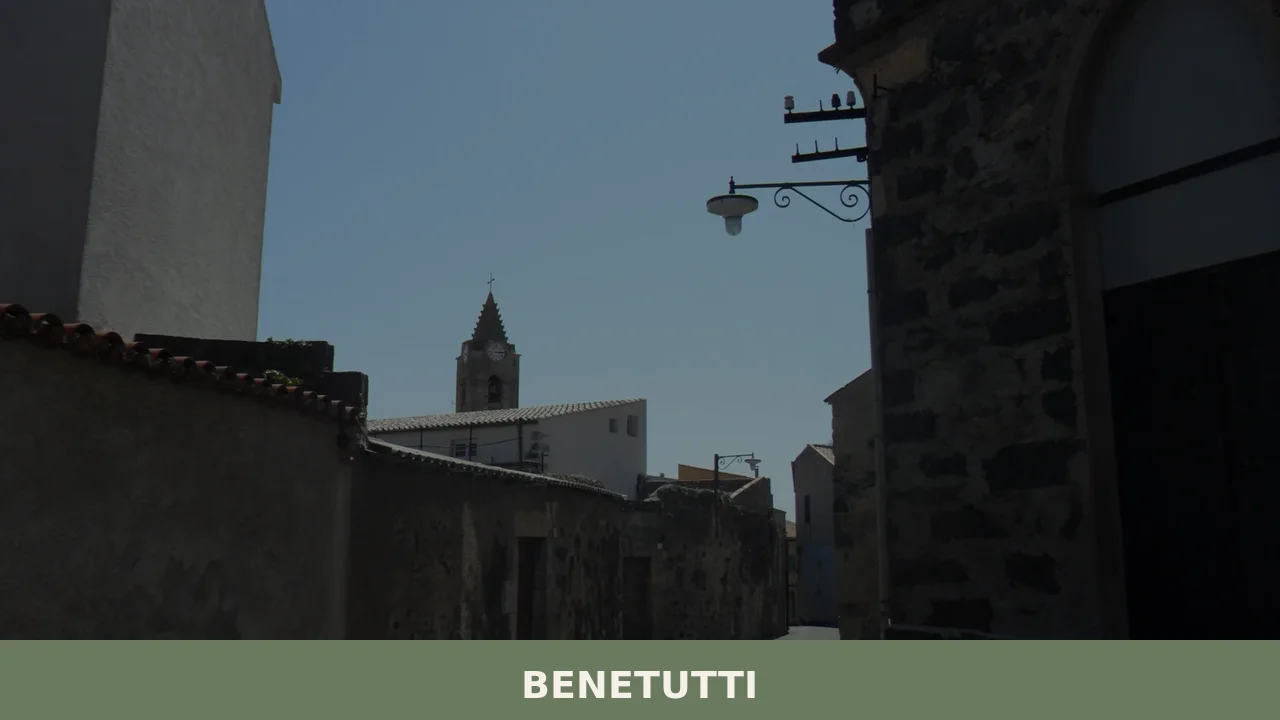
Benetutti
 Hills
Hills
The thermal springs of San Saturnino, known since Roman times for their waters emerging at 43°C, define the identity of Benetutti more than any other element. This village of 1,686 inhabitants, at 406 metres above sea level in the province of Sassari, occupies a stretch of the Rio Tirso valley between granite formations and expanses […]
Discover Benetutti
The thermal springs of San Saturnino, known since Roman times for their waters emerging at 43°C, define the identity of Benetutti more than any other element. This village of 1,686 inhabitants, at 406 metres above sea level in the province of Sassari, occupies a stretch of the Rio Tirso valley between granite formations and expanses of cork oak woodland. Understanding what to see in Benetutti means following a map that overlays Nuragic, Roman and medieval layers across a hilly territory with an archaeological density rare in the Goceano region.
History and origins of Benetutti
The territory was continuously inhabited from the Nuragic age, as documented by the numerous settlements scattered across the surrounding countryside. The Roman presence is confirmed by the use of the San Saturnino thermal springs, frequented for therapeutic purposes and linked to a settlement that took advantage of its position along the routes connecting the eastern coast to the island’s interior. The place name “Benetutti” has been the subject of several interpretations: one of the most widely accepted traces it back to the Latin Vicus Fontis, later altered over time, referring to the area’s abundant water sources.
In the Middle Ages, the village fell within the curatoria of Goceano, part of the Giudicato di Torres. After the fall of the giudicato in 1259, it passed under the control of the Doria family and subsequently the Aragonese. The church of Sant’Elena, dedicated to the patron saint Flavia Julia Helena, mother of Emperor Constantine, became the focal point of local religious life. During the Spanish period, the village was incorporated into the fief of Goceano and followed the administrative developments of Sardinia until the abolition of the feudal system in 1838.
Benetutti’s economy long remained tied to pastoralism and cereal farming, with a strong sheep-rearing tradition that still characterises the agricultural landscape today. Cork production represented a significant complementary activity, exploiting the extensive cork oak forests covering the hills surrounding the village.
What to see in Benetutti: 5 main attractions
1. San Saturnino Thermal Springs
The thermal springs emerge at a constant temperature of approximately 43°C in a flat area a few kilometres from the village. The water, classified as sulphurous-alkaline, was already in use during Roman times. Today the site preserves bathing pools and rural structures from various periods. Access is free and the place remains popular with the local population, especially in summer, for bathing and traditional healing practices.
2. Church of Sant’Elena Imperatrice
The parish church is dedicated to the village’s patron saint, Flavia Julia Helena, whose feast day falls on 18 August. The current structure features elements attributable to seventeenth- and eighteenth-century renovations, with a restrained façade in local stone. Inside, it preserves wooden furnishings and processional statues used during the patron saint’s festival, the central event in Benetutti’s religious calendar.
3. Nuraghe Lujai
Among the various Nuragic sites in the territory, the Nuraghe Lujai is one of the most accessible. It is a tholos structure built from granite blocks, situated in open countryside among pastures and dry-stone walls. Its state of conservation allows visitors to read the original plan and observe the building technique. The surrounding area periodically yields ceramic fragments dating to the Bronze Age.
4. Rural Church of San Saturnino
Located near the thermal springs of the same name, this rural church dates in its current form to the late medieval period, with subsequent restorations. The building, modest in size, is constructed from blocks of local stone and has a single-nave layout. The feast of San Saturnino, celebrated annually, draws a gathering to the surrounding countryside that combines religious worship and community socialising with open-air meals under the holm oaks.
5. The Goceano Landscape
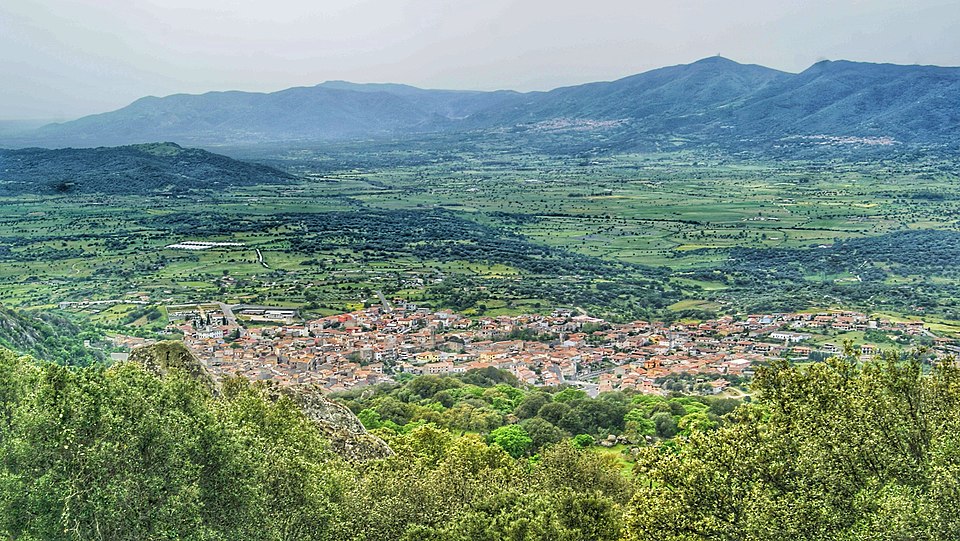
The hilly territory surrounding Benetutti offers walking and cycling routes through cork oak woods, oak forests and granite formations shaped by erosion. The Rio Tirso valley, visible from several viewpoints along the municipal roads, displays a mosaic of pastures, vegetable gardens and woodland. In spring, the flowering of giant fennel and asphodel marks the meadows with stretches of yellow and white lasting from March to May.
Food and local produce
The cuisine of Benetutti reflects the pastoral economy of the Goceano. Pecorino cheese, produced in small family-run and artisan dairies, is the dominant element: Pecorino Sardo DOP counts this area among its production zones. Lamb and suckling pig are cooked according to the traditional Sardinian method, slowly over embers of lentisk or wild olive wood. Bread, in the forms of pane carasau and pane ‘e fresa, accompanies every meal. Strawberry tree honey, bitter and dark, is a seasonal product obtained from the autumn blossoms in the wooded areas.
Among the local dishes are culurgiones — ravioli stuffed with potatoes, pecorino and mint — and fregola with mutton sauce, a preparation common in homes and trattorias across the area. Dining options in the village are limited to a few family-run establishments, where the cooking follows the rhythm of the seasons and the availability of raw ingredients. The municipal website publishes updates on food festivals and gastronomic events tied to the annual calendar.
When to visit Benetutti: the best time
The 18th of August, the day of the patron saint’s feast of Sant’Elena, is the moment of greatest collective intensity: processions, communal meals and popular celebrations involve the entire village. Summer, from June to September, is the most suitable period for enjoying the San Saturnino thermal springs outdoors and walking the trails in the surrounding countryside, with daytime temperatures ranging between 28°C and 35°C and cool evenings due to the altitude.
Spring — particularly April and May — offers ideal conditions for hiking: the landscape is at its peak of vegetation, temperatures remain moderate (15–22°C) and the days are long. Autumn is of particular interest to those who want to witness the cork harvest, an activity concentrated between July and August but whose results — bark stacked in fields to dry — remain visible until October. Winter is mild compared to mainland Italy, but frequent rain and short days make travelling through the countryside less convenient.
How to reach Benetutti
The nearest airport is Olbia-Costa Smeralda, approximately 90 km away and reachable in about an hour and a half along the SS 131 DCN (Olbia–Nuoro) with a turn-off onto the SS 128 bis towards the Goceano. From Sassari the distance is around 80 km, reachable in just over an hour via the SS 131 Carlo Felice as far as Bonorva and then heading east. From Nuoro, the route is approximately 55 km northward along the provincial road passing through Bono and Anela.
There is no direct rail connection: the nearest station is Ozieri-Chilivani, on the Cagliari–Porto Torres line, from which approximately 40 km by road remain. ARST bus services link Benetutti with Sassari and Nuoro, but departures are limited, especially on public holidays. A car is the most practical means for getting around the territory and reaching the sites scattered across the countryside.
Other villages to discover in Sardinia
North-east of Benetutti, heading towards the slopes of Mount Limbara, you reach Alà dei Sardi, a centre on the granite plateau that separates the Goceano from Gallura. The landscape changes dramatically: open pastures, granite tafoni and a concentration of nuraghi and giants’ tombs that make it a widespread archaeological area. The distance is approximately 50 km, entirely on provincial roads crossing zones with very low population density.
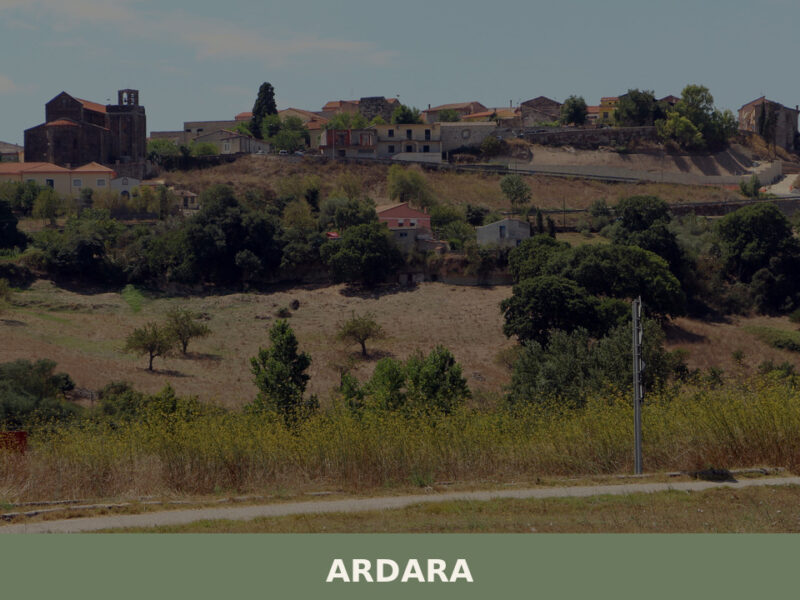
In the opposite direction, towards the Logudoro to the north-west, Ardara preserves the Romanesque basilica of Nostra Signora del Regno, built in black volcanic stone in the eleventh century and home to one of the largest wooden retablos in Sardinia. Ardara was the capital of the Giudicato di Torres, the same political system to which Benetutti belonged, and visiting it allows you to reconstruct the geography of medieval Sardinian power in concrete terms, following the same roads that once connected villages to centres of government.
Frequently asked questions about Benetutti
What is the best time to visit Benetutti?
The ideal periods are late spring (April–May) and summer (June–September). In spring, temperatures between 15–22°C make hiking through cork oak woods and granite landscapes particularly pleasant. Summer peaks on 18 August with the feast of the patron saint Flavia Julia Helena (Sant'Elena Imperatrice): processions, communal meals and popular celebrations fill the village. The thermal springs of San Saturnino are most enjoyable from June to September, with daytime highs of 28–35°C offset by cool evenings thanks to the 406-metre altitude. Autumn suits those wishing to see cork bark drying in the fields after the summer harvest.
What are the historical origins of Benetutti?
Benetutti has been continuously inhabited since the Nuragic age, as evidenced by Bronze Age settlements scattered across its territory. Roman presence is confirmed by the therapeutic use of the San Saturnino thermal springs, positioned along routes linking the eastern coast to the island's interior. The place name is widely linked to the Latin Vicus Fontis, referencing abundant local water sources. In the Middle Ages the village belonged to the curatoria of Goceano within the Giudicato di Torres, later passing to the Doria family and then Aragonese rule. The feudal system was abolished in 1838, integrating Benetutti into the modern Sardinian administration.
What to see in Benetutti? Main monuments and landmarks
The four core sites are: the San Saturnino thermal springs (free access, waters at 43°C, pools usable especially in summer); the Church of Sant'Elena Imperatrice in the village centre, with 17th–18th-century stonework and processional statues; Nuraghe Lujai, a granite tholos structure in open countryside accessible on foot; and the rural church of San Saturnino near the springs, a single-nave medieval building hosting an annual feast gathering. No official ticket is required for any of these sites. Visiting hours for the churches follow local religious schedules; the nuraghe and springs are in open countryside with no formal timetable.
What are the main natural or scenic attractions of Benetutti?
The Goceano hilly landscape surrounding Benetutti offers walking and cycling routes through cork oak woods, holm oak forests and granite formations sculpted by erosion. The Rio Tirso valley is visible from various viewpoints along municipal roads. In spring, meadows bloom with giant fennel and asphodel from March to May, covering hillsides in yellow and white. The cork oak forests support traditional cork harvesting, concentrated in July–August. The area's low population density and agricultural mosaic — pastures, vegetable gardens and woodland — make it appealing for slow, immersive nature tourism well beyond the main thermal site.
Where to take the best photos in Benetutti?
The most photogenic spots are the San Saturnino thermal pools set against a rural backdrop of stone structures and oak woodland — particularly striking at early morning when mist rises from the 43°C water. The Rio Tirso valley viewpoints along the municipal roads offer wide panoramas over the Goceano hills. In spring, the meadows around Nuraghe Lujai, framed by dry-stone walls and flowering asphodel, provide classic Sardinian pastoral compositions. From October onward, stacked cork bark drying in farmyard fields makes for distinctive and rarely photographed agricultural imagery.
Are there museums, churches or historic buildings to visit in Benetutti?
The main religious building is the parish Church of Sant'Elena Imperatrice in the village centre, featuring 17th–18th-century renovations in local stone and preserving wooden furnishings and processional statues. The rural Church of San Saturnino, near the thermal springs, is a late medieval single-nave structure restored over time and still used for the annual feast. No permanent municipal museum is documented for Benetutti; the Nuraghe Lujai serves as the principal archaeological site. For broader context on the Giudicato di Torres medieval history, the nearby village of Ardara (approximately 30 km north-west) houses the Romanesque basilica of Nostra Signora del Regno.
What can you do in Benetutti? Activities and experiences
The thermal springs of San Saturnino offer free outdoor bathing in sulphurous-alkaline water at 43°C, a practice rooted in Roman tradition still popular with locals. The surrounding Goceano countryside supports hiking and cycling on rural tracks through cork oak woods and granite landscapes. The annual feast of Sant'Elena on 18 August provides an authentic experience of Sardinian village celebrations. Autumn visits can coincide with cork harvest activity in the surrounding forests. Food experiences centre on tasting local Pecorino Sardo DOP, lamb and suckling pig at family-run village establishments, following a seasonal menu tied directly to pastoral production cycles.
Who is Benetutti suitable for? Families, couples, hikers, solo travelers?
Benetutti suits nature-oriented travellers and those seeking authentic, uncrowded Sardinian inland experiences. Hikers and cyclists will appreciate the Goceano trails through cork oak woods and granite terrain. The free thermal springs make it accessible and appealing for families and older visitors seeking wellness without resort prices. Couples and slow-travel enthusiasts are drawn by the pastoral landscape, small-scale food producers and quiet village rhythm. It is less suitable for those seeking beach tourism, nightlife or extensive cultural infrastructure. Visitors with an interest in Nuragic archaeology and medieval Sardinian history will find the territory particularly rewarding as a complement to better-known coastal destinations.
What to eat in Benetutti? Local products and specialties
Benetutti sits within the production zone of Pecorino Sardo DOP, the area's dominant cheese made in small artisan dairies. Lamb and suckling pig are slow-cooked over embers of lentisk or wild olive wood in the traditional Sardinian manner. Signature pasta dishes include culurgiones (ravioli stuffed with potato, pecorino and mint) and fregola with mutton sauce. Bread appears in the forms of pane carasau and pane 'e fresa. Strawberry tree (corbezzolo) honey, dark and bitter, is a seasonal autumn product from the surrounding wooded hills. Dining options are limited to a few family-run village establishments working with seasonal, locally sourced ingredients.
📷 Photo Gallery — Benetutti
Nearby Villages near Benetutti
In Sardinia More villages to discover
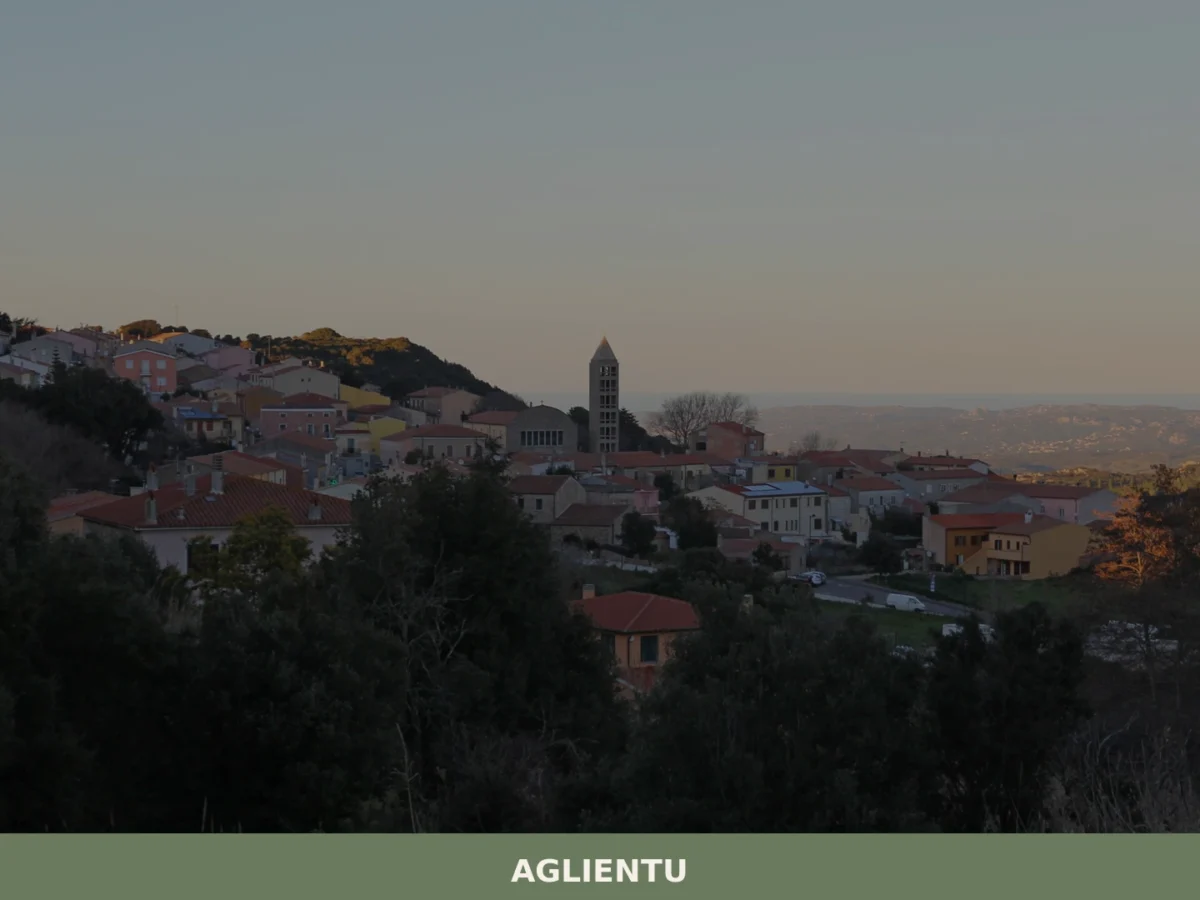
Aglientu
 Sea
Sea
Discover what to see in Aglientu, a Gallura village in north Sardinia: granite coasts, cork oak landscapes, Nuragic sites, and local pecorino culture.
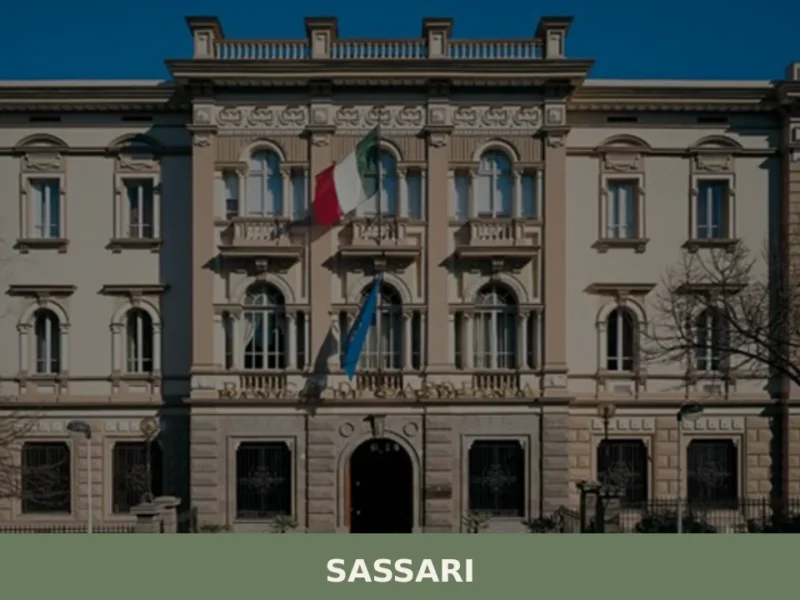
Sassari
Sea
Discover Sassari, a captivating village in Sardegna, Italy. Explore its rich history, vibrant culture, stunning architecture, and authentic Italian charm.
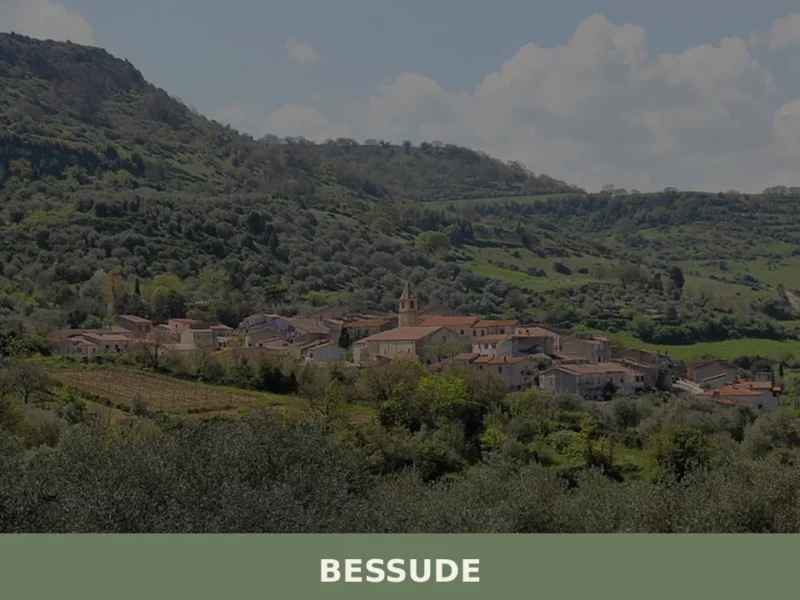
Bessude
Hills
At 447 meters above sea level, with a population of 383 inhabitants as of 2023, Bessude is a small town in Logudoro-Meilogu, in the province of Sassari, whose existence is documented at least since 1341 in the Rationes Decimarum Sardiniae. The village, known for its hilly location and the Nuragic remnants that surround its territory, […]
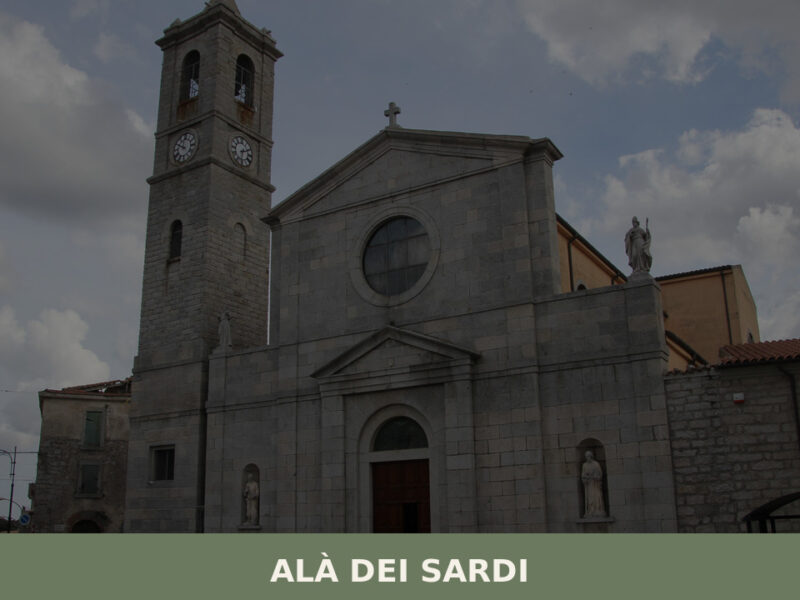
Alà dei Sardi
 Mountain
Morning mist rolls off the granite plateau and settles in the narrow streets, carrying the smell of woodsmoke and fresh bread from a communal oven that has not changed position in two centuries. At 663 metres above sea level, the air here is thinner, cooler, and quieter than on the coast below. Alà dei Sardi […]
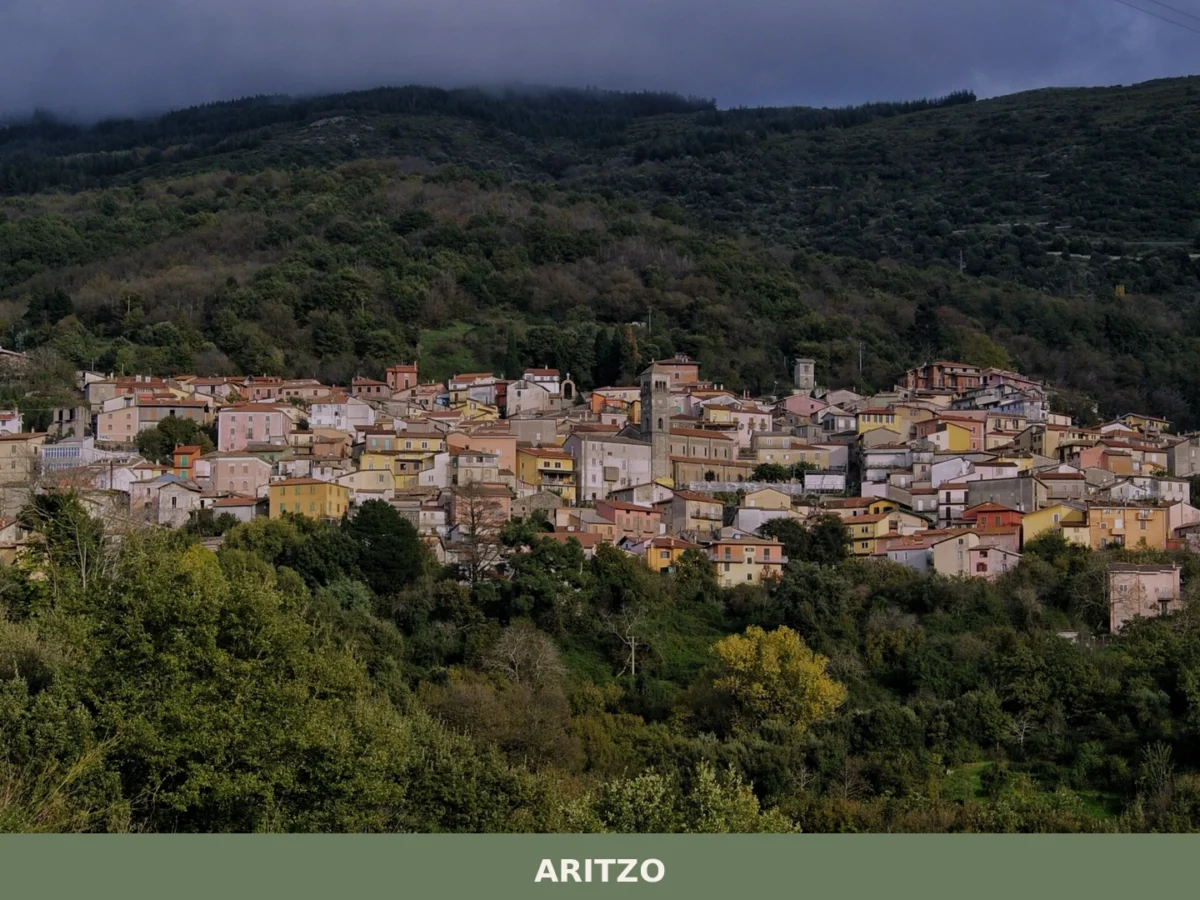
Aritzo
Mountain
What to see in Aritzo, Italy: Explore a village of 1,272 residents in Sardegna, located 80 km from Cagliari. Discover its unique demographics and geographical setting.
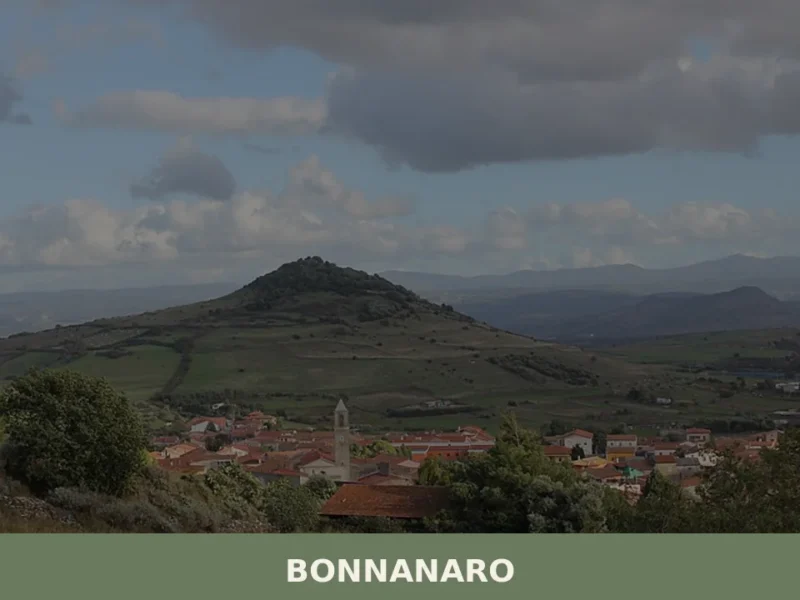
Bonnanaro
Hills
In 1388, when representatives of the Sardinian villages signed the peace treaty with the Crown of Aragon, among the signatories was the village of Bonnanaro, an agricultural centre already known for the fertility of its volcanic soils on the slopes of Monte Pelao. Today this village of 921 inhabitants, situated at 405 metres above sea […]
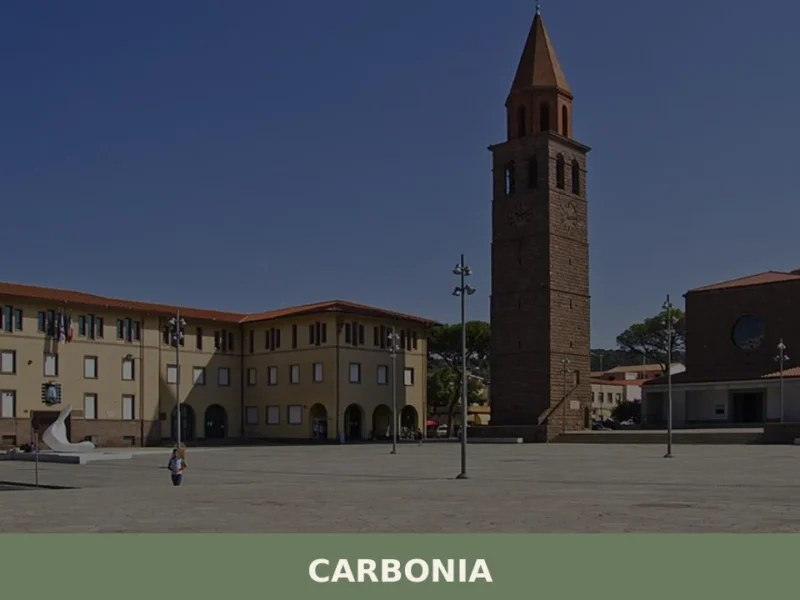
Carbonia
 Plains
What to see in Carbonia: 28,684 residents, rationalist architecture, and Nuragic sites in Sulcis Iglesiente. Plan your visit to the Coal Museum and Monte Sirai.
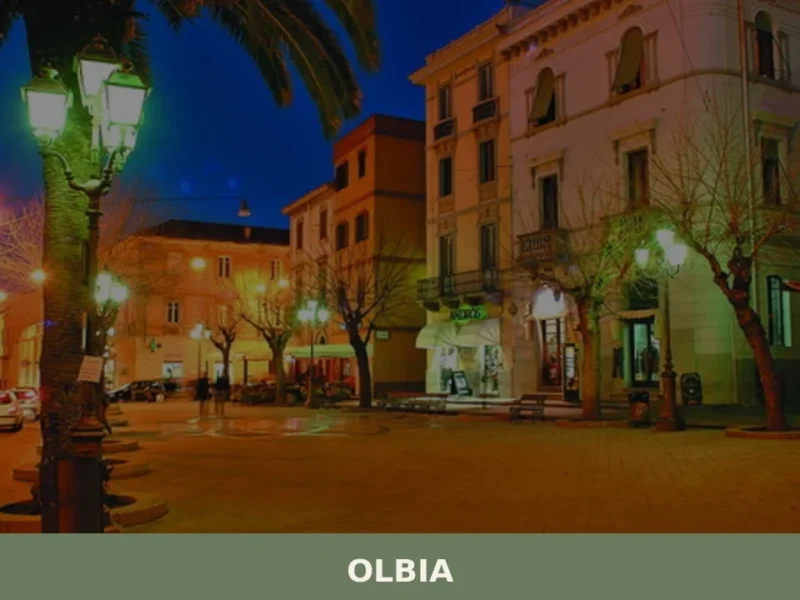
Olbia
Sea
Discover Olbia, a charming village in Sardegna, Italy. Explore its rich history, stunning landscapes, and vibrant local culture in this Mediterranean treasure.
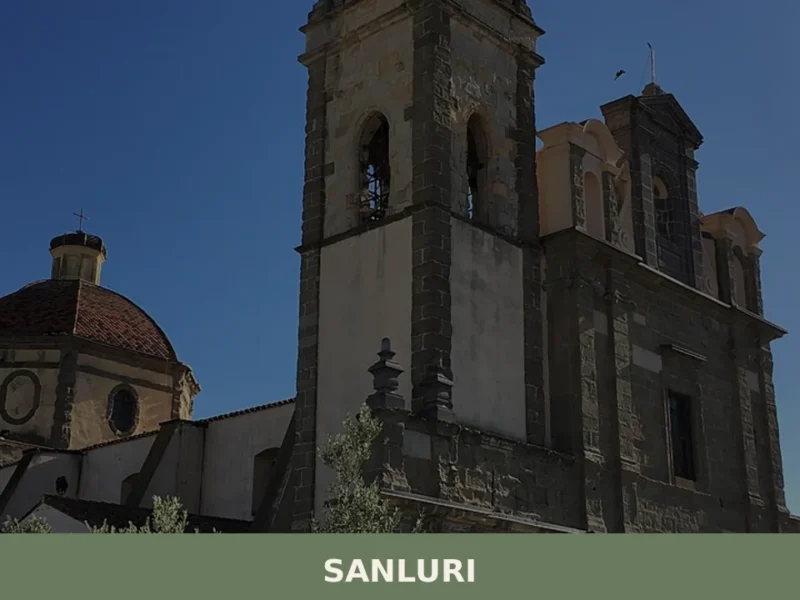
Sanluri
Plains
Discover Sanluri, a charming village in Sardegna, Italy, rich in history, culture, and stunning landscapes. Plan your visit today!

Orotelli
Hills
Population 2,140. A plateau village marked by granite outcrops, divided by geological syncline, with medieval ecclesiastical heritage and nuragic foundations in the Nuoro province.
🏡 Know Benetutti better than we do?
If you’re a local or have been there, your knowledge matters: add what’s missing or fix a detail on this page.